Edelbrock vs Whipple Supercharger: 2026 Comparison
Table of Contents
- Edelbrock vs Whipple Supercharger: Quick Comparison
- Peak Power and Torque Delivery
- Best Supercharger for Daily Driving
- Throttle Response, Heat Soak, and Drivability
- Supercharger Installation Cost and Fitment
- Supercharger Tuning Requirements and Calibration
- Warranty, Reliability, and Long-Term Performance
- Which Supercharger Should You Choose?
Last Updated: August 11, 2026
Edelbrock vs Whipple Supercharger: Quick Comparison
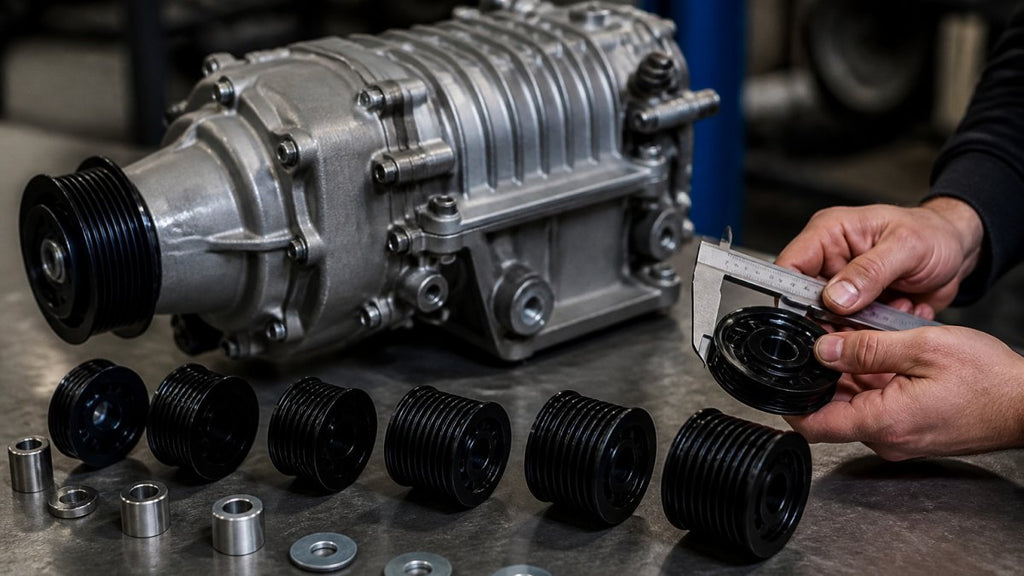
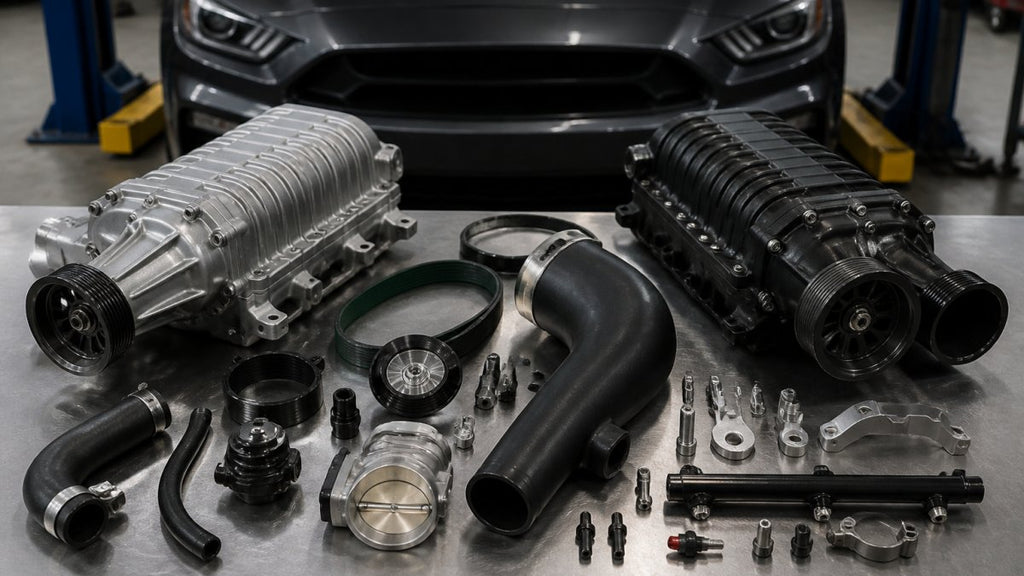
When choosing forced induction for your vehicle, the edelbrock vs whipple supercharger decision comes down to how you plan to use your engine and what trade-offs you're willing to make. Edelbrock focuses on roots-style forced induction with straightforward installation and broad compatibility, while Whipple specializes in twin-screw technology that prioritizes peak horsepower and aggressive boost delivery. The core tension isn't about which brand is "better" overall, it's about matching the right forced induction technology to your specific use case.
| Feature | Edelbrock | Whipple | Winner |
|---|---|---|---|
| Supercharger Type | Roots-style | Twin-screw | Whipple (efficiency) |
| Peak Horsepower Gains | Moderate to strong | High to very high | Whipple |
| Throttle Response | Immediate, linear | Aggressive, sharp | Whipple |
| Heat Soak Management | Good with intercooler | Excellent thermal design | Whipple |
| Installation Complexity | Moderate | Moderate to high | Edelbrock |
| Daily Driving Comfort | Excellent | Good (boost-dependent) | Edelbrock |
| Warranty Support | Strong | Strong | Tie |
| Best For | Balanced performance, daily use | Peak power, track/competition | Depends on goal |
Peak Power and Torque Delivery
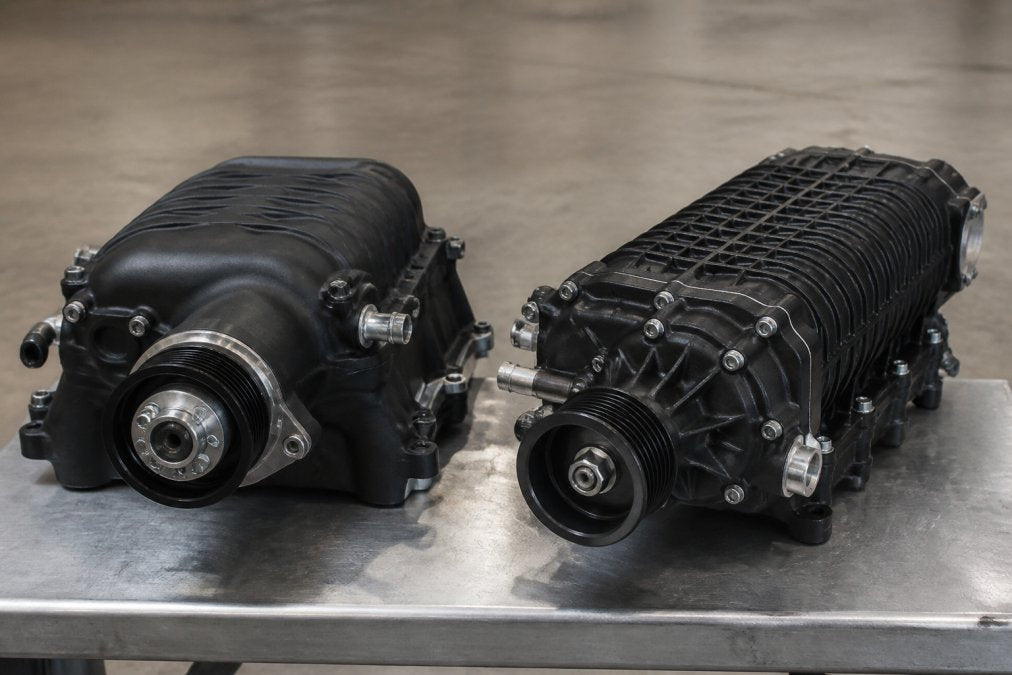
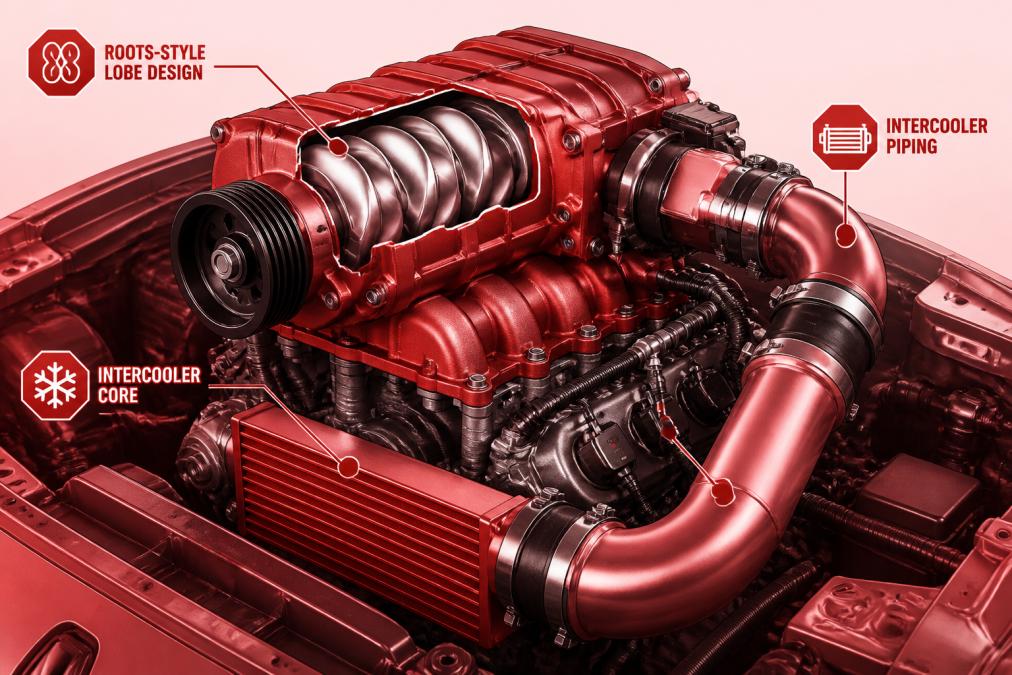
Edelbrock's roots-style supercharger generates boost through two rotating lobes that push air into the intake manifold, producing strong, predictable power throughout the rev range with a smooth, linear torque curve that translates to responsive acceleration without sudden surges.
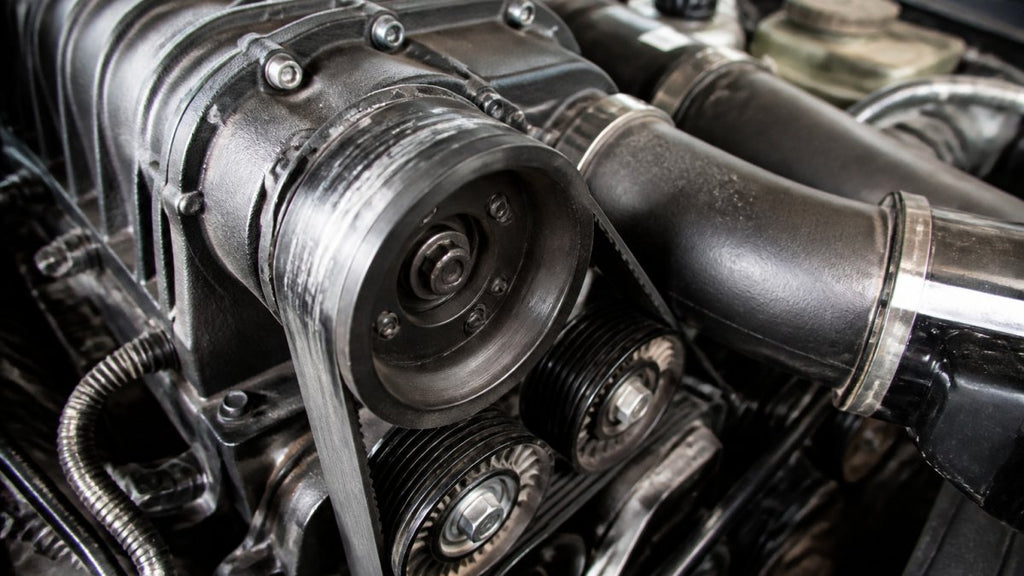
Whipple's twin-screw design uses intermeshing screws to compress air more efficiently before it enters the engine. Twin-screw superchargers generate higher volumetric efficiency, meaning more air actually reaches the cylinders. Crank horsepower gains from a Whipple typically exceed Edelbrock by 15-25 percent depending on engine displacement and tuning. Whipple's twin-screw design also runs cooler due to superior thermal efficiency, which matters significantly during sustained high-RPM driving or track sessions.
Key Takeaway
Whipple's twin-screw design produces higher peak horsepower and cooler operating temperatures. Edelbrock's roots-style system delivers smoother, more linear torque across a wider RPM band.
Best Supercharger for Daily Driving
Daily driving requires smooth idle, predictable transitions, and power delivery without jarring surges. Edelbrock's roots-style forced induction excels here. The smooth, linear boost delivery feels natural to drivers accustomed to naturally aspirated engines. Throttle tip-in is progressive rather than aggressive, and Edelbrock kits typically require minimal calibration adjustments beyond fuel and ignition timing, reducing potential drivability issues.
Whipple's twin-screw system works for daily driving but demands more from your calibration. The aggressive boost delivery and sharp throttle response require precise tuning to avoid stumbling, surging, or hunting gears, particularly problematic if you're running larger tires that already create gear-hunting issues. A properly tuned Edelbrock can actually help stabilize your power band and reduce hunting because it fills in the torque gaps that oversized tires create.
Pro Tip
For daily drivers with stock or mildly modified engines, Edelbrock's roots-style system requires less calibration finesse and produces a more linear, predictable power delivery that feels natural to most drivers.
Throttle Response, Heat Soak, and Drivability
Edelbrock's roots-style supercharger responds immediately to throttle input with a steady boost curve that climbs progressively as engine speed increases. There's no lag, just linear power delivery that feels controllable.
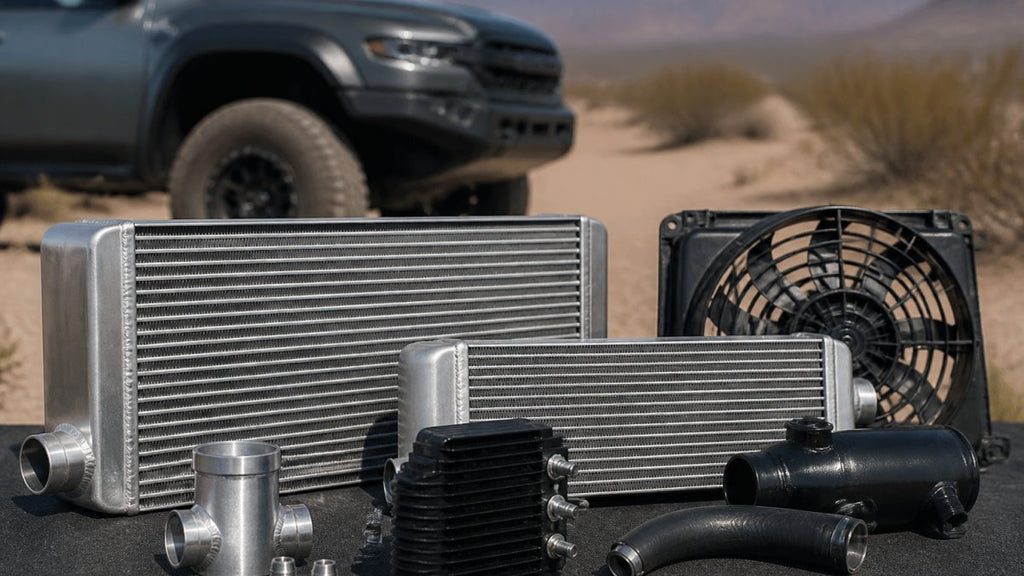
Whipple's twin-screw design produces sharper throttle response because the intermeshing screws compress air more aggressively. Boost arrives faster and peaks harder, which is thrilling on a track but demands precision in calibration to avoid drivability issues. The aggressive boost delivery generates more heat, which is why Whipple systems typically include larger intercoolers and more sophisticated cooling strategies.
Heat soak affects both systems differently. Edelbrock's lower boost pressure generates less absolute heat, but roots-style superchargers are inherently less thermally efficient than twin-screw units. Whipple's superior volumetric efficiency means less heat generation per unit of boost, but higher peak boost pressure creates more thermal stress overall. A Whipple system in a properly cooled vehicle will actually run cooler than an undersized Edelbrock system.
Drivability integration matters more than raw specifications for most owners. Edelbrock's straightforward boost delivery integrates more easily with factory or mild aftermarket calibrations. Whipple's aggressive characteristics demand more sophisticated tuning. If your tuner has extensive Whipple experience, you'll get excellent results; if not, you might spend weeks chasing drivability issues.
Supercharger Installation Cost and Fitment
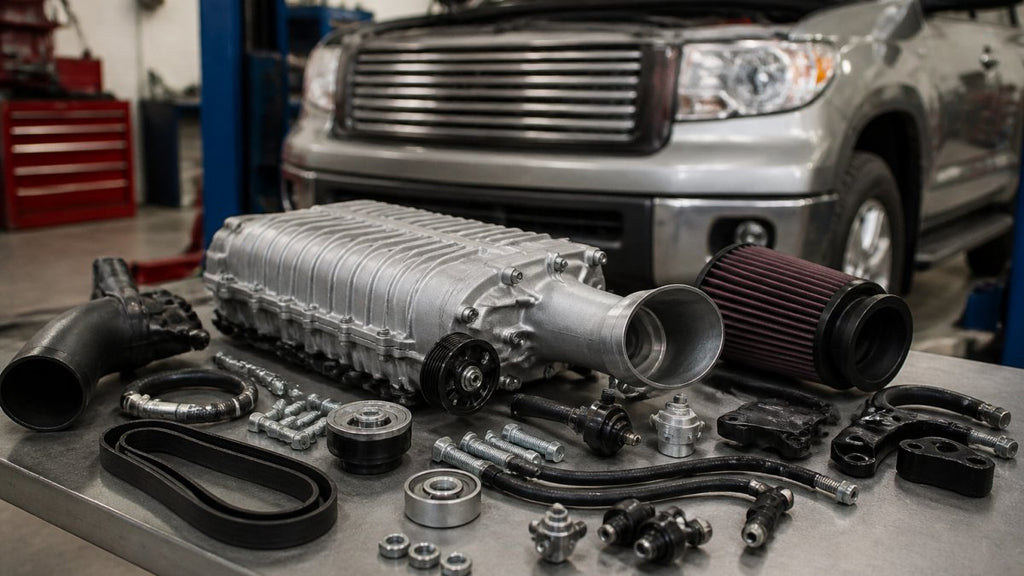
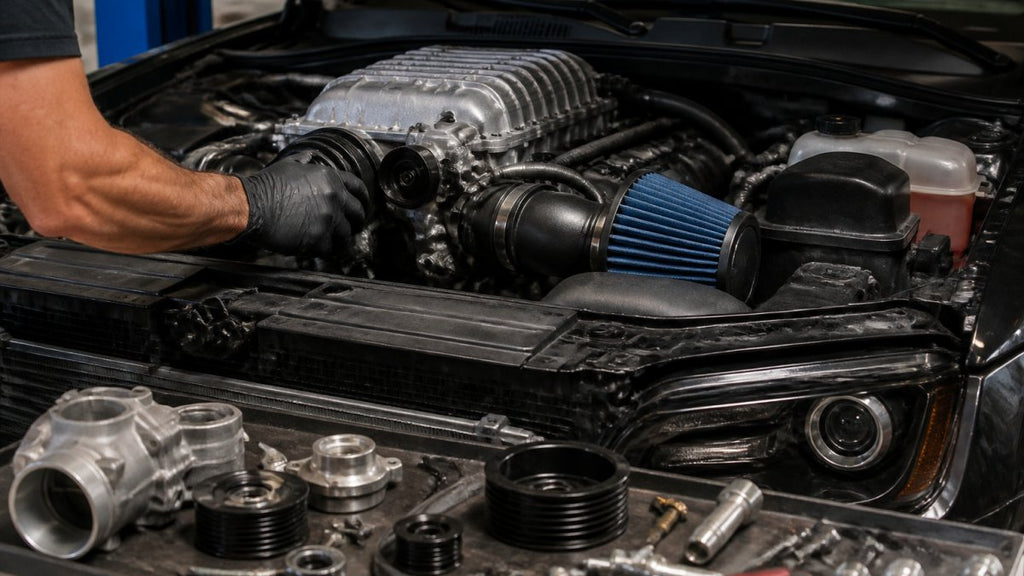
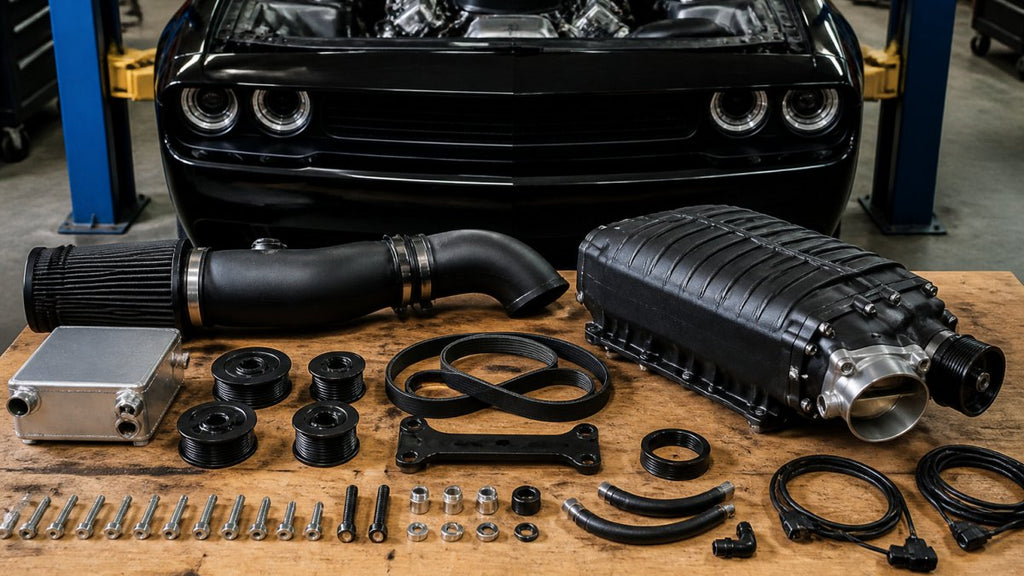
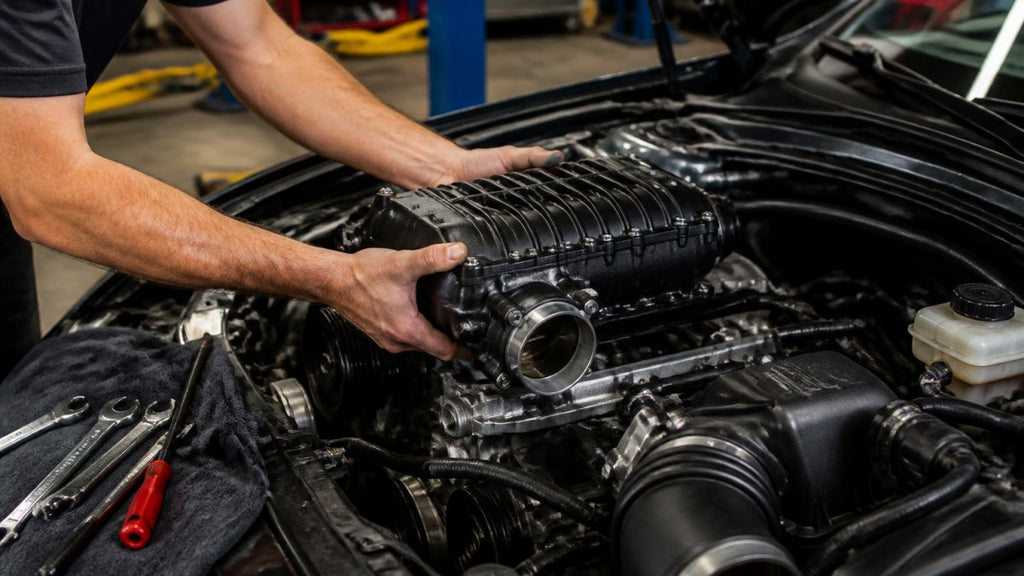
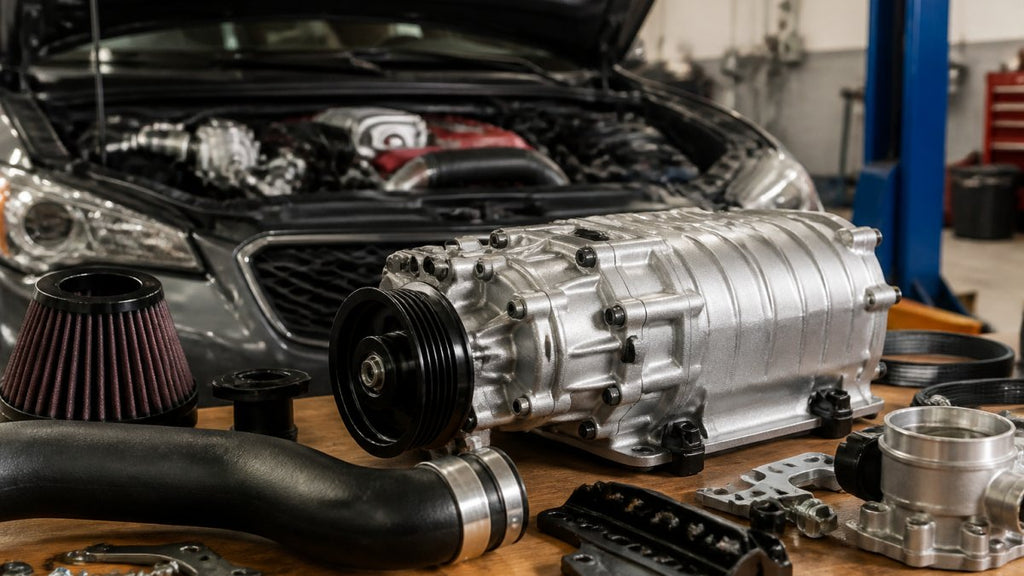
Both Edelbrock and Whipple kits are designed as bolt-on systems, meaning they attach to your existing engine without requiring internal modifications. However, "bolt-on" means you're not rebuilding your engine, not that installation is trivial.

Edelbrock kits typically require 8-16 hours of labor depending on your vehicle platform. The roots-style design means simpler intake manifold integration and fewer custom fuel system modifications. DIY installation is realistic for many Edelbrock applications if you're mechanically competent.
Whipple kits often demand more installation complexity, typically requiring 10-30 hours of labor. Twin-screw superchargers require custom fuel system calibration, more sophisticated intercooler plumbing, and sometimes custom intake manifold work. Professional installation becomes more attractive, increasing total cost. However, Whipple's engineering is precise, and fitment is generally excellent once you commit to the installation process.
The real cost consideration isn't just parts and labor, it's the quality of fitment. A poorly installed supercharger creates vacuum leaks, boost inconsistencies, and heat management problems that cost far more to diagnose and fix than proper installation upfront.
Watch Out
Attempting DIY installation without proper mechanical experience can result in vacuum leaks, improper boost calibration, and potential engine damage. If you're uncertain about your ability to handle intercooler plumbing, fuel system modifications, or custom intake work, professional installation is worth the cost.
Supercharger Tuning Requirements and Calibration
A supercharger bolts onto your engine, but your engine's computer doesn't magically know how to manage the additional air and boost pressure. You need calibration through a custom tune, a pre-made tune file, or both.
Edelbrock systems typically work with established tuning platforms because roots-style boost characteristics are well-understood and predictable. Many tuners have extensive libraries of Edelbrock tunes for popular platforms. If your vehicle is a common application, you might find a pre-made tune that works well out of the box, reducing your total cost and complexity.
Whipple's more aggressive boost curve demands more sophisticated calibration. The twin-screw's rapid boost delivery requires precise fuel and ignition timing adjustments across the entire RPM range. A generic tune often doesn't work well; you typically need a custom tune tailored to your specific engine, fuel system, and driving goals.
Both systems use electronic boost controllers that allow you to adjust peak boost pressure. More boost means more power but also more thermal stress and greater demands on your fuel system and engine internals. A conservative tune (12-15 PSI boost) works on stock or mildly built engines. More aggressive tuning (18-22 PSI) requires upgraded fuel injectors, fuel pump, and potentially internal engine modifications.
Pro Tip
Request a detailed tune strategy from your tuner before installation. Know whether you're getting a pre-made tune file or a custom dyno tune, and understand how the calibration handles boost control, fuel enrichment, and ignition timing across your entire RPM range.
Warranty, Reliability, and Long-Term Performance
Both Edelbrock and Whipple offer solid warranty coverage on their supercharger units themselves. Edelbrock offers a 3-year or 36,000-mile limited powertrain warranty on their supercharger kits, covering parts and repairs for engine, transmission, and rear axle components up to $16,500, provided the product is properly installed and not modified. Whipple offers a 3-year or 36,000-mile warranty on their supercharger components, and some of their kits include a 3-year or 36,000-mile powertrain warranty for qualifying applications. However, warranty claims often hinge on whether your installation was proper and your tune was appropriate.
The real reliability question isn't about the supercharger, it's about your engine's ability to handle sustained boost. Stock engines with factory internals can handle moderate boost (12-15 PSI) for extended periods if properly tuned and maintained. Push beyond that, and you're asking a lot of components designed for naturally aspirated operation.
Long-term performance depends on your maintenance discipline. Supercharged engines need quality fuel (91-93 octane minimum), regular oil changes (possibly more frequent than stock), and careful attention to cooling system health. Intercooler maintenance is critical; a clogged or inefficient intercooler causes heat soak that degrades performance and stresses the engine.
Real-world reliability also depends on the platform. Some vehicles are naturally suited to supercharging with minimal risk. A 2005-2020 Ford F-150 with a 5.0L engine handles moderate boost very well. A 2012-2021 Jeep Wrangler JK with a 3.6L V6 also responds well to forced induction if you're conservative with boost pressure. Older platforms or engines with higher mileage demand more caution.
Which Supercharger Should You Choose?
The decision between Edelbrock and Whipple comes down to your priorities and your vehicle's intended purpose.
Choose Edelbrock if:
- You drive your vehicle daily and want responsive but linear power delivery
- You're building a moderately powered engine (targeting 400-500 crank horsepower)
- You want straightforward installation and calibration with fewer variables
- You're concerned about heat management and want a simpler cooling strategy
- You value smooth throttle response over peak numbers
Choose Whipple if:
- You're building for peak performance and willing to invest in sophisticated tuning
- You want the highest possible crank horsepower from your displacement
- You're running a dedicated track vehicle or competition build
- You have access to a tuner with strong Whipple experience
- You're willing to manage higher thermal loads with upgraded cooling
The honest truth: both systems work. Edelbrock has proven reliability across decades of applications. Whipple's twin-screw technology delivers measurably higher peak power. The difference isn't about right versus wrong, it's about matching the right tool to your specific goals. A driver prioritizing daily usability will be happier with Edelbrock. A competitor chasing peak numbers will prefer Whipple's aggressive characteristics.
What matters most is starting with a quality kit engineered for your vehicle, getting proper calibration from someone who understands forced induction, and committing to maintenance discipline. A well-executed Edelbrock build on a stock platform often outperforms a poorly tuned Whipple system on a modified engine.
Choosing forced induction requires understanding how your specific vehicle will respond to boost, how your tuning will manage that boost, and whether you're willing to maintain the higher standards that supercharged engines demand. VT Superchargers provides engineered kits with 24-month warranty protection and financing options to make performance upgrades accessible. Explore VT Superchargers' bolt-on kits for your vehicle and discover how forced induction can transform your daily driver or off-road build.
Frequently Asked Questions
Is a Whipple supercharger worth the premium price compared to Edelbrock?
Whipple commands higher pricing due to its twin-screw design, which delivers faster boost response and sustained power across the RPM range. Edelbrock roots-style units cost less upfront but may require more aggressive tuning to match peak numbers. The choice depends on your budget and whether you prioritize initial cost savings or maximum throttle response and efficiency. For daily drivers on a budget, Edelbrock offers solid performance gains. For track-focused builds or vehicles already running supporting modifications, Whipple's thermal efficiency and consistent boost delivery often justify the investment.
Which supercharger is best for high-mileage vehicles and long-term reliability?
Both brands have proven track records at high mileage when properly maintained. Edelbrock roots-style superchargers are simpler mechanically, which can mean fewer potential failure points over time. Whipple twin-screw units require more precise calibration and maintenance but are engineered for sustained performance. The critical factor is matching the supercharger to your engine's current condition and supporting modifications. High-mileage engines may benefit from Edelbrock's simpler design, while well-maintained, modified engines handle Whipple's demands. Always verify that your powertrain warranty covers forced induction and follow the manufacturer's tuning and maintenance schedule.
Do I need custom tuning for an Edelbrock or Whipple supercharger?
Yes, both require supercharger tuning requirements after installation. Edelbrock typically needs ECU calibration to optimize fuel delivery and ignition timing for the increased boost pressure. Whipple's twin-screw design demands more precise tuning to manage its rapid boost delivery and thermal characteristics. Most kits include base calibration software, but professional dyno tuning is recommended to maximize power gains and ensure drivability. Tuning costs and complexity vary by vehicle platform, some offer plug-and-play solutions, while others require custom work. Budget for professional calibration as part of your total installation cost.
Will a supercharger help with gear hunting on a truck with larger tires?
Yes, both Edelbrock and Whipple superchargers increase low-end torque, which can reduce gear hunting by providing more power across the RPM range. Larger tires increase engine load and cause transmissions to search for the right gear on highways. A supercharger's forced induction adds air volume and boost pressure, delivering extra torque that helps your transmission hold a gear longer. However, supercharger alone may not fully resolve the issue, you may also need transmission tuning to adjust shift points and lock-up characteristics. Combine the supercharger installation with custom calibration for the best results on modified off-road or towing builds.
Are Edelbrock superchargers legal and emissions-compliant?
Edelbrock offers carb legal options for certain applications, but emissions compliance depends on your state and vehicle platform. Some Edelbrock kits meet EPA standards, while others are street-legal in specific regions. Whipple superchargers are also available in emissions-compliant versions for select vehicles. Before purchasing, verify that your chosen kit meets your state's emissions regulations, requirements vary widely. Check with your installer and the manufacturer for documentation proving compliance. Non-compliant systems may fail state inspection or cause registration issues, so confirm legality before installation.
This article was written using GrandRanker
Related post
09
Oct
RECENT POSTS