Fix Gear Hunting With Larger Tires: A DIY Guide
Table of Contents
- What Causes Gear Hunting With Larger Tires
- Signs Your Transmission Is Struggling With Big Tires
- Diagnostic Checklist: Is It Really Gear Hunting
- How to Calculate New Gear Ratio for Your Larger Tires
- Re-gearing vs Throttle Controller: Which Fix Works Best
- Step-by-Step: Fixing Gear Hunting With ECU Tuning
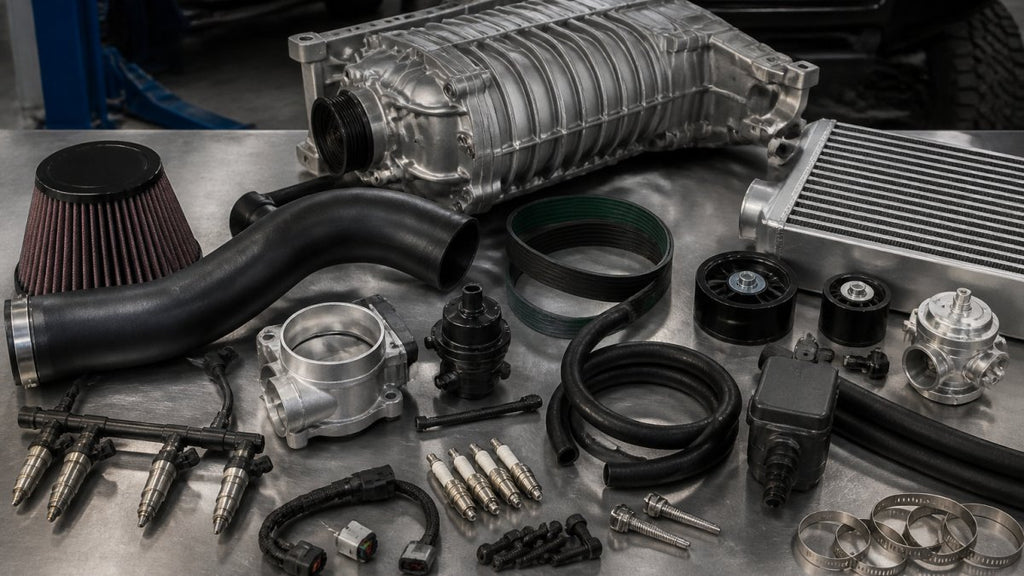
- When to Consider Forced Induction as Your Solution
- Conclusion
Last Updated: August 13, 2026
What Causes Gear Hunting With Larger Tires
Gear hunting with larger tires happens when your transmission constantly shifts up and down on the highway, searching for the right gear but never settling into a comfortable cruising range. The root cause is a mismatch between your tire diameter and your vehicle's final drive ratio, the numerical relationship that determines how many engine revolutions occur per wheel rotation.
When you install larger tires, you increase the overall circumference of your wheel. Your speedometer reads the same, but your engine is actually spinning slower than the factory calibration expects. This forces the transmission to hunt for a gear that satisfies both the engine's RPM preferences and the vehicle's speed signal, resulting in constant shifting that wastes fuel, stresses the transmission, and ruins highway comfort.
Factory gear ratios assume a certain tire size. Upgrade to 33-inch, 35-inch, or larger tires without adjusting the final drive ratio or ECU tuning, and you've created a problem the transmission can't solve on its own. At VT Superchargers, we work with enthusiasts who've discovered this issue firsthand. The solution depends on your vehicle, your driving style, and whether you're willing to modify the drivetrain or just the engine computer.

Signs Your Transmission Is Struggling With Big Tires
The most obvious symptom is constant shifting on the highway, the transmission cycles between gears every few seconds instead of locking into one gear for smooth cruising. Throttle response changes noticeably, with the engine feeling sluggish on acceleration and hesitation before power arrives. Highway fuel economy drops measurably, sometimes by 2-4 miles per gallon.
Transmission fluid temperature climbs higher than normal, especially during highway driving or towing. If you monitor your transmission temperature with an aftermarket gauge or OBDII scanner, you'll see numbers creeping toward 200°F when they should stay around 180°F at highway speeds. You might also notice lag or hesitation when merging onto highways or passing traffic.
These symptoms confirm that your final drive ratio no longer matches your tire size. Diagnosis is straightforward, and the fix is well-established.
Diagnostic Checklist: Is It Really Gear Hunting
Before you commit to a fix, confirm that you're actually dealing with gear hunting and not a transmission problem or engine issue.
Step 1: Check Your Tire Size Measure your current tire diameter and compare it to your factory specification. If you've increased diameter by more than 2-3 inches, you've created a gear ratio mismatch.
Step 2: Connect an OBDII Scanner Plug a basic OBDII scanner into your vehicle's diagnostic port. Drive on the highway at a steady 65 mph and observe the engine RPM. If RPM bounces up and down by 200-300 RPM every few seconds, that's gear hunting.
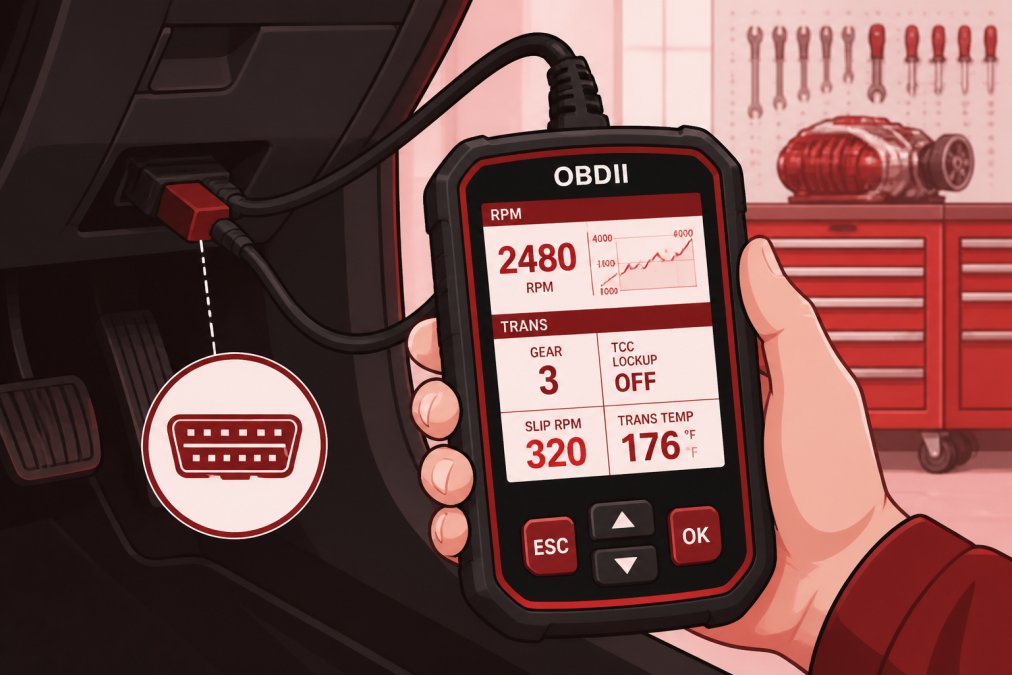
Step 3: Monitor Transmission Fluid Temperature Use the OBDII scanner to pull transmission fluid temperature data while cruising. Highway cruising should keep transmission fluid around 180-190°F. If temperature is consistently above 200°F, the transmission is working harder than it should.
Step 4: Test Throttle Response On a safe, empty road, accelerate gently from 30 mph to 60 mph and note the transmission's behavior. Smooth, predictable shifting suggests the transmission is healthy. Erratic shifting indicates a mismatch between tire size and final drive ratio.
Step 5: Check for Transmission Codes Scan for any transmission-related diagnostic trouble codes (DTCs). If you see codes like P0700 or P0750, the transmission itself may have an issue independent of tire size. If no codes appear, gear hunting from tire size mismatch is the likely culprit.
Step 6: Verify Recent Changes Review what modifications you've made. Did you recently install larger tires, a lift kit, or different wheels? Gear hunting typically appears immediately after a tire upgrade.
If your diagnostic confirms gear hunting from tire size mismatch, steady RPM fluctuation, elevated transmission temperature, and recent tire upgrade, you're ready to explore solutions.
How to Calculate New Gear Ratio for Your Larger Tires
Calculating the correct final drive ratio requires three pieces of information: your factory tire diameter, your new tire diameter, and your current final drive ratio.
Gather Your Numbers
Find your factory tire size in your owner's manual or the driver's door jamb. Use an online tire calculator or measure the tire sidewall to convert this to overall diameter in inches. Locate your current final drive ratio in your owner's manual or vehicle documentation.
The Calculation
Use this formula:
New Gear Ratio = Current Gear Ratio × (New Tire Diameter ÷ Factory Tire Diameter)
Example: Factory tires are 30.5 inches, new tires are 35 inches, current ratio is 3.73:1.
New Gear Ratio = 3.73 × (35 ÷ 30.5) = 3.73 × 1.148 = 4.28:1
This tells you that to maintain the same engine RPM at highway speeds, you need to change your final drive ratio from 3.73:1 to approximately 4.28:1. A higher ratio number means more engine revolutions per wheel rotation, which brings your RPM back into the correct range for your larger tires.
What This Means in Practice
A higher gear ratio makes the transmission work harder on acceleration but brings highway cruising RPM back to normal. Your transmission will stop hunting because the engine speed will match what the transmission expects at highway speeds. Many shops use online gear ratio calculators to verify this math and remove calculation errors.
Re-gearing vs ECU Tuning: Which Fix Works Best
Two main approaches exist to fix gear hunting with larger tires: re-gearing (changing the physical gears in your differential) and ECU tuning (adjusting the transmission computer).
Re-gearing: The Mechanical Fix
Re-gearing means replacing the ring and pinion gears in your differential with a new set that matches your larger tire diameter. This is a permanent, mechanical solution that corrects the gear ratio mismatch at the source.
Advantages: Re-gearing solves the problem completely and permanently. Highway cruising returns to normal, fuel economy improves, and transmission temperature drops. The fix works for all driving conditions without additional adjustments.
Disadvantages: Re-gearing is expensive, typically $1,500-$3,000 in labor plus parts. It requires removing the differential, which means the vehicle is out of service for several days. Some vehicles have limited gear ratio options available.
ECU Tuning: The Software Fix
ECU tuning adjusts the transmission control module's shift point logic to account for the larger tire diameter. The tuner modifies the software to tell the transmission computer that your tires are larger than stock.
Advantages: ECU tuning is significantly cheaper than re-gearing, typically $400-$800. It's fast and reversible. For many vehicles, it eliminates gear hunting effectively.
Disadvantages: ECU tuning doesn't address the actual mechanical mismatch. The transmission still operates at different RPM than factory calibration intended, so transmission stress doesn't fully disappear. Tuning quality varies widely between shops.
Which One Should You Choose?
For daily drivers and vehicles that will keep the same tire size long-term, re-gearing is the better investment. For off-road vehicles that might change tire sizes frequently, or for budget-conscious owners, ECU tuning is the practical choice. If you're planning significant engine modifications, like adding forced induction through a supercharger kit from VT Superchargers, ECU tuning becomes even more attractive because a quality tuner can optimize both the transmission shift points and the engine tune simultaneously.
Step-by-Step: Fixing Gear Hunting With ECU Tuning
ECU tuning is the fastest solution for gear hunting. While the actual flashing requires professional equipment, understanding the process helps you work effectively with a tuner.
Step 1: Find a Qualified Tuner
Search for shops specializing in transmission tuning for your specific vehicle make and model. Ask for references and examples of previous work. A good tuner will have experience with larger tire sizes and gear hunting specifically.
Step 2: Provide Detailed Vehicle Information
When you contact the tuner, provide: your vehicle's year, make, model, and engine size; your current tire diameter; your factory tire diameter; your current final drive ratio; and your transmission type. The more precise your information, the more accurate the tune will be.
Step 3: Discuss Tuning Goals
Tell the tuner you want to eliminate gear hunting at highway speeds while maintaining smooth, predictable transmission behavior. A quality tuner will explain their approach and what changes they're making to the transmission software.
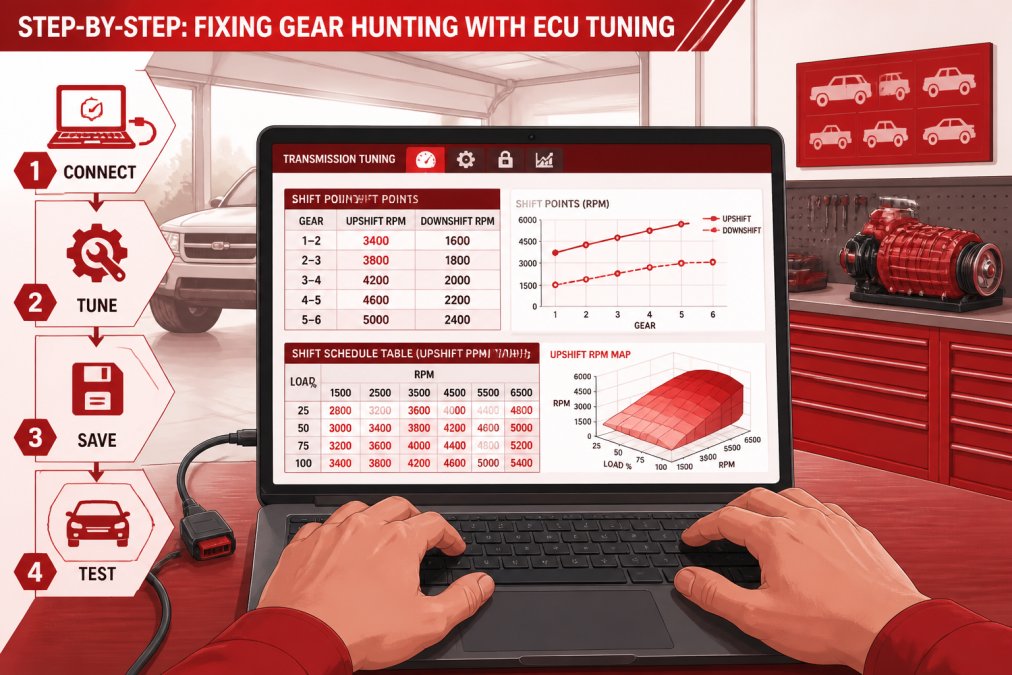
Step 4: Connect to the Vehicle's ECU
The tuner will connect a laptop or specialized tuning device to your vehicle's OBD2 port or directly to the ECU. This allows them to read the current transmission calibration and identify the shift point logic causing gear hunting.
Step 5: Flash the New Tune
The tuner uploads the modified software to your vehicle's ECU. This process takes 15-30 minutes. Do not interrupt the process or disconnect the tuning device until it's complete.
Step 6: Test and Verify
After flashing, the tuner will test the vehicle on the road to confirm that gear hunting has stopped. They'll drive at highway speeds and verify that the transmission settles into a single gear without hunting.
Step 7: Monitor Performance
After tuning, drive normally for the first week and observe transmission behavior. Monitor transmission fluid temperature with an OBDII scanner during highway driving. Temperature should be noticeably lower than before tuning. If the tune doesn't eliminate gear hunting completely, return to the tuner for adjustments.
When to Consider Forced Induction as Your Solution
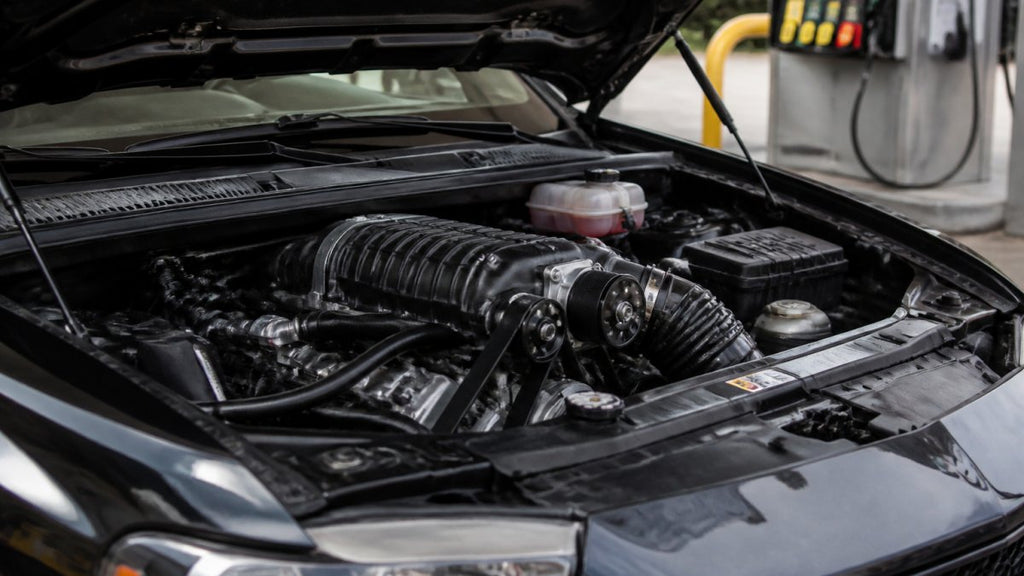
If you're dealing with gear hunting from larger tires and you're also interested in adding horsepower and torque, forced induction through a supercharger addresses both problems simultaneously.
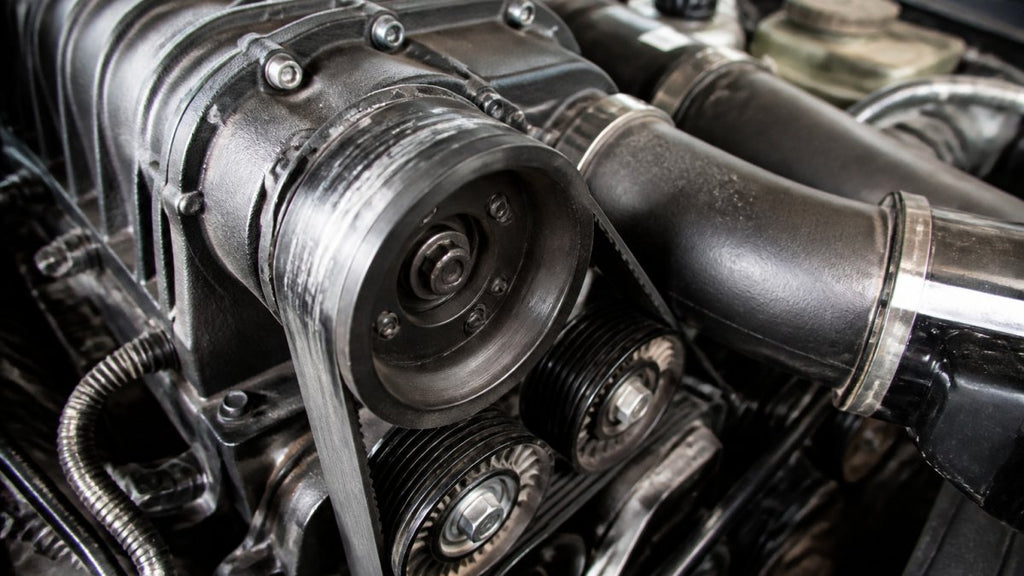
When you add a supercharger, you're typically also updating the engine tune to optimize shift points, fuel injection, and ignition timing. That comprehensive engine tune often includes transmission adjustments that can eliminate gear hunting as a side benefit. A supercharger increases low-end torque, which means your engine produces more power at lower RPM, reducing the need for aggressive downshifting and giving the transmission more flexibility in choosing gears.
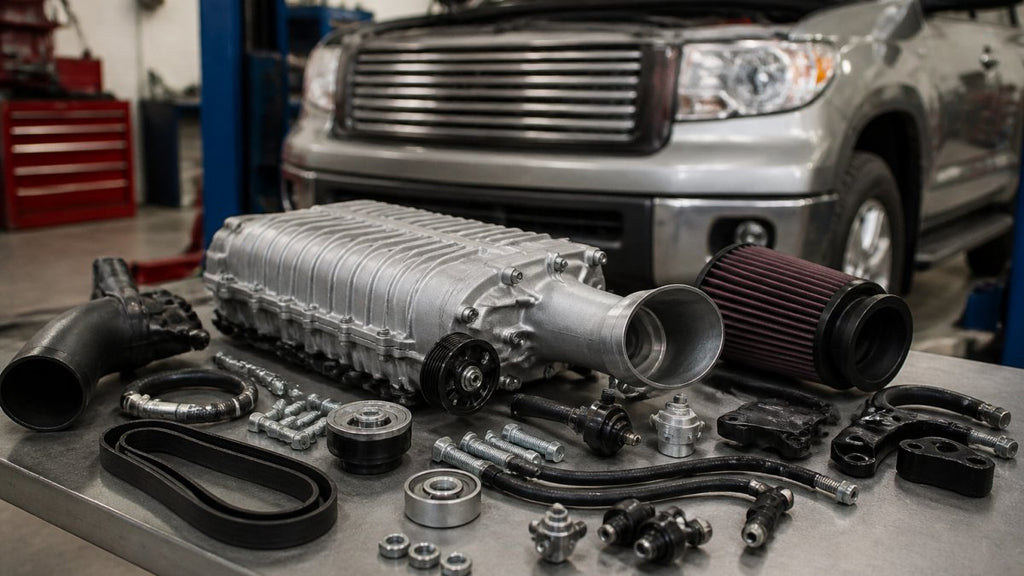
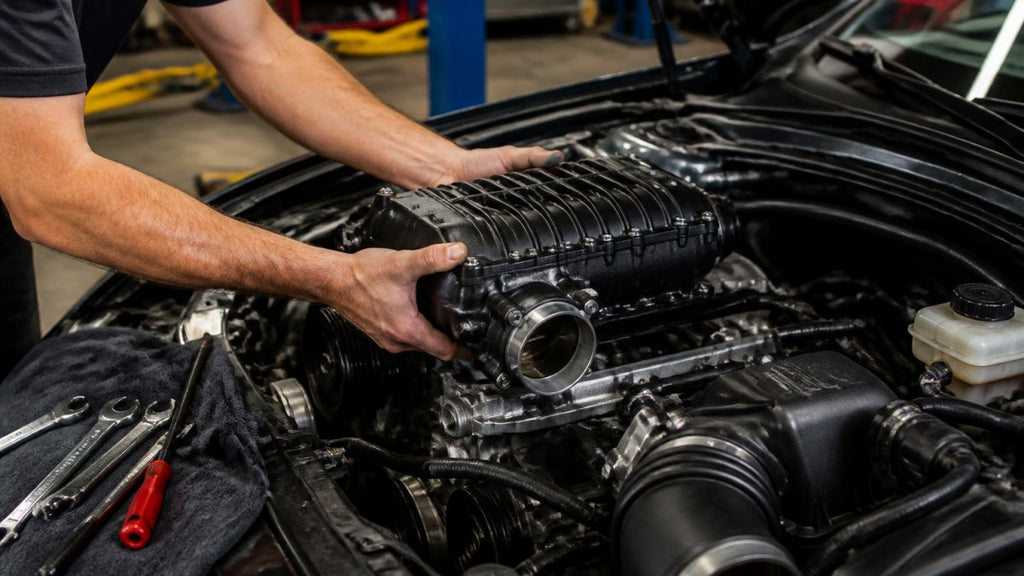
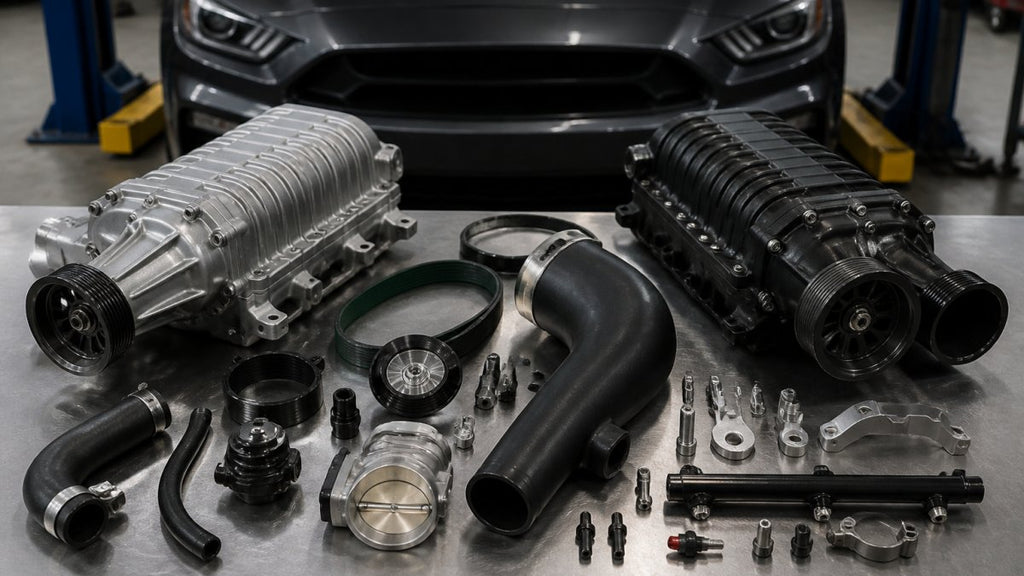
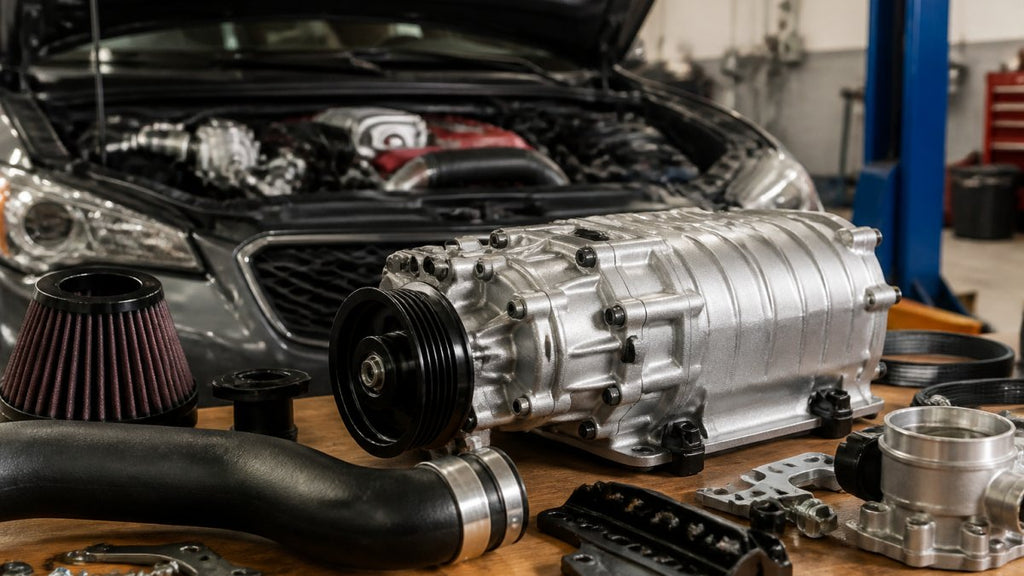
VT Superchargers' bolt-on kits for Toyota Tacoma, Land Cruiser, and other platforms are engineered for OEM-style fitment and come with tuning support. However, forced induction is not a substitute for re-gearing or ECU tuning if gear hunting is your only concern. A supercharger is a significant investment ($5,950-$7,300 depending on the kit). Choose this path only if you want the performance gains as well as the gear hunting fix.

Gear hunting with larger tires is frustrating, but it's completely fixable. The solution depends on your budget, your vehicle, and your long-term plans. If you're serious about performance and reliability, pair your gear hunting fix with a quality forced induction upgrade, the two modifications complement each other and deliver real, measurable improvements in both drivability and power. VT Superchargers' kits are engineered for precise fitment and backed by a 24-month warranty, giving you confidence that your investment will deliver results.
Frequently Asked Questions
Do bigger tires cause gear hunting?
Yes. Larger tires increase rolling circumference, which changes the relationship between engine RPM and vehicle speed. Your transmission's shift points are calibrated for stock tire diameter. With oversized tires, the final drive ratio effectively becomes lower, causing the transmission to hunt between gears as it searches for the correct shift point. Tire diameter directly affects gear ratio math, making this one of the most common causes of gear hunting on modified vehicles.
How do I calculate the new gear ratio for my larger tires?
Use this formula: New Gear Ratio = Stock Gear Ratio × (New Tire Diameter ÷ Stock Tire Diameter). For example, if you have a 3.73 gear ratio with 30-inch tires and upgrade to 35-inch tires: 3.73 × (35 ÷ 30) = 4.35 effective ratio. A gear ratio calculator tool can automate this. Compare your result to your vehicle's available gear sets to determine if re-gearing is necessary or if ECU tuning alone will resolve the issue.
What's the difference between re-gearing and ECU tuning for gear hunting?
Re-gearing replaces your differential gears to match your new tire diameter, a permanent mechanical fix that restores the original gear ratio relationship. ECU tuning adjusts your transmission's shift points and throttle response in software, telling your transmission when to shift based on the new tire size. ECU tuning is cheaper and reversible; re-gearing is more expensive but requires no ongoing maintenance. For daily drivers with moderate tire upgrades, ECU tuning often solves gear hunting. For extreme builds or towing, re-gearing provides better long-term transmission health.
Will adding a supercharger make gear hunting worse?
A supercharger increases engine torque and horsepower, which can amplify gear hunting if your transmission is already struggling. However, forced induction kits like those from VT Superchargers are engineered with modern engine management that works alongside ECU tuning. The added power actually makes proper tuning more important, your transmission needs to shift at the right RPM range to handle the increased torque without overheating. Pairing a supercharger with correct gear ratio calibration or ECU re-tune delivers both performance and drivability.
This article was written using GrandRanker
Related post
09
Oct
RECENT POSTS