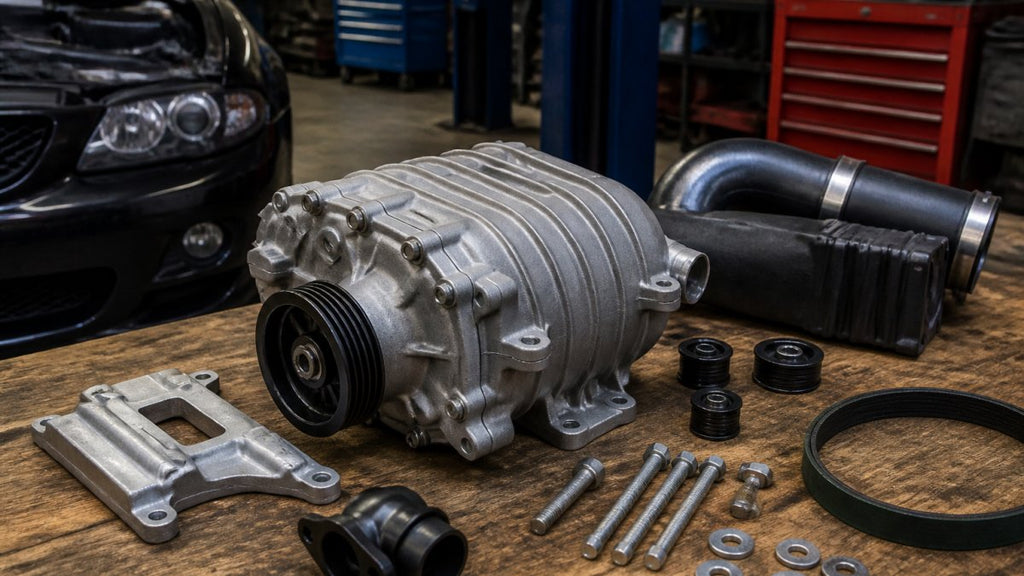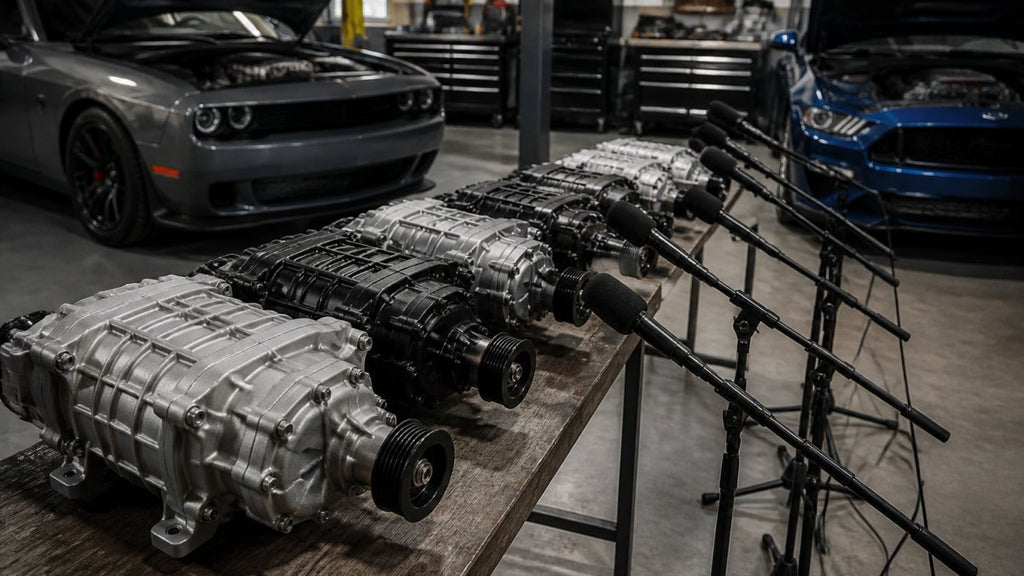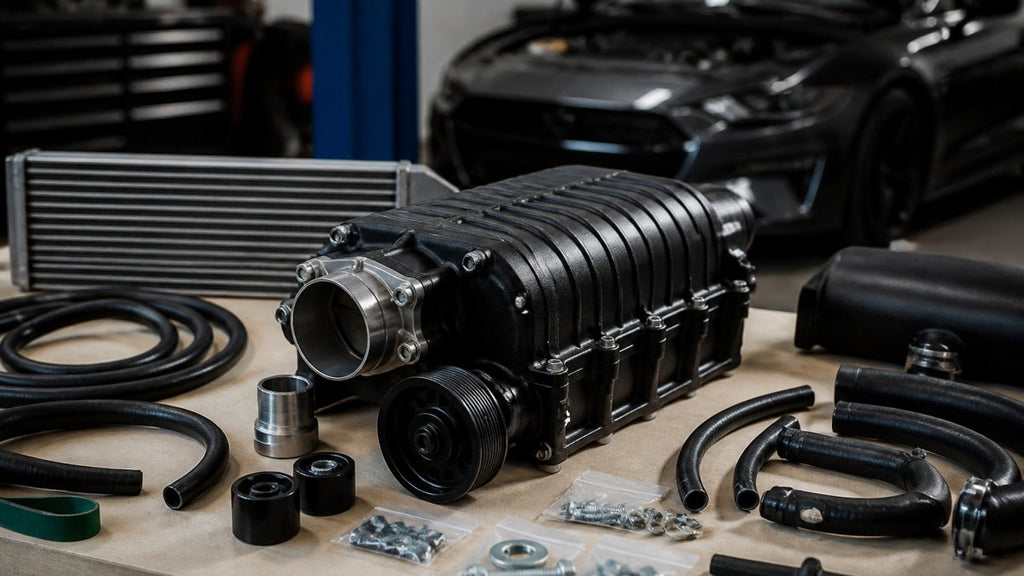
7 Supercharger Kit Resale Value Realities to Know
Last Updated: October 25, 2026
Quick Summary
Supercharger kit resale value is the amount a used kit actually brings on the open market, and it rarely matches what the original buyer spent. Price your supercharger kit resale from sold comparables, completeness, and condition rather than your original invoice, since a kit is a used part the moment it leaves the box.
- A supercharger can add value to the right buyer but significantly narrows the buyer pool.
- Collect comparable sold listings, not asking prices, and cross-check against at least three sold comparables.
- A kit missing brackets or a tune is a project, and buyers price it that way.
- Paperwork is the cheapest resale upgrade you can make because buyers pay for certainty.
- Removal labor, return-to-stock parts, and tune reversal all cut into your net recovery.
Table of Contents
- Why Supercharger Kit Resale Value Is Not What You Paid
- Supercharger Impact on Car Resale Value: Premium or Penalty
- Used Supercharger Kit Price: What Sets the Number
- Supercharger Kit Compatibility Checks Before You Buy or Sell
- Selling a Used Supercharger Kit: A Step-by-Step Checklist
- Removal Costs and Return-to-Stock Math
- Register Your Kit and Protect Its Resale Record
- Frequently Asked Questions
Why Supercharger Kit Resale Value Is Not What You Paid
A supercharger kit resale value is the amount a used kit actually brings on the open market, and it rarely matches what the original buyer spent. For context on what new kits cost and include, see this affordable bolt-on supercharger kits buyer's guide.
Here is the uncomfortable truth. A kit is a used part the moment it leaves the box. Buyers price used parts against risk, not against your invoice.
So how do you get a fair number? You have to separate two very different questions. What is the kit itself worth as hardware?
Below, we break down both, plus a pricing method you can run this weekend.
Supercharger Impact on Car Resale Value: Premium or Penalty
The honest answer: it depends on the buyer, the build, and the paperwork. A supercharger can add value to the right buyer and subtract value from the wrong one.
VT Superchargers notes that a supercharger can add to resale value but significantly narrows the buyer pool, per VT Superchargers on supercharger cost and daily drivers. That single trade-off explains most of the confusion in this market.
What a Supercharger Adds to the Car Itself
To an enthusiast, a well-documented, professionally tuned build is a feature. It saves them the install work and the tuning guesswork. That convenience has real value to that specific buyer.
To everyone else, it reads as risk. More power means more stress on the drivetrain. A modified vehicle can be harder to insure, harder to finance, and harder to pass an emissions check in some states.
How Modifications Narrow the Buyer Pool
Here is the mechanism most sellers miss. A stock vehicle appeals to the widest possible audience. A modified one appeals to a slice of that audience.
- Stock truck: commuters, contractors, fleet buyers, families
- Supercharged truck: enthusiasts, hobbyists, and buyers who specifically want the build
Fewer buyers means less competition at sale time. Less competition means more negotiating use for the person with the cash. That is why a premium and a penalty can both be true at once.
Used Supercharger Kit Price: What Sets the Number
A used supercharger kit price is set by condition, completeness, and demand, not by what you paid. The original invoice is a starting reference, never the answer. What most listings lack, and what buyers actually pay for, is a defensible method. Here is one you can run in an afternoon.
A Repeatable Valuation Method
Instead of guessing a percentage off the new price, build the number from evidence in four steps.
- Collect comparable sold listings, not asking prices. Search completed and sold listings on enthusiast forums, marketplace platforms, and auction sites for the same kit family (same blower model, same vehicle platform). Record the date, the asking price, the final price if shown, and the kit's stated condition. Asking prices are wishes; sold prices are data.
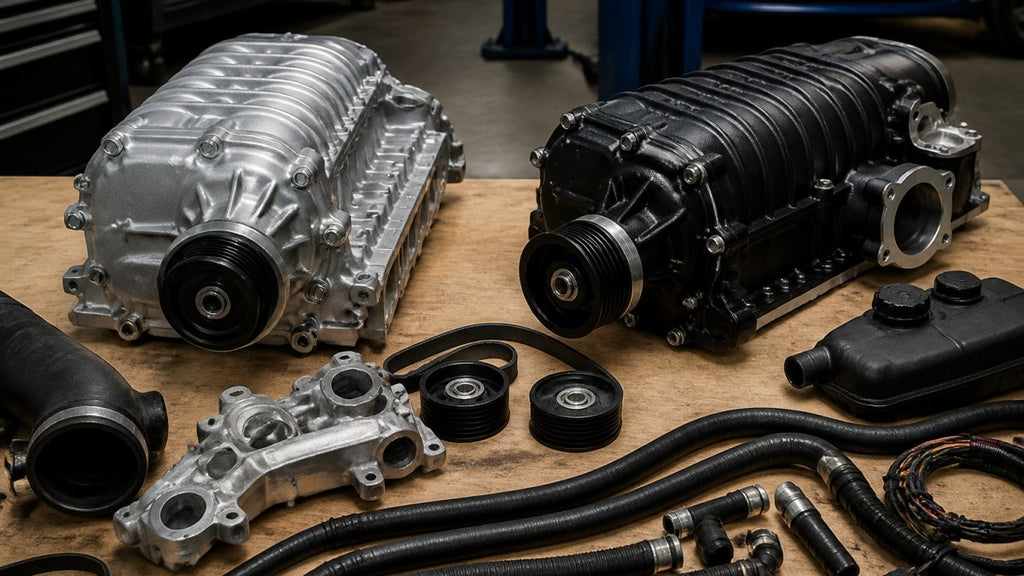
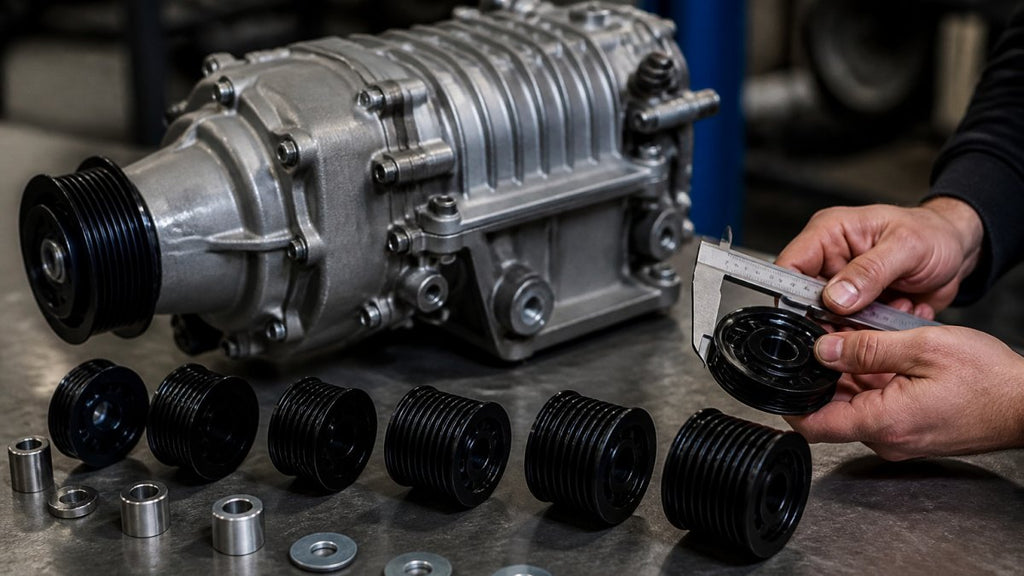
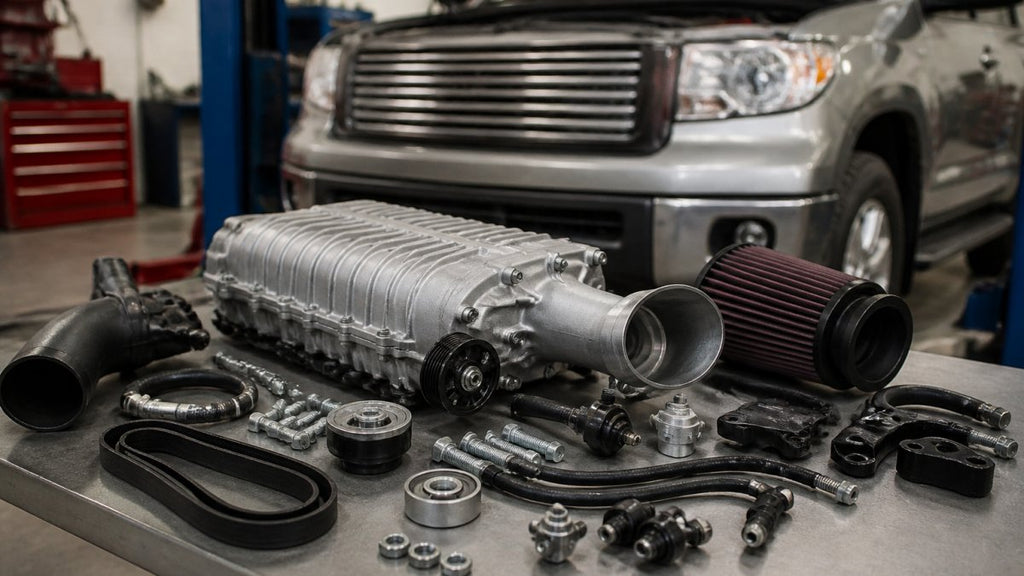
- Score completeness. List every component the kit shipped with, head unit, brackets, pulleys, injectors, fuel pump, intercooler and plumbing, belts, hardware, tune file, manuals. Assign each a status: included, missing, or worn. A kit missing brackets or a tune is not a discount kit; it is a project, and buyers price it that way.
- Score condition and history. Note mileage on the head unit, rebuild history, rotor play, seal condition, and whether the kit was professionally installed and tuned. A low-mileage kit with receipts and a dyno sheet sits at the top of the comparable range; a worn kit with no history sits at the bottom.
- Adjust for fitment. A kit that fits a high-volume engine and trim sells faster and for more than one that fits a narrow application. If your kit fits multiple model years, say so, broader fitment widens the buyer pool and supports a higher ask.
Cross-check your result against at least three sold comparables. If your number is far above every sold example, you are pricing the invoice, not the market.
Pro Tip
Keep a simple spreadsheet: date, source, kit model, condition notes, asking price, sold price. Ten rows of real sold data will beat any rule of thumb.
Why the Invoice Is the Wrong Starting Point
A common mistake is pricing off the new kit cost and subtracting a flat percentage. That ignores condition entirely.
Start with what the kit includes. A complete kit with every bracket, pulley, injector, and hose has far more value than a box of parts.
Then check the hardware itself. Run those checks before you set a price. A buyer will run them anyway.
Separate the Kit's Value From the Car's Value
One distinction that most sellers blur: the kit has standalone resale value even when the modified vehicle does not command a premium. A buyer may want the hardware to install on their own truck, independent of your vehicle. Price the kit as a part, then treat any premium on the car as a separate negotiation. Blending the two is how sellers talk themselves into an asking price no buyer will pay.
Supercharger Kit Compatibility Checks Before You Buy or Sell
Supercharger kit compatibility is the single biggest driver of what a used kit is worth, because a kit that fits more vehicles sells faster and for more. Fitment is not a footnote. It is the sale.
Buyers want to know three things: does it fit my engine, does it fit my year and trim, and will it work with my existing mods. This guide on how to verify kit fitment before you buy walks through VIN, engine, and tuning checks step by step. If you cannot answer all three clearly, expect lowball offers.
Fitment, Tuning, and Supporting Components
A kit is only half the system. Tuning, fuel delivery, and supporting components determine whether it runs right.
Sellers should include the same details in the listing. It builds confidence and cuts negotiation time.
If your kit was tuned for a specific setup, say so. The buyer needs to know whether that tune transfers or whether they are starting over.
Selling a Used Supercharger Kit: A Step-by-Step Checklist
Selling a used supercharger kit comes down to evidence. The seller who documents condition, completeness, and history wins the higher offer. The seller who writes "runs great, no lowballers" gets ignored.
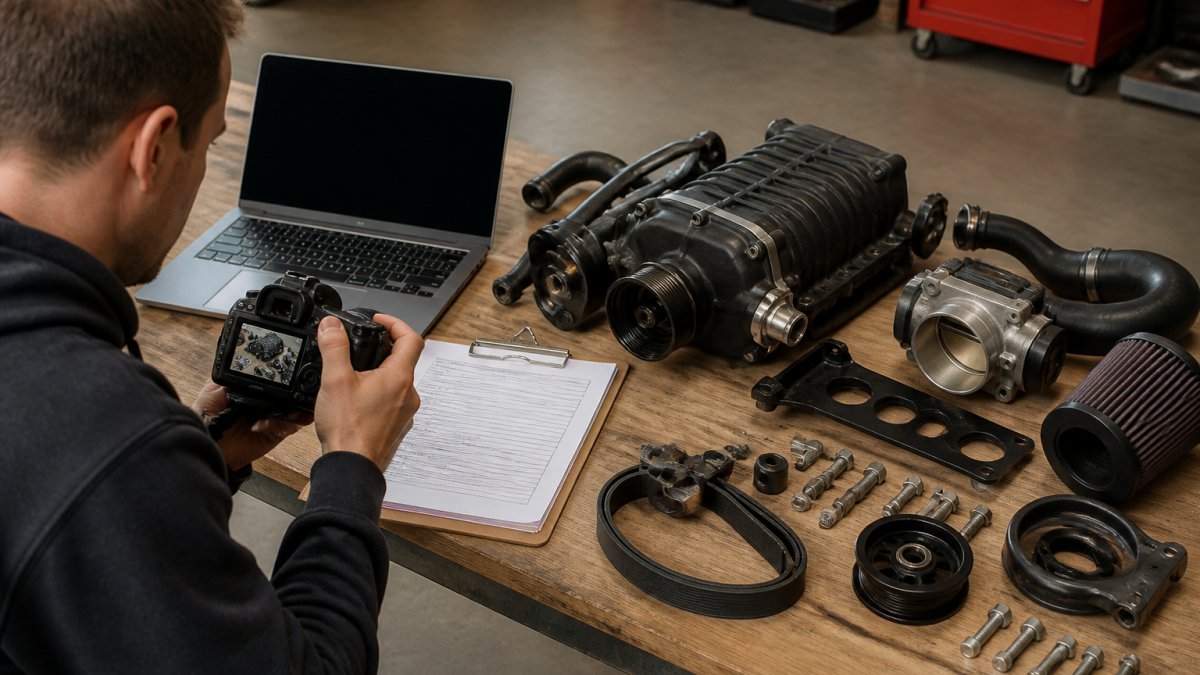
Work through this before you post:
- Identify the kit precisely: manufacturer, model, part number, and the exact make, model, year, and engine it came from
- Photograph every component, including brackets, pulleys, and hardware, plus close-ups of the head unit and any wear points
- Note mileage on the kit and any rebuild history
- Include the tune file or state clearly that it is not included
- Gather receipts, manuals, and install documentation
Documentation That Builds Buyer Confidence
Paperwork is the cheapest resale upgrade you can make. Buyers pay for certainty, and every document reduces their risk. Put together a simple packet:
- Purchase receipts for the kit and any replacement parts
- Installation records, including who did the work and when
- Dyno results and tuning files, with the tuner's name
- Maintenance and rebuild records
- Proof that supporting components (fuel system, intercooler, belts) are compatible with the kit
A kit with a paper trail sells faster and for more than an identical kit with a story. If you are missing records, say so in the listing rather than letting the buyer discover it during negotiation.
Choosing a Marketplace and Setting the Ask
Where you list shapes who sees the kit. Enthusiast forums and model-specific groups reach buyers who already understand the kit and its value.
Set your asking price from the sold comparables you gathered, not from the invoice. A common pattern is to list slightly above your target to leave room for negotiation, but only if the documentation supports the number.
Key Takeaway
The seller who documents condition, completeness, and history wins the higher offer. Evidence beats adjectives in every negotiation.
That last checklist point matters more than most sellers realize. Buyers comparing a used kit against a new one want to know the exit path, and a clear return-to-stock option answers the question before they ask it.
Removal Costs and Return-to-Stock Math
Removal cost is the number almost every seller forgets, and it changes the whole equation.
Run the math before you list:
| Line Item | What to Count | Why It Matters |
|---|---|---|
| Kit sale price | Best realistic offer | Your gross return |
| Removal labor | Shop hours or your time | Cuts into the return |
| Return-to-stock parts | Original intake, belts, hardware | Often forgotten cost |
| Tune reversal | Reflash or retune | Restores stock drivability |
| Listing and shipping | Fees and freight | Small but real |
Add those up and compare against what you originally spent. Many owners find the net recovery is lower than expected, which is exactly why you price the kit carefully rather than emotionally.
If warranty coverage is part of your decision, how modified and returned-to-stock vehicles are treated is an important consideration.
Register Your Kit and Protect Its Resale Record
Registration and documentation protect supercharger kit resale more than any single upgrade. A kit with a paper trail sells faster and for more than an identical kit with a story.
Here is the throughline of this whole article: resale value is a confidence game. Buyers pay for certainty.
Emissions compliance belongs in that record too.
A simple owner log does most of this work:
- Install date and shop or self-install
- Kit part number and serial if available
- Tune details and who wrote it
- Service and rebuild history
- Current mileage on the kit
Keep that log with the vehicle. It is the cheapest resale insurance you can buy.
Frequently Asked Questions
Does installing a supercharger increase a car's resale value?
It can, but not reliably. A supercharger may add resale value while significantly narrowing the buyer pool, since only enthusiasts want a modified vehicle. Documentation and installation quality are factors that drive the outcome, so keep every receipt and service record if resale matters to you.
How much is a used supercharger kit worth?
There is no fixed figure. Used supercharger kit price depends on kit condition, whether it is complete or missing parts, intercooled versus non-intercooled design, rebuild history, and vehicle fitment. Key checks include rotor play, rebuild history, fitment, and missing parts. Compare your kit against current sold listings for the same model rather than asking prices, since asking prices are often inflated and do not prove what buyers actually paid.
Should I sell the kit separately or leave it on the car?
Run the numbers both ways. Leaving it on may add a modest premium but shrinks your buyer pool to enthusiasts. Removing it means paying labor for removal and return to stock, then selling the kit on the used parts market. If removal cost plus the expected used kit price beats the premium you would get on the car, sell separately. Get a written removal quote first so you are comparing real numbers, not guesses.
What documentation helps when selling a used supercharger kit?
Keep the original purchase receipt, installation invoice, tuning files, dyno sheets, maintenance history, and any warranty paperwork. Buyers use those records to judge risk. A complete kit with labeled hardware, photos of every component, and a clear rebuild history sells faster and at a better price than a box of loose parts with no paperwork.
Selling a used kit is easier when it started as a documented build. VT Superchargers kits are engineered for OEM-style fitment across Dodge, Ford, Jeep, Mazda, Nissan, Suzuki, and Toyota, backed by a 24-month warranty and financing options. Register your kit with us to keep your install record intact, and get started with VT Superchargers to protect the value of your build from day one.

Related post
26
Oct
23
Oct


RECENT POSTS