How to Verify Kit Fitment Before You Buy
Your truck felt fine until the 35-inch tires went on. Now your Tacoma hunts for gears on every grade, your Gladiator falls flat when you roll into the throttle, and passing a loaded camper takes more road than it should. Before you spend money chasing that torque back, you need to know how to verify kit fitment the right way.
We see this all the time. A customer says, “It’s a 2020 4Runner,” but leaves out the fact that it has an engine swap, a non-stock ECU, a body lift, an aftermarket intake, or tuning already loaded into the truck. Those details can change what fits, what works, and what it takes to get the clean, OEM-like result you want.
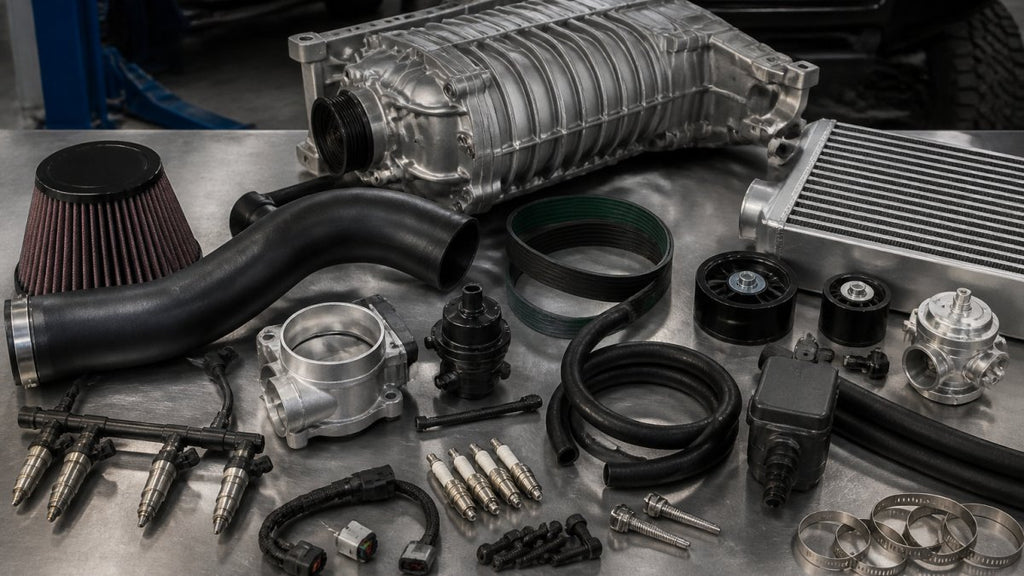
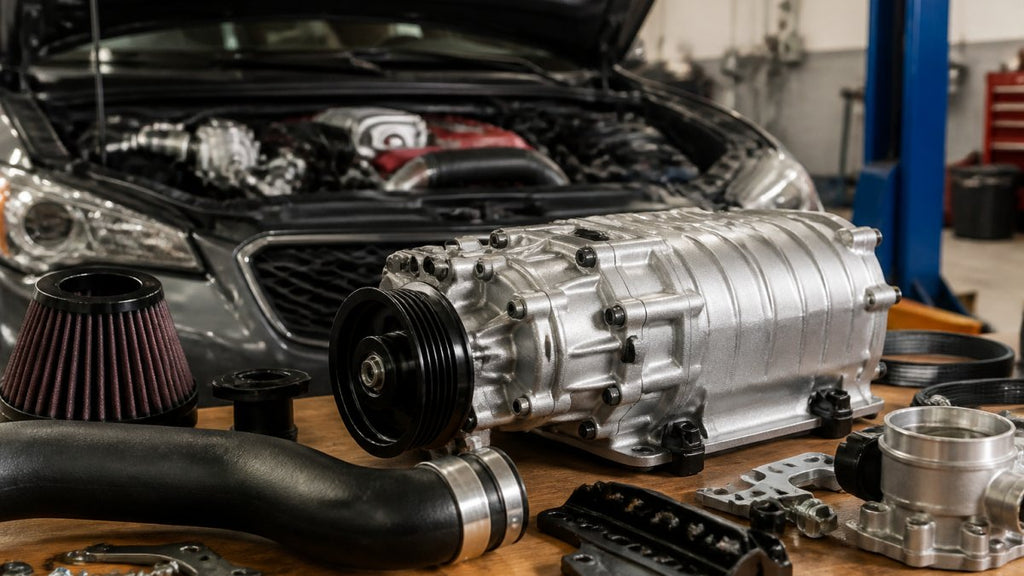
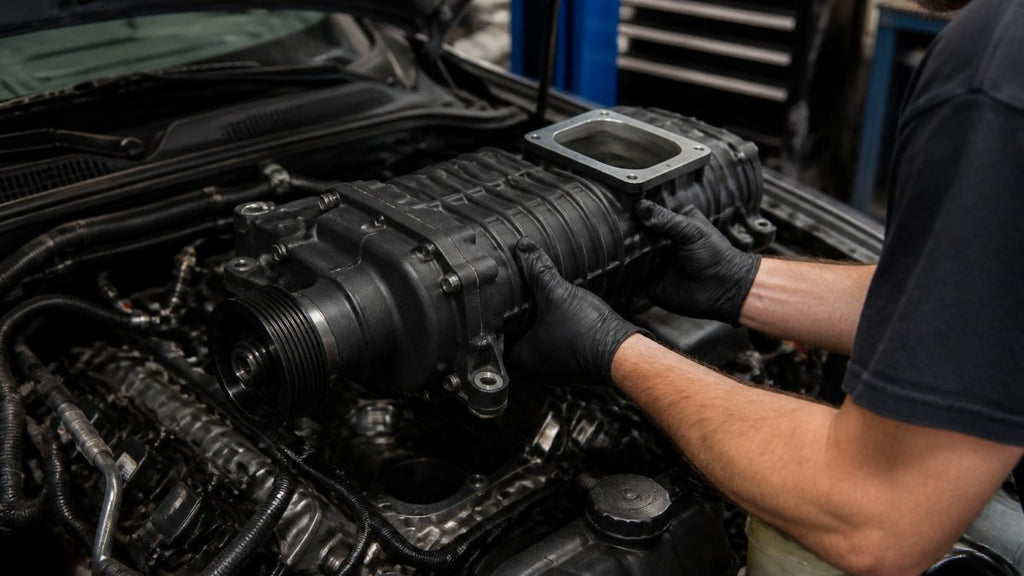
A supercharger kit is not a universal bolt-on part. It is a vehicle-specific power system. Get the details right before it ships, and installation is straightforward. Guess at the application, and you can turn a weekend upgrade into a parts-chasing project.
Start With the Exact Vehicle, Not the Badge
“Toyota Tacoma” is not enough. Neither is “Jeep Wrangler” or “Dodge Charger.” Model year, engine, trim, drivetrain, and emissions configuration all matter. Manufacturers make changes that look minor from the driver’s seat but affect brackets, accessory drives, electronics, fuel systems, intake routing, and calibration.
A 2016 Tacoma with the 3.5L is not the same conversation as an older 4.0L Tacoma. A Nissan Frontier owner needs to distinguish between the 4.0L VQ platform and later powertrain changes. A Ford owner needs to know whether the vehicle is naturally aspirated or already turbocharged from the factory. That sounds obvious, but after installing hundreds of kits, I can tell you it gets missed more than you would think.
The VIN is the best place to begin. It helps confirm the original build configuration, including model year, engine family, and factory equipment. Have the full VIN available when you contact a kit supplier or installer. A photo of the underhood emissions label is also useful because it states the engine displacement and emissions family in plain view.
Do not rely solely on what the previous owner told you. We have had vehicles show up listed as one model year but built on a transition-year configuration, and plenty of trucks advertised with an engine that was not actually under the hood. Trust the VIN, the labels, and what is physically on the vehicle.
How to Verify Kit Fitment With Your Engine
The engine is the center of the whole fitment question. Confirm its displacement, factory induction setup, and whether it is original to the vehicle. If the engine has been replaced, ask yourself whether the wiring harness, ECU, accessory brackets, and front drive system came from the same donor setup. A swap that runs fine naturally aspirated can still complicate a supercharger installation.
One of the biggest complaints we hear from owners is weak midrange torque after adding weight. A 4Runner with sliders, skid plates, bumpers, roof rack, drawers, and 33s can feel completely different than it did stock. The right kit can bring back the throttle response and hill-climbing pull. But it has to be designed for that exact engine and accessory layout.
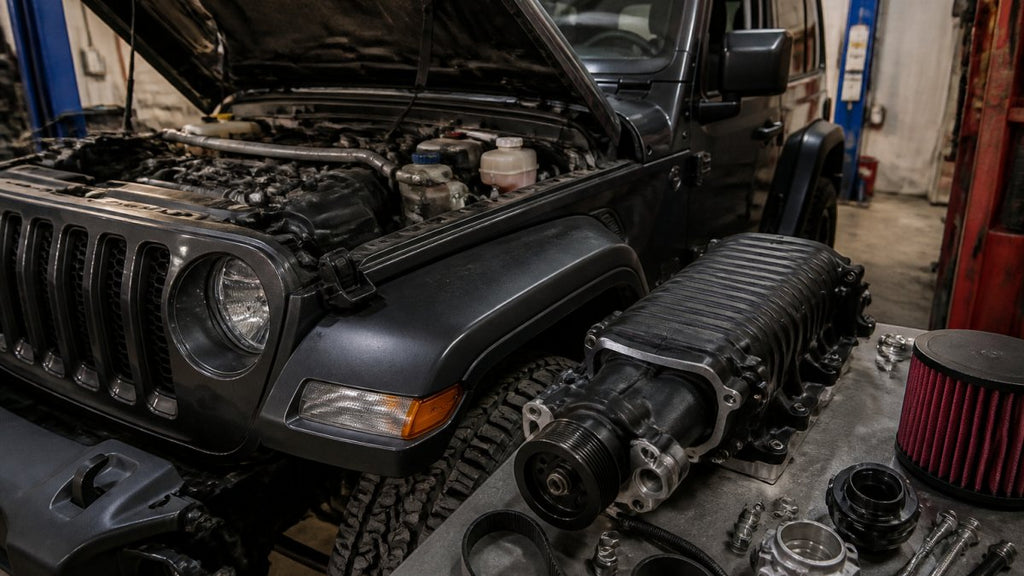
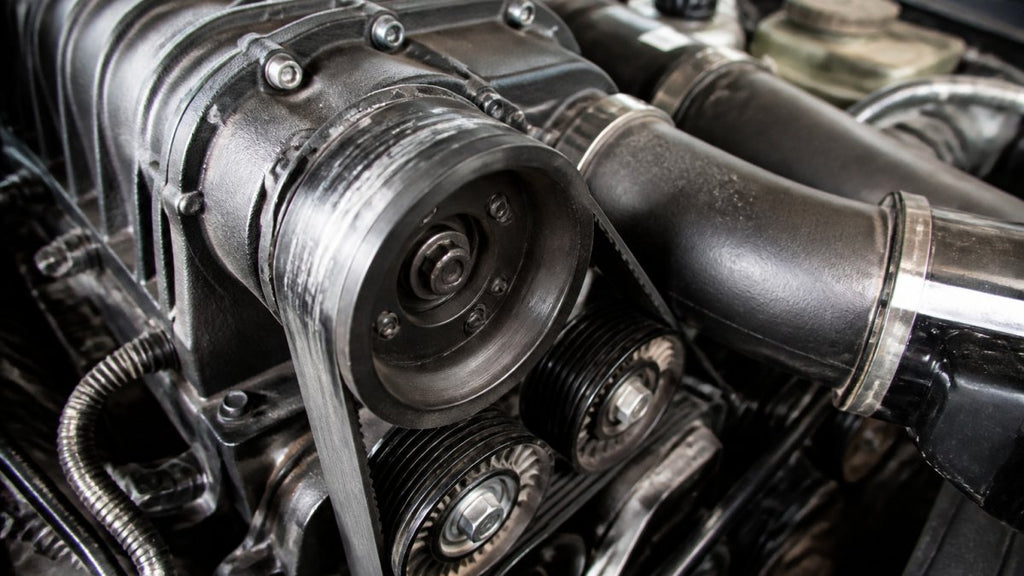
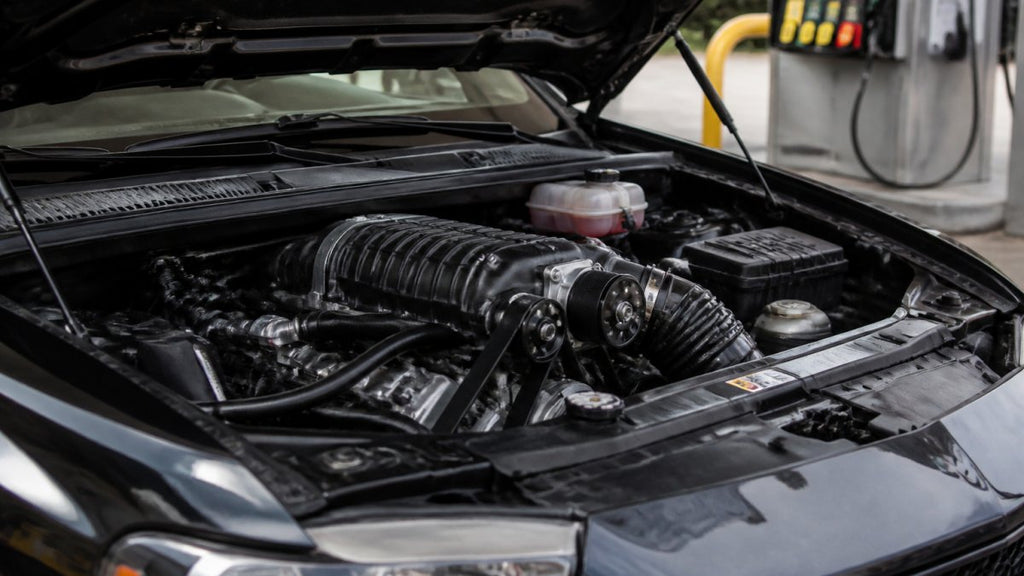
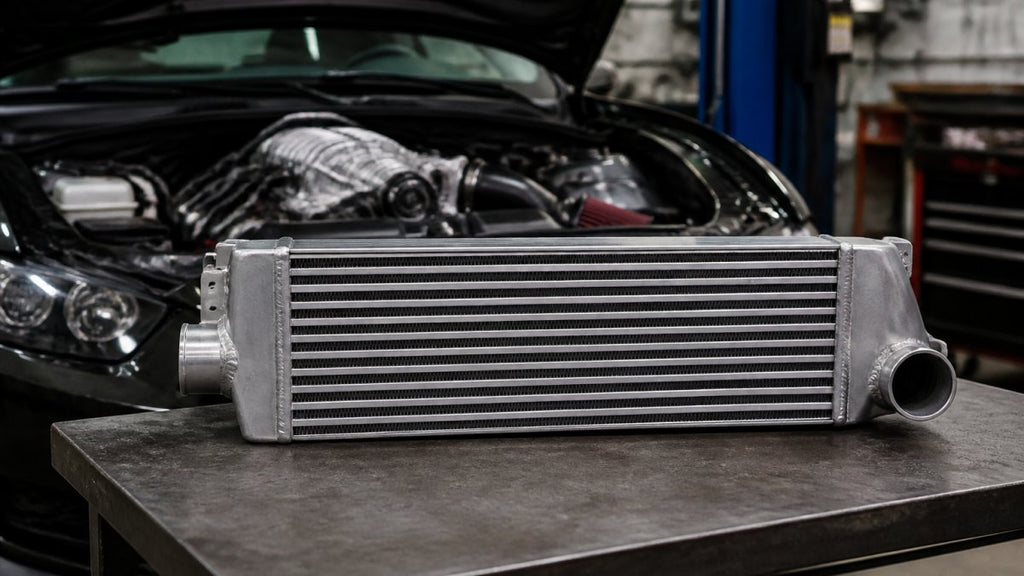
Look under the hood before ordering. Check for a factory airbox or an aftermarket intake, catch can plumbing, auxiliary batteries, aftermarket coolant tanks, oversized radiators, and custom wiring. None of those items automatically disqualify a kit. They simply need to be accounted for. Some modifications can stay. Others may need to move, return to stock, or be replaced with components that work with the kit.
That is not a reason to avoid the upgrade. It is the difference between a clean installation and a setup held together by trimmed plastic, improvised hoses, and crossed fingers.
Be Honest About Existing Modifications
Most owners modify the vehicle before they add power. That is normal. The problem starts when the modification list gets treated like an afterthought.
Big tires do not usually change whether a supercharger physically bolts on, but they absolutely change what you expect from it behind the wheel. A Tacoma on 35s, a Gladiator on 37s, or a Frontier loaded with recovery gear needs torque where it actually drives - down low and through the middle - not a peaky setup that only feels good near redline.
Gearing matters too. If your Jeep is running stock gears with 37-inch tires, added power will make it more fun and more usable, but it will not erase every compromise caused by a tall effective gear ratio. The same goes for a loaded-overland 4Runner that weighs several hundred pounds more than stock. Forced induction improves the pull. Proper gearing, tire choice, and realistic expectations still matter.
Tell your installer about lift height, tire size, hood changes, bumper systems, winches, dual-battery trays, long-tube headers, exhaust modifications, and any custom tuning. If your vehicle has an aftermarket throttle body, intake manifold, or fuel system changes, say that up front too. These are not minor details when calibration and airflow are involved.
Tuning Is Part of Fitment
A kit can physically fit and still not be the correct fitment for your vehicle if the tuning side is wrong. The calibration has to match the engine, fuel type, airflow hardware, injector setup, and operating conditions. That is where drivability lives.
You want the vehicle to start cleanly on a cold morning, idle normally with the A/C on, pull smoothly in traffic, and respond when you lean into the pedal to merge or pass. You do not want a truck that feels wild for one hard pull but surges around town, throws codes, or becomes fussy every time the weather changes.
Most owners tell us they care about this more than the biggest dyno number. They want to tow a boat without constant downshifting. They want their Mazda 3 or Dodge Charger to feel sharp when they leave a stoplight, without turning the daily commute into a science experiment. They want a 4Runner that can climb a mountain pass with camping gear without feeling like it is dragging an anchor.
Confirm what fuel the kit and tune require. A calibration designed around premium fuel needs premium fuel, period. If you live at altitude, tow often, run in desert heat, or spend long days crawling trails at low speed, bring that up before ordering. Those conditions do not make a kit a bad idea. They help determine the right pulley, tune, cooling approach, and installation plan for long-term ownership.
Confirm the Installation Space and Support Plan
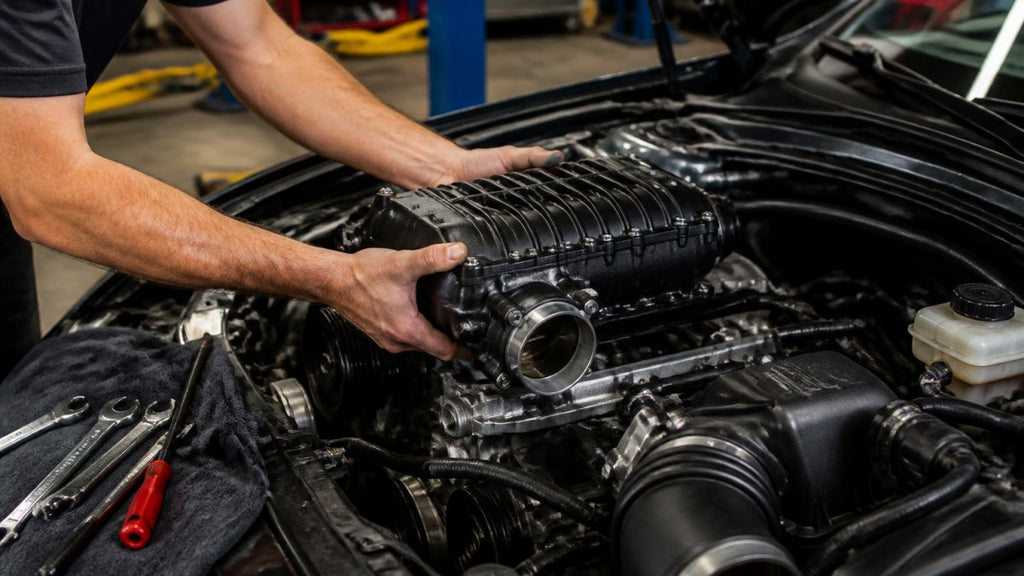
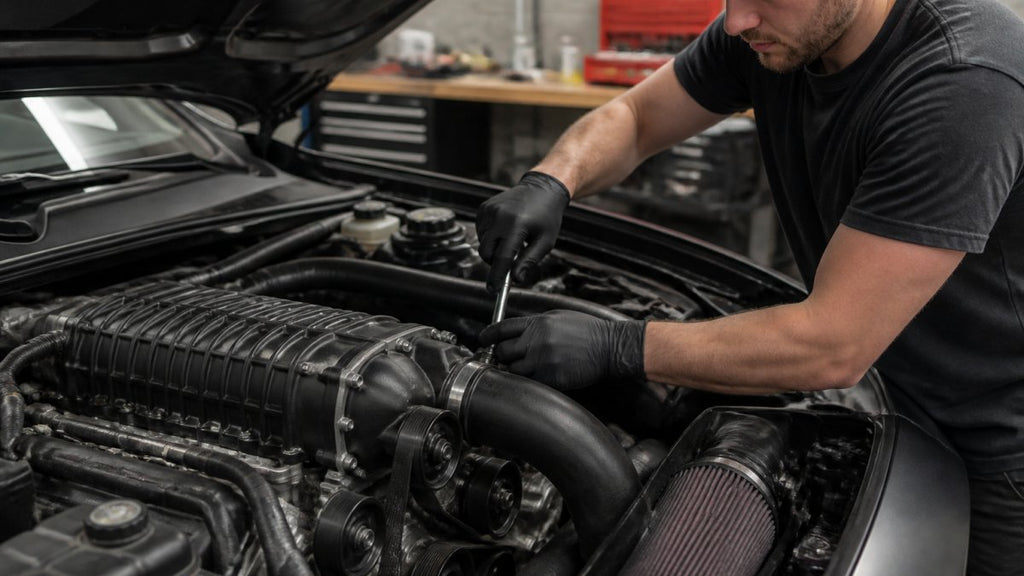
Before you hit Buy Now, decide who is installing it. If you are doing the work yourself, be realistic about your tools, workspace, time, and comfort level with fuel, cooling, belt drive, and calibration work. Bolt-on does not mean careless. A clean installation takes patience.
If a shop is doing it, make sure they are willing to install and support the exact kit for your platform. Ask whether they have experience with forced induction and whether they can handle the tuning process. A good installer will want the same information a good kit supplier wants: VIN, engine, modifications, fuel, tire size, gearing, and intended use.
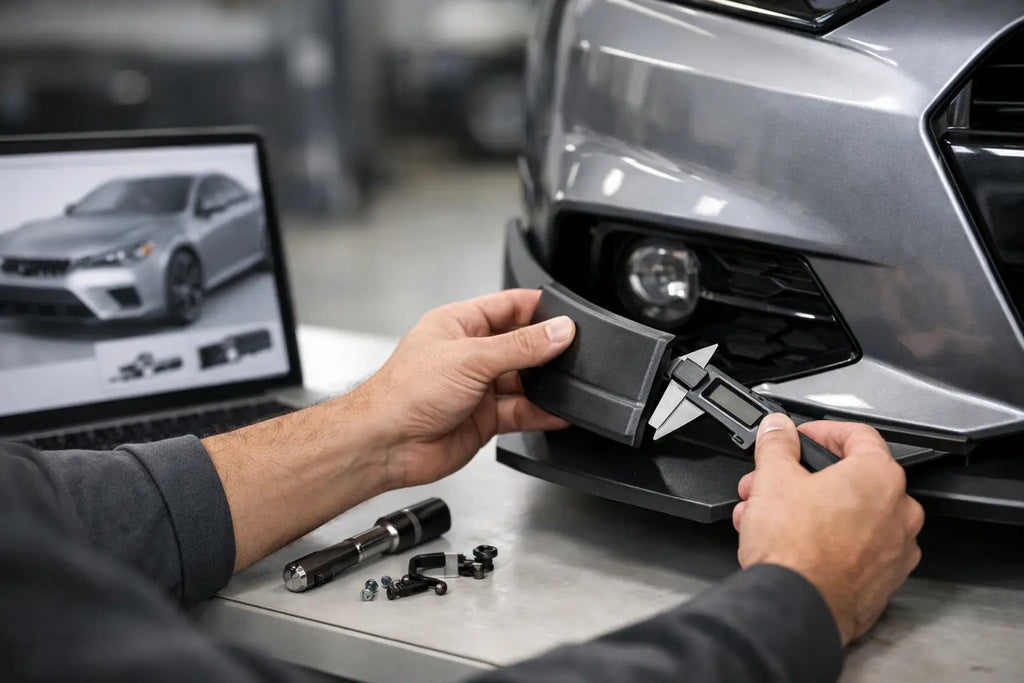
Photos help a lot. Send clear shots of the engine bay from above, the front accessory drive, the intake area, and anything non-stock mounted near the engine. If you have a custom hood, an auxiliary battery, or unusual plumbing, get it in the photos. Five minutes of checking now can save days later.
At VT Superchargers, that vehicle-specific approach is the point. The goal is not to pile parts on an engine. The goal is to bolt on power that feels like it belongs there - clean under the hood, predictable at the pedal, and dependable when the truck is loaded, hot, and headed uphill.
Watch for the Red Flags Before Ordering
There are a few situations where you should stop and verify more before committing. A salvage vehicle with an uncertain engine history deserves a closer look. So does a vehicle with a swapped ECU, a standalone engine management system, missing emissions equipment, unknown tuning, or a mix of parts from different model years.
Pay attention if the vehicle already has warning lights, rough idle, belt noise, cooling problems, fuel-pressure issues, or unresolved misfires. Do not use a supercharger kit to cover up an existing mechanical problem. Fix the foundation first. Added cylinder pressure will expose weak plugs, tired coils, marginal cooling systems, and neglected maintenance faster than stock power will.
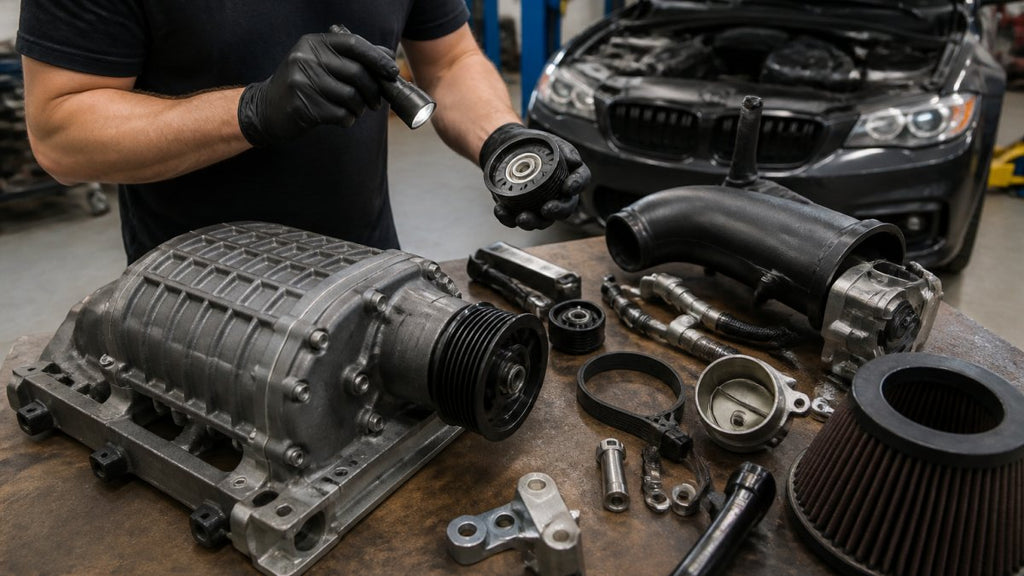
Make sure normal service items are current. Fresh plugs at the correct specification, healthy coils, clean filters, good belts, proper fluids, and a cooling system in good shape are part of a reliable installation. This is not glamorous work, but it is what keeps a boosted daily driver acting like a daily driver.
The best fitment check is not a single dropdown menu. It is a straight answer about what you own, what has changed, and how you use it. Give the full story before the box lands at your door, and you will be a lot closer to the result you actually want: more torque, better response, and a vehicle that finally pulls the way it should.
Related post
09
Oct
RECENT POSTS