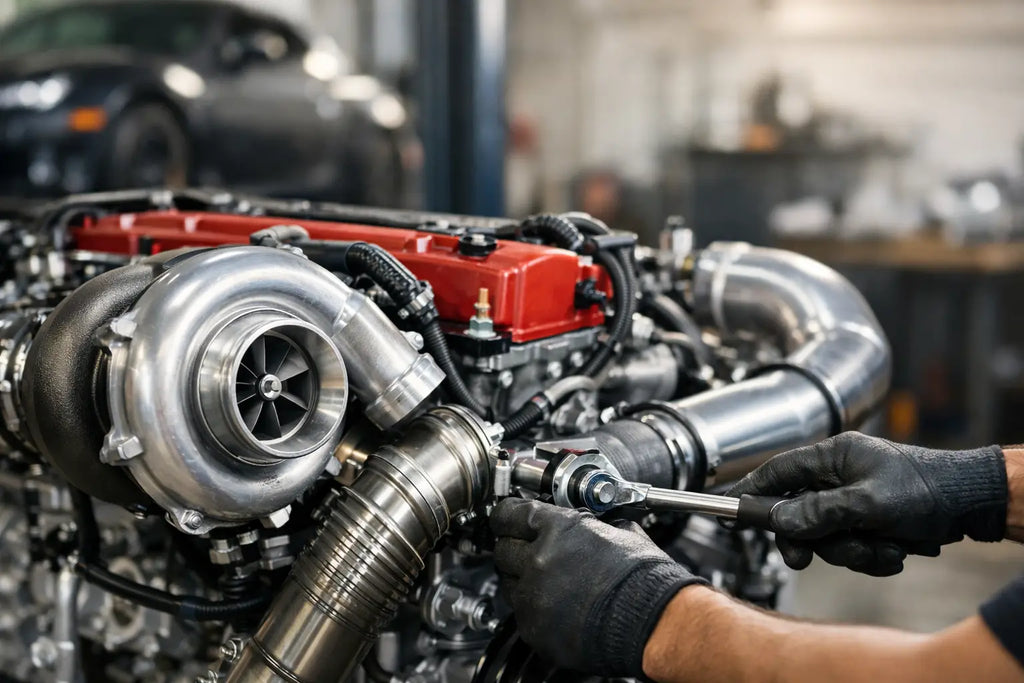
How to Prepare Your Engine for Boost Right
You put 35s on your Tacoma, loaded the bed with recovery gear, and now every hill has the transmission hunting for gears. Or maybe your 4Runner feels fine around town but falls flat passing a camper on a two-lane road. We see this all the time. Owners want to know how to prepare your engine for boost, but what they are really asking is whether they can add the torque they want without turning a dependable daily driver into a shop project.
The good news is that most healthy, stock-engine trucks, SUVs, and sedans are far better starting points than the internet makes them sound. The catch is simple: a supercharger does not fix neglected maintenance. It adds load, heat, and cylinder pressure to every weak spot that was already there. Get the foundation right, and the result should feel clean, responsive, and OEM-like - just a whole lot stronger when you put your foot in it.
Start With the Vehicle You Actually Drive
Before talking boost, be honest about the setup. A stock Nissan Frontier used as a commuter needs a different conversation than a Gladiator on 37-inch tires with steel bumpers, a rooftop tent, and a trailer hitch. A Mazda 3 owner chasing sharper roll-on acceleration has different priorities than a Toyota 4Runner owner who spends summer weekends crawling hot desert trails.
One of the biggest complaints we hear is, “The truck felt quick before I modified it.” Bigger tires effectively change the gearing. Extra armor, cargo, trailers, and altitude all make the engine work harder. That is why torque matters so much more than a peak dyno number. You feel it when the light turns green, when the road climbs, and when you can hold a gear instead of waiting for a downshift.
Write down the vehicle's exact year, engine, transmission, mileage, tire size, and intended use. This is not busywork. A kit and calibration must match the actual application, not what looks similar in an online forum. A 2016 Tacoma 3.5L and an older 4.0L Tacoma are completely different animals. So are the various Charger engine options and the model-year changes across Jeep and Ford platforms.
How to Prepare Your Engine for Boost: Check Its Health First
A healthy engine does not need to be brand new. We have installed plenty of systems on well-maintained vehicles with real mileage. But “it runs fine” is not the same as “it is ready for added cylinder pressure.” If it has a miss, a knock, an oil-burning habit, a cooling issue, or an unexplained check-engine light, handle that first.
Start with a proper inspection. Check for stored and pending codes, even if the dash light is off. Look for oil leaks around valve covers, timing covers, and the front seal. Inspect coolant seepage, cracked hoses, loose clamps, and a radiator that is packed with mud or bugs. On an off-road 4Runner, Tacoma, or Gladiator, do not overlook trail damage underneath or a fan shroud that has seen better days.
A compression test and, when there is any question, a leak-down test are smart money. These tests tell you whether the cylinders are sealing consistently. You are looking for a healthy, even engine, not a magic number pulled from a comment section. One low cylinder, heavy crankcase blow-by, or a spark plug covered in oil needs an answer before a supercharger goes anywhere near the engine.
Listen to the vehicle cold and hot. Piston slap that disappears quickly may be normal on some engines. A deep knock, a valvetrain tick that is getting louder, or a rattle that follows engine speed is not something to bury under intake noise. After installing hundreds of kits, I can tell you the best installs start with an owner who deals with small problems while they are still small.
Give the Ignition System a Clean Slate
Boost puts more demand on the spark. Old plugs that worked well enough naturally aspirated can misfire when cylinder pressure rises. Replace worn plugs with the correct heat range and gap specified for the kit and calibration. Do not guess here, and do not open the gap because a buddy says bigger spark is always better.
Inspect coils and coil boots while you are there. On higher-mileage vehicles, a weak coil may only show itself under hard throttle, climbing a grade, or towing. That is exactly when you want smooth power, not a flashing check-engine light and a limp-mode drive home.
Use quality fuel from a busy station, especially if your calibration calls for premium. The octane requirement is not a suggestion. A proper tune is designed around a known fuel quality, and inconsistent fuel is one of the fastest ways to make a good setup feel bad.
Fuel, Cooling, and Oil Are the Real Reliability Parts
Everybody wants to talk about pulley size. The less glamorous stuff decides how the vehicle lives over the next 30,000 miles.
Make sure the fuel system is healthy and appropriate for the kit. That means no dying pump, clogged filter where applicable, damaged connectors, or injectors with known problems. A vehicle that stumbles on a hard uphill pull before boost will not magically straighten itself out afterward. If the system requires supporting fuel components, install them exactly as designed. This is not the place to mix random parts and hope the tune sorts it out.
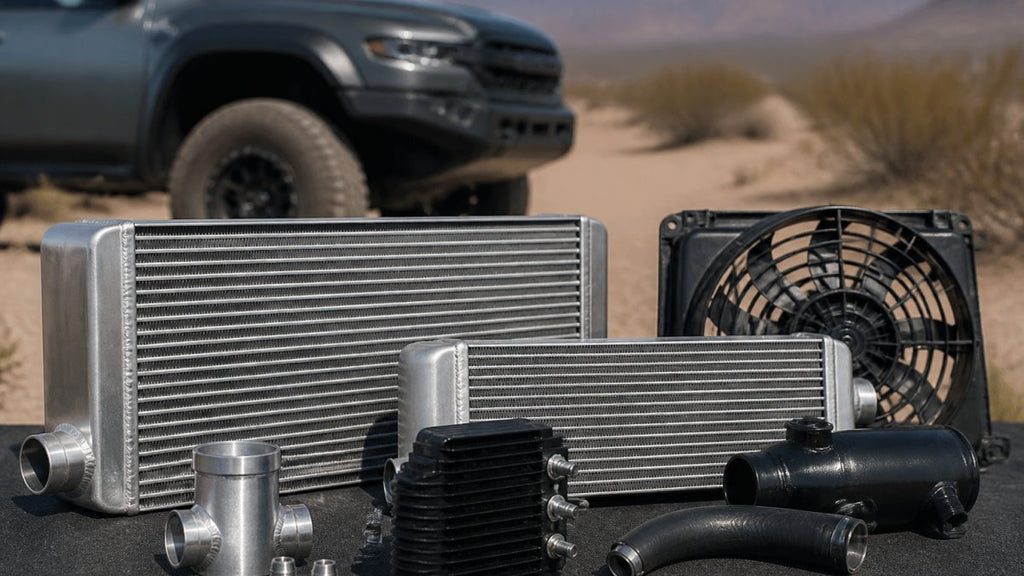
Cooling matters just as much. Supercharged power is fun on a 55-degree evening. The real test is a loaded Tacoma climbing toward a trailhead in Arizona, or a Jeep Gladiator pulling a small camper through Tennessee in August. Confirm that the radiator, fans, thermostat, water pump, and coolant reservoir are all doing their jobs. Flush old coolant if its service history is unknown, and fix airflow issues before installation.
Engine oil is your next line of defense. Start with fresh oil and a quality filter in the viscosity recommended for your engine and use conditions. If you tow, wheel in heat, or drive hard regularly, shorten your oil-change interval after the install. Check the oil level often during the first few weeks. You are learning the vehicle's new normal, and that is how long-term owners catch a problem before it becomes expensive.
The Tune Is Not an Add-On
The tune is the difference between a vehicle that feels factory-smooth and one that feels like a science experiment. It controls fueling, ignition timing, throttle behavior, transmission behavior on supported applications, and the safeguards that keep the engine happy when conditions get rough.
Do not bolt on a kit, load an unknown file, and start making wide-open-throttle pulls. Use the calibration intended for your exact engine, model year, fuel type, and hardware. If your setup needs an approved tuner, use one. If you add headers, change injectors, alter pulley ratios, or make other major changes later, ask whether the calibration needs to change too.
Most owners tell us they are not chasing a race car. They want their Frontier to pull out cleanly in traffic, their Charger to hit harder without acting weird at part throttle, or their Tacoma to stop feeling winded with 33s and camping gear. That is why conservative, proven tuning beats chasing the biggest possible number.
Install Cleanly, Then Verify Everything
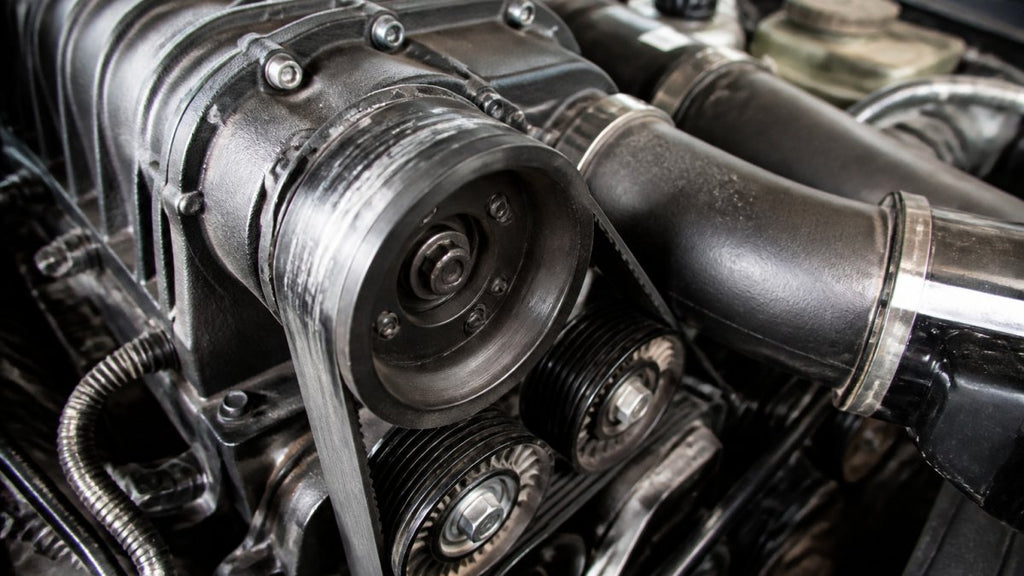
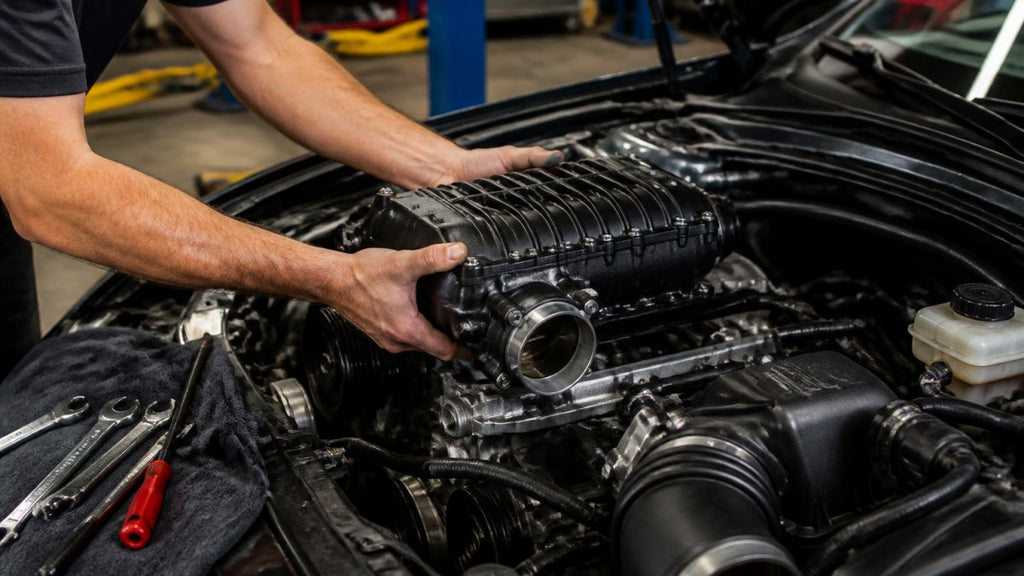
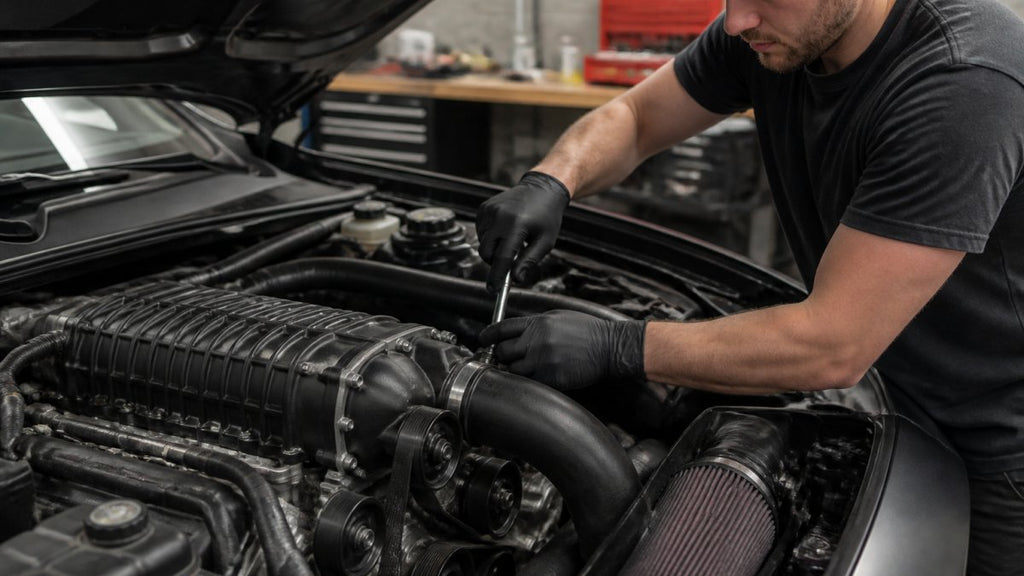
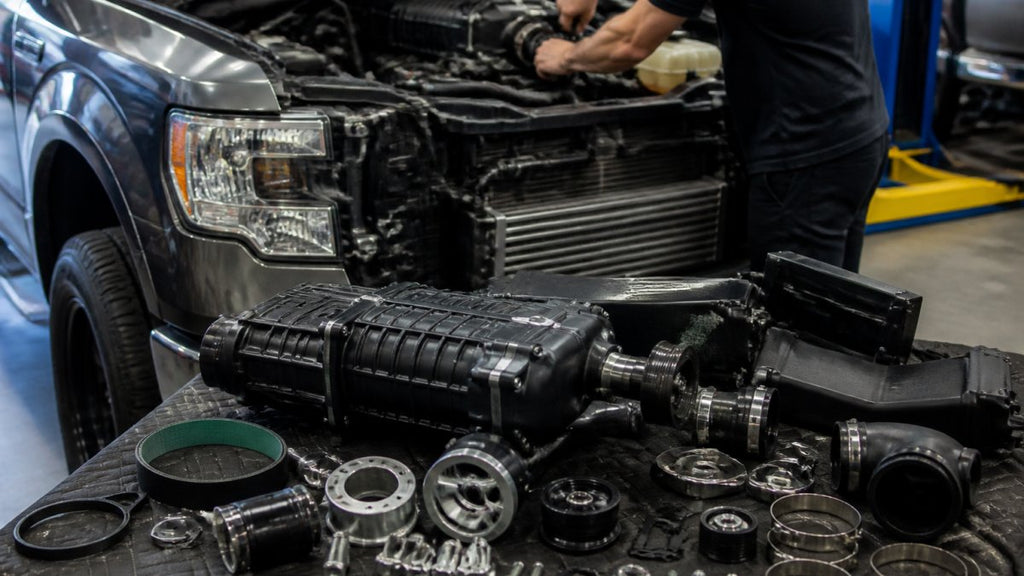
A clean installation is reliability you can see. Route wiring away from heat and moving parts. Use the supplied brackets and hardware. Make sure belts are aligned and properly tensioned. Check every intake coupler, vacuum connection, coolant fitting, and electrical connector before the first start.
After the install, let the vehicle idle and reach operating temperature while you inspect for leaks, rubbing, odd noises, and warning lights. Then drive it normally before you hammer it. Watch coolant temperature, oil pressure where available, and any signs of a misfire. Recheck clamps, fluid levels, and belt condition after the first heat cycles.
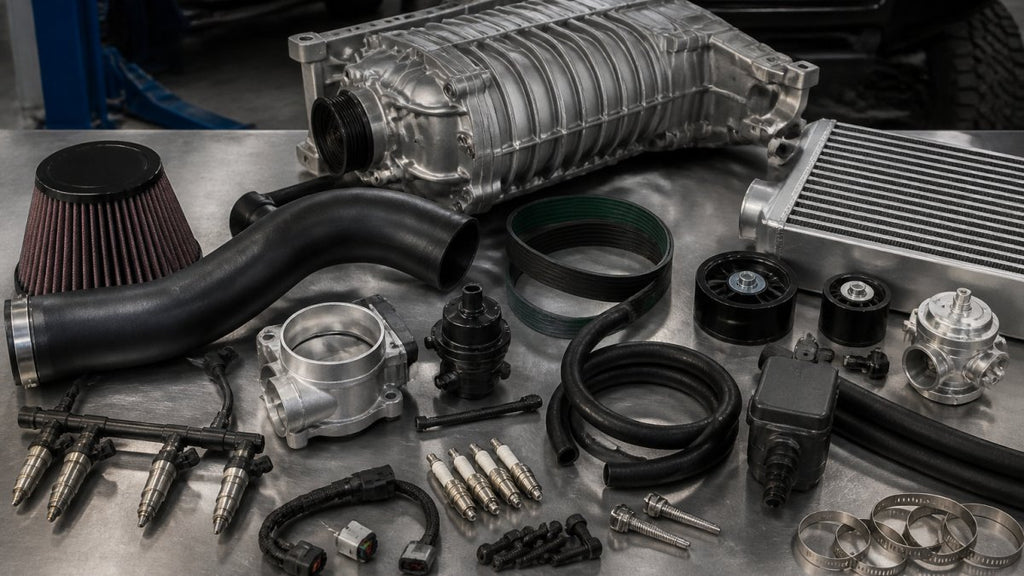
This is where a qualified installer earns their keep. A bolt-on kit should fit like it belongs there, but proper installation still takes care, the right tools, and someone willing to follow the instructions instead of rushing to the first burnout. VT Superchargers is built around that kind of vehicle-specific fitment because daily drivability is the whole point.
Know When to Stop and Fix Something
Boost should make the vehicle feel stronger, not sketchier. Stop driving hard and investigate if you hear detonation, feel a new misfire, see a flashing check-engine light, smell coolant, find fuel leaks, or notice the temperature climbing beyond normal. Do not keep testing it to see whether the problem goes away.
The same goes for transmissions and driveline parts. More torque can expose a worn clutch, tired transmission fluid, weak U-joints, or a differential that was already overdue for service. On lifted trucks with larger tires, make sure the rest of the drivetrain is ready to carry the new twist.
Prepare the engine properly, and boost does what it should: it makes the vehicle feel like the version you thought you bought. The best first drive is not always a full-throttle blast. Sometimes it is pulling a grade with less pedal, passing without panic, and realizing the transmission finally quit hunting for a gear.
Related post
09
Oct
RECENT POSTS