How to Choose a Bolt On Supercharger
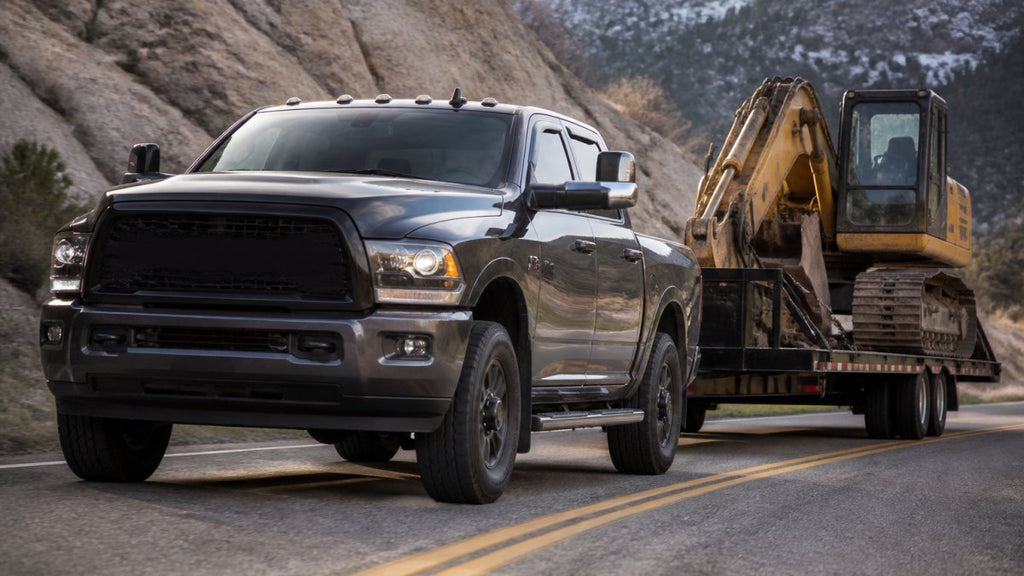
You put 35s on the truck, added a bumper, packed it for camping, and now it feels flat every time the road points uphill. Or maybe your Tacoma, Gladiator, Frontier, Charger, or 4Runner is fine empty, but once you hook up a trailer or try to pass on a two-lane, it starts hunting gears and falling on its face. We see this all the time. If you're figuring out how to choose a bolt on supercharger, the right answer starts with how you actually use the vehicle, not some big dyno number on a screen.
A lot of owners come in asking for the most power. That sounds good until you live with the thing every day. The better question is this: what do you want the vehicle to feel like when you leave a stoplight, pull a grade, merge onto the highway, or crawl a trail with extra weight on it? That is where the right supercharger kit earns its keep.
How to choose a bolt on supercharger for your vehicle
First, match the kit to the exact vehicle. Not close. Exact. Model, engine, drivetrain, and model year matter more than people think. A Toyota Tacoma 3.5L and a 4Runner 4.0L have very different needs. A Jeep Gladiator on 37s used for overlanding is a different animal than a Dodge Charger street car that just needs stronger midrange and better passing power.
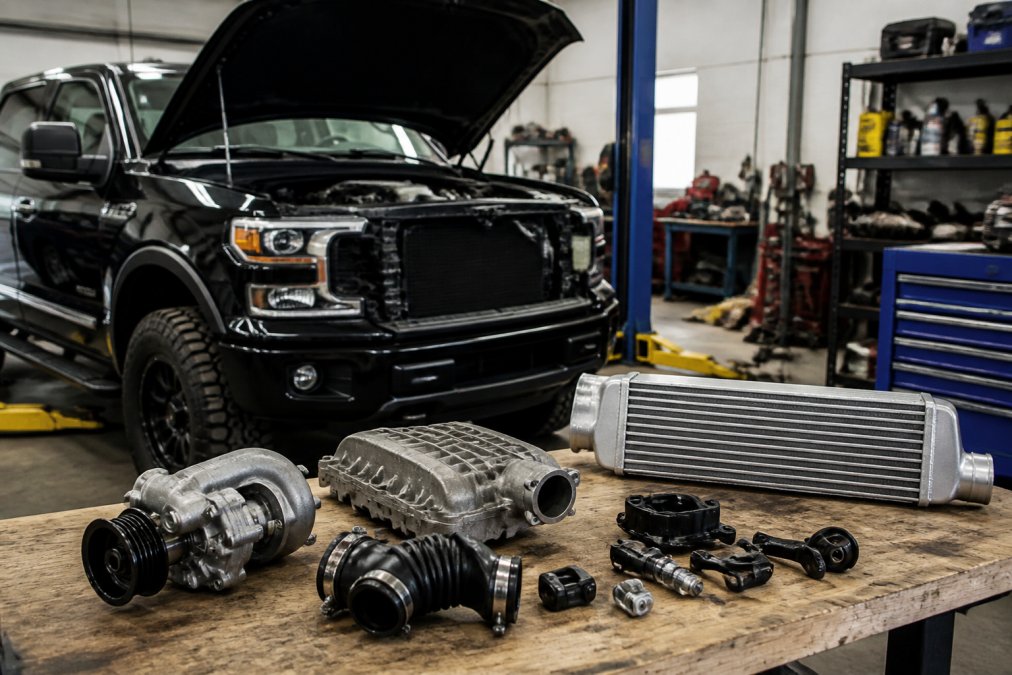
One of the biggest complaints we hear is from owners who bought parts based on a forum post instead of a real application match. Then they end up chasing fitment issues, tune problems, or drivability headaches. A true bolt-on kit should be engineered for that specific platform so the brackets, belt routing, fuel system support, calibration, and underhood layout work together like they should.
That sounds basic, but it is where most bad decisions start.
Start with the problem behind the wheel
Most owners tell us the same thing in different words. The vehicle got slower after mods. Bigger tires killed the gearing feel. Added armor, racks, and camping gear made the engine work too hard. Towing exposed weak midrange torque. Altitude made an already soft engine feel even softer.
So be honest about the problem you're trying to fix.
If you drive a Tacoma or Frontier with 33s or 35s, the issue is usually not top-end power. It is the dead spot in the middle where the truck feels lazy and keeps downshifting. If you own a 4Runner or Jeep that carries weight all the time, you want stronger torque down low and clean throttle response, not a peaky setup that only wakes up when you're deep into the pedal. If you're in a Charger or a street-driven sedan, maybe you want the car to hit harder through the midrange without turning it into a temperamental weekend-only project.
After installing hundreds of kits, that is the pattern. The best setup is the one that fixes the problem you feel every day.
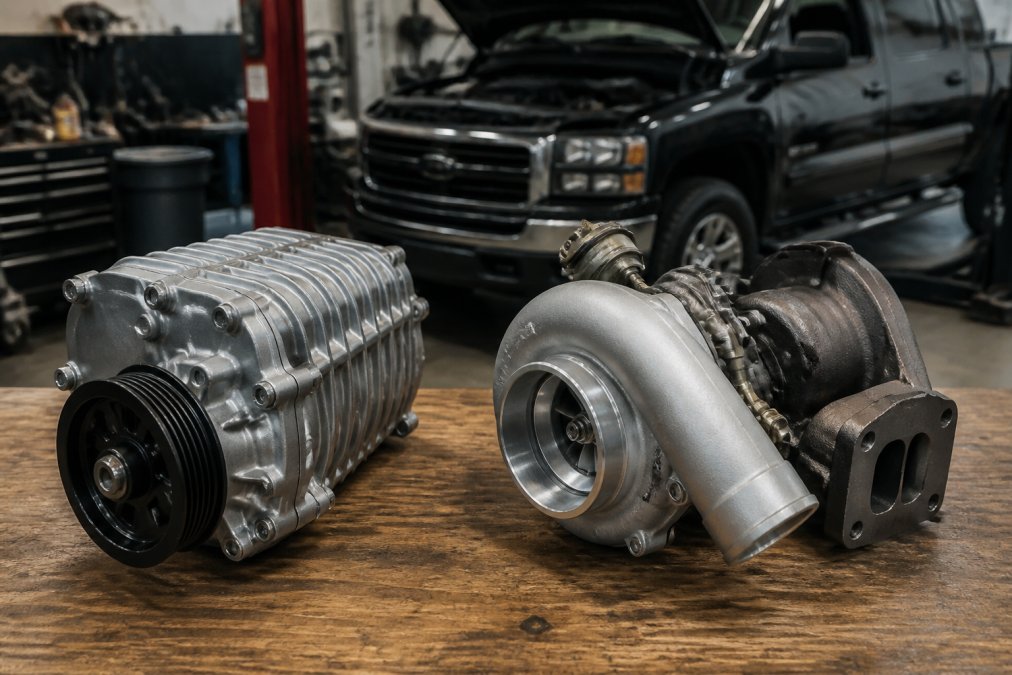
Centrifugal or positive displacement matters
This is where people get tripped up when learning how to choose a bolt on supercharger. Not all superchargers deliver power the same way.
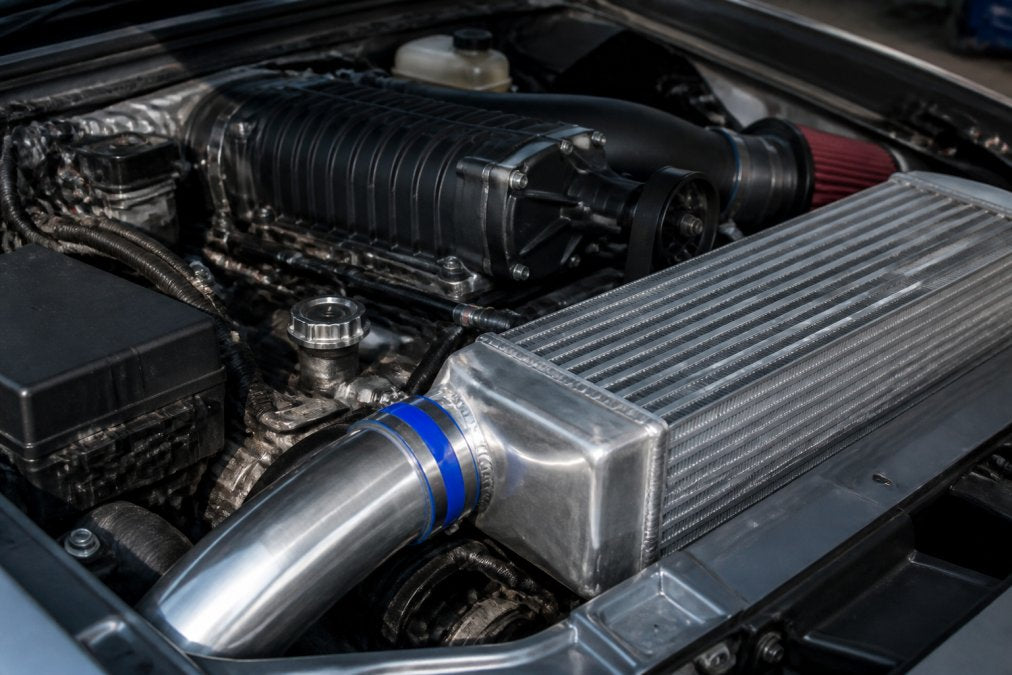
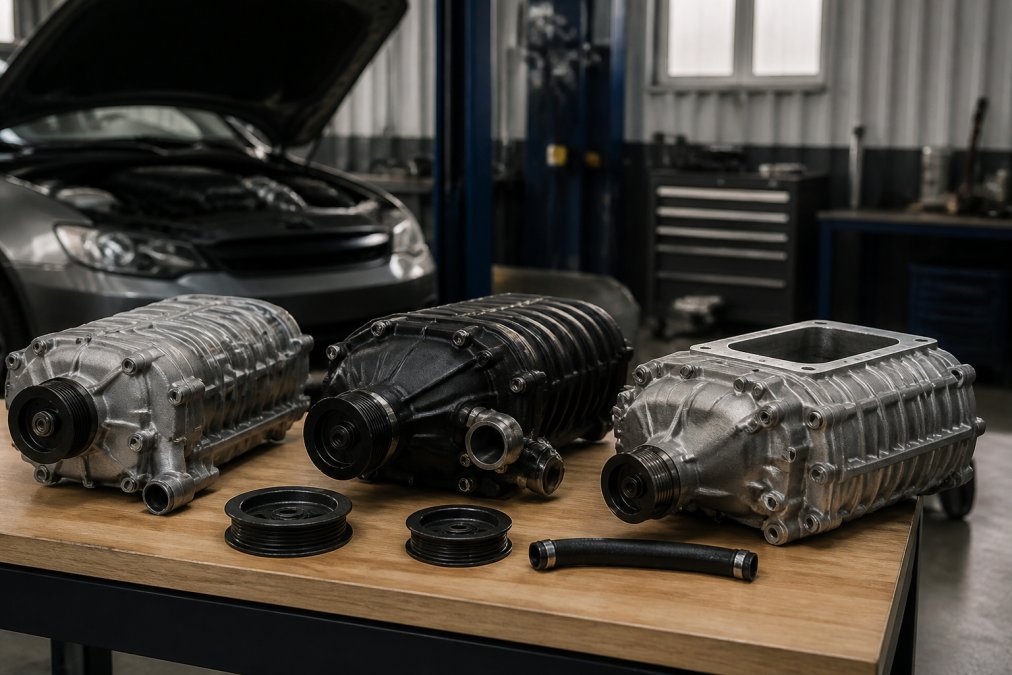
A centrifugal setup usually builds boost with rpm. That can work great on vehicles where you want strong top-end pull and a sporty feel as the revs climb. On the street, that often means a car that feels increasingly harder-charging as you stay in it.
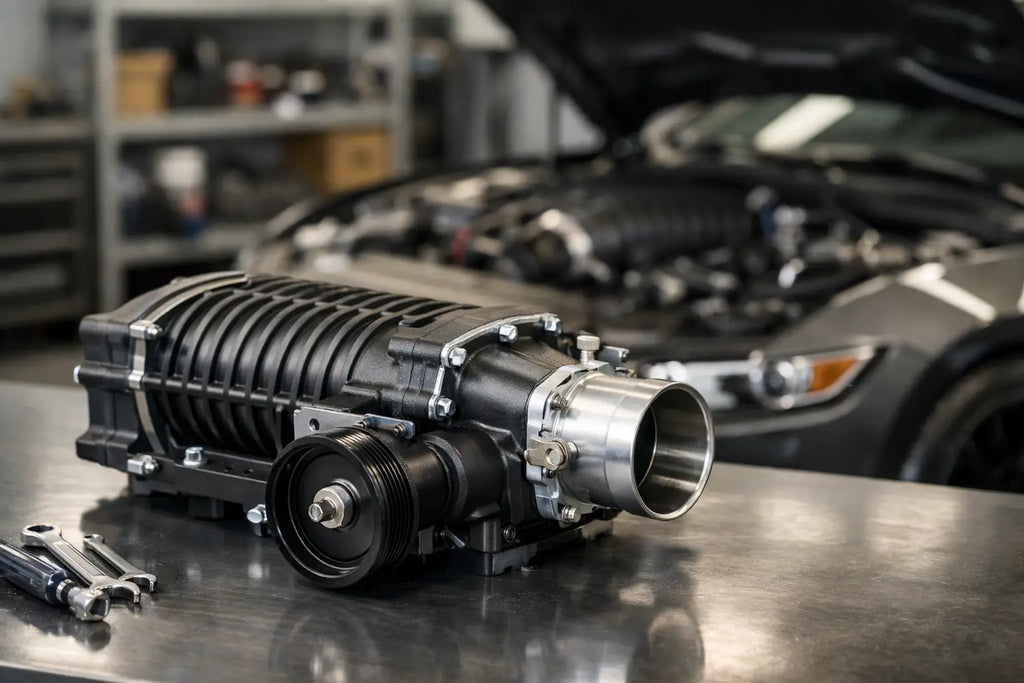
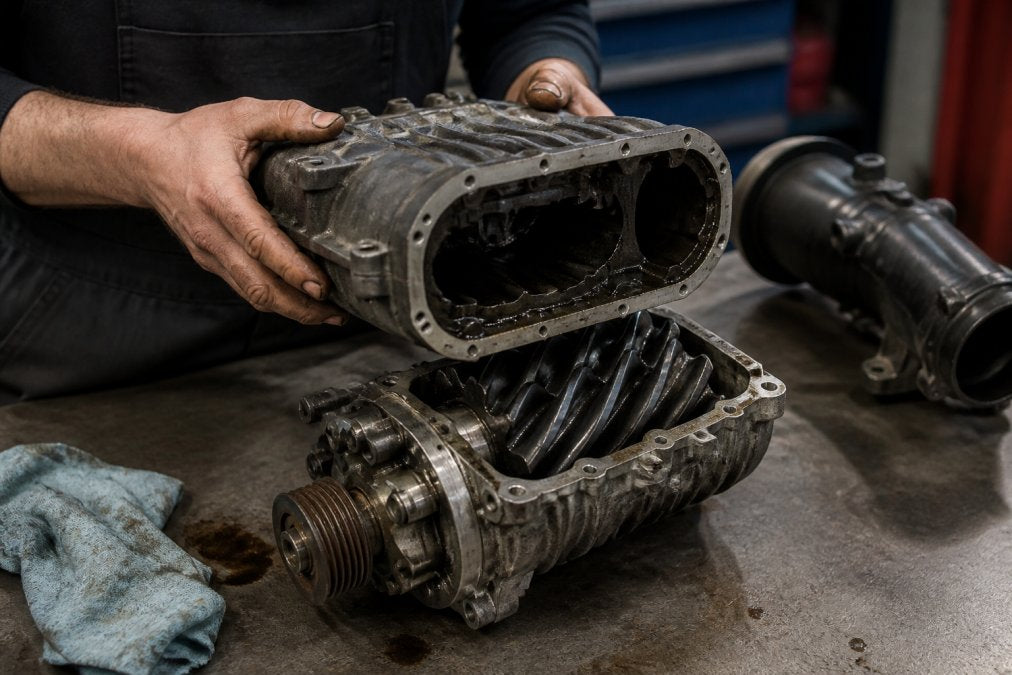
A positive displacement setup, like a roots-style or twin-screw style package, is usually what truck and SUV owners love because it makes the vehicle feel stronger right now. You tip into the throttle, the torque is there, and the whole thing feels less strained. For towing, larger tires, hill climbs, and loaded daily driving, that immediate torque makes a big difference.
It depends on the platform and the kit design, but if your biggest complaint is constant downshifting, weak takeoff, or poor response with extra weight, you probably care more about usable low and midrange torque than bragging rights at redline.
Don’t chase the biggest horsepower number
A lot of bad purchases happen because the biggest number wins the argument online. Real life does not work like that.
A clean 80 to 120 horsepower gain with strong torque, stable fueling, a proper tune, and stock-like manners is usually a much better ownership experience than a more aggressive setup that feels touchy, heat-soaked, or fussy in traffic. Most owners are not building a race car. They want to tow the side-by-side, drive to work, run the A/C, and still have enough punch to pass without planning it three seconds in advance.
We see this all the time with Toyota and Jeep owners. They are not asking for a dyno queen. They want the vehicle to finally feel right on 33s, 35s, armor, and gear.
That is why drivability should be near the top of your list. Cold starts, part-throttle behavior, transmission behavior, idle quality, and how the vehicle acts in normal traffic matter just as much as wide-open throttle.
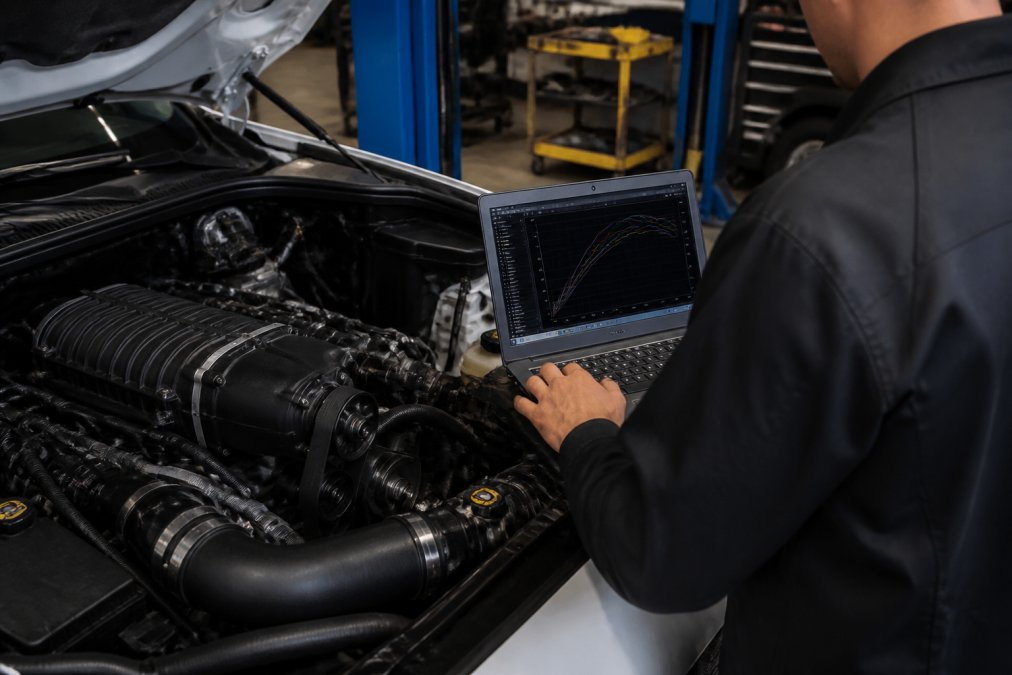
Tuning can make or break the whole deal
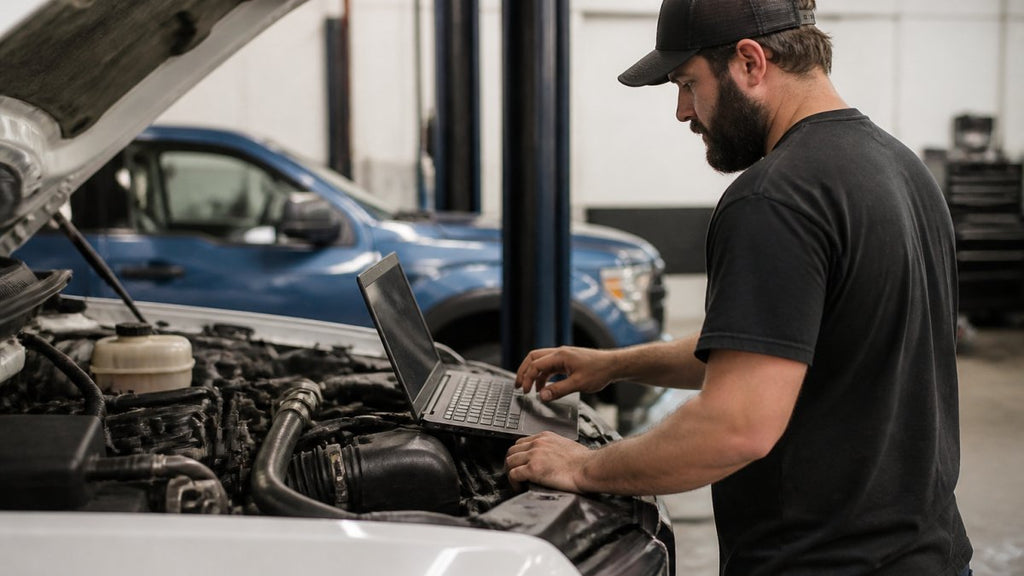
You can have great hardware and still end up with a lousy result if the calibration is off. This is one of the biggest complaints we hear from owners who tried piecing together a setup or bought something not really sorted for their platform.
A proper bolt-on supercharger kit should include tuning support that matches the vehicle and intended use. That means safe air-fuel ratios, proper timing, predictable throttle response, and transmission behavior that still feels natural. On a truck or SUV, especially, bad tuning shows up fast. Weird shifting, surging on light throttle, hot running, and inconsistent power delivery get old in a hurry.
If you plan to tow, wheel in hot climates, or spend time at altitude, tuning matters even more. The right calibration is what makes the extra power usable day after day instead of just impressive for one pull.
Look hard at installation quality
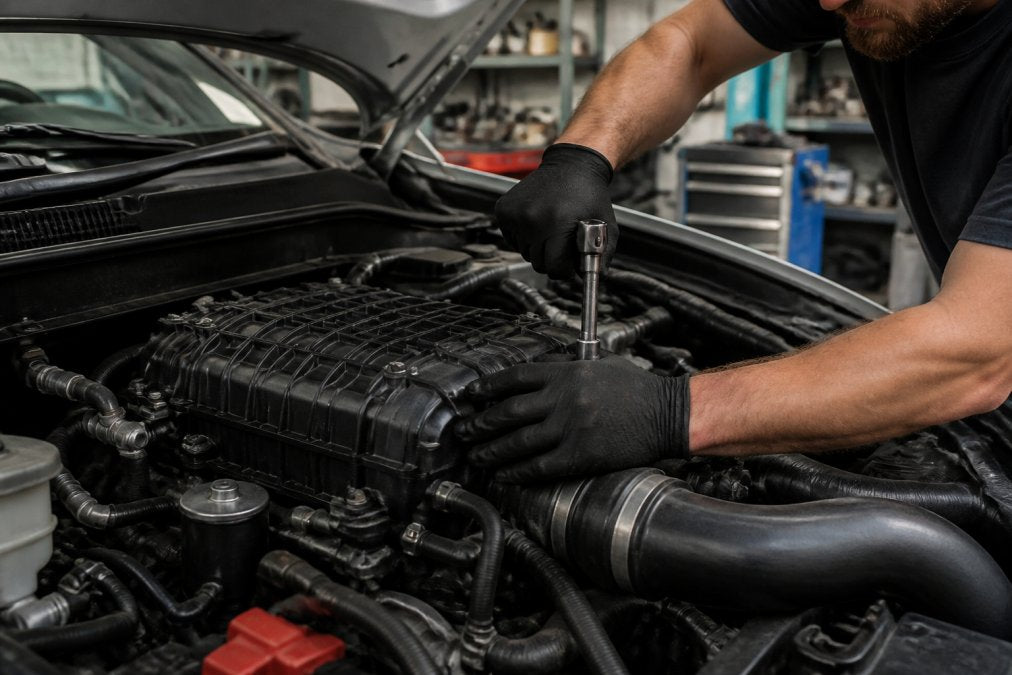
A bolt-on kit should install cleanly. That means brackets that line up, belt routing that makes sense, hardware that fits, and instructions that do not leave the installer guessing. OEM-like fitment is not a luxury. It is a big part of long-term reliability.
After installing hundreds of kits, we can tell pretty fast which systems were designed to live under the hood and which ones were just made to sell. Sloppy fitment usually leads to noise, belt issues, rubbing, leaks, or constant little fixes that wear you out.
If you are paying a shop, clean installation also saves labor time. If you are doing it yourself, it can be the difference between a solid weekend project and a month of frustration.
Think about your use case, not somebody else’s build
This is where vehicle-specific thinking matters most. A Toyota 4Runner owner in Colorado dealing with altitude, camping gear, and mountain grades should choose differently than a Nissan Frontier owner in Florida who wants stronger daily-driving response. A Jeep Gladiator on 37s with steel bumpers needs torque and control. A Dodge Charger owner wants a sharper hit and stronger pull through the rev range without giving up street manners.
Most owners tell us they just want the vehicle to stop feeling overworked. That is the target.
If you tow, prioritize torque and cooling confidence. If you off-road, prioritize low-speed response and predictability. If it is your daily driver, prioritize smoothness and reliability. If it is a street car, maybe you can lean harder into peak power as long as the tune and support are there.
Support and warranty are part of the product
People forget this until something comes up. Then it becomes the only thing that matters.
When you are deciding how to choose a bolt on supercharger, look at what happens after the box shows up. Is there real install help? Can you get application guidance before you buy? Is there tuning support? Are approved installers available if you do not want to tackle it yourself? Is there warranty coverage from a company that actually knows the platform?
That stuff matters because most owners are not just buying a blower. They are buying the complete experience of living with the upgrade. One good answer from someone who knows the vehicle can save days of aggravation.
At VT Superchargers, that is a big part of why owners come to us. They want a package that fits the vehicle, works in the real world, and does not leave them guessing once the install starts.
The right supercharger should make the vehicle feel factory-plus
That is probably the simplest way to judge it. The best bolt-on supercharger kit does not make your truck, SUV, or car feel hacked together. It should feel like the vehicle came from the factory with the power it always needed.
Stronger torque. Better throttle response. Less gear hunting. Easier passing. Better hill climbing. More confidence with weight in the vehicle or a trailer behind it. Those are the wins that matter.
So if you're wondering how to choose a bolt on supercharger, start with the exact vehicle, be honest about how you drive it, and pick the setup that gives you clean power you can actually use. When the kit is matched right, the first test drive usually tells the whole story - this is how it should have run from day one.
Related post


RECENT POSTS