Dodge Challenger Horsepower Upgrade Options
You put wider 275s or 305s on the back, added a louder exhaust, maybe carry passengers every weekend, and now your Challenger feels softer than it used to. It still looks mean sitting at a light, but passing traffic takes more pedal and the car feels lazy in the middle of the rpm range. We see this all the time. The right dodge challenger horsepower upgrade options should make the car hit harder where you actually drive it, not just create a big number for a dyno sheet.
A Challenger is a heavy car. That is part of the appeal. It has a real back seat, a big trunk, and enough road presence to make a grocery run feel like an event. But added wheel weight, sticky tires, passengers, and highway miles can expose weak throttle response fast. The answer depends heavily on whether you have a V6 SXT or GT, a 5.7L R/T, a 6.4L Scat Pack, or a factory-supercharged Hellcat.
Start With the Power You Can Actually Feel
Before bolting on parts, be honest about the complaint. One of the biggest complaints we hear is, “It sounds better, but it does not feel much faster.” That usually comes from stacking bolt-ons without a plan.
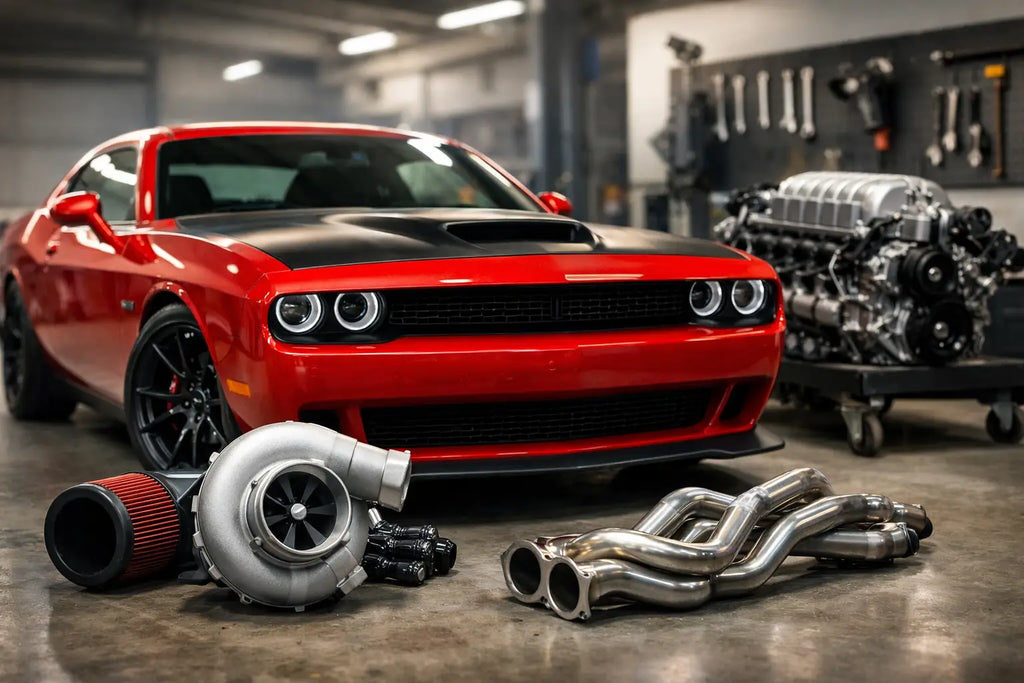
A cold-air intake, cat-back exhaust, and a good calibration can sharpen the way a naturally aspirated Challenger responds. The intake gives the engine a cleaner path to air, the exhaust can reduce restriction and change the sound, and the tune brings the package together. On a 5.7L R/T, that can make the car feel more willing when you roll into the throttle from 40 to 70 mph.
That said, do not expect an intake and exhaust to turn an R/T into a Hellcat. These parts are worthwhile when you want better sound, throttle response, and modest gains while keeping the car simple. They are not the answer if your real goal is to pull hard with a car full of people or make big midrange torque on the highway.
For the 3.6L Pentastar cars, this point matters even more. A V6 Challenger can benefit from a quality intake, exhaust, and conservative tuning, but naturally aspirated gains are limited. Most owners tell us they want the car to feel less flat off the line and more responsive when merging. That is a reasonable target. Chasing massive horsepower from a stock V6 with random parts is usually an expensive way to be disappointed.
Dodge Challenger Horsepower Upgrade Options by Engine
3.6L V6 SXT and GT
The V6 cars are often daily drivers, which makes drivability the whole deal. A clean intake, exhaust, and properly matched tune are the sensible first moves. If you want a more noticeable improvement, forced induction is where the conversation changes.
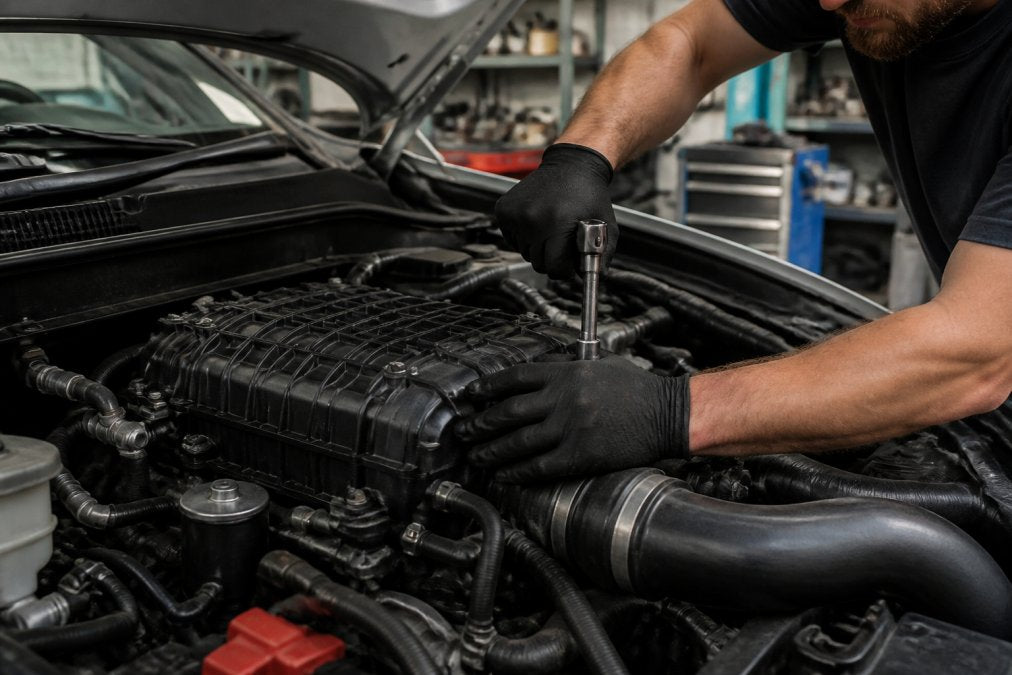
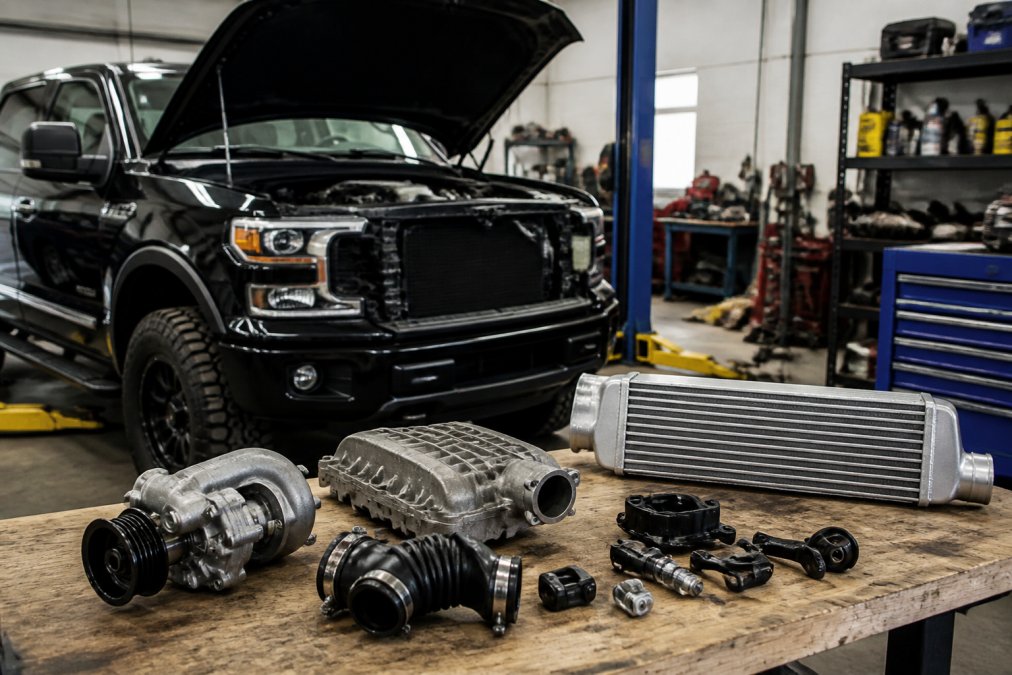
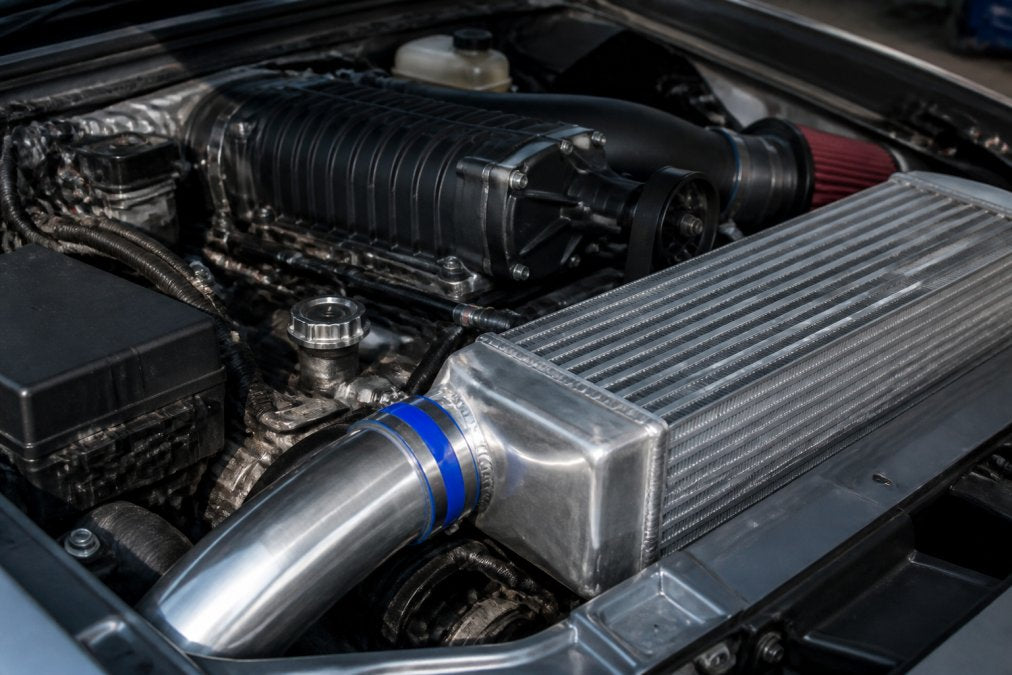
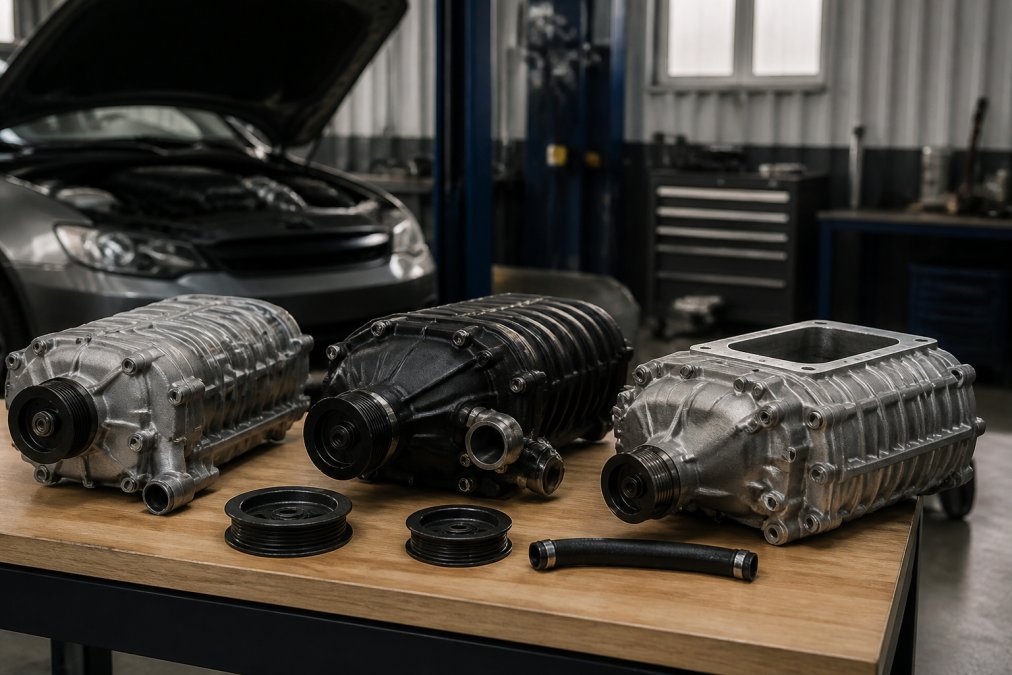
A vehicle-specific supercharger system can add the torque the Pentastar does not have from the factory, especially in the midrange. That is the difference you feel when you pull around a slow truck without waiting for a downshift. But this is not a place to cut corners. Fuel quality, tuning, cooling, installation, and the condition of the engine all matter. A safe kit with a conservative calibration is far more valuable than squeezing every last pound of boost out of a daily-driven car.
5.7L HEMI R/T
The 5.7 is the sweet spot for a lot of Challenger owners. It has a good V8 sound, plenty of aftermarket support, and enough factory strength to make a well-planned power adder package very entertaining.
Basic bolt-ons and a tune wake up an R/T, but a supercharger is what changes the personality of the car. After installing hundreds of kits across similar street platforms, the reaction is usually the same: owners talk about the instant shove when they hit the pedal, not the peak number. The car pulls harder through the middle of the gear, climbs highway grades without feeling winded, and makes passing moves easier.
For a street R/T, we would take clean fitment, proper belt routing, stable intake temperatures, and a proven tune over a max-effort setup every time. Keep the boost reasonable, run the fuel the calibration requires, and use a tuner who understands HEMI drivability. You want the car to idle normally, start normally, and behave in traffic on a 95-degree afternoon.
6.4L Scat Pack and 392
The 6.4L already has serious naturally aspirated punch. The weak point for many Scat Pack owners is not peak power. It is traction. Put 305 rear tires on a 392, roll into the throttle in first or second gear, and you can turn a horsepower upgrade into a smoke show with no real forward progress.
Camshaft packages, long-tube headers, intake work, and tuning can add power to a 392, but the labor and supporting parts add up quickly. A supercharger can deliver a much bigger jump, but it demands a realistic plan. You need to consider fuel, cooling, tire choice, drivetrain condition, and how hard you intend to use the car.
This is also where “more” is not always better. A conservative forced-induction setup on a healthy engine can be a fantastic street combination. Pushing a stock bottom end, running poor fuel, and ignoring heat because you want a bigger screenshot is how a fun Challenger becomes a parked Challenger.
Hellcat and Redeye Models
Factory-supercharged cars start from a different place. The common path is usually pulley changes, intake improvements, exhaust work, cooling upgrades, and a proper tune. The factory blower already makes serious power, so heat management becomes a major part of the conversation.
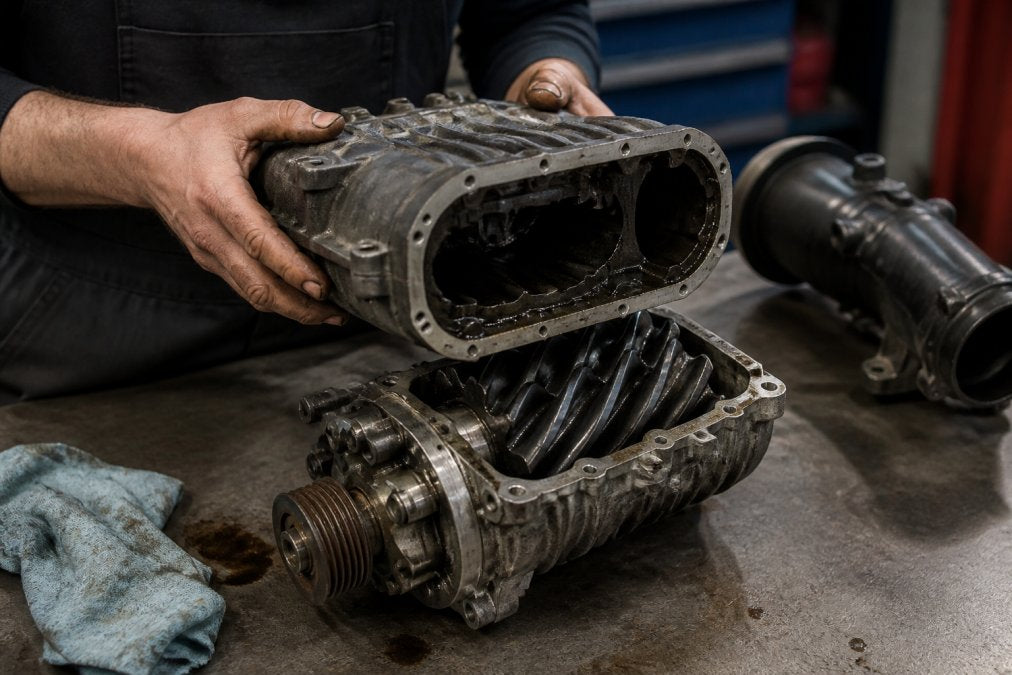
Smaller pulleys can increase boost, but they also increase blower speed and intake air temperature. That means the calibration, fuel system, intercooler circuit, heat exchanger, and fuel type have to match the setup. We have seen plenty of cars with a pile of expensive parts that pull timing because the supporting system was ignored.
If you street-drive a Hellcat, build for repeatability. A setup that makes a strong clean pull on the third run is more useful than one hero pass followed by heat soak. Good tires are not optional, either. The factory power already overwhelms marginal rubber, especially on cold pavement.
The Tune Is Not a Detail
One of the biggest mistakes Challenger owners make is treating tuning like an afterthought. It is the part that tells the engine what to do with every other modification.
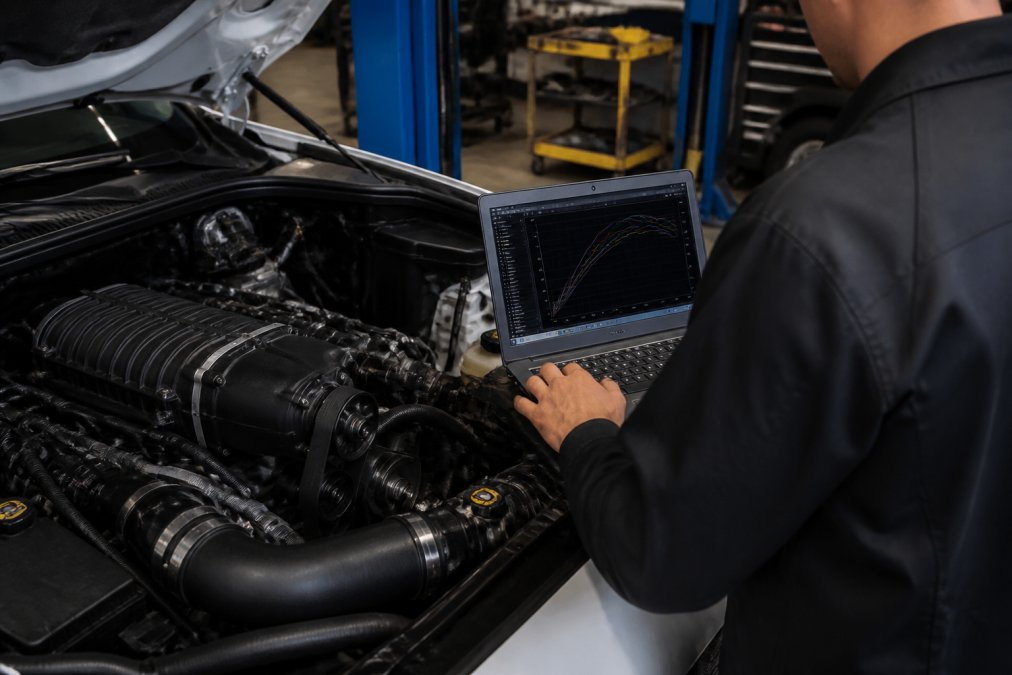
A proper calibration addresses spark, fueling, throttle behavior, torque management, transmission strategy where applicable, and boost control on a supercharged combination. It should be matched to the exact engine, fuel, injectors, pulley or blower setup, and intended use. A generic file loaded onto a car with mismatched parts can create bad drivability before it creates a major failure.
Modern Challengers can also require PCM access or an unlock process depending on year and configuration. Plan for that cost from the beginning. Do not buy hardware first and then find out you cannot complete the tuning side correctly.
Supporting Parts Make the Upgrade Live Longer
Power exposes everything behind it. If your rear tires are old, your brakes are overdue, or your transmission has been acting strange, fix that before adding boost. More horsepower will not repair worn parts.
On an R/T or Scat Pack, good rear tires are often the first supporting upgrade that makes the power usable. A wider tire can help, but compound matters just as much as width. A hard 305 is not automatically better than a sticky 275. Wheel weight matters, too. Heavy aftermarket wheels can make the car feel duller before you ever touch the engine.
For serious builds, plan for fuel system capacity, colder spark plugs where required, cooling improvements, and routine maintenance. Fresh plugs, healthy coils, clean filters, quality oil, and no existing drivability problems are the baseline. A supercharger kit should be installed on a healthy car, not used as a bandage for a car that already has a misfire or low compression.
Pick the Build That Matches Your Right Foot
If your Challenger is a daily driver that sees highway trips and the occasional back-road pull, a conservative bolt-on package or properly engineered supercharger setup makes sense. If it is a weekend Scat Pack on drag radials, your priorities may lean harder toward traction, fuel, and drivetrain support. If it is a Hellcat that runs hot after two pulls, spend money on cooling before chasing a smaller pulley.
VT Superchargers is built around the kind of clean, vehicle-specific installation that lets you enjoy the car after the install day is over. The best upgrade is not the loudest or the highest claimed number. It is the one that fires up every morning, pulls hard when you floor it, and gives your Challenger the torque it was missing without turning ownership into a constant project.
Related post


RECENT POSTS