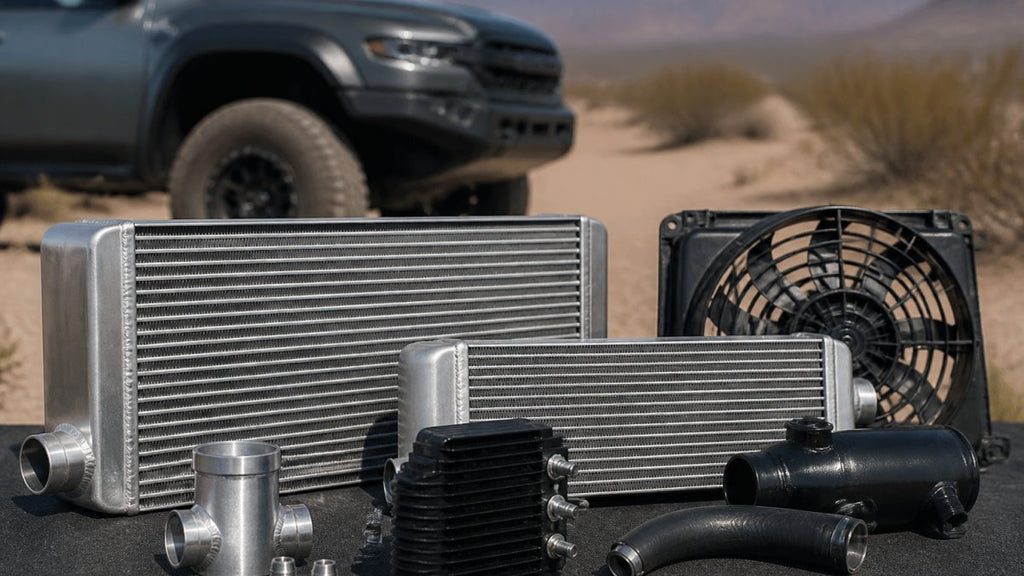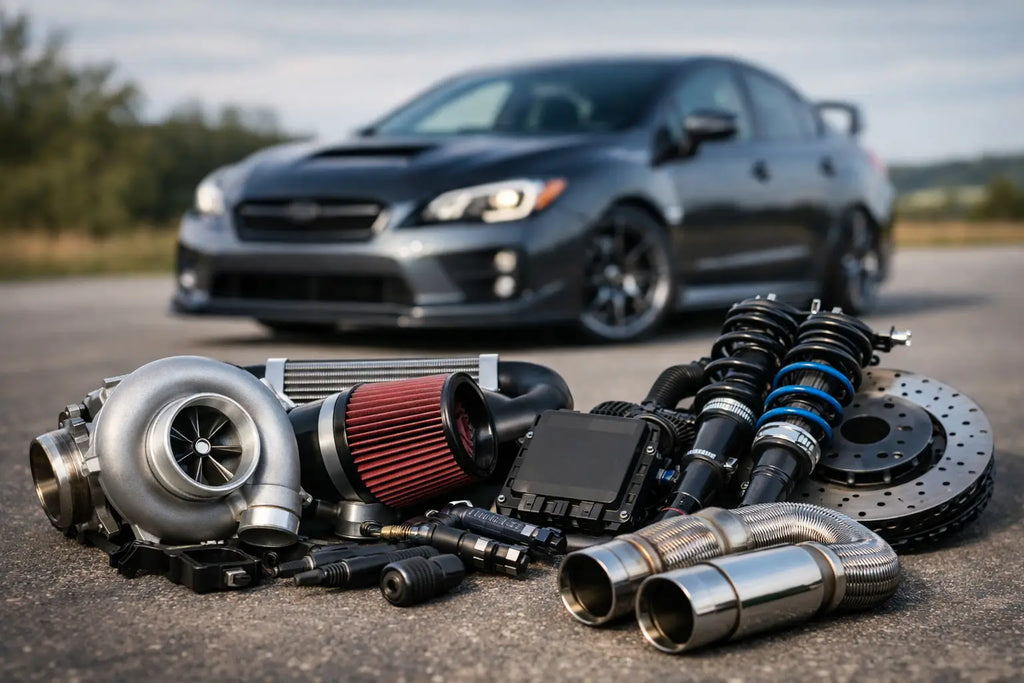
7 Best Daily Driving Power Mods
Bigger tires, a bed full of gear, a trailer out back, or a few armor parts underneath - that’s usually when people start asking about the best daily driving power mods. The truck or SUV ran fine stock, then the weight went up, the tire size changed, and now it feels lazy pulling hills, passing traffic, or getting back up to speed. We see this all the time, especially on Tacomas, 4Runners, Gladiators, Frontiers, and Chargers that spend their lives on the street but still have to work.
The mistake a lot of owners make is chasing peak horsepower instead of fixing how the vehicle feels from the driver’s seat. Daily driving power is about usable torque, clean throttle response, smooth shifting, and power that shows up where you actually live on the tach. If the vehicle is slower after mods, hunts for gears on grades, or feels flat in the midrange, the right answer is usually simpler than people think.
What the best daily driving power mods actually do
For a street-driven vehicle, the best upgrades don’t need to turn it into a race car. They need to make it easier to merge, less annoying to tow with, and more confident when you roll into the throttle at 35 to 70 mph. Most owners tell us they want the same thing - more punch without drama.
That means every power mod should be judged by a few real-world questions. Does it improve torque where you use it? Does it keep OEM-like drivability? Does it require a bunch of supporting mods just to feel right? And can you live with it every day in traffic, heat, rain, road trips, and stop-and-go use?
If a mod adds noise but not real acceleration, or creates tuning headaches, or makes the vehicle feel jerky around town, it’s probably not one of the best daily driving power mods no matter what the dyno sheet says.
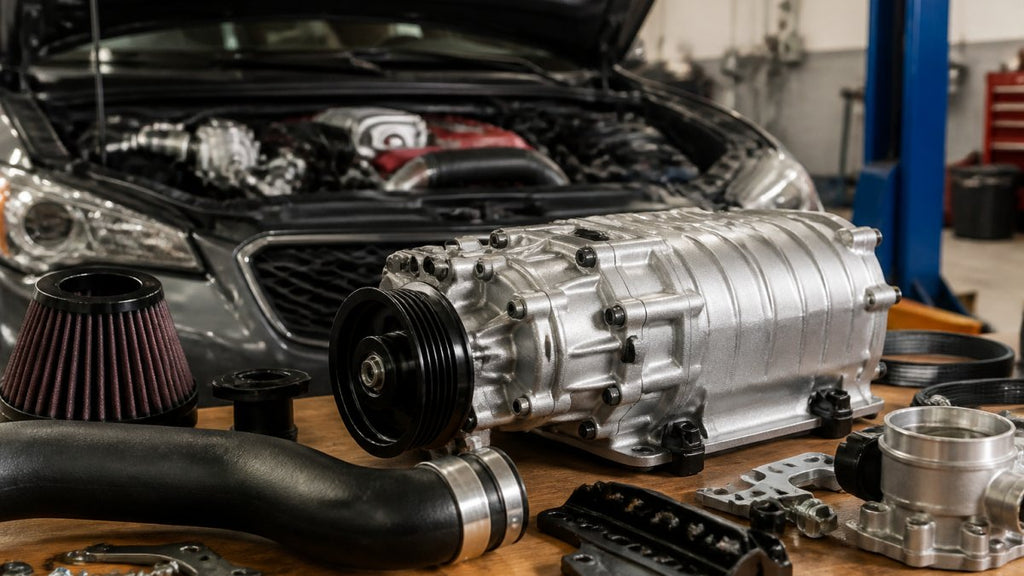
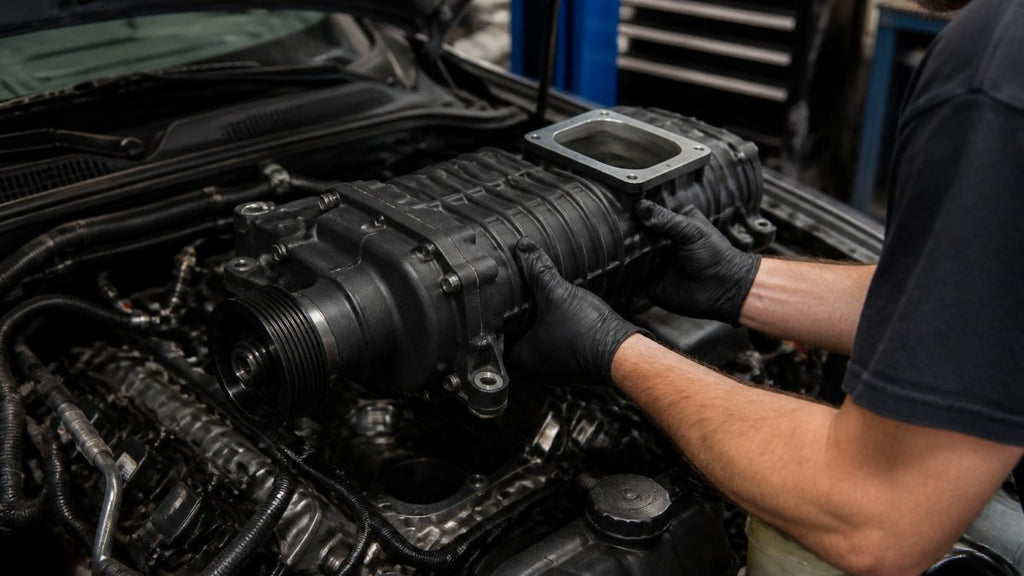
1. A vehicle-specific supercharger kit
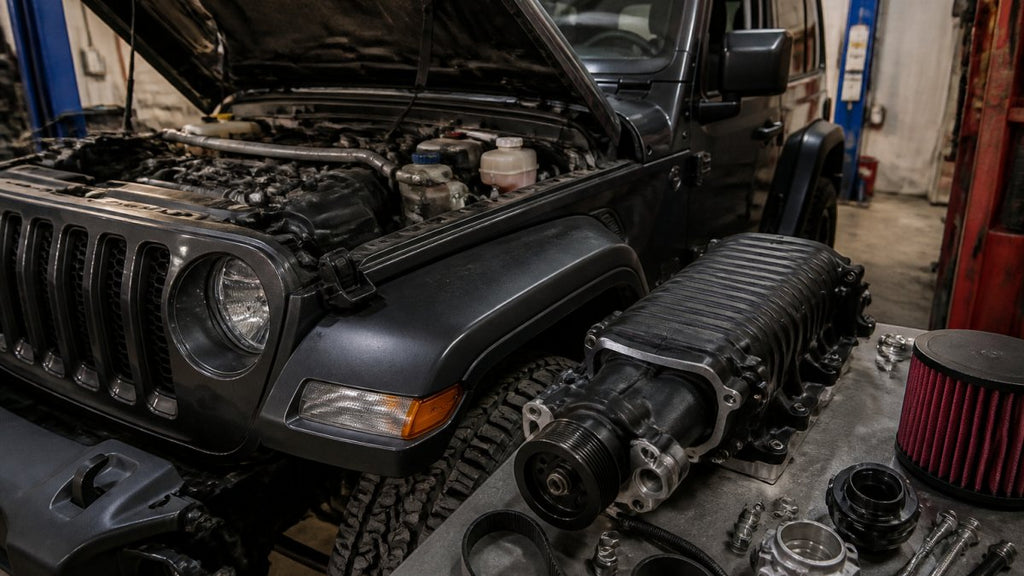
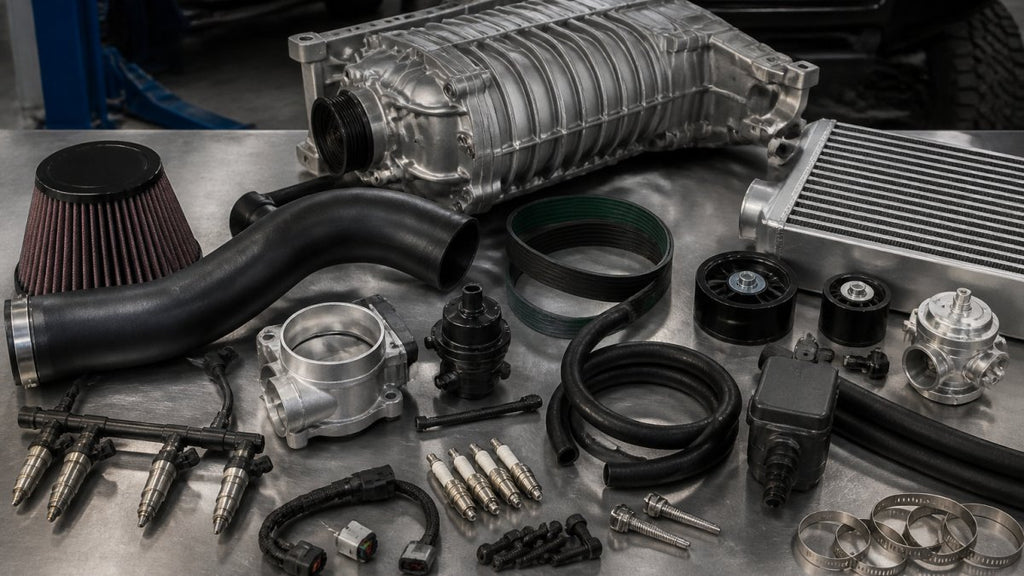
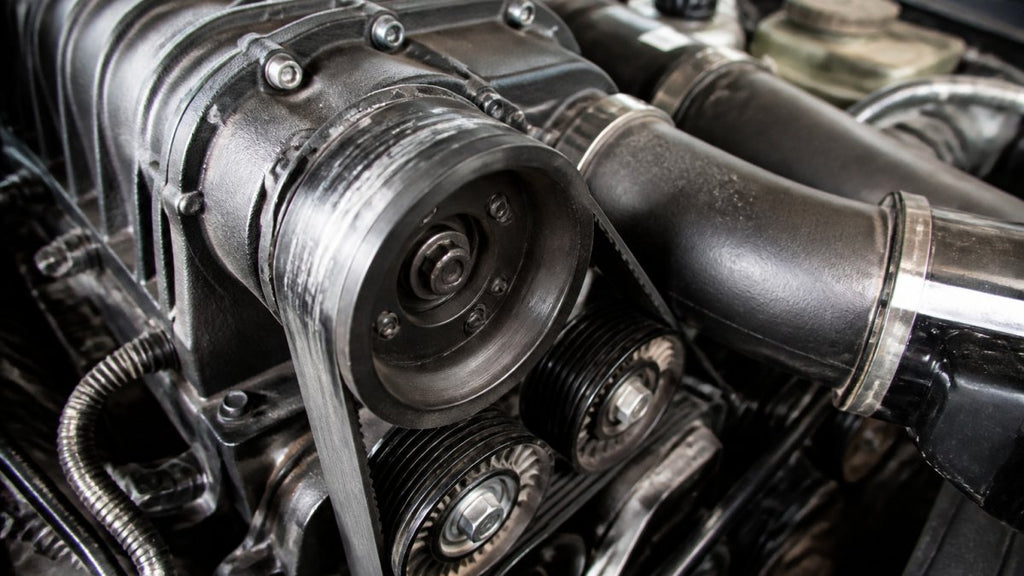
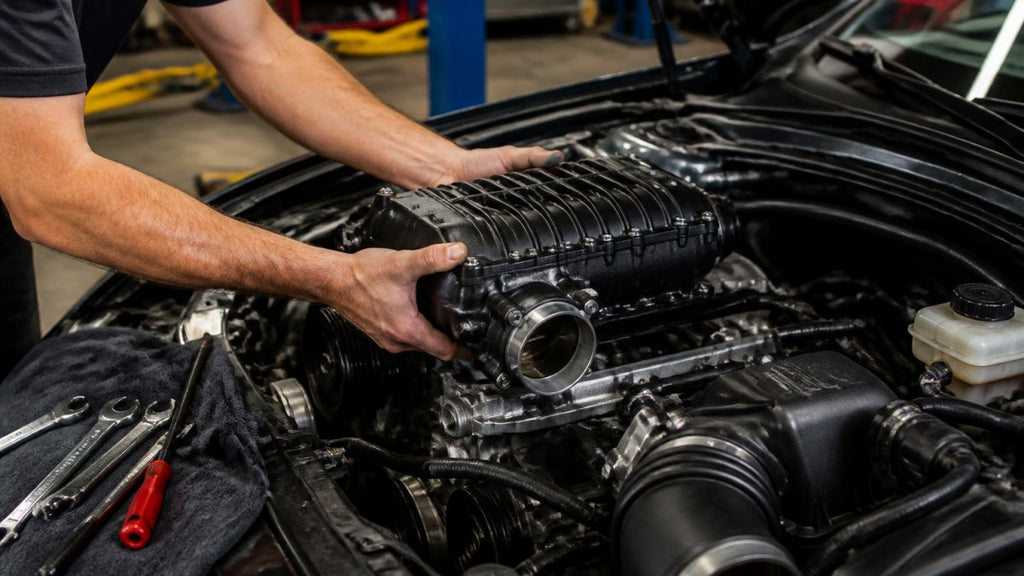
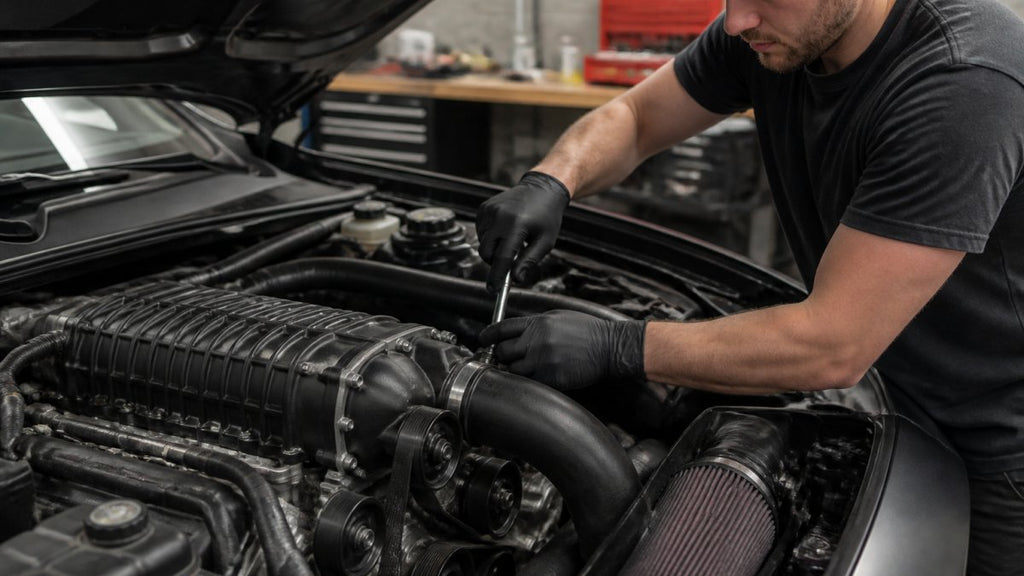
If we’re talking about the biggest real-world improvement per mod, this is the one. After installing hundreds of kits, I can tell you nothing changes a daily driver like properly engineered boost when the tune, belt drive, fueling, and fitment are all sorted out for the exact application.
This is especially true on platforms that are known for feeling soft once you add weight or tire. Think Toyota Tacoma and 4Runner owners running 33s, steel bumpers, rooftop tents, and recovery gear. Same story with Jeep Gladiators carrying armor and camping equipment, or Nissan Frontiers that tow and spend time in the hills. One of the biggest complaints we hear is constant downshifting and that dead feeling in the midrange. A good supercharger kit fixes the part of the powerband you actually use.
The reason it works so well for daily driving is simple. You don’t have to rev the thing to the moon to get moving. You roll into the throttle and the torque is just there. Passing gets easier. Towing gets less stressful. Climbing grades at altitude stops feeling like a punishment.
The trade-off is cost. This is not the cheapest option on the list. But if you want a true seat-of-the-pants difference without giving up drivability, it’s hard to beat a clean, bolt-on, properly tuned setup built for your exact year, engine, and model.
2. Proper tuning
A tune by itself can help on some platforms, but it really shines when it’s paired with the right hardware. Shift behavior, throttle mapping, torque management, and drivability all matter more than people think. Most owners don’t complain that the vehicle is missing 100 horsepower. They complain that it feels sleepy, indecisive, or weirdly delayed when they stab the pedal.
We see this a lot on domestic V8 cars and trucks where the factory calibration can feel soft, and on midsize trucks where transmission behavior gets worse after tire changes. A good calibration can clean up that lazy response and make the vehicle feel lighter on its feet.
That said, tuning is not magic. It can’t create the kind of loaded, low- and midrange torque that a forced-induction setup can. It also needs to be done right. Bad tuning is one of the fastest ways to ruin a nice daily driver.
3. Lower gearing when tire size went up
This one gets ignored way too often because it’s not glamorous. But if you jumped from stock tires to 33s or 35s and now the vehicle feels doggy, your effective gearing changed. That means worse acceleration, more hunting between gears, and weaker hill-climbing even if the engine itself is healthy.
For Jeeps, Tacomas, 4Runners, and Frontiers, re-gearing can absolutely be one of the best daily driving power mods if the real problem came from tire size. It doesn’t add horsepower, but it gets the drivetrain back into a usable range so the engine isn’t constantly fighting the load.
The downside is cost and labor. Gears are not a quick bolt-on for most owners, and if you wanted more power even before the tire swap, gears alone may not satisfy you. Still, when the complaint is sluggishness after wheel and tire upgrades, this is a smart fix.
4. A freer-flowing exhaust, but only if the stock system is a bottleneck
A lot of people start here because it’s easy to buy and easy to hear. Sometimes it helps. Sometimes it just makes more noise. For a daily driver, that difference matters.
On some platforms, especially older V8 cars or trucks, a well-matched exhaust can improve response and make the engine feel less choked up. But on many modern vehicles, the gains are modest unless the rest of the combo supports it. One of the biggest complaints we hear after random exhaust installs is drone on the highway and not much extra shove in the seat.
If you’re building a daily driver, keep your expectations realistic. Exhaust is a support mod more than a miracle mod. It makes more sense as part of a complete package than as a first move if your goal is stronger passing power and towing performance.
5. Intake upgrades that don’t suck in hot air
Same deal here. A quality intake can sharpen things up a bit, especially if the factory box is restrictive, but this category is full of parts that sound faster without being faster where it counts. On a hot street-driven vehicle, underhood heat matters. If the intake setup pulls hot air and the tune isn’t adjusted for it, you can end up with less consistency, not more.
Most owners tell us they notice intake sound before they notice meaningful torque. That doesn’t make it useless. It just means you should treat it like a supporting player. If you want one, pick a setup that keeps drivability intact and works with the rest of the package.
6. Weight reduction where it makes sense
This isn’t sexy, but it’s real. If your daily-driven truck gained 400 to 800 pounds in bumpers, sliders, rack, skids, drawer systems, and oversized tires, you changed the whole personality of the vehicle. We see overlanding builds all the time that are loaded like expedition rigs and then the owner wonders why the truck feels flat.
You don’t need to strip the interior or ditch useful equipment. But being honest about weight helps. If there’s gear you never use, take it out. If you’re choosing between two parts, the lighter option can pay you back every single day in acceleration, braking, and fuel economy.
Still, weight reduction has limits. If you actually use the armor, tools, and towing gear, the better answer is usually adding usable torque rather than pretending the load isn’t there.
7. The right tire choice
Tires absolutely affect how quick a vehicle feels. Heavier all-terrain and mud-terrain tires can make a midsize truck or SUV feel sluggish, especially with a naturally aspirated V6. The jump from a mild factory tire to a heavy 33-inch or 35-inch setup is something you feel every time you leave a stoplight.
This is why tire selection belongs in any honest conversation about the best daily driving power mods. A lighter tire with a more street-friendly tread can improve response more than people expect. It won’t replace real engine torque, but it can stop you from digging the hole deeper.
Which mod makes the biggest difference?
If your vehicle is stock and just feels a little soft, tuning may be enough. If bigger tires ruined the gearing, address that first. But if your daily driver has to deal with towing, altitude, added weight, steep grades, or weak factory midrange torque, a vehicle-specific supercharger kit is usually the biggest and most complete fix.
That’s why these kits make so much sense on platforms like the Tacoma, 4Runner, Gladiator, Frontier, and even street cars like the Charger or Mazda 3 that need more punch without losing manners. When the system is engineered right, you get instant torque, clean drivability, and power that feels natural instead of peaky. That’s the whole point.
At VT Superchargers, that daily-driver part matters. The best setup is the one you can bolt on, drive to work, tow with on the weekend, and trust on a long trip home without second-guessing it.
Before you buy any part, be honest about what the vehicle actually needs. If the problem is dead midrange, constant downshifting, and weak passing power, fix that problem directly. The best mod is the one that makes the vehicle feel right every single time you drive it.
Related post
09
Oct
RECENT POSTS