Naturally Aspirated Versus Forced Induction
You put 35s on your Tacoma, loaded the bed with recovery gear, added a rooftop tent, and now every freeway grade has the transmission hunting for a gear. Or maybe your 4Runner was fine stock, but it feels flat with camping weight and passengers. That is where naturally aspirated versus forced induction stops being bench-racing and becomes a real ownership decision. You are not chasing a dyno sheet. You want the truck to pull like it should when you put your foot in it.
We see this all the time. Owners spend money making a vehicle more capable, then discover the factory powertrain was calibrated for stock tires, stock weight, and a light-duty commute. Bigger tires change effective gearing. Armor, winches, drawers, and trailers add load. Altitude takes power away. The result is usually the same: weak midrange torque, lazy passing power, and too much downshifting.
What Naturally Aspirated Power Feels Like
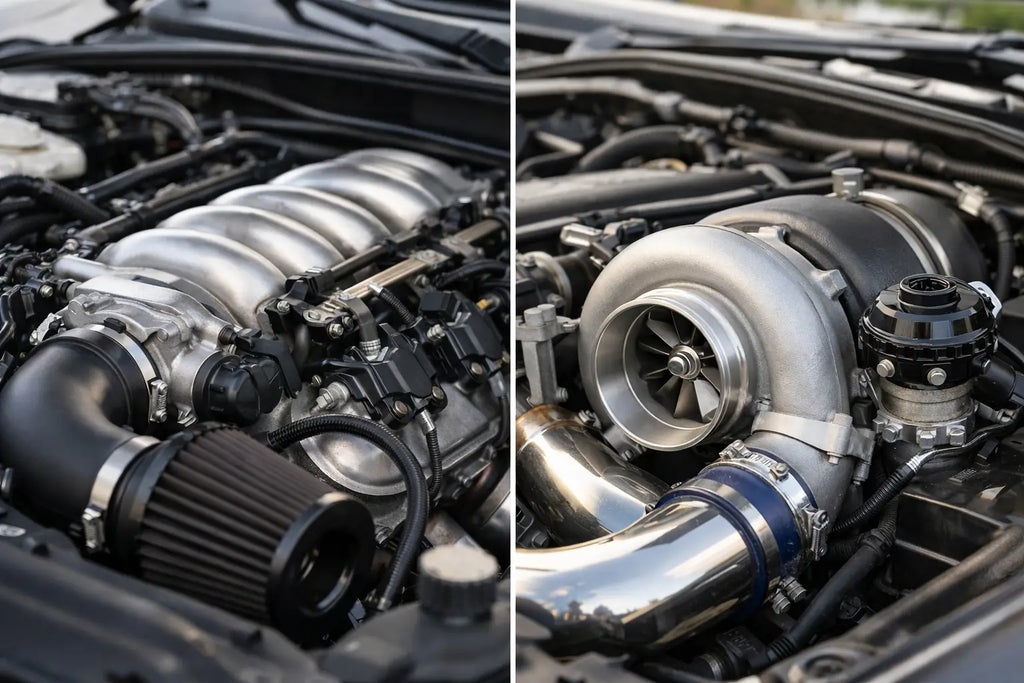
A naturally aspirated engine pulls air in without a supercharger or turbocharger pushing extra air into it. In plain shop-talk, it is the engine your truck or SUV came with before you start adding boost. Its response is predictable because power builds with rpm and throttle input, without a boosted system adding a major step-up in airflow.
There is a lot to like about that simplicity. A stock Toyota Tacoma 3.5L, 4Runner 4.0L, or Nissan Frontier V6 has factory calibration, factory cooling margins, and fewer added parts under the hood. For an owner running stock-size tires, driving mostly flat roads, and towing only occasionally, naturally aspirated power may be all they need.
The problem is not that these engines are bad. It is that many of them make their useful power higher in the rpm range than owners want to live. One of the biggest complaints we hear from 3rd-gen Tacoma owners is that the truck needs a big pedal input and a downshift just to make a clean pass or hold speed on a grade. The 4Runner 4.0L is dependable as a hammer, but add 33s, sliders, a bumper, and a loaded cargo area, and it starts feeling like it is working overtime.
You can improve a naturally aspirated setup with gears, intake and exhaust changes, and a quality tune. Re-gearing is especially effective when tire size is the main issue. A Tacoma on 35s with the right gears will feel much better around town and on the trail than the same truck on stock gearing.
But gears do not create more engine torque. They multiply what you already have. That can be exactly the right call for a dedicated trail rig, but it does not solve the guy who wants stronger towing, easier mountain passing, and more power at any speed without living at 4,500 rpm.
Naturally Aspirated Versus Forced Induction Behind the Wheel
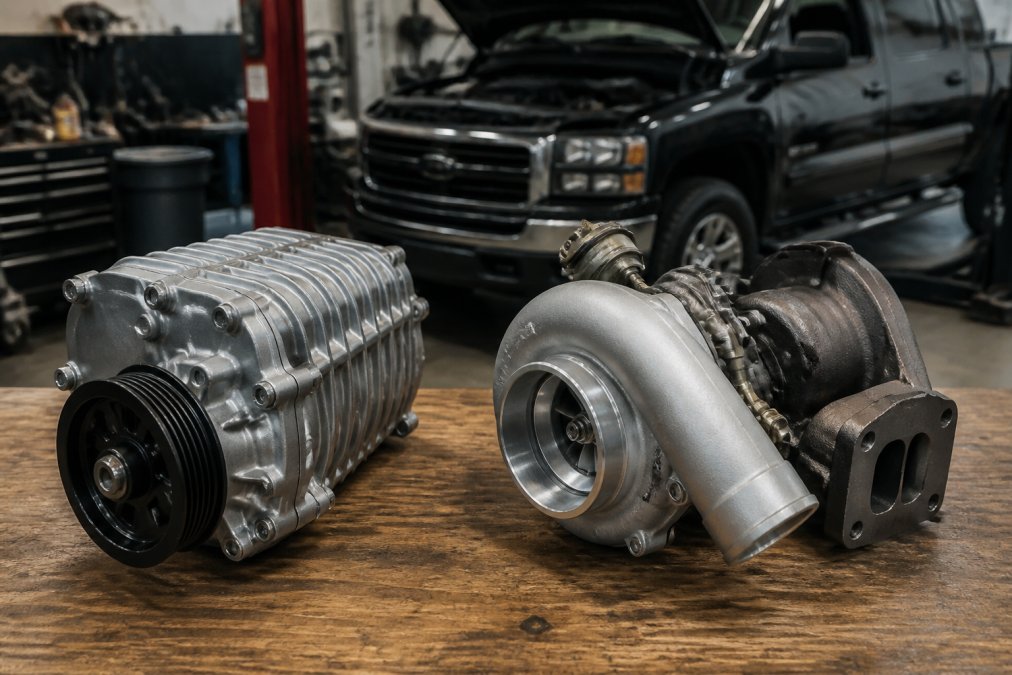
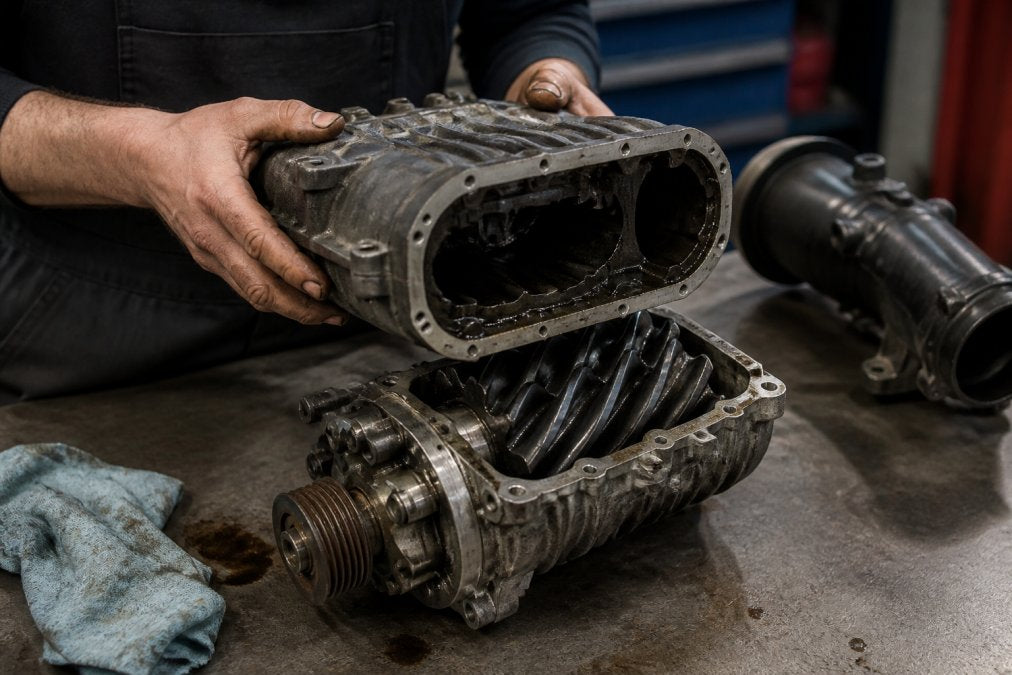
Forced induction means using a supercharger or turbocharger to pack more air into the engine. More air, matched with the right amount of fuel and proper tuning, makes more torque and horsepower. The part owners feel first is usually not the peak horsepower number. It is the extra pull in the middle of the rpm range.
A properly sized supercharger changes how a vehicle behaves when it is loaded. Your Tacoma does not suddenly turn into a race truck. It just quits feeling like it needs a committee meeting before it passes a semi. A 4Runner with 33s can merge, climb, and carry camping gear with far less drama. A Jeep Gladiator can pull through a hill with a trailer instead of dropping gears and screaming for the next mile.
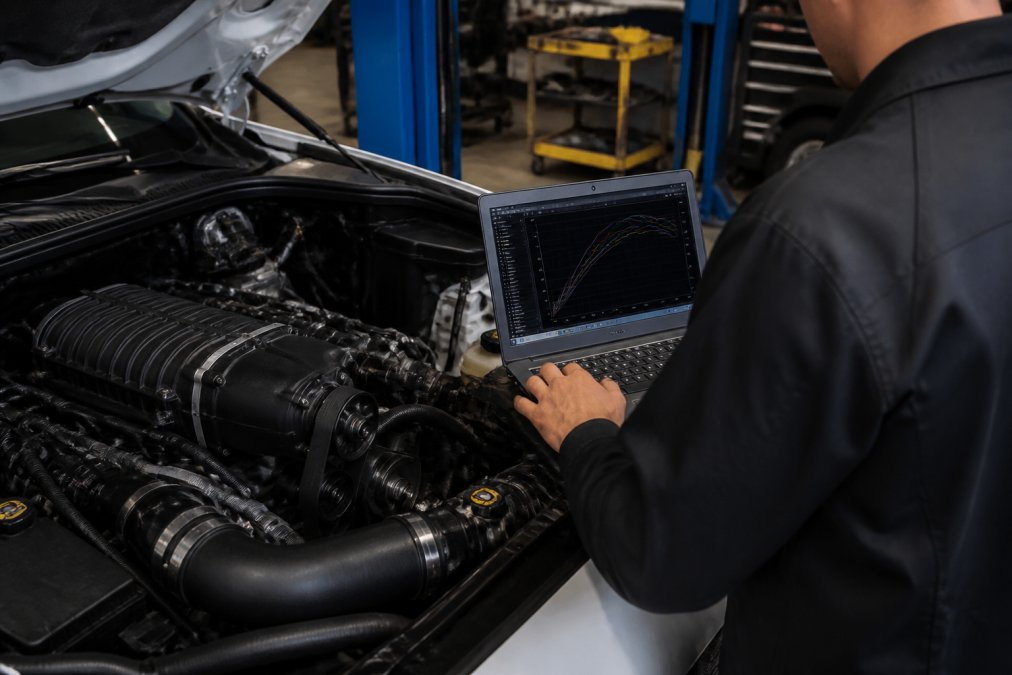
That immediate response is why a belt-driven supercharger fits so many daily-driven trucks and SUVs. There is no waiting for exhaust flow to spin a turbo into its sweet spot. The boost follows engine speed and throttle position, so the power feels connected to your right foot. Most owners tell us that the vehicle feels more like it should have from the factory, not like it has become temperamental or difficult to drive.
For a Mazda 3, Dodge Charger, or similar street car, the difference is just as clear but the use case changes. You may care less about towing and more about rolling acceleration, freeway passing, and getting a clean hit of power out of a corner. Forced induction can deliver that punch while keeping normal cruising calm and civilized when the system, fuel, tuning, and installation are right.
The Trade-Off Nobody Should Skip
More power always asks more from the vehicle. Anybody telling you otherwise is trying to sell you something without having to work on it later. Forced induction adds heat, cylinder pressure, and mechanical load. That is why the kit, calibration, fuel requirement, cooling strategy, and installation quality matter more than big promises.
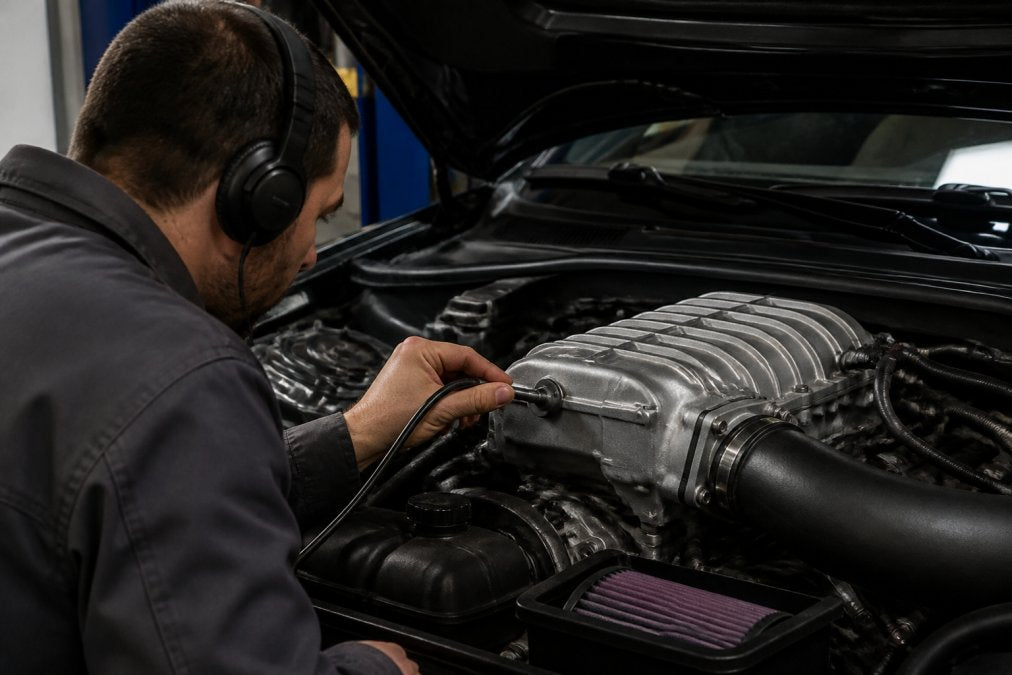
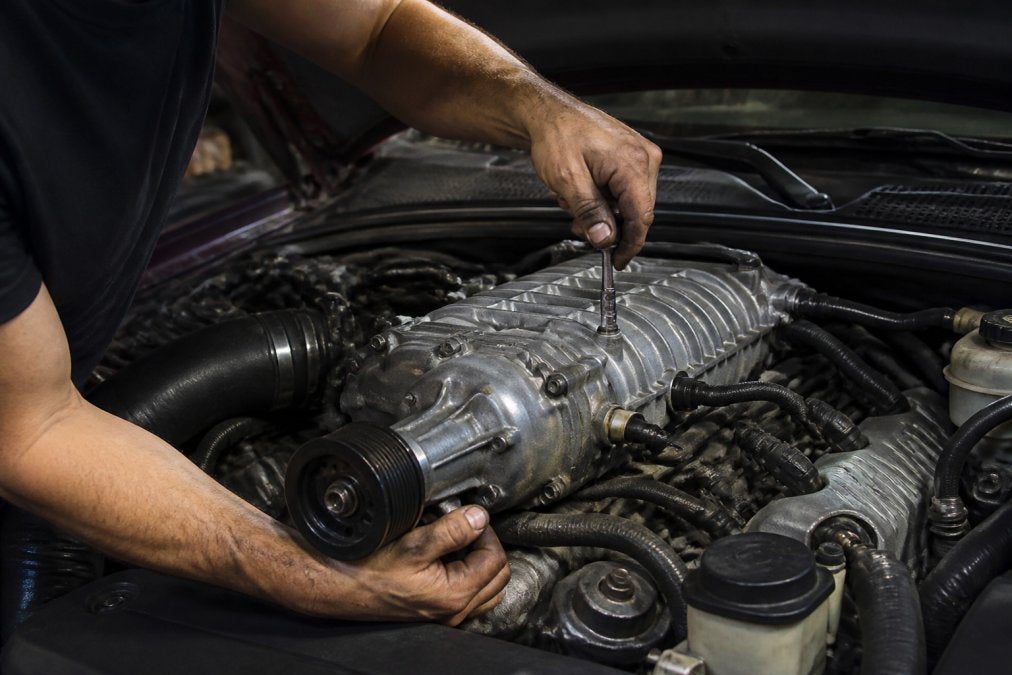
After installing hundreds of kits, I can tell you the boring details are what make a boosted vehicle enjoyable years later. Clean belt alignment. Proper routing. No hacked wiring. Correct spark plugs where required. A tune built for the exact engine and fuel you will actually run. That is the difference between a truck you trust on a family trip and one that becomes a Saturday project every other weekend.
Naturally aspirated power has the advantage when your priority is keeping everything factory-simple and you are happy with the current performance. It is also worth considering if your vehicle has high mileage, unresolved maintenance issues, or a transmission that is already acting questionable. Boost is not a bandage for a tired engine, slipping transmission, bad cooling system, or neglected service.
Forced induction makes sense when the vehicle is healthy and its real-world job has outgrown the factory output. That includes a Toyota Tacoma on 33s or 35s, a 4Runner built for overlanding, a Frontier that tows a side-by-side, or a Gladiator carrying tools and gear all week. It also makes sense for the owner who is tired of planning every freeway pass around traffic gaps.
Why Supercharging Is Not Just About Maximum Power
Turbo systems can make serious power, and there are builds where they are the right answer. But a turbo installation often involves more heat management, more custom plumbing, and a power delivery that depends on turbo sizing and exhaust energy. That may be perfect for someone building toward a specific horsepower target.
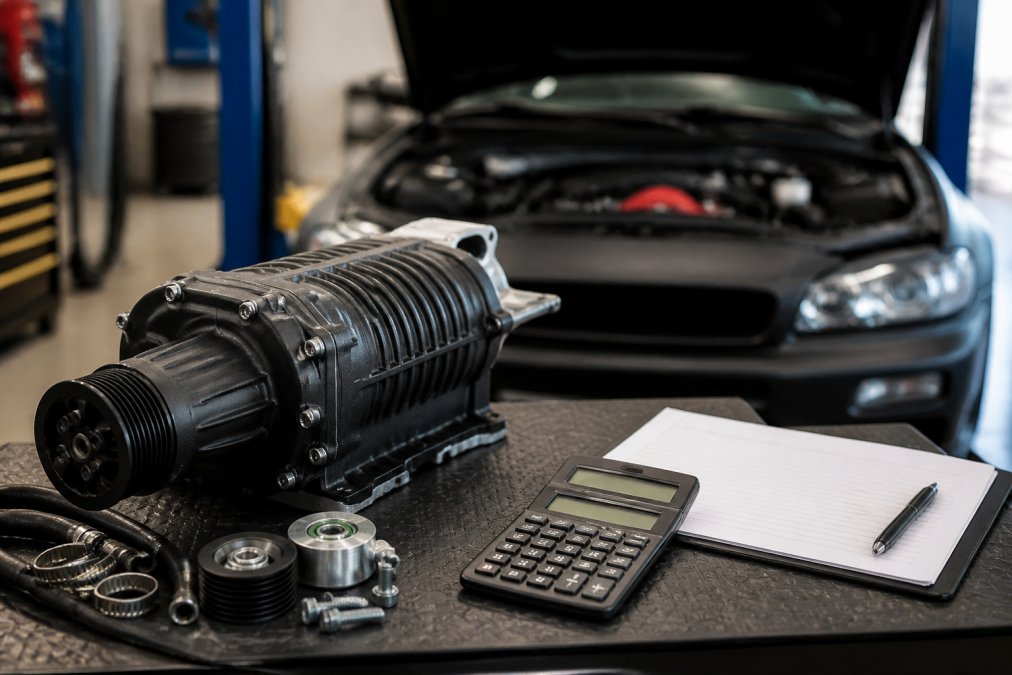
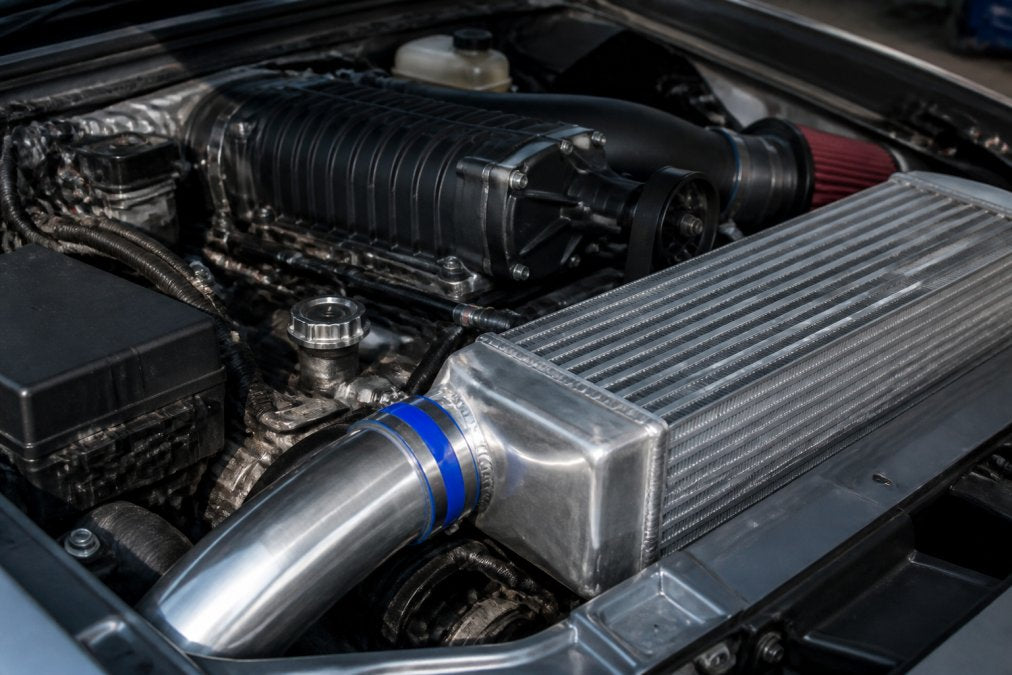
For the owner who wants OEM-like fitment and repeatable daily use, a vehicle-specific supercharger kit is usually the cleaner path. It is designed around a known engine bay, known accessory layout, and known calibration requirements. The goal is not to build the loudest or wildest setup at the local meet. The goal is to bolt on torque you can use every morning, every time you tow, and every time you point the vehicle uphill.
That does not mean every supercharged truck should run huge boost or chase every last number. Conservative boost and a proven tune leave room for heat, fuel quality, towing load, and long ownership. At VT Superchargers, that real-world margin matters. A kit should make the truck more useful, not turn routine maintenance into a science project.
Tires, Gears, and Boost Need to Work Together
A supercharger will help a Tacoma or 4Runner on bigger tires, but it does not change the fact that 35s are heavy and tall. If you are building a serious off-road rig, gearing may still belong in the plan. Think of it this way: boost gives the engine more muscle, while gears give that muscle better leverage.
For many 33-inch tire builds, forced induction can restore the response lost to tire weight and added gear. On 35s, especially with a heavy steel bumper, winch, skids, and camping setup, the best-driving combination may be boost plus proper gears. It depends on how you use it. A beach cruiser and a loaded Colorado trail truck do not need the same answer.
Also be honest about your towing habits. A couple dirt bikes on a light trailer are different from pulling a travel trailer through Arizona heat. More torque makes towing easier, but it also makes cooling, transmission service, and smart driving habits more important. Keep the vehicle maintained, watch temperatures, and use the power with some common sense.
Choose the Setup That Solves Your Actual Complaint
If you love your vehicle as-is and only want a little more sound, a naturally aspirated intake or exhaust change may scratch that itch. If the real complaint is that your truck falls flat after tires and gear, those parts will not give you the seat-of-the-pants torque you are looking for.
Start with the condition of the vehicle, the exact engine and model year, tire size, fuel available near you, and what you ask it to do. Then choose the power path that fits. A clean, properly tuned forced-induction setup can make a daily-driven Tacoma, 4Runner, Gladiator, Frontier, or street car feel stronger where it counts without giving up the manners that made you buy it.
Before you add one more heavy accessory or settle for another slow climb in the right lane, decide what you want the vehicle to feel like. Then build for that job, not for a comment section.
Related post
RECENT POSTS