Toyota 4Runner Off Road Power Upgrade Options
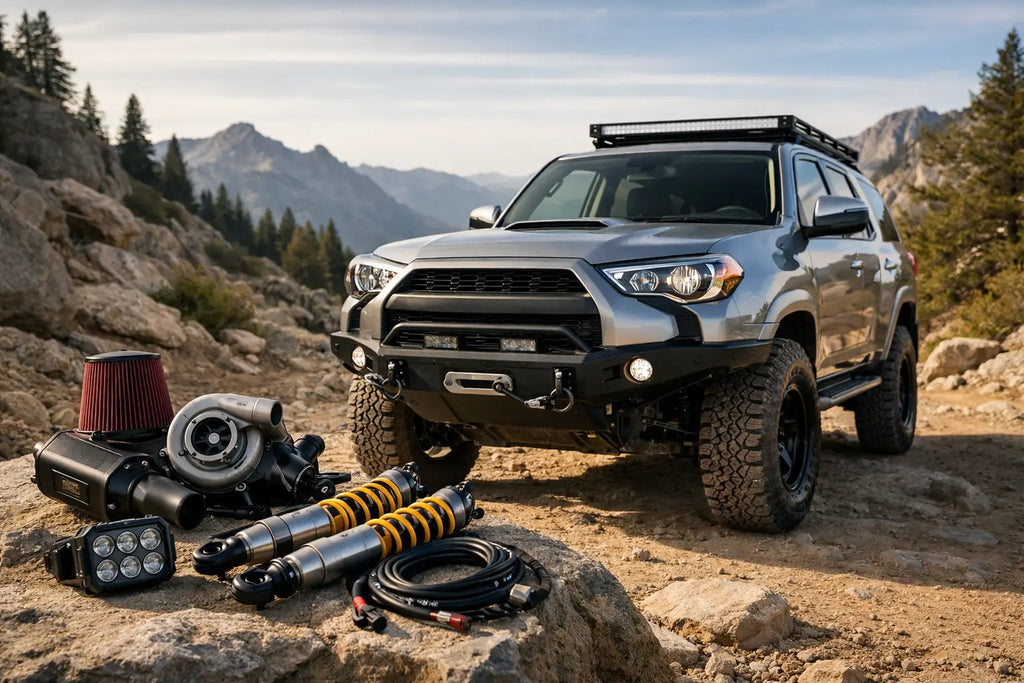
Put 33s or 35s on a 4Runner, add steel bumpers, sliders, a roof rack, camping gear, and a drawer system, then point it at a mountain pass. That is when a Toyota 4Runner off road power upgrade stops sounding like a want and starts feeling necessary. The 4.0L V6 is dependable, but a loaded 4Runner can feel flat when it needs to pull hard. You press the pedal, it drops gears, the RPM climbs, and it still does not have the midrange shove you expected.
We see this all the time. Owners do not usually complain that their 4Runner cannot cruise around town. They complain about passing a camper on a two-lane road, climbing a long grade on the way to Moab, pulling a small trailer, or trying to keep up with traffic after installing heavier tires. The problem is not that the 4Runner is a bad platform. It is that every useful off-road modification asks more from the factory powertrain.
Why Your 4Runner Feels Slow After Off-Road Mods
Most fifth-generation 4Runner owners start with tires. A 285/70R17 is common, and plenty of rigs move up to 35s. Those larger, heavier tires change more than the look. They add rotating weight, effectively make the gearing taller, and make the 1GR-FE V6 work harder every time you leave a stop or hit an incline.
Then comes the rest of the build: skid plates, rock sliders, a full-size spare, recovery gear, armor, fridge, rooftop tent, passengers, and a week of supplies. None of that weight is crazy by itself. Stack it together and your 4Runner may be carrying several hundred extra pounds before you hook up a utility trailer or small boat.
One of the biggest complaints we hear is constant downshifting. The truck hunts for gears on rolling highways, especially at elevation. The driver ends up pushing the pedal farther than they want, the engine gets loud, and passing power is not there when the window opens. Regearing can help restore some of the lost mechanical advantage from bigger tires, but it does not create more engine torque. If your truck was already working hard with stock tires, deeper gears alone may not solve the whole problem.
Start With the Right 4Runner Power Upgrade Goal
Before buying parts, be honest about how you use the truck. A daily-driven SR5 on 32-inch tires has different needs than a 35-inch TRD Off-Road with a steel bumper, RTT, and weekend towing duty. The goal should not be a giant dyno number. The goal is a 4Runner that feels right under your foot.
For many owners, the biggest improvement is stronger low- and midrange torque. That is the part of the powerband you feel when you pull away from a stoplight, roll into the throttle at 45 mph, climb a forest road, or merge with a loaded cargo area. More usable torque means less waiting, fewer awkward gear changes, and less need to keep the engine screaming just to maintain speed.
A throttle controller can make pedal input feel sharper, but it does not add power. That distinction matters. It can reduce the lazy feeling in the pedal, which some drivers like, but it cannot fix a 4Runner that is genuinely short on torque with 35s and a full overland setup.
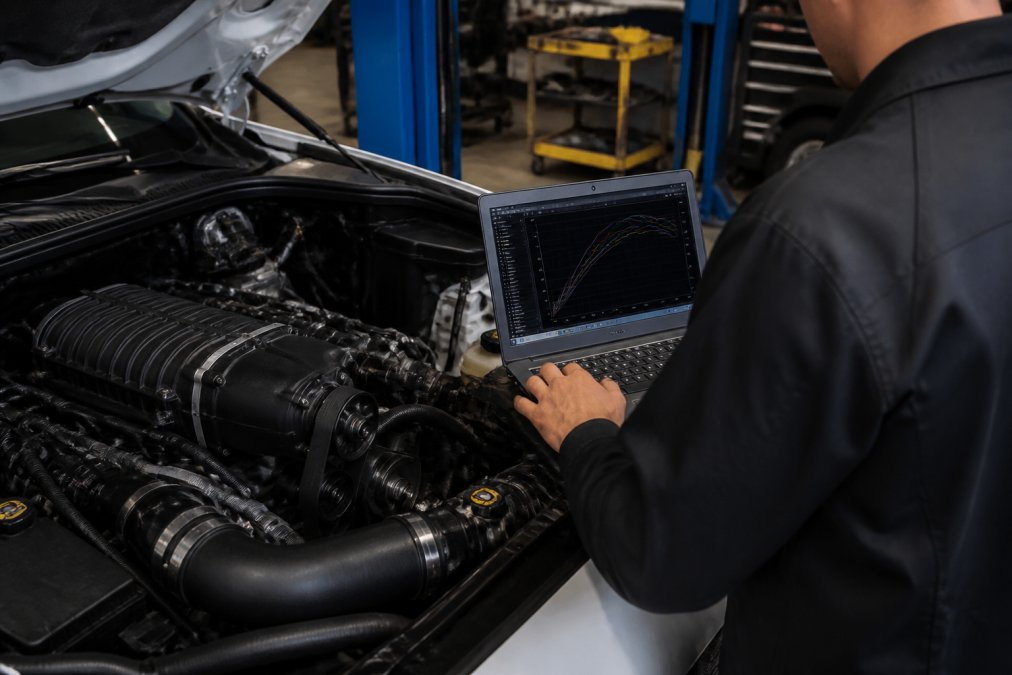
Tuning can also improve how a vehicle responds, depending on the application and calibration. But a tune without added airflow is not the same thing as a real power adder. Be careful with generic claims here. A dependable 4Runner needs a calibration built around the exact engine, fuel, hardware, and model-year application. No guesswork, no mail-order file meant for five different setups.
Supercharging the 4.0L V6: The Real Fix for Heavy Builds
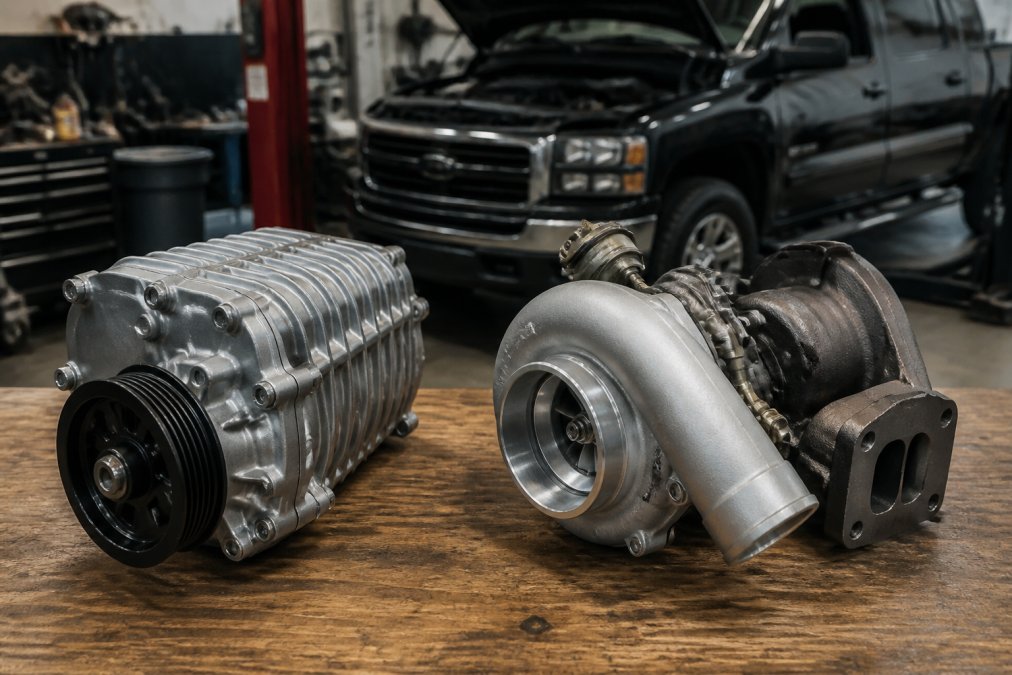
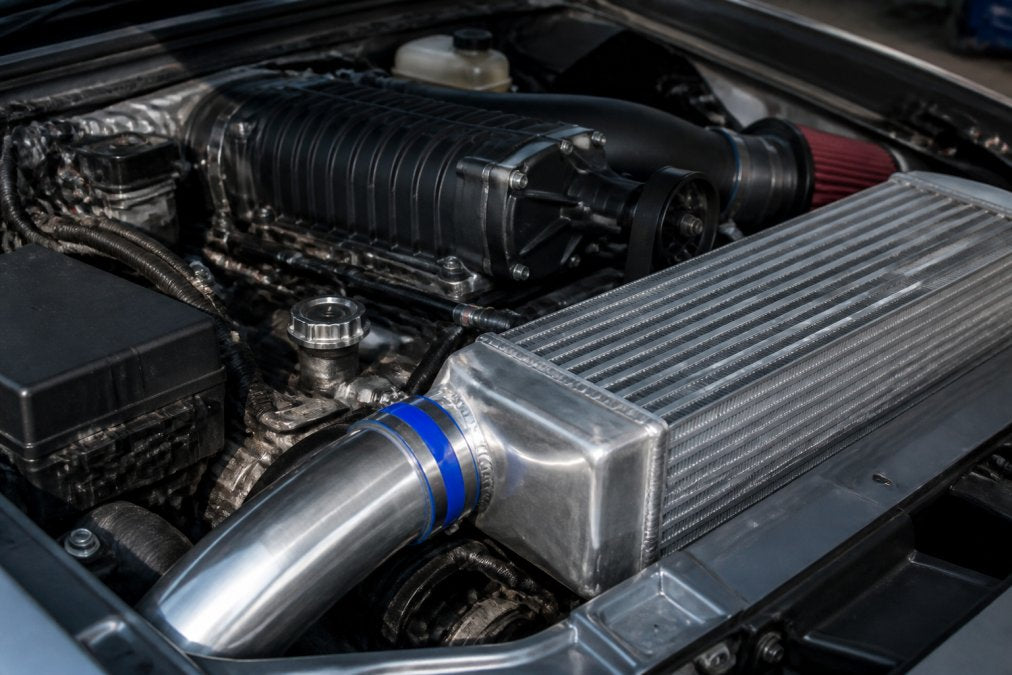
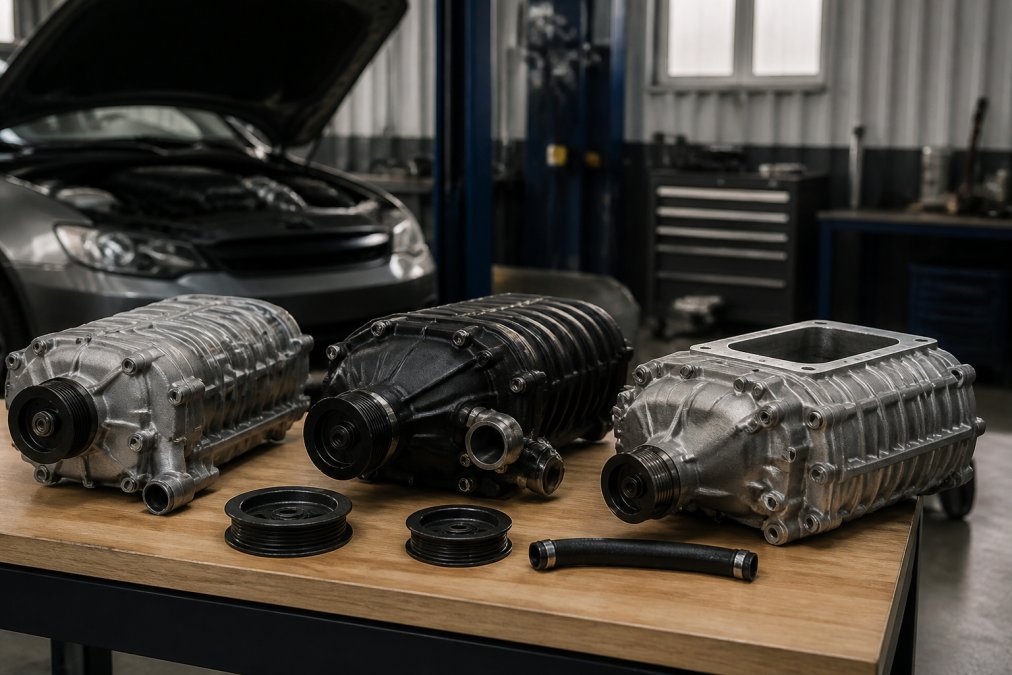
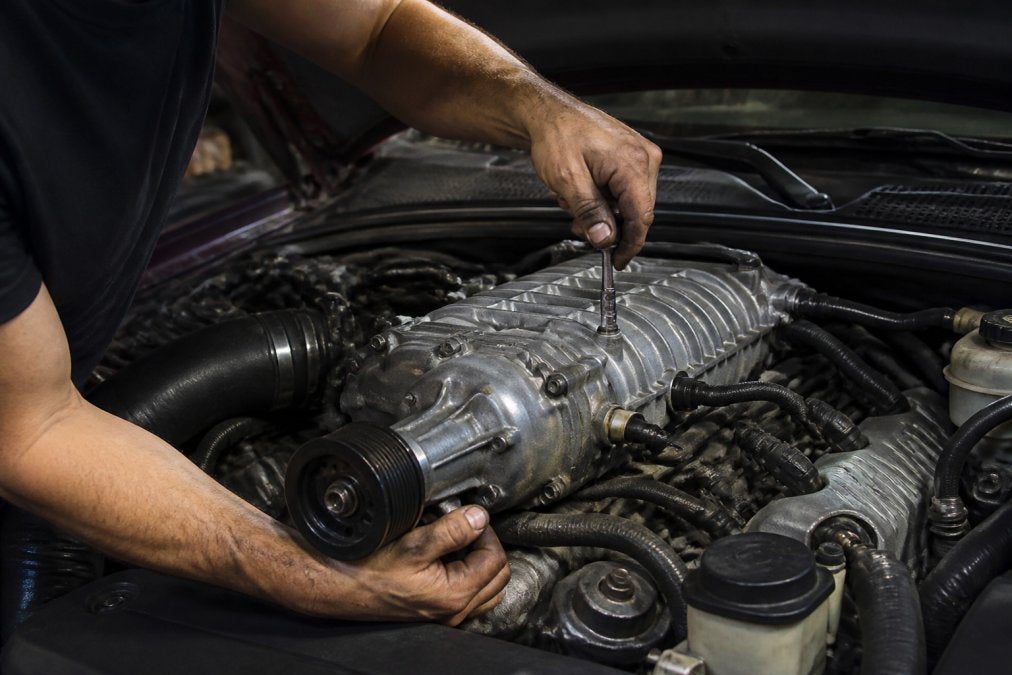
If you want meaningful power without turning your 4Runner into a custom-shop science project, a vehicle-specific supercharger kit is the answer for the right application. A properly engineered positive-displacement setup produces boost in the range where a 4Runner actually lives. You get into the pedal and the truck moves now, rather than waiting for RPM to build.
That changes the driving experience in ways a spec sheet does not fully explain. On the freeway, you can pass with less drama. On an uphill grade, the transmission does not need to drop multiple gears as often. When the truck is loaded for a trip, it feels less like you are asking it for a favor every time you accelerate.
After installing hundreds of kits, we have learned that drivability is what owners remember. Yes, horsepower matters. But the thing people talk about after the install is how normal the truck feels until they ask for power. It idles clean, starts clean, cruises clean, and then delivers the torque that should have been there when the road turns uphill.
For off-road use, that immediate response can be useful too. We are not talking about blasting through technical terrain with your foot buried. Good trail driving is controlled driving. But when you need to climb a loose hill, clear a ledge, or keep momentum in soft sand, available torque gives you more control than a truck that falls on its face and suddenly needs a big throttle stab.
What a Clean Installation Should Look Like
A 4Runner is a long-term vehicle. Plenty of owners plan to keep theirs well past 200,000 miles, which is why the installation matters as much as the kit itself. The best setup is not the one with the wildest claim. It is the one that fits properly, has a proven calibration, uses quality hardware, and can be serviced without turning routine maintenance into a headache.
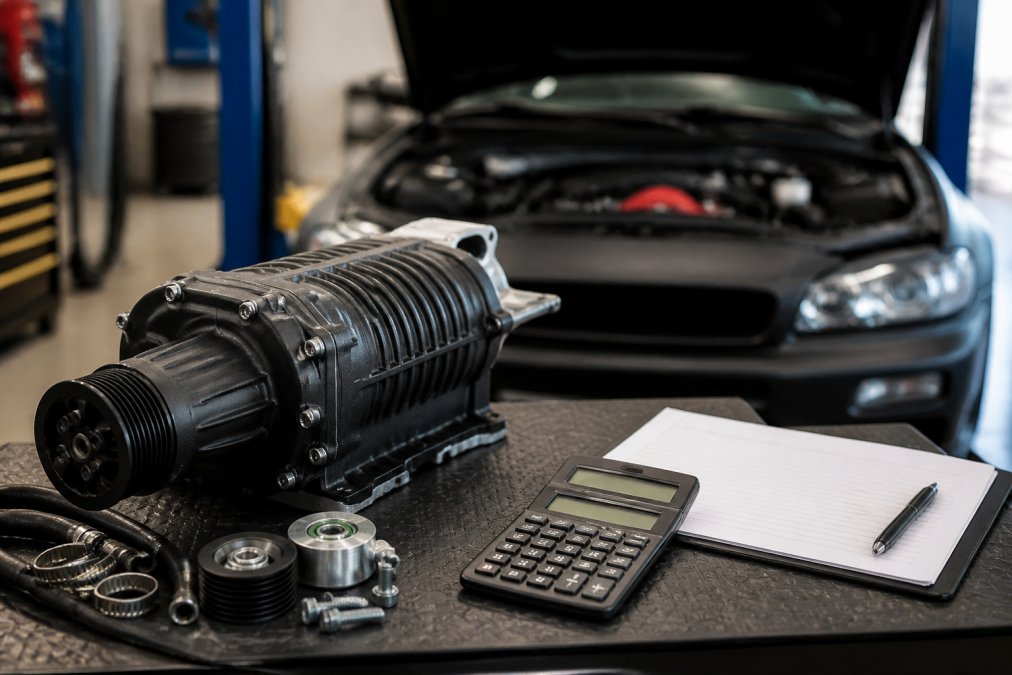
Look for a complete, application-specific package. That means brackets, belt drive components, intake pieces, injectors or fuel-system components when required, and tuning support matched to the kit. A clean bolt-on installation should not involve cutting up the truck, making random parts fit, or chasing vacuum leaks after every trail weekend.
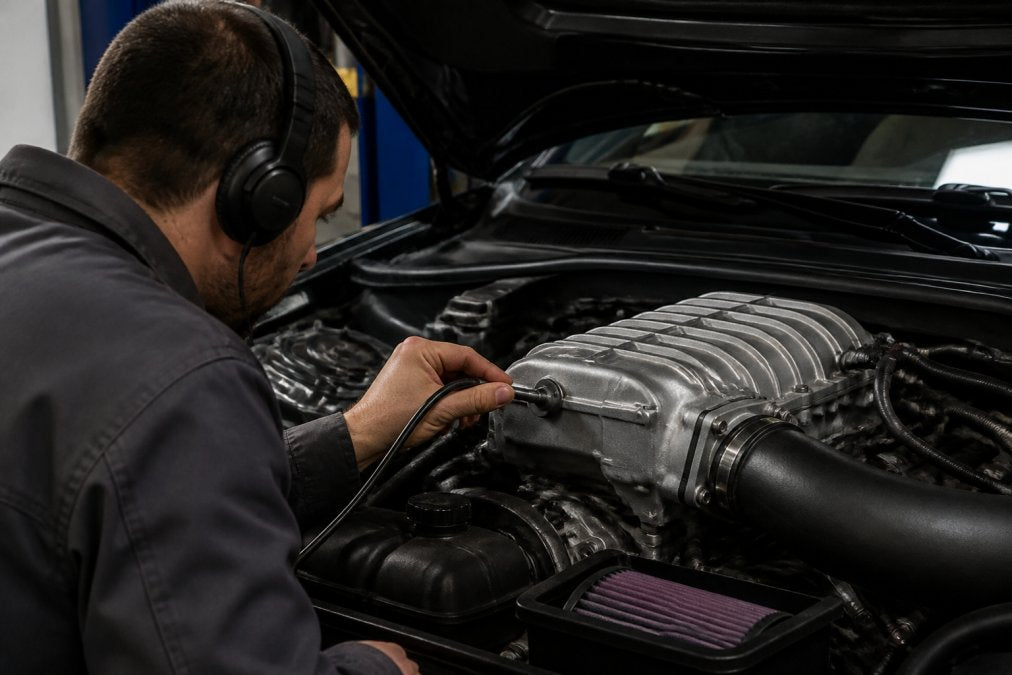
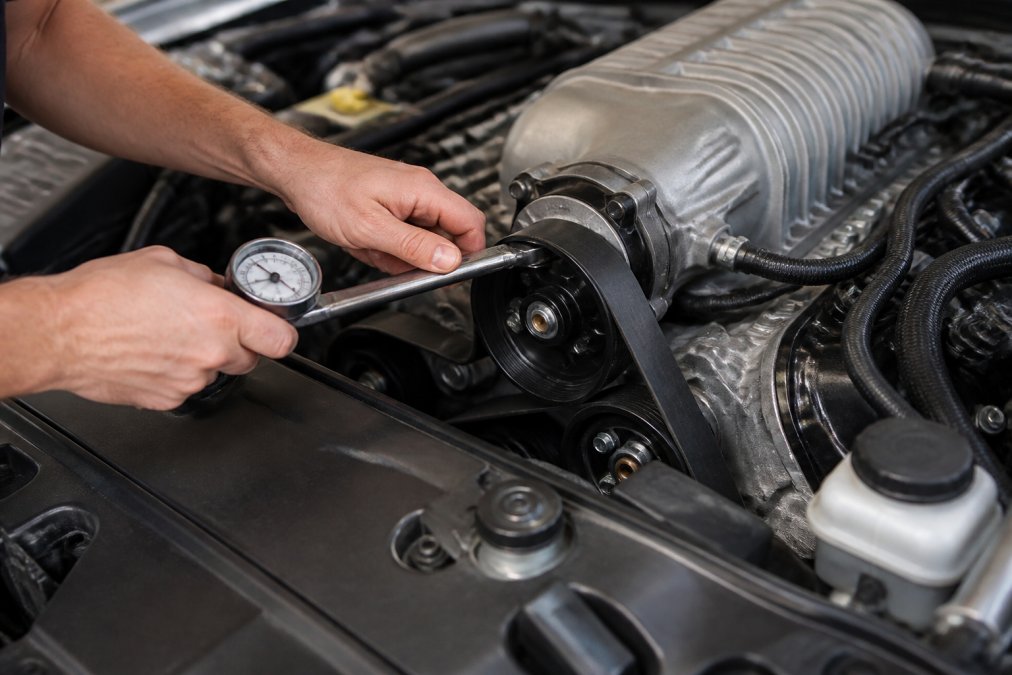
The installer matters too. A shop that understands Toyota platforms will check belt alignment, hose routing, clamps, electrical connections, fluid levels, and the final tune before handing over the keys. They should road-test it, watch for drivability issues, and make sure the truck behaves correctly in normal traffic, not just during a wide-open-throttle pull.
At VT Superchargers, we always tell owners to verify exact fitment before making a decision. The 4Runner has production-year differences, and your trim, engine, existing modifications, and emissions requirements all matter. A kit needs to fit your specific truck, not just a listing that says "4Runner."
Supporting Mods That Make Sense
Power is only one part of a capable off-road 4Runner. If you are adding torque to a truck on 35s, make sure the rest of the build is ready for the way you plan to use it. Brakes need to be healthy, cooling needs to be maintained, and the driveline should be inspected before you add more load and more throttle.
Regearing still has a place. If you run 35-inch tires and spend real time crawling, deeper gears can improve low-speed control and help the transmission operate in a better range. A supercharger and proper gearing can work well together, but the right choice depends on whether your truck sees more interstate miles, desert trails, mountain roads, or towing.
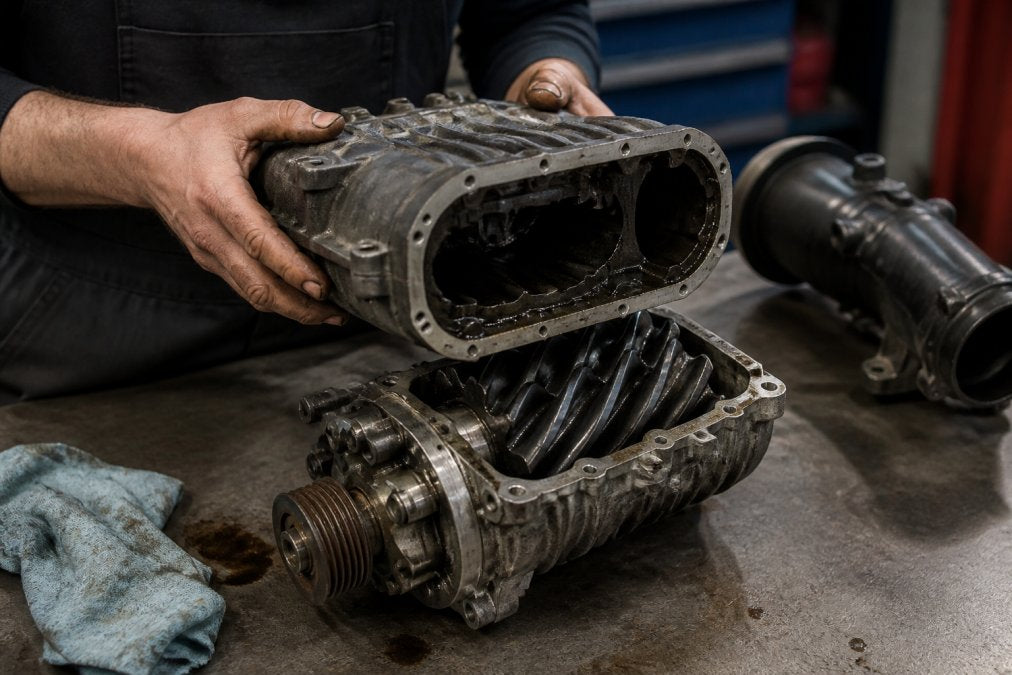
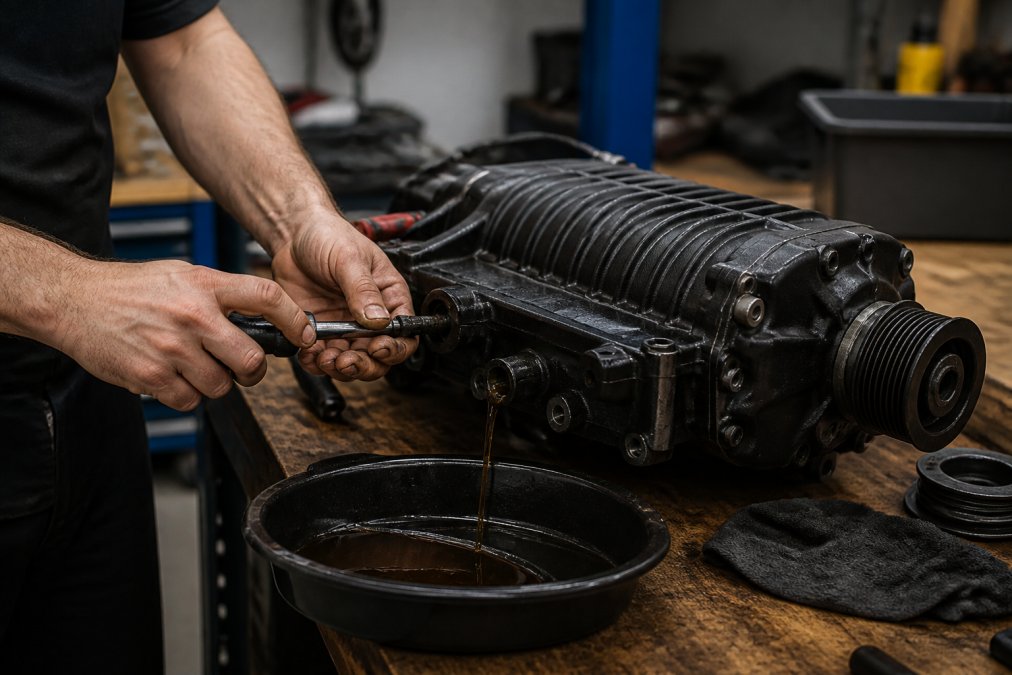
Do not ignore maintenance because you added a power upgrade. Use the right fuel for the calibration, stay on top of oil changes, inspect belts and hoses, and address existing cooling or transmission issues before installing anything. Forced induction does not create problems in a healthy, properly maintained truck. It can expose the problems that were already waiting under the surface.
Is More Power Worth It for Your 4Runner?
For a stock-height 4Runner that spends its life running errands, maybe not. The factory V6 is adequate for a lightly loaded truck, and there is no reason to spend money just because the internet says every vehicle needs more power.
But if your 4Runner has grown into a real build, the answer changes fast. Bigger tires, altitude, towing, armor, family trips, and overlanding weight all add up. Most owners tell us they are not looking to race their SUV. They want it to feel confident again. They want to pull into traffic without planning three seconds ahead, climb a grade without the transmission constantly searching, and drive home from the trail without feeling like the truck is exhausted.
Build power around the way you actually drive. Get the right kit for the exact application, have it installed and tuned correctly, and keep the rest of the truck maintained. Then when the tires, gear, trailer, and mountain road all show up at once, your 4Runner will be ready to pull instead of just trying to hang on.
Related post
13
Sep
RECENT POSTS