Supercharger Maintenance Guide for Daily Drivers
Your Tacoma felt fine on stock tires. Then came the 33s, a steel bumper, a roof rack, camping gear, and maybe a trailer behind it on weekends. Now it hunts for gears on every grade and passing somebody on a two-lane road takes more planning than it should. We see this all the time.
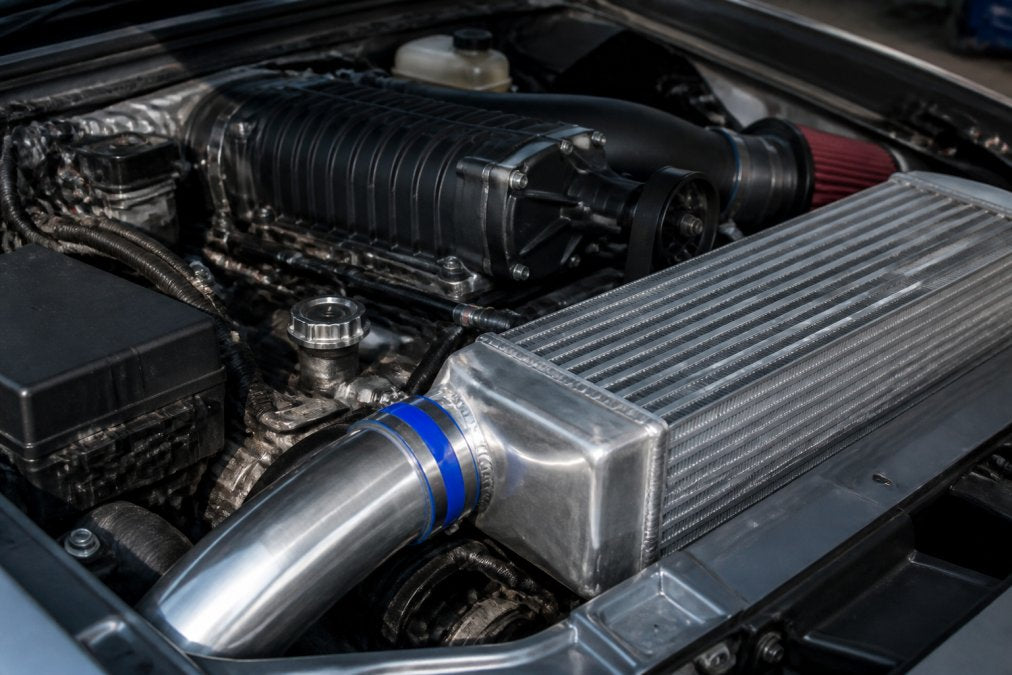
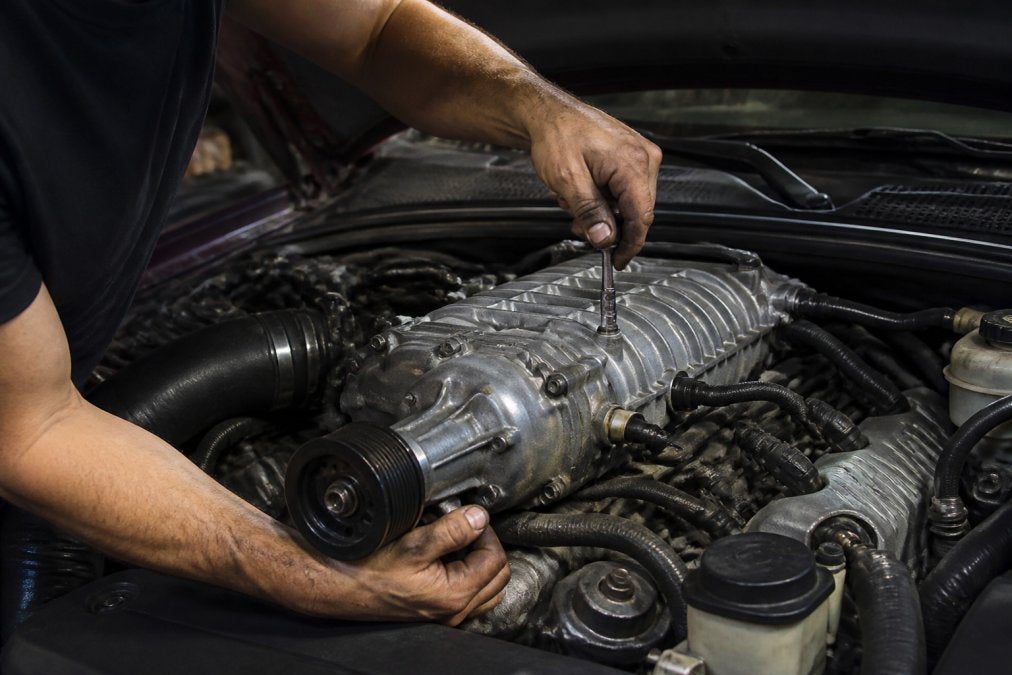
A properly installed blower fixes that weak midrange torque and constant downshifting. But once your vehicle is boosted, the maintenance mindset needs to match the way you use it. This supercharger maintenance guide for daily drivers is about keeping the power you paid for working the way it should - smooth at idle, hard in the midrange, and dependable when the truck is loaded or the road climbs.
This is not race-car maintenance. It is the real-world stuff that keeps a supercharged 4Runner, Tacoma, Gladiator, Frontier, Charger, or Mazda 3 happy for the long haul.
Start With a Clean, Correct Installation
After installing hundreds of kits, I can tell you most long-term problems are not caused by the supercharger itself. They come from a rushed installation, a loose clamp, an old cooling-system hose that was already on its way out, or a tune that does not match the vehicle.
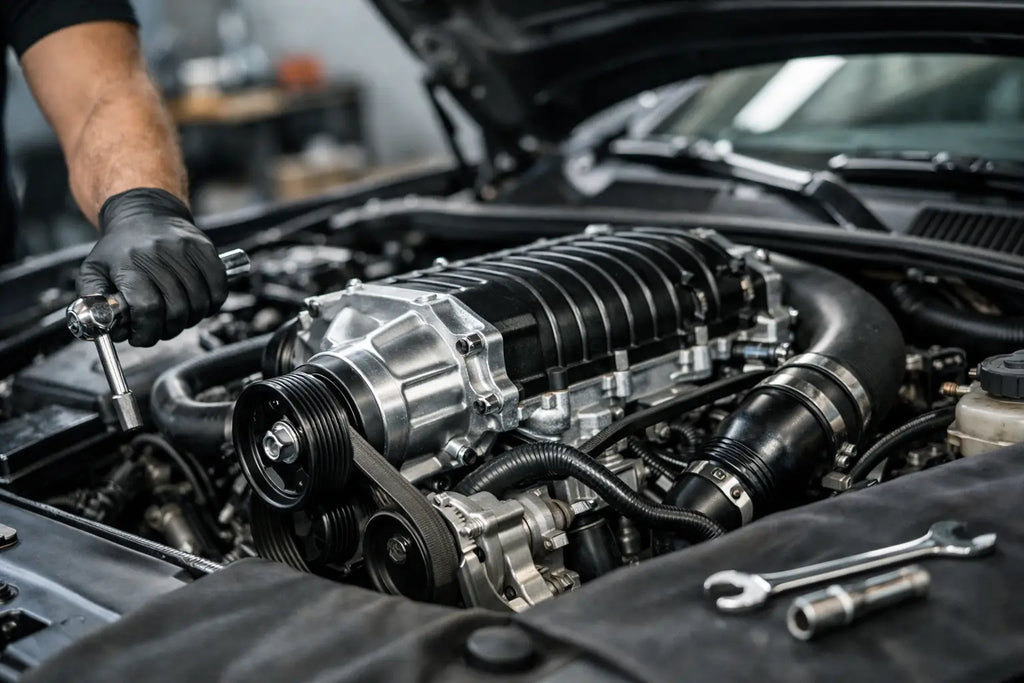
Before worrying about service intervals, make sure the foundation is right. The belt needs to track correctly. Every intake coupler and vacuum connection needs to be secure. Wiring should be routed away from heat and moving parts. Coolant needs to be full and properly bled. The calibration needs to match the exact vehicle, engine, fuel, and kit configuration.
That last part matters more than people want to hear. A supercharger does not need a wild tune to feel good. It needs the right tune. Clean throttle response, controlled fueling, safe timing, predictable shifts, and no weird surging at part throttle are what make a daily driver enjoyable.
If you bought a used boosted vehicle, do not assume the previous owner handled this stuff. Give it a baseline inspection before you hook up the boat, drive into the mountains, or hammer it on a hot afternoon.
Supercharger Maintenance Guide for Daily Drivers: What to Check
You do not need to tear into the vehicle every Saturday. You do need to pay attention before a small issue becomes a belt failure or a drivability headache.
A quick visual check during normal oil changes goes a long way. Look at the belt, the intake plumbing, the coolant level, and the area around the blower drive. If something changed, your vehicle will usually give you a clue before it leaves you stranded.
Watch the Belt Like It Is a Wear Item
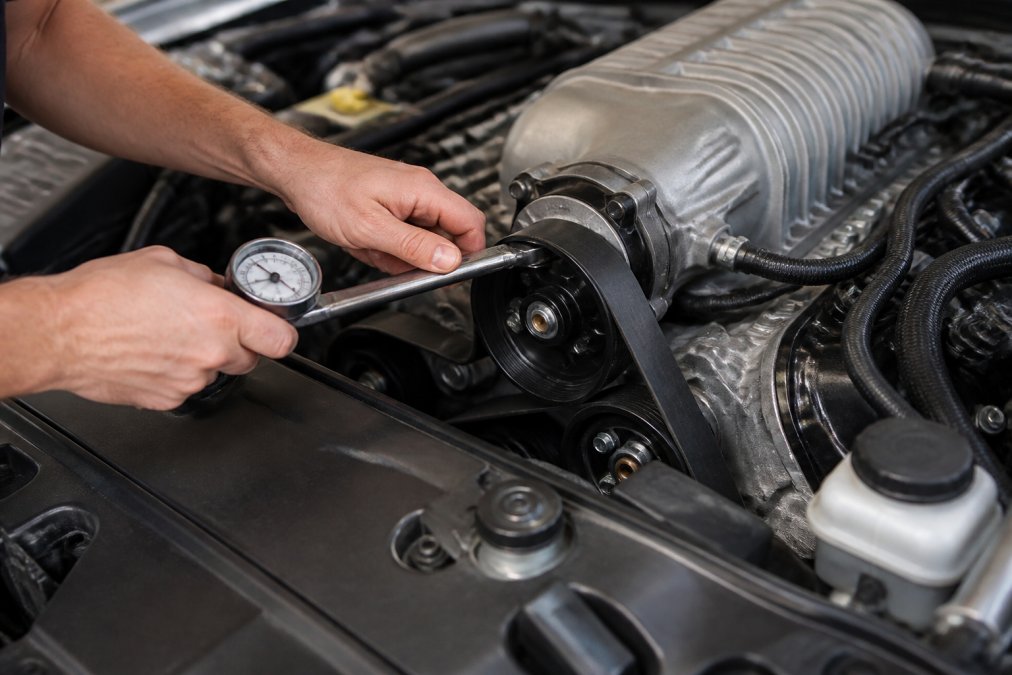
The belt is one of the biggest pieces of the whole system. If it slips, the vehicle may still run and drive, but boost can fall off right when you need it. That is the last thing you want with a loaded Gladiator climbing a grade or a supercharged Charger making a hard highway pull.
Look for cracking, frayed edges, glazing, missing ribs, or black belt dust around the pulleys. Listen for chirping or squealing on cold starts and under throttle. A belt that starts making noise after a muddy trail ride or a deep-water crossing deserves attention right away.
Most owners tell us they noticed something before a belt actually failed: a new sound, a dusty pulley area, or a drop in the strong, consistent pull they got used to. Do not ignore it because the vehicle still starts and idles normally.
Also check the tensioner and pulleys during service. A fresh belt will not fix a tired tensioner or a pulley bearing that is starting to complain.
Keep the Intake Side Sealed and Clean
One of the biggest complaints we hear after an owner has been off-roading is a vehicle that suddenly feels soft or inconsistent. Before blaming the tune, inspect the intake tract.
A loose coupler after a rough trail can create a boost leak. So can a clamp that was not retorqued after a few heat cycles. Dusty conditions make air-filter service especially important. That applies to a 4Runner running forest roads, a Tacoma that sees desert washboard, or a Frontier that gets used for hunting trips.
Check the filter according to the kit and filter manufacturer instructions, then adjust for your environment. If you drive paved roads in normal conditions, your interval may be straightforward. If you run behind a group of trucks on dry trails, tow on gravel, or live where construction dust is everywhere, inspect it more often.
Do not over-oil a serviceable filter. Too much oil can create its own problems with airflow sensors. Use the correct cleaning method and let the filter dry fully before reinstalling it.
Treat Cooling System Health as Boosted-Vehicle Insurance
More power creates more heat when you are working the vehicle. That does not mean a properly designed kit makes a daily driver fragile. It means you need to stay ahead of cooling-system maintenance instead of waiting for a temperature warning.
Check coolant level only when the engine is cold. Look for dried coolant residue around hose connections, the radiator, reservoir, and intercooler-related plumbing where applicable. Pay attention to any sweet smell after a drive, a cooling fan that runs more than usual, or a temperature gauge that behaves differently on a familiar hill.
For a supercharged Toyota towing a small camper through elevation, or a Jeep Gladiator carrying armor, 35-inch tires, and a rooftop tent, cooling system condition matters just as much as the blower. Old coolant, weak hose clamps, and neglected radiator maintenance were not great ideas before the supercharger. They are worse ideas after it.
Use the coolant specified for your vehicle and follow the vehicle and kit service requirements. Mixing random coolants because the color looks close is how people create unnecessary trouble.
Follow the Blower's Specific Oil Requirements
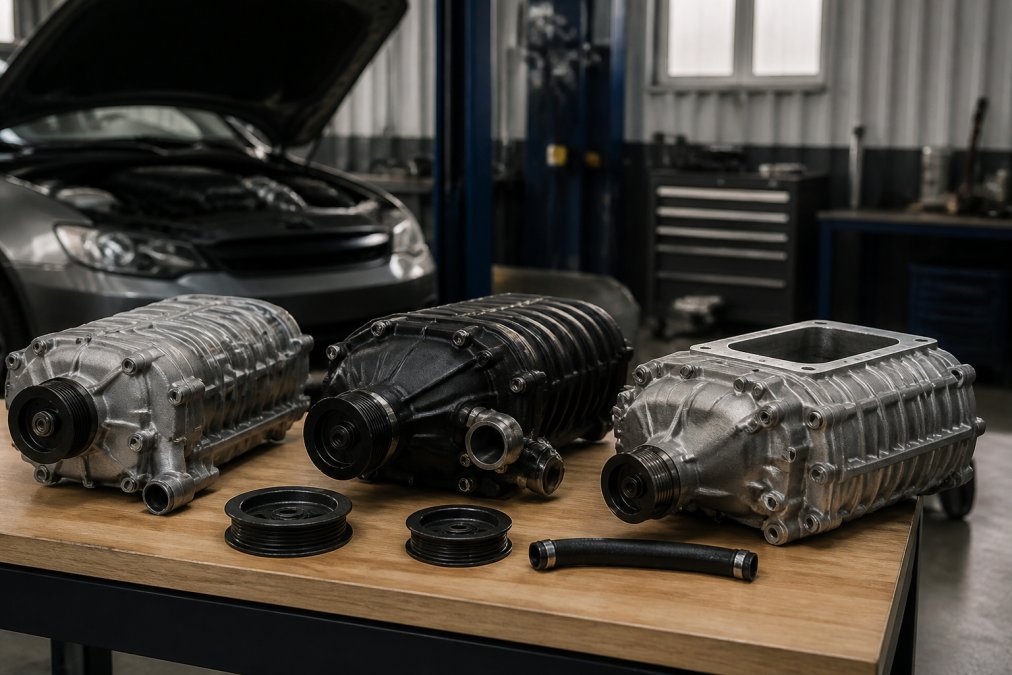
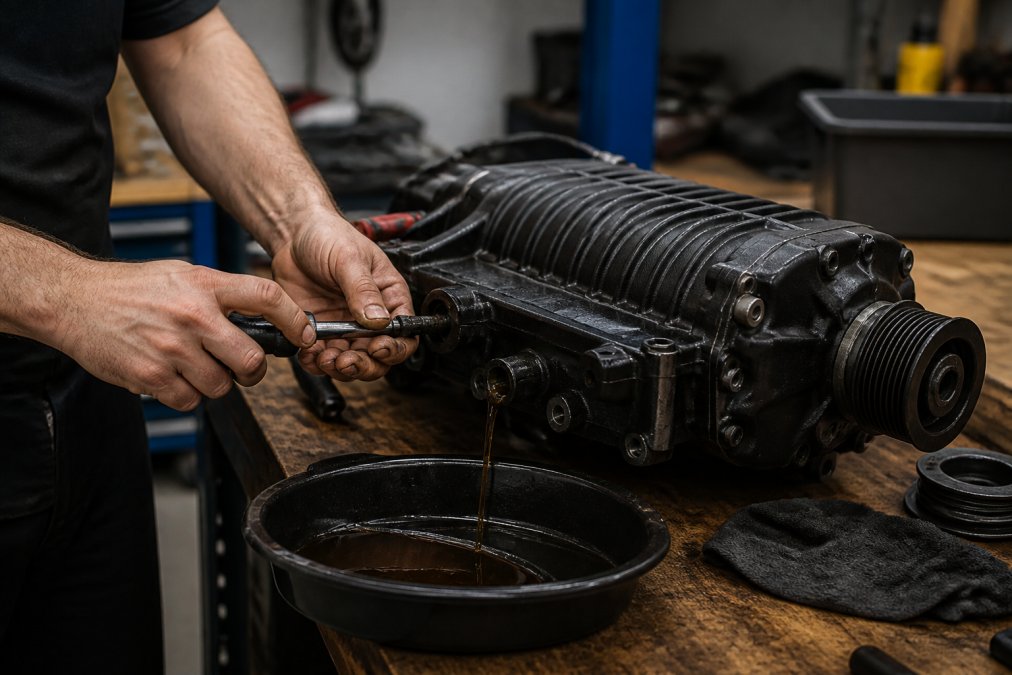
This is where generic internet advice gets people in trouble. Some supercharger systems have a self-contained gearcase with a specified service procedure. Others use a different arrangement. The correct oil, fill level, and interval depend on the blower system you actually have.
Do not guess. Do not pour in whatever gear oil is sitting on the shelf. And do not assume every supercharger needs the same service because somebody with a different vehicle said so online.
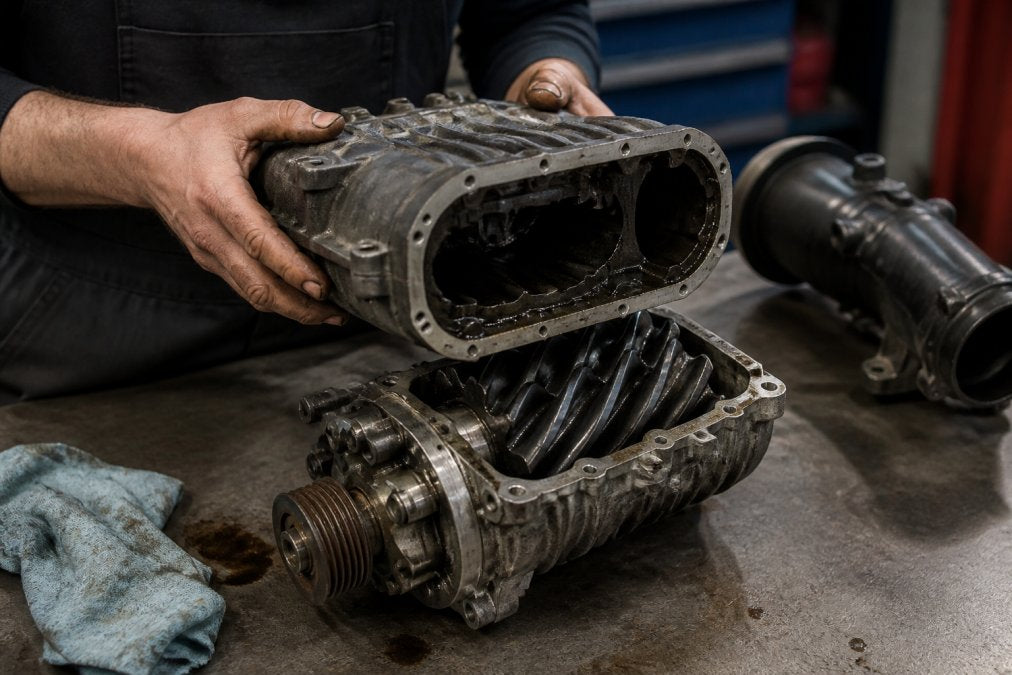
Use the instructions for your specific kit. If your system calls for gearcase oil service, stay on schedule and inspect for leaks around the drive unit. A little oily grime, unusual whine, or a change in blower sound is worth checking before it turns into a bigger repair.
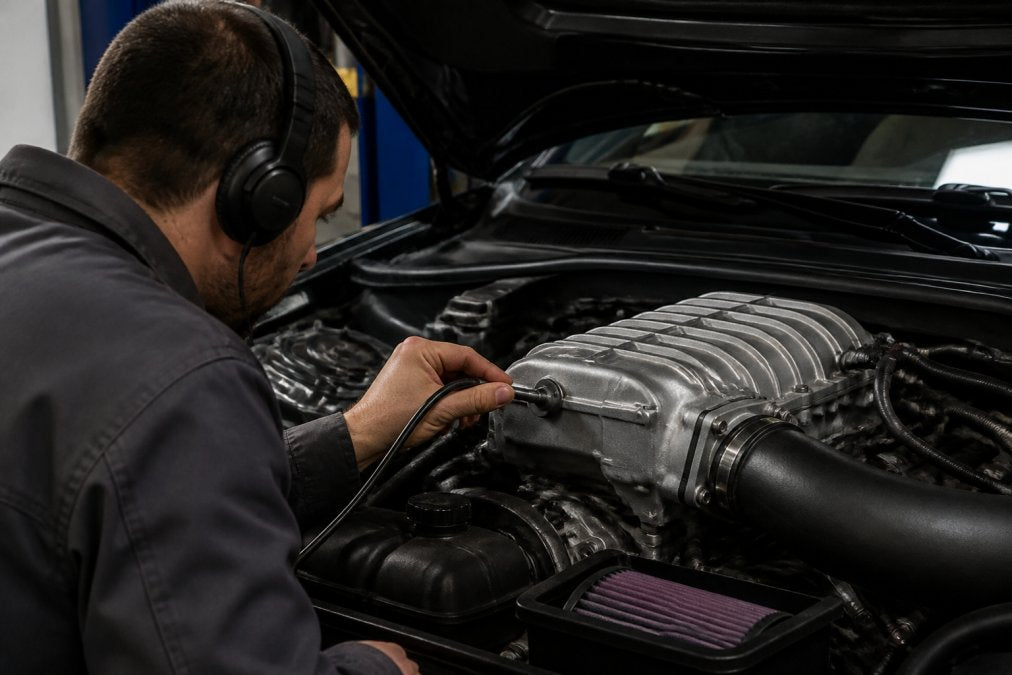
A healthy supercharger has a recognizable sound. Learn yours. If it suddenly gets louder, rattles, squeals, or makes a new bearing-like noise, stop treating it like background music and inspect it.
Fuel and Tuning Are Part of Maintenance
Your supercharger kit and calibration were built around a fuel requirement. Meet it every time. Saving a few dollars by filling a boosted vehicle with lower-octane fuel is a bad trade, especially in summer, at altitude, while towing, or when the vehicle is loaded down.
One tank of questionable fuel might not create an immediate disaster, but repeated shortcuts are hard on any boosted engine. If the vehicle feels flat, pings, pulls timing, runs rough, or throws a check-engine light, do not keep flooring it to see if it clears up.
The same goes for tuning changes. We see owners stack intake parts, exhaust changes, throttle devices, and random downloaded files onto a vehicle that was running perfectly. Then they are chasing a hesitation that did not exist before.
If you change a major component that affects airflow or fueling, confirm that the tune supports it. For a daily driver, consistency beats chasing the last few horsepower. The goal is a vehicle that starts cleanly in the morning, cruises without drama, and pulls hard every time you ask it to.
Pay Attention to How the Vehicle Feels
Your seat time is one of the best diagnostic tools you have. A supercharged vehicle should feel predictable. The throttle should respond cleanly. It should not stumble when merging, surge at steady speed, or fall on its face halfway up a hill.
Keep an eye out for changes such as reduced boost, a new whistle or squeal, rough idle, fuel smell, coolant smell, reduced fuel economy without an obvious reason, or transmission behavior that suddenly feels odd. None of those automatically means the supercharger is damaged. They do mean it is time to inspect the system instead of hoping the problem disappears.
After a hard towing trip, a long off-road weekend, or a summer drive through high elevation, give the vehicle a quick look-over. Check fluid levels, belts, clamps, and the air filter. That is five minutes of prevention for a vehicle you depend on all week.
Do Not Forget the Rest of the Drivetrain
A blower wakes up the engine, but it also exposes weak spots you may not have noticed before. Bigger tires, added vehicle weight, and more torque put more demand on transmission fluid, differential fluid, brakes, tires, and cooling.
A 33-inch-tire Tacoma that finally pulls hills the way it should may also need more attention to brake wear and transmission service. A supercharged Jeep on 35s may feel far better off the line, but that does not make worn ball joints or an old driveshaft happier. More usable power makes maintenance across the whole vehicle more important, not less.
Stay current on the manufacturer service schedule, then be honest about how you use the vehicle. Towing, heat, sand, mud, mountain grades, and oversized tires are all hard-use conditions. Service accordingly.
The best boosted daily drivers are not the ones with the biggest dyno number. They are the ones that fire up every morning, pull your gear without struggling, and make you smile every time the road points uphill. Keep it clean, keep it tuned correctly, and address small changes before they become shop time.
Related post
13
Sep
RECENT POSTS