Best Supercharger Supporting Mods That Matter
You bolt 35s onto your Tacoma or Gladiator, load the back with camping gear, and suddenly the truck feels like it is dragging a trailer even when it is not. It downshifts on every grade, passing takes planning, and the throttle has that dead, lazy spot right where you need torque. A supercharger fixes the big complaint, but the best supercharger supporting mods are what keep that new power feeling strong, controlled, and dependable after the first few hard pulls.
We see this all the time. Owners get focused on the blower because that is where the big power gain comes from. Fair enough. But a clean supercharger build is not about piling random parts onto a vehicle. It is about supporting the way you actually drive it - towing a boat, crawling a forest road, climbing mountain passes at altitude, or just merging onto the freeway without flooring it three times.
Start With the Tune, Not a Parts Cart
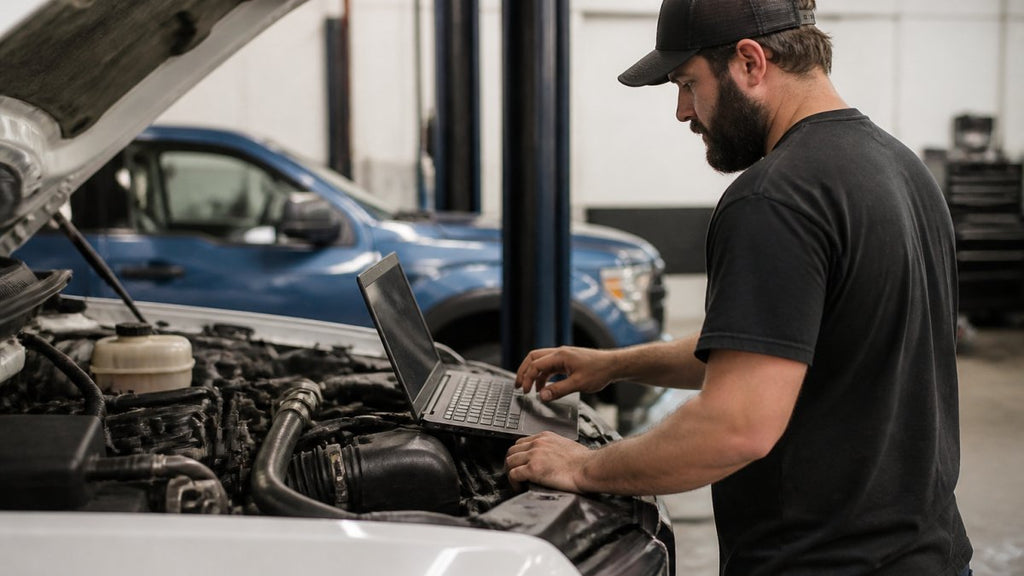
The tune is not an accessory. It is the part that tells the engine how to live with boost.
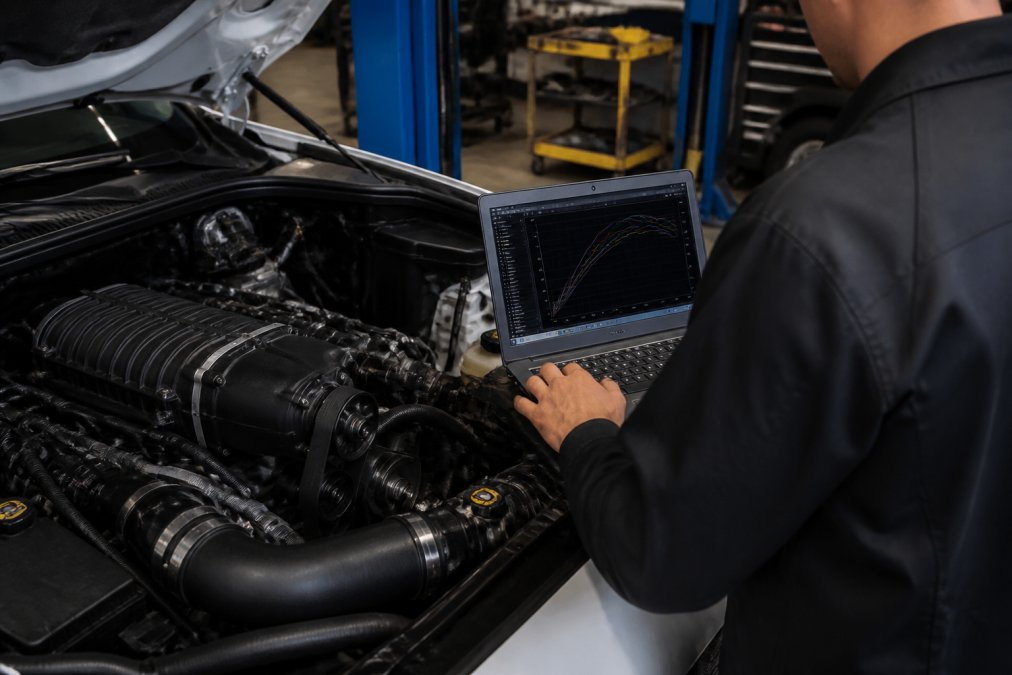
A properly calibrated, vehicle-specific tune manages fuel delivery, ignition timing, throttle behavior, transmission behavior where applicable, and the safety limits that keep the engine happy. One of the biggest complaints we hear from owners who bought a pieced-together setup elsewhere is that the vehicle makes power but drives weird. It surges. It has a touchy pedal. It pulls hard once, then feels soft when the heat builds.
That is not what you want from a street-driven 4Runner, Tacoma, Frontier, Charger, or Mazda 3. You want to turn the key, let it warm up, and have it drive like it came that way - just with a whole lot more shove in the middle of the pedal.
After installing hundreds of kits, we can tell you this: do not chase an aggressive tune just because a big number looks good in a screenshot. A conservative, proven calibration on good fuel will beat a temperamental tune in daily use every time. If you tow, wheel in hot weather, or live at elevation, tell your installer and tuner before the work begins. Your use case matters.
Cooling Is One of the Best Supercharger Supporting Mods
A supercharged engine creates more heat because it is making more power. That is normal. The question is whether the cooling system can keep the engine consistent when the job gets hard.
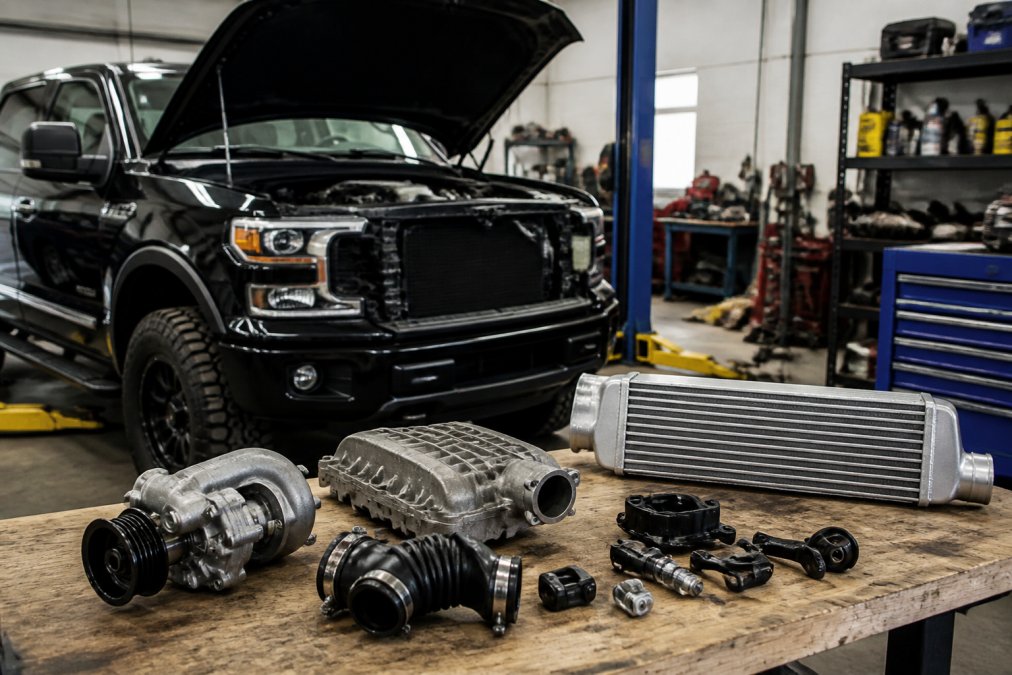
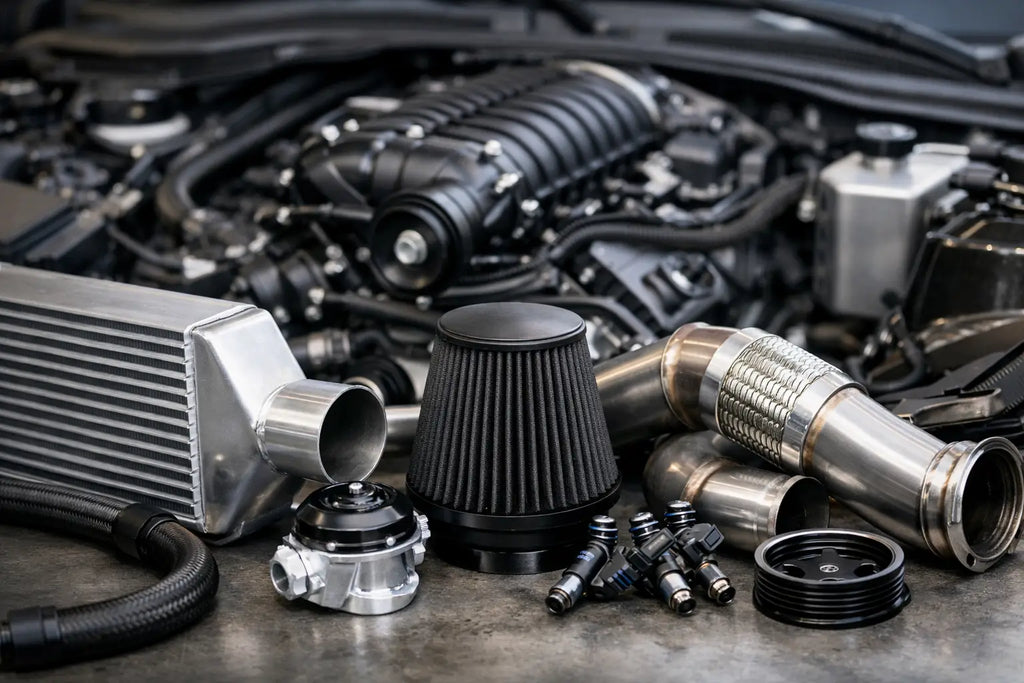
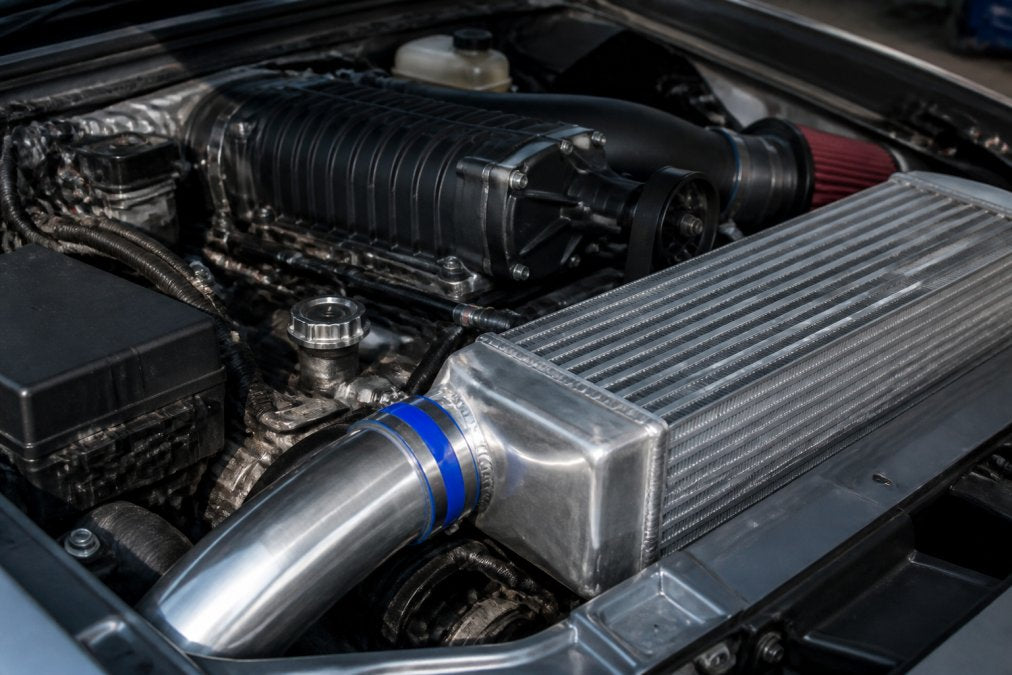
For most complete, engineered kits, the intercooling hardware is part of the package for a reason. Do not cut corners there. Proper heat exchangers, coolant routing, pumps, and plumbing are what help the vehicle repeat the same strong pull instead of feeling great once and flat on the next hill.
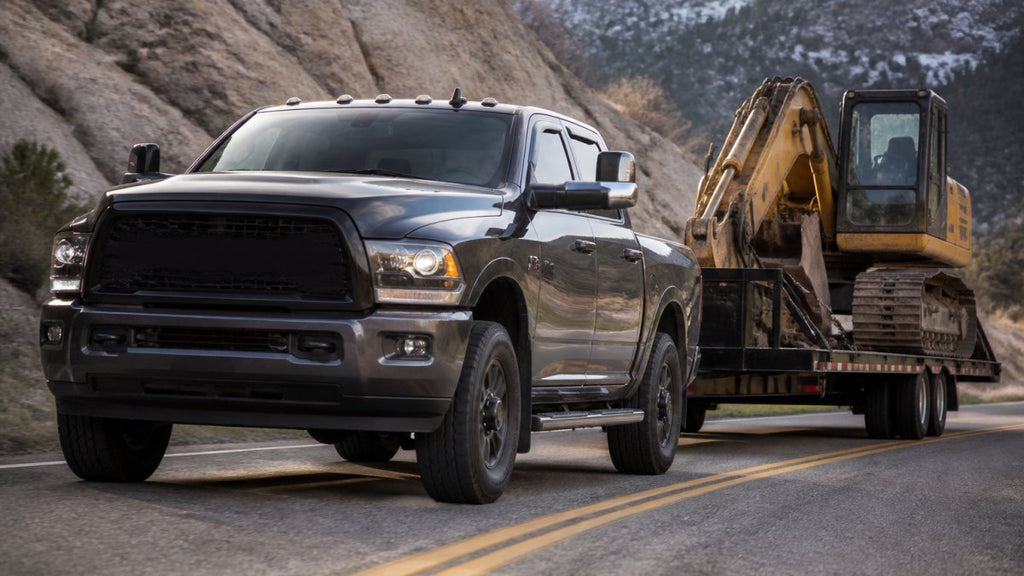
This matters most on vehicles that work for a living. A Tacoma on 33-inch tires towing a small camper through Arizona sees heat differently than a lightly modified street truck in Michigan. A Jeep Gladiator loaded with steel bumpers, recovery gear, a roof rack, and 37s is carrying a lot more weight than it did from the factory. Most owners tell us the supercharger transforms those vehicles, but the cooling side is what lets them enjoy that torque on a long climb instead of watching gauges and backing out of the throttle.
Keep the factory cooling system healthy before adding boost. Replace a tired radiator cap, address leaking hoses, make sure fans work correctly, and use the specified fluids. If your vehicle already runs warm stock, fix that first. More power does not repair neglected maintenance.
Oil Maintenance Matters More Under Boost
You do not need to turn every oil change into a science project. You do need to use the correct oil, keep the level where it belongs, and shorten your service interval if the vehicle sees heavy towing, desert heat, long idling, or repeated hard use.
That goes for the transmission and differentials, too. Extra engine torque eventually makes its way through the whole drivetrain. Fresh fluid is cheap insurance compared with replacing a transmission because the fluid was overdue before the supercharger ever went on.
Tires, Gears, and Traction Decide What You Feel
Big tires are usually why people start looking for power in the first place. A 4Runner on 285s, a Tacoma on 35s, or a Frontier with a lift and heavy wheels can feel noticeably slower than stock. The supercharger brings back the response and midrange torque those mods took away.
But tire choice still matters. Heavy mud-terrain tires can make a vehicle feel less sharp, hurt braking, and add rotating mass that no bolt-on part completely erases. If you daily drive the truck and hit trails on weekends, a quality all-terrain in a sensible size often gives you a better overall result than the heaviest, most aggressive tire you can fit.
Gearing is the supporting mod that depends on the build. On 33s, a supercharger may deliver exactly the low-end pull you wanted without changing gears. On 35s or 37s, especially with a loaded overland setup, re-gearing can still be worth it. The blower gives you muscle. Proper gears put the engine back in a useful rpm range and reduce the constant hunting between gears.
Do not expect a supercharger to make poor traction disappear. On a rear-wheel-drive Charger, strong torque can turn a marginal tire into smoke before the car moves forward. On a supercharged truck, worn tires can make wet-road throttle response feel nervous. Good tires are not glamorous, but they let you use what you paid for.
Brakes and Suspension Need to Match the Job
More speed and more weight call for more control. If your SUV has oversized tires, armor, roof storage, and a supercharger, inspect the brakes before you celebrate the first full-throttle run.
At minimum, make sure pads, rotors, fluid, and calipers are in good shape. For frequent towing or mountain driving, high-quality pads and fresh brake fluid make a real difference in pedal confidence. You do not need a race brake package for every vehicle, but you should not ask old, overheated factory parts to control a heavier, faster build.
Suspension is similar. A worn shock will not suddenly fail because you added boost, but it will make the truck feel less planted when new torque hits. On a lifted Tacoma, 4Runner, or Gladiator, check alignment, ball joints, steering components, control-arm bushings, and driveline angles. One of the biggest complaints we hear after a lift is vague steering or vibration. A supercharger makes you notice those problems faster because you are accelerating harder and reaching highway speed sooner.
Fuel Quality Is a Supporting Mod You Buy Every Week
This one is simple. Run the fuel your calibration calls for. If the kit requires premium, use premium. Do not put regular fuel in a boosted vehicle because the station was out or because you think one tank will not matter.
Modern tuning can protect an engine when it sees bad fuel, but protection usually means the vehicle pulls timing and gives up power. That is the opposite of why you added a supercharger. Consistent fuel quality helps the engine deliver smooth torque, clean throttle response, and repeatable performance.
If your vehicle sits for long stretches, use fresh fuel before leaning on it. This is especially common with weekend toys, seasonal off-road rigs, and vehicles that only come out to tow. Old fuel creates problems no supporting mod can solve.
Skip the Mods That Add Noise Without Solving a Problem
A louder exhaust can be fun. An intake can change the sound under throttle. Neither automatically makes your supercharged vehicle faster, safer, or more enjoyable on a 700-mile road trip.
We are not against those parts when they fit the goal. A well-designed exhaust can reduce restriction on certain applications, and a properly engineered intake can support a specific kit. The key word is properly. Random universal parts, open filters pulling hot underhood air, and mystery electronic boxes are where good builds get messy.
At VT Superchargers, we prefer the parts that preserve clean fitment and OEM-like drivability. If a modification creates a check-engine light, a drone-filled cabin, heat-soak issues, or tuning headaches, it is not supporting the supercharger. It is creating another job.
Build for the Vehicle You Own
The right supporting mods for a Toyota Tacoma that tows and runs 33s are not the same as the right parts for a Mazda 3 commuter or a Dodge Charger street car. The Tacoma may need cooling attention, brakes, and a serious look at tire weight. The Mazda may need tires that can put power down without torque steer taking over. The Charger owner needs to be honest about rear-tire grip before adding more throttle. A Gladiator on 37s may benefit from gearing, steering maintenance, and brake upgrades as much as anything under the hood.
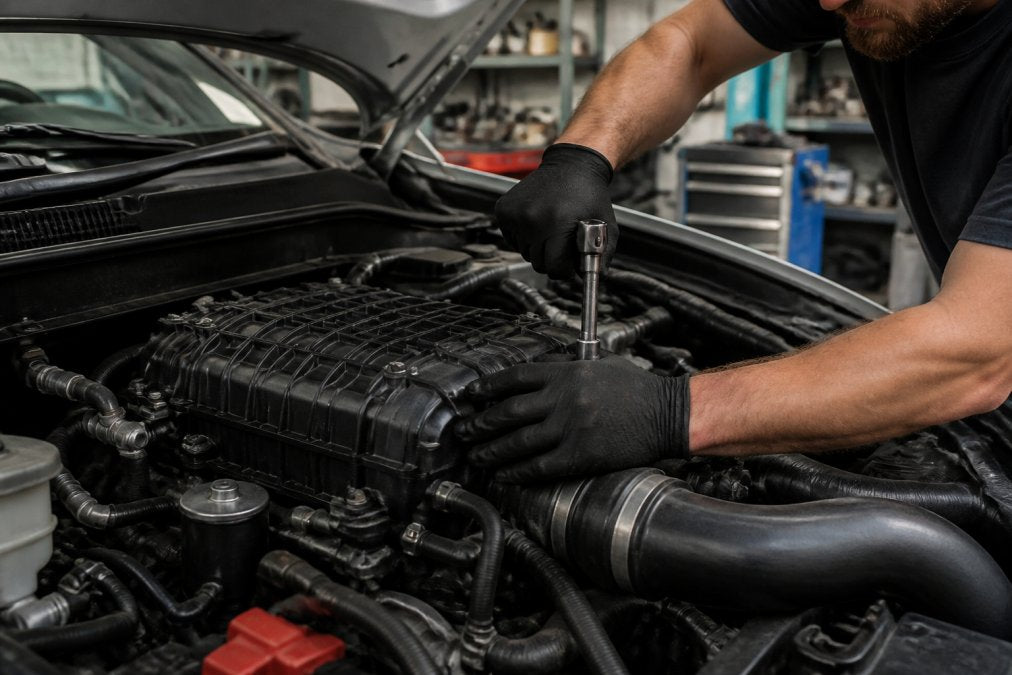
That is why the smartest move is to make a plan before installation day. Start with maintenance, use the supplied calibration and cooling hardware, then address the weak point your vehicle already has. Fix the brakes if it is heavy. Fix traction if it spins. Consider gears if the tire size is extreme. Keep the build clean, and your supercharged vehicle will feel fast where it counts: loaded up, pointed uphill, and headed somewhere worth driving to.
Related post


RECENT POSTS