Gladiator Supercharger Review: Worth It?
You bolt on 35s, add a steel bumper, throw a rack in the bed, maybe load camping gear or hook up a trailer, and suddenly your Gladiator feels like it lost half its attitude. It hunts for gears, falls on its face on hills, and passing on the highway takes more room than you like. That is exactly why a gladiator supercharger review matters - not for bench racing, but for fixing what owners actually complain about behind the wheel.
We see this all the time with the Jeep Gladiator 3.6L Pentastar. Stock, it is fine for a basic truck. Start adding weight, bigger tires, altitude, or towing duty, and fine turns into frustrating. One of the biggest complaints we hear is not that the truck is "slow" in some drag-race sense. It is that the midrange torque is soft, the transmission downshifts too much, and the whole truck feels like it is working too hard.
What a gladiator supercharger review should really answer
Most owners are not asking for a race build. They want the truck to feel right again. They want better throttle response leaving a stoplight, stronger pull merging onto the highway, and less gear hunting when the bed is full or the trail gets steep.
That is the real test. A good supercharger setup on a Gladiator should not make the truck feel peaky or fussy. It should feel like Jeep should have built it that way from the factory - stronger everywhere, easier to drive, and more confident when the truck is loaded down.
After installing hundreds of kits across trucks and SUVs, that is the difference between a setup that gets talked about for a week and one that owners are still happy with years later. Big dyno numbers look great online. Clean drivability is what keeps people smiling every day.
The Jeep Gladiator problem is not just horsepower
The Gladiator is a heavy platform to begin with, and most owners make it heavier. By the time you add 35-inch tires or 37s, beadlocks, armor, a winch, sliders, bed gear, maybe a rooftop tent, you are asking a lot from a naturally aspirated V6. Throw in mountain driving or towing, and the weak spot shows up fast.
Most owners tell us the same thing. The truck feels okay at light throttle on flat roads, but once they need real pull, it runs out of breath. You stab the throttle, it drops gears, revs climb, noise increases, and the acceleration still feels lazy. That is not a fun truck to live with.
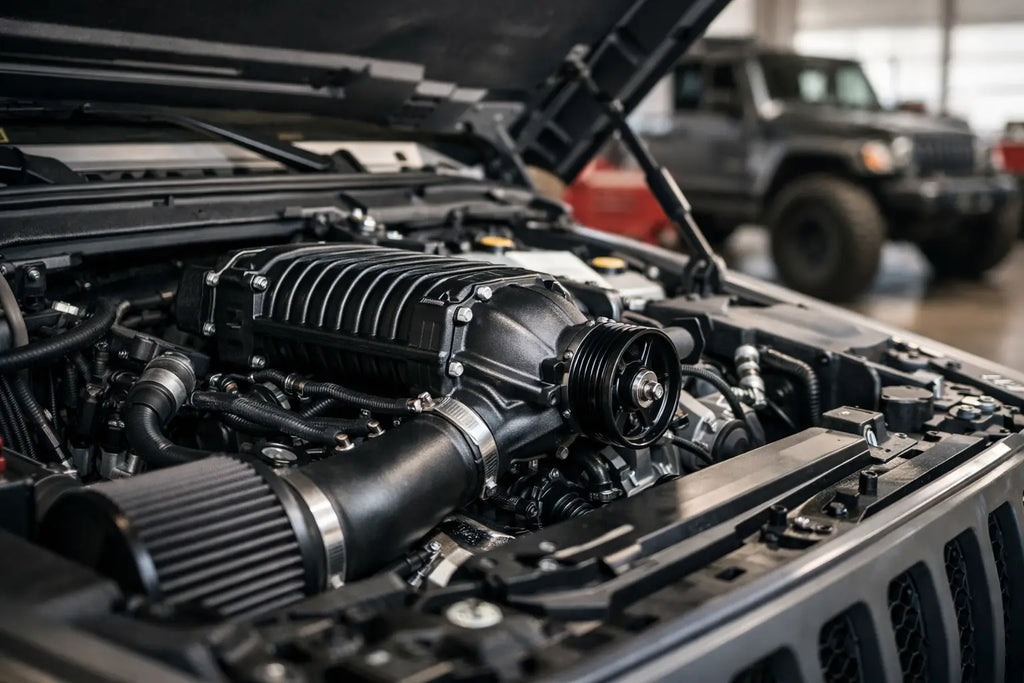
A supercharger changes that because it brings the torque in where you use it. Not just at the top of the RPM range, but through the middle where daily driving happens. That is why the truck feels lighter, more responsive, and less stressed.
How the Gladiator feels with a supercharger
This is the part owners care about most. With a properly tuned, vehicle-specific kit, the Gladiator feels more immediate. Throttle response sharpens up right away. From a stop, it moves with less effort. Rolling into the throttle at 30 to 50 mph, the truck actually pulls instead of thinking about it first.
On the highway, passing power is where the change really stands out. One of the biggest complaints we hear from Gladiator owners is that they do not trust the truck to make a quick pass once they have added tires and weight. After the supercharger, that hesitation is largely gone. You press the pedal, it responds, and the truck builds speed in a way that feels strong but controlled.
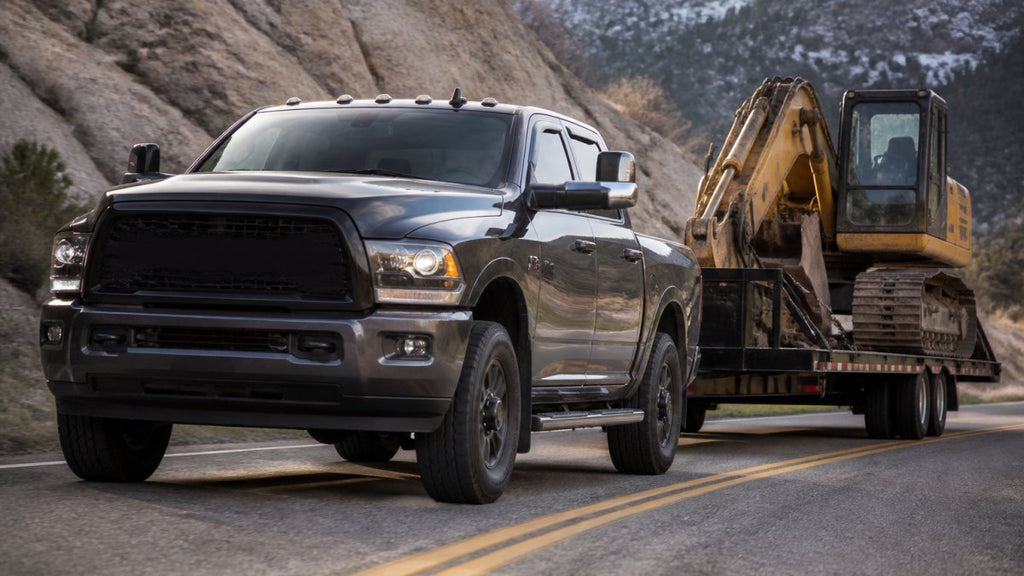
Towing gets better for the same reason. It is not magic - you still have a midsize truck, and setup matters - but hill climbs get easier and the transmission does not feel like it is in a panic all the time. Most owners notice fewer desperate downshifts and a lot less drama on grades.
Off-road, especially at altitude, the improvement is easy to appreciate. We see this all the time with overland builds that spend time in the mountains. The stock truck can feel flat and strained. A supercharged Gladiator has more punch when you need to climb, accelerate out of loose sections, or keep momentum with larger tires.
Gladiator supercharger review - the good and the trade-offs
The good part is pretty straightforward. The truck feels stronger everywhere that matters. It gets back the performance that bigger tires and added weight took away, and then some. Daily driving improves because you are not constantly digging deeper into the throttle just to keep up with traffic.
But let us keep this honest. A supercharger is not for every owner.
If your Gladiator is bone stock, rarely carries weight, never tows, and spends most of its life cruising around town, you may not need one. You will still enjoy it, but the value is much easier to justify when the truck is actually being used like a truck or built like a Jeep.
There is also the cost side. A quality kit, proper installation, and proper tuning are not bargain-bin upgrades. If somebody is shopping only by lowest price, they usually end up frustrated later. Most owners tell us they would rather pay once for a clean kit that fits right, drives right, and stays reliable than chase problems with pieced-together parts.
Fuel economy is another common question. If you drive it the same, it may not change dramatically. If you enjoy the extra power every chance you get, expect to burn more fuel. That is just real life.
Drivability matters more than peak numbers
This is where a lot of people get it wrong. They get wrapped up in the biggest advertised horsepower number and forget that the Gladiator is not a dyno sheet. It is a daily-driven truck that may commute during the week, tow on Friday, and hit the trail on Saturday.
After installing hundreds of kits, we can tell you this - the best Gladiator setup is the one that starts clean, idles right, shifts properly, and does not feel jerky or temperamental in traffic. OEM-like drivability is not the boring part. It is the whole point.
That means proper fueling, proper calibration, clean belt routing, and hardware that fits the vehicle the way it should. It also means resisting the temptation to treat the truck like a race-only build if your actual goal is reliable street, towing, and off-road use.
Most owners are happier with a balanced setup than a max-effort one. Strong torque, predictable throttle, and long-term reliability beat bragging rights every single time.
Installation and long-term ownership
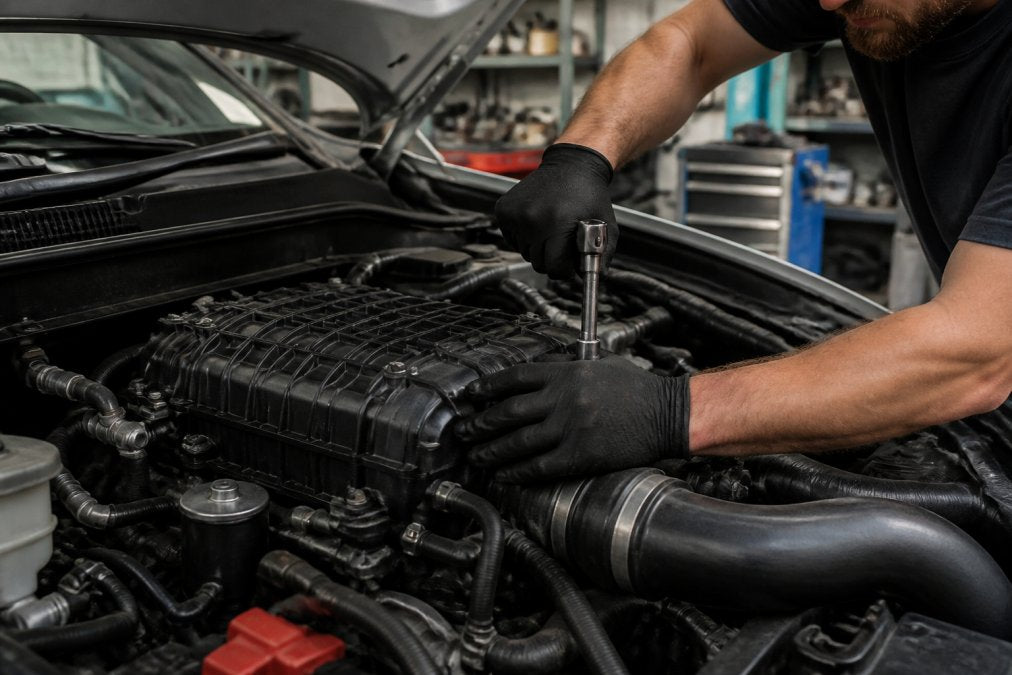
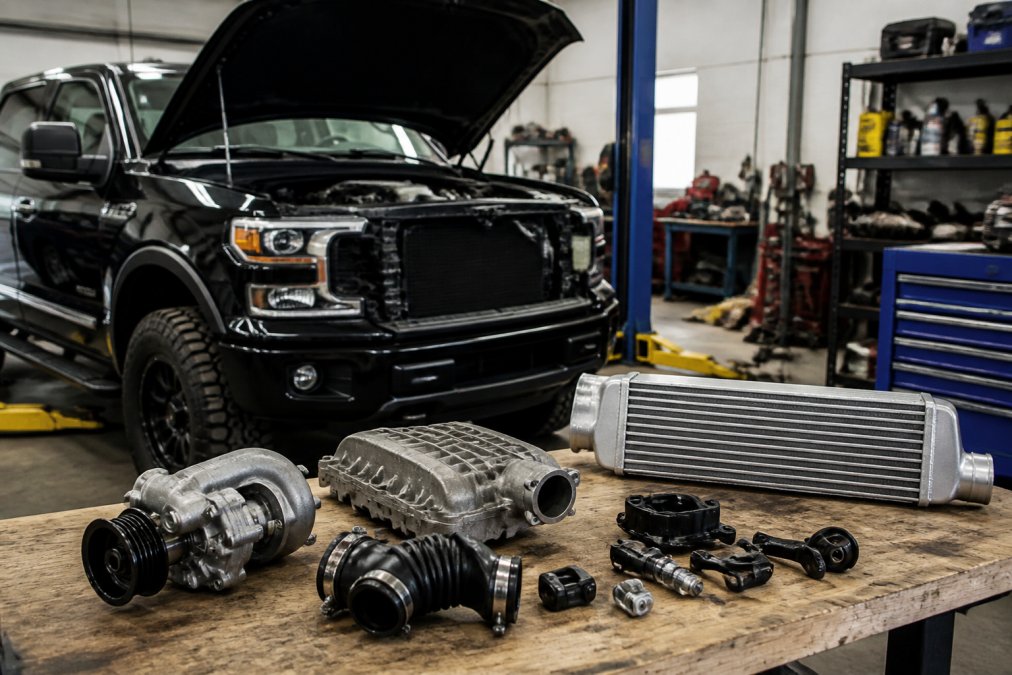
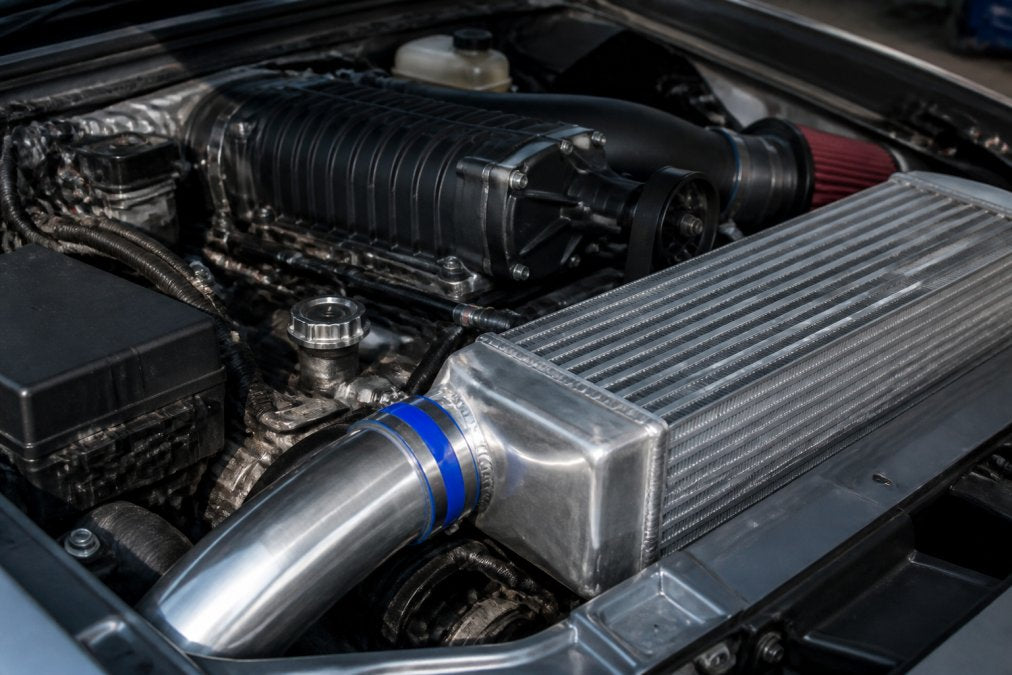
A Gladiator supercharger review is incomplete if it ignores the install. Fitment and support matter. A clean bolt-on kit should look like it belongs in the engine bay, not like a weekend science project. The better the fitment, the easier the install tends to go, and the fewer headaches you deal with later.
We see this all the time. Owners are willing to spend money on power, but they do not want to lose the truck for weeks chasing random issues. They want a package that is engineered around the Gladiator platform, with a tune that works with the vehicle instead of fighting it.
Reliability comes back to the same basics every time. Use a proven kit. Install it correctly. Do not cut corners on fuel quality, maintenance, or tuning. If your Gladiator already has common mods like 35s, 37s, bumpers, a lift, or overland weight, a supercharger usually makes the truck more enjoyable to own because it is no longer constantly struggling against those upgrades.
So, is a Gladiator supercharger worth it?
If your Gladiator still runs stock tires, stays empty, and never leaves flat ground, maybe not. But that is not how most Gladiators live. Most get modified, loaded down, or asked to tow and travel in places where the factory powertrain starts to feel thin.
For that owner, a supercharger is one of the few upgrades that changes the whole truck. Not just how it sounds or looks, but how it actually works. It gives the Gladiator the torque and response it should have had once the build got heavier and the terrain got harder.
If you read any gladiator supercharger review with that lens, the answer gets pretty simple. The right setup is not about turning your Jeep into a race truck. It is about making it feel strong, useful, and easy to live with again.
And when a Gladiator on 35s or 37s finally pulls clean up a grade, passes without drama, and stops hunting gears every five seconds, that is when owners usually say the same thing - now it drives the way it should have from day one.
Related post


RECENT POSTS