Why a Supercharger Kit With Warranty Matters
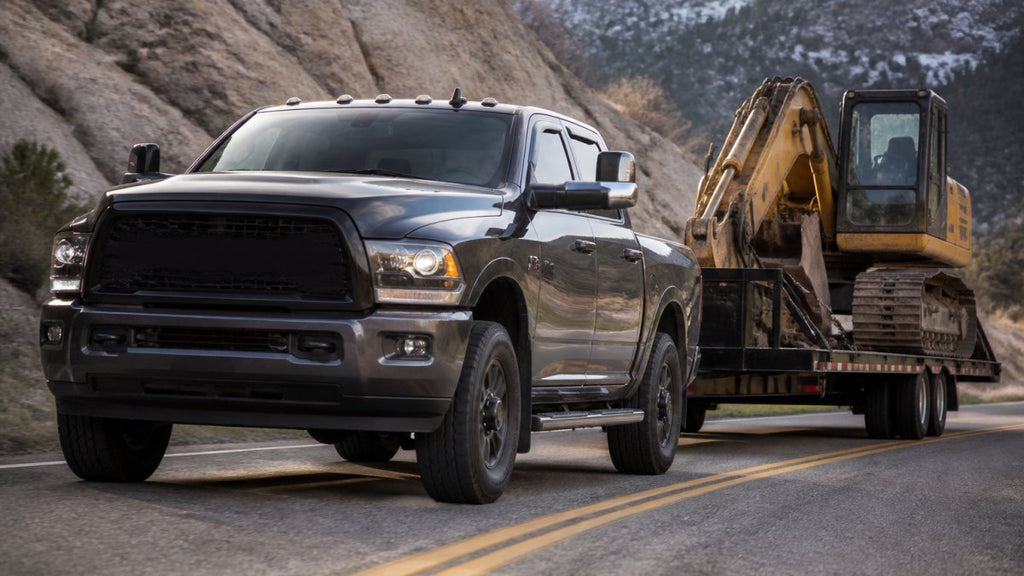
Your Tacoma did not feel slow when it was stock. Then came the 33-inch tires, steel bumper, bed rack, rooftop tent, recovery gear, and maybe a trailer on the weekend. Now it hunts for gears on hills, takes a deep breath before it passes, and feels like it lost half its punch somewhere between the driveway and the trailhead.
That is exactly why a supercharger kit with warranty matters. You are not bolting on power just to chase a dyno screenshot. You want the truck to pull its weight, respond when you hit the throttle, and keep doing it after thousands of miles of commuting, towing, camping trips, and hot summer traffic.
We see this all the time. Owners are ready for more power, but they have been around modified vehicles long enough to know that cheap parts, mystery tuning, and weak support can turn a fun upgrade into a long-term headache. A real warranty is part of buying a kit built for the road, not a race-day science project.
A supercharger kit with warranty is about confidence
A warranty does not make a bad installation good, and it does not replace common sense. What it does tell you is that the company putting its name on the kit expects its components to live in a real vehicle under real conditions.
That matters when your Toyota Tacoma is climbing a grade with a loaded utility trailer, when your 4Runner is packed for a week out west, or when your Jeep Gladiator is rolling on 35s and has enough armor bolted on to make the factory V6 work overtime. These vehicles are not garage ornaments. Most owners tell us they need one vehicle that can handle work on Monday and get them to the trail on Saturday.
At VT Superchargers, the warranty period is 24 months. That is not a reason to ignore maintenance or install the kit in a hurry. It is reassurance that there is a team standing behind a vehicle-specific system after the boxes show up at your door.
Before buying any kit, read the actual warranty terms. Know what components are covered, what installation requirements apply, and what documentation you should keep. Ask how tuning, maintenance, misuse, overheating, and unrelated vehicle problems are handled. Straight answers before the sale matter a whole lot when you need help later.
The parts have to fit like they belong there
One of the biggest complaints we hear is from owners who bought an upgrade that looked easy online but became a fight in the garage. Brackets need trimming. Hoses rub. Wiring is too short. The instructions are vague. Then the owner is left trying to figure out whether a drivability problem is mechanical, tuning-related, or caused by something that was forced into place during installation.
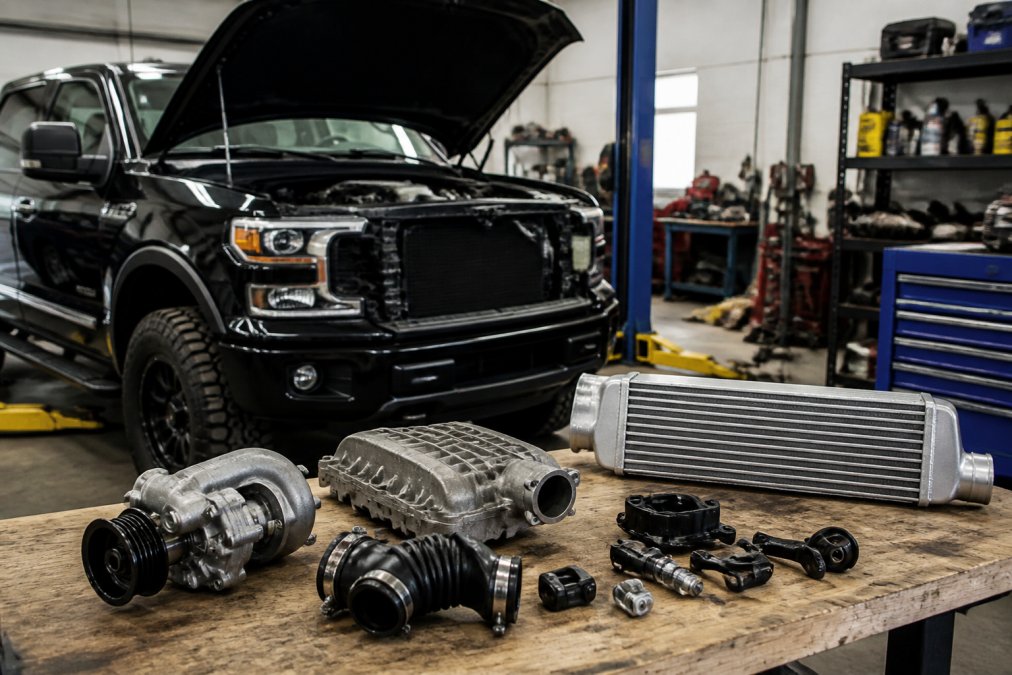
A vehicle-specific supercharger kit is built around the engine bay it is going into. That means the intake routing, belt drive, mounting points, fuel delivery, calibration, and supporting hardware are selected for a defined year, model, and engine application. A 2016-2023 Tacoma 3.5L is not treated like a Nissan Frontier, a Mazda 3, or a Dodge Charger just because the kit can be made to physically fit.
Clean fitment is more than a nice-looking engine bay. It helps prevent belt alignment problems, hose interference, wiring issues, heat-related trouble, and the little rattles that make an otherwise good build feel unfinished. After installing hundreds of kits, I can tell you that the installs people are happiest with are the ones that look like they were supposed to be there from day one.
That also means being honest about modifications. Bigger tires, headers, exhaust changes, non-stock pulleys, custom tuning, damaged motor mounts, and neglected cooling systems can all affect the result. The right kit should match your vehicle as it sits, not the version of it you remember buying from the dealer.
Torque is what fixes the way your vehicle feels
Peak horsepower gets the attention. Torque and throttle response are what you feel every time you pull into traffic or crest a hill.
Take a Tacoma or 4Runner with added weight and 33s. The factory engine may be perfectly reliable, but it can feel lazy in the middle of the pedal where you actually drive it. You press down, the transmission drops gears, the RPM climbs, and the vehicle finally starts moving the way you asked. That constant downshifting gets old fast, especially in the mountains or with a trailer behind you.
A properly matched supercharger changes that seat-of-the-pants feel. The goal is not to make the vehicle twitchy or hard to control. It is to give it more usable pull when you roll into the throttle. Passing is shorter. Hill climbs take less pedal. Towing feels less like a negotiation with the transmission.
The same thing shows up in other platforms. A Nissan Frontier owner may want better passing power with camping gear in the bed. A Jeep Gladiator owner running 35s may be tired of a loaded rig that feels flat between stoplights. A Mazda 3 or Charger owner may be after a harder pull on the street without giving up cold starts, idle quality, or the ability to drive it every day.
More power is fun. Predictable power is what makes you want to drive the vehicle more often.
Tuning and installation decide whether it stays fun
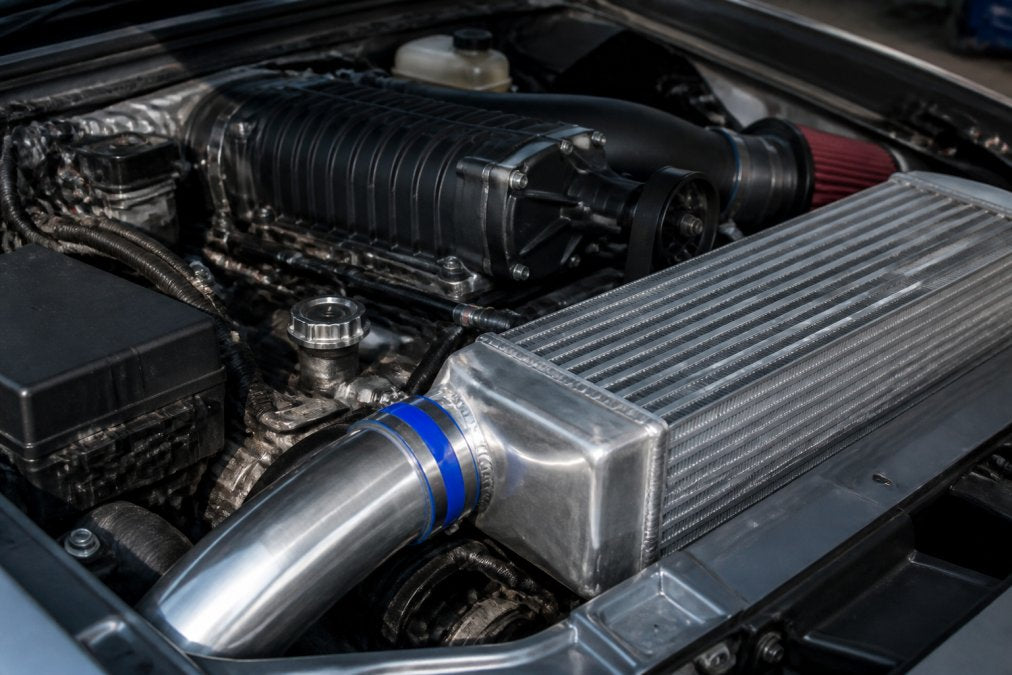
Here is the part nobody should skip: a supercharger is a system. The blower itself is only one piece of the job.
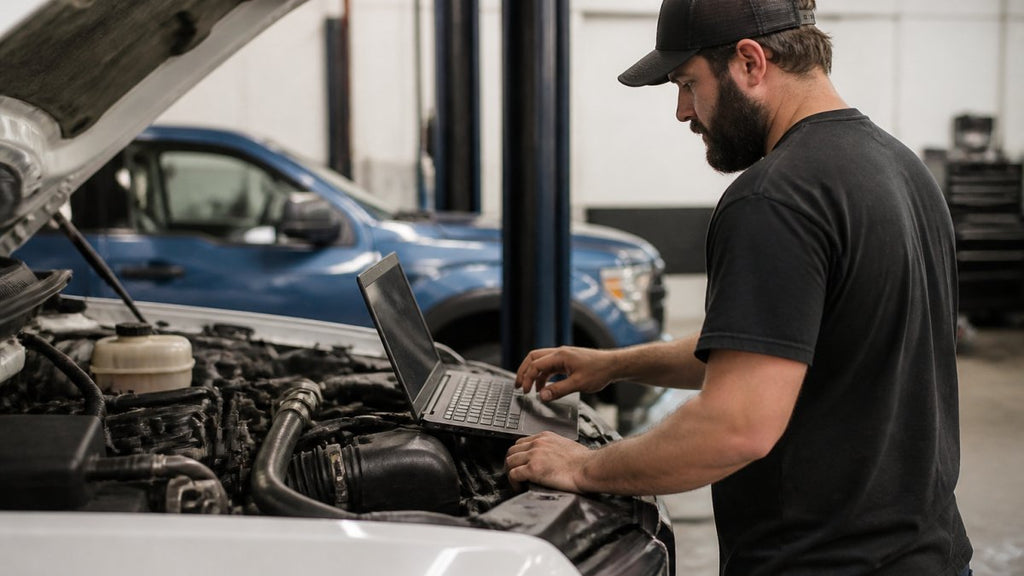
Proper calibration is what lets the engine use that added airflow without turning normal driving into a collection of compromises. You should expect smooth cold starts, stable idle, clean part-throttle behavior, and power delivery that does not feel confused when the transmission shifts. If a kit makes big power at wide-open throttle but bucks, surges, stalls, or runs poorly during the other 99 percent of driving, it is not finished.
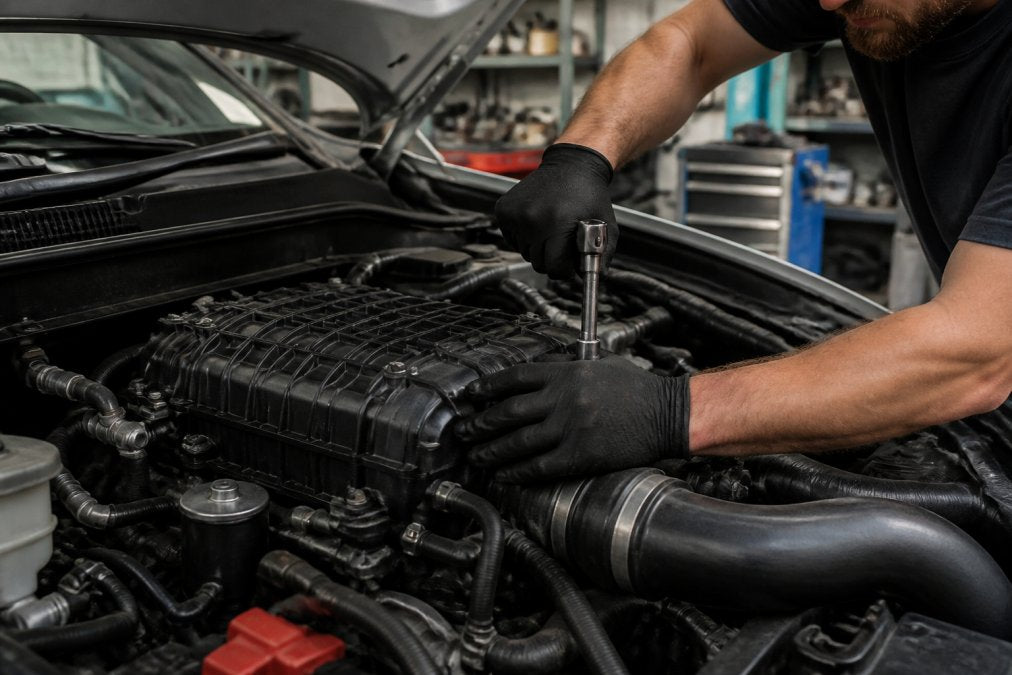
That is why we push owners toward following the installation instructions closely and using approved installers and tuners when the job is outside their comfort zone. There is no shame in that. A clean install includes checking belt routing, torque specs, electrical connections, vacuum lines, fluid condition, and every piece of hardware that can loosen or rub after heat cycles.
Do not bolt a supercharger onto an engine with an existing misfire, cooling issue, oil-consumption problem, or check-engine light and expect the new parts to solve it. Fix the base vehicle first. Forced induction will expose weak links that a stock engine may have let slide.
Warranty support is most valuable after the install
The first week is easy. Everybody is smiling because the truck finally pulls. The real test comes months later, when you have questions about a noise, a belt service interval, a tune revision, or a part that needs attention.
Good support starts with a kit that has clear applications and good instructions, but it cannot end there. You need to be able to explain what your vehicle is doing and get practical direction from someone who understands the platform. Keep your purchase records, installation documentation, calibration information, and photos of the completed install. If an issue comes up, those details help get to the answer faster.
It also pays to separate kit-related issues from normal vehicle ownership. Tires wear out. Batteries fail. Spark plugs need service. A transmission that was already unhappy does not become new because the engine makes more torque. The more honest you are about the whole vehicle, the easier it is to protect it.
A 24-month warranty is strongest when it is paired with good habits: correct fuel, recommended maintenance, a sound cooling system, and no shortcuts during installation. That is not glamorous advice, but it is how daily-driven boosted vehicles stay enjoyable.
Buy for the vehicle you actually drive
If your truck is stock and spends its life on flat roads with no cargo, you may not need a supercharger. But if your Tacoma, 4Runner, Frontier, Gladiator, Charger, or Mazda feels slower after the mods that made it yours, the right kit can bring back the response the factory setup lost.
Do not shop only by the biggest advertised number. Shop by exact fitment, calibration, installation support, the kind of driving you do, and whether the company will still answer the phone after the install. A supercharger kit with warranty is not just buying more power. It is buying the confidence to put that power to work every time you turn the key.
Related post


RECENT POSTS