How to Improve Throttle Response With Supercharging
You put 35s on your Tacoma or Gladiator, loaded it with bumpers, a winch, drawers, and camping gear, and now it feels like the gas pedal is connected to a suggestion box. You press it, wait for a downshift, wait again, then finally get moving. That is exactly why owners ask us how to improve throttle response with supercharging. They are not looking for a dyno-sheet trophy. They want their vehicle to pull when they ask it to.
One of the biggest complaints we hear is weak midrange torque. A stock Toyota 4Runner or Tacoma can be dependable as a hammer, but add bigger tires and mountain grades and the factory powerband feels lazy. Same deal with a Nissan Frontier used for towing, a naturally aspirated Mazda 3 that needs stronger passing power, or a Dodge Charger owner who is tired of waiting for the engine to wake up.
A properly matched supercharger changes that seat-of-the-pants delay. But the kit, the tune, the installation, and the rest of the vehicle all have to work together.
Throttle Response Is About Torque You Can Use
Throttle response is not just how quickly the pedal reacts. It is how quickly the vehicle makes enough torque to accelerate without hunting for gears, dropping three gears on the highway, or falling flat halfway up a hill.
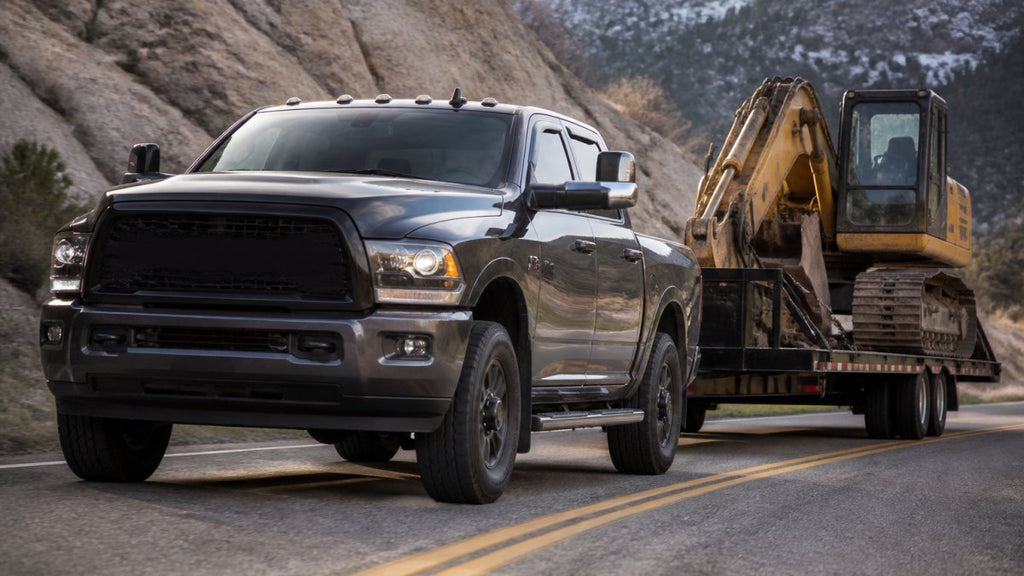
We see this all the time with late-model Toyota trucks and SUVs. A Tacoma on 33-inch tires may still drive fine around town, but merge onto the interstate with four people and gear in the bed and it starts working hard. Move to 35s, add a roof rack and steel armor, and the truck can feel like it lost a whole engine size. The throttle is open, but there is simply not enough low- and midrange torque available where you need it.
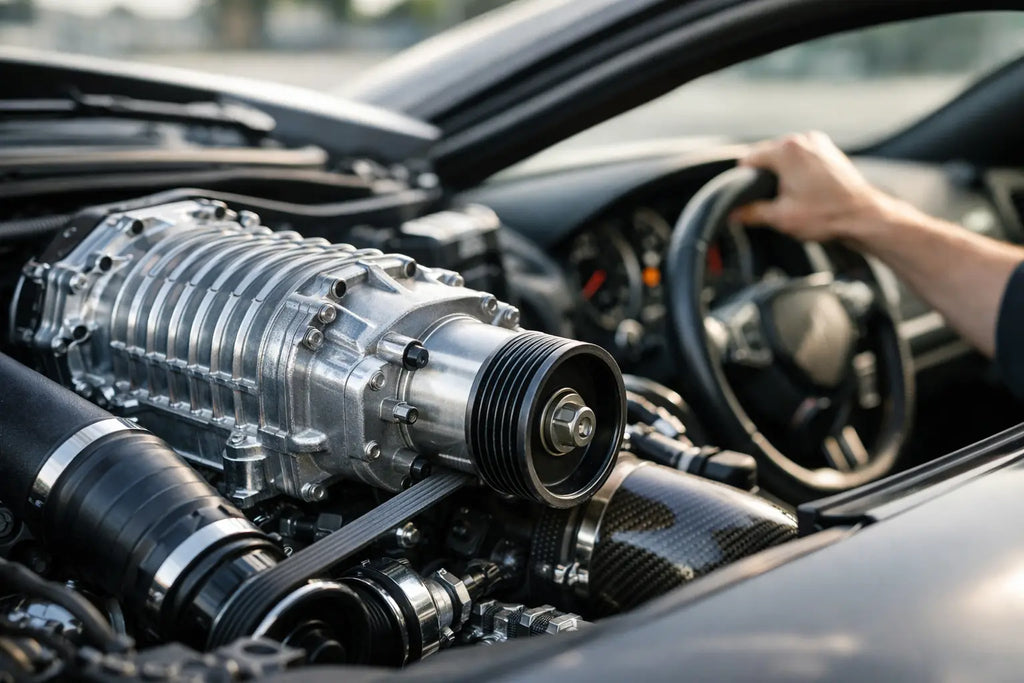
Supercharging helps because it puts more air into the engine as engine speed rises. That means more torque arrives sooner and stays available through the part of the rev range you use every day. You roll into the pedal leaving a stoplight, pull around a slow RV, or climb a dirt road in high range, and the vehicle responds with authority instead of drama.
After installing hundreds of kits, the biggest difference owners mention is not peak horsepower. Most owners tell us the vehicle feels lighter. It feels like the factory gearing came back after bigger tires. It stops making every passing move a committee meeting.
How to Improve Throttle Response With Supercharging
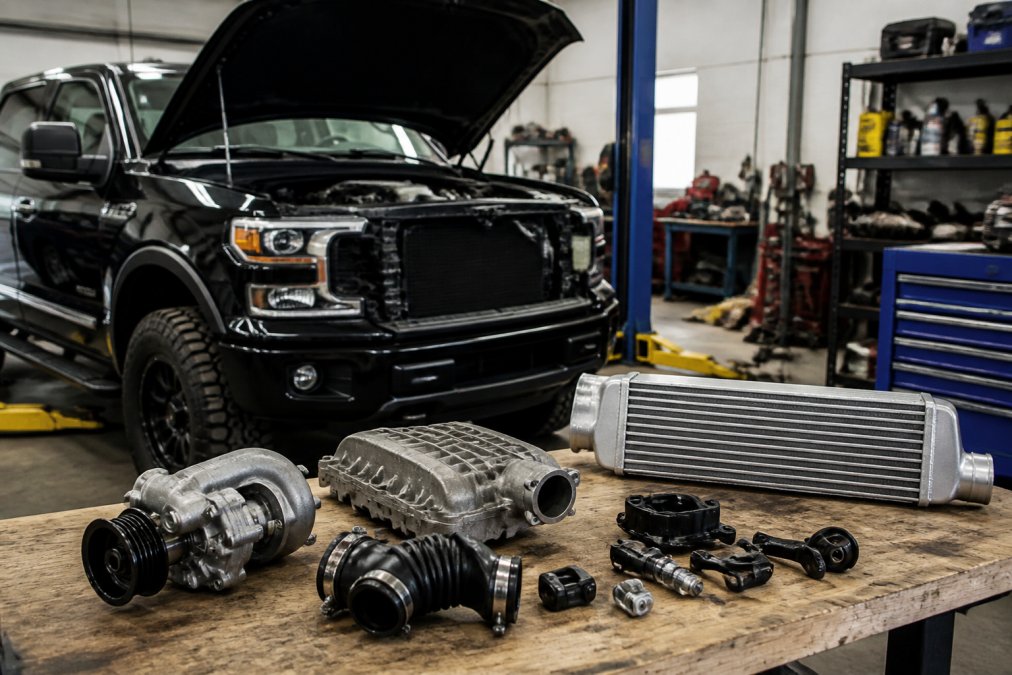
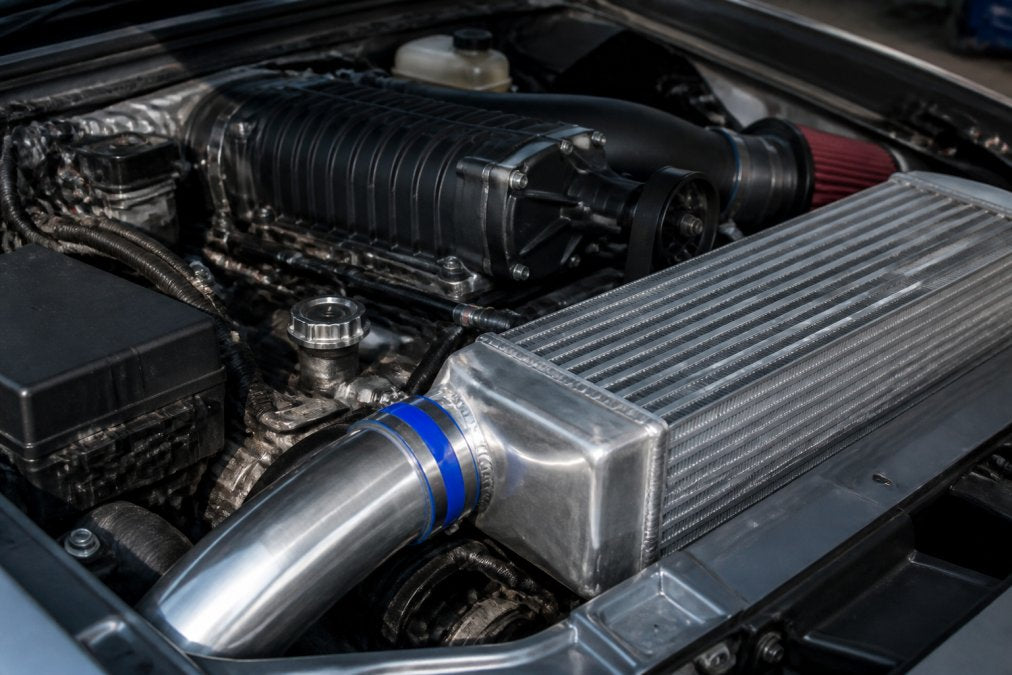
The best result starts with selecting a supercharger designed for your exact engine, model year, and intended use. A clean bolt-on system with the correct brackets, belt drive, fueling provisions, intercooling, calibration, and hardware is a much better long-term move than piecing together a universal setup because the price looked tempting.
For a street-driven 4Runner, Tacoma, Frontier, or Jeep Gladiator, the goal is strong and predictable torque, not a temperamental build that only feels good at wide-open throttle. You want it to idle cleanly, start like stock, handle summer heat, and drive normally in traffic. Then, when you put your foot into it, it needs to pull hard right now.
A few choices matter more than people expect:
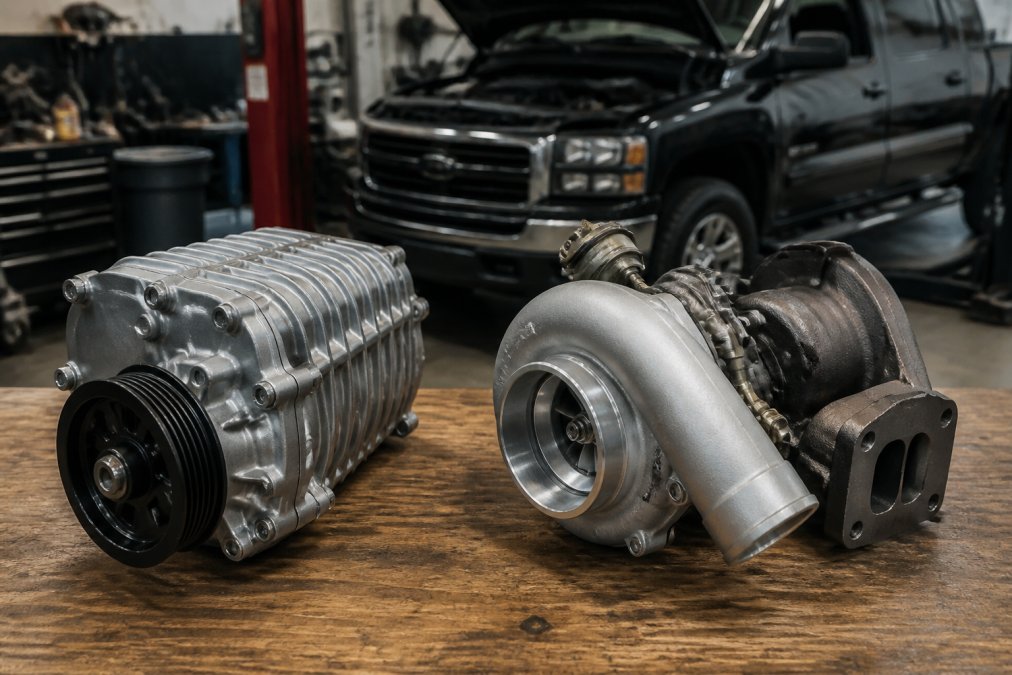
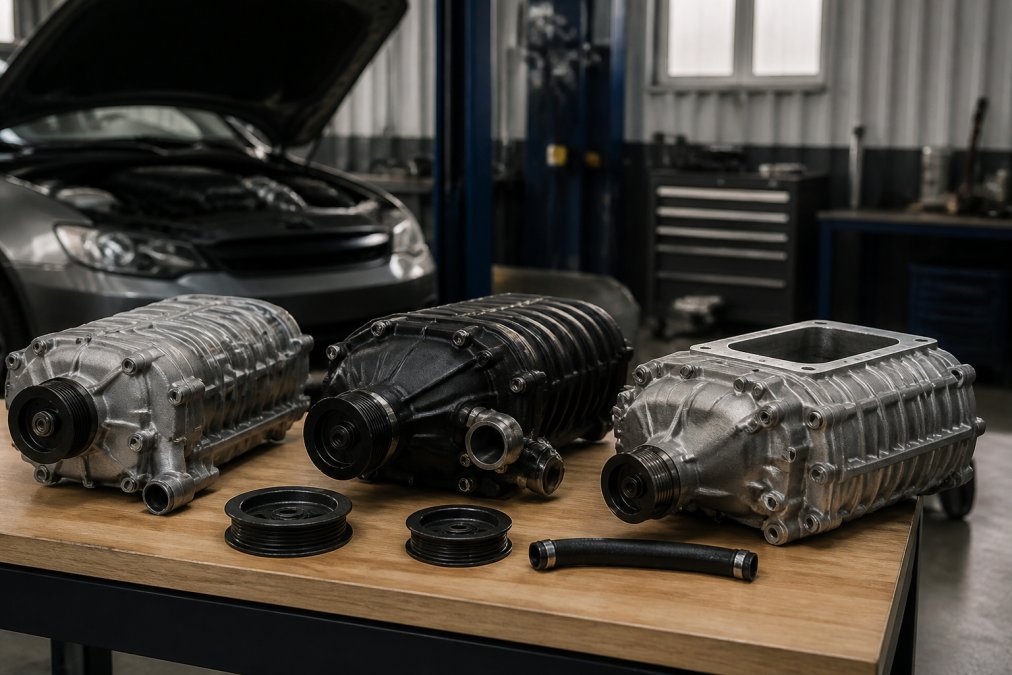
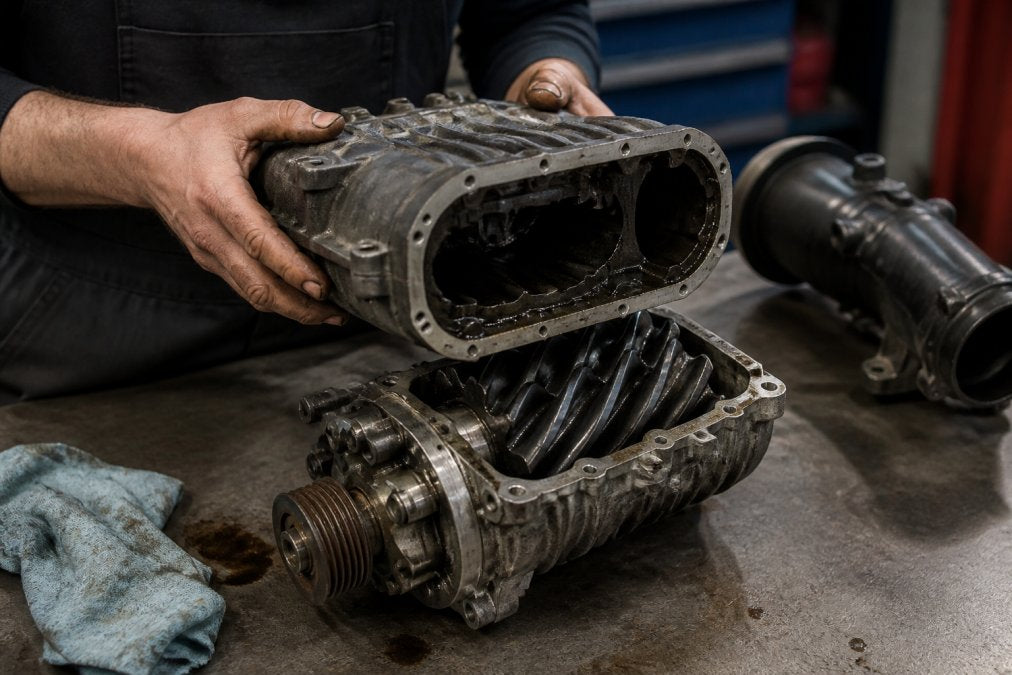
- Choose the right blower style for how you drive. Positive-displacement superchargers are known for building torque early, which is why they are a favorite for towing, overlanding, crawling, and daily driving. Centrifugal systems build boost more aggressively as rpm climbs and can be a great fit for drivers who spend more time in the upper rev range. Neither is automatically better. The right answer depends on your vehicle and where you want the power.
- Keep the boost level sensible. More boost is not always more usable performance. Conservative boost on a healthy stock long block, backed by a proper calibration, usually delivers the kind of reliable punch most owners actually want.
- Use the correct fuel. If your calibration calls for premium fuel, run premium fuel. Saving a few dollars at the pump is a bad trade when cylinder pressure and ignition timing are part of the package.
- Match the setup to the tires and load. A stock-height Mazda 3 and a 35-inch-tire Gladiator need different torque delivery. If you tow a boat, haul motorcycles, or run a rooftop tent year-round, say that before choosing a setup.
Positive-Displacement vs. Centrifugal Feel
If your main complaint is that your truck feels dead from a stop or bogs on a hill before it downshifts, early torque matters. This is where a positive-displacement setup earns its keep. The blower is moving air right away, so pedal input produces a more immediate, stronger response.
That does not mean centrifugal supercharging is slow or weak. It can make serious power and feels fantastic when the engine is pulling through the midrange and top end. On a performance sedan, that rising pull can be exactly what the owner wants. On a loaded 4Runner headed over a mountain pass, many drivers prefer torque that shows up lower and earlier.
Do not buy based on the biggest advertised number alone. Buy based on the way you use the vehicle on Tuesday morning, not just the way you want it to feel for one highway pull on Saturday night.
The Tune Makes or Breaks the Pedal Feel
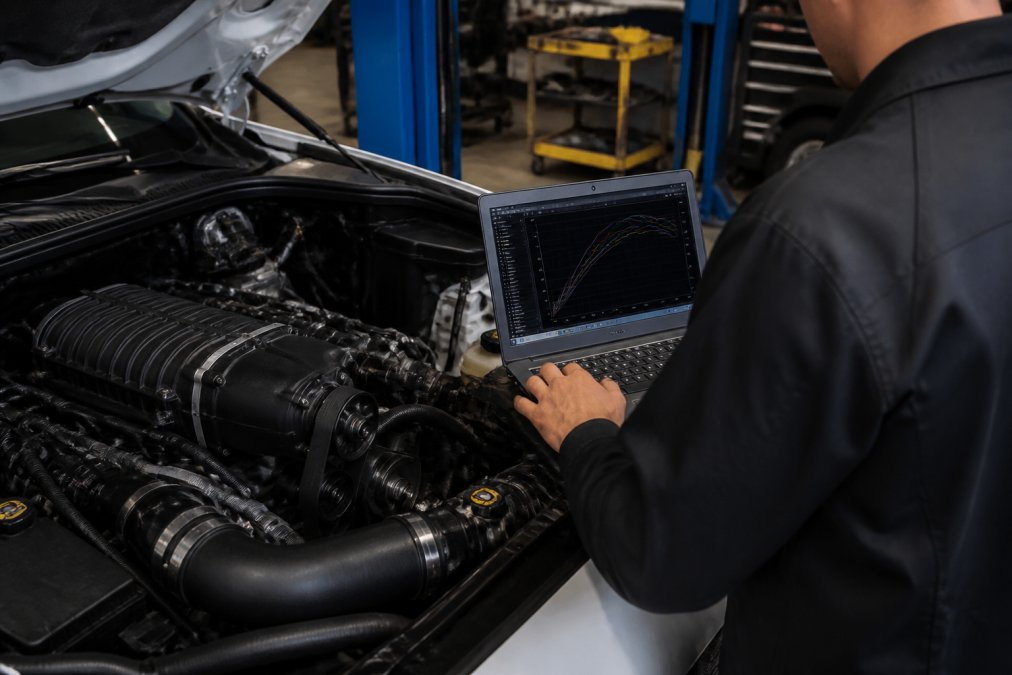
A supercharger kit without the right tuning is just expensive hardware waiting to cause trouble. The calibration controls fueling, ignition timing, throttle behavior, transmission strategy where applicable, and the safety limits that keep the engine happy under boost.
One of the biggest complaints we hear from owners with random aftermarket parts is, “It makes power, but it does not drive right.” Maybe the idle hangs. Maybe it surges at part throttle. Maybe the automatic transmission is constantly confused because the engine now produces torque the factory logic was never asked to manage.
A vehicle-specific tune is what makes added boost feel OEM-like instead of rough around the edges. On a Dodge Charger, that can mean crisp response without a lumpy, annoying daily commute. On a Toyota Tacoma or Nissan Frontier, it means the truck responds sooner and holds a gear with more confidence instead of constantly dropping down and screaming for rpm.
Do not treat tuning as an optional finishing touch. Use the approved tune for the kit and fuel grade, follow every setup instruction, and do not stack mystery throttle controllers, canned tunes, and boost hardware together hoping they will all cooperate. A throttle controller can change pedal sensitivity, but it cannot create torque. A supercharger with the right calibration can.
Fix the Vehicle Around the Power Upgrade
Supercharging will expose weak maintenance items fast. Before adding boost, make sure the engine is healthy and current on its service needs. Fresh plugs at the correct gap, clean filters, good coils, healthy cooling components, and no existing fuel or vacuum issues are basic shop sense.
For truck and SUV owners, gearing deserves an honest look too. Supercharging can bring back the torque larger tires stole, but 37-inch tires on deep sand with stock gears are still 37-inch tires on stock gears. If the vehicle is heavily built, re-gearing may still be the smart answer. The best builds use the blower and axle ratio together instead of expecting one part to fix every compromise.
Heat management matters when you tow in Arizona, wheel in Moab, or spend summers crawling through traffic with the A/C on. Keep the intercooler system maintained, watch coolant condition, and make sure the installation leaves nothing rubbing, leaking, or routed like an afterthought. Clean installation is reliability.
Installation Quality Is Part of Performance
Bolting on a supercharger is not the place for shortcuts. We have seen belt alignment problems, loose charge piping, pinched harnesses, and missing heat shielding turn a good kit into a frustrating ownership experience. None of that makes the vehicle faster.
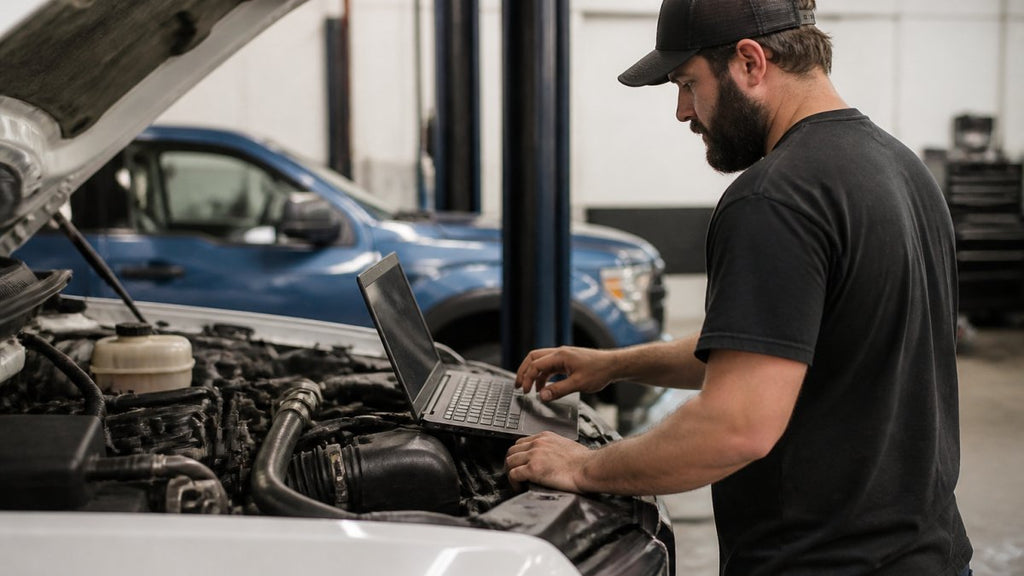
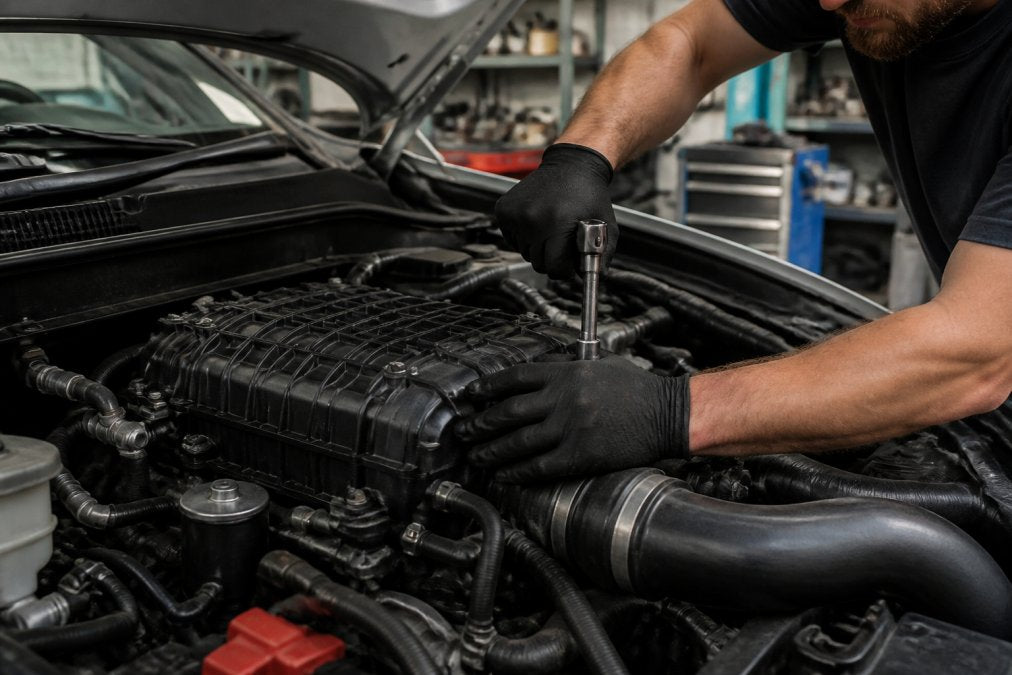
Use a qualified installer who knows forced induction and follows the instructions. A good install looks like it belongs there. Wiring is protected, hoses are routed cleanly, fasteners are torqued correctly, the belt tracks properly, and the tune is loaded and verified before the vehicle gets hammered.
At VT Superchargers, the focus is on vehicle-specific systems because fitment and drivability are where daily-driven builds either succeed or become somebody’s project they are tired of explaining. The goal is simple: bolt it on, turn the key, and enjoy the extra torque without turning your reliable vehicle into a science experiment.
What Better Response Feels Like Behind the Wheel
The change shows up in ordinary moments. Your 4Runner rolls into traffic without needing a full pedal stab. Your Tacoma pulls a small trailer without constantly searching for another gear. Your Gladiator on 35s gets moving cleanly after a trailhead stop. Your Mazda 3 has enough midrange to pass without planning half a mile ahead.
That is the payoff. Not a number you only talk about at a car meet, but a vehicle that finally feels like it has the power to match the way you built it. Start with the exact application, keep the tuning and installation clean, and choose torque delivery that fits the miles you actually drive.
Related post


RECENT POSTS