Performance Upgrades for Overlanding Vehicles: A 2026 Guide
Table of Contents
- Why Performance Upgrades Matter for Overlanding
- Best Suspension Kits for Overlanding
- Engine Performance Upgrades: Forced Induction and Off-Road Engine Tuning Benefits
- Overland Vehicle Weight Management and Payload Optimization
- Critical Support Systems: Lighting, Battery, and Recovery Gear
- Armor, Skid Plates, and Underbody Protection
- DOT Compliance for Off-Road Modifications and Warranty Protection
- Building Your Upgrade Strategy: Modular vs. Permanent
Last Updated: August 16, 2026
Why Performance Upgrades Matter for Overlanding
Performance upgrades transform how your rig handles remote terrain and extended expeditions. Overlanding demands more from your vehicle than daily driving: navigating variable terrain, carrying substantial payload, managing thermal stress during climbs, and operating where mechanical failure becomes a crisis. Strategic performance upgrades improve power delivery, reduce drivetrain stress, enhance cooling, and optimize weight distribution.
Stock engines often can't maintain consistent power with larger tires installed, causing gear hunting on highways and sluggish hill climbs. The key is prioritizing upgrades that deliver measurable improvements for your specific vehicle and intended use: suspension that improves articulation without excessive unsprung weight, forced induction that increases torque across the powerband, and recovery systems that actually work when needed.
Best Suspension Kits for Overlanding
Suspension determines how much terrain you can traverse safely, how much load you can carry, and how much control you maintain on rough ground. Stock suspensions are engineered for road comfort, not the articulation, load capacity, and durability overlanding demands.
Coil-Over Reservoir Shocks and Articulation
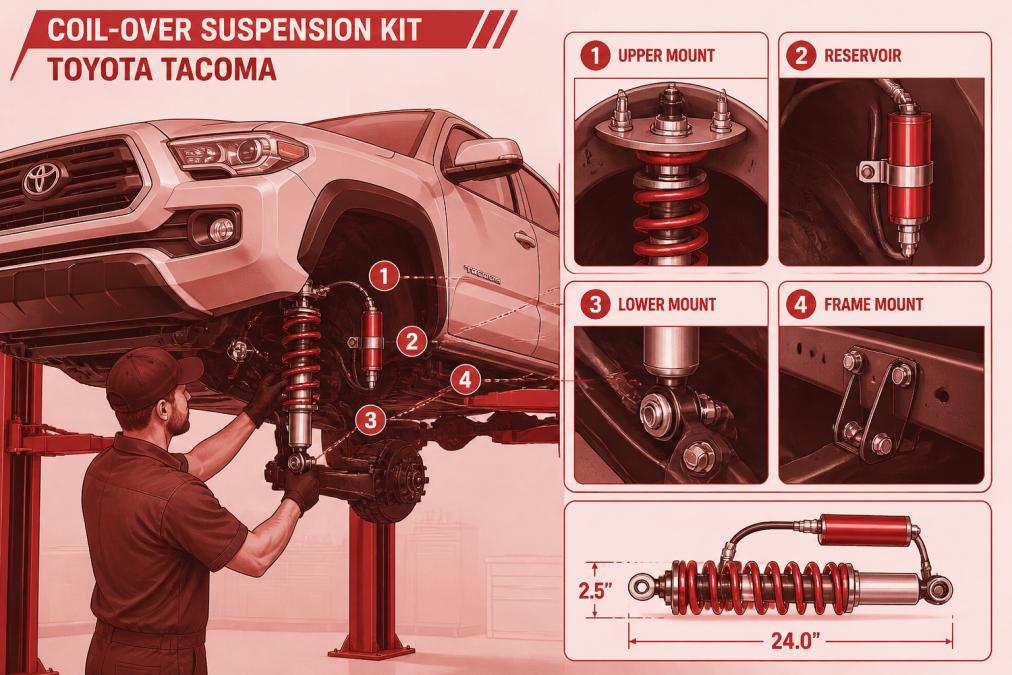
Coil-over reservoir shocks represent the gold standard for overlanding. The separate nitrogen chamber manages pressure changes during compression and extension cycles, maintaining consistent damping throughout extreme ranges of motion. This consistency is critical during extended off-road sessions when suspension heats up; non-reservoir designs experience pressure changes that affect damping characteristics, while reservoir shocks maintain performance throughout the day.
Articulation, the ability of suspension to move independently on each wheel, separates vehicles that traverse technical terrain from those that get stuck. When one wheel encounters an obstacle, poor articulation loses traction because the suspension can't extend enough to keep that wheel grounded. Reservoir shocks maintain consistent performance, allowing independent wheel articulation without bottoming or topping out.
When selecting coil-over systems, pay attention to reservoir capacity and nitrogen charge pressure. Larger reservoirs manage heat better; higher charges provide better support for heavier vehicles carrying payload.
Lift Kit Selection and Ground Clearance
Lift kits come in two configurations: spring-based systems (simpler, less expensive, less articulation) and coil-over systems (more expensive, superior articulation and adjustability). For overlanding, 2-3 inches of additional clearance is typically the practical sweet spot.
Approach angle, departure angle, and breakover angle determine how steep obstacles you can navigate. These angles matter more than raw ground clearance. A vehicle with modest clearance but excellent approach angle often performs better on technical terrain than one with extreme lift and poor geometry.
Quality lift kits address suspension geometry changes that occur during lifting by including adjustable control arms or geometry correction components. Budget kits that simply add spacers create handling problems and accelerate component wear.
Engine Performance Upgrades: Forced Induction and Off-Road Engine Tuning Benefits
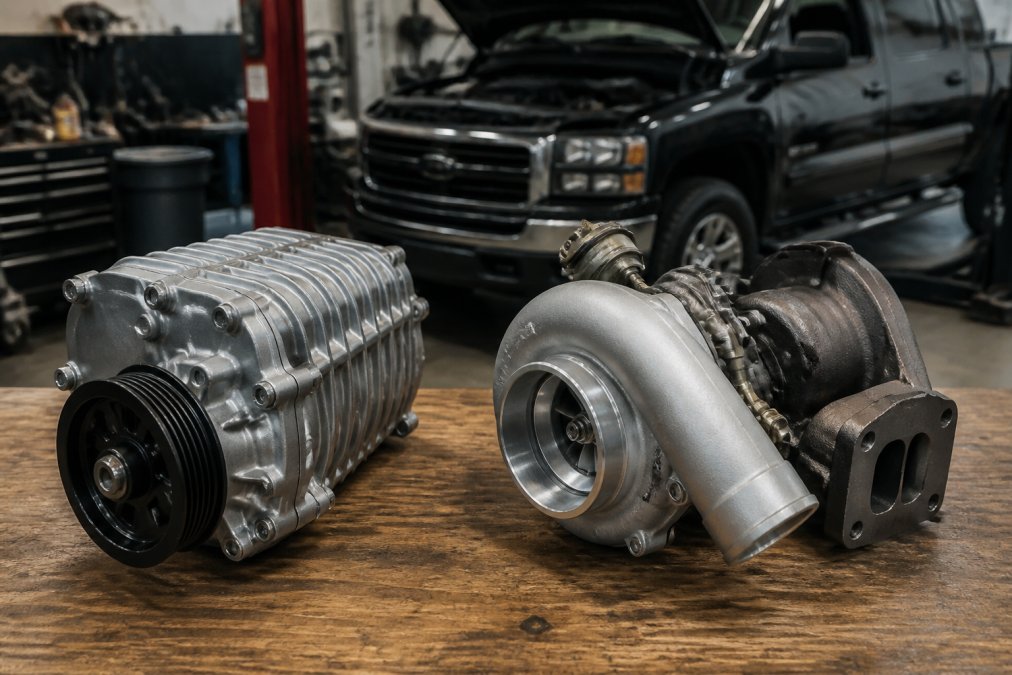
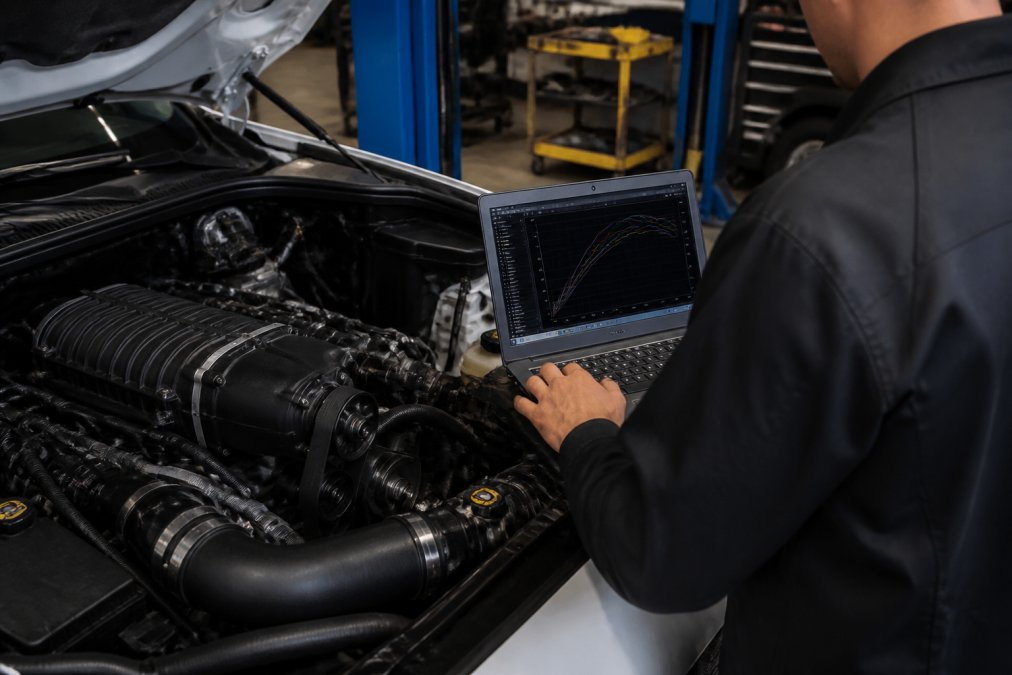
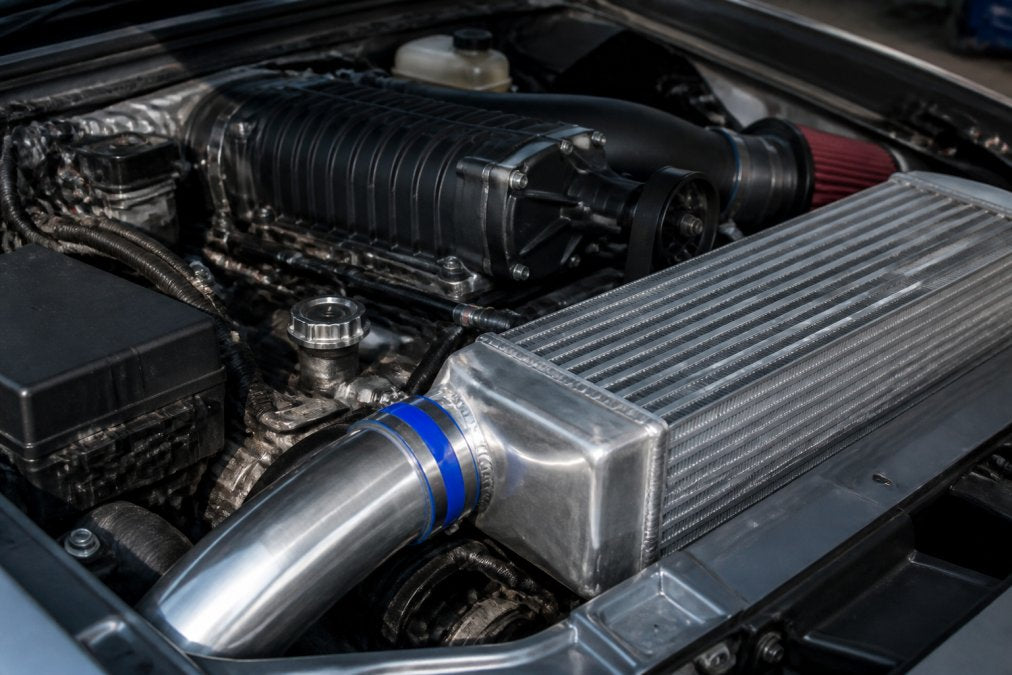
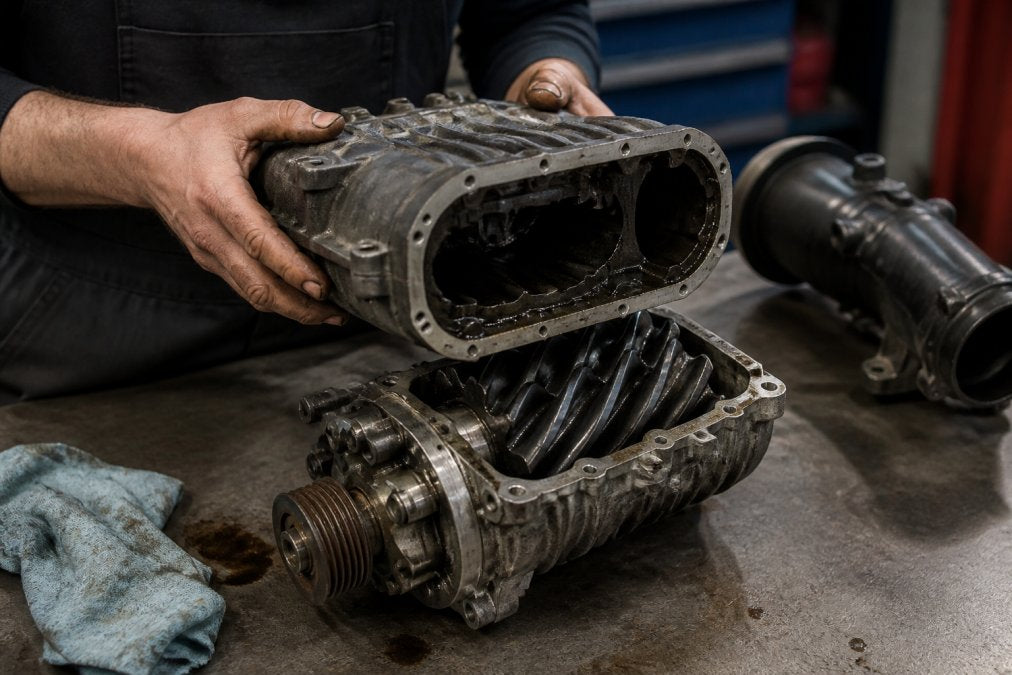
Stock engines lose power with larger tires and at high altitude. Forced induction, supercharging or turbocharging, solves this by increasing air entering the engine, allowing more fuel combustion and greater power output. For overlanding, the advantage extends beyond peak horsepower: forced induction improves torque delivery across the entire powerband, providing better pulling power at lower RPMs where off-road driving typically occurs.
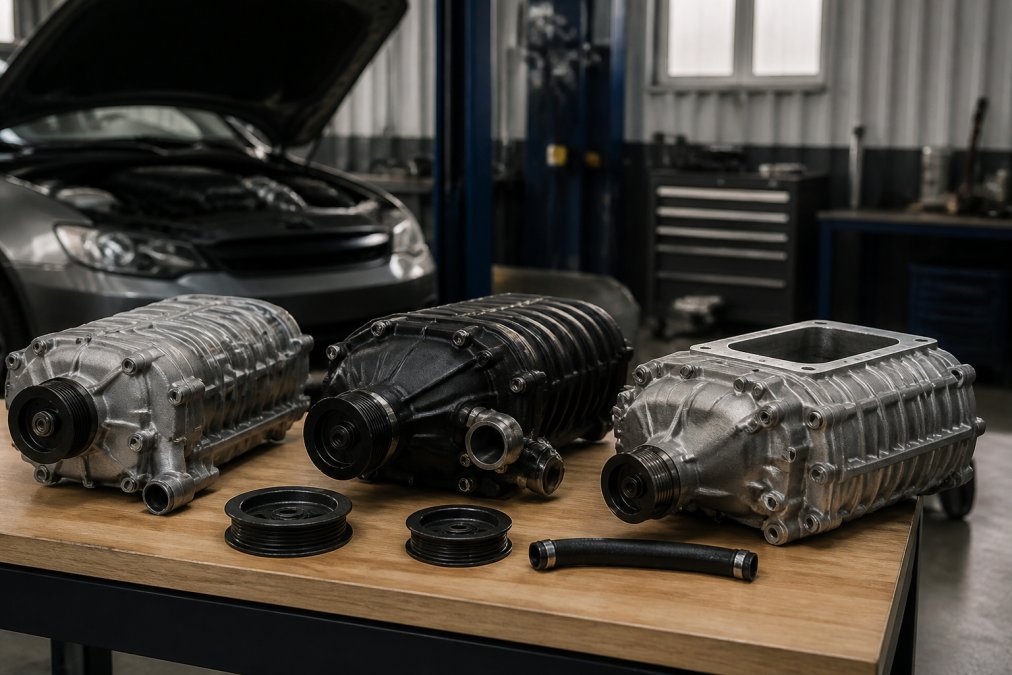
Supercharger Kits for Real Power Gains
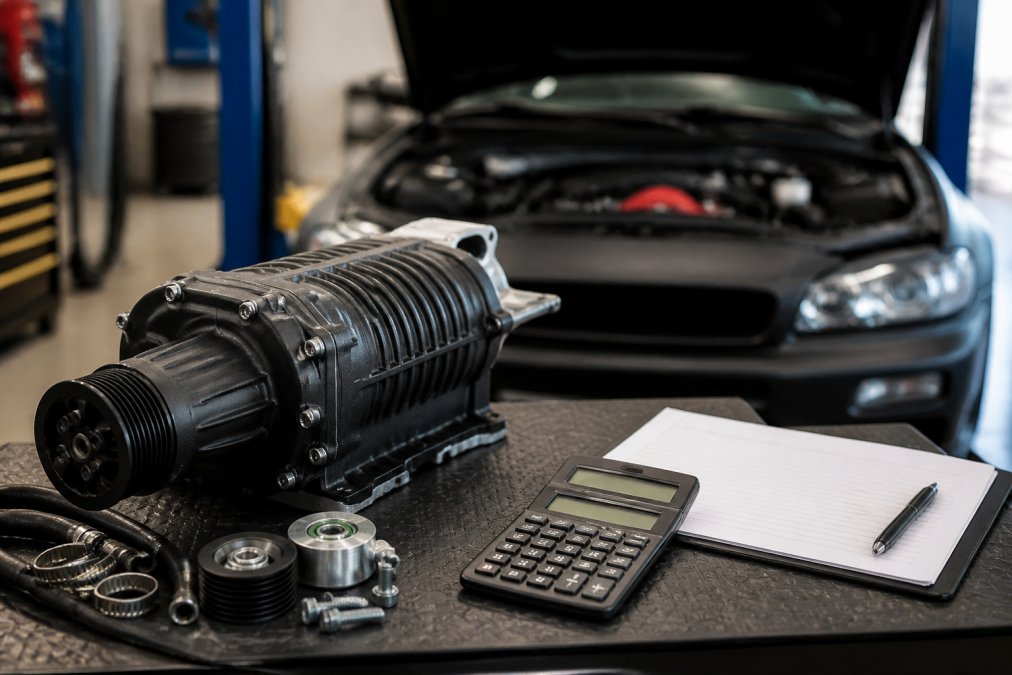
Superchargers deliver consistent power across the entire RPM range because they're mechanically driven by the engine's crankshaft. Unlike turbos requiring boost buildup time, superchargers provide immediate response, critical for overlanding's unpredictable terrain and variable engine loads.
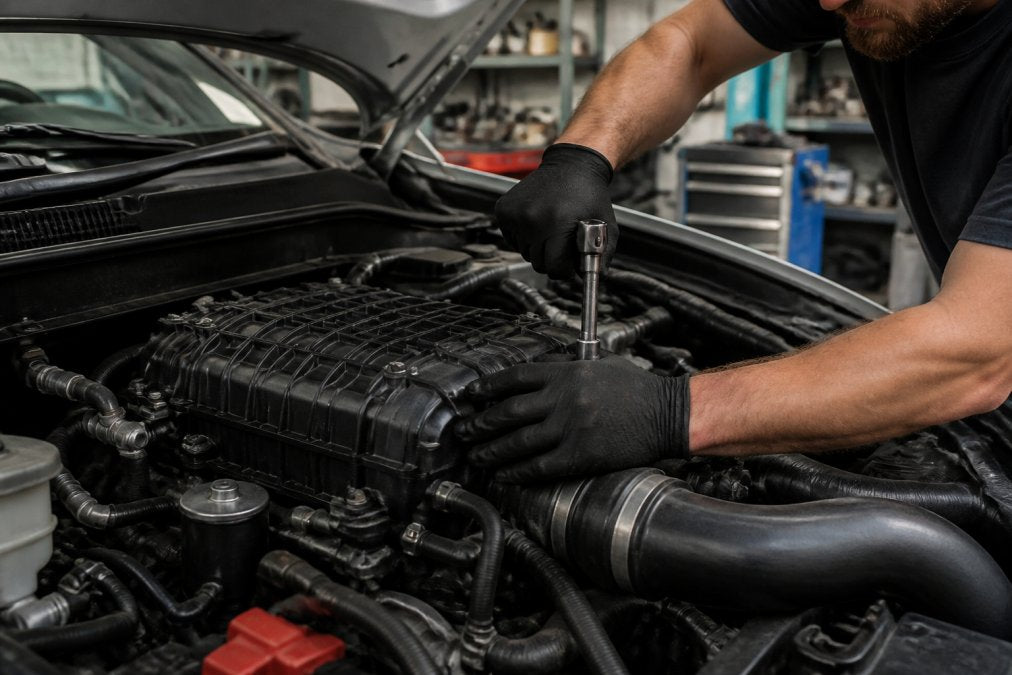
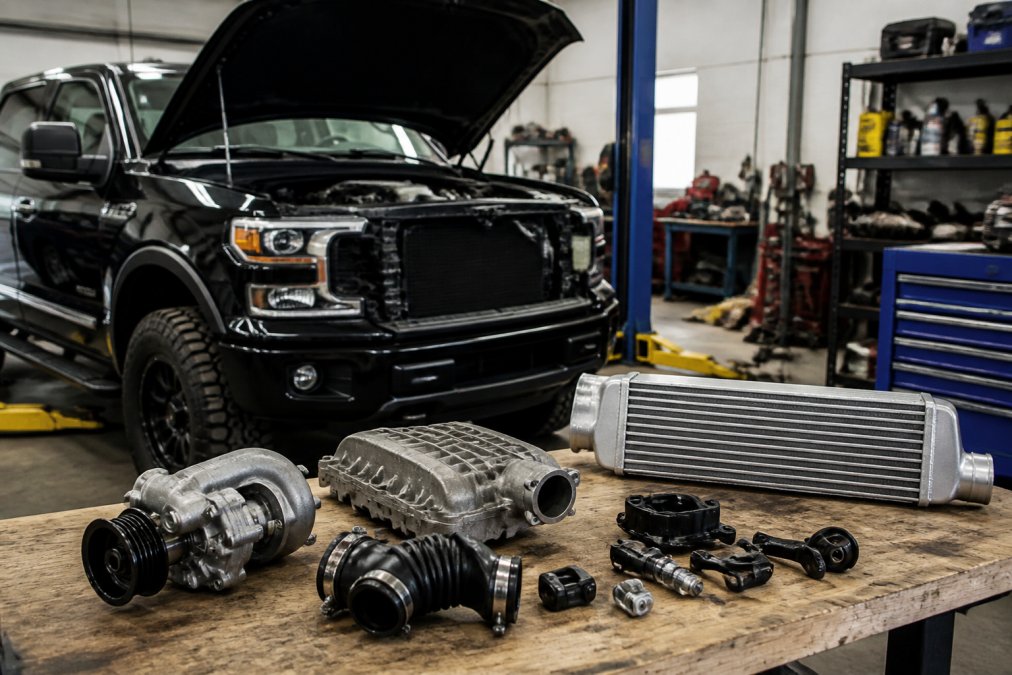
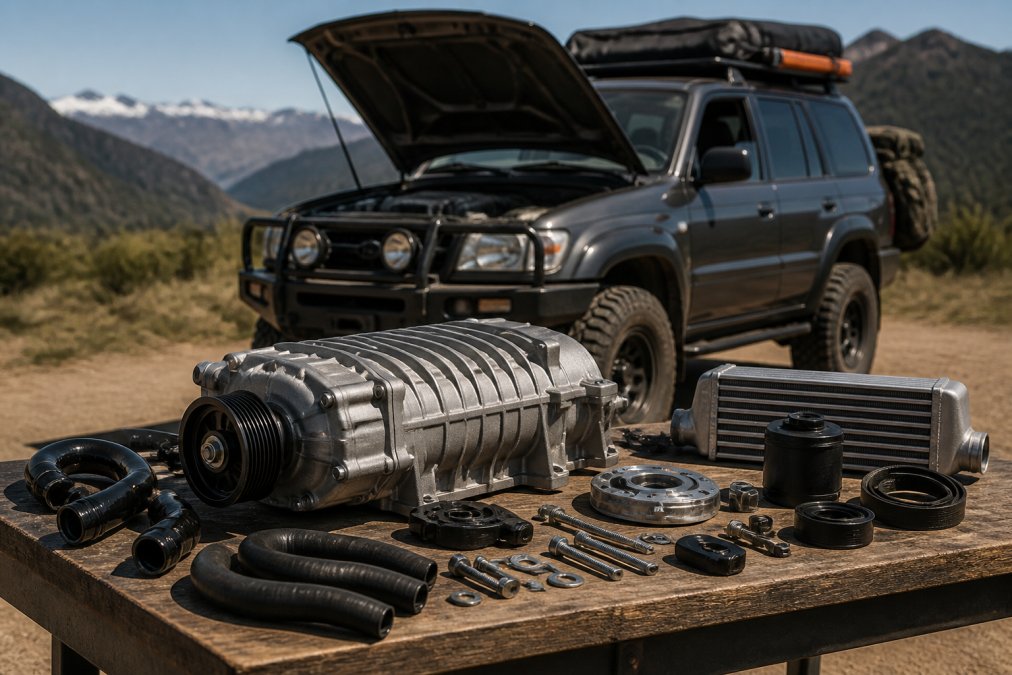
VT Superchargers manufactures bolt-on kits engineered for overlanding vehicles. The Toyota Tacoma 3.5L Supercharger Kit delivers approximately 100 additional horsepower and 90 lb-ft additional torque, transforming vehicles struggling with 35-inch tires and elevation changes. The kit uses OEM-style fitment, integrating with existing engine management without custom tuning or extensive modifications.

When evaluating supercharger kits, focus on torque gains at 2,000-4,000 RPM, where most overlanding driving occurs, rather than peak RPM numbers.
Transmission and Gear Ratio Optimization
Transmission optimization and gear ratio changes work together with engine upgrades. Larger tires reduce effective gear ratio, causing engines to operate at higher RPM and transmissions to hunt for gears on highways. Changing to a lower (numerically higher) gear ratio restores proper transmission behavior and improves low-end pulling power, though at the cost of increased highway fuel consumption, a worthwhile trade-off for overlanding where torque matters more than efficiency.
Transmission programming also matters. After installing a supercharger or changing gear ratios, your transmission may need reprogramming to optimize shift behavior for new power delivery and ratios.
Overland Vehicle Weight Management and Payload Optimization
Weight management is overlooked but critical. Your vehicle has a gross vehicle weight rating (GVWR) representing maximum safe operating weight. Exceeding this stresses suspension, reduces braking effectiveness, and creates handling problems. Many overlanders exceed GVWR once fully equipped, creating vehicles that are simultaneously more powerful and less safe.
Strategic weight management identifies components providing disproportionate value relative to weight. A winch adds significant weight but provides critical recovery capability. The goal isn't eliminating weight entirely, but making deliberate choices about which weight you're adding and ensuring power upgrades account for the total package.
Calculate your actual remaining payload capacity after lifting and adding armor. Use a truck scale to weigh your vehicle at each stage, preventing scenarios where you've added 2,000 pounds of equipment but power upgrades only account for 1,000 pounds of capacity.
Critical Support Systems: Lighting, Battery, and Recovery Gear
Performance upgrades are only valuable if your vehicle sustains increased demands. Critical support systems enable reliable operation in remote environments where mechanical failure isn't an option.
Auxiliary Lighting and Power Distribution
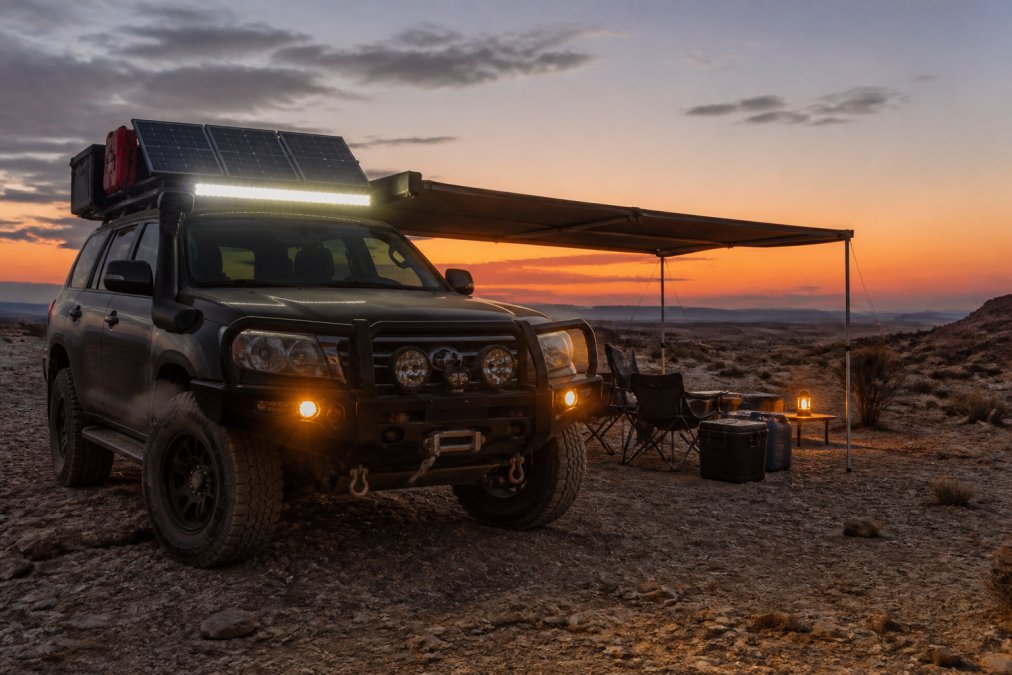
LED light bars provide superior visibility compared to halogen lights and are efficient and durable. A single LED light bar draws 50-100 amps; adding ditch lights, rock lights, and camp lighting demands 200+ amps from your electrical system. Quality power distribution systems include fused circuits for each load and isolators preventing auxiliary loads from draining your starting battery.
Deep Cycle Battery and Solar Charge Systems
A deep cycle battery is essential for overlanding. Unlike factory starting batteries designed for brief high-current discharge, deep cycle batteries handle sustained partial discharge cycles needed for camp lighting and refrigeration. Many overlanders install dual-battery systems with isolators, allowing alternator charging of both batteries while driving but preventing auxiliary battery drain on the starting battery when the engine is off.
Solar charge systems reduce alternator dependence and enable extended camping. A 200-watt solar panel generates 15-20 amps on sunny days, enough to maintain battery charge for moderate loads.
Winch Recovery and Traction Boards
A winch provides critical pulling power when stuck. Winch capacity should be at least twice your vehicle's weight; a 5,000-pound vehicle needs a minimum 10,000-pound winch. Traction boards provide traction in soft sand or mud and prevent situations requiring winch recovery. Carry at least one set for each drive wheel.
Armor, Skid Plates, and Underbody Protection
Underbody armor protects critical components from damage during off-road driving. Rock sliders protect frame and suspension from impacts; skid plates protect engine, transmission, and fuel tank. Quality armor is heavy and expensive, so install heavy protection on genuinely vulnerable, expensive-to-repair components and skip less critical areas.
Rock sliders are essential for rocky terrain, protecting suspension components from impacts. Skid plates for engine and transmission provide valuable insurance; these expensive components often suffer damage in remote locations where repair is impossible. Underbody armor should be removable or modular where possible, allowing installation only during technical driving and removal for highway travel.
DOT Compliance for Off-Road Modifications and Warranty Protection
Off-road modifications exist in a gray area regarding DOT compliance. Modifications not affecting safety-critical systems are generally unregulated. Suspension lifts affecting geometry can impact handling and braking, requiring geometry correction components to maintain safe behavior. Auxiliary lighting must comply with DOT regulations and not interfere with factory systems.
Manufacturers typically void warranties for affected components. Installing a supercharger voids engine warranty; changing suspension geometry may void suspension warranty. VT Superchargers kits include 24-month warranty covering the supercharger system itself, though engine warranty voidance is standard across the industry.
Building Your Upgrade Strategy: Modular vs. Permanent
Successful overlanding builds follow modular strategies rather than permanent ones. Superchargers are permanent; lift kits are semi-permanent; armor and recovery gear can be modular. Modular builds offer flexibility, allowing you to add components gradually as you confirm they provide value and improving fuel economy and handling for highway travel by removing unnecessary components when not actively overlanding.
Permanent components, supercharger, lift kit, transmission optimization, form the foundation addressing fundamental stock vehicle deficiencies. Support systems and armor layer on top based on specific needs and intended use.
| Upgrade Type | Benefit | Weight Impact | Permanence | Priority |
|---|---|---|---|---|
| Forced Induction (Supercharger) | Restores power with larger tires | 150-200 lbs | Permanent | 1 |
| Suspension Lift | Improves articulation, ground clearance | 200-400 lbs | Semi-permanent | 2 |
| Gear Ratio Optimization | Eliminates gear hunting, improves torque | Minimal | Permanent | 3 |
| Winch Recovery | Enables self-recovery from difficult situations | 150-250 lbs | Permanent | 4 |
| Auxiliary Lighting | Enables safe night driving, camp lighting | 50-100 lbs | Modular | 5 |
| Armor Protection | Protects critical components | 300-600 lbs | Semi-permanent | 6 |
| Roof Rack/Storage | Enables gear transport | 100-150 lbs | Modular | 7 |
| Solar/Battery Systems | Extends camping autonomy | 200-300 lbs | Modular | 8 |
Building an overlanding vehicle that performs reliably in remote terrain requires strategic thinking about which performance upgrades deliver real value. The most common mistake is treating upgrades as a checklist rather than as a system where each component serves a specific purpose.
Start with forced induction to restore power, add suspension improvements to enhance articulation, then layer in support systems enabling extended remote operation. VT Superchargers kits provide the foundation with engineered performance improvements integrating seamlessly with existing vehicle systems. With 24-month warranty backing your investment and financing options available, you can build overlanding capability confidently. Register with VT Superchargers to explore kits engineered for your specific vehicle and begin planning your performance upgrade strategy.
Frequently Asked Questions
Will performance upgrades void my vehicle's warranty?
Bolt-on performance upgrades like supercharger kits typically preserve warranty coverage when installed correctly by approved technicians. VT Superchargers kits come with a 24-month warranty and are engineered for OEM-style fitment. However, any engine damage directly caused by improper installation or tuning may not be covered. Always verify with your vehicle manufacturer before installation, and keep detailed records of the work performed.
What are the most important performance upgrades for overlanding vehicles?
The core upgrades depend on your terrain and vehicle type. Suspension improvements (coil-over shocks and lift kits) provide articulation and ground clearance. Engine tuning through supercharger kits delivers the torque needed for towing and climbing. Support systems like deep cycle batteries, auxiliary lighting, and winch recovery gear are essential for remote adventure. Weight management ensures your upgrades don't compromise payload capacity or handling. Prioritize based on your specific overlanding goals.
How do larger tires affect vehicle performance after a supercharger upgrade?
Larger tires increase rolling resistance and reduce effective gear ratios, causing gear hunting on highways. A supercharger adds torque across the RPM range, improving low-end response and reducing hunting. For a 2019 Ford F-150 with 35-inch tires, a supercharger delivers the extra torque needed to maintain steady throttle without constant downshifting. However, you may also need transmission cooler and differential upgrades to handle the additional stress on the drivetrain.
What maintenance schedule should I follow for a modified overlanding vehicle?
Modified vehicles require more frequent maintenance than stock builds. Check supercharger belt tension and intercooler coolant every 5,000 miles. Inspect suspension components (shocks, bushings, articulation points) every 2,500 miles. Monitor transmission fluid temperature and change it every 30,000 miles instead of 60,000. Battery isolators and deep cycle systems need quarterly checks. Underbody armor and skid plates should be inspected after each off-road trip for damage or loose fasteners.
Is a supercharger the best choice for overlanding, or should I consider turbocharging?
Superchargers deliver immediate torque with no lag, making them ideal for overlanding where consistent low-end power and response matter. Turbochargers provide higher peak power but introduce lag, which can be problematic in technical terrain or when navigating tight rock crawls. For overlanding vehicles, superchargers are preferred because they improve drivability at all RPM ranges and integrate seamlessly with stock cooling systems. VT Superchargers kits are engineered specifically for overlanding applications.
How does weight management affect performance upgrades on an overlanding build?
Every upgrade you add increases vehicle weight, which reduces payload capacity and stresses the drivetrain. A supercharger kit adds roughly 50-80 pounds, while suspension upgrades, armor, and recovery gear can add 300-500 pounds total. Monitor your gross vehicle weight rating (GVWR) to ensure you stay within safe limits. Lighter materials (aluminum armor instead of steel, composite roof racks) help offset weight gains. Proper weight distribution improves handling and reduces center of gravity stress on modified suspension geometry.
What legal considerations apply to modifying an overlanding vehicle?
Off-road modifications must comply with DOT standards for lighting, emissions, and safety systems. Engine modifications that increase horsepower may affect emissions compliance depending on your state. LED light bars must meet SAE J581 standards. Lift kits that raise the vehicle beyond manufacturer specifications may require updated speedometer calibration. Check your state's off-road vehicle regulations, as some jurisdictions restrict certain modifications on public roads. Insurance companies should be notified of major upgrades, as they may affect coverage or rates.
This article was written using GrandRanker
Related post


RECENT POSTS