Does Forced Induction Void Your Vehicle Warranty?
Table of Contents
- Does Forced Induction Automatically Void Your Warranty?
- Understanding the Magnuson-Moss Warranty Act Explained
- How Dealerships Determine Warranty Claims on Modified Vehicles
- When a Dealer Denied Warranty Claim for Mods: What You Need to Know
- How to Prove Aftermarket Parts Didn't Cause Damage
- Forced Induction and Factory Warranty Coverage: What's Protected
- Step-by-Step Dispute Resolution if Your Claim Is Denied
- Protecting Your Warranty: Documentation and Best Practices
Last Updated: August 7, 2026
Does Forced Induction Automatically Void Your Warranty?
The short answer: no. Under the Magnuson-Moss Warranty Act, a manufacturer cannot void your entire warranty simply because you've made modifications. They can only deny coverage for failures directly caused by those modifications. The distinction between voiding (entire warranty worthless) and denying (refusing one specific claim) is critical, and could save you thousands in repair costs.
Key Takeaway
Forced induction doesn't automatically void your warranty. Dealers can only deny claims for failures directly caused by the modification. Everything else remains covered.
Understanding the Magnuson-Moss Warranty Act Explained
The Magnuson-Moss Warranty Act, enacted in 1975, explicitly prohibits manufacturers from voiding your warranty based on modifications unless they can prove the modification caused the specific failure you're claiming. This is a burden of proof issue: the dealership must demonstrate causation. They cannot simply deny a transmission claim because you installed a supercharger; they must show the supercharger caused that specific failure.
Magnuson-Moss applies to all written warranties on consumer products, including vehicles, and supersedes any warranty language your dealer tries to enforce. Many dealerships count on owners not knowing this.
Watch Out
Dealers sometimes claim modifications void your entire warranty. Under Magnuson-Moss, this is illegal. They can only deny coverage for failures directly caused by the modification. Push back if they claim otherwise.
How Dealerships Determine Warranty Claims on Modified Vehicles
When you submit a warranty claim on a modified vehicle, the service department follows a specific process. First, the technician performs a diagnostic scan to reveal error codes and system readings. For forced induction systems, they look for evidence that the modification caused the failure, over-boost conditions, detonation, or operation outside manufacturer specifications.
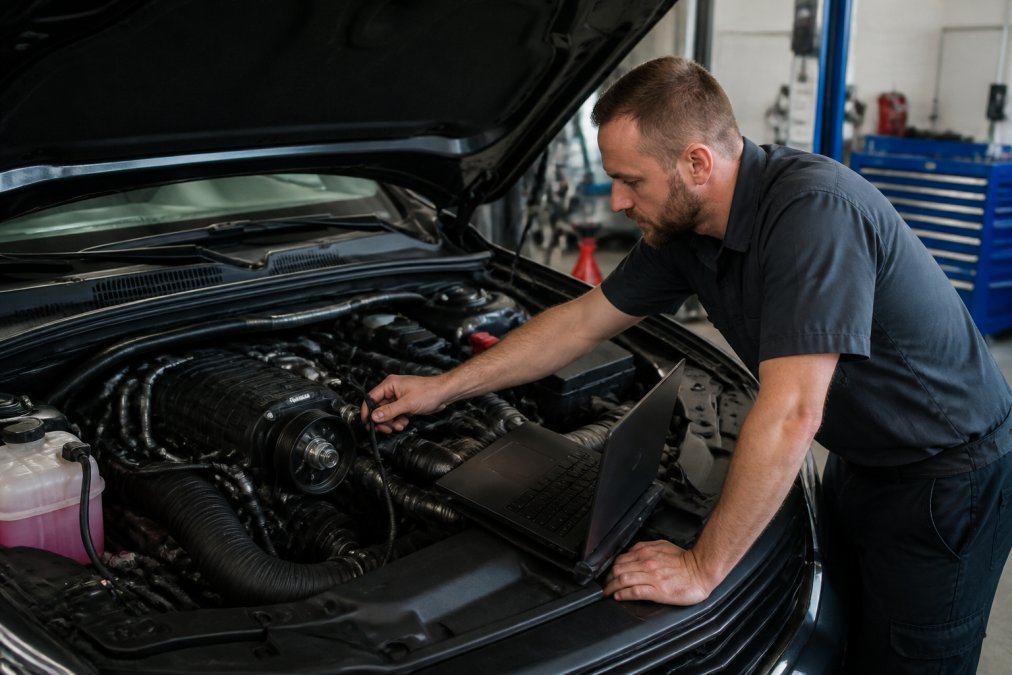
Next, they physically inspect the failed component and photograph damage. Then comes the critical step: determining whether the failure is related to your modifications. A turbocharger failure on a turbocharged engine is obviously related, but an alternator failure is not unless they prove the turbo somehow caused it.
The service manager prepares a warranty claim report that goes to the manufacturer's warranty department, not just the local dealership. The manufacturer makes the final decision. If the claim is denied, you receive a written explanation detailing why the failure is considered related to your modification. If the explanation is vague or doesn't establish clear causation, you have grounds to dispute it.
When a Dealer Denied Warranty Claim for Mods: What You Need to Know
Receiving a warranty claim denial is not the end of the road. Many denied claims can be successfully appealed if you understand the legal framework.
Burden of Proof: Who Must Prove What
The burden of proof falls on the dealership, not you. They must prove that your modification caused your specific failure. What counts as evidence? Technical data showing the modification created conditions that caused the failure, forensic analysis of the failed part, or engineering documentation proving the modification exceeded the part's design limits. A vague assertion that "you modified the engine, so this is related" doesn't meet the standard.
Many dealerships rely on owners not knowing this. If you push back with a written response citing Magnuson-Moss and requesting specific evidence of causation, many claims get approved on appeal.
Voiding vs. Denying: The Critical Difference
Voiding means the manufacturer declares your entire warranty null and void, which is extremely rare and requires proof you violated warranty terms. Denying means the manufacturer refuses to cover one specific claim while your warranty remains active for everything else.
If a dealer claims your warranty is voided, that's a much stronger claim than simply denying one claim. Ask for clarification in writing: Is your entire warranty terminated, or are they denying this specific claim? The answer determines your next steps.
How to Prove Aftermarket Parts Didn't Cause Damage
If your claim is denied, build a case showing your modification didn't cause the failure. Start with maintenance records documenting every service performed according to manufacturer specifications. Next, gather technical documentation about your modification showing it was installed correctly and operated within design parameters.
Consider getting a pre-failure diagnostic report. If you had the vehicle scanned before the failure, compare baseline readings to post-failure readings. If data shows the forced induction system operated normally right up until the unrelated failure, this supports your case.
For engine-related failures, a qualified mechanic can examine the failed component and determine whether the failure is consistent with forced induction stress or other causes. This expert opinion carries weight in disputes.
Document all correspondence with the dealership. Keep every email, phone call note, and written denial to create a paper trail.
Pro Tip
Before disputing a denial, get a second opinion from an independent mechanic. They can examine the failed part and provide technical analysis showing whether the failure is actually related to your modification. This expert opinion is powerful in disputes.
Forced Induction and Factory Warranty Coverage: What's Protected
Powertrain vs. Comprehensive Coverage
Most vehicle warranties split coverage into powertrain (engine, transmission, drivetrain) and comprehensive (electrical, suspension, climate control, interior). Forced induction directly affects the powertrain, but did it cause this specific failure? A transmission that fails due to a manufacturing defect is not related to your supercharger, even if the supercharger stresses the transmission.
Comprehensive coverage should remain fully protected. There's no logical causal link between a supercharger and your power windows failing. Dealerships sometimes deny these claims anyway, betting you won't fight back. You should.
CPO Warranty and Performance Modifications
Certified Pre-Owned vehicles come with manufacturer warranties governed by Magnuson-Moss. However, CPO warranties sometimes explicitly exclude coverage for performance modifications. This language is legal if clearly disclosed and specifically lists what's excluded. When buying a CPO vehicle, read the warranty terms carefully and get answers about modification exclusions in writing.
Step-by-Step Dispute Resolution if Your Claim Is Denied
Step 1: Request Written Explanation
Call the dealership and request a detailed written explanation of the denial. Specifically ask why they believe your forced induction system caused the specific failure.
Step 2: Gather Technical Evidence
Collect all documentation about your modification. Have an independent mechanic inspect the failed component and provide a written analysis of whether the failure is consistent with forced induction stress or other causes.
Step 3: Send a Formal Appeal Letter
Write a detailed letter to the dealership's warranty manager and the manufacturer. Reference the Magnuson-Moss Warranty Act. State that the manufacturer has not provided sufficient evidence of causation. Provide your technical evidence showing the failure is unrelated to your modification. Request claim approval.
Step 4: Escalate to Manufacturer
If the dealership denies your appeal, contact the manufacturer directly. Most manufacturers have consumer relations departments that handle warranty disputes.
Step 5: Consider Mediation or Legal Action
If the manufacturer still refuses, many manufacturers participate in third-party arbitration programs. You can also file a complaint with your state's attorney general or pursue small claims court.
Protecting Your Warranty: Documentation and Best Practices
The best strategy is preventing disputes in the first place through proper documentation and installation practices.
Maintain Detailed Service Records
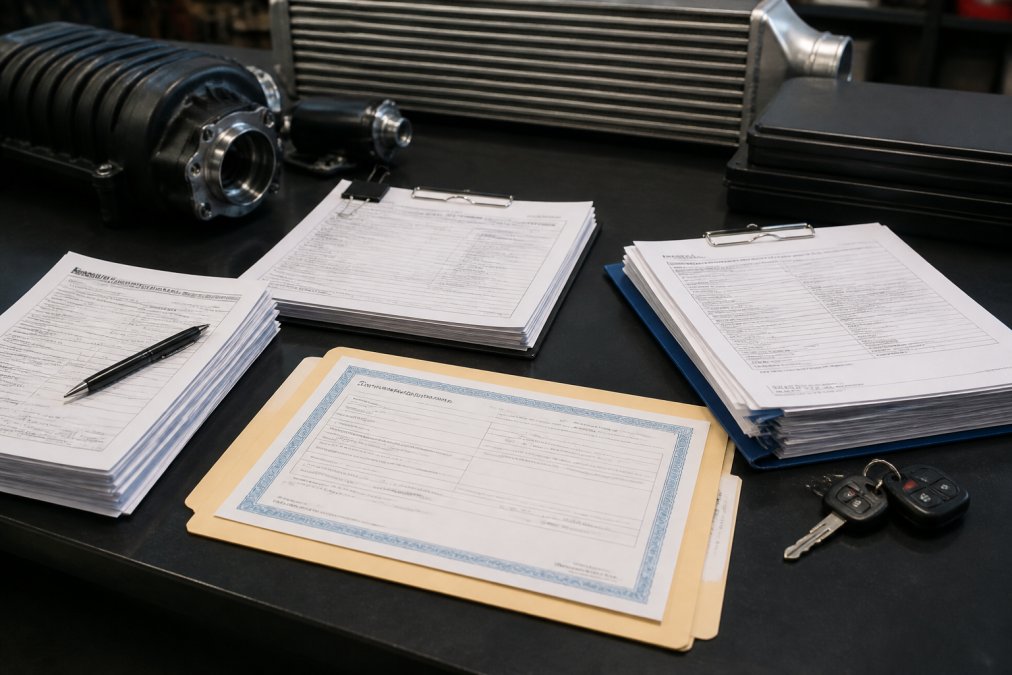
Keep every receipt and service record. Dealerships sometimes argue that modified vehicles are neglected. Comprehensive maintenance records prove otherwise.
Document the Installation
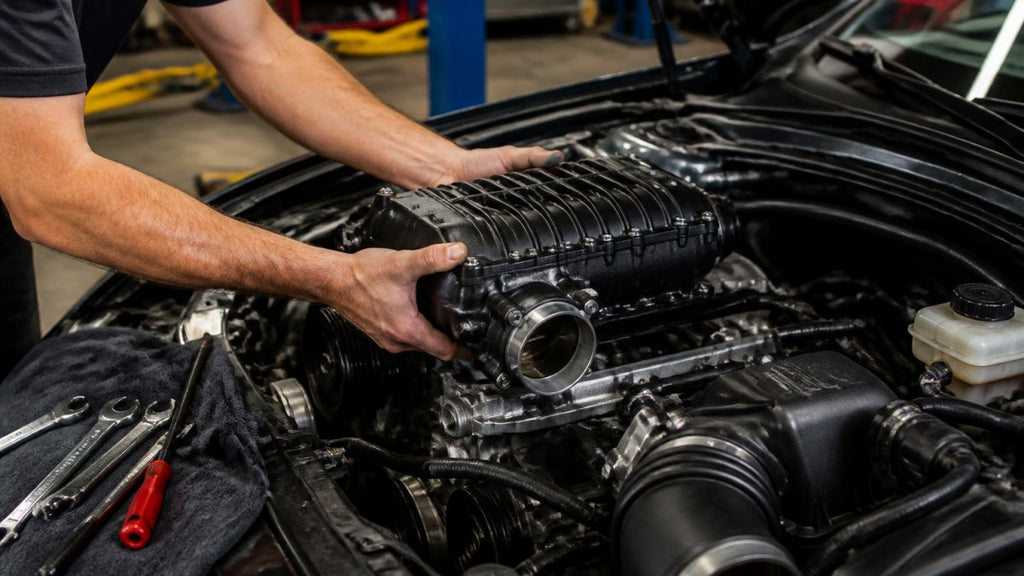
Get written documentation of your supercharger installation including the installer's name, installation date, specific kit, and confirmation it was installed according to manufacturer specifications. If you install it yourself, take photos and keep the instruction manual.
Retain Original Parts
Keep the original intake system and other replaced components. These demonstrate you didn't damage anything during the swap.
Understand Your Specific Warranty
Read your vehicle's warranty documentation carefully. Look for modification exclusions and ask the dealership in writing whether your specific modification is covered.
Choose Quality Installation
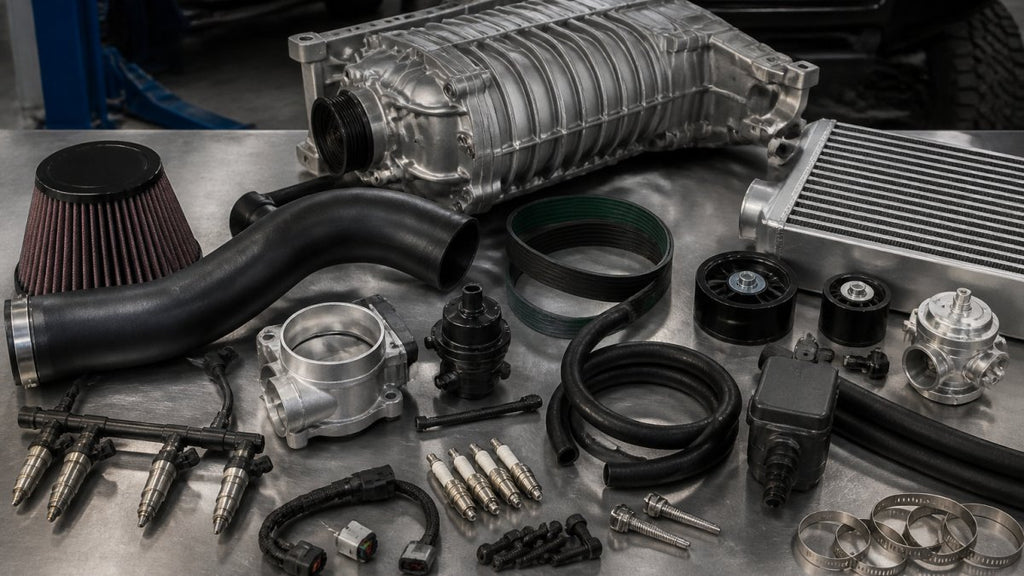
Poor installation increases failure risk and makes it harder to prove the modification isn't responsible. VT Superchargers offers bolt-on kits engineered for OEM-style fitment on vehicles including Ford, Jeep, Dodge, Mazda, Nissan, Suzuki, and Toyota. Kits designed for precise fitment and installed correctly are less likely to cause collateral failures.
Avoid Extreme Tuning
The more aggressive your modifications, the harder it becomes to prove failures are unrelated. A modest supercharger with conservative tuning is easier to defend than extreme ECU mapping and stacked modifications.
Keep Communication Records
Document all conversations with dealership service departments. After phone calls, send a follow-up email summarizing what was discussed.
Forced induction doesn't automatically void your warranty. The law is clear: manufacturers cannot deny coverage for failures unrelated to your modifications. You must understand the rules, document your case, and push back when necessary. Most denied claims succeed on appeal when owners cite Magnuson-Moss and provide technical evidence. Know your rights, maintain your vehicle properly, and keep meticulous records.
For owners considering forced induction modifications, VT Superchargers provides bolt-on supercharger kits engineered for precise OEM-style fitment on many vehicles. Our 24-month warranty backs the quality of our engineering, and our support helps customers understand warranty implications before installation. Register with VT Superchargers to explore financing options and connect with approved installers who understand both performance and warranty protection.
Frequently Asked Questions
Will a supercharger or turbocharger automatically void my vehicle warranty?
No. Under the Magnuson-Moss Warranty Act, a manufacturer cannot void your entire warranty simply because you installed forced induction. However, the manufacturer can deny coverage for specific failures they can prove are directly caused by the modification. The burden is on the dealer to establish a causal link between your forced induction system and the failed component. If you install a quality bolt-on kit with proper documentation, many factory warranties remain intact for unrelated systems.
What does the Magnuson-Moss Warranty Act actually protect?
The Magnuson-Moss Warranty Act is a federal law that prevents manufacturers from voiding your entire warranty based on aftermarket parts alone. They must prove that your specific modification directly caused the failure. This means a dealer cannot deny a transmission claim just because you have a supercharger; they must show the supercharger caused the transmission failure. The Act applies to all consumer products, including vehicles, and gives you legal standing if a dealer improperly denies a claim.
How can I prove that my aftermarket parts didn't cause engine damage?
Maintain detailed service records showing regular maintenance before and after installation, keep all receipts and documentation for your forced induction kit, have a professional diagnostic scan performed immediately after installation to establish a baseline, and request the dealer's diagnostic report if they deny your claim. If the failure occurs in an unrelated system (transmission, electrical, suspension), document that the modification has no mechanical connection to that component. Independent diagnostic shops can provide expert testimony that the modification did not cause the specific failure.
What's the difference between a dealer voiding my warranty and denying a specific claim?
Voiding means canceling your entire warranty coverage across all systems, which dealers cannot legally do under Magnuson-Moss. Denying a claim means refusing to cover a specific failure they believe is related to your modification. A denied claim is much more common and often challengeable if you can prove the modification didn't cause that particular failure. You retain warranty coverage for all other components and systems, and you can appeal a denied claim through the manufacturer's dispute resolution process.
This article was written using GrandRanker
Related post
09
Oct
RECENT POSTS