Toyota Tundra Power Adders That Actually Pull
Your Tundra did not feel slow when it was stock. Then came the 35s, the steel bumper, the bed rack, recovery gear, a loaded trailer, and maybe a rooftop tent. Now it hunts gears on grades, drops out of overdrive with a headwind, and needs way more throttle than it should to pass somebody on a two-lane road.
That is exactly why owners start looking at Toyota Tundra power adders. But the right answer is not always the loudest intake, the biggest horsepower number, or the cheapest tuner plugged into the OBD port. A Tundra that tows, hauls, commutes, and sees dirt roads needs usable torque and clean drivability. It needs to start every morning, pull hard when hot, and not turn into a science project every time you take a road trip.
We see this all the time. A customer does the sensible truck stuff first, then realizes the factory power is now working against all that added weight and rolling resistance. The goal is to make the truck feel like it should have from the factory, just meaner when you put your foot in it.
Toyota Tundra Power Adders Start With Your Generation
There is no one-size-fits-all Tundra recommendation. The engine, model year, tire size, intended use, and current modifications all matter.
The 2007-2021 5.7L Tundra is the truck most people picture when they talk about adding power. The 3UR-FE is a strong, dependable V8 with good factory manners, but it can feel soft in the midrange after 33-, 35-, or 37-inch tires go on. It will still get the job done. You just hear it working harder, especially with a boat, travel trailer, or loaded utility trailer behind it.
The older 4.7L trucks have their own loyal following, but they need an honest plan. There is less easy power available, and throwing random bolt-ons at one is rarely money well spent. If it is a clean truck you plan to keep, focus first on maintenance, gearing, and a power path that has real tuning support.
The 2022-and-newer Tundra is a different animal. The twin-turbo 3.4L i-FORCE already brings much stronger low-end torque than the old naturally aspirated V8. The i-FORCE MAX adds electric assist, too. Tuning can make a noticeable change, but these trucks have more electronic systems, more heat management to consider, and less room for guesswork. A tune that feels wild for one pull is not automatically the right setup for a truck that tows 7,000 pounds through summer heat.
Start With the Problem You Feel Behind the Wheel
One of the biggest complaints we hear is, “It drives fine empty, but it falls on its face towing.” That is a torque problem, not a dyno-sheet problem. The useful power is the stuff you feel from a rolling 35 mph pull, merging into traffic, climbing a grade, or getting a heavy trailer moving without burying the throttle.
If your complaint is lazy pedal response, a quality calibration may help. If your complaint is that the truck feels dead after 35s and extra armor, the conversation might need to include axle gears before you spend money chasing peak engine output. Gearing does not create horsepower, but it can put the engine back into a better operating range and make the truck feel dramatically more alive around town.
If you want more pull everywhere without changing the truck's basic personality, forced induction is usually the conversation worth having on a 5.7L. After installing hundreds of kits, the difference we care about is not just the top number. It is the way the truck rolls into the throttle, builds power cleanly, and keeps pulling when the road turns uphill.
What Each Power Adder Really Does
An intake can improve induction sound and, depending on the setup, reduce some restriction. On a stock 5.7L Tundra, do not expect it to cure towing gear hunting or make 35-inch tires disappear. It is a supporting modification, not a replacement for real torque. The same goes for a cat-back exhaust. It can make the V8 sound better, but a louder truck is not always a stronger truck.
Headers and a proper tune can deliver meaningful gains on the 5.7L, especially higher in the rpm range. The trade-off is cost, installation labor, heat, emissions legality, and tuning quality. Cheap headers with poor fitment or a tune that chases every last number can create more headaches than smiles. Most owners tell us they would rather have a truck that runs clean, has no annoying leaks, and drives right for 100,000 miles.
Naturally aspirated tuning can sharpen throttle response, revise transmission behavior where supported, and make better use of compatible bolt-ons. It can be a good fit for someone who wants a little more snap and does not need a huge jump in output. Be careful with exaggerated claims. A calibration cannot turn a stock V8 into a supercharged truck.
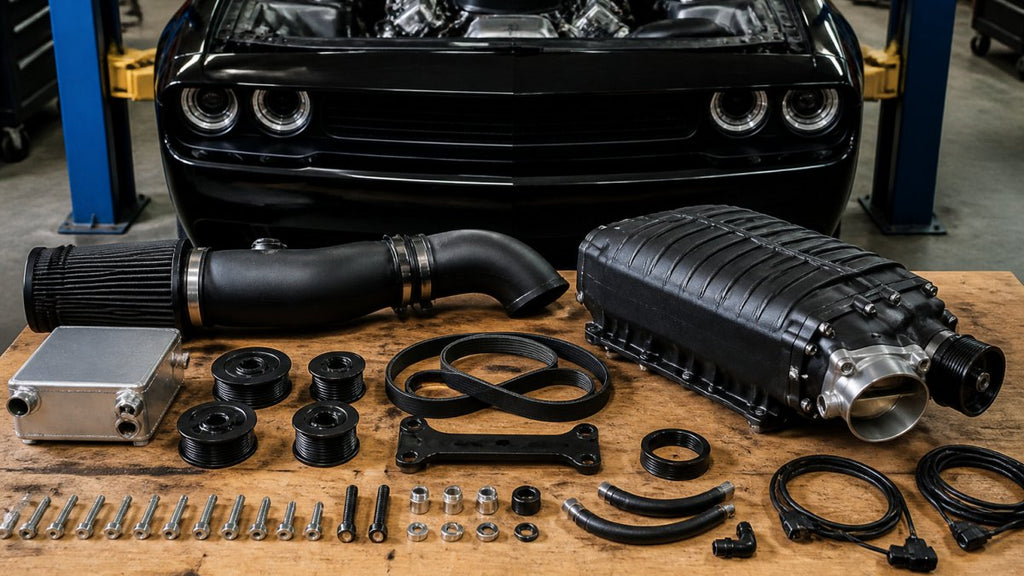
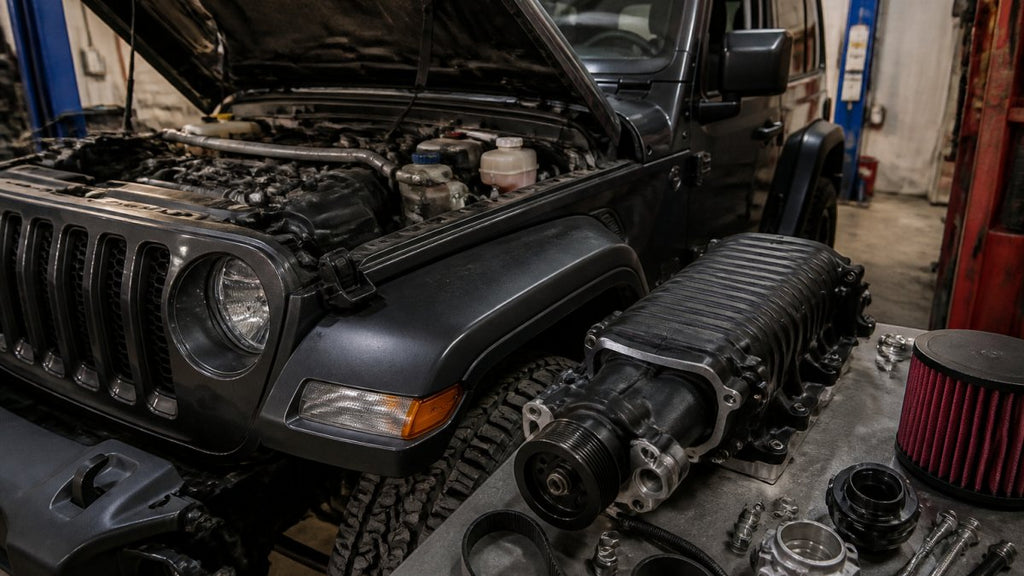
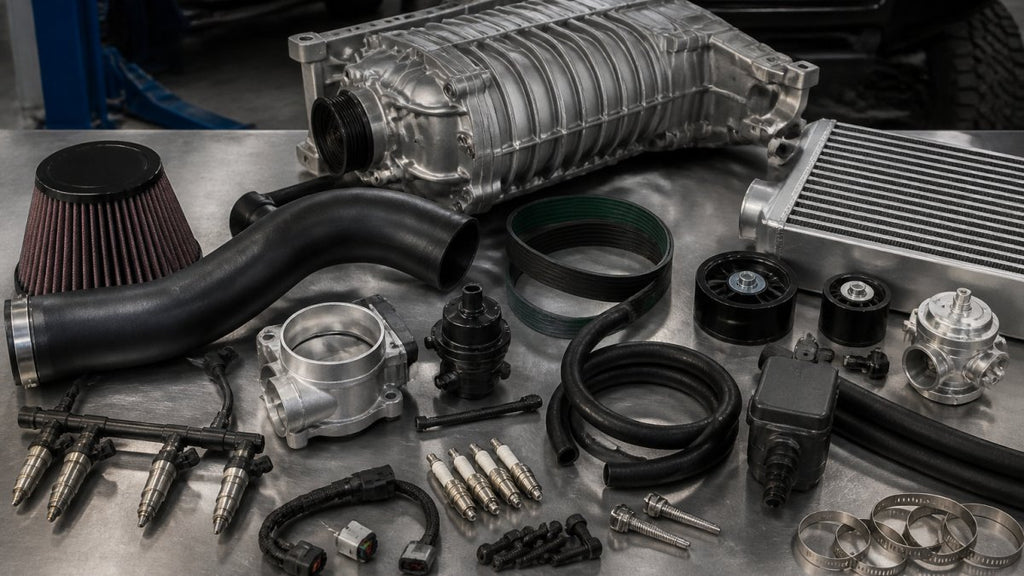
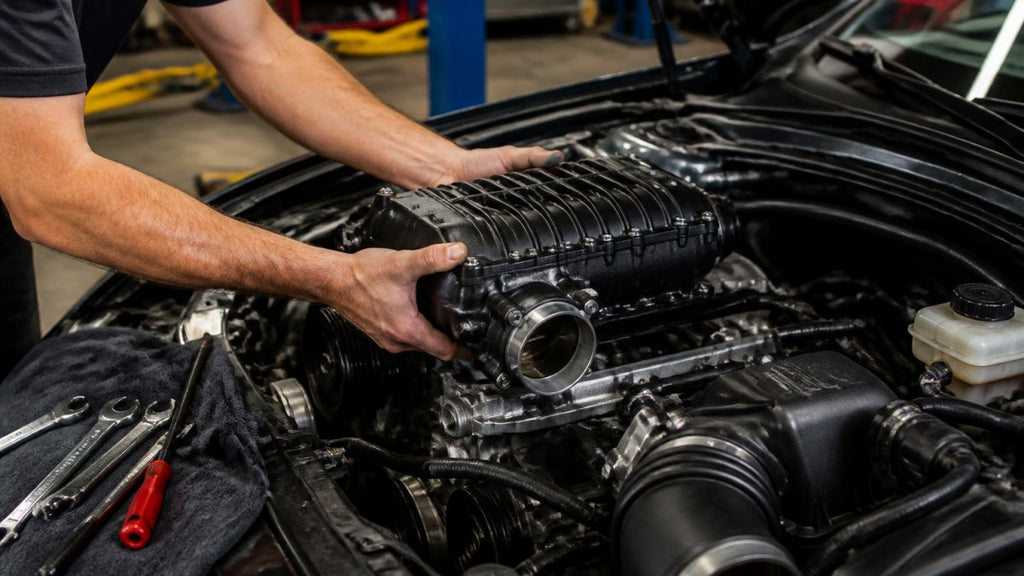
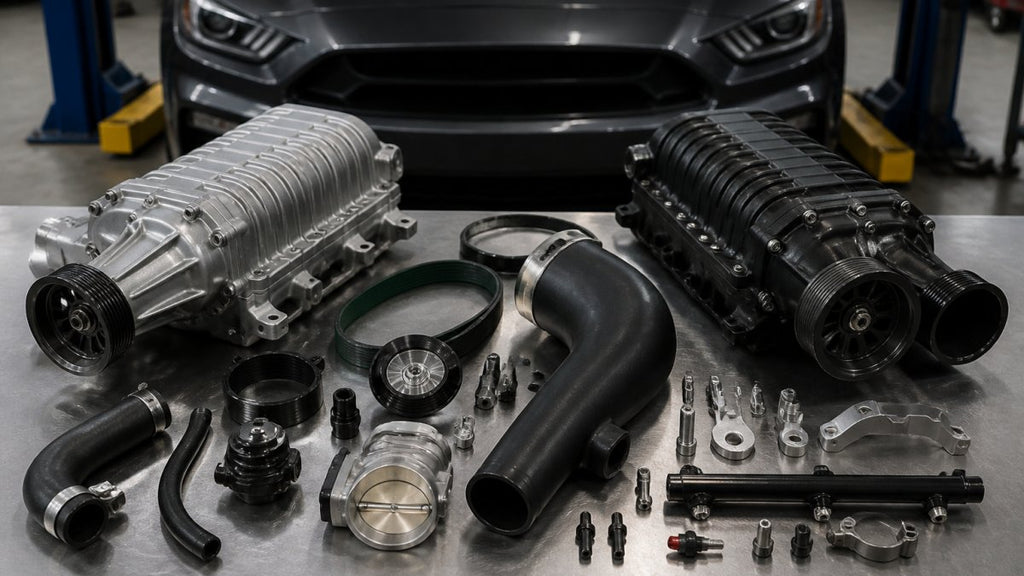
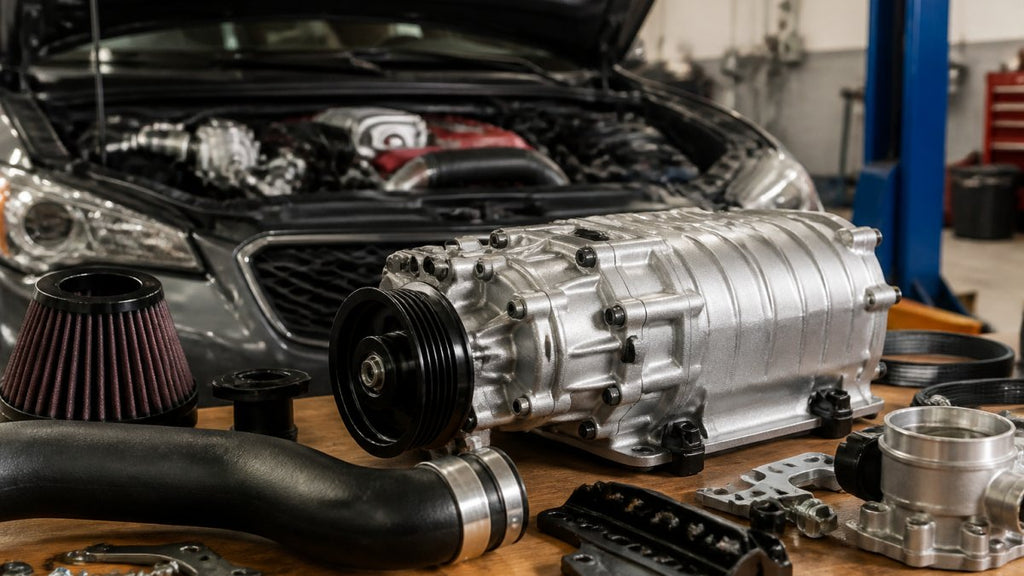
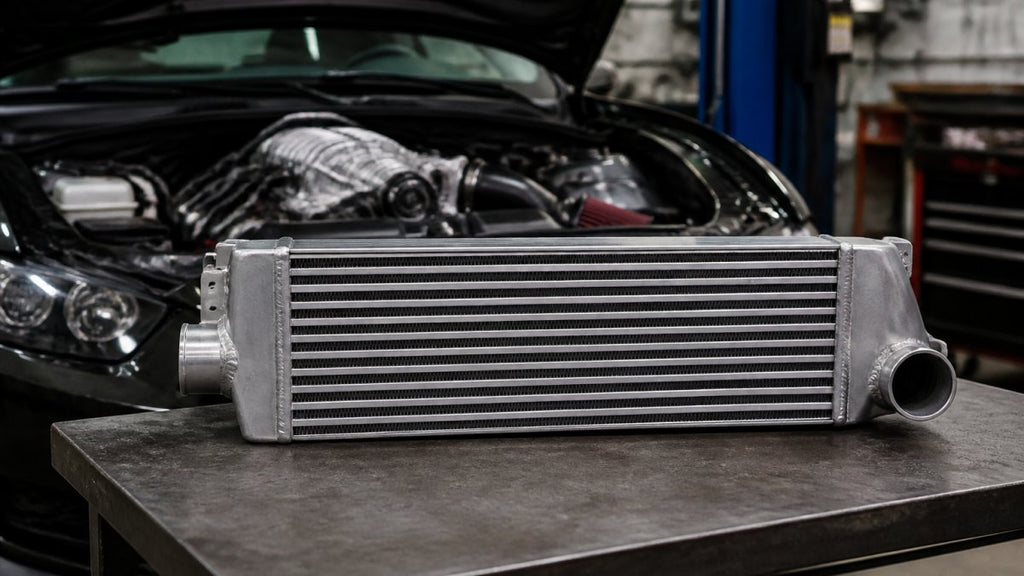
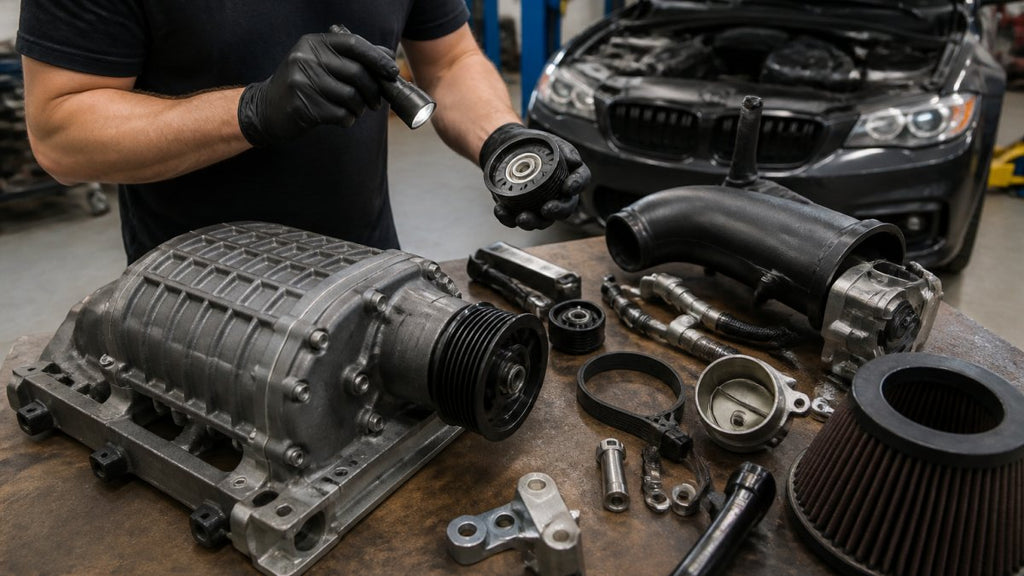
For 5.7L owners looking for the biggest usable gain, a properly engineered supercharger is in a different category. It adds air under load, where a Tundra owner actually asks for more. That means stronger midrange torque, more confident passing, and less of that flat feeling when the truck is loaded down. Done right, it should not feel like an on-off switch. It should feel OEM-like until you ask for more, then pull harder all the way through the gear.
Turbo Tundra owners should be even more selective with tuning. More boost and more aggressive torque targets can wake up a 2022+ truck, but heat, fuel quality, transmission behavior, and factory safeguards are part of the deal. We would take a conservative, vehicle-specific calibration with predictable towing manners over a max-effort file every day of the week.
Bigger Tires Change the Whole Conversation
A stock-geared Tundra on 35s has to work harder. That is physics, not bad luck. The heavier tire and wheel package takes more effort to turn, and the taller effective gearing dulls acceleration. Add beadlocks, sliders, a winch bumper, and camping gear, and the truck can gain hundreds of pounds before you even load the family in it.
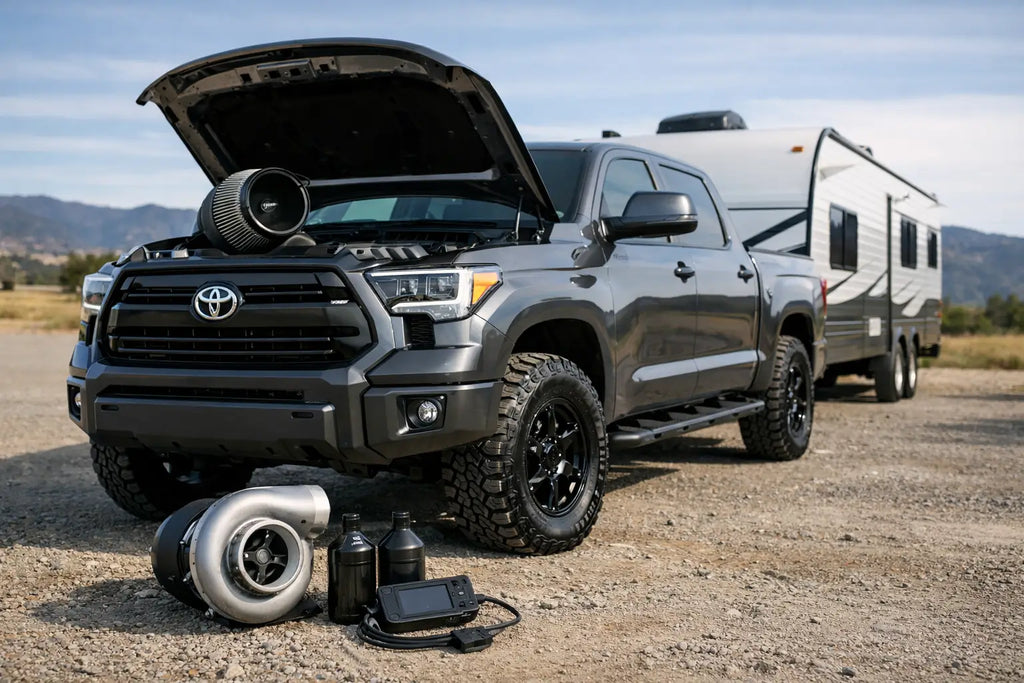
This is why the best setup is often a combination. Gear the truck appropriately for the tire size if the truck spends serious time on 35s or 37s. Then choose power that supports the way you use it. A supercharger on top of the right gearing can make a heavy 5.7L Tundra feel properly motivated again. A tune alone may improve the pedal feel, but it will not fully erase the mechanical disadvantage of oversized tires.
Do not overlook brakes, cooling system condition, fluids, and transmission service. More power exposes weak maintenance faster. Before adding boost to an older Tundra, make sure the basics are right: fresh plugs, healthy coils, no exhaust leaks, clean injectors, good belts and hoses, and a cooling system that holds temperature under load. That is not the exciting part, but it is what keeps a fun truck fun.
Clean Installation Beats a Big Claim
A power adder is only as good as the parts around it. We have seen trucks with impressive claimed horsepower that had poor belt alignment, hacked wiring, questionable fuel changes, and calibrations that made the transmission act confused. Nobody wants that truck on a family vacation with a camper hooked up.
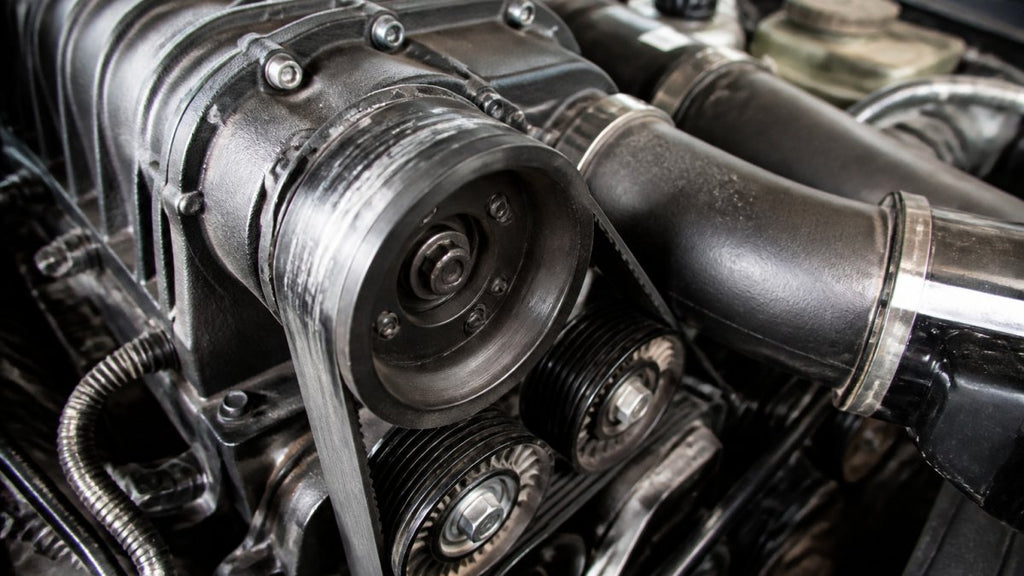
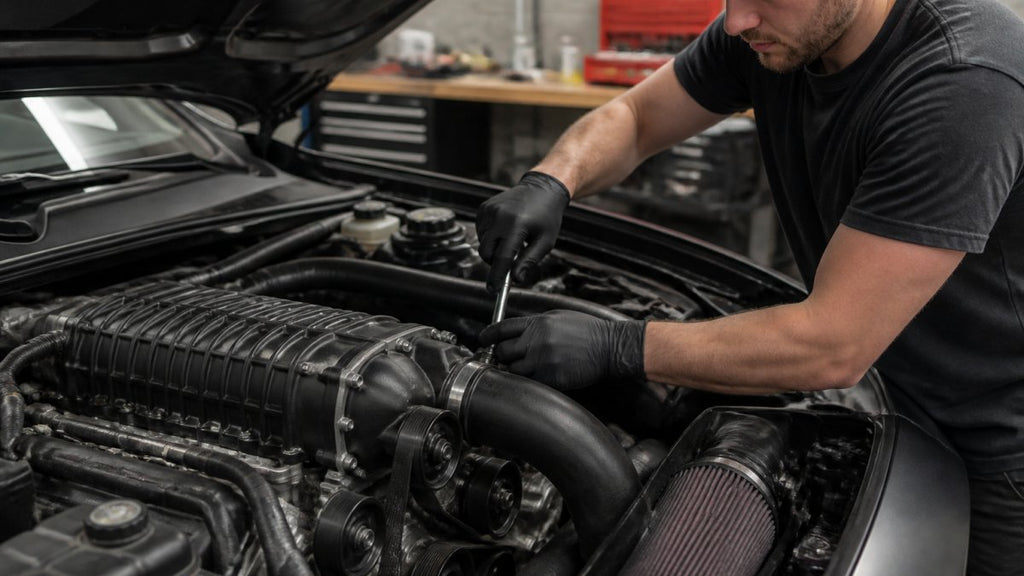
Look for vehicle-specific fitment, documented tuning, clear fuel requirements, and installation instructions that do not involve making permanent compromises just to get parts to fit. The cleanest kits respect factory routing, use quality brackets and hardware, and leave you with a truck that can still be serviced without a full afternoon of disassembly.
At VT Superchargers, that OEM-style fitment matters because most Tundra owners are not building trailer queens. They are building trucks that need to get to work Monday, tow Friday, and run forest roads Saturday.
Pick Power You Can Live With
There is nothing wrong with wanting your Tundra to hit harder. That is why you bought a truck with a V8 or a twin-turbo torque curve in the first place. Just match the upgrade to what happens after the install.
If you want better sound and a little personality, intake and exhaust parts may be enough. If you are correcting for big tires, start thinking gears and supporting maintenance. If your 5.7L needs real towing and passing muscle, forced induction is the move when it is engineered, tuned, and installed correctly. And if you own a newer turbo Tundra, keep the tune sensible enough that you still trust it with a trailer behind it.
Build the truck for the hill you actually climb, the trailer you actually tow, and the tires you actually run. When you hit the throttle halfway up that grade and it pulls instead of downshifting itself silly, you will know you chose the right path.
Related post
09
Oct
RECENT POSTS