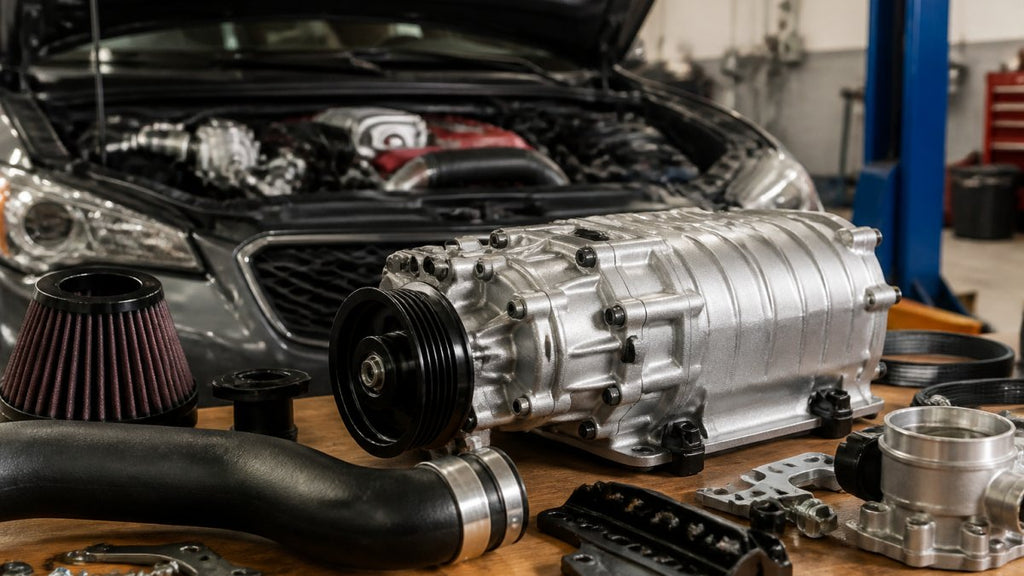
Tuning for Affordable Supercharger Kits: 2026 Guide
Table of Contents
- Why Tuning Makes or Breaks an Affordable Supercharger Build
- Choosing an Affordable Supercharger Kit With Tune Support
- What Supercharger Tuning Cost Really Looks Like
- Supercharger Tuning Software: What You Need to Flash a Tune
- Supercharger Supporting Modifications Before You Add Boost
- A Step-by-Step Tuning Workflow for a Budget Kit
- Safe Tuning Parameters, Diagnostics, and Pulley Choices
- Conclusion: Building Reliable Power on a Real Budget
- Frequently Asked Questions
Last Updated: October 8, 2026
Why Tuning Makes or Breaks an Affordable Supercharger Build
Tuning for affordable supercharger kits is the calibration work that tells your engine how to manage the extra air the blower pushes in, and it decides whether a budget build makes reliable power or turns into an expensive repair bill. At VT Superchargers, we see the same pattern repeatedly: buyers spend carefully on hardware, then treat the tune as an afterthought. That order is backwards. A supercharger kit without a matching calibration runs lean, knocks, and pulls timing, which erodes the exact power gain you paid for. The hardware supplies airflow; the tune decides what the engine does with it.

Choosing an Affordable Supercharger Kit With Tune Support
The best affordable supercharger kit is one that ships with a defined calibration path, not just brackets and a blower. Compatibility and tune support matter more than the advertised peak number, because a kit nobody can calibrate for your engine is a paperweight.
Tuner Kits vs Complete Systems: What You Actually Get
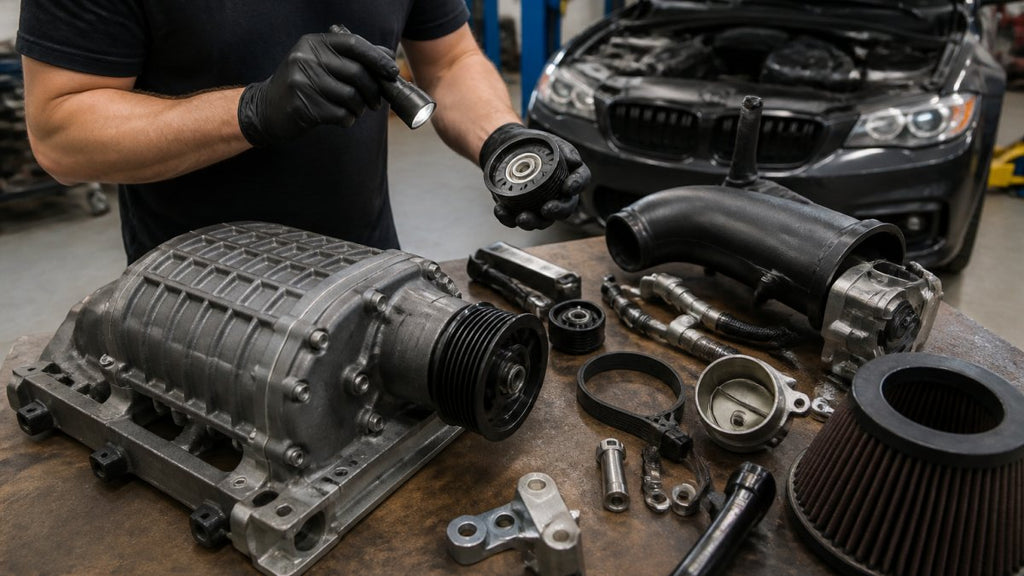
A tuner kit includes the supercharger, mounting hardware, and belt drive, but leaves fuel system and calibration to you. A complete system bundles injectors, fuel pump upgrades, and a pre-loaded tune. Tuner kits cost less up front and suit owners who already run supporting modifications. Complete systems cost more but remove guesswork.

| Kit Type | What's Included | Best For | Main Trade-off |
|---|---|---|---|
| Tuner kit | Blower, brackets, belt drive | Owners with existing fuel and tuning support | You source calibration and fuel parts |
| Complete system | Blower plus fuel system and tune | Stock vehicles, first-time installers | Higher up-front cost |
Vehicle Fitment and Engine Health Screening
Fitment is not just "does the bracket bolt up." Check these before ordering:
- Compression and leak-down test within spec
- No active check-engine codes
- Cooling system holds pressure
- Fuel pump condition verified
- Confirmed engine code matches the kit listing
A forced induction system multiplies whatever condition your engine is already in. A tired motor with worn rings will not tolerate boost pressure, no matter how good the calibration is.
What Supercharger Tuning Cost Really Looks Like
Supercharger tuning cost has three parts: the calibration itself, the hardware needed to run it, and labor if you hand the work to a shop. Owners who budget only for the tune usually get surprised by the second and third parts.
- Calibration: off-the-shelf tunes cost far less than custom dyno sessions
- Software and cable: required to flash the ECU at all
- Labor: professional installation and dyno time add the largest variable
- Supporting parts: injectors, pump, and intercooler if not included
Watch Out
Skipping the supporting fuel upgrades to save money is the most common budget mistake. A lean condition under boost can damage pistons in minutes, turning a small savings into an engine rebuild.
::: Ensuring consistent fuel delivery remains just as critical for electric motors as it is for forced induction, a principle explored further in this performance upgrade guide.
Supercharger Tuning Software: What You Need to Flash a Tune
Supercharger tuning software is the interface between your laptop and the engine control unit, and without it you cannot load a calibration at all. Most budget builds use a handheld device or a laptop-based platform paired with a specific cable.
For example, our Mazda 2.0L / 2.5L Supercharger Tuner Kit at $750.00 includes a Tactrix cable, single-use MazdaEdit Lite tuning software, an off-the-shelf supercharger tuning service, tune revisions, and installation support.
What most guides miss is that the cable and software license are often the hidden line item. Confirm what your kit includes before you assume the tune is free.
Supercharger Supporting Modifications Before You Add Boost
Supporting modifications are the parts that keep the engine safe once airflow increases. Forced induction raises cylinder pressure and temperature, so fuel delivery and charge cooling must keep pace.
- Fuel injectors: sized for the new airflow, not the stock ceiling
- Fuel pump: must hold pressure at wide-open throttle
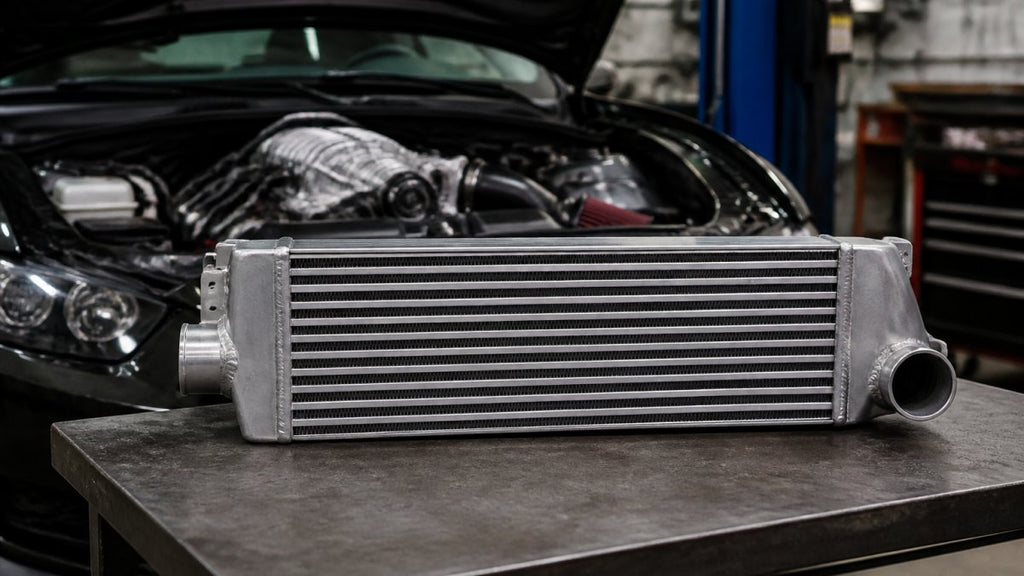
- Intercooler: lowers charge-air temperature and reduces knock risk
- Headers and exhaust: help exhaust gas escape efficiently
- Air conditioning and factory accessories: verify belt routing clears them
Ask for the injector duty cycle target your tuner expects before buying parts. Buying oversized injectors "for later" often makes idle quality worse on a modest build.
A Step-by-Step Tuning Workflow for a Budget Kit
Most ranking pages tell you which kit to buy. Almost none tell you how to actually tune it. This workflow is the gap: a repeatable process with concrete checkpoints, stop conditions, and log review at each stage. Follow it in order. Skipping steps is how budget builds fail.
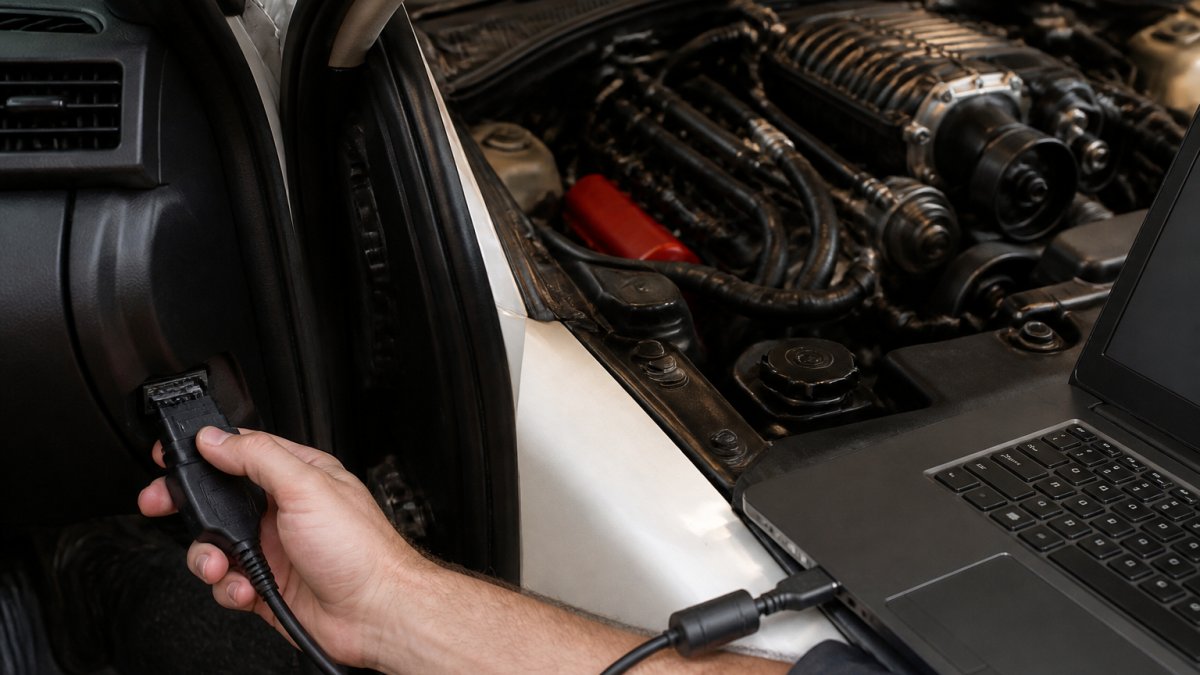
Phase 1: Baseline Before You Touch Anything
- Scan for stored and pending codes. Clear nothing yet, you want the history.
- Log the stock tune at idle, cruise, and one wide-open-throttle pull. Save these files. They are your reference for fuel trims, knock counts, and intake air temperature.
- Record ambient conditions. Note air temperature, elevation, and fuel octane. A tune validated at 60°F on 93 octane is not validated at 100°F on 91.
- Confirm mechanical health. Compression within spec, no oil consumption, cooling system holding pressure. Boost multiplies existing problems.
Phase 2: Install and First Start
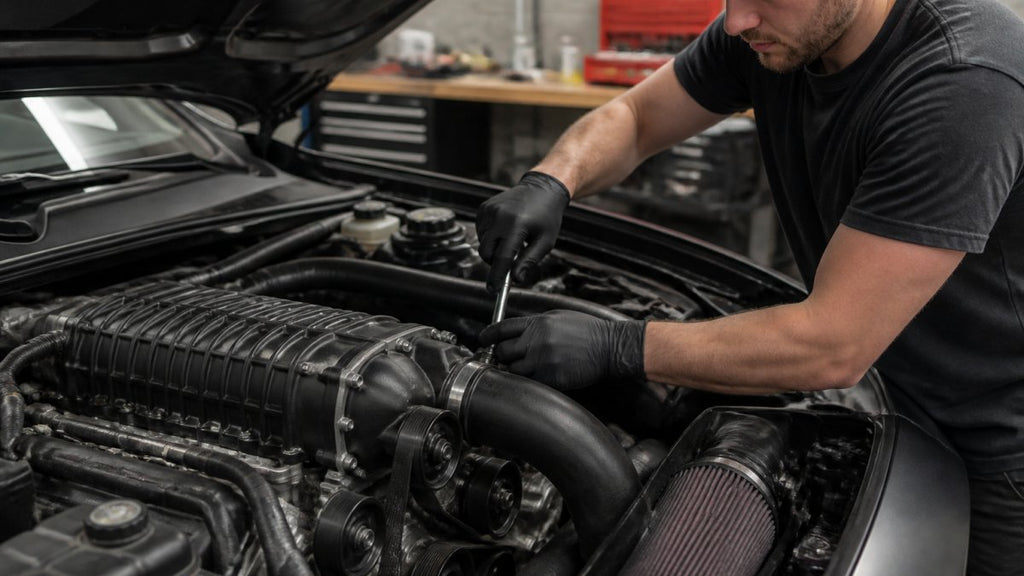
- Complete the hardware install. Verify belt alignment, pulley torque, and that no vacuum or charge pipes leak. A boost leak will read as a lean condition and send you chasing a fuel problem that does not exist.
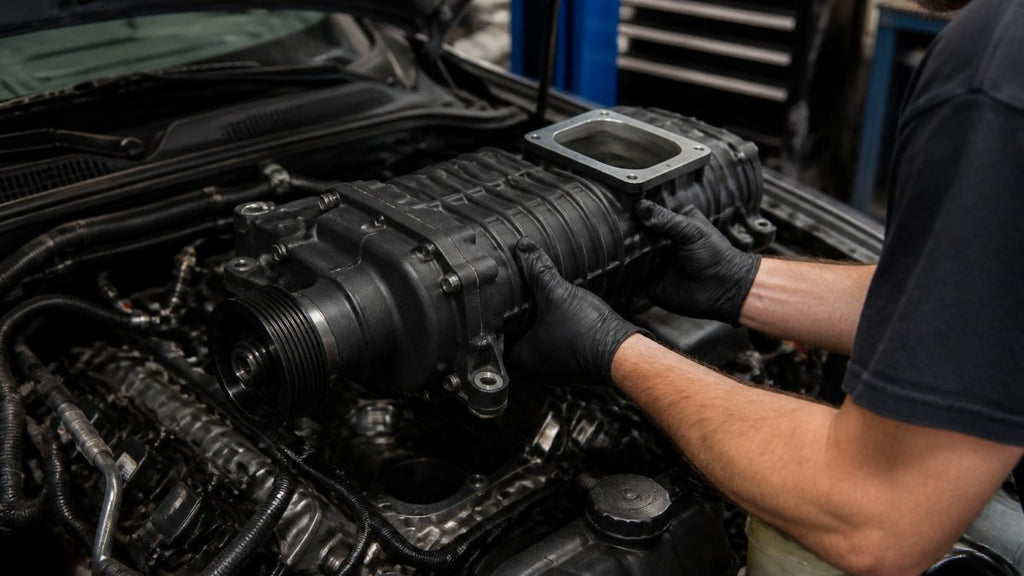
- Load the base calibration. Flash the provided tune with your cable and software. Do not modify it yet.
- Idle log, 5-10 minutes. Watch for stable idle, fuel trims within roughly ±10%, and no misfire counters climbing. If idle is unstable, stop and diagnose before driving.
Phase 3: Load in Steps, Not Leaps
- Light-throttle drive, 15-20 minutes. Stay under about 30% throttle. Confirm closed-loop fuel control and no knock.
- Part-throttle pulls to about half throttle. Log air-fuel ratio, knock retard, and intake air temperature. Send logs to your tuner for a revision before adding more load.
- Third-gear wide-open-throttle pulls. One pull, then review. Look for air-fuel ratio holding rich under boost, zero knock retard, and intake temps that stabilize rather than climb.
- Repeat with revisions. Each revision should be validated with a fresh log before the next change.
Phase 4: Validate and Document
- Confirm repeatability. Three clean pulls on the same fuel and similar ambient conditions.
- Save the final tune file and the full log set. Note the date, fuel, and conditions. If you ever sell the vehicle or add a pulley, you have a baseline to compare against.
Pro Tip
Log every session with the same parameters so revisions are comparable. A tuner who receives consistent logs can usually turn a revision around in one pass instead of three.
Expected result: stable fuel trims, no knock events under full throttle, and intake temperatures that hold steady across repeated pulls. If any of those three fail, you are not done, regardless of what the dyno number says.
Safe Tuning Parameters, Diagnostics, and Pulley Choices
Safe tuning keeps boost pressure, air-fuel ratio, and ignition timing inside limits the engine can tolerate on your available octane. Pulley size is the main lever: a smaller pulley spins the blower faster and raises boost. That sounds like free power, but every step up in boost tightens the margin on fuel delivery, charge cooling, and knock resistance at the same time.
Our 61 mm Pulley for VT Mazda Supercharger Kits and 63 mm Pulley for VT Mazda Supercharger Kits, both $200.00, let you adjust boost pressure for your fuel and power target. Confirm the pulley is correct for your kit before ordering.

What to Log and What to Watch
| Parameter | What Good Looks Like | When to Stop the Pull |
|---|---|---|
| Knock retard | Zero across the pull | Any knock retard event, lift immediately |
| Air-fuel ratio under boost | Rich and stable, not drifting lean | Ratio leaning out as RPM climbs |
| Intake air temperature | Stabilizes after the initial rise | Temps climbing pull after pull |
| Fuel trims | Small corrections, consistent | Large positive trims under load |
| Fuel pressure | Holds at wide-open throttle | Pressure dropping as boost builds |
| Boost pressure | Matches the pulley target | Overboost beyond the tune's target |
Stop Conditions You Should Not Negotiate
- Any knock event. Reduce timing or drop to a larger pulley. Do not "tune around" knock with more fuel alone.
- Air-fuel ratio leaning out under load. This is a fuel system limit, not a tuning preference. Stop and diagnose pump, injectors, or lines.
- Fuel pressure falling at wide-open throttle. The pump cannot keep up. Upgrade before the next pull.
- Intake temperatures climbing on back-to-back pulls. The intercooler is at its limit for that pulley. Step up in pulley size or improve charge cooling.
How Pulley Choice Interacts With Fuel and Octane
A smaller pulley raises boost, which raises cylinder pressure and temperature. That demands more fuel and more octane to stay safe. A common pattern is to install a smaller pulley on 91 octane and then wonder why the tune pulls timing, the fuel cannot support the boost. The practical sequence is: pick the pulley for your octane and intercooler first, then tune to it. If you want more boost later, upgrade fuel and cooling before you swap the pulley.
Key Takeaway
The smallest pulley is not the goal. The goal is the most boost your fuel, intercooler, and engine health can support without knock, and the log tells you where that line is.
Watch Out
If you cannot explain why a log looks the way it does, stop and get a professional calibration. Guessing at timing and fuel under boost is how budget builds become engine rebuilds.
Conclusion: Building Reliable Power on a Real Budget
Budget supercharger builds fail for predictable reasons: unmatched fuel delivery, an untested calibration, and boost pressure the engine cannot safely use. Get the sequence right and the same money buys reliable power instead of a repair bill.
At VT Superchargers, we build bolt-on kits with OEM-style fitment for makes including Dodge, Ford, Jeep, Mazda, Nissan, Suzuki, and Toyota, backed by a 24-month warranty and financing options. Each kit is engineered for real performance and precise fitment, and our Mazda tuner kit bundles the cable, software, and tuning service so you are not hunting parts separately.
Frequently Asked Questions
How much does supercharger tuning cost on top of the kit itself?
It depends on whether you buy a kit that bundles tuning or pay separately. VT Superchargers' Mazda tuner kit is $750 and includes a Tactrix cable, MazdaEdit Lite software, an off-the-shelf Sauce Tuning supercharger calibration, tune revisions, and installation support. If you source tuning separately, budget for the software license, a custom calibration, and possibly dyno time. Pulley upgrades like the 61 mm or 63 mm options run $200 each and can change boost enough to require a revised tune.
Can you tune a supercharger kit yourself, or do you need a shop?
You can handle the flashing yourself if the kit includes tuning software and a cable, which is how VT Superchargers' tuner kits are set up. The workflow is: install the kit, load the base calibration, log data, send logs for revision, and reflash. What you should not do is guess at fuel, timing, or boost targets without data. If you are not comfortable reading logs for knock, air-fuel ratio, and charge-air temperature, pay a tuner to review them.
What supporting modifications are needed before tuning a supercharger?
At minimum, confirm your fuel system can keep up: fuel pump, injectors, and fuel pressure under boost. Add an intercooler or intercooled system if you plan to run more than low boost, because charge-air temperature climbs fast and heat soak pulls timing. Colder spark plugs, a freer exhaust or headers, and a healthy cooling system all help. On trucks and Jeeps with larger tires, a transmission tune or regear often matters as much as engine tuning for drivability.
Can a supercharger damage an engine if it is not tuned correctly?
Yes. Too much boost, lean air-fuel ratios, or excessive ignition timing can cause knock and detonation, which damages pistons and bearings. That is why a proper calibration and diagnostic checks matter more than chasing peak psi. Log knock, air-fuel ratio, charge-air temperature, and fuel pressure after install, and back off boost or timing if anything looks off. A compression and leak-down test before you install tells you whether the engine is healthy enough to add forced induction.
Related post
RECENT POSTS