Supercharger Kit Maintenance Schedule: 2026 Guide
Table of Contents
- Why Supercharger Kit Maintenance Matters for Boost and Reliability
- Supercharger Oil Change Interval: How Often and How to Do It Safely
- Supercharger Belt Inspection: Spotting Wear, Tension, and Alignment Issues
- Air Filter and Cooling System Service for Supercharger Kits
- Supercharger Maintenance Checklist by Mileage and Time
- Supercharger Noise and Performance Troubleshooting: Symptoms of Overdue Service
- Conclusion: Building a Routine That Protects Your Investment
- Frequently Asked Questions
Last Updated: October 6, 2026
Why Supercharger Kit Maintenance Matters for Boost and Reliability
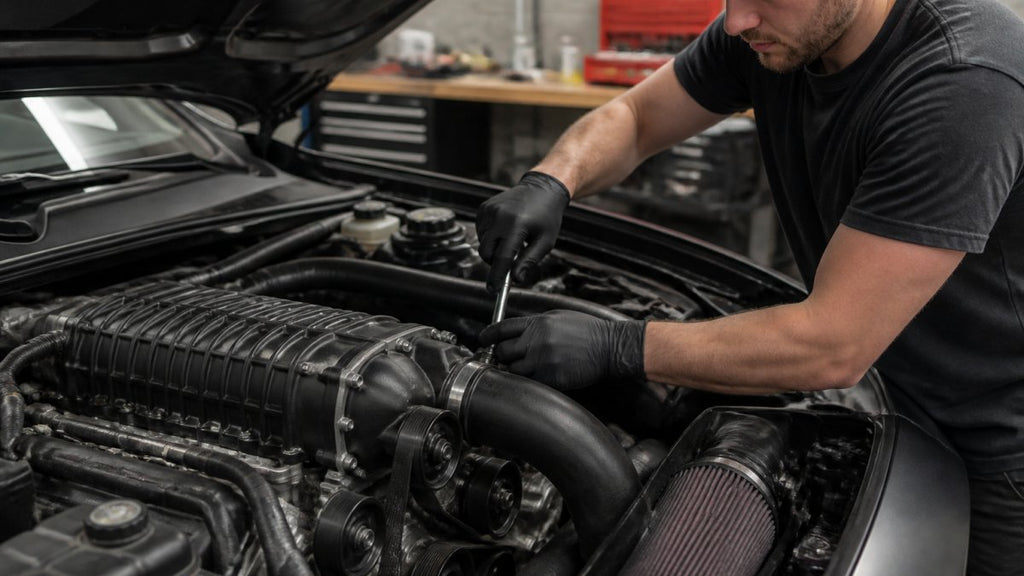
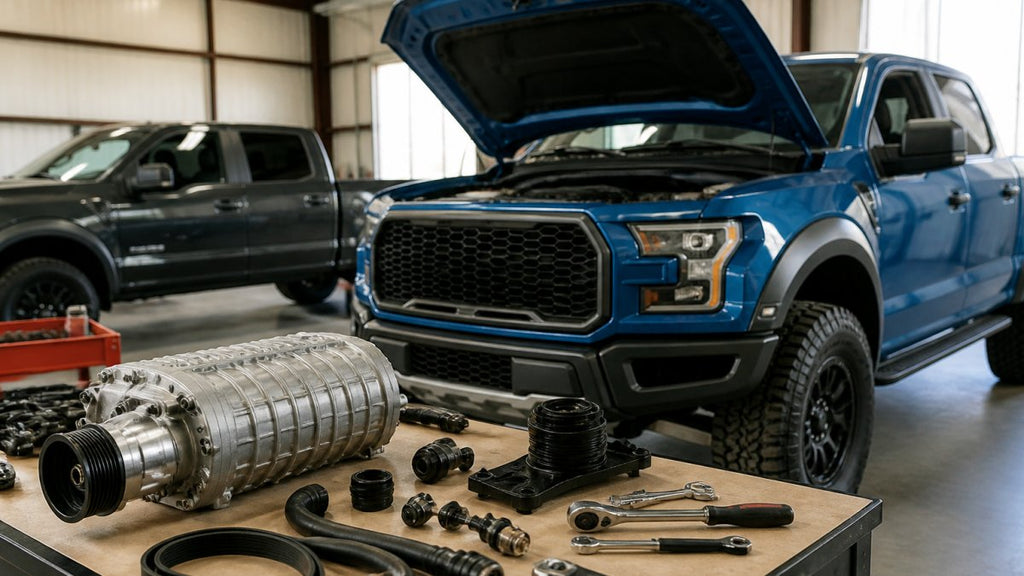
A supercharger kit maintenance schedule is the set of oil, belt, filter, and cooling checks that keep a forced-induction engine making power without tearing itself apart. At VT Superchargers, we build bolt-on kits for Dodge, Ford, Jeep, Mazda, Nissan, Suzuki, and Toyota, and a common reason a blower fails early is skipped service. Boost pressure, heat, and RPM put constant stress on the gear case, drive belt, and intercooler. Ignore them and you lose power first, then parts.
Most guides treat maintenance as a vague checklist. Below, we break the schedule down by mileage, by kit type, and by the symptoms that tell you service is overdue. The 5 service areas we cover are common failure points.
Key Takeaway
Oil and belts cause most supercharger failures. Get those two right and you avoid the majority of expensive repairs.
Supercharger Oil Change Interval: How Often and How to Do It Safely
The supercharger oil change interval depends on the unit type. Roots-type and twin-screw blowers with a self-contained gear case typically need fresh oil every 30,000 to 50,000 miles under normal use. Centrifugal kits that share engine oil follow your normal oil schedule instead.
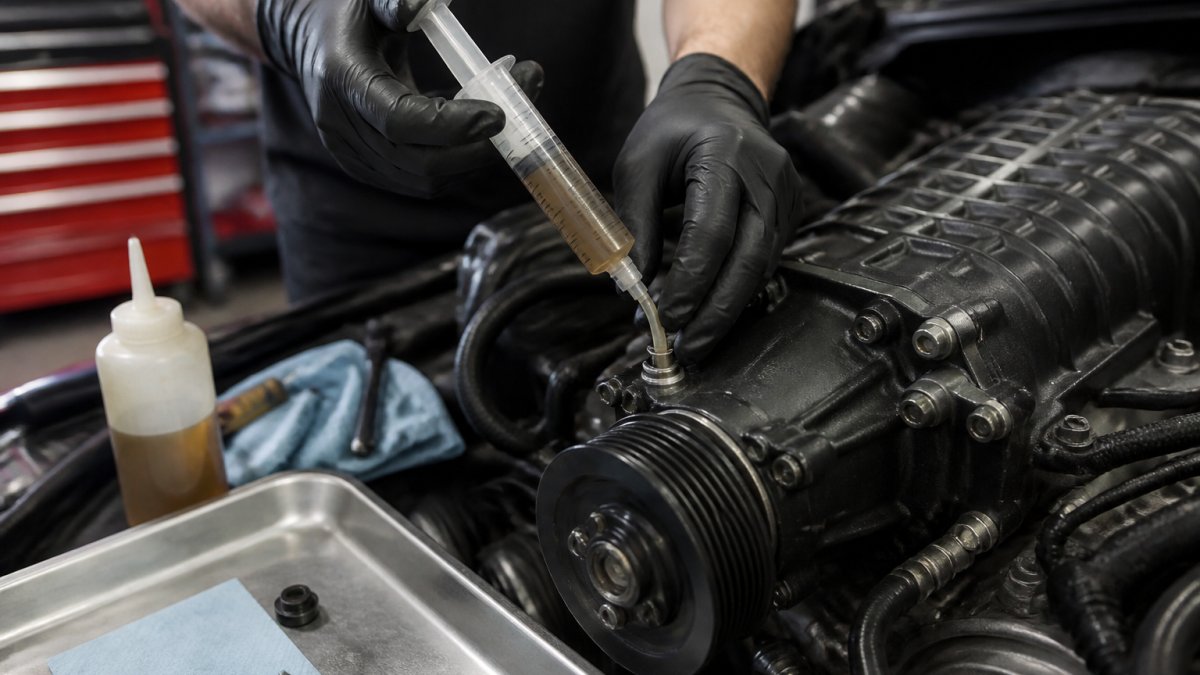
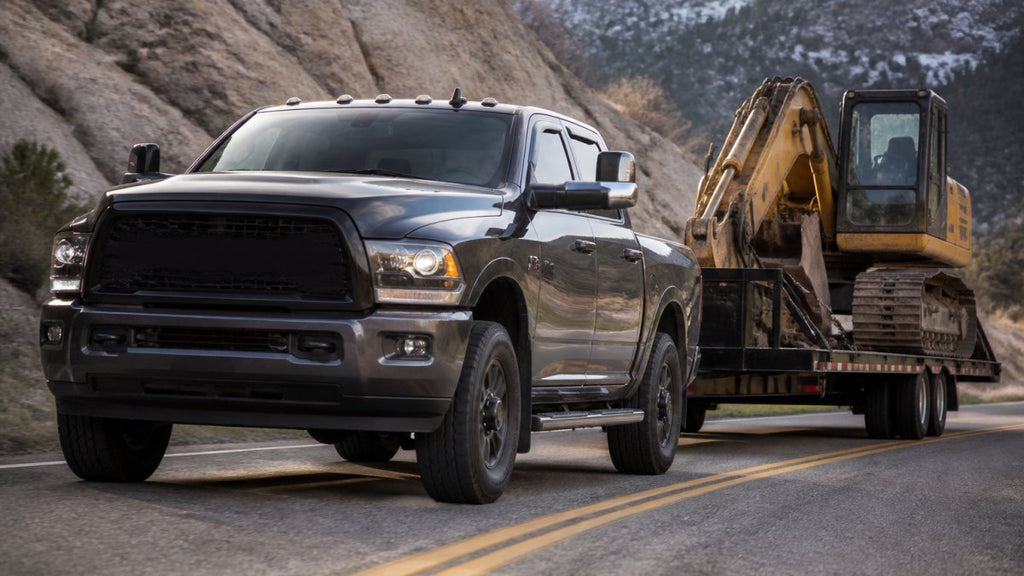
Severe-duty use changes everything. Dust, towing, and constant boost cut that interval roughly in half. A common mistake is treating a street-driven truck and a desert-run Jeep the same way. They are not.
Checking Oil Level and Condition
Check the oil level at every engine oil change. Pull the fill plug on the gear case and look for a small amount of oil at the threads. Healthy supercharger oil is clear to amber. Dark, gritty, or milky oil means trouble.
- Milky oil: water or condensation inside the case
- Gritty oil: bearing or gear wear
- Low level with no visible leak: check the case seals
- Burnt smell: oil has overheated from sustained boost
Step-by-Step Oil Change Procedure
- Park on level ground and let the engine cool fully.
- Remove the fill plug from the gear case.
- Extract old oil with a syringe or suction tool.
- Measure the volume you removed so you refill the same amount.
- Add the manufacturer-specified supercharger oil only.
- Reinstall the plug and check for leaks after a short drive.
We only recommend the oil weight and type your kit maker specifies. Wrong oil destroys bearings fast.
Watch Out
Never overfill a gear case. Too much oil foams, builds pressure, and can blow seals. Refill only to the level the manufacturer states.
Supercharger Belt Inspection: Spotting Wear, Tension, and Alignment Issues
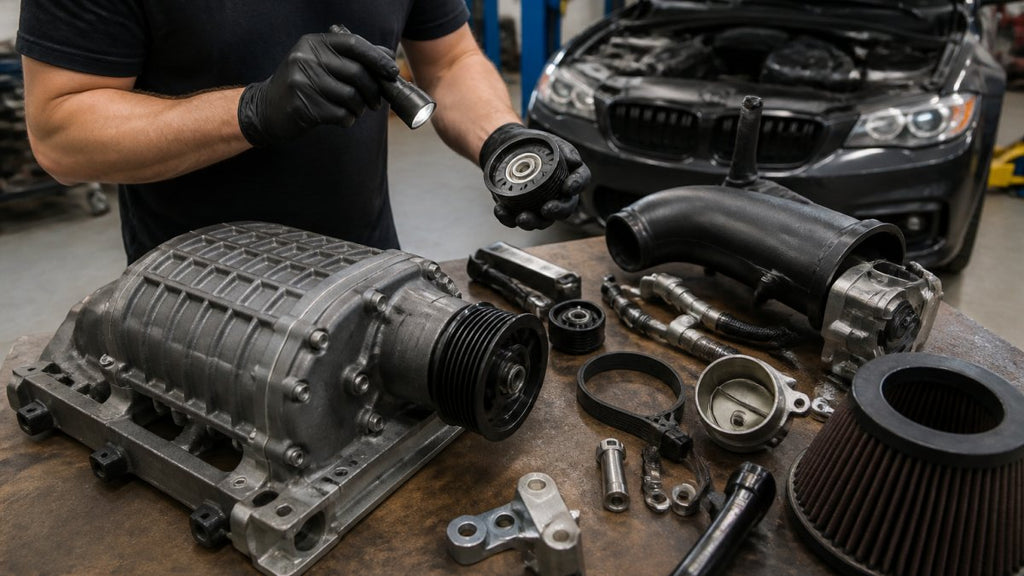
Supercharger belt inspection is the fastest way to catch a problem before it strands you. The drive belt spins the blower, so any wear, slack, or misalignment robs boost and can snap at speed. Check the belt every 10,000 to 15,000 miles, and sooner if you run a smaller pulley.
Look for these signs:
- Glazing or shiny spots on the belt ribs
- Cracks, fraying, or missing chunks
- Belt dust around the pulley
- A squeal on cold start or under boost
Tension and alignment matter as much as condition. A belt that sits off-center wears one edge fast. Loose tension lets the belt slip and costs you boost. The NHTSA vehicle safety and recall resources are a good reminder that belt and pulley failures can affect how a vehicle drives, not just how it performs.
When to Replace the Drive Belt
Replace the belt at the first sign of cracking, glazing, or fraying. There is no safe "run it a little longer" here. A belt is cheap next to the damage a snapped one can cause.
- Normal use: inspect yearly, replace on condition
- Smaller pulley or high boost: replace more often
- Any belt dust or squeal: replace now, then check alignment
Belt tension and alignment should be set to the kit maker's spec. Guessing here causes repeat failures.
Air Filter and Cooling System Service for Supercharger Kits
Air filter and cooling system service protects the air and heat side of your kit. A clogged filter chokes the blower and kills power. A weak cooling system lets intake temps climb, which pulls timing and robs boost. Both are simple to check and easy to neglect.
Filter inspection should happen every 10,000 to 15,000 miles. In dusty conditions, check it far more often. A dirty filter shows up as lost power and sluggish response. Clean or replace it, and never run a damaged filter element.
Filter Service by Type
Not every kit uses the same filter. Match your service to the design:
- Oiled cotton-gauze (reusable): Clean with the maker's recharge kit, re-oil lightly, and let it dry fully before reinstalling. Over-oiling coats the mass airflow sensor and causes rich codes.
- Dry paper or synthetic: Replace, do not clean. Tapping out dust is a temporary fix at best.
- Pre-filter wraps: Common on off-road builds. Rinse and reinstall to extend the main element's life.
A collapsed or oil-soaked filter can be sucked into the inlet under boost. Inspect the element for deformation, not just dirt.
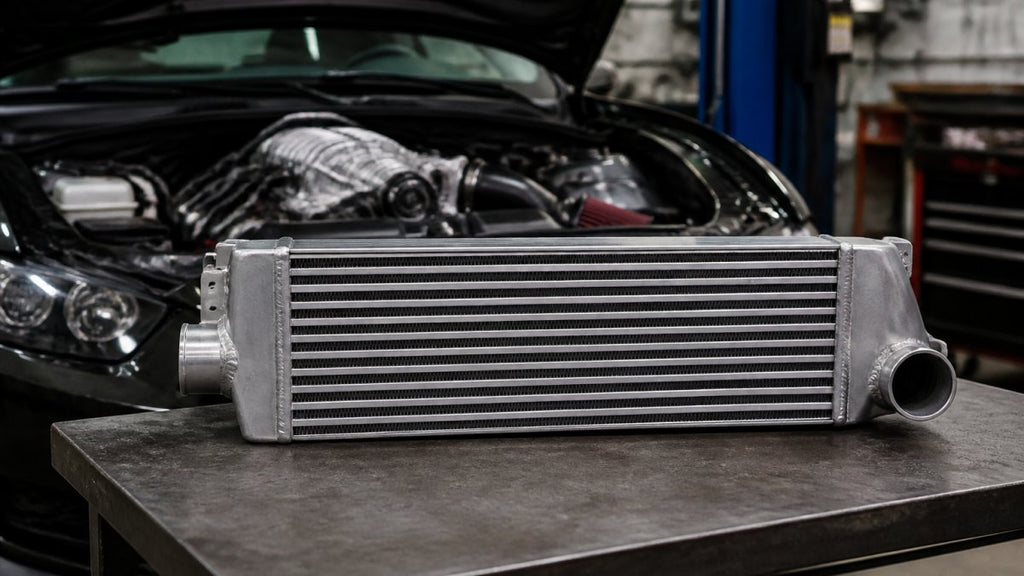
Intercooler and Heat Exchanger Checks
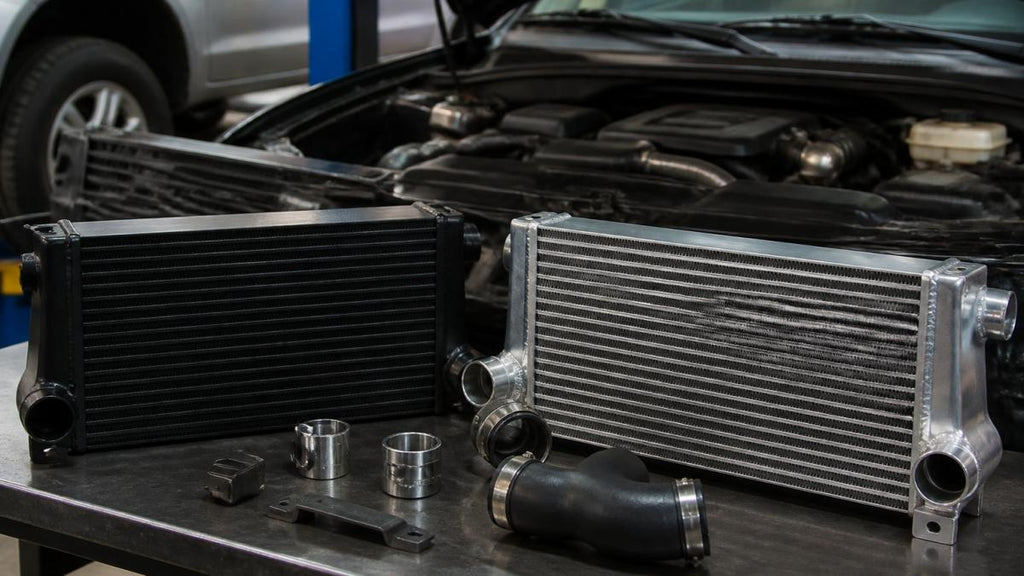
Intercooler and heat exchanger checks go beyond topping off fluid. This is the area most owners skip, and it is where high intake temps usually start.
Coolant level and condition. Check the reservoir cold. Low level with no visible puddle often means a slow leak at a hose clamp or the intercooler core.
Pump operation. Air-to-water intercooler systems rely on an electric pump. With the engine running, you should feel vibration or hear the pump prime.
Heat exchanger airflow. Look at the core from the front. Bent fins, packed bugs, and mud block airflow and raise intake temps.
Air in the system. After any coolant service, trapped air causes hot spots and erratic temps. Bleed the system per the kit maker's procedure, usually through a bleeder screw or by running the pump with the cap off until bubbles stop.
Oil residue in the intercooler. A light film is normal from crankcase vapor. Pooled oil means a failing seal or a bad PCV setup and should be diagnosed before it fouls the core.
- Rinse the core gently to clear bugs and dust
- Straighten bent fins with a fin comb
- Check the coolant reservoir level and condition
- Verify the intercooler pump runs on a cold start
- Bleed air after any coolant service
- Look for pooled oil in the intercooler, a sign of a failing seal
A heat exchanger with blocked airflow raises intake temps and costs you power. Clean airflow is free horsepower.
Pro Tip
After any off-road trip, rinse the intercooler core from the back side. Mud and dust packed into the fins are the most common cause of high intake temps we see on trail-driven builds.
Watch Out
Never open a hot cooling system. Air-to-water intercooler loops can be pressurized and will scald. Let the vehicle sit until the reservoir is cool to the touch before removing the cap.
Supercharger Maintenance Checklist by Mileage and Time
Use this supercharger maintenance checklist as your baseline. Adjust it for severe-duty use, towing, and dusty conditions by shortening every interval.
| Interval | Task | Why It Matters |
|---|---|---|
| Every oil change | Check gear case oil level | Catches leaks and low oil early |
| 10,000-15,000 mi | Inspect drive belt | Prevents snap and boost loss |
| 10,000-15,000 mi | Check air filter | Protects airflow and power |
| 15,000-20,000 mi | Inspect intercooler and fins | Keeps intake temps down |
| 30,000-50,000 mi | Change gear case oil | Protects bearings and gears |
| Yearly | Check belt tension and alignment | Stops uneven wear |
| Yearly | Full leak and noise check | Catches problems before failure |
Key Takeaway
Time matters as much as mileage. A truck that sits for months still needs yearly belt, oil, and leak checks.
Supercharger Noise and Performance Troubleshooting: Symptoms of Overdue Service
Supercharger noise and performance troubleshooting starts with listening. A healthy blower has a steady whine that rises with RPM. New sounds mean something is wrong, and most of them trace back to skipped service. Use the symptom-to-cause map below to decide whether you can keep driving or need to shut it down.
| Symptom | Likely Cause | Immediate Action |
|---|---|---|
| Rattle or grinding at idle | Worn bearings or gears, low gear-case oil | Stop driving, check oil level and condition |
| High-pitched squeal under boost | Belt slip from low tension or glazing | Inspect belt and tensioner, replace if glazed |
| Whine that changes pitch suddenly | Pulley or bearing issue | Park and inspect pulley alignment |
| Lost boost, no check-engine light | Belt slip, clogged filter, or boost leak | Check belt, filter, and couplers |
| Oil under the car near the gear case | Failing gear-case seal | Check level, do not top off and ignore |
| Intake temps climbing under boost | Intercooler pump dead or core blocked | Test pump, clean heat exchanger |
| Coolant loss with no puddle | Intercooler core or hose leak | Pressure-test the loop |
Reading the Symptoms
Rattle or grinding at idle. This is the one symptom you do not drive on. Bearings and gears do not heal, and a gear case run low on oil will destroy itself in short order.
Squeal under boost. Belt slip is the usual cause. Check tension against the kit maker's spec and look for glazing or belt dust. A belt that squeals once will squeal again, and each slip event glazes the ribs further.
Sudden pitch change in the whine. A whine that steps up or down without an RPM change points to a pulley or bearing problem.
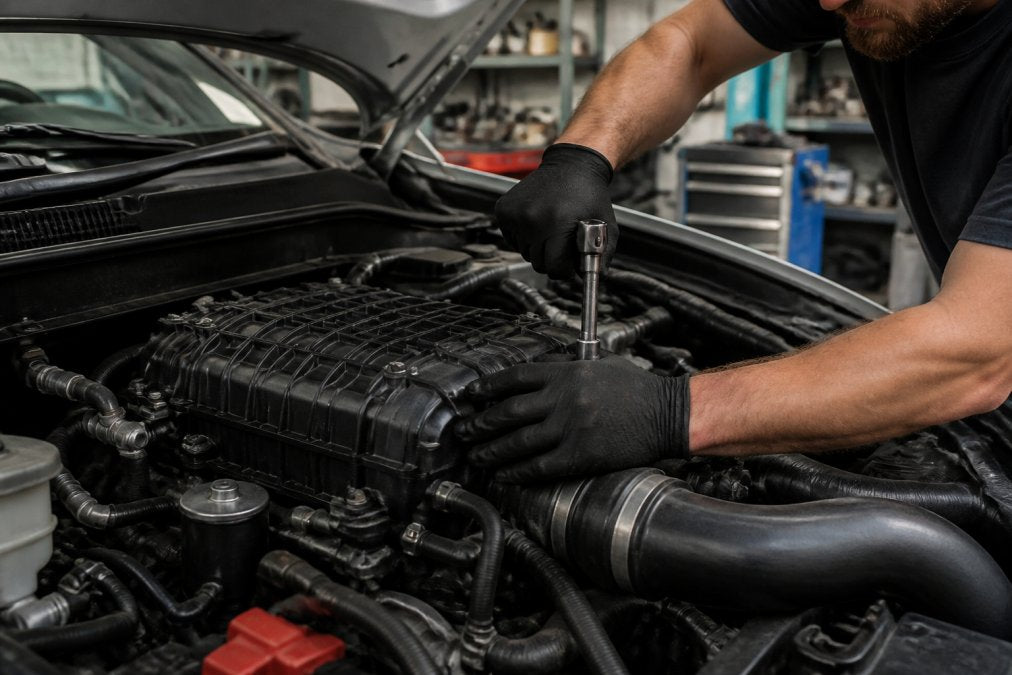
Lost boost with no check-engine light. Mechanical causes rarely set a code. Work through belt condition, filter restriction, and boost-tube couplers in that order. A loose coupler under the intake manifold is easy to miss.
Oil near the gear case. A seal that weeps will eventually fail fully.
Rising intake temps. If the fluid level is fine but temps climb under boost, suspect the intercooler pump or a blocked heat exchanger core before assuming the blower itself is at fault.
Any of these means stop and inspect. The SAE International technical standards and resources cover how forced-induction systems are tested, which is why we follow maker specs closely.
Key Takeaway
Match the symptom to the cause before you order parts. Most "supercharger failures" are belt, filter, pump, or seal issues that a scheduled service would have caught.
Conclusion: Building a Routine That Protects Your Investment
A supercharger kit maintenance schedule only works if you actually run it. Oil, belts, filters, and cooling are the four areas that decide whether your kit lasts or fails early. Track every service, keep records, and shorten intervals for hard use.
Our bolt-on supercharger kits use OEM-style fitment, ship worldwide, and come with financing options so you can add real power. We back our kits with a 24-month warranty. Register your kit with VT Superchargers and get service guidance.
Frequently Asked Questions
How often does a supercharger need to be serviced?
Most supercharger kits require oil changes every 50,000 to 100,000 miles, but severe-duty use like towing or off-roading can cut that to 30,000 miles. Belt inspection should happen every 15,000 to 20,000 miles. Air filters need checking every 10,000 to 15,000 miles, or more often in dusty conditions. Always follow the kit manufacturer's recommendations for your specific supercharger type, whether roots-type, twin-screw, or centrifugal.
What maintenance does a supercharger need?
Supercharger maintenance covers five main areas: oil changes for the gear case, drive belt inspection and replacement, air filter inspection, cooling system checks including intercooler and coolant reservoir, and routine inspections for leaks or unusual noise. Following a supercharger maintenance checklist organized by mileage keeps these tasks on track and prevents small issues from becoming expensive repairs.
How can I tell if my supercharger needs service?
Watch for these symptoms: whining or grinding noises that change with engine speed, oil leaks around the gear case, reduced boost pressure, belt squealing or visible cracks, and coolant loss without an obvious external leak. Any of these signs mean it's time to inspect the supercharger and related components. Catching issues early prevents damage to the blower and engine.
Does a supercharger kit need more frequent maintenance than a stock engine?
Yes. A supercharger adds stress to the engine and its own components, so maintenance intervals are shorter than for a naturally aspirated engine. Oil changes for the supercharger itself are separate from engine oil changes. Belts, filters, and cooling system parts wear faster under boost. Severe-duty use like towing or dusty off-road driving shortens intervals further, so check your kit manufacturer's severe-duty recommendations.
Related post
RECENT POSTS