Toyota 4Runner Bolt-On Boost Review, No Hype
You put 33s on your 4Runner, loaded a drawer system in the back, added a steel bumper and skid plates, and now the thing feels like it needs a runway to pass a minivan. That is exactly why people search for a Toyota 4Runner bolt on boost review. The stock 4.0L V6 is dependable, but once you add weight, tire diameter, elevation, or a trailer, it starts showing its limits.
We see this all the time with fifth-gen 4Runners. Owners do all the right stuff to build a capable trail rig, then realize their daily drive has become lazy around town and busy on the highway. The transmission hunts. Hills mean more throttle. Passing requires planning. A properly engineered supercharger kit is not about turning a 4Runner into a drag car. It is about giving the truck back the torque it lost to the build.
Toyota 4Runner Bolt-On Boost Review: What Changes
The biggest change is not the peak horsepower number you tell your buddies about. It is the way the truck responds when you are already moving.
A stock 4Runner often feels fine leaving a stoplight, then runs out of steam when you roll into the throttle at 35, 45, or 60 mph. That is the moment owners notice after bolt-on boost. You press the pedal and it goes now. There is more midrange pull, fewer delayed downshifts, and less of that wide-open-throttle noise with very little forward progress.
Most owners tell us the vehicle feels like it should have come from Toyota with this power. That is the right description when the kit, calibration, and installation are handled correctly. It still starts clean, idles normally, cruises quietly, and drives like a 4Runner. It just stops feeling buried under its own modifications.
That matters most with 32-inch and 33-inch tires. Add a roof rack, rooftop tent, recovery gear, a fridge, camping equipment, and two passengers, and you have created a much heavier SUV with effectively taller gearing. On a mountain grade, a stock truck can feel like it is working overtime just to hold speed. Boost gives it the torque to climb without treating every hill like a personal challenge.
The Real-World Win Is Torque, Not Bragging Rights
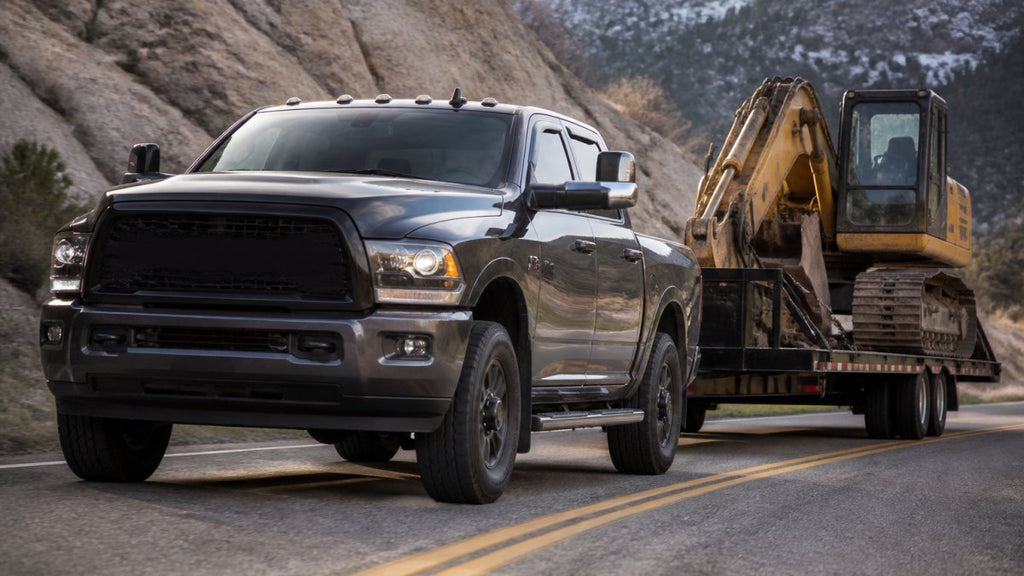
One of the biggest complaints we hear is, “I do not need to race it. I just need it to pull my trailer without screaming.” That is the right mindset for a 4Runner supercharger.
Whether you are pulling a small camper, a pair of dirt bikes, or a utility trailer, extra torque makes towing less stressful. You are not constantly waiting for the truck to build enough momentum. You can merge with traffic, maintain speed on rolling roads, and get around slower vehicles with more confidence.
The same goes for off-road use. A boosted 4Runner is not suddenly a rock-crawling monster if the driver lacks throttle control. In fact, more available torque means you need to be smoother with your right foot. But on sandy climbs, loose forest roads, higher-elevation trails, and long grades heading to camp, the engine does not feel so strained.
After installing hundreds of kits, that is what sticks with people. Not the first full-throttle pull. It is the normal drive home. The 4Runner no longer feels flat when the family is in it, the cargo area is full, and the A/C is running on a hot day.
What a Good Bolt-On Kit Should Feel Like
A clean 4Runner forced-induction setup should not feel temperamental. If it bucks, surges, struggles to idle, throws warning lights, or behaves differently every time you drive it, something is wrong. More power is never worth turning a dependable Toyota into a project vehicle.
The best installations retain an OEM-like feel. Throttle response should be predictable. Cold starts should be normal. Part-throttle driving should not feel touchy or jerky. When you are crawling through a parking lot, picking up kids, or easing onto a trail, it should still act like the reliable SUV you bought.
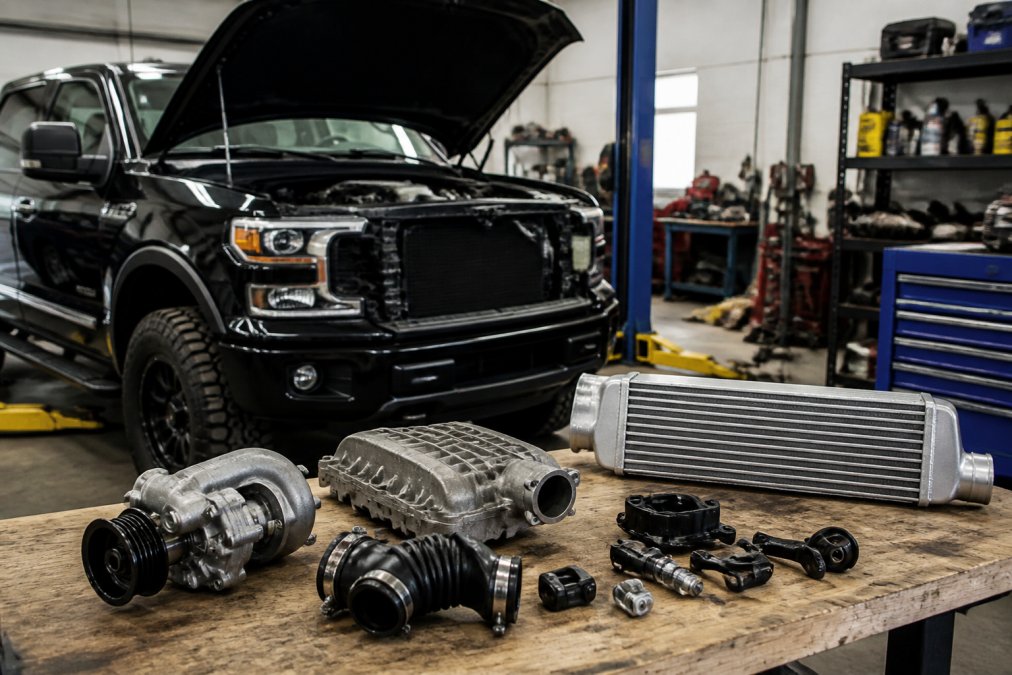
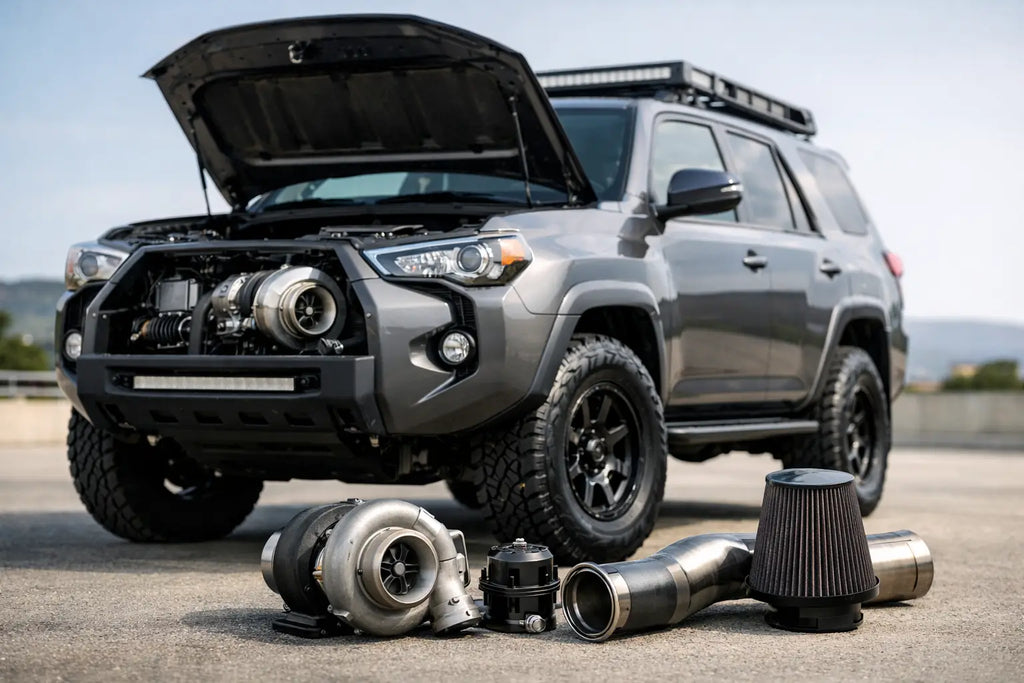
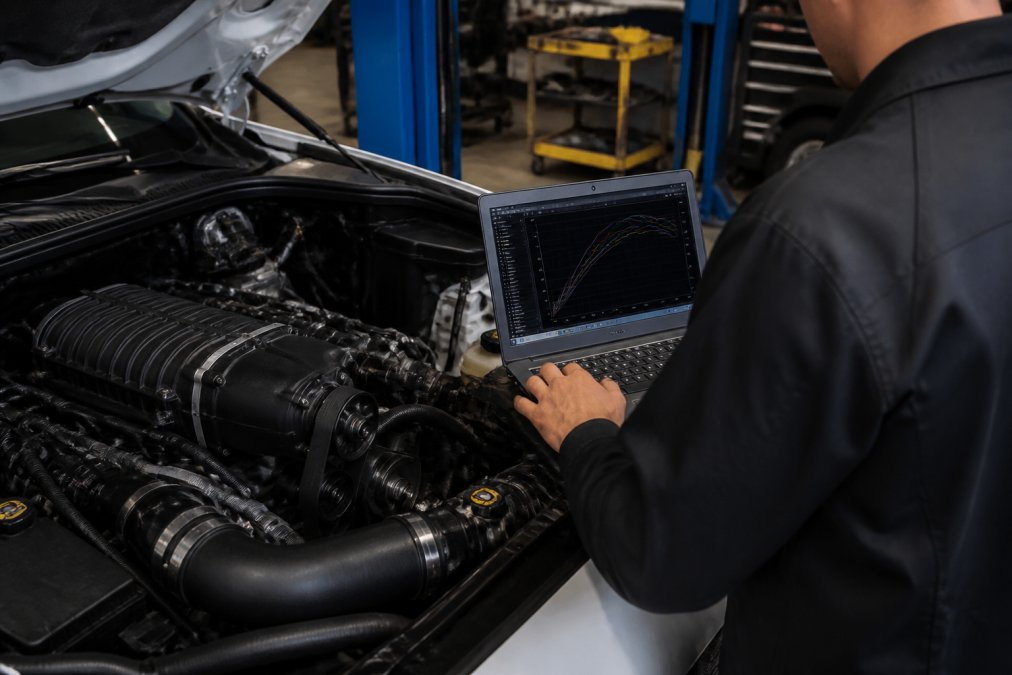
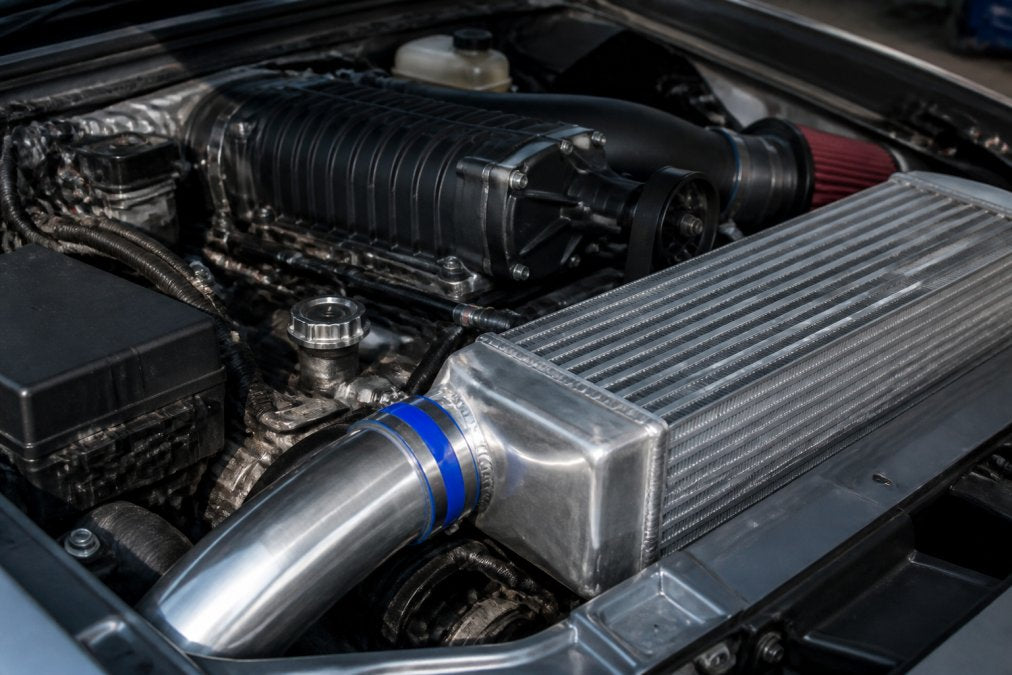
That is why tuning matters as much as the hardware. The blower may be the part everyone sees when you pop the hood, but the calibration determines how the engine, transmission behavior, fueling, timing, and throttle response work together. A kit that is matched to the 4.0L 1GR-FE and its specific model-year application is a far better choice than trying to piece together a universal setup.
We also tell owners to be honest about fuel requirements. If the kit and tune call for premium fuel, run premium fuel. Do not spend money on a properly engineered system and then gamble with poor fuel because it was cheaper at one fill-up. Long-term reliability comes from following the complete recipe, not just bolting on the shiny parts.
Installation Quality Makes or Breaks the Review
A bolt-on kit still deserves professional-level attention. “Bolt-on” means the system is designed for the vehicle. It does not mean every installer should rush through it on a Saturday with a vague plan and a handful of leftover bolts.
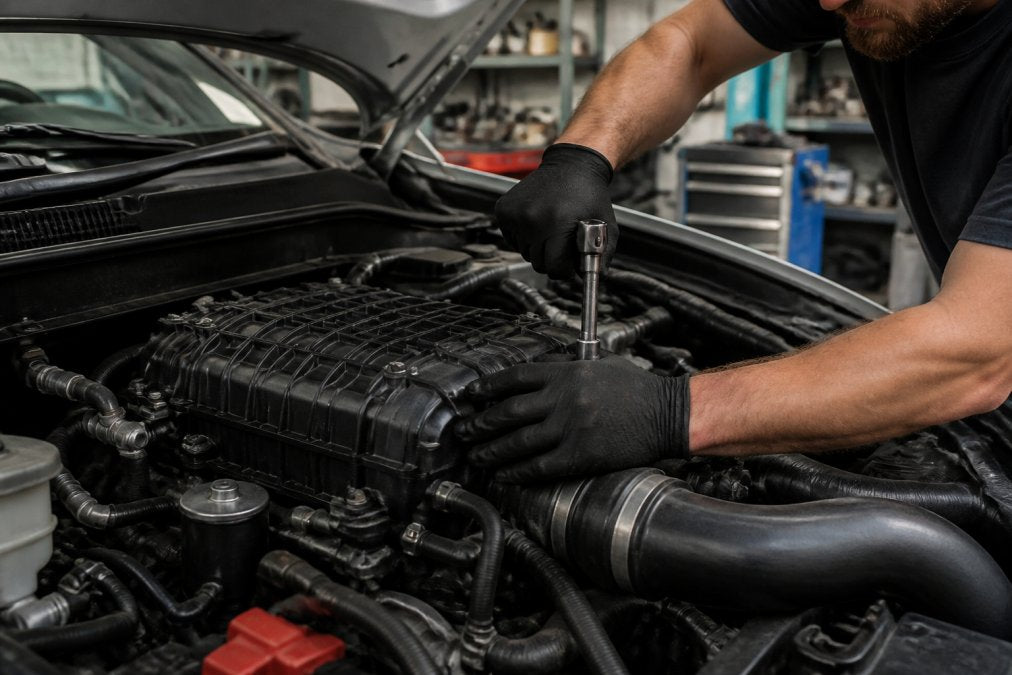
The 4Runner engine bay is familiar territory, but details matter. Belt alignment, hose routing, electrical connections, torque specs, intercooling components where applicable, intake routing, and calibration loading all need to be right. A clean install looks intentional, gives you room to service the vehicle later, and avoids the kind of rubbing, leaks, and heat-related problems that ruin ownership.
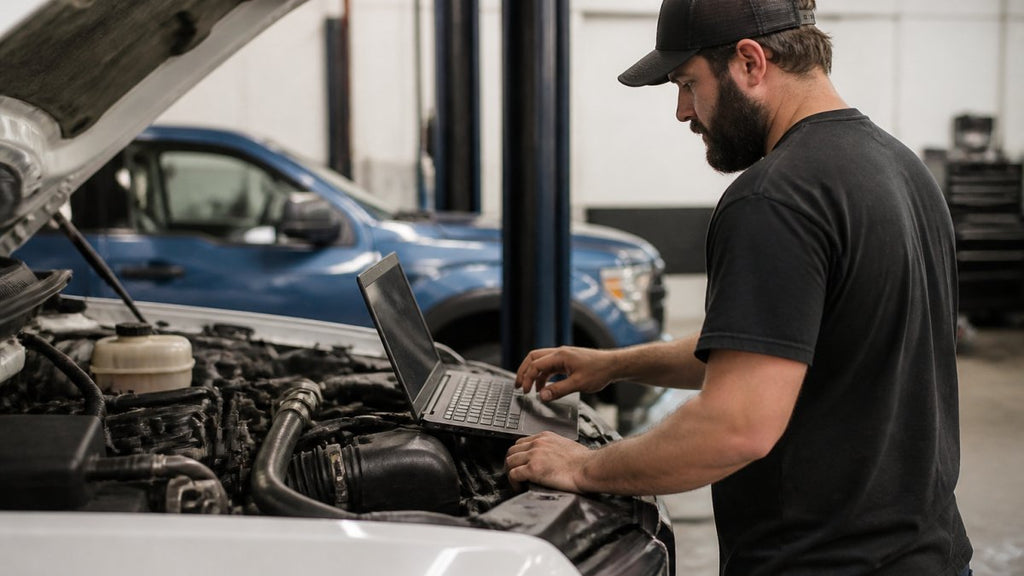
If you are a capable home installer, follow the instructions line by line and give yourself enough time. Do not start the job the night before a road trip. If you would rather have a shop handle it, choose someone who understands modern Toyota tuning and has experience with forced induction. Approved installers and tuners exist for a reason.
At VT Superchargers, we would rather help an owner get the right kit, fitment, and installation plan than sell a setup that does not match the vehicle. A 2010-2024-ish fifth-gen build with 33s, armor, and occasional towing has different needs from a lighter street-driven 4Runner on factory-size tires. The hardware may fit both, but the owner expectation needs to fit the use case.
Where Bolt-On Boost Has Limits
Here is the no-hype part. A supercharger does not fix bad maintenance, worn suspension, weak brakes, old cooling components, or a transmission that already has issues. Get the truck healthy before adding power.
It also does not erase the effect of huge tires and heavy armor. If you are on 35s with a fully loaded overland build, boost will make the truck far more enjoyable, but gearing can still be part of the long-term conversation. The right answer depends on how you use it. Highway travel, towing, deep sand, technical trails, and daily commuting all put different demands on the drivetrain.
You should also expect to use more fuel when you use the extra power. Cruising gently may remain reasonable, but boost is not free. Put your foot in it often, tow uphill, or run heavy at altitude, and fuel consumption will reflect that. Most owners accept the trade because the improvement in drivability is so obvious.
Maintenance should stay disciplined, too. Keep up with oil changes, inspect belts and hoses, use the specified fluids, and pay attention to any new noises or warning lights. The goal is dependable power for years, not one exciting month followed by shop visits.
Is It Worth It for Your 4Runner?
For the owner with a stock, lightly used 4Runner that spends its life on flat roads, bolt-on boost may be more want than need. There is nothing wrong with that. Wanting a stronger, more responsive SUV is a valid reason, as long as you understand the cost and fuel requirements.
For the owner on bigger tires, carrying trail weight, towing on weekends, or driving through mountain country, the value is easier to feel every single day. The payoff is not some fantasy spec sheet. It is merging without panic, climbing grades without constant downshifting, and enjoying the truck you already invested time and money into.
Build the 4Runner for the way you actually drive it. If the rest of your rig has grown tougher while the engine has fallen behind, bolt-on boost is the piece that brings the whole package back into balance.
Related post


RECENT POSTS