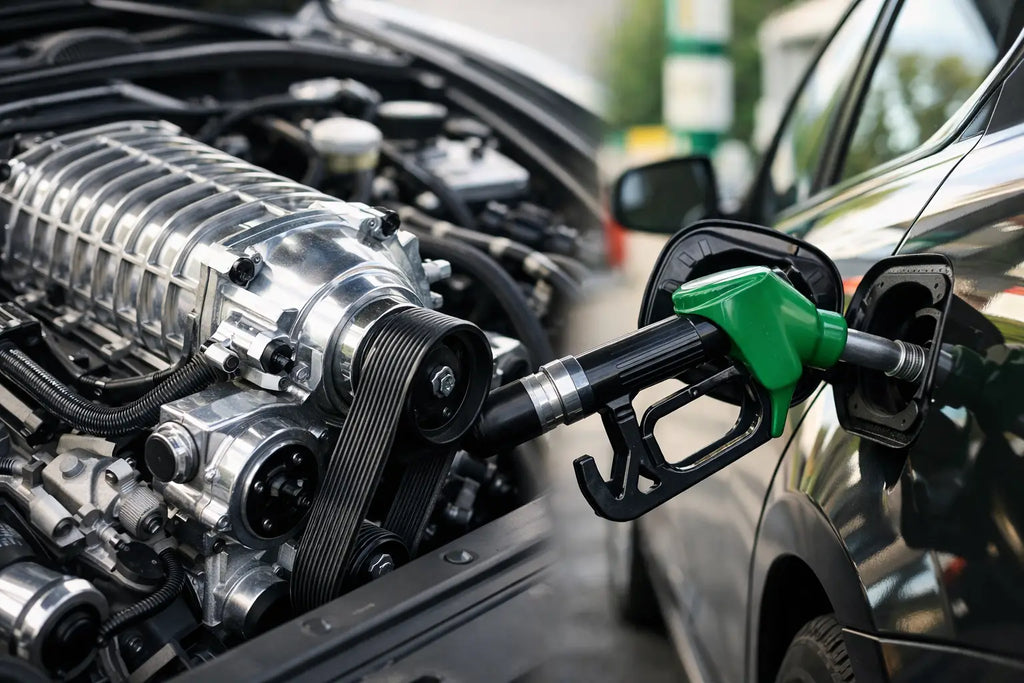
Does Supercharging Affect Fuel Economy?
You put 33s on your Tacoma, added a rack, loaded up camping gear, and now the truck feels half asleep on every grade. Or maybe your 4Runner is always hunting for gears, your Gladiator feels lazy with armor and 35s, or your Charger needs more pedal than it should just to pass somebody. One of the biggest complaints we hear is simple: the vehicle got heavier, taller, or busier, and now owners want to know, does supercharging affect fuel economy?
Short answer - yes, it can. But not always in the way people expect.
Most owners assume a supercharger automatically means terrible gas mileage. That is not how it works in the real world. After installing hundreds of kits, what we see is this: fuel economy depends less on the blower itself and more on how the vehicle is used, how often you are in boost, the quality of the tune, and whether the supercharger is helping the engine do less work in normal driving.
Does supercharging affect fuel economy in daily driving?
If you drive like a normal person most of the time, a properly tuned supercharged vehicle can be surprisingly reasonable on fuel. That catches people off guard.
A supercharger makes power when you ask for it. If you are light on the throttle, cruising steady, and not constantly leaning into boost, the engine is not guzzling fuel every second just because the kit is installed. We see this all the time on street-driven Tacomas, Frontiers, 4Runners, and even Mazda 3 builds that spend most of their life commuting.
The part a lot of owners miss is that added torque changes how the vehicle carries itself. Instead of mashing the throttle to get a loaded SUV moving, the engine gets into the power sooner. Instead of downshifting twice on a hill, it may hold a gear and pull cleanly. Instead of feeling strained with larger tires, it gets back some of the drivability that was lost when the stock setup fell behind the added load.
That can help offset some fuel use in normal driving. Not because the supercharger is magic, but because the engine is working in a more useful part of the powerband.
Where fuel economy usually gets worse
Now for the honest part.
If you install a supercharger and enjoy it the way most people do, fuel economy often drops. Not because the system is flawed. Because the extra power is fun, and your right foot knows it.
Most owners tell us the same story after the first week. They start out saying they will drive it gently. Then they feel that instant torque merging onto the highway or pulling away from a stoplight, and that plan disappears fast.
Under boost, the engine needs more fuel. That is how you make safe power. So if you are using that extra torque all the time, towing hard, making repeated pulls, climbing long grades at speed, or running aggressive tires with deeper throttle input, your MPG is going to reflect it.
A supercharged Jeep Gladiator on 37s with steel bumpers, a roof tent, and recovery gear is not living the same life as a stock daily driver. Same goes for a Tacoma on 34s with armor, or a 4Runner that spends weekends in the mountains. In those cases, the real question is not whether mileage changes. It is whether the vehicle finally feels strong enough to drive the way it should.
For a lot of owners, that trade is worth it all day.
Why some owners see little change
There are a few setups where the mileage change is smaller than expected.
One is when the vehicle was already working too hard in stock form. We see this with Toyota 4.0L trucks and SUVs, Nissan Frontiers, and lifted Jeep setups all the time. Big tires, added weight, and tall highway grades force the driver into heavy throttle just to maintain speed. The transmission keeps dropping gears, engine rpm climbs, and the whole thing feels busy and inefficient.
Add a properly engineered supercharger kit with clean tuning, and the vehicle gets back the low and midrange torque it was missing. That means less throttle to do the same job. Less gear hunting. Better response when you roll into the pedal. In some cases, owners report mileage that stays close to stock, especially on highway trips where they are not constantly in boost.
That does not mean fuel economy improves across the board. It means drivability improves enough that the engine stops feeling overworked.
Those are two different things, but they are connected.
The tune matters more than people think
If you are asking whether supercharging affects fuel economy, the tune is a huge part of the answer.
A sloppy calibration can make a vehicle feel touchy, rich, inconsistent, and miserable to live with. That is where people get the horror stories - rough idle, poor throttle behavior, weird shifting, bad mileage, and a setup that feels like a science project.
A good supercharger system should drive like it belongs there. Cold starts should be clean. Part-throttle should be smooth. Transmission behavior should make sense. Power should come in predictably. After installing hundreds of kits, I can tell you that OEM-like drivability is what separates a vehicle you enjoy for years from one you regret after a month.
That is especially true on daily-driven trucks and SUVs. A Tacoma that tows, a 4Runner that road-trips, a Charger that sees commuter duty, or a Frontier that works during the week and plays on weekends needs a tune that behaves in traffic, in heat, at altitude, and under load.
When that part is right, fuel economy usually lands where it should for the way the vehicle is being driven.
Supercharging, towing, and highway grades
This is where a lot of owners stop worrying about MPG and start caring about control.
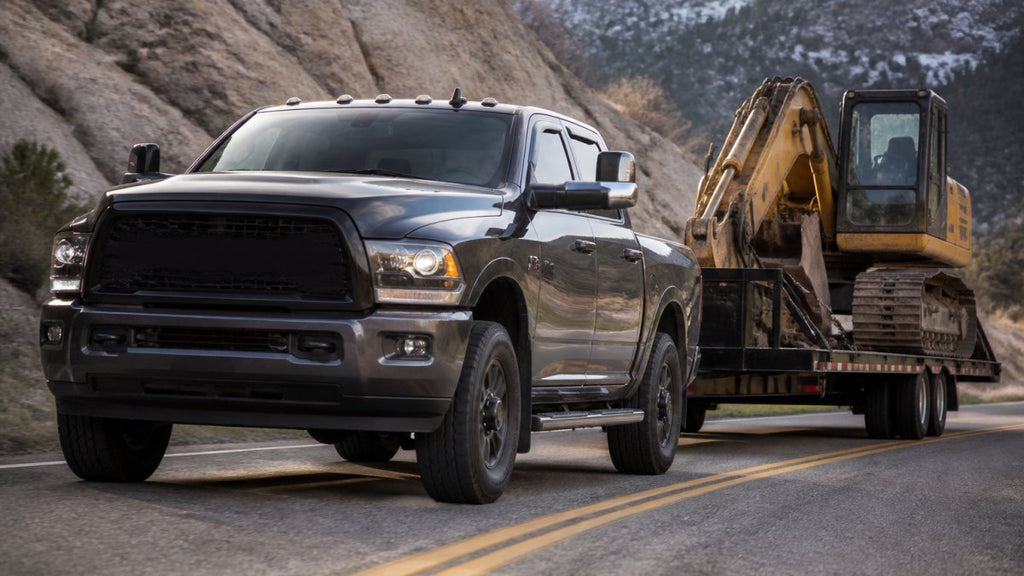
If you tow with a naturally aspirated midsize truck or SUV, you already know the routine. Long grade ahead, transmission downshifts, rpm climbs, speed drops, and you are deep into the throttle trying to hold pace with traffic. One of the biggest complaints we hear is not just fuel economy. It is that the vehicle feels stressed.
A supercharger helps here because torque shows up sooner. That matters more than a dyno number. The truck holds speed better. It pulls cleaner up hills. Passing does not require a runway. And at altitude, where naturally aspirated engines really start to feel flat, boost can make a night-and-day difference.
Will towing in boost use more fuel? Absolutely. But most owners are not looking for miracles when they are pulling a trailer. They want the vehicle to stop feeling tapped out.
That is why so many street-driven, tow-used setups end up supercharged. The improvement behind the wheel is obvious the first time you hit a grade.
Vehicle-specific reality check
A stock-height Mazda 3 driven lightly is one story. A lifted 4Runner on 285s with drawers, skids, and a full family load is another.
A Dodge Charger owner may care more about throttle response and passing power than raw MPG. A Tacoma owner with 33s usually wants to get rid of the dead spot in the midrange and stop hunting between gears. A Nissan Frontier owner may just want the truck to feel alive again with a bed full of tools. We see this all the time, and the answer changes with the platform.
That is why generic advice is usually useless. The effect on fuel economy depends on the engine, the vehicle weight, the tire size, the gearing, the transmission, the tune, and how the owner actually drives.
If you bolt a supercharger onto a vehicle that is already overworked, the result often feels more efficient even if the pump says otherwise. If you bolt one onto something you plan to beat on every day, expect to buy more fuel and enjoy every bit of it.
So, is it worth it if you care about MPG?
If your only goal is maximum fuel savings, a supercharger is not the first mod I would point you toward. That is the truth.
But if your real problem is that the vehicle feels slow after tires, gear, armor, elevation, towing duty, or factory underpower, then fuel economy is only part of the conversation. The bigger win is how the vehicle drives every single day.
Most owners are not chasing a number on paper. They want stronger midrange torque, better hill-climbing, easier passing, and a setup that feels factory-clean instead of hacked together. That is where a well-sorted kit earns its keep.
At VT Superchargers, that is the whole point - real power, clean installation, proper tuning, and drivability you can live with.
So yes, supercharging can affect fuel economy. Sometimes a little, sometimes a lot. But the better question is whether your vehicle finally does the job you built it for. If you are tired of constant downshifts, lazy throttle, and a truck or SUV that feels worse every time you add useful gear, a little extra fuel may be the easiest part of the deal.
Related post


RECENT POSTS