Roots vs Centrifugal Supercharger
You bolt on 35s, add a steel bumper, maybe a rack, gear for camping, and now your truck feels flat. It hunts gears on the highway, hates hills, and passing takes more room than it should. That is usually where the roots vs centrifugal supercharger conversation starts - not on a dyno sheet, but from the driver seat when the vehicle just feels heavy, lazy, and out of breath.
We see this all the time with Tacomas, 4Runners, Gladiators, Frontiers, and even daily-driven Chargers and Mustangs that need more punch in the midrange, not just a big number at the top. Most owners are not building a race car. They want the thing to leave a stoplight clean, pull a grade without dropping three gears, and feel stronger everywhere they actually drive.
Roots vs centrifugal supercharger in the real world
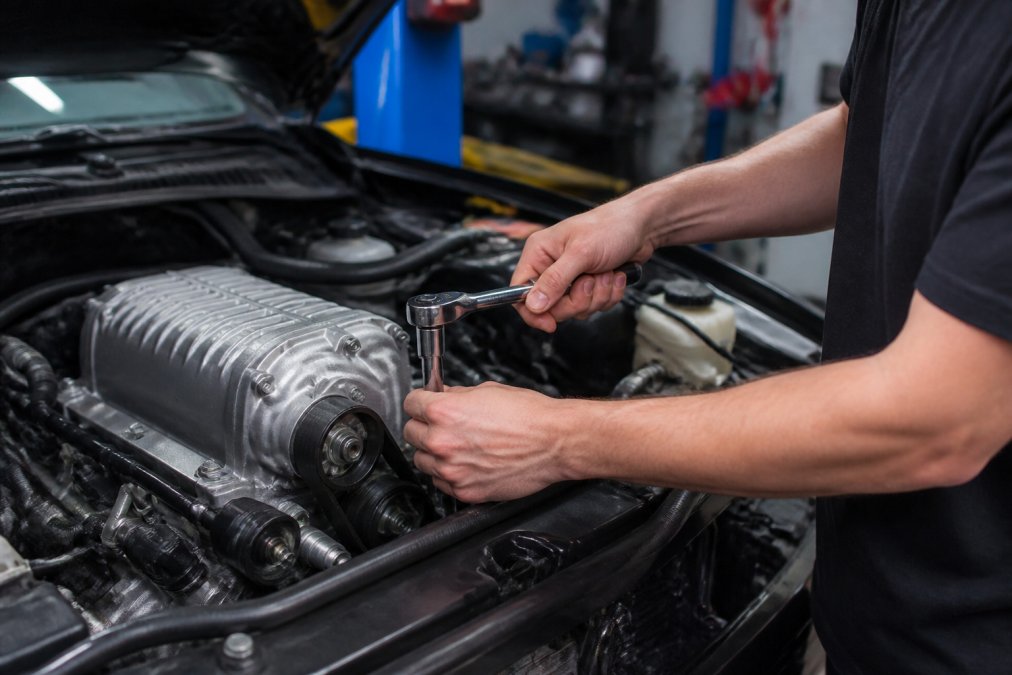
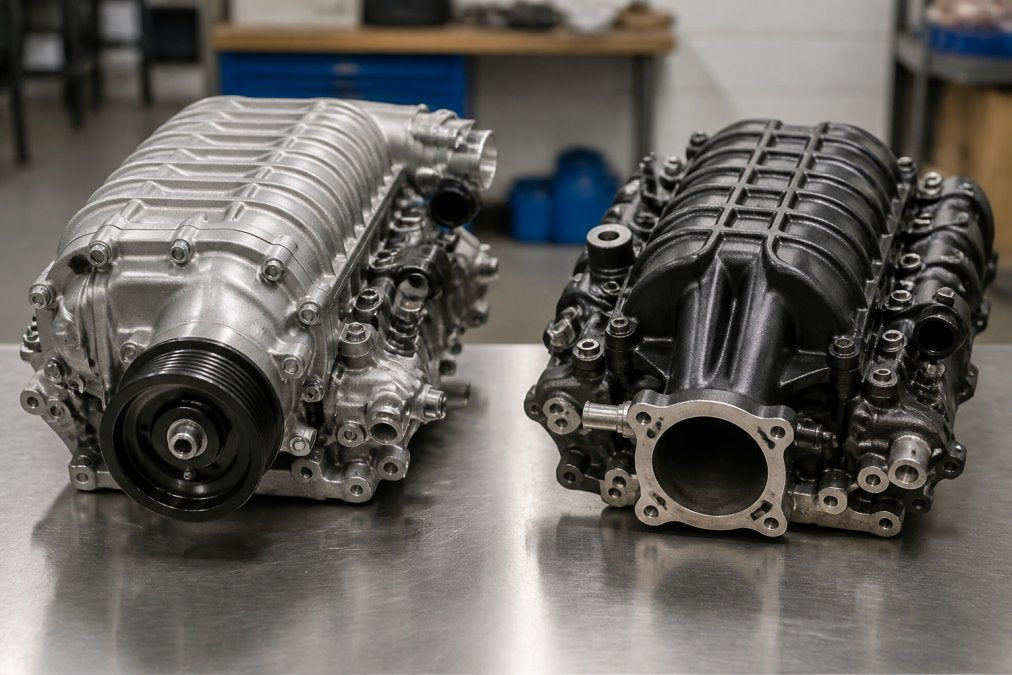
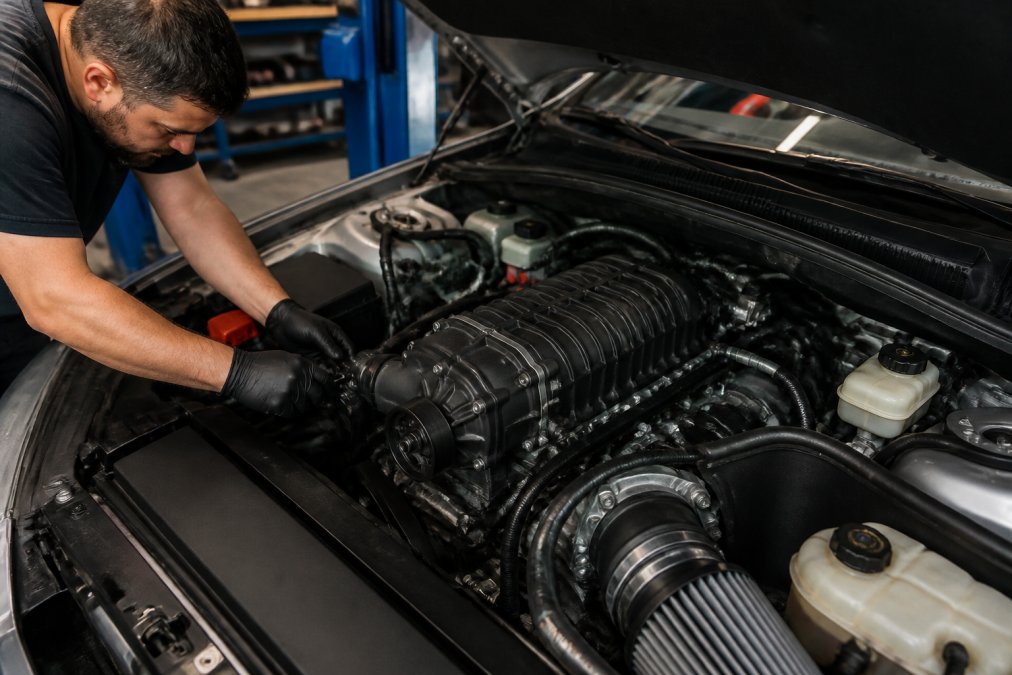
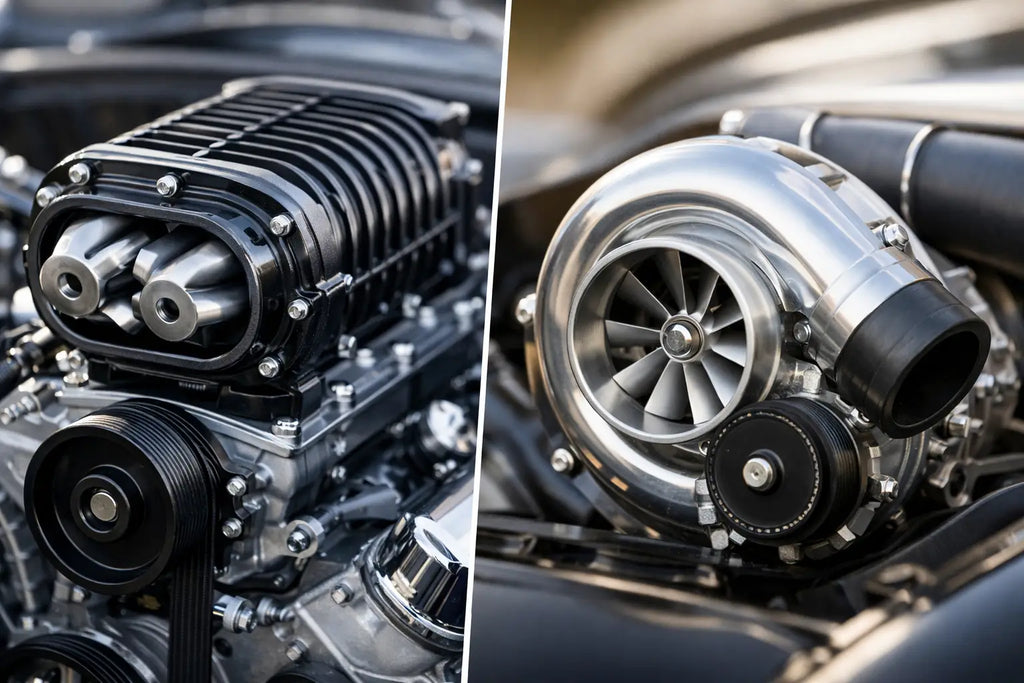
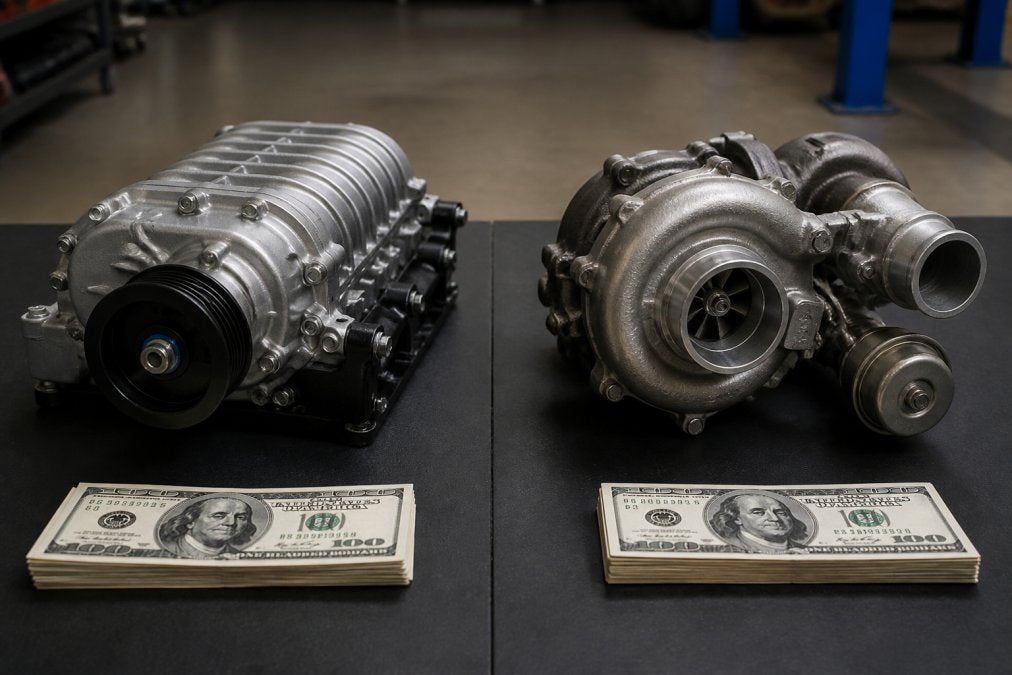
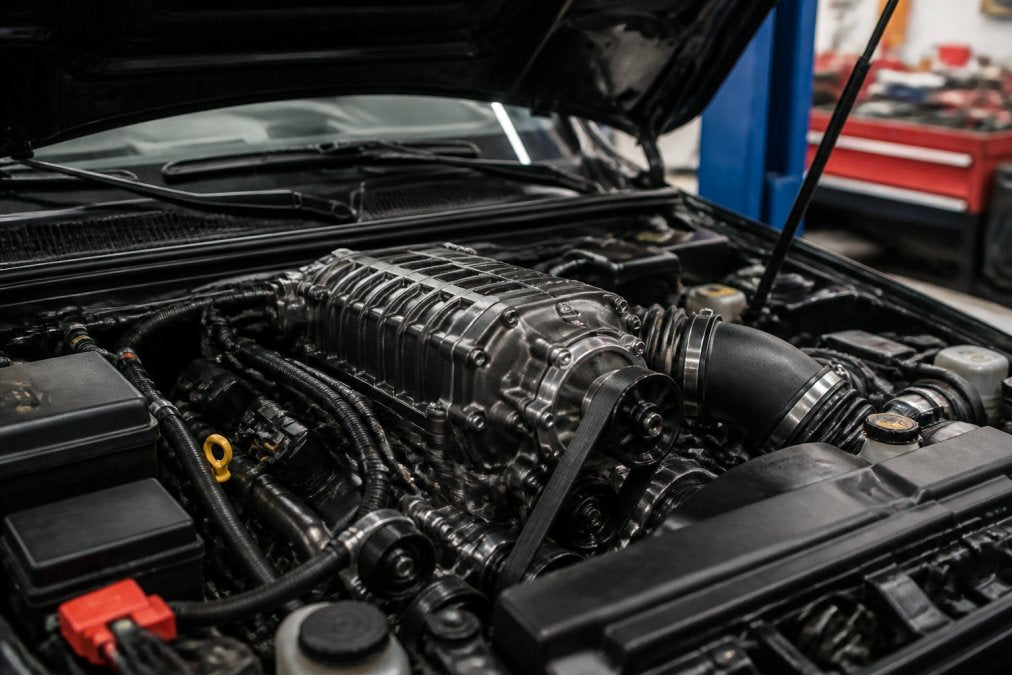
Here is the plain-English version. A Roots-style supercharger makes boost right now. Crack the throttle, and the vehicle responds with that instant shove people are usually after. A centrifugal supercharger builds boost with RPM, so it tends to come on harder as the engine revs higher.
That difference changes the whole personality of a vehicle.
If you drive a heavier SUV or truck, run bigger tires, tow a trailer, or spend time climbing grades, low-end and midrange torque matter more than almost anything else. One of the biggest complaints we hear is not peak horsepower. It is constant downshifting, soft throttle response, and a vehicle that feels like it lost its edge after mods.
That is why the supercharger type matters so much. Not because one is universally better, but because they solve different problems.
What a Roots blower feels like behind the wheel
A Roots unit is all about immediate torque. You feel it pulling right off idle and through the middle of the RPM range. On a Tacoma with 33s or 35s, that means the truck gets back the punch it lost when the tire size went up. On a 4Runner loaded for overlanding, it means less strain pulling hills and a lot less drama merging into traffic.
After installing hundreds of kits, I can tell you this is what most truck and SUV owners expect a power upgrade to feel like. They want stronger launch, better passing power at normal road speeds, and more confidence when the vehicle is loaded down. A Roots setup delivers that seat-of-the-pants torque where you actually use it.
That also makes it a strong fit for towing. If you have a Frontier with camping gear and a small trailer behind it, or a Jeep Gladiator that spends weekends dragging toys out to the desert, instant torque feels natural. The vehicle does not need to wind out before it starts working.
There is another piece to this - drivability. A well-engineered Roots kit with proper tuning can feel very OEM-like. Smooth idle, clean part-throttle manners, predictable power. That matters more than people think, especially if this is your daily driver and not a weekend-only project.
What a centrifugal supercharger feels like behind the wheel
A centrifugal setup has a different attitude. Down low, it can feel closer to stock compared with a Roots blower. As RPM climbs, the power keeps building, and that can make the top end feel strong and exciting.
On a lighter performance car, that can be a lot of fun. If you are talking about a Mustang, Camaro, or Charger that spends more time getting revved out, a centrifugal system can make a lot of sense. It rewards RPM and tends to shine when the engine is breathing hard up top.
But on heavier platforms, or vehicles that live in the 2,000-4,000 RPM range, some owners end up saying the same thing: it makes good power, but it does not fix the exact problem I was trying to solve. We hear that from truck owners who wanted better low-speed shove for daily driving, towing, and grades.
That does not make centrifugal bad. It just means you need to be honest about how you use the vehicle.
Roots vs centrifugal supercharger for trucks and SUVs
For most trucks and SUVs, Roots usually wins the argument because the job is different. A Tacoma owner on 33s is not trying to set a trap speed. He is trying to get rid of that soggy midrange after adding tires and armor. A 4Runner owner heading into the mountains wants the thing to hold speed on a climb without screaming for a downshift. A Gladiator owner wants better throttle response in traffic and more control off-road.
That is exactly where instant boost works.
We see this all the time on Toyota and Jeep platforms. Once the vehicle gains weight, the factory powerband feels narrower. The engine has to work harder, and the transmission starts moving around more to compensate. A Roots-style setup gives that weight back some leverage. The vehicle feels lighter than it is.
Altitude makes this even more obvious. At elevation, naturally aspirated engines feel soft. Most owners tell us they notice it most on grades, passing, and when the cabin is full of people and gear. Forced induction helps across the board, but a Roots system gives that immediate response right where mountain driving exposes weakness.
Where a centrifugal setup makes sense
If your goal is more top-end pull and you like winding the engine out, centrifugal can be the right move. On street cars that spend less time hauling and more time accelerating through the upper RPM range, that power delivery can feel great.
It can also suit owners who want a cleaner transition into boost rather than a hit right off idle. Some drivers prefer that character. It depends on the platform, gearing, tire size, transmission behavior, and how aggressive the calibration is.
This is why there is no one-size-fits-all answer. Roots is not better at everything. Centrifugal is not better at everything. The right answer depends on what annoys you about the vehicle today.
The part most people skip - tune, fitment, and reliability
A lot of internet arguments about superchargers ignore the stuff that actually decides whether you love the kit or hate it six months later.
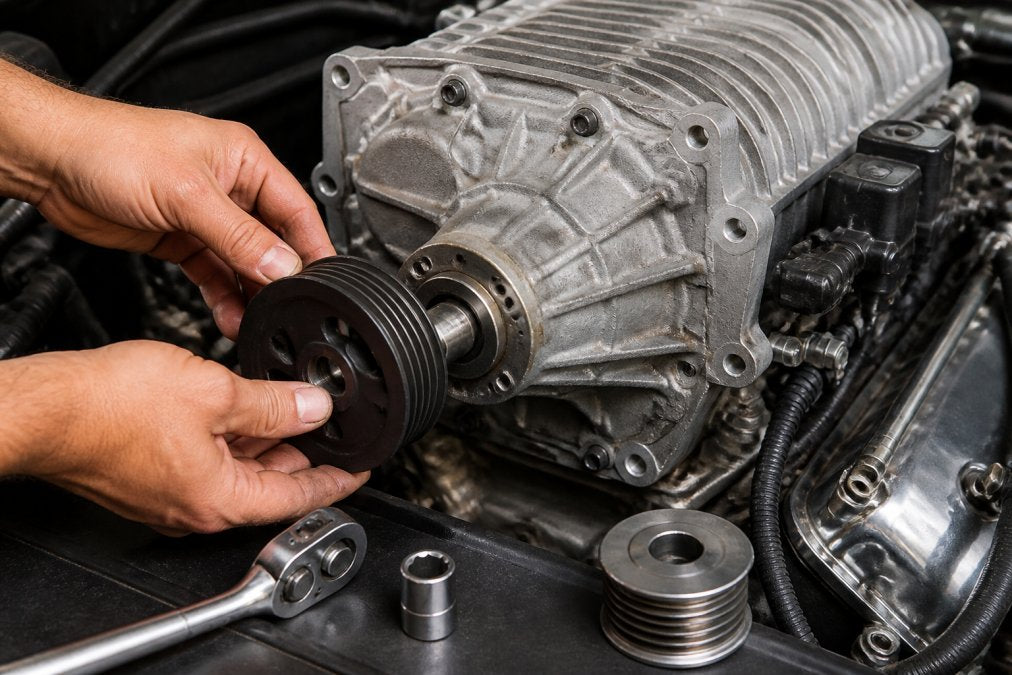
Proper tuning matters. Belt alignment matters. Fueling matters. Intake temps matter. The way the kit fits under the hood matters. If the system is not engineered well for the vehicle, it does not matter how good the blower type looks on paper.
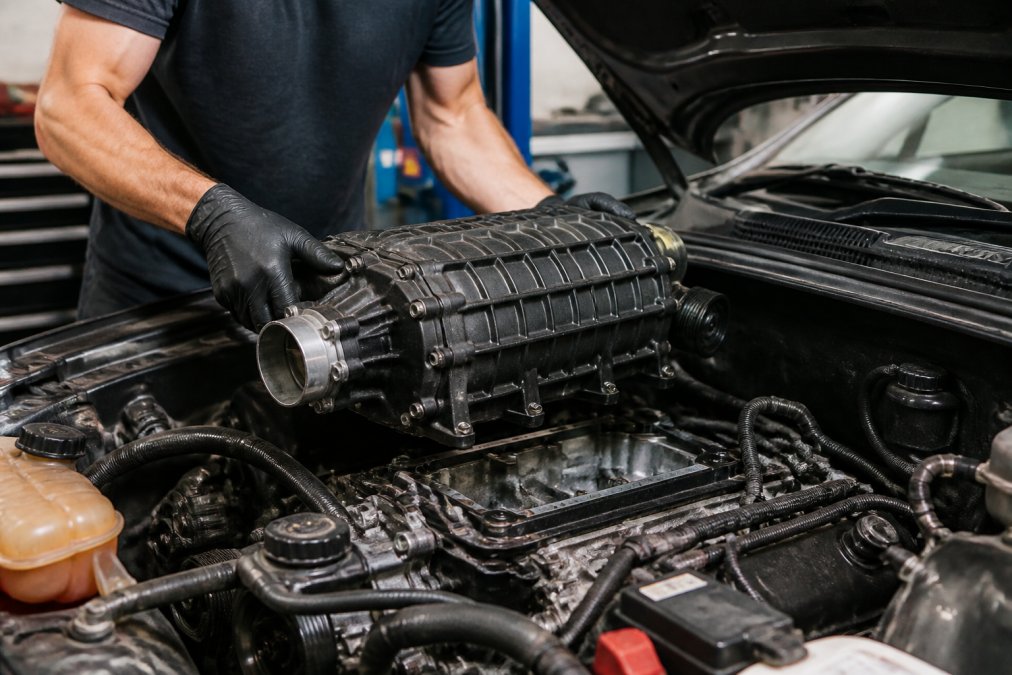
One of the biggest complaints we hear from owners who went with pieced-together setups is drivability. Weird throttle behavior. Surging. Inconsistent idle. Transmission acting confused. That is why we always lean toward vehicle-specific kits with OEM-style fitment and proven calibration. Real street performance is about how the vehicle starts, idles, shifts, pulls, and behaves in traffic on a hot day with the AC running.
After installing hundreds of kits, I would take a clean, reliable, well-tuned setup over a bigger peak number every single time. Especially on trucks, SUVs, and daily drivers.
So which one should you choose?
If you drive a Tacoma, 4Runner, Frontier, Gladiator, or similar platform and your biggest issues are weak midrange torque, poor passing power, towing strain, and constant downshifting, a Roots-style supercharger is usually the better fit. It fixes what you actually feel every day.
If your vehicle is lighter, sees more spirited high-RPM driving, and you want power that keeps building as the tach climbs, a centrifugal setup can be a strong option.
Think about your tire size. Think about added weight. Think about whether you live at altitude. Think about whether this thing tows, crawls, commutes, or spends time loaded with gear. That is how you answer the roots vs centrifugal supercharger question honestly.
For most real-world truck and SUV owners, instant torque wins. Not because it sounds good in a forum post, but because it makes the vehicle easier and more fun to drive on Monday morning, on a steep grade, or with a trailer behind it.
If your build needs to feel stronger where it actually works, stop chasing the biggest number and start chasing the powerband that matches the vehicle. That is the setup you will still be happy with long after the install is done.
Related post
02
Sep
01
Sep
01
Sep
RECENT POSTS