Truck Horsepower Upgrade Guide That Works
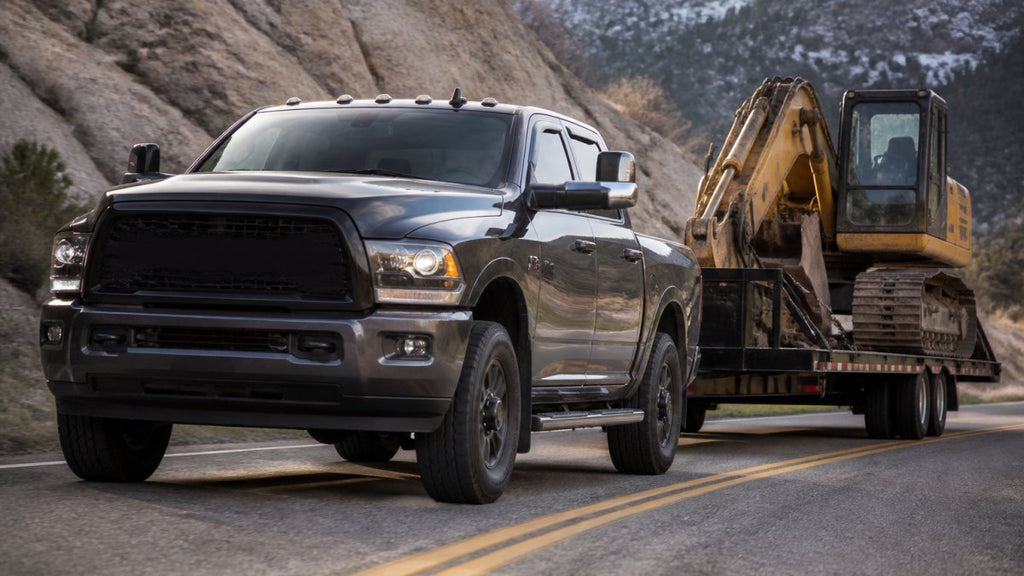
You bolt on 33s or 35s, throw a rack in the bed, maybe add bumpers, sliders, a trailer, and suddenly your truck feels like it lost a gear. It hunts between gears on the highway, falls on its face on hills, and passing somebody takes a lot more road than it used to. That is exactly where a good truck horsepower upgrade guide needs to start - not with dyno bragging, but with what you feel from the driver seat every day.
We see this all the time with Tacomas, Frontiers, Gladiators, F-150s, Rangers, and older Tundras. Most owners are not trying to build a race truck. They want their truck to pull clean with bigger tires, hold speed on grades, and stop feeling strained when the bed is full or the trailer is hooked up. That changes what a smart power upgrade looks like.
What truck owners actually want from a power upgrade
One of the biggest complaints we hear is not peak horsepower. It is weak midrange torque. A truck can look decent on paper and still feel lazy where you use it most - rolling into traffic, climbing a hill at part throttle, or trying to pass without a full downshift and a bunch of noise.
If you drive a Tacoma on 33s, you already know the story. Add armor, camping gear, maybe a rooftop tent, and that stock V6 starts working overtime. The same thing happens on a Jeep Gladiator once you step up tire size and add overland weight. Nissan Frontier owners tell us the truck is solid and dependable, but it could use a lot more punch in the middle. Tundra owners towing boats or enclosed trailers usually want more confidence, not drama.
That is why the best upgrade is the one that improves how the truck carries weight and reacts to throttle. You want power that shows up early and stays smooth, not a setup that only comes alive at the top of the rpm range.
Truck horsepower upgrade guide - start with the real problem
Before you buy anything, figure out what changed. A lot of trucks do not feel underpowered because the engine suddenly got weaker. They feel underpowered because the truck got heavier, the tires got taller, the gearing got effectively longer, or the truck now lives at altitude.
Bigger tires are a huge one. Jumping from factory size to a 33 or 35 does more than change looks. It dulls throttle response, hurts acceleration, and makes the transmission work harder. If you tow, live in the mountains, or wheel in sand, you feel that even more. After installing hundreds of kits, I can tell you a lot of people blame the engine when the real issue is the whole combo around it.
That matters because the right fix depends on how you use the truck. If the truck is mostly stock and you just want a little sharper response, your path is different than a fully built overland rig carrying 600 extra pounds all the time.
The common upgrade paths and where they fall short
Owners usually start with the simple stuff. Intake, exhaust, maybe a tune. There is nothing wrong with that, but expectations need to stay realistic.
An intake can clean up airflow and sound better. An exhaust can help tone and maybe free up a little power. A tune can improve throttle mapping, shift behavior, and sometimes pick up usable power depending on the platform. On some trucks, especially naturally aspirated V6 applications, a tune makes the truck feel better even if the gain is not huge. That is because better shift logic and throttle response can make the whole truck feel less sleepy.
But here is the part nobody likes hearing. Once you add heavy wheels and tires, armor, towing duty, and altitude, bolt-ons alone usually do not give enough back. Most owners tell us they spent money on the basic parts and still ended up wanting more. The truck might sound faster. It does not always feel meaningfully stronger in real driving.
Re-gearing is another option, and on some builds it absolutely makes sense. If you are on 35s and use the truck hard off-road, gear ratio matters. It can bring back some of the lost mechanical advantage and calm down transmission hunting. The trade-off is cost, labor, and the fact that gears do not actually add engine output. They change how the power is used. Great fix in the right situation, but not always the complete answer for somebody who also wants better towing and highway passing.
Where forced induction makes the biggest difference
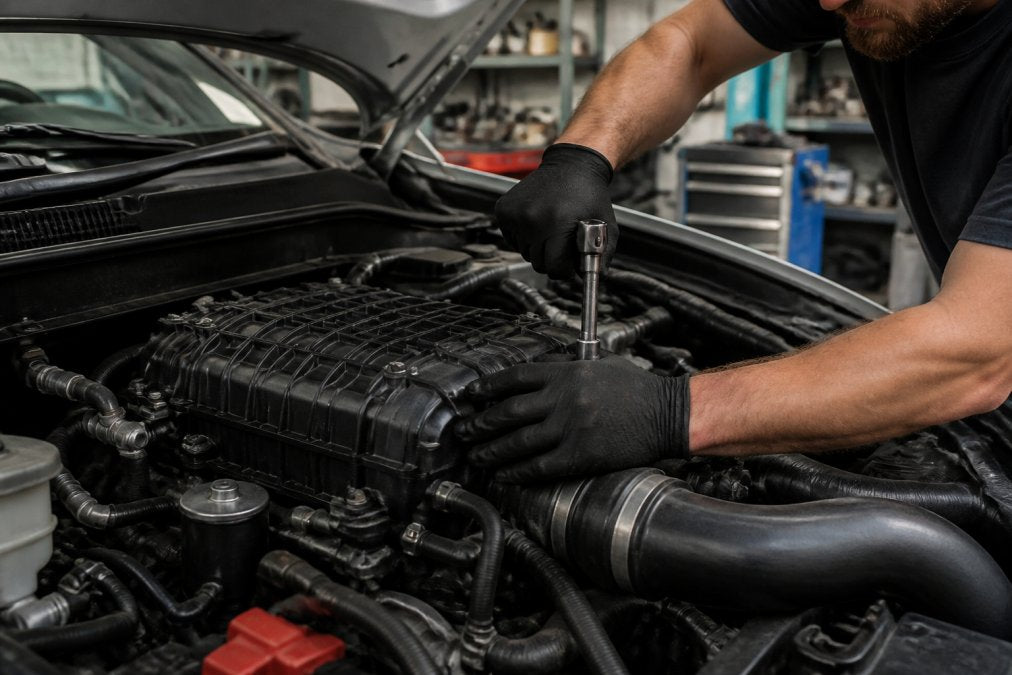
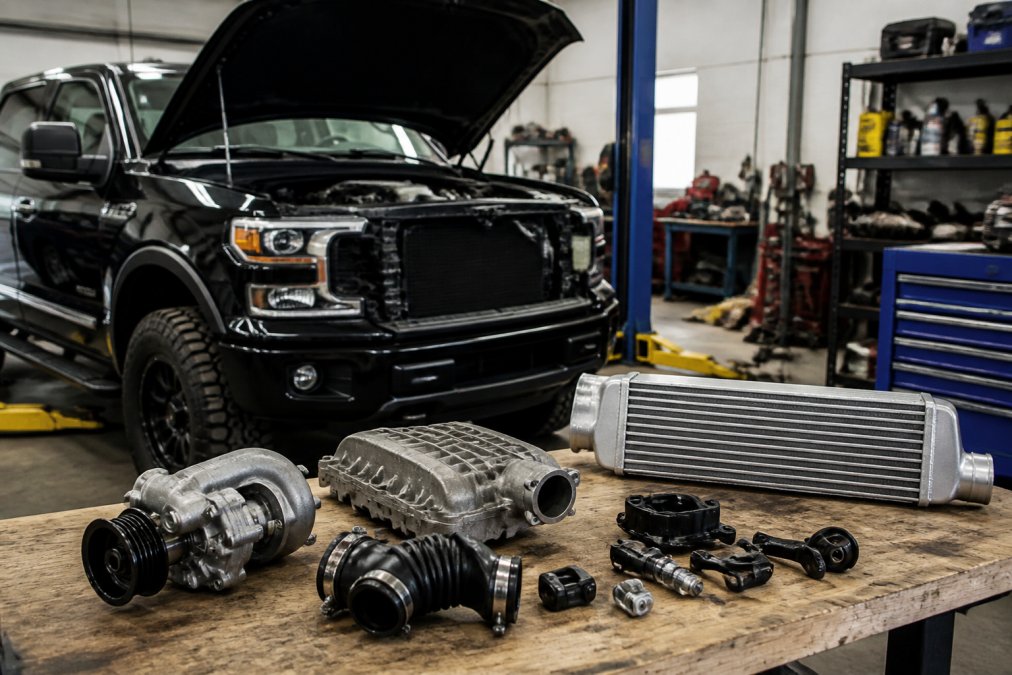
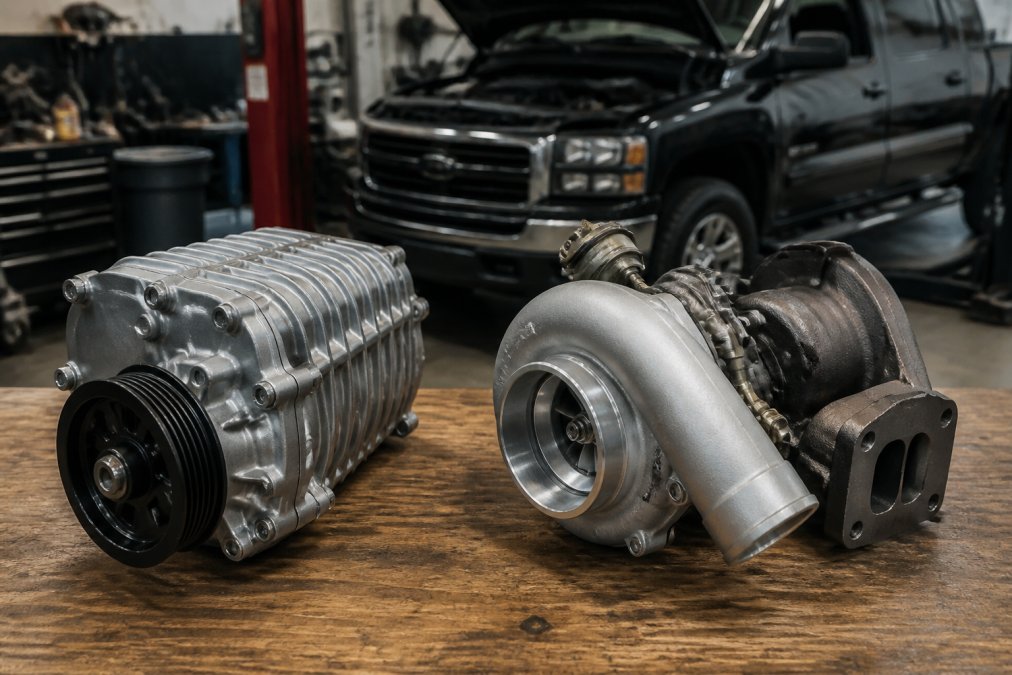
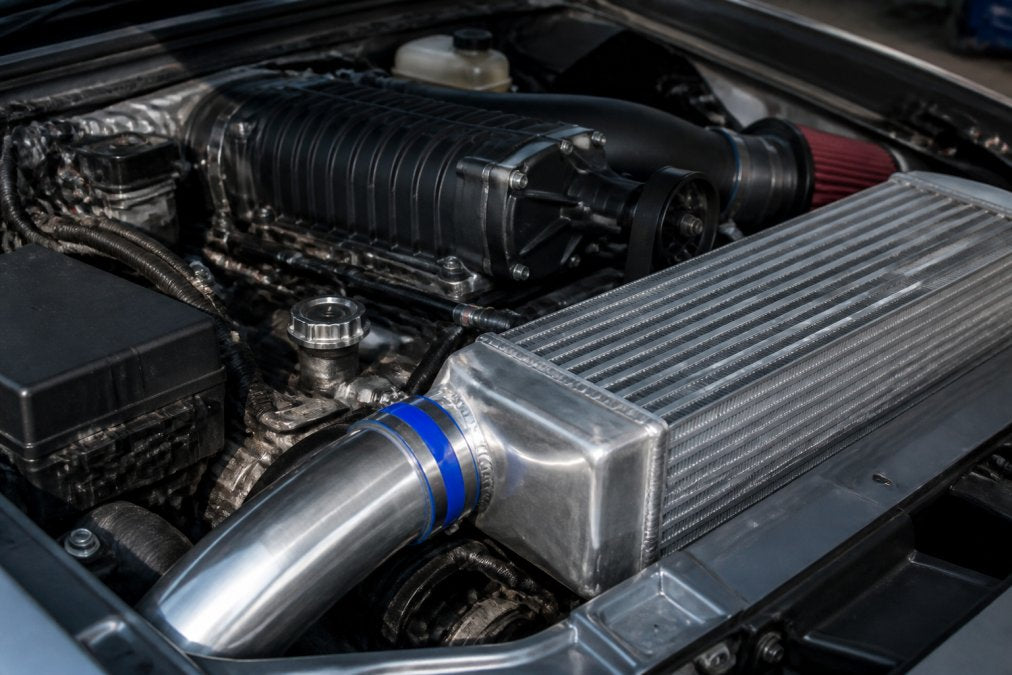
If your truck needs real help, not just a sharper pedal, forced induction changes the whole personality of the vehicle. A properly engineered supercharger kit adds power where truck owners actually use it. You feel it in the midrange, in the climb, and in the first half of the throttle, not just on a dyno sheet.
That is a big deal on trucks like the Toyota Tacoma and 4Runner platforms where owners add weight fast. Same with the Frontier and Gladiator crowd. We see these builds all the time - 33s, steel bumper, winch, recovery gear, drawer system, camping loadout. The complaint is always the same. The truck used to be fine stock. Now it feels winded.
A good supercharger setup fixes that without turning the truck into something annoying to live with. Throttle response comes back. Hill climbs take less pedal. Passing is easier. Towing feels more relaxed because you are not wringing the truck out every time the road tilts upward.
That last part matters. There is a huge difference between making power and making a truck nicer to drive every day. The best systems do not feel hacked together. They idle right, start right, and behave in traffic the way a street-driven truck should.
Reliability is not optional
This is where a lot of people get sideways. They chase the biggest number instead of the cleanest result. For a daily-driven truck, especially one that tows or travels, reliability has to come first.
One of the biggest complaints we hear from owners who went the wrong direction is poor drivability. Weird idle. Random check engine lights. Bad cold starts. Touchy throttle. A truck that rips one day and acts up the next is not fun when you are trying to get to work or head out on a trip.
That is why vehicle-specific hardware, proper fuel support, and solid tuning matter so much. After installing hundreds of kits, I would take an OEM-like setup with clean fitment and predictable behavior over a mess of custom parts every single time on a street truck. You want the power, but you also want to hand the keys to your wife, hook up a trailer, or drive three states away without second-guessing the thing.
How to choose the right upgrade for your truck
If you are putting together your own truck horsepower upgrade guide, be honest about three things: tire size, weight, and use.
If your truck is near stock and you just want a little more snap, start with a tune and make sure the truck is healthy. If you are on heavier tires and the truck feels soggy but you are not asking a ton from it, gearing might belong in the conversation depending on the platform.
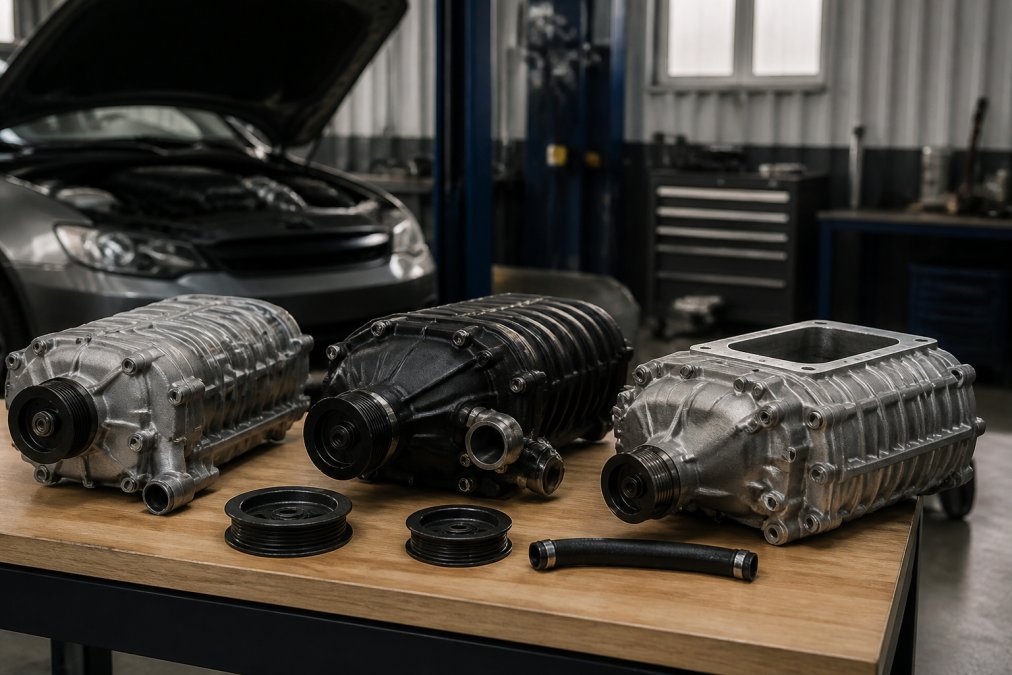
But if the truck tows, lives in the hills, runs bigger tires, carries armor, or spends its life loaded with tools or camping gear, you are usually past the point where basic bolt-ons will satisfy you. That is where a properly matched supercharger kit starts making real sense.
And platform matters. A Tacoma owner on 33s with a full overland setup has a different pain point than an F-150 owner with a turbo engine from the factory. A naturally aspirated midsize truck usually benefits more dramatically from forced induction because the gap in usable torque is easier to feel. That is why the same upgrade logic does not apply evenly across every truck.
What a good power upgrade should feel like
Forget the internet bench racing for a minute. The right setup should make the truck feel lighter on its feet. It should pull harder from part throttle, hold speed on grades with less effort, and make the transmission less busy. It should not need constant excuses.
Most owners tell us the best part is not the top-end charge. It is the normal driving stuff. Merging without planning ahead. Pulling away from a light with authority. Climbing a long grade without the truck sounding angry. Towing with more control instead of more drama.
That is the goal. Not a dyno queen. Not a headache. Just a truck that finally drives the way it should have once the tires, gear, and real-world use started stacking against it.
If your truck feels slower every time you improve it, stop throwing random parts at the problem. Match the upgrade to the way the truck is actually used, keep drivability at the top of the list, and buy the kind of power you can feel every single day.
Related post


RECENT POSTS