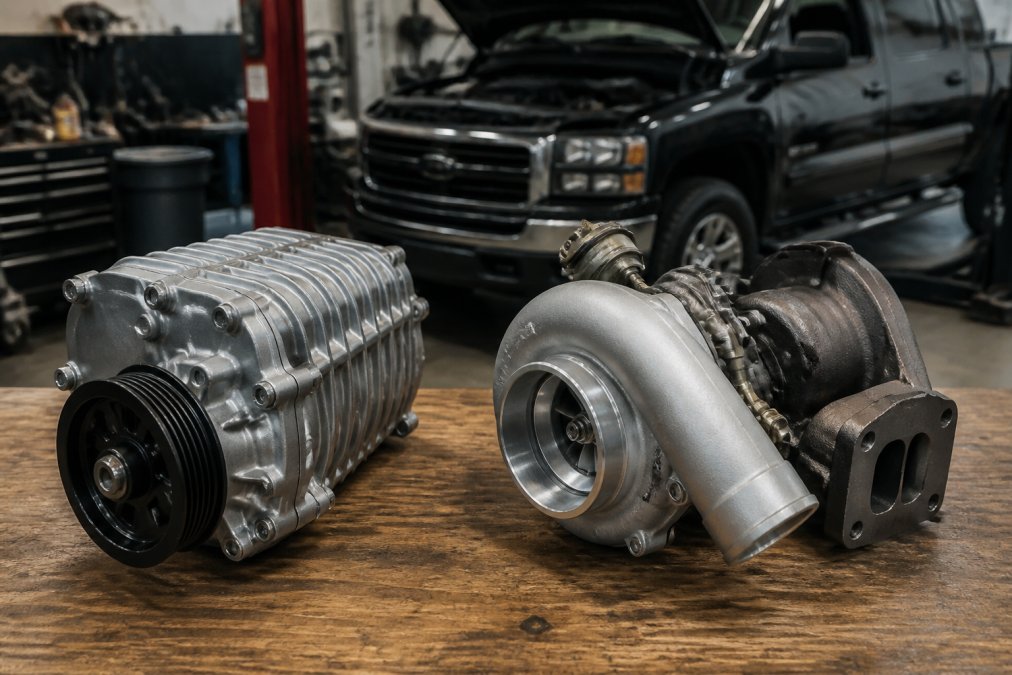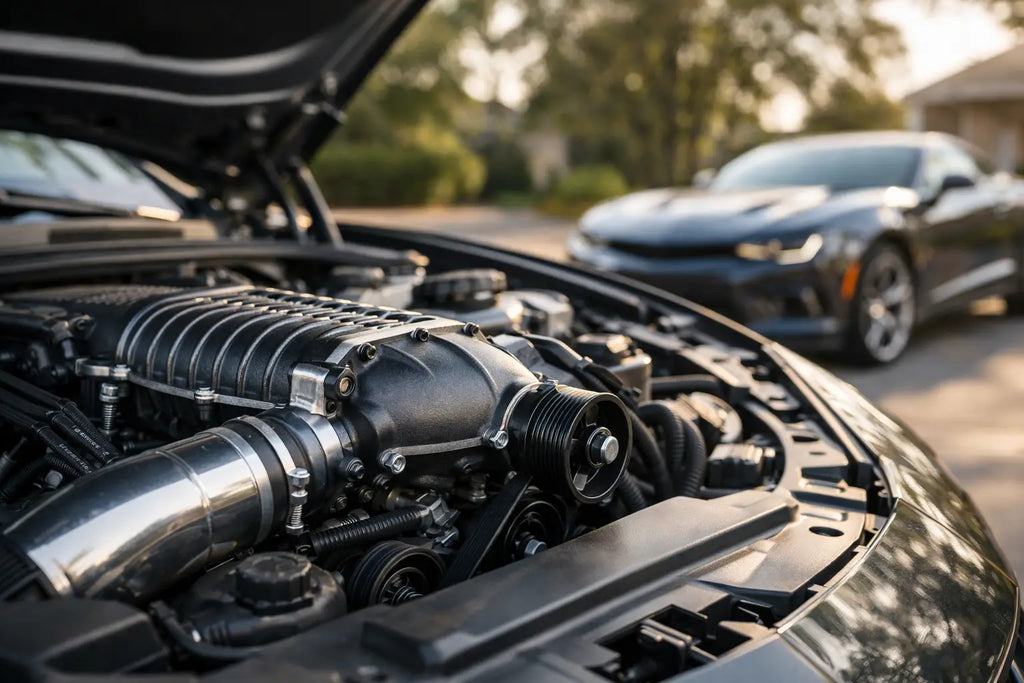
Is a Supercharger Reliable for Daily Driving?
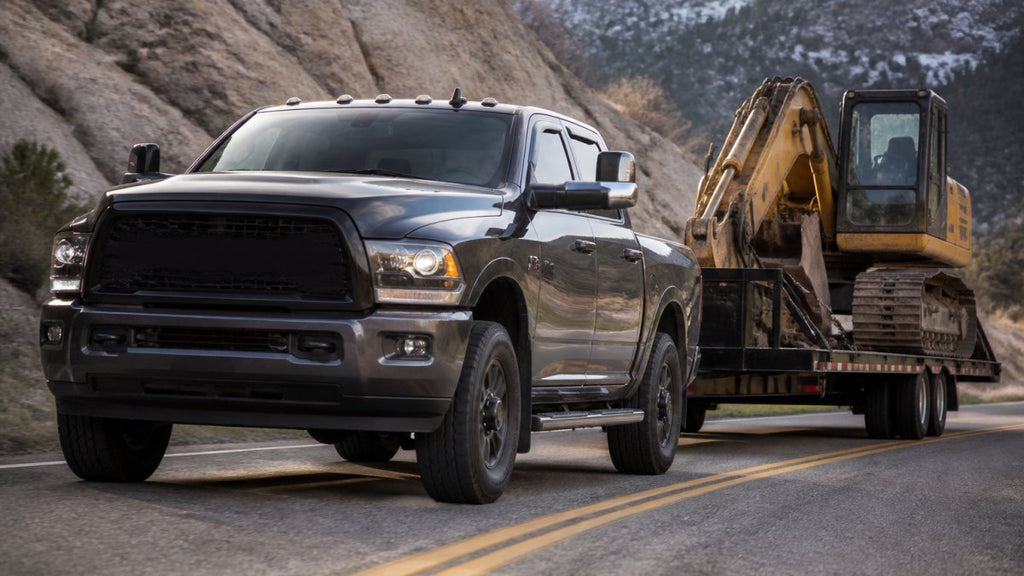
Bigger tires go on, armor goes on, a rooftop tent goes on, and suddenly the truck you liked stock feels lazy everywhere. It hunts for gears on the highway, falls on its face on grades, and passing takes more room than it should. That is usually when somebody asks us, is a supercharger reliable daily driver setup, or is it something you only want on a weekend toy?
Short answer - yes, a supercharger can absolutely be reliable on a daily driver if the kit is engineered right, installed cleanly, and tuned for real street use instead of dyno bragging rights. That last part matters more than people think. We see this all the time with Tacomas on 33s, 4Runners loaded for camping, Jeep Gladiators towing small trailers, and Chargers that just feel soft in the midrange compared to what the owner expected.
The real question is not whether boost is automatically unreliable. The real question is what kind of boost system, on what vehicle, with what tune, and how the owner actually uses it.
Is a supercharger reliable daily driver equipment?
If you are talking about a vehicle-specific, bolt-on kit built around stock-like drivability, then yes, it can be. If you are talking about a pieced-together setup, questionable fuel system changes, random tuning, or an install with vacuum leaks and belt alignment issues, that is where daily-driver reliability starts going sideways.
Most owners tell us the same thing. They do not want a race car. They want their Tacoma, Frontier, 4Runner, or Gladiator to feel strong again with the mods and weight they already added. They want to merge cleanly, hold speed on hills, tow without constant downshifting, and drive to work Monday morning without drama.
That is exactly where a properly designed supercharger setup makes sense. A good system adds torque where you use it. You feel it leaving a stoplight, rolling into traffic, climbing a grade, or pulling through the middle of the rpm range. It should not feel peaky or unpredictable. It should feel like the factory should have built it that way.
What makes one daily driver reliable and another one a headache?
One of the biggest complaints we hear is not actually about the supercharger itself. It is about bad tuning or a sloppy install. Owners blame the blower, but the real problem is usually heat management, fuel delivery, belt routing, spark plug choice, or somebody trying to squeeze every last horsepower out of a setup that was supposed to be street-driven.
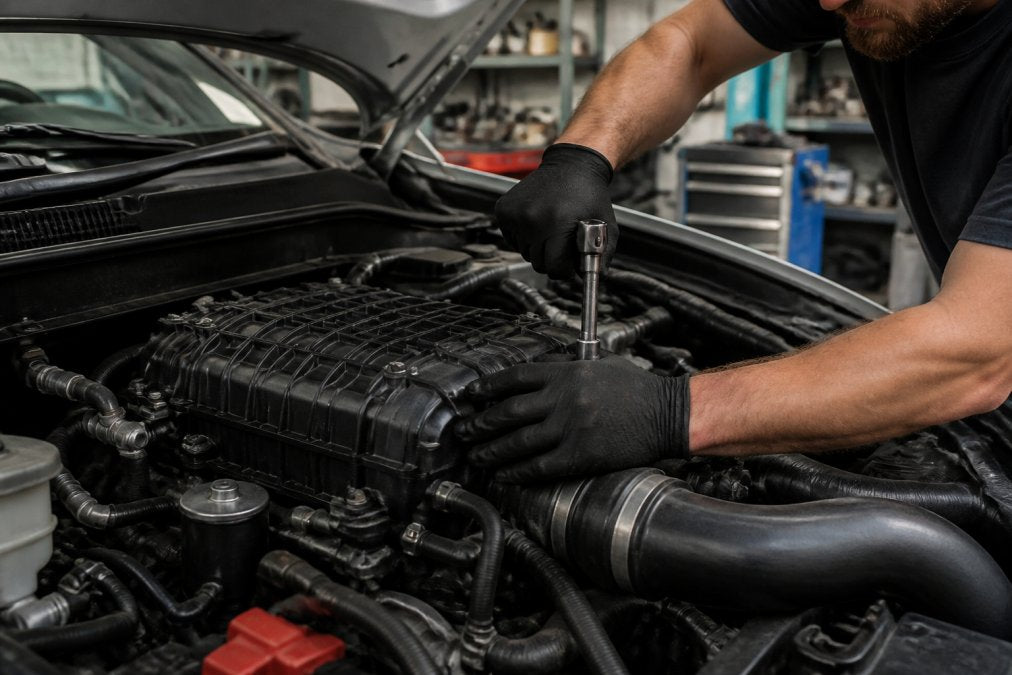
After installing hundreds of kits, the reliable daily drivers usually have a few things in common. The calibration is conservative enough for pump gas use. The air-fuel ratio is controlled where it should be. Timing is not pushed into risky territory. The kit fits the engine bay cleanly without hacked-up brackets or sketchy line routing. And the owner stays realistic about maintenance.
That is the trade-off nobody should sugarcoat. A supercharged daily driver can be reliable, but it is not maintenance-free in the same way a bone-stock vehicle is. You still need to pay attention to belts, plugs, fluid condition, fuel quality, and overall engine health. If the engine already has issues, boost is going to expose them fast.
Why superchargers make sense on trucks and SUVs
On a lot of US-market platforms, the problem is not top-end horsepower. The problem is that the vehicle gets heavier and the stock torque curve starts feeling flat in normal driving. A Toyota Tacoma on 33-inch tires with gear, sliders, and a bed rack does not need a high-rpm race tune. It needs grunt getting away from a stop and pulling through 2,500 to 4,500 rpm.
Same story with a 4Runner loaded for road trips. Same with a Jeep Gladiator that tows a side-by-side on weekends. Same with a Nissan Frontier that spends time on back roads and mountain grades. Most owners are not living at redline. They are dealing with wind resistance, bigger rolling mass, extra cargo, and elevation.
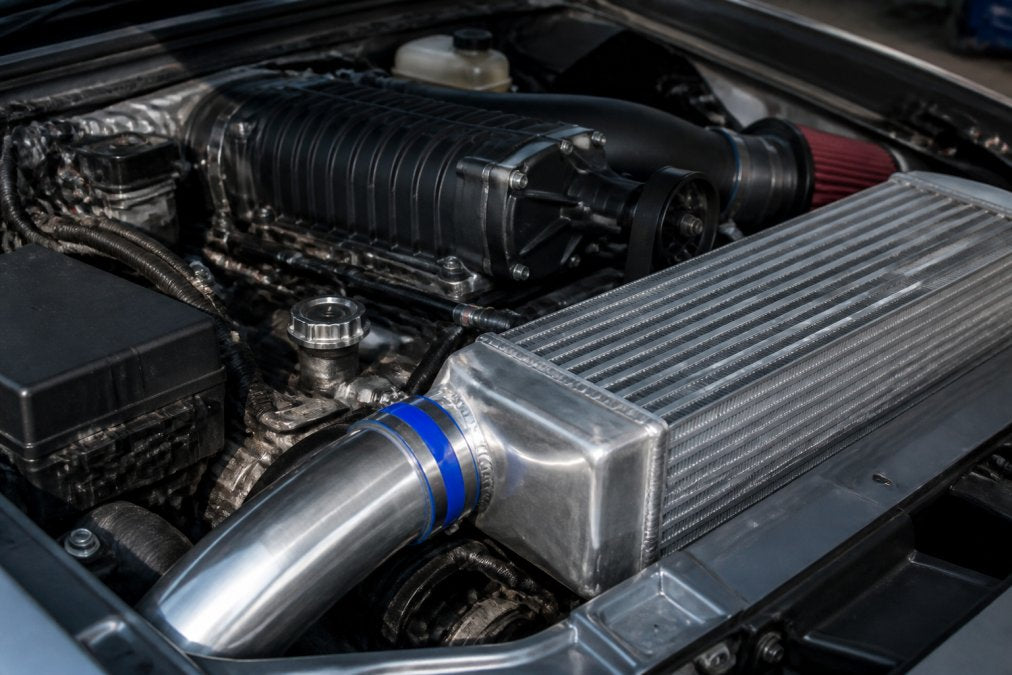
That is where a supercharger shines as a daily-driver upgrade. The power comes in right now. Throttle response gets sharper. Midrange torque comes alive. Instead of flooring it and waiting, the vehicle moves when you ask it to.
We see this all the time from owners who say, I do not even care about racing it. I just want it to stop feeling strained. That is the right mindset.
Reliability depends on the platform and the setup
Some vehicles respond especially well because they start with a solid engine and a transmission calibration that benefits from added torque. The Toyota 4.0L trucks and SUVs are a perfect example. Once tire size and vehicle weight go up, those platforms feel softer than they should. Add boost with the right tune and the whole thing wakes up without ruining everyday manners.
The Jeep 3.6 crowd is another one. Gladiator and Wrangler owners often call us after adding steel bumpers, winches, larger tires, and camping gear. Then they tow or hit mountain roads and wonder why the transmission is busy all the time. A properly sorted supercharger setup helps calm that down because the engine does not have to work as hard to do normal truck stuff.
On the street side, think Dodge Charger or Mazda 3 owners who want stronger pull without turning the car into something annoying in traffic. A daily-driver supercharger should feel clean at idle, smooth in part throttle, and predictable in heat, cold starts, and stop-and-go use. If it bucks, surges, overheats, or eats belts, that is not a daily-driver calibration. That is a problem.
Heat, towing, and summer traffic are the real tests
A dyno pull does not tell you if a supercharger setup is reliable for daily use. August traffic with the A/C on tells you. Towing uphill tells you. Back-to-back errands, hot restarts, and cheap pump gas in the real world tell you.
That is why system design matters so much. Intake temps, intercooling strategy if the platform uses it, fueling, belt grip, and tune quality all show up when the vehicle is used like an actual vehicle. Most owners are not making one pull and calling it a day. They are commuting, road-tripping, hauling kids, towing a small trailer, and trying to pass on a two-lane road without planning the move a mile ahead.
If a supercharger kit is built for that reality, reliability is very achievable. If it is built just to post a number, you are going to feel the difference in all the wrong ways.
What owners should expect long term
A good daily-driven supercharged vehicle should start, idle, and cruise like it belongs there. Fuel economy usually depends on your right foot. Stay out of boost and it may not change as much as people fear. Use the extra torque all the time and yes, you will burn more fuel. That is not a defect. That is extra airflow doing its job.
Maintenance will be a little more involved, but not in some crazy race-car way. You stay on top of spark plugs, inspect the belt system, use the right fuel, and do not ignore small issues. Most owners who run into trouble either started with a weak engine, used poor tuning, or treated the setup like it never needed attention.
One of the biggest complaints we hear from people who bought the wrong setup elsewhere is that the vehicle became annoying to live with. That is the line you do not want to cross. More power is easy. Keeping factory-like manners is the hard part.
So, is a supercharger reliable for a daily driver?
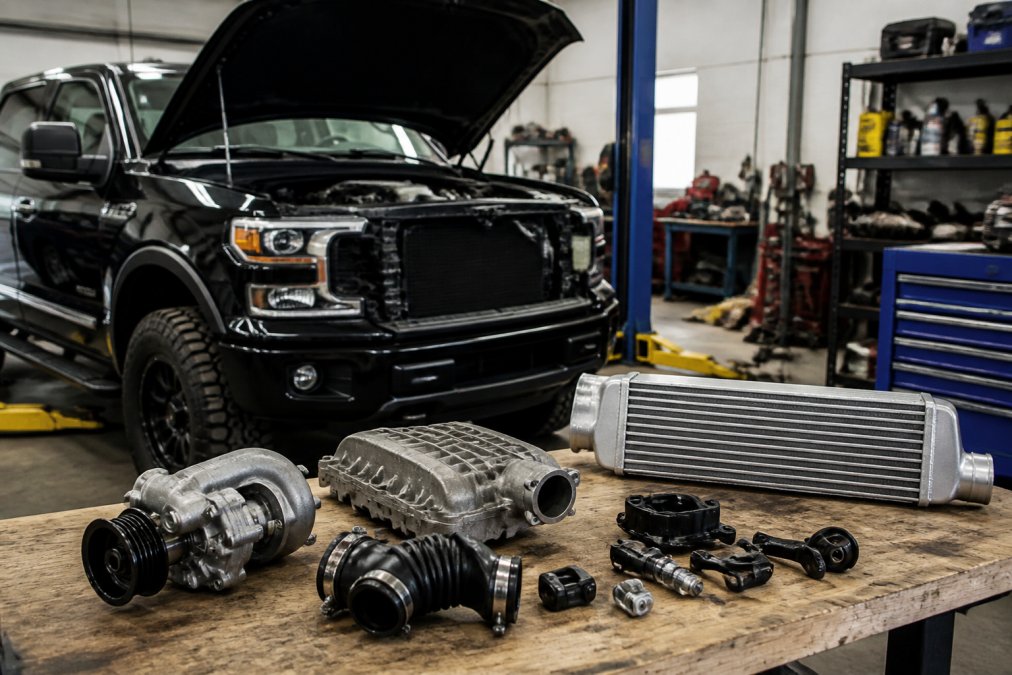
If your goal is a cleaner, stronger, more usable vehicle for real roads, real traffic, towing, hills, and added weight, then yes - a supercharger can be a very reliable daily-driver upgrade. But reliable boost comes from restraint and engineering, not just boost pressure.
The sweet spot is a vehicle-specific kit, proper installation, sensible tuning, and an owner who understands that more performance still needs proper care. That setup can live a long, useful life and make the vehicle far better to drive every single day.
We have seen it on Tacomas that finally pull 33s the way they should, 4Runners that stop feeling overloaded, Gladiators that tow with a lot less drama, and street cars that become fun without becoming temperamental. That is the whole point. Not a garage queen. Not a dyno hero. Just a stronger vehicle that still does its job.
If your truck or SUV feels slower every time you improve it, boost done right is usually not the thing that ruins reliability. It is the thing that gives the vehicle its muscle back.
Related post


RECENT POSTS