How Much Horsepower Does a Supercharger Add?
Put 33s or 35s on your truck, load it down with bumpers, sliders, a roof rack, and camping gear, then head into the hills and the problem shows up fast. It feels heavy, lazy, and always one gear short. If you’re asking how much horsepower does a supercharger add, you’re probably really asking how much better the vehicle will feel when you’re passing, towing, climbing, or trying to get that lost power back.
That’s the right question.
After installing hundreds of kits, we can tell you this - the number matters, but the way the power shows up matters more. Most owners aren’t chasing a dyno sheet for bragging rights. They want stronger midrange, better throttle response, less downshifting, and a vehicle that finally feels right again.
How much horsepower does a supercharger add in the real world?
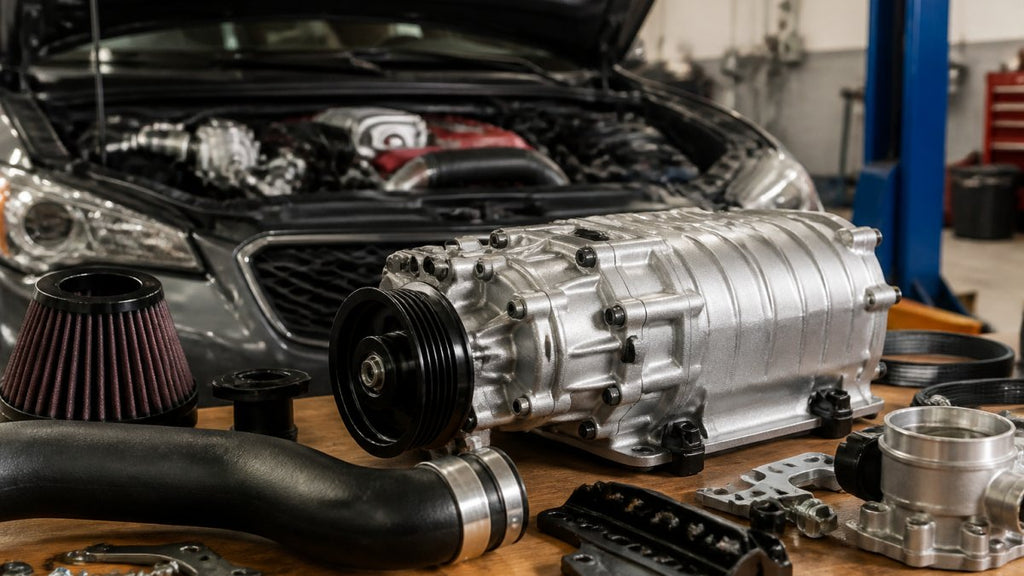
On a properly designed, vehicle-specific street kit, a supercharger often adds somewhere around 30 to 50 percent more horsepower. On some applications, especially engines that respond well to boost and have solid tuning support, gains can be even stronger. We see this all the time on trucks and SUVs that start out feeling fine when they’re stock, then feel flat once the owner adds tires, armor, a trailer, or extra weight.
But here’s where people get tripped up. If your factory setup made 270 horsepower, a supercharger doesn’t just make it feel like 320. In many cases, it can push that combination well beyond what the seat of the pants tells you. And because boost builds torque through the usable part of the rpm range, the vehicle feels stronger in normal driving, not just at the top end.
That’s why owners usually call us back talking about hills, towing, and passing power before they ever mention peak horsepower.
Horsepower is only half the story
One of the biggest complaints we hear is, “My truck isn’t terrible from a stop, but once I’m rolling it feels dead.” That’s a torque problem as much as a horsepower problem.
A good supercharger setup wakes up the middle of the powerband. You roll into the throttle at 35 or 45 mph, and instead of waiting for a downshift and a bunch of noise, the vehicle just goes. That’s what makes these kits feel so different in daily use.
If you drive a Toyota Tacoma or 4Runner on 33s, you know exactly what I’m talking about. The stock truck is livable. Then bigger tires go on, maybe a steel front bumper and winch, maybe a bed rack or drawer system, and now it feels like the drivetrain is dragging an anchor. The supercharger doesn’t just add peak power. It gives the engine the grunt it should have had once the build got heavier.
Same story with the Jeep Gladiator. Add overland gear, a rooftop tent, or tow a small trailer, and the factory setup can spend too much time hunting gears. Most owners tell us the biggest difference isn’t some hero pull to redline. It’s the fact that the truck stops feeling strained.
What affects how much horsepower a supercharger adds?
The short answer is this - engine size, factory compression, boost level, fuel quality, tuning, and the condition of the vehicle all matter.
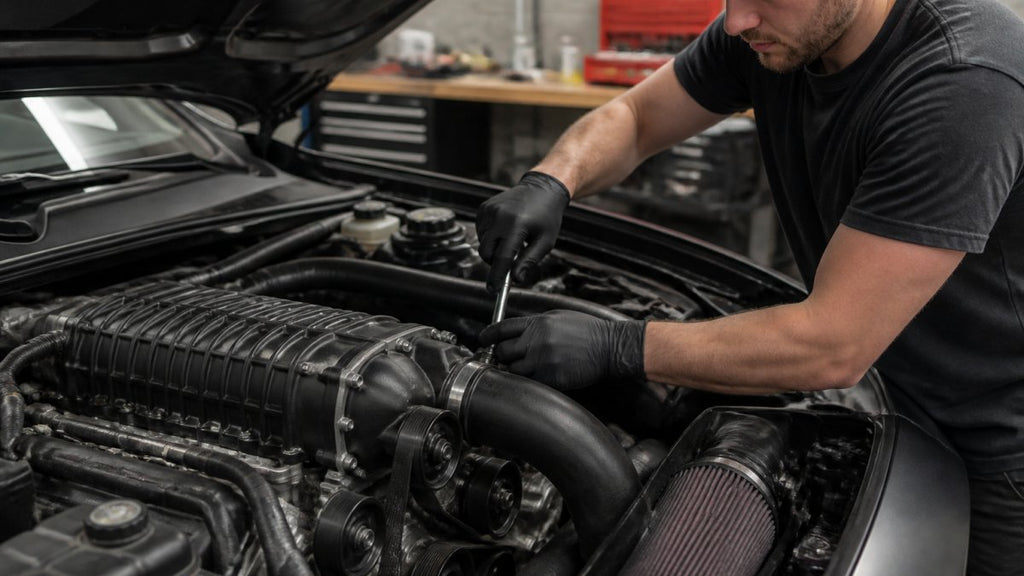
A healthy engine with a well-matched blower and proper calibration will usually deliver the gains people expect. A tired engine with poor maintenance, bad fuel, or a generic tune won’t. That’s why clean installation and proper tuning are everything. You can have the best hardware in the world, but if the fuel and spark tables aren’t right for that exact platform, you won’t get the drivability or reliability you paid for.
Vehicle setup matters too. If you’ve got oversized mud tires, steep wind resistance from accessories, and a lot of extra weight, some of your new horsepower is going toward getting that mass moving. You’ll still feel the gain, sometimes dramatically, but the final experience is different than a lighter street truck on stock wheels and tires.
Altitude is another big one. We see this all the time with mountain-state owners. Naturally aspirated engines lose power as elevation climbs. A supercharger helps make that loss far less painful. So if you live where every pass and grade makes your truck feel weaker, boosted power can feel even more dramatic than the raw horsepower number suggests.
How much horsepower does a supercharger add on common street builds?
Let’s talk like guys in the shop, not like a textbook.
On a Tacoma, 4Runner, Frontier, or Gladiator that’s used for daily driving, weekend trips, towing, and off-road use, the gain usually feels biggest in the low and middle rpm range. That’s where the owner notices the truck pulling hills in a taller gear, merging without a running start, and recovering the power lost to larger tires.
On something like a Dodge Charger or a street-driven Ford platform, the horsepower increase is usually more obvious right away because the vehicle is lighter on accessories and the driver spends more time using the upper rpm range. The hit feels stronger, sharper, and more immediate.
Mazda 3 owners are another interesting group. Most of them aren’t trying to build a race car. They just want the car to stop feeling flat when they roll into the throttle. After installing hundreds of kits, we can say those owners usually care less about the absolute number and more about the fact that the car finally feels eager all the time.
So when somebody asks for one magic horsepower figure, the honest answer is that a supercharger can add a lot, but the more useful answer is how your specific vehicle will use it.
The real benefit is how the vehicle drives every day
This is where a lot of cheap internet advice goes sideways. People talk about boost like it’s only about making a big dyno number. For most owners, that’s not the win.
The win is pulling onto the highway with confidence. It’s towing a trailer without your transmission hunting every overpass. It’s climbing a grade with camping gear in the back and not feeling like you have to floor it just to maintain speed. It’s hitting the throttle in a loaded 4Runner and getting response now, not three seconds later.
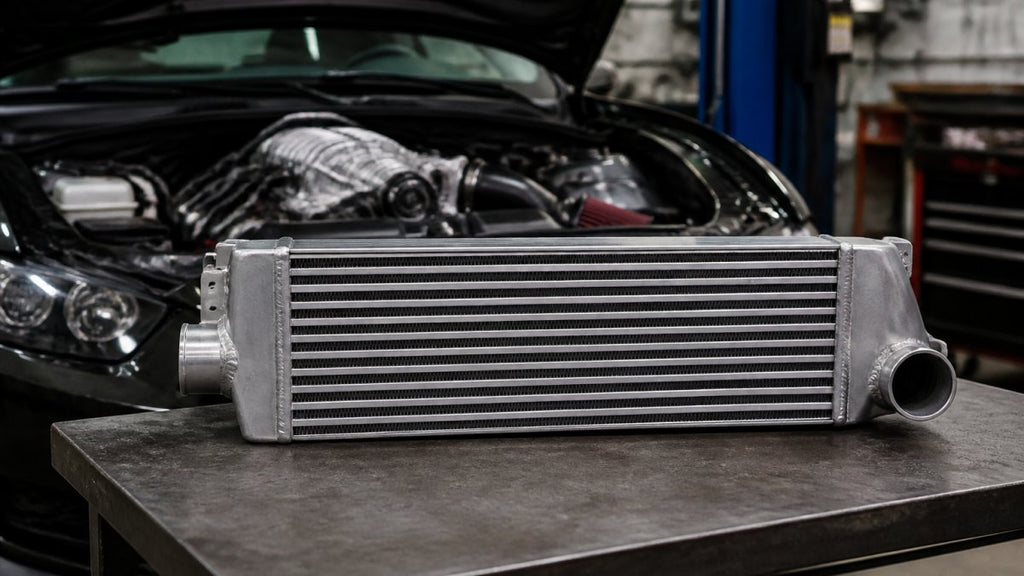
That’s why we always lean toward OEM-like drivability over all-out numbers. A clean, well-engineered system with predictable fueling, solid belt wrap, proper cooling strategy, and a dialed tune is the setup you’ll actually enjoy owning. It starts, idles, cruises, and behaves like it should - just with a lot more authority when you put your foot in it.
Bigger gains come with trade-offs
There’s always an “it depends” part of this conversation.
Can you push for more boost and more horsepower? Sure. But once you start chasing the edge, you’re usually giving something up. That might be fuel requirements, heat management, install complexity, long-term durability, or the easy street manners that made the vehicle enjoyable in the first place.
Most owners are better served by a balanced setup than a max-effort one. We see this all the time. The guy who wanted a reliable daily, tow rig, or trail truck is usually happiest with a proven bolt-on package that makes strong repeatable power, not the setup that’s always one hot day or one bad tank of gas away from trouble.
That’s especially true for trucks and SUVs. These aren’t garage queens. They haul kids, gear, trailers, and groceries. They sit in traffic. They run road trips. They see summer heat, winter fuel blends, and long climbs. Reliability matters.
So, is the horsepower gain worth it?
If your vehicle feels slower every time you add useful parts to it, yes. If you tow, drive at altitude, run bigger tires, or hate how often your transmission drops gears, yes. If you want a street-driven setup that feels strong without turning the vehicle into a science project, absolutely.
A supercharger is one of the few upgrades that changes the whole personality of the vehicle. Not because the number on paper is impressive, although it usually is. It’s because the power shows up where you actually use it.
Most owners don’t come back saying, “I’m glad I gained X horsepower.” They say, “It finally drives the way it should have from the factory.” That’s the real answer.
If you’re trying to decide whether the gain is worth the money, think less about peak horsepower and more about your actual complaints. Weak passing power. Constant downshifting. Sluggish response with 35s. Towing strain. Power loss in the mountains. Fix those problems, and the dyno sheet almost becomes the bonus.
That’s the stuff you feel every single time you turn the key.
Related post
09
Oct
RECENT POSTS