Does Supercharging Void Your Factory Warranty?
Table of Contents
- Does Supercharging Void Your Factory Warranty?
- Understanding the Magnuson-Moss Warranty Act Explained
- How Dealerships Determine Warranty Claims on Modified Vehicles
- When a Dealer Denied Warranty Claim Modification Happens
- Manufacturer-Approved Supercharger Kits and Coverage
- Factory vs. Aftermarket Warranties: What You Need to Know
- How to Protect Your Warranty When Installing a Supercharger
- Conclusion
Last Updated: August 5, 2026
Does Supercharging Void Your Factory Warranty?
Installing a supercharger raises a legitimate concern: will it void your factory warranty? The short answer is no, not automatically. The relationship between performance modifications and warranty coverage is more nuanced than a simple yes or no. Under federal law, manufacturers must prove a direct causal link between your modification and the specific component failure before denying a claim. Whether your warranty survives depends on three factors: the specific modification, the component that fails, and how well you document the relationship between the two.
Understanding the Magnuson-Moss Warranty Act Explained
The Magnuson-Moss Warranty Act is federal consumer protection legislation that prevents manufacturers from voiding your entire warranty simply because you've modified one component. Enacted in 1975, this law requires manufacturers to prove that a specific modification directly caused the specific failure they're denying coverage for. They cannot deny a claim based on guilt by association.
Under Magnuson-Moss, a manufacturer can only deny a warranty claim if they demonstrate that your modification materially contributed to the failure. The burden of proof rests with the dealership or manufacturer, not with you. If you install a supercharger and your transmission fails, the manufacturer must prove the supercharger caused that failure. If they can't establish that causal link, they must honor the claim.
The Act also prevents manufacturers from requiring you to use only OEM parts or service exclusively at their dealership. What they can do is deny coverage for components directly affected by your modification if they can prove causation.
Pro Tip
Keep all documentation of your supercharger installation, including the kit specifications, installation date, and any pre-installation diagnostics. This paper trail is your defense if a claim dispute arises, showing you made a deliberate, documented choice rather than an undisclosed modification.
How Dealerships Determine Warranty Claims on Modified Vehicles
When you bring a modified vehicle to a dealership with a warranty claim, the service advisor initiates a specific evaluation process. They're not looking to deny your claim outright; they're determining whether the modification is relevant to the failure.
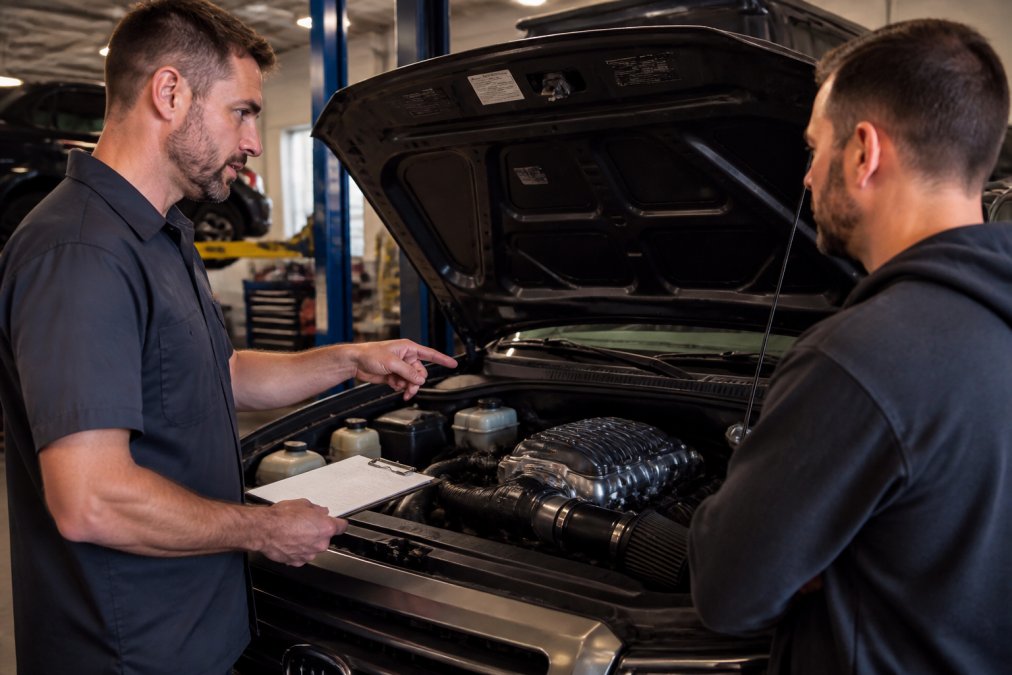
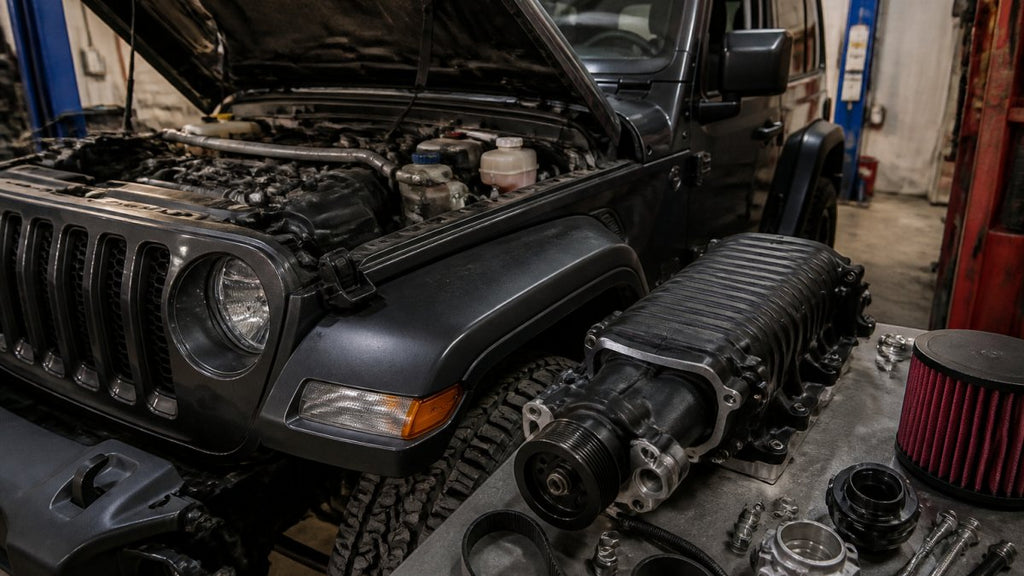
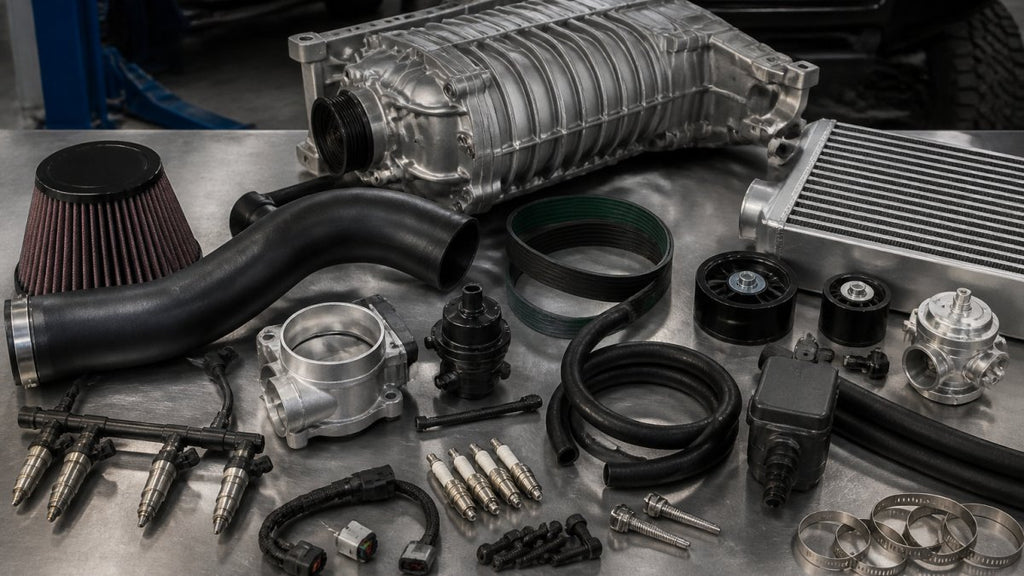
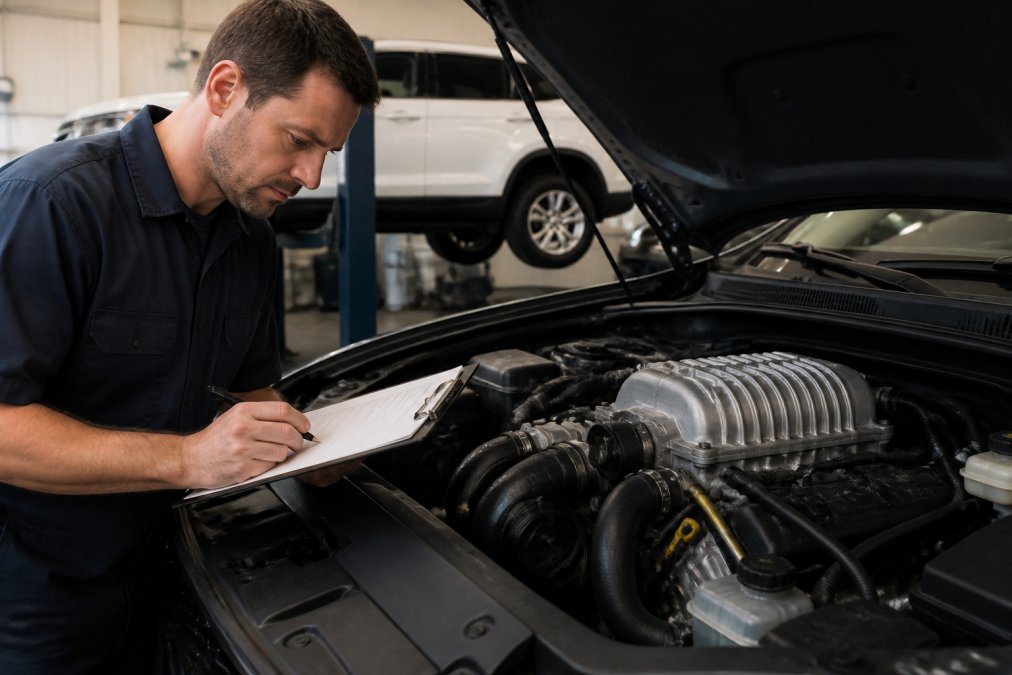
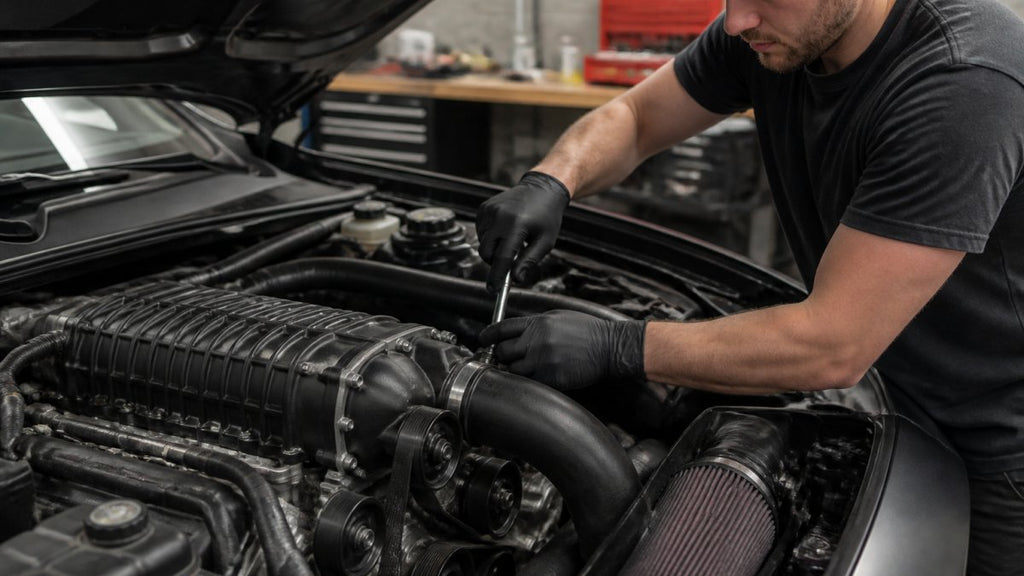
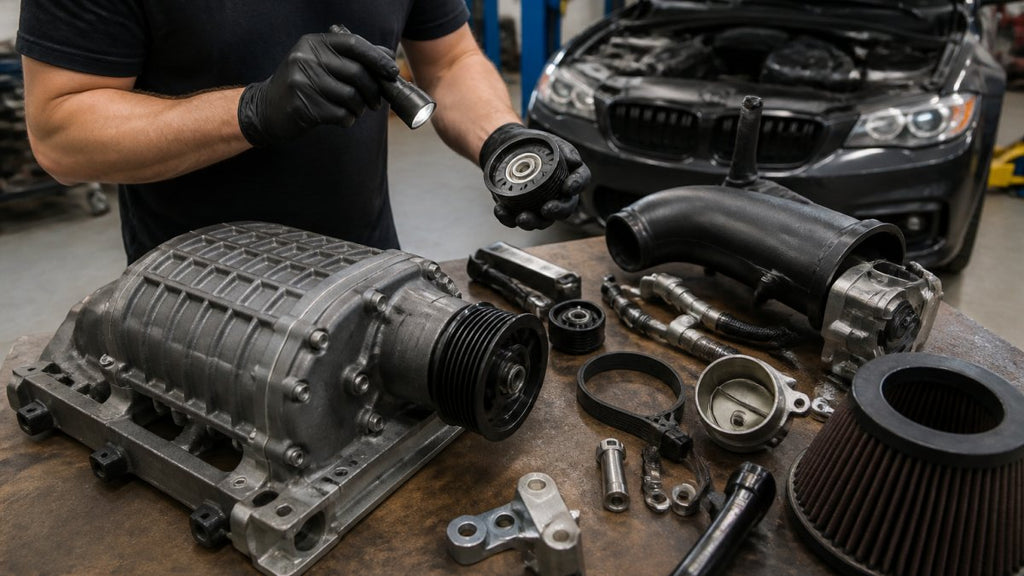
The first step is visual inspection. Is it a professional bolt-on kit with OEM-style fitment, or a hastily cobbled-together setup? A clean, well-installed VT Superchargers kit looks dramatically different from a backyard modification.
Next, they pull diagnostic data. Modern vehicles log boost pressure readings, ECU calibration history, fuel trim adjustments, and diagnostic trouble codes. This data tells a story. If logs show you're running 20 PSI of boost on an engine designed for 12 PSI, that's relevant to certain failure modes. If logs show normal operation parameters, that suggests the modification wasn't the culprit.
The critical moment arrives when the dealer must determine causation. If you installed a supercharger and your water pump failed, the dealer must explain how forced induction caused water pump failure. The causal link isn't obvious. If your engine seized and logs show excessive boost with lean fuel trim, the causal link is clearer.
Watch Out
A common mistake is assuming the dealer's initial denial is final. It's not. Manufacturers have appeals processes specifically for disputed claims. If a dealer denies your warranty claim and you believe the denial is unjustified, request a written explanation and consider escalating to the manufacturer's customer service department.
When a Dealer Denied Warranty Claim Modification Happens
A denied warranty claim on a modified vehicle follows a predictable pattern. What happens next depends on whether you understand your rights and how to challenge the decision.
The Burden of Proof Process
The burden of proof in warranty disputes is legally on the manufacturer, not on you. When a dealer denies your claim, they're asserting that your modification caused the failure. You don't have to prove it didn't; they have to prove it did.
Request that the dealer provide written documentation explaining exactly how they believe your supercharger caused the specific component failure. Ask them to reference diagnostic data or technical analysis that supports their conclusion. Many dealers can't produce this documentation because it doesn't exist. Their denial was based on assumption, not evidence.
If you're facing a denied claim, document everything in writing. Send an email requesting a detailed explanation and reference the Magnuson-Moss Warranty Act. Escalate to the manufacturer's customer service department if the dealer won't reconsider. Manufacturers are often more willing to honor borderline claims when they see you're organized and informed about your rights.
Diagnostic Data and Flash Counters
Diagnostic data is the most objective evidence in a warranty dispute. Your vehicle's ECU logs boost pressure, fuel trim, ignition timing, and knock sensor readings. This data doesn't lie.
Flash counters track how many times the ECU has been reprogrammed. A dealer sees a flash counter above zero and assumes you've tuned your engine. Sometimes they're right; sometimes you've simply had a software update at the dealership. The flash counter alone doesn't prove you've modified the engine for excessive performance.
When a dealer cites a flash counter as evidence of modification, ask them to explain how that modification caused the specific failure. A high flash counter proves modification occurred, but doesn't prove causation. If your engine seized and logs show excessive boost, that's strong evidence of causation. If your alternator failed and logs show normal boost levels, the flash counter is irrelevant to the failure.
Manufacturer-Approved Supercharger Kits and Coverage
Some manufacturers offer their own supercharger kits or approve specific aftermarket kits for warranty coverage. This is the gold standard for protected performance upgrades. If your vehicle manufacturer offers an approved supercharger kit, installing it typically maintains full warranty coverage.
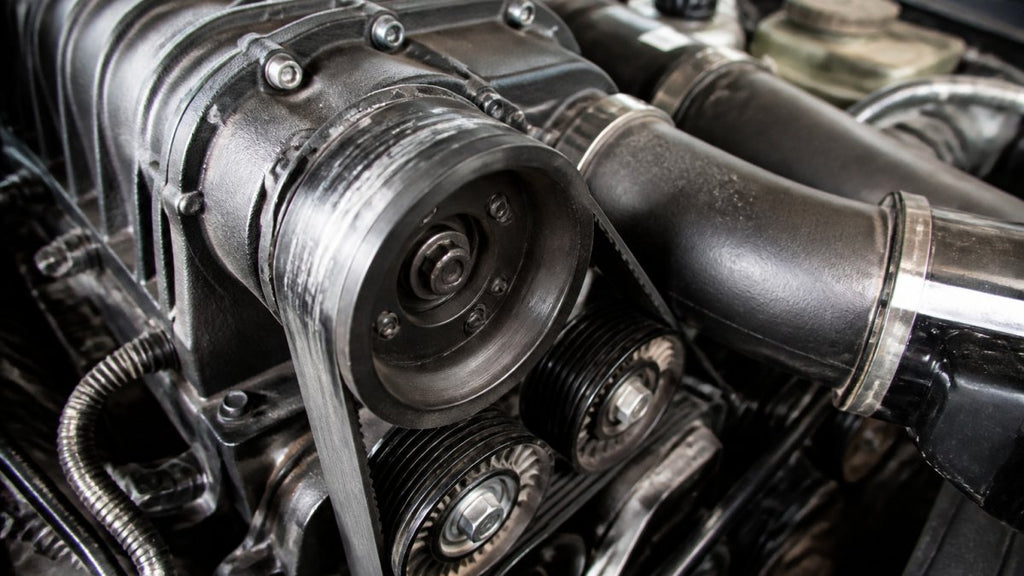
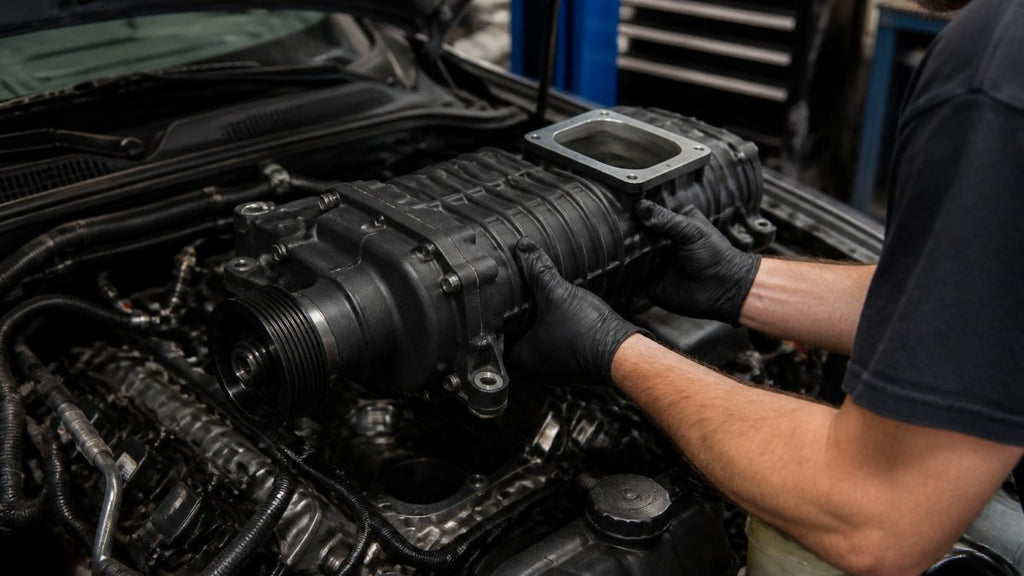
A professional bolt-on supercharger kit engineered for OEM-style fitment, like those offered by VT Superchargers, is designed to integrate seamlessly with your vehicle's existing systems. The engineering accounts for cooling, fuel delivery, ignition timing, and structural integrity. This is fundamentally different from a hastily installed kit with custom fabrication.
When considering a supercharger installation, ask the manufacturer about warranty implications. Some will provide written documentation stating that their specific kit doesn't void coverage for non-related components. This documentation is valuable if a claim dispute arises later.
Factory vs. Aftermarket Warranties: What You Need to Know
Your factory warranty and any aftermarket or supplemental warranty are separate contracts with different terms. Your factory warranty is issued by the vehicle manufacturer and covers defects in materials and workmanship. When you modify your vehicle, the manufacturer's obligation becomes conditional on causation.
Aftermarket warranties or supplemental coverage plans are issued by third-party warranty companies. Many explicitly exclude coverage for modifications. Before you install a supercharger, review your supplemental warranty terms. Some policies void coverage entirely for modified vehicles; others allow modifications but exclude coverage for directly affected components.
Contact the warranty provider before installation and ask explicitly whether a supercharger installation voids your policy. Some warranty companies offer performance modification coverage as an add-on, eliminating ambiguity around causation disputes.
Key Takeaway
Factory warranty coverage for modified vehicles is determined by causation, not by the modification itself. Supplemental warranties often have stricter terms. Know the difference before you install.
How to Protect Your Warranty When Installing a Supercharger
The best strategy for protecting your warranty is proactive documentation and professional installation.
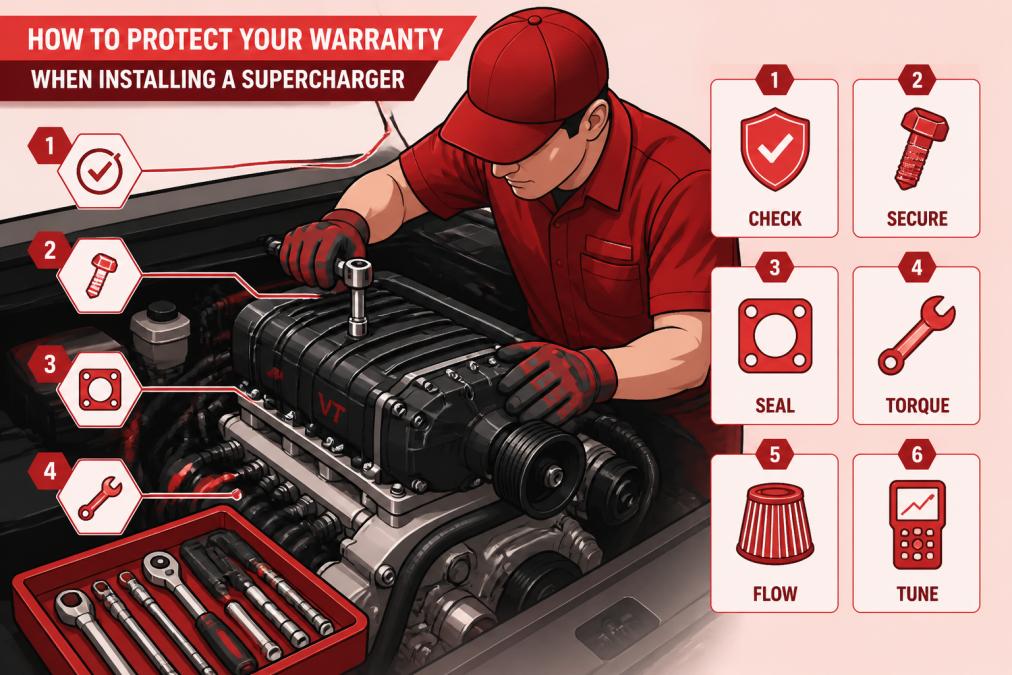
Consult with your dealership before installation. Schedule an appointment with the service advisor and ask directly: will this modification affect warranty coverage for powertrain components? Request written documentation of their response. This creates a record that you sought guidance before modification and often triggers a more nuanced conversation.
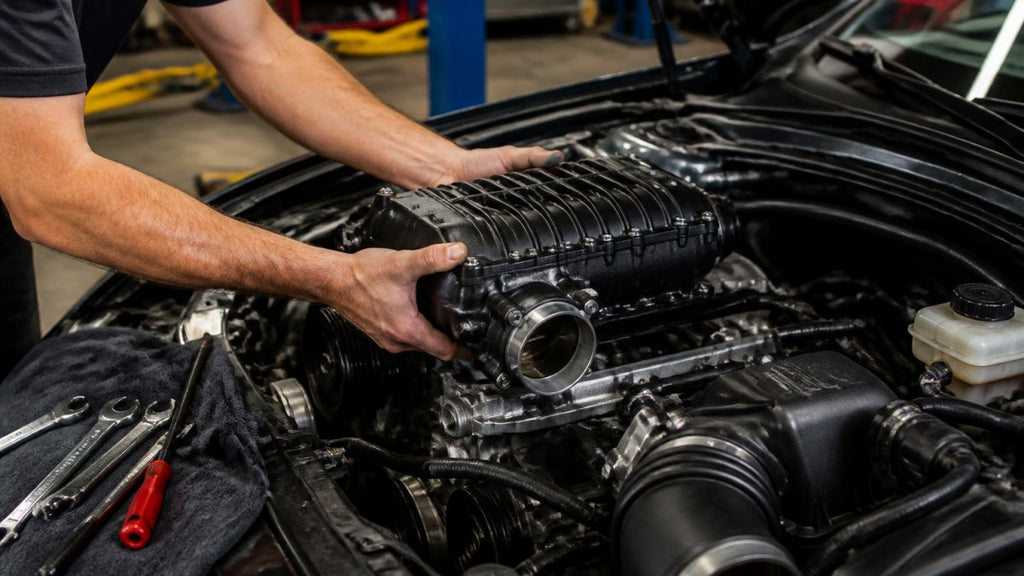
Choose a professional installation. A bolt-on supercharger kit installed by someone with experience is dramatically different from a DIY installation. Professional installers understand fitment tolerances, electrical integration, and tuning optimization. They also document their work.
Maintain detailed installation records. Document the installation date, kit manufacturer and model, installer's name and shop, and any pre-installation diagnostics. Keep all receipts and warranty documentation from the supercharger kit itself.
Request pre-installation diagnostics from your dealer. Before installation, have your dealership run a full diagnostic scan. This establishes a baseline of your vehicle's condition. If a component fails after supercharger installation, you have documentation showing the component was healthy beforehand.
Understand your specific vehicle's limits. Different vehicles tolerate forced induction differently. Understanding your vehicle's engineering envelope helps you make informed decisions about boost levels and supporting modifications.
Use quality fuel and maintain aggressive service intervals. Supercharged engines benefit from premium fuel and more frequent maintenance. Running premium fuel reduces knock and allows the ECU to optimize timing. More frequent oil changes keep the engine cleaner and cooler.
Document any performance tuning carefully. If you adjust boost levels or ECU parameters beyond the kit's factory settings, keep records of those changes. Documented evidence of specific calibration choices is more credible than vague claims about stock boost levels.
Consider third-party supplemental coverage. Some warranty companies offer performance modification coverage. If you're installing a supercharger on a vehicle you plan to keep long-term, supplemental coverage eliminates ambiguity around warranty disputes.
Conclusion
Supercharging doesn't automatically void your factory warranty, but it does change how warranty claims are evaluated. The Magnuson-Moss Warranty Act protects you by requiring manufacturers to prove causation before denying coverage. A professional installation from a reputable manufacturer like VT Superchargers, combined with careful documentation and proactive communication with your dealership, significantly reduces your risk. Get started with VT Superchargers and install with confidence, knowing you have legal protections and a 24-month warranty backing your kit itself.
Frequently Asked Questions
Does installing a supercharger automatically void my factory warranty?
No. Under the Magnuson-Moss Warranty Act, a manufacturer cannot void your entire warranty simply because you installed a supercharger. However, they can deny claims for specific failures directly caused by the modification. The key is proving causation, the dealership must demonstrate that the supercharger caused the failure, not just that it exists on your vehicle.
What should I do before installing a manufacturer-approved supercharger kit?
Document your vehicle's current condition with photos and mileage. Check your owner's manual for warranty terms and contact your dealership's service advisor to discuss the modification before installation. Many dealerships will provide written confirmation of how the modification affects coverage. Keep all receipts, installation documentation, and maintenance records. This documentation protects you if a claim is denied and you need to prove the modification didn't cause the failure.
How does a dealership prove that a supercharger caused engine failure?
Dealerships use diagnostic trouble codes, ECU calibration data, and flash counters to trace failures. They examine whether your engine was modified beyond original manufacturer specifications and whether the failure pattern matches known supercharger-related issues. The burden of proof is on them, they must show a direct causal link between the modification and the specific component failure. If they cannot establish this connection, the claim should be covered under your factory warranty.
Can I get supplemental warranty coverage for my supercharger installation?
Yes. Third-party supplemental warranties are available for modified vehicles and can cover both the supercharger kit and engine-related failures. These policies bridge the gap between factory coverage and aftermarket modifications. VT Superchargers offers a 24-month warranty on its kits. Review the terms carefully to understand what is and isn't covered, and compare options to find coverage that matches your specific vehicle and modification.
This article was written using GrandRanker
Related post
09
Oct
RECENT POSTS