Bolt On Supercharger Kit Installation Tips
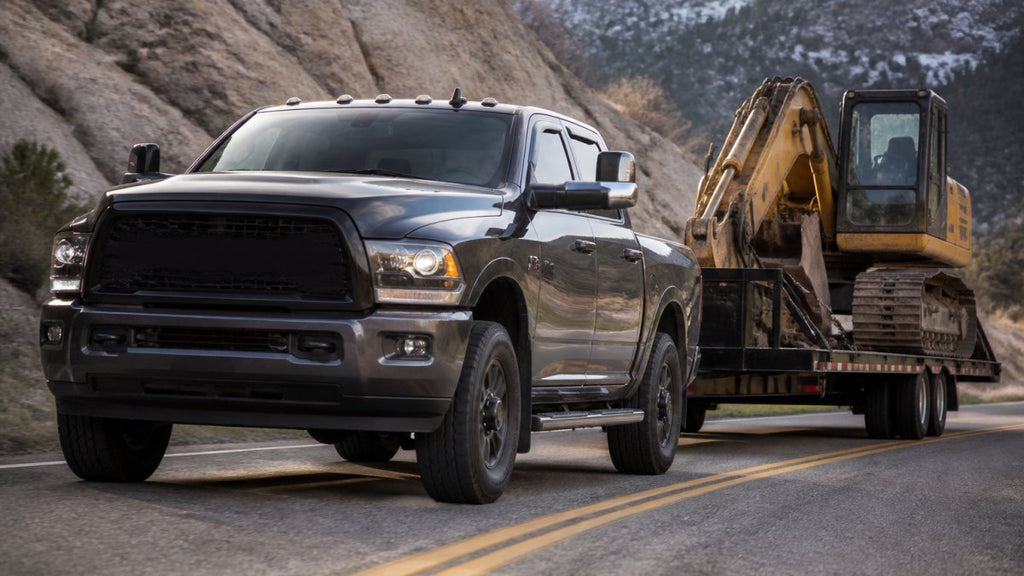
Your truck felt fine on stock tires. Then the 33s or 35s went on, the front bumper got heavier, maybe you added a rack, sliders, a bed setup, or started towing a small trailer, and now it hunts for gears on every grade. Passing takes planning. Midrange torque feels flat. We see this all the time, and that is exactly why bolt on supercharger kit installation matters so much - not for dyno bragging, but for getting your vehicle back where it should have been in the first place.
Most owners are not trying to build a race truck. They want their Tacoma, 4Runner, Gladiator, Frontier, Charger, or Mazda 3 to feel stronger in the real world. They want better throttle response pulling into traffic, less downshifting on hills, and power that shows up where they actually drive. A good install gets you there. A sloppy one gives you headaches.
What bolt on supercharger kit installation should feel like
After installing hundreds of kits, I can tell you the best installs are the ones you almost forget about after a week. The vehicle just feels right. It starts clean, idles smooth, drives normally in traffic, and then when you lean into the throttle, the torque is just there.
That matters even more on vehicles that work for a living. A Tacoma on bigger tires should not feel dead leaving a stoplight. A 4Runner loaded for overlanding should not be screaming for gears on every overpass. A Jeep Gladiator with steel armor should not feel like it gave up its whole midrange the day the mods went on. One of the biggest complaints we hear is not peak power. It is how slow the vehicle feels after useful upgrades.
A proper supercharger install fixes that without turning the vehicle into something annoying to own. That is the goal.
Bolt on supercharger kit installation is only easy when the kit is right
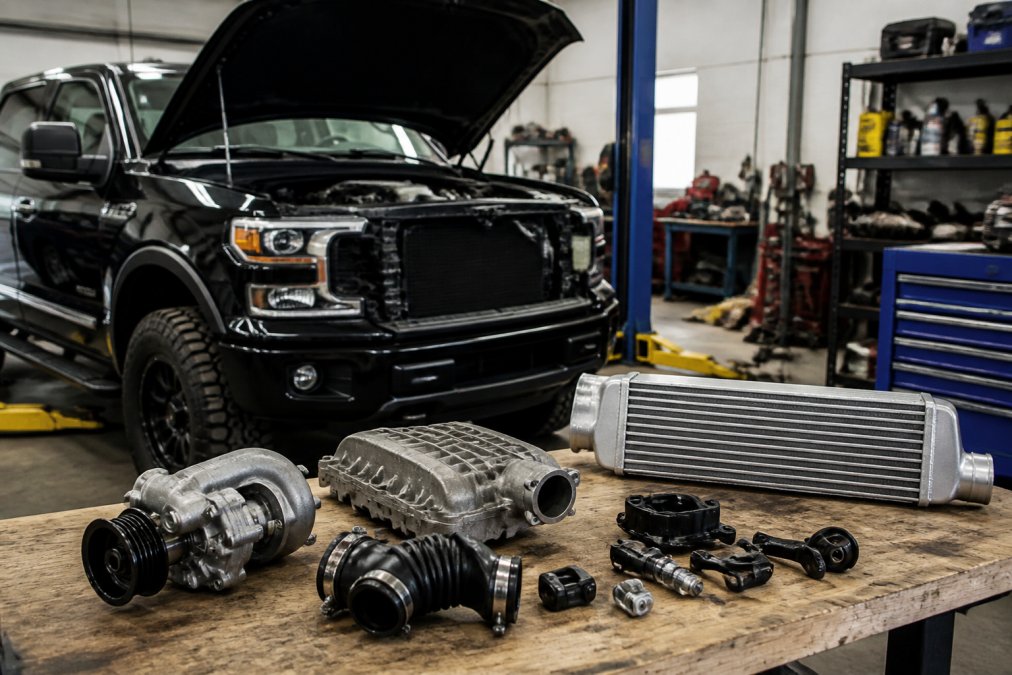
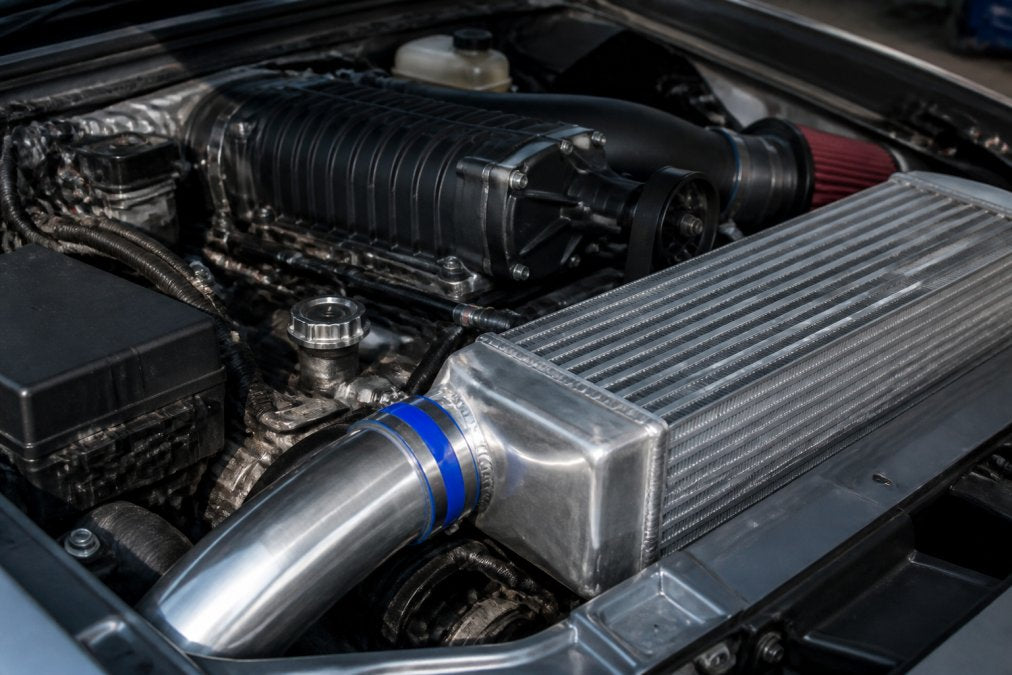
People hear the words bolt on and think every kit installs the same. Not even close. Vehicle-specific engineering makes the difference between a clean weekend install and a project that drags on because brackets fight you, belt alignment is off, tuning is vague, or the fuel system setup feels pieced together.
Most owners tell us they want OEM-like fitment, and they are right to care about that. On a street-driven truck or SUV, you do not want a rat’s nest under the hood. You want brackets that line up, charge piping that fits, hardware that belongs there, and a calibration built for that engine and model year.
That is especially true on platforms people actually use hard. A Toyota Tacoma or 4Runner owner may be dealing with heat, elevation, camping load, and bigger tires all in the same trip. A Dodge Charger owner wants instant punch without weird part-throttle behavior. A Frontier or Gladiator owner wants pulling power and daily drivability, not a temperamental setup that only feels good at full throttle.
Before the install, be honest about the vehicle
This is where good installs start. Not with the first wrench, but with an honest look at the platform. If the spark plugs are overdue, if the belt system is worn, if the engine already has vacuum leaks, if the cooling system is ignored, now is not the time to pretend everything will be fine.
We see this all the time with older trucks and SUVs. The owner is excited about boost, but the vehicle has 100,000-plus miles, stock maintenance is behind, and there is an assumption that the kit will somehow fix existing problems. It will not. A supercharger kit adds power. It does not erase neglect.
For example, a high-mile Tacoma that has spent years hauling gear and running oversized tires needs a clean baseline. A 4Runner used for road trips and off-road weekends needs to be mechanically solid before the install starts. If you are putting boost on a Charger or Mazda 3 daily driver, same story. The strongest setup in the world is still only as good as the condition of the engine it is bolted to.
The install itself is about details, not drama
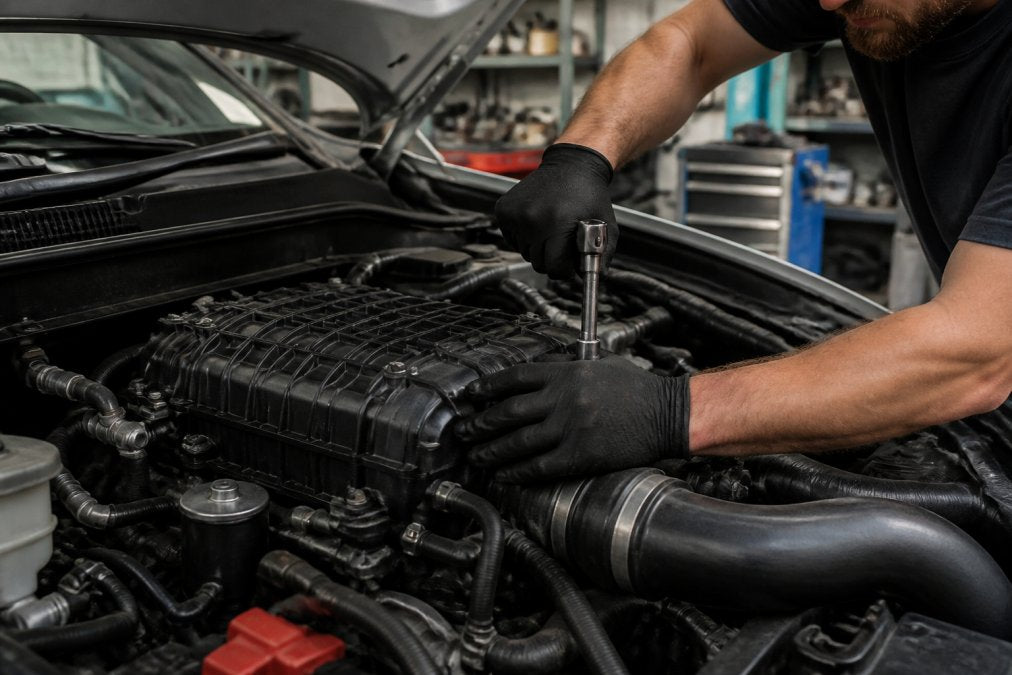
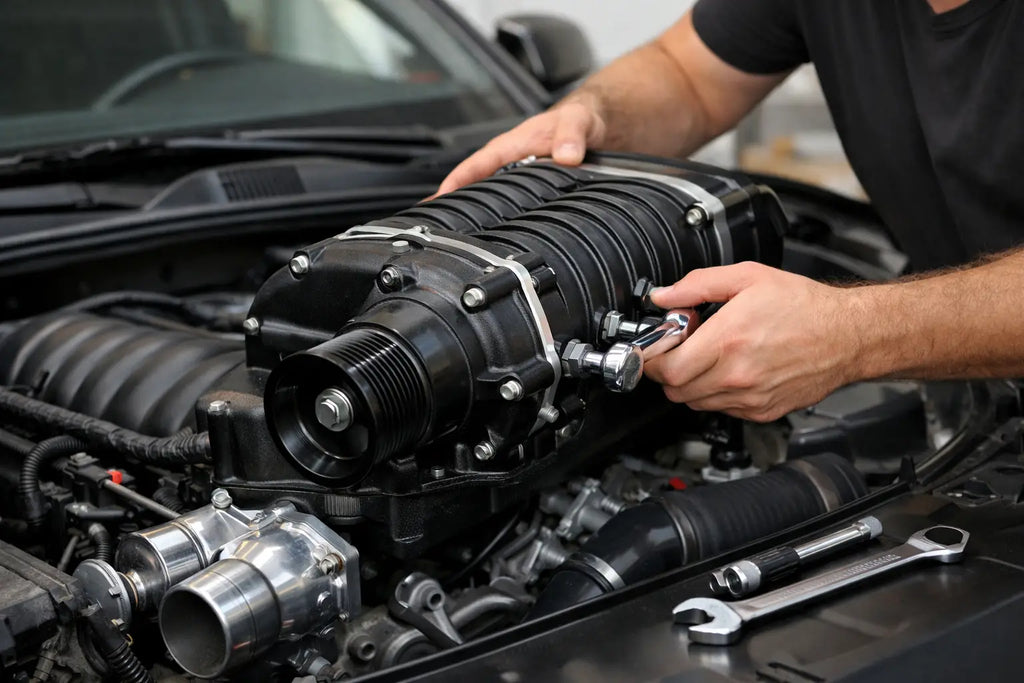
A good bolt on supercharger kit installation should not feel like custom fabrication hour. It should feel organized. Parts go where they are supposed to go. Clearances make sense. Routing makes sense. The tune matches the hardware. That is how you keep reliability and drivability intact.
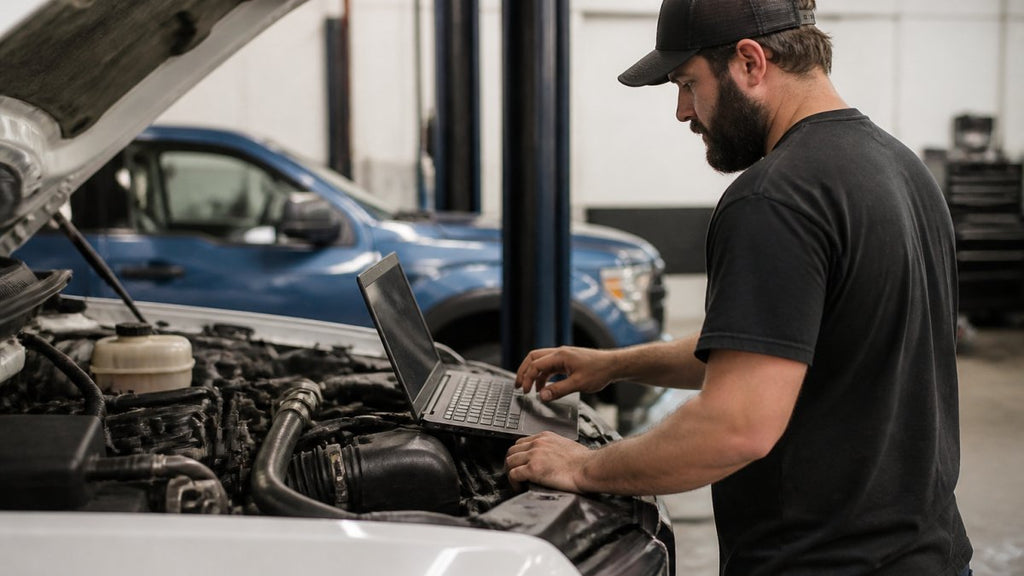
Most of the problems I see come from rushing the basics. Belt routing gets overlooked. A clamp is not fully seated. Vacuum routing is guessed at instead of verified. Electrical connectors are half-latched. Then the owner wonders why the truck has a weird idle, belt squeal, or inconsistent throttle response.
Clean work matters. Take your time on bracket alignment. Double-check fasteners. Make sure every hose and connector is exactly where it belongs. Confirm that nothing is rubbing, stretched, or sitting too close to heat. On a real street vehicle, that stuff matters more than the flashy part of the install.
After installing hundreds of kits, I can tell you the cleanest installations usually make the happiest owners six months later. Not because they looked good on day one, but because they stayed quiet, predictable, and trouble-free.
Tuning is where drivability lives or dies
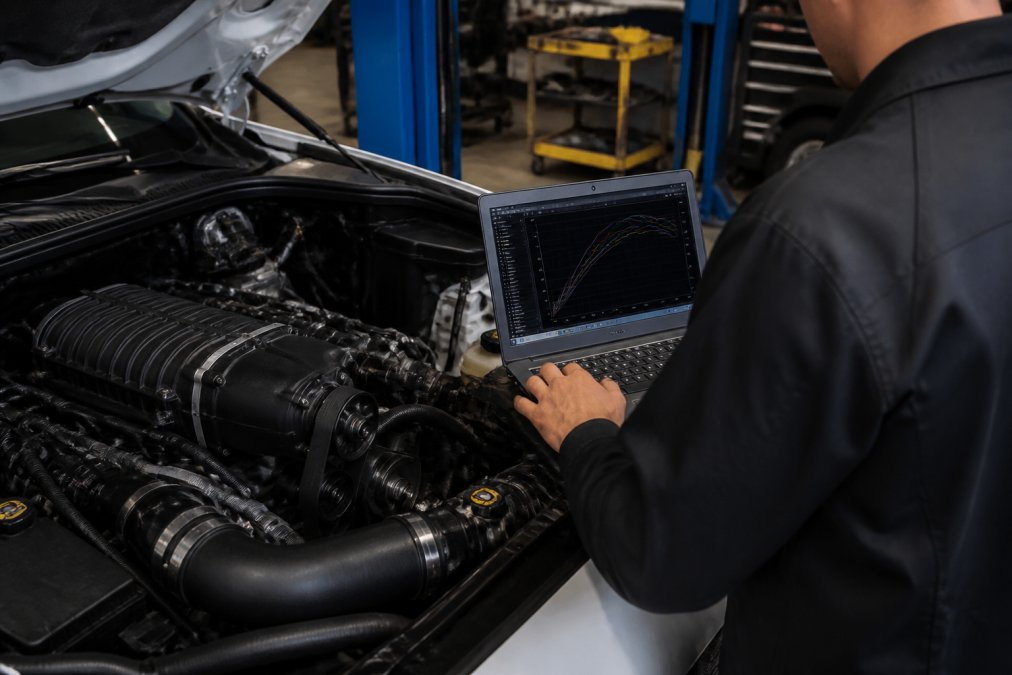
This is the part too many people underestimate. You can have quality hardware and still ruin the whole experience with the wrong calibration. Proper tuning is what makes the vehicle feel strong, smooth, and usable instead of touchy and inconsistent.
One of the biggest complaints we hear from owners coming from bad setups is that the vehicle technically made more power, but drove worse everywhere else. Weird shift behavior. Hesitation. Idle issues. Part-throttle surging. That is not a win, especially on a daily driver or tow rig.
A Tacoma or 4Runner owner usually cares most about usable torque in the middle of the rev range. That is where bigger tires and added weight hurt the most. A Gladiator owner wants hill-climbing power and better response without making the truck miserable in traffic. A Charger owner wants the car to hit hard when asked but still cruise and commute like it should. Proper tuning is what ties all that together.
If you care about long-term ownership, do not treat tuning like an afterthought. It is the heart of the package.
Real-world results depend on the platform
This is where generic supercharger talk falls apart. Different vehicles have different pain points, and the install has to respect that.
On Toyota trucks and SUVs, especially Tacoma and 4Runner applications, the complaint is usually not top-end speed. It is the dead feeling after larger tires, armor, camping gear, and altitude stack up. Most owners tell us they just want the vehicle to stop feeling overworked. They want to hold speed on a grade without flooring it and waiting.
On Jeep Gladiators, added weight hits hard and fast. Bumpers, winches, racks, and 37s can make a newer truck feel lazier than people expected. A proper install changes the way the truck leaves a stop and climbs under load. It makes the powerband feel useful again.
On Nissan Frontier platforms, owners usually talk about stronger passing power and less strain with gear in the bed or a trailer behind the truck. On Charger applications, it is more about immediate throttle response and that hard pull without sacrificing street manners. On Mazda 3 setups, people want the car to feel alive every day, not just when they wring it out.
That is why vehicle-specific fitment and tuning matter so much. The goal is not generic boost. The goal is making your exact platform better at the stuff you actually do with it.
DIY or approved installer?
It depends on your comfort level, your tools, and how honest you are about both. If you are experienced, methodical, and good at following the install process, a bolt-on kit can absolutely be within reach. If you rush, skip steps, or hate troubleshooting, paying for a proper install is usually money well spent.
We see this all the time. Some owners are great at suspension, armor, and basic bolt-on work, but they do not want to deal with fueling, calibration steps, belt alignment checks, or chasing a small install issue if something gets missed. There is no shame in that. A clean install by someone who knows forced induction is often the fastest path to enjoying the vehicle.
The right answer is the one that gets you OEM-like drivability and long-term reliability, not the one that gives you the best story to tell your friends.
What to expect after the install
The first thing most owners notice is not some huge top-speed change. It is the way the vehicle responds in normal driving. It feels lighter on its feet. It pulls harder in the middle. It needs less pedal to do everyday stuff.
That is the part people love. Towing gets easier. Merging feels less stressful. Hill climbs stop turning into full-throttle drama. Bigger tires feel less like a penalty. The vehicle acts like it finally has the torque it should have had all along.
And when the kit, the install, and the tuning are all done right, you are not trading reliability for that feeling. You are getting usable power with manners.
If your truck or SUV has gotten slower with every smart modification you made, a good supercharger install is not about chasing a number. It is about making the vehicle fun, capable, and easy to live with again. That is the kind of power upgrade worth doing.
Related post


RECENT POSTS