Do Superchargers Need a Tune?
You throw on 35s, add armor, load the family up for a weekend trip, and suddenly your truck feels like it forgot how to get out of its own way. It hunts for gears on mild grades, falls flat when you stab the throttle, and passing on a two-lane starts feeling like a bad plan. That is usually when owners ask us, do superchargers need a tune, or can you just bolt the kit on and send it?
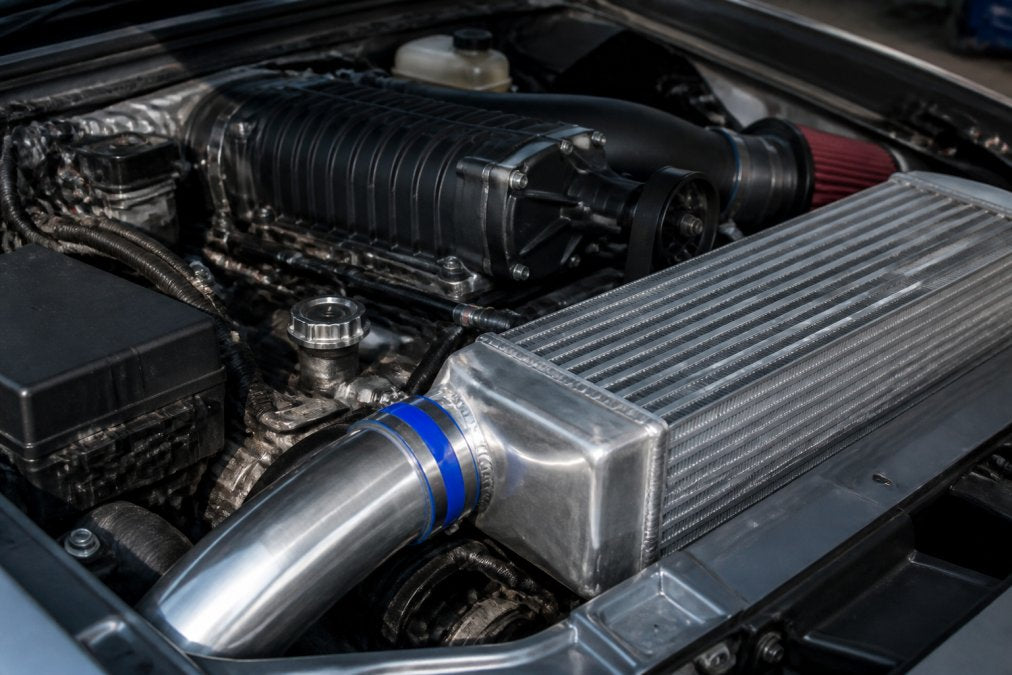
Short answer - yes, a supercharger setup needs the right tune if you want it to run the way it should. We see this all the time with Tacomas, 4Runners, Jeep Gladiators, Frontiers, Chargers, and Mazda 3s. The blower is only part of the package. The tune is what tells the engine how to live with the added airflow without turning your daily driver into a headache.
Do superchargers need a tune on a street-driven vehicle?
In the real world, yes. If you are forcing more air into the engine, the ECU has to know what to do with it. More air means the engine needs the right fuel, the right timing, and the right load calculations. If that calibration is off, the vehicle might still start and run, but it will not run right.
Most owners tell us the same thing. They are not chasing some dyno-sheet number to hang on the wall. They want the truck or SUV to feel strong again with bigger tires, gear, rooftop tents, trailers, or mountain driving. They want clean cold starts, steady idle, normal part-throttle manners, and solid power when they roll into it. That is tune territory.
A proper supercharger tune is what makes the vehicle feel OEM-like instead of homemade. That matters a lot more than people think.
What happens if you run a supercharger without the right tune?
This is where people get into trouble. One of the biggest complaints we hear from owners who dealt with pieced-together setups is not that the vehicle made no power. It is that it drove badly.
Maybe it surges at light throttle. Maybe it pings under load on hot days. Maybe it feels lazy down low, then comes in too hard and too abruptly. Maybe the trans starts acting weird because the torque model is off. Maybe it runs rich, burns fuel, and stinks. Or worse, it runs lean when towing uphill in summer heat.
That is the stuff that kills confidence in a build.
On a Tacoma or 4Runner, bad tuning usually shows up where owners feel it most - climbing grades, merging with 33s or 35s, and trying to hold speed without constant downshifting. On a Gladiator or Wrangler, you feel it with added weight and wind resistance. On a Frontier or Xterra, it shows up in midrange pull and highway passing. On a Charger or 300, bad tuning ruins what should be smooth, instant torque and turns it into a nervous car you cannot trust.
After installing hundreds of kits, I can tell you this: most supercharger complaints people blame on the hardware are really tuning and calibration issues.
The tune is not just about power
Everybody talks about boost and horsepower. Fine. But for a street truck or SUV, the tune is really about drivability and reliability.
You want the air-fuel ratio where it needs to be under load. You want ignition timing that makes power without knocking the thing to death. You want throttle response that feels natural, not jerky. You want the transmission to behave properly with the new torque curve. You want the cooling fans, torque management, and fail-safes doing what they should.
That is what separates a clean supercharger package from a science project.
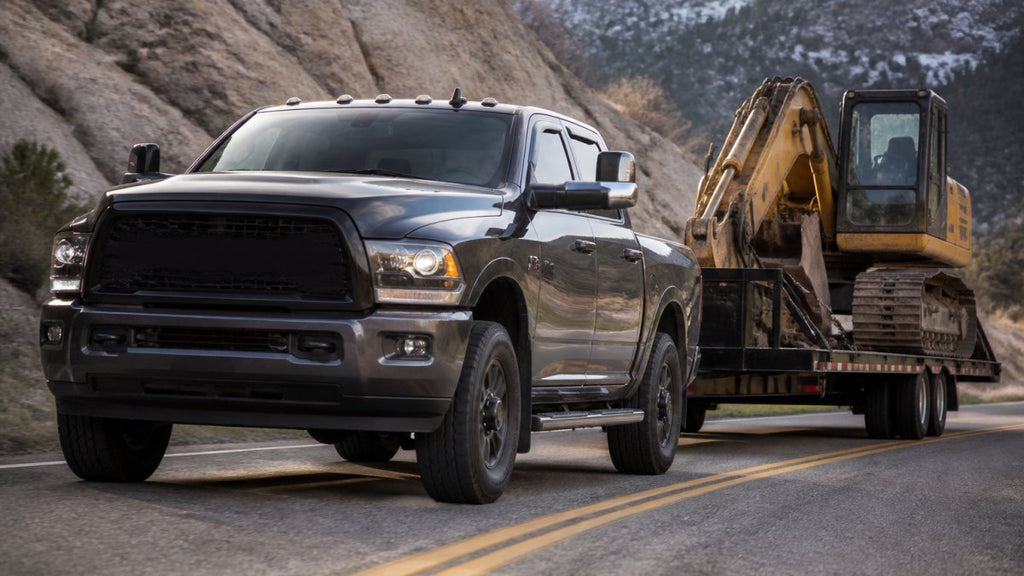
We see this all the time on towing rigs. A stock truck that struggles on grades can feel completely different once the blower and tune are matched correctly. The extra torque comes in where you actually use it. You are not burying the pedal and waiting for the transmission to kick down three gears just to maintain speed. The vehicle feels lighter, sharper, and calmer.
That is the goal.
Why some people think a tune is optional
There is some confusion here because not every setup looks the same from the outside. Some complete supercharger kits come with a calibration solution already built into the package. Others require custom tuning, either because of the platform, the ECU strategy, or other modifications on the vehicle.
So when somebody says, "This kit doesn’t need a tune," what they usually mean is, "It already includes the tuning support needed to run correctly." That is not the same as no tune.
A bolt-on kit for a mostly stock application is one thing. A vehicle with headers, intake changes, exhaust work, different injectors, pulley changes, or fuel system upgrades is another. Add elevation, towing, extreme heat, or oversized tires, and calibration matters even more.
It depends on the combo. But nobody should be treating forced induction like a cold-air intake.
Do superchargers need a tune if the vehicle is otherwise stock?
Yes, usually even then.
A stock-engine Tacoma with a properly engineered supercharger kit still needs tuning because the engine is now moving a lot more air than it was from the factory. Same story on a 5.7 Hemi Charger, a Jeep 3.6, a Frontier 4.0, or a Mazda 2.5. The engine management has to be recalibrated for boost.
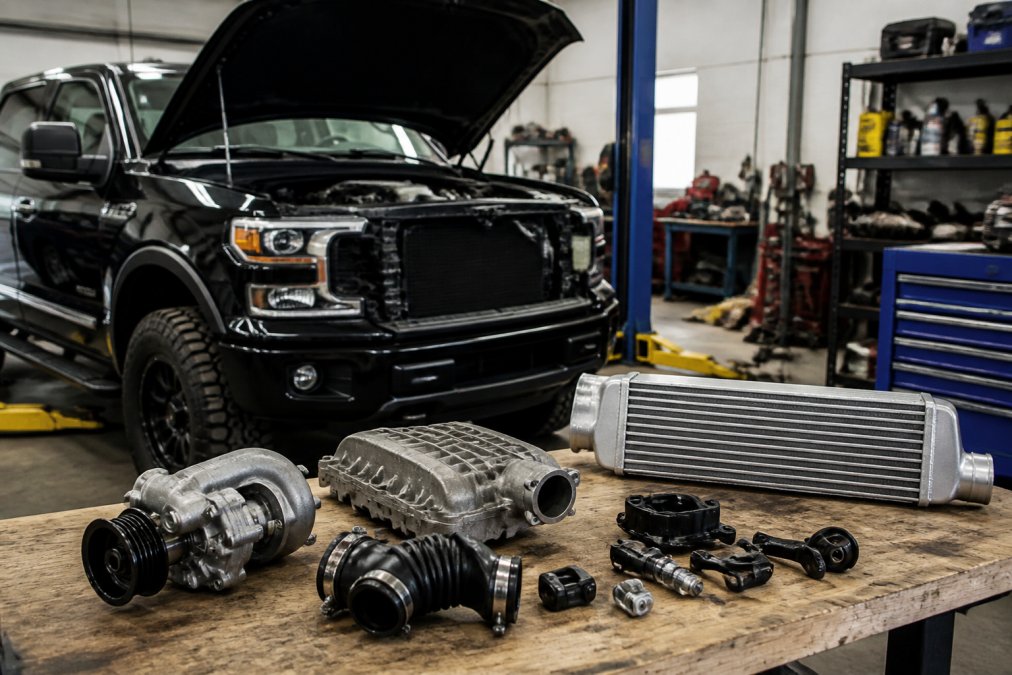
The good news is that a stock or lightly modified vehicle is usually the easiest one to make drive really well. That is why complete, vehicle-specific kits matter. When the hardware, belt drive, fueling, and tune are designed to work together, the result is cleaner and more predictable.
Most owners are happiest with that kind of setup because it gives them the power they wanted without weird habits they have to live with every day.
Where tuning matters most in the vehicles we see
Toyota truck and SUV owners usually come in after the same pattern. Bigger tires, more camping gear, maybe steel bumpers, maybe a trailer, and now the 4.0 or 3.5 spends half its life hunting for the right gear. A good tune on a supercharged setup brings back the usable torque that got lost under all that added load.
Jeep owners are usually fighting weight, tire size, and wind. With 35s, a rack, and armor, the vehicle feels dull even if it looks ready for anything. The right tune makes the power come in smoothly so it does not feel twitchy off-road or awkward in traffic.
Nissan owners often want stronger midrange because that is where they actually drive. Not redline hero runs. Real-world pull from a roll, better hill-climbing, and less drama getting around slower traffic.
On street cars like the Charger, Challenger, or Mazda 3, tuning matters because these owners notice every little drivability issue. If the throttle mapping is off or the fuel trims are messy, they feel it immediately. The car has to idle right, cruise right, and hit hard when asked. There is no room for a sloppy calibration.
A safe tune versus a hot tune
This is where grown-up decisions matter.
A lot of people hear "tune" and think maximum power. That is not how smart street builds work. A good supercharger tune for a daily-driven vehicle is usually conservative enough to handle bad gas, summer heat, elevation changes, and real-world abuse. That is how you protect the engine and keep the thing enjoyable for the long haul.
Could you squeeze more out of it with a more aggressive setup? Maybe. But if your truck tows a side-by-side, sees stop-and-go traffic, and takes road trips in August, the better answer is usually the tune that leaves some margin in it.
We always lean toward repeatable performance over a flashy number. Fast once is easy. Reliable for years is harder.
The best supercharger setups are built around proper calibration
If you are shopping for a supercharger, do not separate the hardware from the tuning plan. Ask how the vehicle is calibrated. Ask whether the tune is included, supplied, or custom. Ask what fuel it expects. Ask how it behaves with common mods like 33s, 35s, bumpers, or towing load. Ask whether the goal is OEM-like drivability or just headline power.
That is the stuff that tells you whether the system was built for actual owners or just internet comments.
At VT Superchargers, that is why the complete package matters. The clean install matters. The calibration support matters. The way it starts, idles, shifts, climbs, and passes matters. Because when the tune is right, the supercharger does exactly what you bought it for - it makes the vehicle feel strong, easy, and fun again without turning daily driving into a compromise.
So if you are still asking do superchargers need a tune, think about what you really want out of the vehicle. If you want boost you can trust on the street, on the trail, in the mountains, or with a trailer behind you, the answer is yes - and it is one of the most important parts of the whole setup.
Related post


RECENT POSTS