Will a Supercharger Hurt Reliability?
Bigger tires, steel bumpers, a bed rack, camping gear, maybe a trailer on the hitch - then one day your truck or SUV just feels flat. It hunts for gears on hills, needs half the throttle pedal to merge, and passing power is gone. That is usually when people ask us, will a supercharger hurt reliability, or will it actually make the vehicle feel right again without turning ownership into a headache?
Short answer - a supercharger does not automatically hurt reliability. Bad parts, bad tuning, bad fuel, and sloppy installation hurt reliability. A properly engineered, vehicle-specific kit on a healthy engine is a very different deal from some thrown-together setup chasing a dyno number.
We see this all the time with Tacoma and 4Runner owners running 33s or 35s, Jeep Gladiator owners carrying armor and rooftop tents, Frontier owners wanting stronger midrange, and Charger guys who want real street torque without giving up daily drivability. The question is not just whether boost adds stress. Of course it does. The real question is whether the whole package is designed to manage that stress in a way that still feels OEM-like every time you fire it up.
Will a supercharger hurt reliability on a daily driver?
It depends on how the vehicle is used, how healthy it is before the install, and how conservative the setup is.
If you take a tired high-mile engine with weak maintenance history, throw on a sketchy universal kit, run cheap fuel, and beat on it every stoplight, yes, reliability can go south fast. That is not the supercharger being the problem by itself. That is stacking bad decisions.
On the other hand, if you start with a solid engine, use a proven vehicle-specific kit, keep the tune safe, and install it cleanly, most owners end up with exactly what they wanted - better torque, stronger throttle response, easier towing, and less strain in normal driving because the vehicle is not constantly working so hard just to keep up.
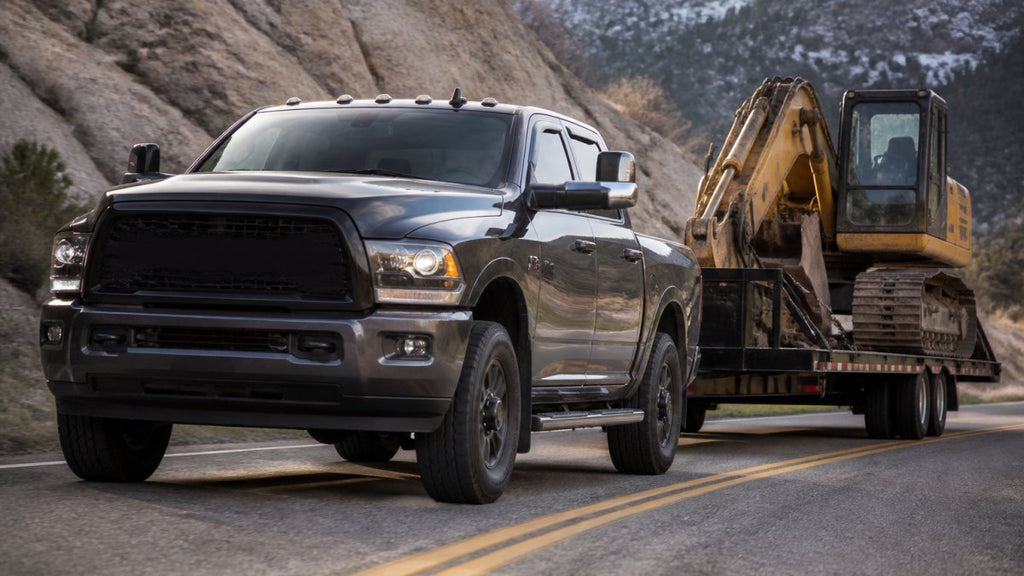
That last part matters more than people think. A Tacoma on 35s that is always downshifting on grades is already under stress in its own way. Same goes for a 4Runner loaded for overlanding, or a Gladiator towing a small trailer through mountain passes. After installing hundreds of kits, one of the biggest complaints we hear before the upgrade is not top-end power. It is that the vehicle feels heavy, lazy, and busy all the time. A good supercharger setup fixes the way it drives in the real world.
What actually causes reliability problems?
The biggest reliability killer is tuning. Not boost. Not the blower itself. Tuning.
A safe, well-sorted calibration keeps air-fuel ratios where they need to be, manages ignition timing, keeps drivability clean, and works with the factory systems instead of fighting them. Most owners tell us they want the truck or SUV to start like stock, idle like stock, and behave normally in traffic. That only happens when the tune is sorted out for that exact platform.
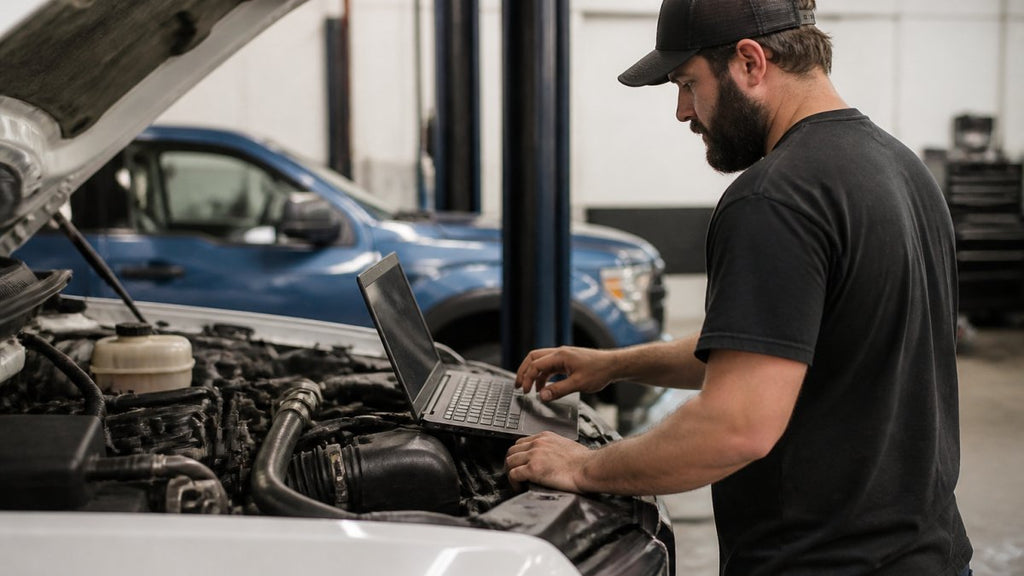
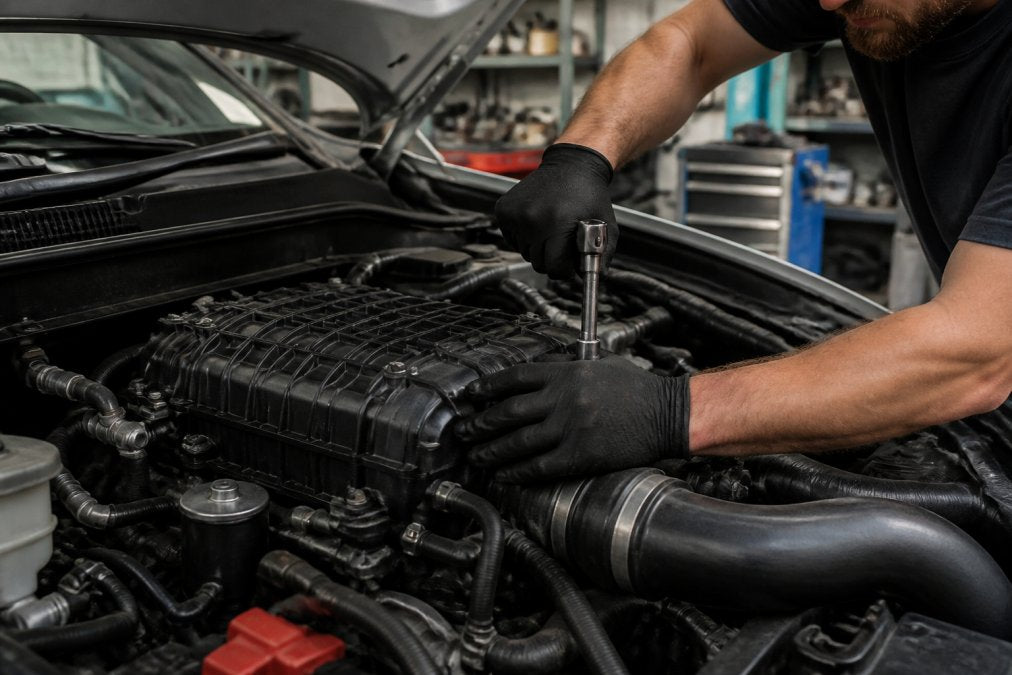
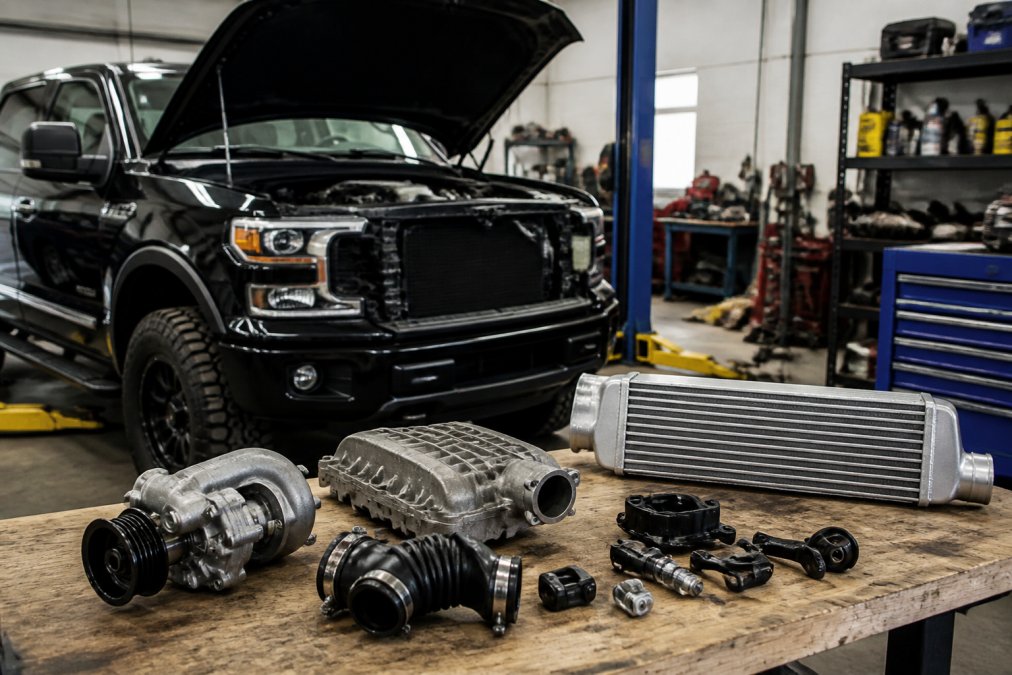
The second issue is installation quality. Vacuum routing, belt alignment, clamp placement, intercooler plumbing if the system uses it, fuel system setup, spark plug choice - every little detail matters. A clean install is not just about looking nice under the hood. It is about preventing the weird little problems that turn into big ones later.
The third issue is unrealistic power goals. Street vehicles that tow, commute, hit trails, or haul the family do not need an all-out setup. They need torque where you use it, stable temperatures, and predictable behavior on pump gas. We see this all the time. The owners who stay happiest long-term are usually not the ones chasing the biggest number. They are the ones who wanted their vehicle to finally feel right.
Vehicle-specific reality matters
This is where people get in trouble comparing setups that are not even close.
A Toyota Tacoma or 4Runner owner on stock-size tires who mostly daily drives will have a different experience than a truck on 34s, a front bumper, winch, rear bumper, drawer system, and weekend trail duty. A Jeep Gladiator on 37s with armor and a trailer behind it is asking for torque in a completely different way than a Dodge Charger that sees mostly street miles. A Mazda 3 owner wants the car to feel sharper and stronger without ruining commute manners. A Frontier owner usually wants better pull in the middle of the rpm range, not some peaky setup that feels sleepy until you really wind it out.
That is why vehicle-specific kits matter so much. The mounting, belt drive, fueling, calibration, and power delivery need to fit how that platform is actually used. One of the biggest complaints we hear from owners who had a poor experience elsewhere is that the vehicle made power, but it never drove right afterward. Weird throttle behavior, inconsistent idle, surging, random belt issues, or heat-related power drop. That is exactly what you avoid when the system is built around the actual application instead of just the idea of adding boost.
A supercharger can actually improve the way the vehicle lives
This part gets missed by people who only think in terms of added stress.
When a heavy vehicle is underpowered for its current setup, you end up deep in the throttle all the time. It downshifts more, revs harder to climb grades, and feels strained passing traffic or holding speed into headwinds. Most owners tell us they are not trying to build a race truck. They just want to tow without drama, merge without planning half a mile ahead, and stop mashing the pedal every time the road tilts uphill.
A properly sized supercharger kit helps because the torque comes in where you actually drive. That means less hunting for gears, less full-throttle frustration, and a vehicle that feels calmer even though it is making more power. On road trips, mountain drives, and loaded trail runs, that matters a lot.
No, that does not mean boosted parts live an easier life than stock. More power always changes the load picture. But in real ownership terms, a well-matched setup often makes the vehicle feel less stressed, not more.
What owners should check before adding boost
Before anybody asks about power gains, we usually care about the health of the vehicle first.
Compression, leakdown if needed, cooling system condition, fuel quality, spark plugs, coils, belts, transmission behavior, and basic maintenance history all matter. If the engine already burns oil, runs hot, knocks under load, or has unresolved drivability issues, a supercharger is not the bandage for that. Fix the base vehicle first.
This is especially true on trucks and SUVs that have spent years towing, wheeling, or running oversized tires. We see this all the time on older Tacomas, 4Runners, Frontiers, and Jeeps. Owners get used to little issues because the vehicle still runs. Then they want to add power. That is when an honest look at the condition of the platform saves a lot of pain later.
Fuel also matters. If the kit and tune are designed around premium fuel, run premium fuel. Trying to cut corners there is one of the fastest ways to create reliability problems that people wrongly blame on the blower.
If you want reliability, be conservative
This is shop talk, plain and simple. Conservative power is usually the sweet spot for a street-driven setup.
You want the vehicle to fire up on a cold morning, idle in traffic with the AC on, pull clean through the midrange, and keep doing it year after year. That means choosing the right kit, sticking with the right tune, and resisting the urge to stack random mods that were never tested together.
After installing hundreds of kits, the most reliable supercharged vehicles are usually the ones owned by people who respect the package. They warm the vehicle up, maintain it, use the right fuel, and pay attention to anything that changes. They do not ignore belt noise for six months or keep hammering on a problem hoping it goes away.
And yes, install quality still makes or breaks the experience. OEM-like drivability does not happen by accident. Proper routing, proper torque specs, proper calibration, and proper support are what separate a dependable bolt-on upgrade from a garage story that starts with, it was great for a few weeks.
So, will a supercharger hurt reliability? If the setup is wrong, absolutely. If the engine is unhealthy, the tune is aggressive, or the install is sloppy, problems are coming. But on the right vehicle, with the right kit, tune, fuel, and installation, a supercharger can be one of the best upgrades you make - especially if your truck, SUV, or sedan feels slower every time you add the gear, tire, or weight you actually need.
The best boosted vehicles are not the ones that impress people for one pull. They are the ones that start every day, drive clean, climb hard, tow strong, and make you like the vehicle more every time you get behind the wheel.
Related post


RECENT POSTS