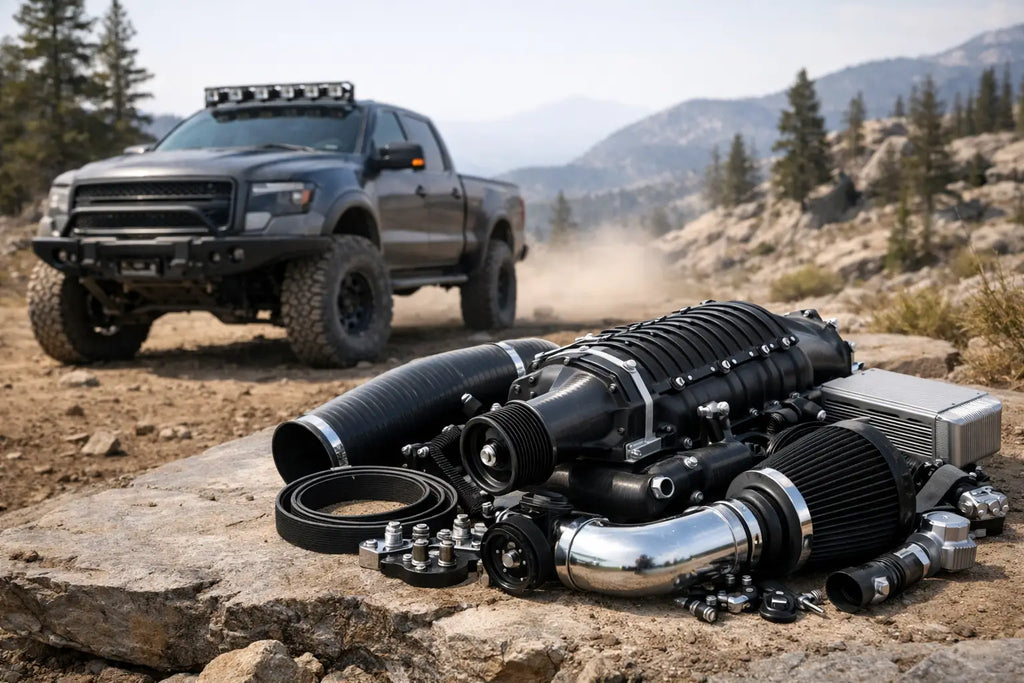
Best Supercharger Kit for Off Road Truck Use
You throw on 33s or 35s, add steel bumpers, a rack, sliders, recovery gear, maybe a rooftop tent, and suddenly the truck that felt decent stock starts hunting gears on every grade. Passing gets sketchy, towing feels like work, and at altitude it gets even worse. That is exactly why so many owners start looking for a supercharger kit for off road truck builds that need real torque back, not just a bigger number on paper.
We see this all the time with Tacoma, 4Runner, Frontier, Gladiator, and older V6 truck owners. The complaint usually sounds the same. "It was fine before the lift and tires." That is the whole story right there. Off-road mods add weight, increase rolling resistance, and expose how soft the factory midrange really is.
What an off-road truck owner actually needs
If your truck spends time on trails, back roads, mountain passes, or towing a small trailer, the goal is not some peaky setup that only comes alive at wide open throttle. The right supercharger setup should make the truck feel stronger everywhere you already drive it. You want more shove from 2,000 to 4,500 rpm, cleaner throttle response, and less of that annoying downshift-and-scream routine every time the road tilts uphill.
Most owners tell us the same thing after they start adding gear. They do not hate the truck. They hate how hard they have to work it. You put your foot down, the transmission drops two gears, the engine gets loud, and the truck still does not move the way it should. That gets old fast on long highway climbs or when you are trying to merge with camping gear in the bed.
A good supercharger kit fixes the feel of the truck. That matters more than bench racing.
Why a supercharger kit for off road truck builds makes sense
For an off-road truck, a supercharger usually fits the job better than a big custom turbo project. You want immediate response, predictable power, and a package that works with the rest of the vehicle instead of turning it into a science experiment. Bolt-on matters here. So does tune quality.
After installing hundreds of kits, one of the biggest complaints we hear from owners who went cheap is not that the truck was slow. It is that the setup never felt sorted out. Weird idle, touchy throttle, belt issues, heat management problems, or a tune that feels great one day and sloppy the next. That is not what you want on something that has to start every morning, crawl all weekend, and maybe tow on Monday.
A proper kit should feel close to OEM in the way it starts, idles, shifts, and behaves in traffic. Then when you lean into it, the torque should be there right now.
Vehicle-specific matters more than people think
This is where a lot of buyers get sideways. They shop by boost number or horsepower claim instead of by actual vehicle application. That is a mistake.
A Tacoma on 35s with armor needs a different conversation than a lightly built Frontier on 33s. A Jeep Gladiator owner towing a side-by-side has different priorities than a 4Runner owner running mountain passes at altitude with a family and full cargo area. The best kit is the one engineered for your exact engine, model year, and use.
On Toyota platforms, especially Tacoma and 4Runner, we see a lot of owners chasing their lost drivability after tires and weight. These trucks are reliable, but once you stack on accessories, the power deficit gets obvious. The right supercharger wakes them up where they need it most - in the midrange, climbing grades, and pulling through the extra rotating mass.
With Nissan Frontier owners, the story is often throttle response and towing confidence. The truck is solid, but loaded down or pulling a trailer, it can feel flat when you need immediate response. A clean supercharger setup changes that without making the truck miserable to live with.
Gladiator owners usually mention two things - bigger tires and constant shifting. That platform responds really well when torque comes in sooner and the truck stops feeling like it is always trying to catch up to the load.
What to look for in a supercharger kit
The best supercharger kit for off road truck use is not the one with the wildest claim. It is the one that behaves right in the real world.
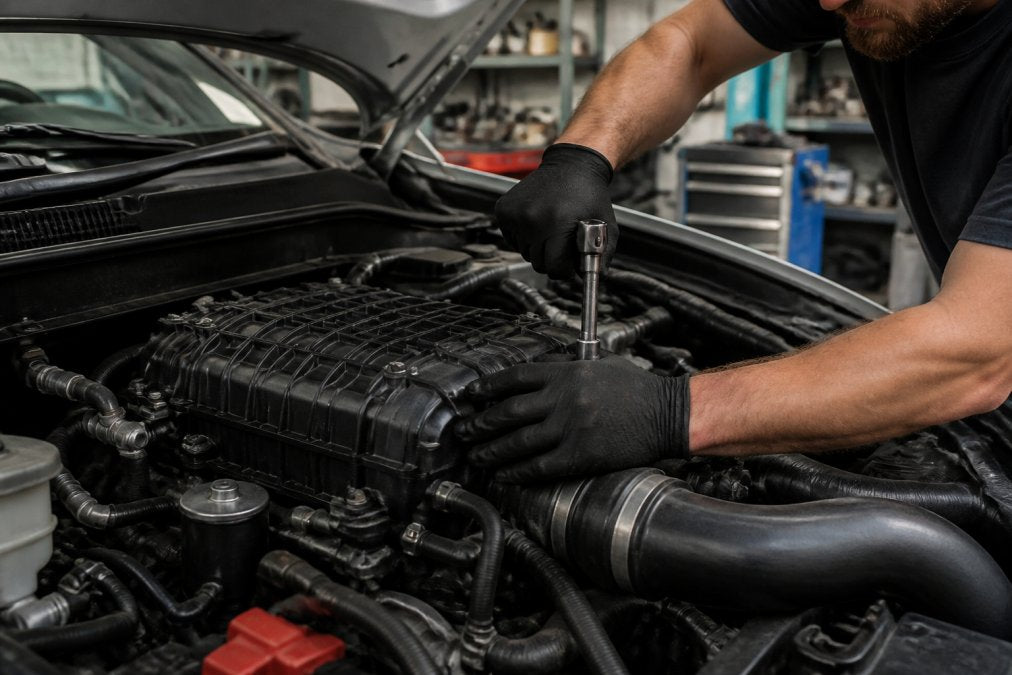
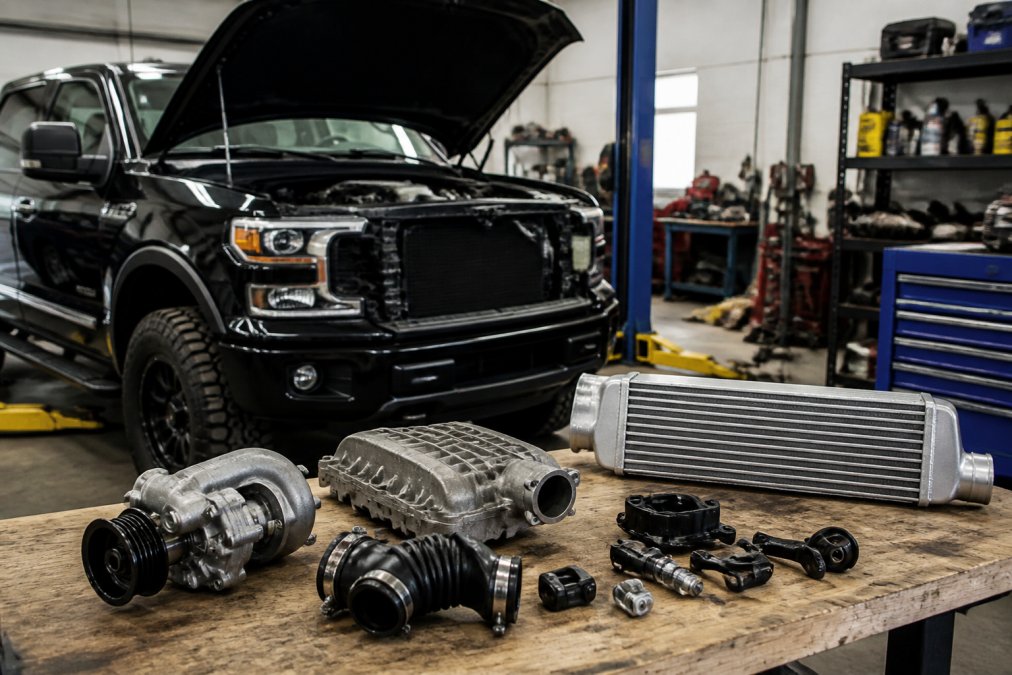
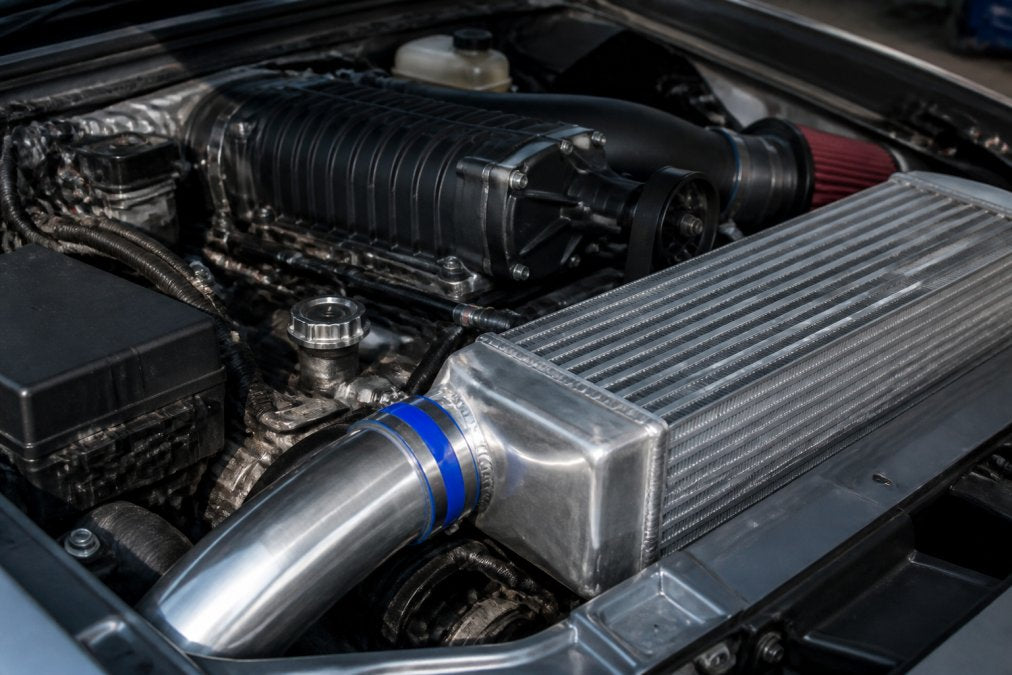
Start with fitment. You want a kit designed for your exact vehicle, not something close enough. Clean bracket design, proper belt routing, quality hardware, and components that fit underhood without looking hacked together all matter. If the install looks like a compromise, the ownership experience usually follows.
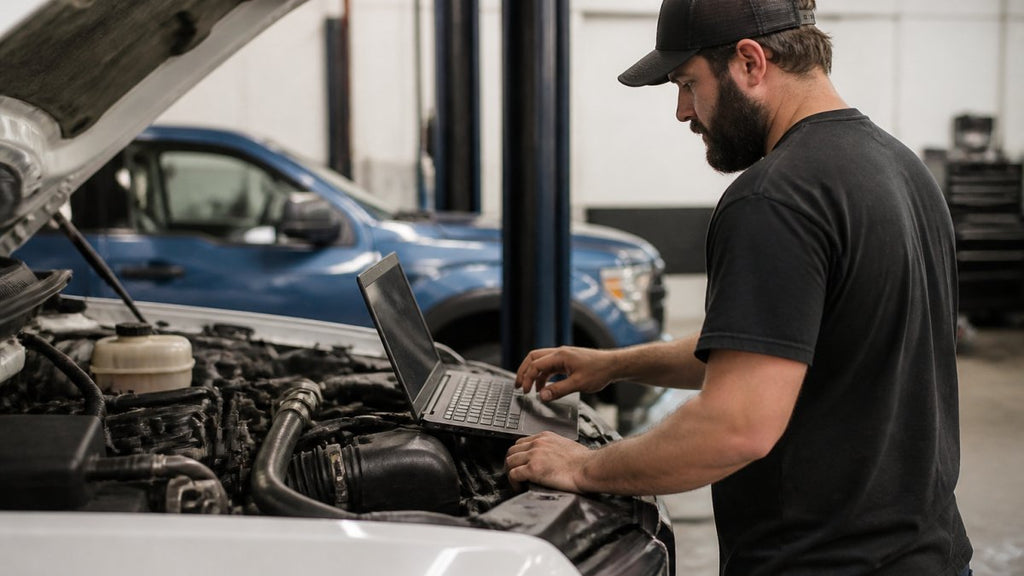
Then look at tuning support. This is huge. Power is easy to advertise. Drivability is harder. Cold starts, idle quality, part-throttle manners, transmission behavior, and safe air-fuel control under load are what separate a real kit from a headache. Most owners are not building a dyno queen. They want to hit the key, drive to work, haul gear, and know the truck will behave.
Heat management matters too, especially for trucks that spend time crawling, towing, or running in hot climates. Consistent performance is the goal. A truck that feels strong for one pull and lazy after that is not helping you on a long grade in summer.
And do not ignore support. One of the biggest reasons people stall out on a forced-induction upgrade is not the hardware. It is the fear of getting stuck halfway through installation or not knowing who to call when they have a question. That is why proven kits with real application support matter so much.
Bigger tires change everything
Let’s be honest. A lot of this starts with tire size. Going from stock rubber to 33s is noticeable. Going to 35s with added armor is where many trucks really start to feel doggy. You have effectively changed the leverage the engine has over the drivetrain, and the truck feels it every time you leave a stoplight or try to hold speed on a grade.
We see this all the time on Tacomas and Gladiators. Owners think they can gear around everything, and gearing absolutely helps, but a lot of people still want better throttle response, stronger passing power, and less strain when the truck is loaded. A supercharger gives you that seat-of-the-pants improvement in a way you feel every day, not just in one specific situation.
That is why so many owners say the truck finally feels right again after the install. Not crazy. Just right.
Towing, altitude, and loaded trips
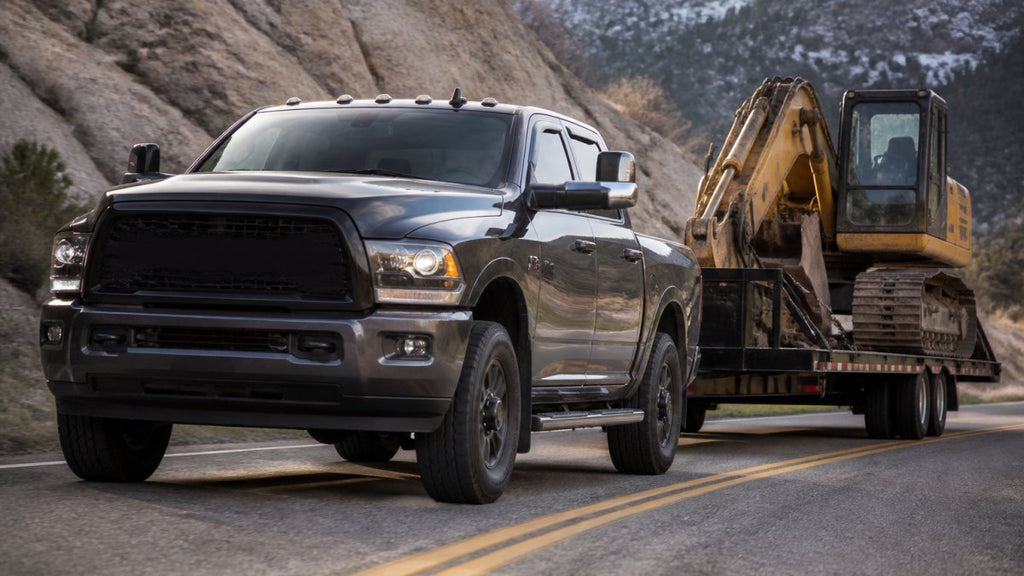
This is where the difference gets real fast. If you tow a small camper, a utility trailer, bikes, or an off-road toy, you already know the pain points. The truck spends too much time searching for gears, speed drops off on grades, and every merge feels like you need more runway than you should.
At altitude, naturally aspirated trucks lose even more edge. Most owners tell us this is where they really start shopping. Sea level power was already just okay. Add elevation, cargo, and bigger tires, and the truck feels flat.
A well-matched supercharger setup helps bring back the confidence that disappears in those conditions. Not because you are racing, but because the truck stops feeling overwhelmed. Hill climbs become manageable. Passing takes less planning. Towing feels less like punishment.
The trade-off nobody should ignore
More power always means you need to be honest about the rest of the build. Tires, brakes, cooling system condition, maintenance history, fuel quality, and transmission health all matter. If the truck is neglected now, adding boost is not the fix.
This is why we always lean toward proven, vehicle-specific, bolt-on systems with proper tuning instead of chasing max output. For an off-road truck, reliability is part of performance. If it starts hard, overheats, slips belts, or drives poorly, it does not matter what the dyno sheet says.
Most owners are better served by a setup that feels strong and stable every single day than one that makes a bigger headline and a worse truck.
So who should buy a supercharger kit for off road truck duty?
If your truck feels slower every time you improve it for real use, you are the target customer. If you have added 33s or 35s, armor, camping gear, a bed rack, or a trailer, and now you are tired of the constant downshifts and weak midrange, this upgrade starts making a lot of sense.
If your truck is mostly stock and you are expecting sports-car performance, that is a different conversation. But if you already use the truck the way truck owners actually use them - towing, climbing, hauling, overlanding, and driving in wind, heat, and elevation - the value shows up fast.
After installing hundreds of kits, the best reactions are never about the peak number. It is when the owner comes back and says, "Now it drives the way it should have from the factory." That is the win.
If you are shopping for a supercharger kit, buy the one that is engineered for your exact truck, tuned for real driving, and built to live with the weight, tire size, and abuse that come with off-road use. Bolt it on, make the truck fun again, and keep it reliable enough to point at the mountains without a second thought.
Related post


RECENT POSTS