How to Boost Towing Power Without Killing Drivability
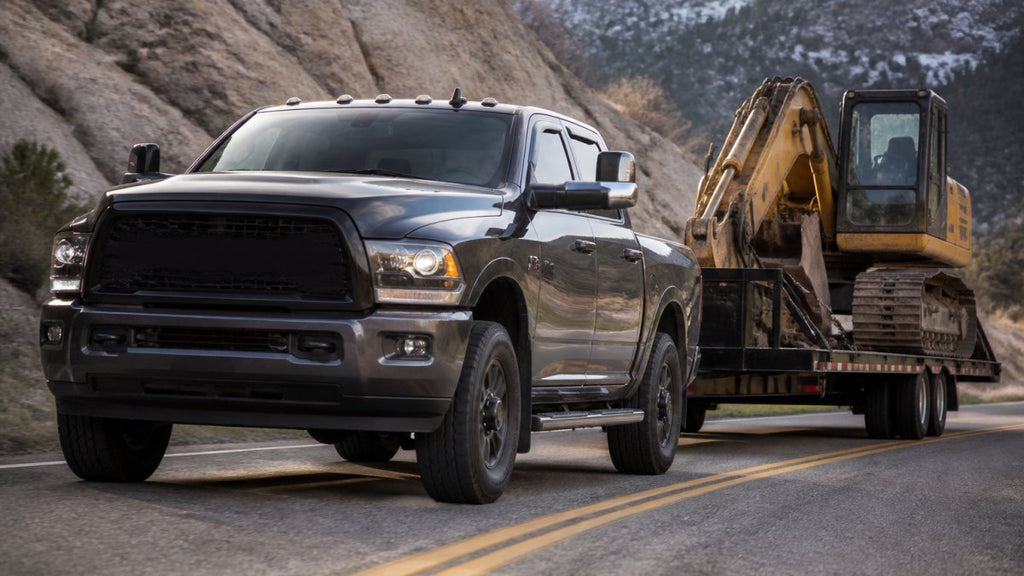
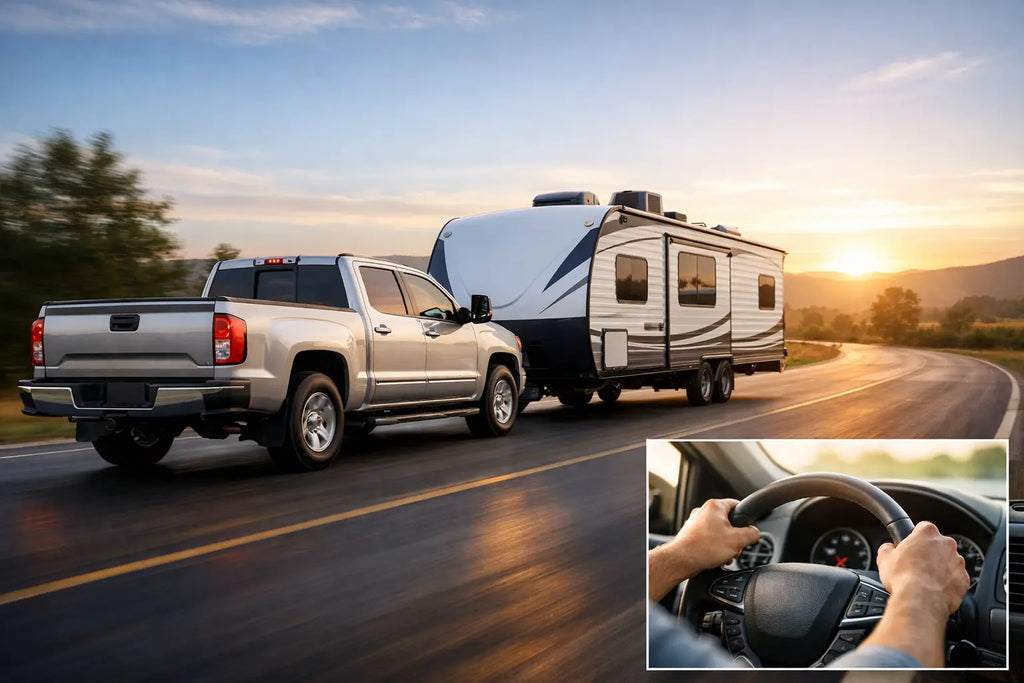
Hook a camper to a Tacoma on 33s, load the bed with gear, then point it at a long grade and you find out fast where factory power runs out. The transmission starts hunting, the pedal is buried, and passing a slower RV takes more room than it should. If you are wondering how to boost towing power, start with the stuff you feel from the driver’s seat: low and midrange torque, throttle response, cooling control, and a setup that does not beat itself up every time it pulls a hill.
We see this all the time. Owners do the right things for how they use their truck or SUV - bigger tires, skid plates, a rack, drawers, recovery gear, maybe a rooftop tent - then wonder why it feels lazy with a trailer behind it. None of that weight is free. The answer is not chasing a peak horsepower number. It is building usable power that comes in clean, stays consistent, and works with the vehicle’s transmission and cooling system.
Start With What Is Making Your Tow Rig Feel Weak
Before adding power, get honest about the combination. A stock Toyota Tacoma or 4Runner on factory tires has a very different job than one on 33-inch tires with steel bumpers, sliders, and a loaded overland trailer. The same goes for a Jeep Gladiator that has gained 500 pounds in armor and camping gear, or a Nissan Frontier pulling a boat through mountain country.
One of the biggest complaints we hear is, “It drove fine before the tires.” Bigger tires effectively make the gearing taller. That means the engine has to work harder to turn them, especially when you add trailer weight. The truck may still be perfectly capable around town, but on a grade it falls out of its useful torque range and starts downshifting.
Also make sure the basics are right. A clogged air filter, tired spark plugs, weak ignition components, dragging brakes, old transmission fluid, or a trailer with poor brake adjustment can make a healthy vehicle feel underpowered. Fix the foundation first. Adding power to a vehicle with maintenance issues is a good way to create expensive problems.
Do Not Confuse More Power With a Higher Tow Rating
This matters. A power upgrade can make towing feel dramatically easier, but it does not automatically increase the manufacturer’s tow rating, payload rating, axle rating, hitch rating, or brake capacity. Those limits still apply.
More torque gives you more confidence merging, passing, and climbing grades. It can reduce transmission hunting because the engine can hold a gear longer. But your trailer brakes, tires, suspension, cooling system, and weight distribution still need to be right. Power helps the pull. It does not erase the physics.
How to Boost Towing Power Where You Actually Need It
The best towing upgrades make the engine respond sooner and pull harder through the middle of the rev range. That is where you live when the trailer is loaded and the road turns uphill.
Gear Ratio Comes First When Tires Got Bigger
If your main change was going from stock tires to 33s or 35s, re-gearing can bring back the low-speed punch you lost. It gets the engine into a better operating range and can make takeoffs, hill climbs, and transmission behavior feel much more normal.
There is a trade-off. Lower gears can raise cruising RPM, and the right ratio depends on tire size, transmission gearing, trailer weight, and how much highway driving you do. A Gladiator on 37s that sees mountain trails needs a different conversation than a Tacoma on 33s that pulls a small camper twice a month.
Re-gearing restores leverage. It does not create extra engine torque. If you still want stronger passing power at 55 mph or more authority on long grades, you need to make more torque.
Tune for Drivability, Not a Dyno Screenshot
A properly calibrated tune can sharpen throttle response, improve transmission behavior on some platforms, and make better use of the hardware already on the vehicle. For a naturally aspirated truck or SUV, though, do not expect a tune alone to turn a weak tow rig into a completely different machine.
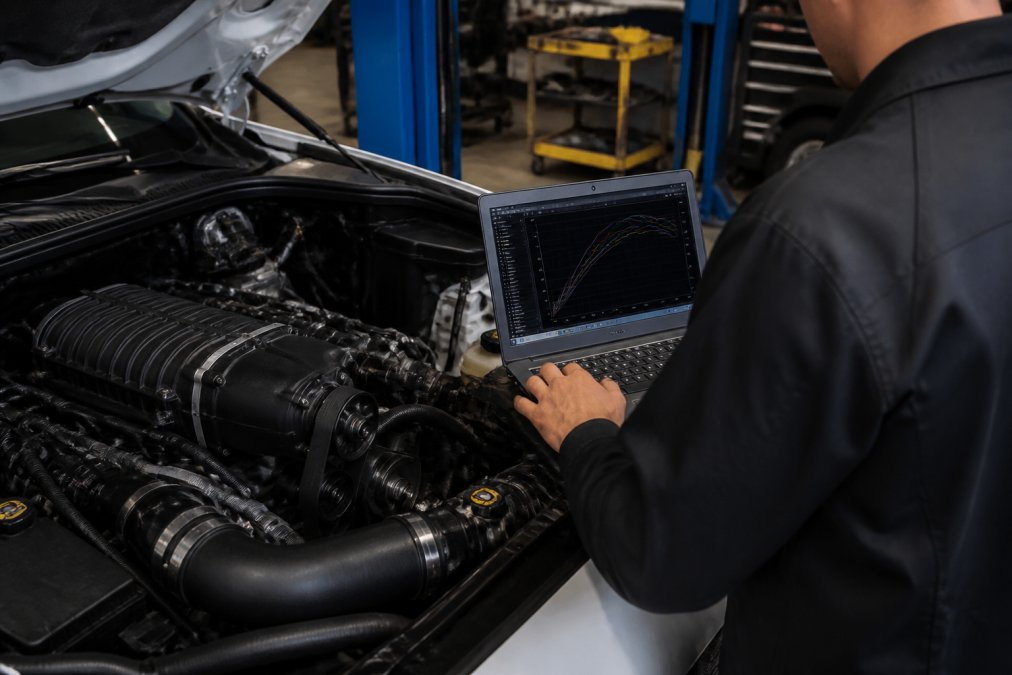
Most owners tell us they are not looking to race their trailer. They want the truck to stop feeling like it has to plan a pass three miles ahead. Good tuning is part of that answer, especially when it is matched to the exact engine, fuel, and power hardware. Bad tuning is where drivability, knock control, heat management, and long-term reliability get tossed aside for a flashy number.
For a street-driven tow vehicle, clean cold starts, stable idle, smooth part-throttle behavior, and predictable power delivery matter more than a heroic wide-open-throttle pull once in a while.
Forced Induction Is the Big Move for Real Pulling Power
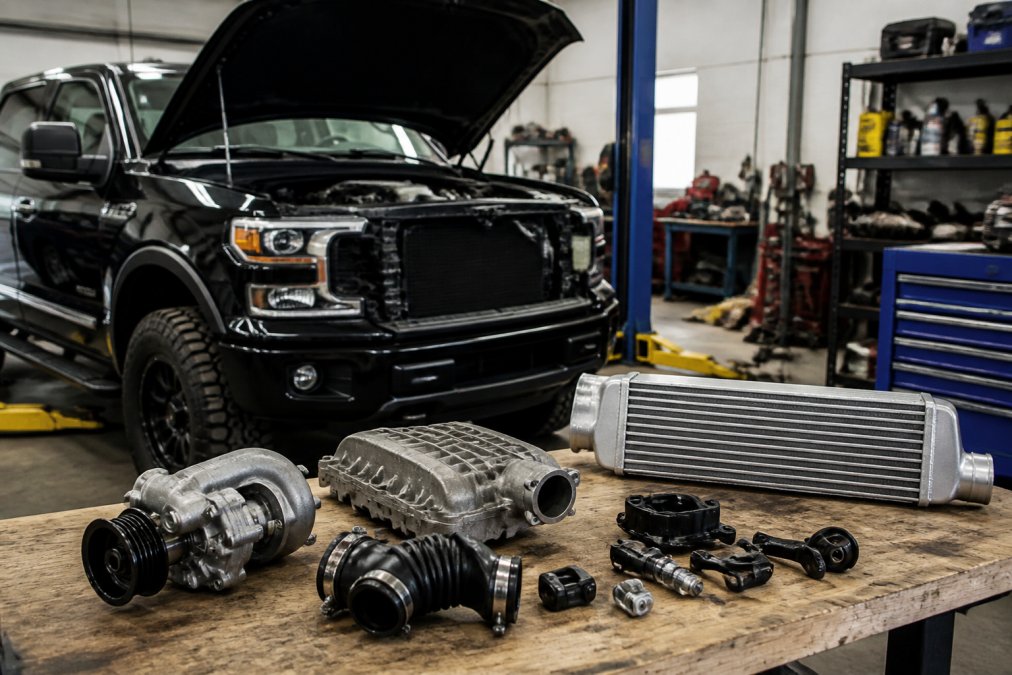
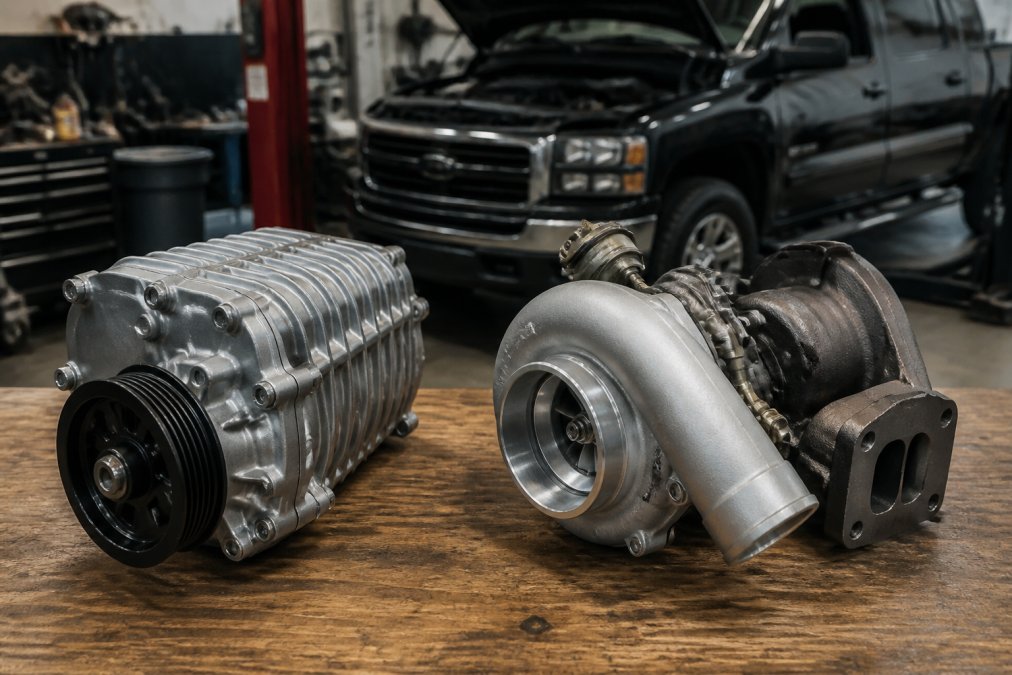
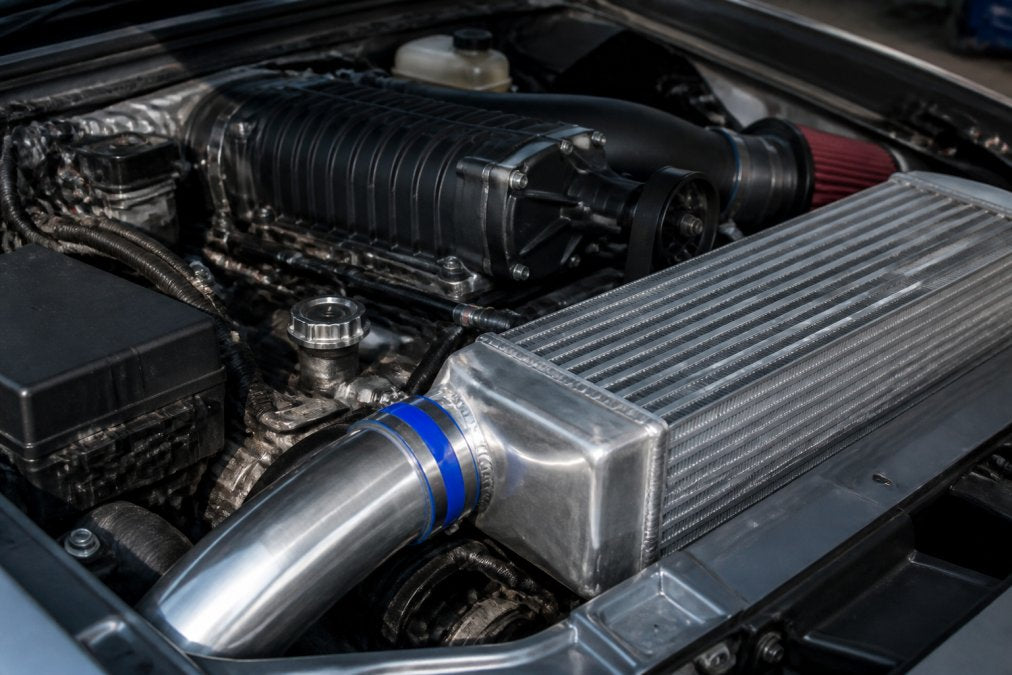
After installing hundreds of kits, this is what changes the towing experience the most on vehicles that are otherwise in good shape. A vehicle-specific supercharger setup adds torque across the range, not just at redline. You feel it when you roll into the throttle with a trailer connected, when the grade steepens, and when the transmission would normally grab another gear.
A supercharged 3.5L Tacoma, 4Runner, or Frontier does not suddenly become exempt from its ratings. What it does become is much less stressed by normal towing work. The engine reaches useful torque sooner. The throttle feels connected. Passing takes less pedal and less time. Hill climbs stop feeling like a negotiation.
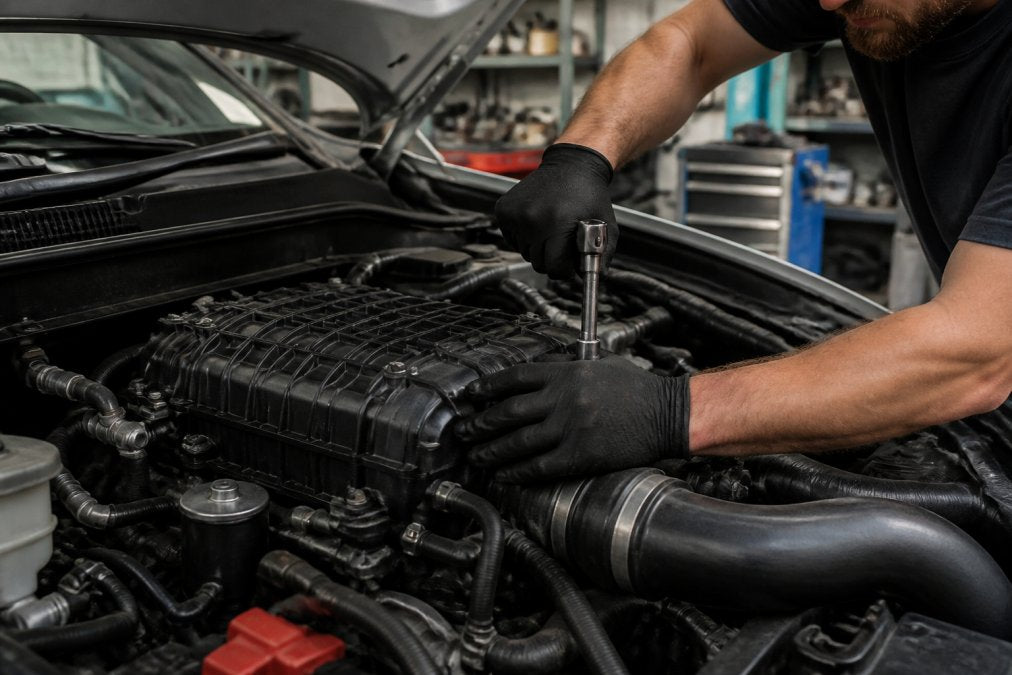
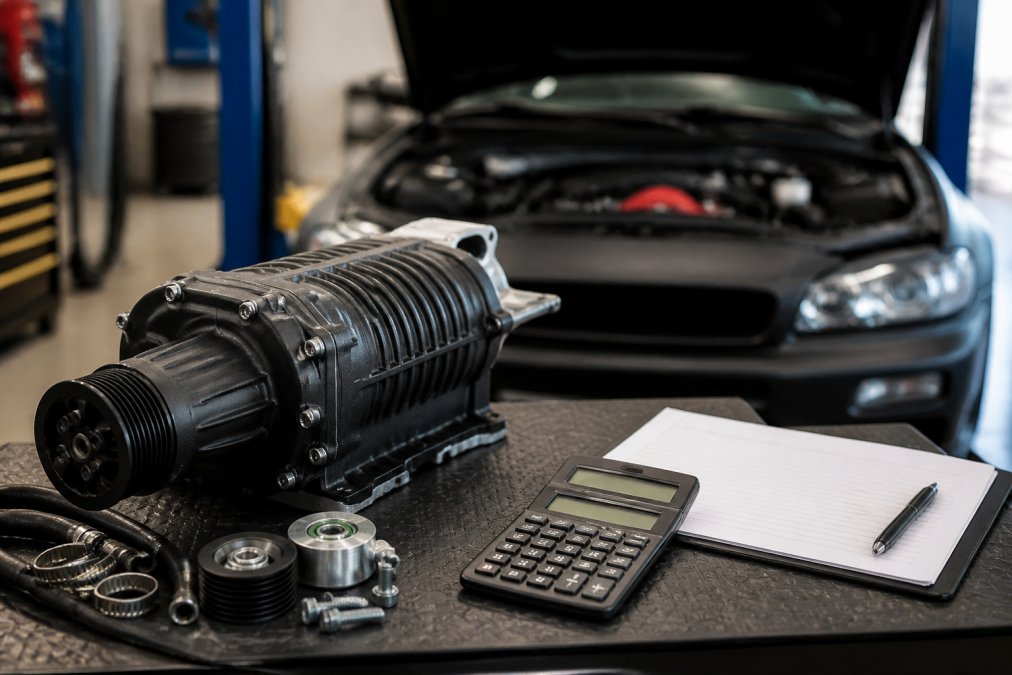
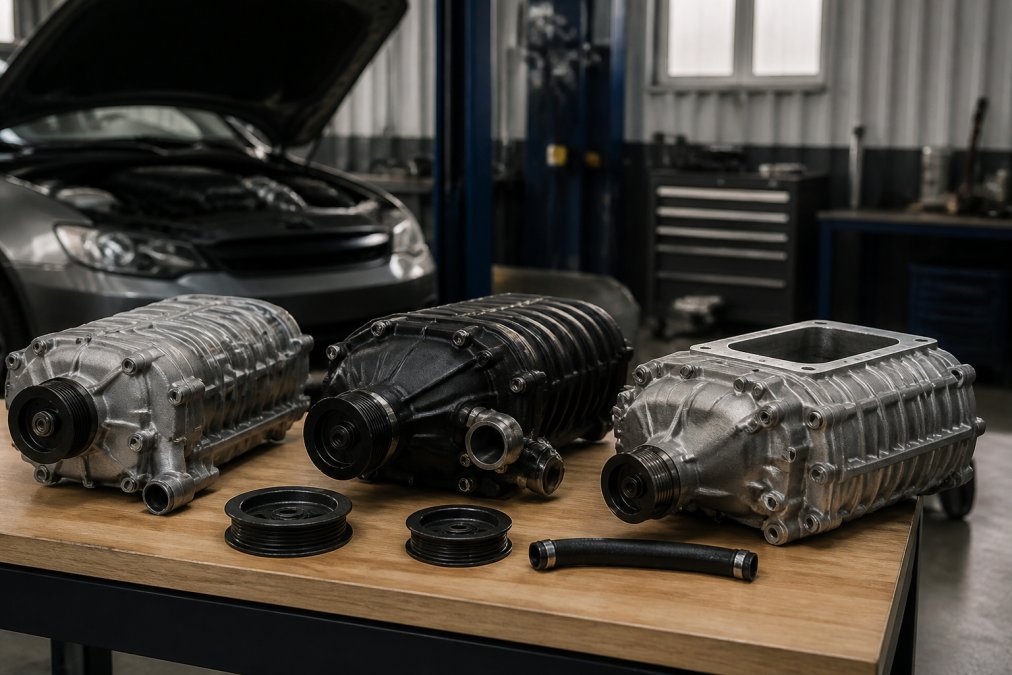
That is why the kit matters as much as the blower itself. The right setup is built around a specific engine and model year, with proper brackets, belt routing, fueling strategy, tuning, and installation details. You want OEM-like fitment, not a pile of universal parts that technically works until you are 200 miles from home with a trailer behind you.
VT Superchargers focuses on bolt-on kits because owners need power they can use on Monday morning, not a custom build that only behaves on a cool dyno day. Proper tuning, quality fuel, and a clean install are what make extra power something you enjoy for years.
Keep It Cool Before You Ask It to Work Harder
Towing creates heat. More power can create more heat. That does not mean you avoid power upgrades - it means you support the whole vehicle like a tow rig.
Watch engine coolant temperature and transmission temperature, especially in hot weather, at altitude, or on long grades. If your platform is known to run warm under load, a properly sized transmission cooler can be money well spent. Make sure the radiator, condenser, fans, hoses, and coolant are in good condition. Keep the intercooler system healthy on a supercharged setup and follow the maintenance schedule for belts, fluids, and plugs.
Do not ignore the trailer side either. A properly adjusted weight-distribution hitch, working trailer brakes, correct tire pressure, and sane load placement take strain off the tow vehicle. One of the biggest complaints we hear after a power upgrade is not actually about the engine at all. It is a poorly set up trailer that still pushes, wanders, or makes the whole combination feel sketchy.
Build the Combination, Not Just the Engine
There is no single answer for every owner. If your 4Runner has stock-size tires and only pulls a light utility trailer, maintenance, trailer setup, and a sensible tune may be enough. If your Tacoma is on 33s and regularly pulls a 4,500-pound camper through Colorado, gearing plus forced induction is a much stronger plan. If your Gladiator is heavy with armor, roof gear, and a family’s worth of camping equipment, suspension, brakes, cooling, gearing, and torque all need to be part of the conversation.
Do not build around the heaviest trailer you might borrow once. Build around the load you actually pull, the roads you actually drive, and how long you plan to own the vehicle. A little extra power with great manners beats a max-effort setup that runs hot, shifts poorly, and makes daily driving annoying.
The right tow rig should feel calm with weight behind it. You should be able to merge without flooring it, climb without constant gear hunting, and pass without holding your breath. Get the combination right, and every mile with the trailer gets a whole lot easier.
Related post


RECENT POSTS