How to Supercharge a Tacoma the Right Way
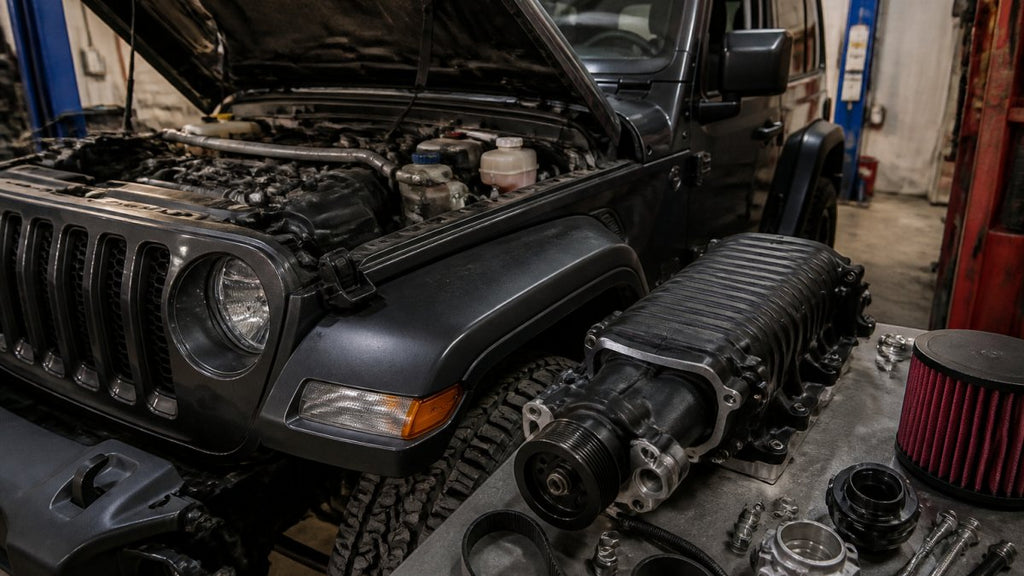
Put 33s or 35s on a Tacoma, load it with armor, a rack, camping gear, and maybe a trailer, and the truck you used to like starts feeling flat. It hunts for gears on hills, falls on its face when you try to pass, and at altitude it gets even worse. If you’re wondering how to supercharge a Tacoma, you’re probably not chasing dyno bragging rights. You just want your truck to feel strong again when you actually drive it.
We see this all the time. A Tacoma owner adds the parts that make the truck more useful - tires, bumpers, sliders, drawer systems, rooftop tents - and then realizes the factory powertrain was barely keeping up before the weight went on. One of the biggest complaints we hear is that the truck feels slower after every good modification. That’s why supercharging makes so much sense on this platform when it’s done right.
Why Tacoma owners supercharge in the first place
On paper, the Tacoma looks fine. In real life, a lot of owners want more midrange torque, better throttle response, and less downshifting. That’s especially true for 3rd gen trucks with the 3.5L, where the transmission behavior and soft low-end response leave a lot of owners frustrated. The 2nd gen 4.0L trucks have a solid reputation, but once you add bigger tires and weight, even those start to feel lazy getting up to speed or pulling grades.
Most owners tell us the same thing. They don’t need a race truck. They need the truck to stop feeling strained. They want to merge without planning it out, pass on a two-lane road without sweating it, and pull a hill with a trailer without the transmission acting like it’s in a panic.
That’s where a properly engineered supercharger kit changes the whole personality of the truck. Not because the peak horsepower number looks cool on a graph, but because the power shows up where you use it every day.
How to supercharge a Tacoma without ruining it
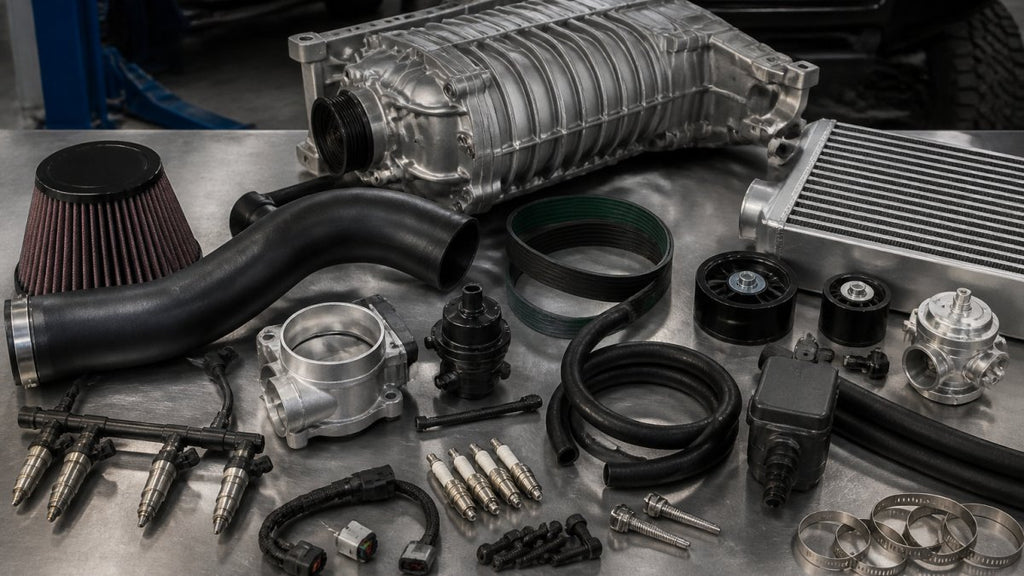
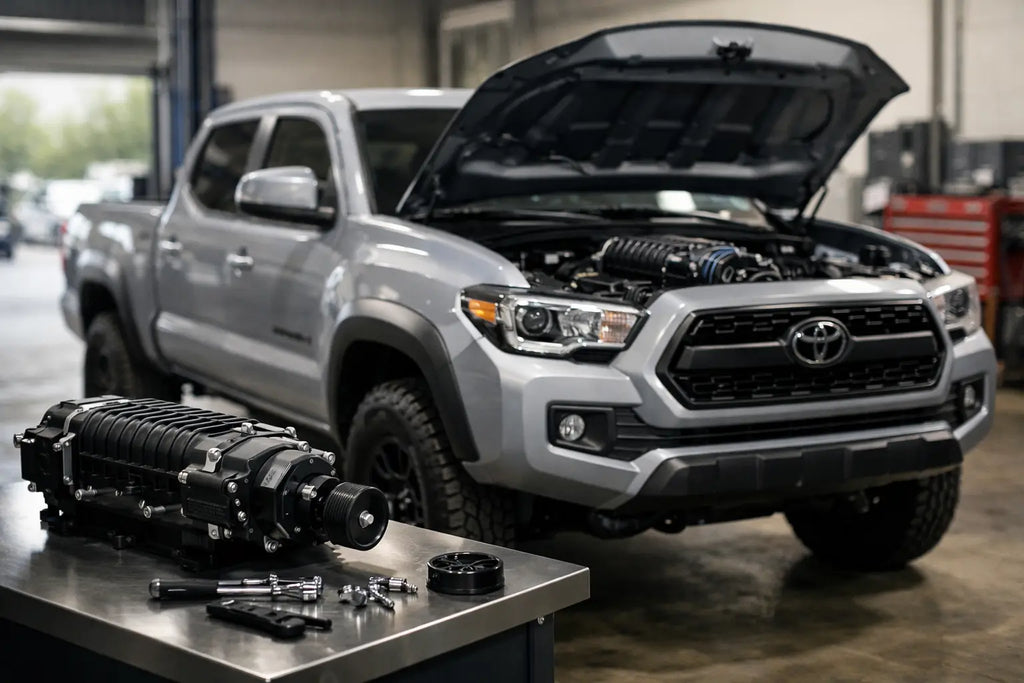
There’s a right way and a wrong way to do this. The right way is to start with a vehicle-specific, bolt-on kit designed for your exact Tacoma engine and model year. That matters more than a lot of people realize.
A Tacoma is not the place for a pile of universal parts and guesswork tuning. After installing hundreds of kits, I can tell you the cleanest setups always come from systems built around OEM-style fitment, proper fuel control, and a calibration that keeps the truck drivable in traffic, on the highway, and off-road. You want the added torque to feel natural, not jerky, unpredictable, or hard on the transmission.
The best supercharged Tacoma builds are not the ones with the wildest numbers. They’re the ones that start every morning, idle clean, pull hard when asked, and don’t beat up the rest of the truck.
Start with your Tacoma’s real-world use
Before you buy anything, be honest about how the truck gets used. Is it a daily on 33s that occasionally sees trails? Is it an overland setup with steel bumpers and extra fuel? Is it towing a small camper or side-by-side? Is it living at elevation where naturally aspirated power drops off fast?
That answer affects what kind of power delivery you’ll be happiest with. Most Tacoma owners are better served by a setup that builds strong, usable torque early and stays smooth through the midrange. That’s what makes the truck feel lighter on its feet. It’s also what helps with crawling, hill climbs, and rolling into the throttle on the street.
Make sure the truck is healthy first
This part isn’t exciting, but it matters. If you’re figuring out how to supercharge a Tacoma, don’t bolt power onto a truck with existing issues and hope the kit fixes them. It won’t.
The engine needs to be healthy. The cooling system needs to be in good shape. Plugs, fluids, belts, and general maintenance should be up to date. If the truck already has drivability problems, vacuum leaks, transmission issues, or check engine lights, handle that before adding boost.
We see people skip this step because they’re excited, and it always costs more later. A clean install starts with a solid truck.
Picking the right kit for a Tacoma
Tacoma owners usually care about three things more than anything else: torque, reliability, and fitment. Good. That’s exactly where your attention should be.
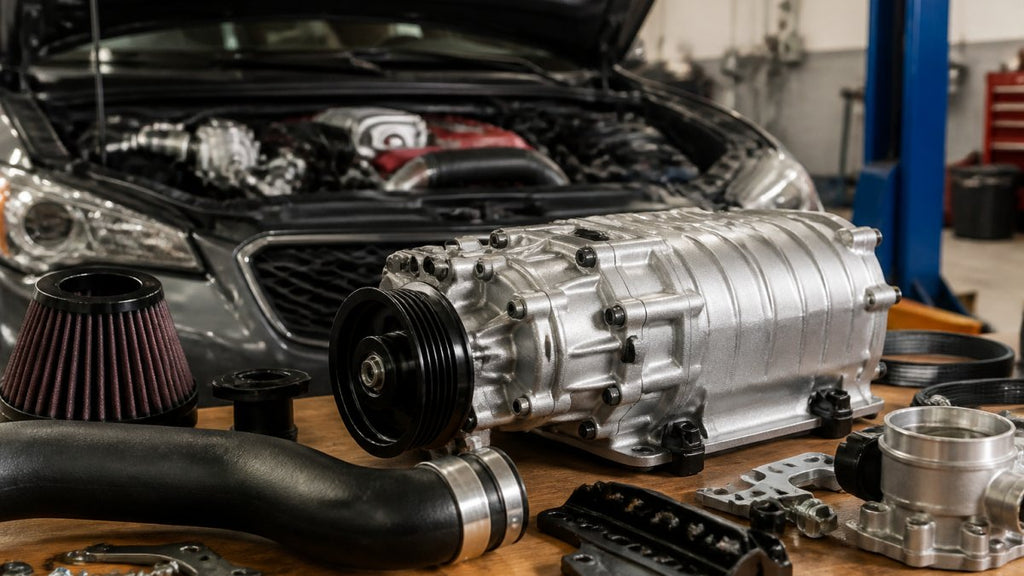
A proper kit should fit like it belongs under the hood. That means clean bracketry, routing that doesn’t look hacked together, and a tune that works with the truck instead of fighting it. OEM-like drivability is a big deal on a Tacoma because these trucks aren’t trailer queens. They get driven to work, to the trail, across the state, and back home loaded down.
One of the biggest mistakes people make is shopping only by the highest advertised horsepower gain. Peak numbers don’t tell you how the truck will behave pulling a grade at 65 mph or creeping around town on oversized tires. A supercharger kit that makes the truck feel stronger everywhere is worth more than a setup that only shines at the top of the RPM range.
For most owners, the sweet spot is a complete system with proven calibration, fuel support, and installation guidance. That’s the difference between bolting on power and building a headache.
What a supercharged Tacoma feels like on the road
This is the part that matters. A well-sorted Tacoma supercharger setup makes the truck feel like it should have from the factory.
Throttle response sharpens up right away. The truck doesn’t need as much pedal to get moving. It pulls harder through the middle of the rev range, which is exactly where a heavy Tacoma spends most of its life. Instead of downshifting and winding out every time you meet a hill, it holds speed with less drama.
Towing gets easier too. Not because physics disappears, but because the truck isn’t constantly searching for power. The added torque helps it settle down. Most owners notice that passing power improves, grades feel less stressful, and the whole truck feels less overworked.
At altitude, the difference is even more obvious. Naturally aspirated trucks lose a noticeable chunk of performance as elevation climbs. Forced induction helps bring that back. If you live in the mountains or regularly wheel above sea level, this is one of the biggest real-world benefits.
Installation matters more than people think
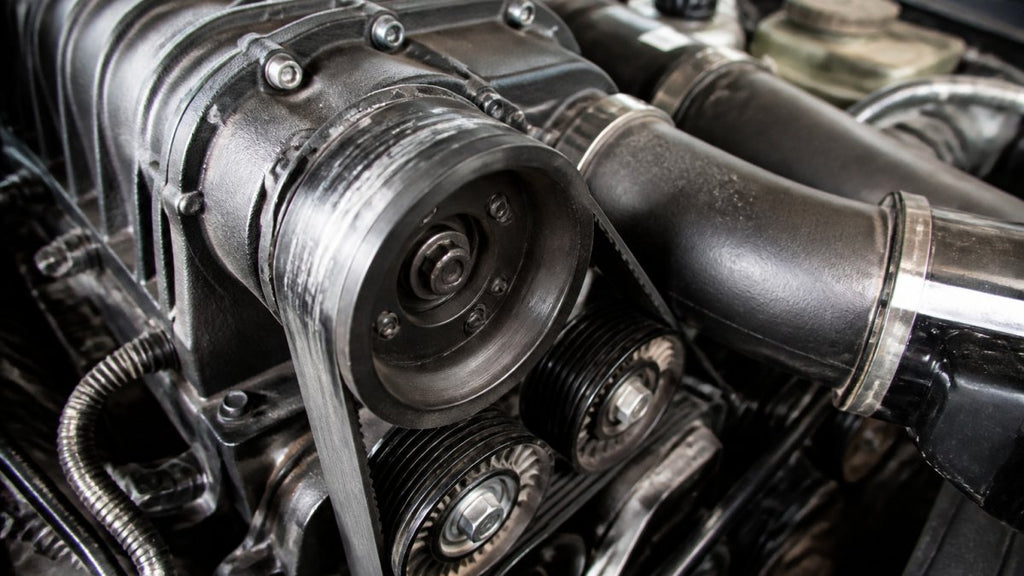
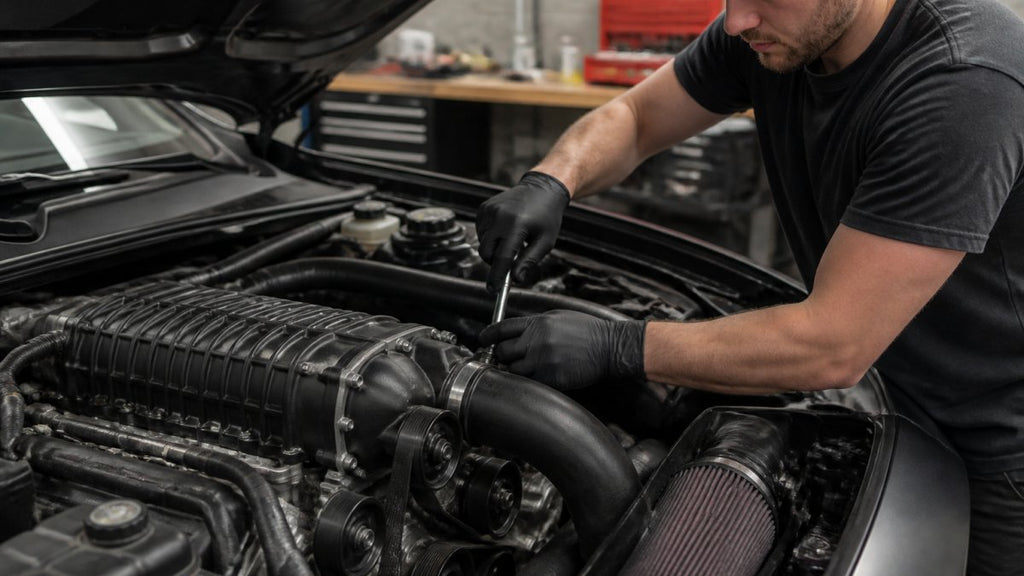
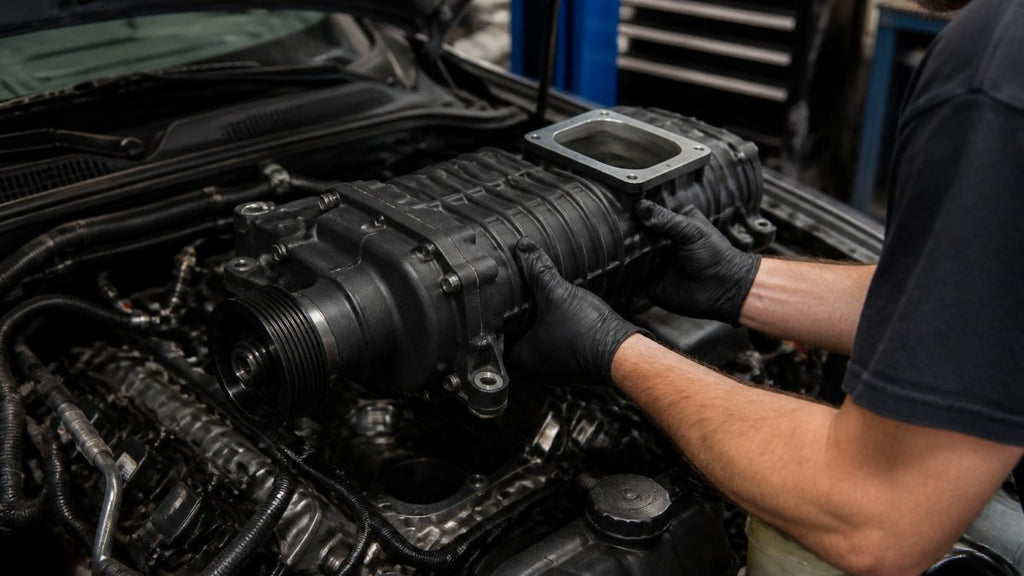
A Tacoma supercharger kit can be a great upgrade or a long-term annoyance depending on how it’s installed. Clean work matters. Proper belt alignment matters. Proper routing matters. So does the tune.
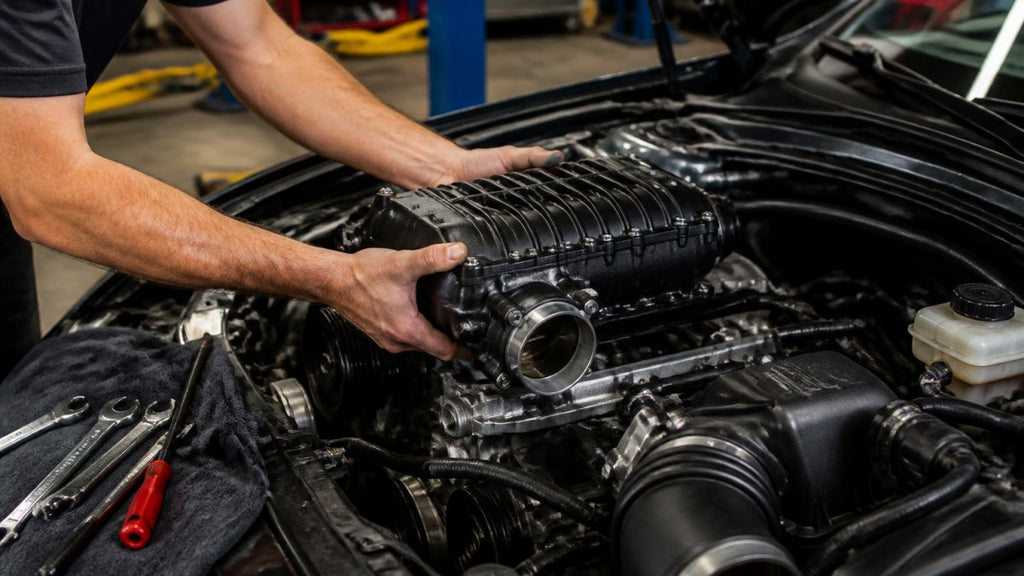
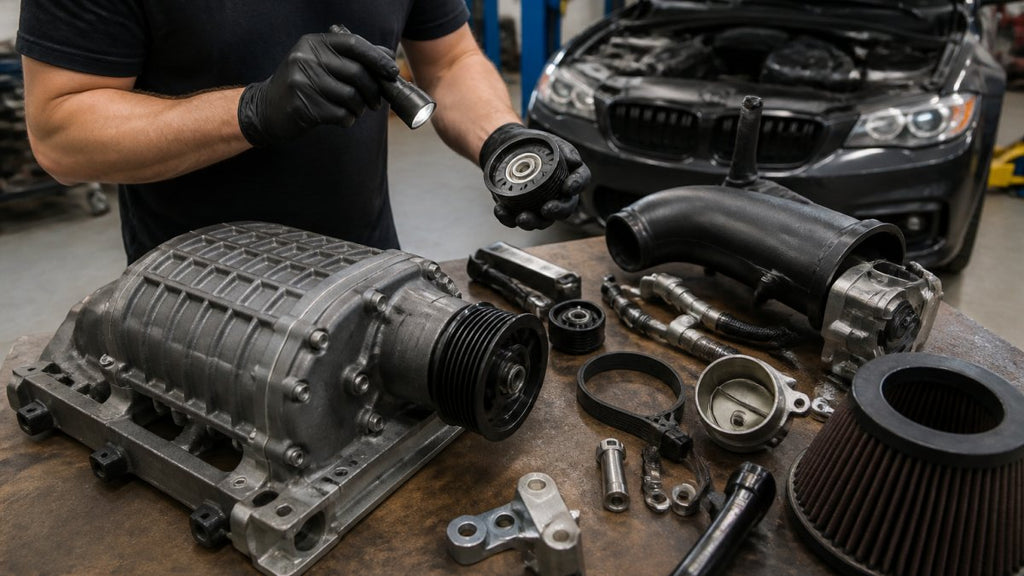
After installing hundreds of kits, I can tell you that a neat, complete install usually drives better and stays trouble-free longer. This isn’t just about making the engine bay look nice. It’s about avoiding little problems that turn into bigger ones later - rubbed hoses, heat-soaked components, weird noises, inconsistent boost, or drivability complaints that come from shortcuts.
If you’re doing the work yourself, take your time and follow the instructions exactly. If you’re using a shop, use one that understands late-model Toyotas and forced induction. A good installer doesn’t just bolt parts on. They pay attention to the details that make the truck feel factory-tight when it leaves.
The trade-offs nobody should hide from you
Let’s keep it real. Supercharging a Tacoma is not magic and it’s not for every owner.
You’re adding complexity. You need to stay on top of maintenance. Fuel quality matters. You may notice yourself using the extra power more often, which can affect fuel economy. And if your goal is to build the cheapest possible truck, this probably isn’t the move.
But most owners who do it right aren’t looking for cheap. They’re looking for a truck that finally matches the way it’s equipped. Bigger tires, added weight, towing duty, and mountain driving all expose the Tacoma’s weak spots. A good supercharger setup addresses those weak spots without turning the truck into some temperamental project.
That’s the key. More power is easy. Useful power that still feels reliable on Monday morning is what matters.
Is supercharging the best answer for your Tacoma?
If your Tacoma is stock, lightly used, and you’re happy with how it drives, maybe not. But if you’ve built the truck for real use and now it feels doggy, supercharging is often the cleanest fix. Gears can help in some cases. Transmission tuning can help in some cases. But when the complaint is broader - weak midrange, poor passing power, constant hunting, sluggish response under load - added boost solves the actual problem.
Most owners tell us the same thing after driving a properly supercharged Tacoma for the first time: this is how it should have come. Not twitchy. Not peaky. Just stronger everywhere that counts.
If you want the truck to tow easier, climb better, respond quicker, and feel less burdened by the very upgrades you added for adventure, bolt-on boost is hard to beat. Do it with the right kit, the right tune, and the right expectations, and your Tacoma stops feeling like it’s working overtime every time the road points uphill.
That’s when the truck gets fun again.
Related post
09
Oct
RECENT POSTS