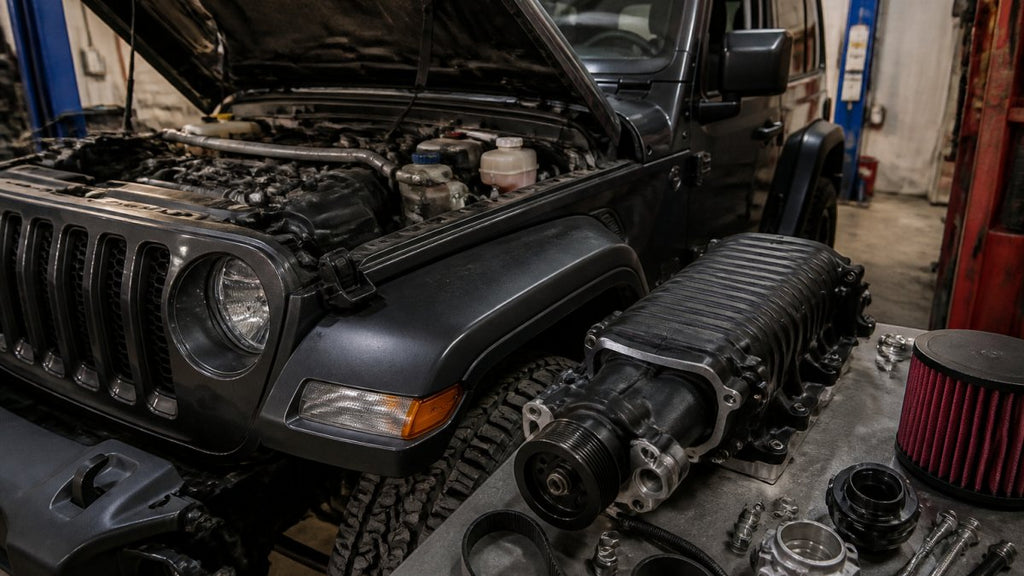
4Runner Supercharger Kit Review
You feel it the second you add 33s, a steel bumper, sliders, a roof rack, and camping gear. Your 4Runner still runs fine, but it does not feel fine. It hunts for gears on hills, falls on its face when you try to pass, and needs way too much throttle just to move with some urgency. That is exactly where a 4runner supercharger kit review matters, because on this platform the question is not just peak power. It is whether the truck feels strong again where you actually drive it.
We see this all the time with 5th gen 4Runners, especially 2010 and up trucks with the 4.0L V6. Owners build them the way they were meant to be used, then wonder why the drivetrain feels half a step behind. Add weight, add tire, add altitude, and the factory calibration starts working overtime just to keep up.
What a 4Runner supercharger kit really fixes
One of the biggest complaints we hear is not that the 4Runner is slow from a dead stop. It is that the midrange feels lazy once the truck is loaded up. You roll into the throttle at 45 or 55 mph, ask for a pass, and it drops gears hard, makes noise, and still takes its time getting there.
A good supercharger kit changes that whole part of the driving experience. The truck feels like it has torque on demand instead of needing a running start and a prayer. Hill climbs get easier. Merging gets easier. Towing a small trailer or hauling a family and gear stops feeling like you are asking too much from the platform.
That is the big difference most owners notice first. Not dyno numbers. Not bragging rights. Just the fact that the 4Runner finally responds the way it should have from the factory once you have built it out.
4Runner supercharger kit review - how it feels behind the wheel
After installing hundreds of kits across trucks and SUVs, I can tell you this platform is one of the clearest examples of where forced induction makes sense. The 4.0L 1GR-FE is a solid engine. It is dependable, it lives a long time, and it handles daily use well. But once you ask more from it, the stock power curve starts showing its limits.
With a properly tuned bolt-on supercharger kit, throttle response wakes up right away. Tip-in feels cleaner. The truck pulls harder through the middle of the RPM range where street driving happens. You do not have to mat it every time you need movement. That alone makes it more relaxed to drive.
Most owners tell us the truck feels lighter. That is the simplest way to describe it. It does not literally lose weight, obviously, but it stops driving like every accessory you bolted on came with a penalty. The power comes in naturally, and if the tune is right, it should not feel peaky or wild. It should just feel like a stronger version of the same 4Runner.
That matters if this is your daily, your weekend trail truck, or your family road-trip rig. Nobody wants a setup that acts temperamental in traffic, bucks around town, or feels like a race build in a parking lot. OEM-like drivability is the whole point on a vehicle like this.
Where 4Runner owners notice the difference most
If you are on stock-size tires and your truck is bone stock, you will still feel the gain. But the supercharger makes the most sense when the 4Runner has already been pushed away from factory load and factory use.
The classic setup is 285s, a lift, armor, and extra cargo. Sometimes it is a full overland build. Sometimes it is a towing setup with a small camper, boat, or utility trailer. Sometimes it is just a truck that lives in Colorado, Utah, or anywhere altitude steals power every day. In all those cases, the complaint is usually the same. The truck is reliable, but it feels overworked.
That is why a blower works so well here. It puts torque back into the equation where the 4Runner lost it. You spend less time waiting on downshifts and less time planning every pass like a chess move. On long grades, the truck feels more composed. Around town, it feels less strained.
We see this all the time with owners who say, I do not need a race truck, I just want my 4Runner to stop feeling tired. That is exactly the right mindset.
The trade-offs you should be honest about
A real 4runner supercharger kit review should not pretend there are no compromises. There are always trade-offs. The question is whether they are reasonable for how you use the vehicle.
First, premium fuel is usually part of the deal. If you want a properly tuned forced-induction setup to stay happy, you feed it the fuel it was designed around. For most owners looking at this upgrade, that is not a surprise, but it is part of long-term cost.
Second, your right foot matters. Drive it normally, and many owners see the truck stay very livable in day-to-day use. Stay in boost all the time, and fuel economy will remind you that power is not free. That is just reality.
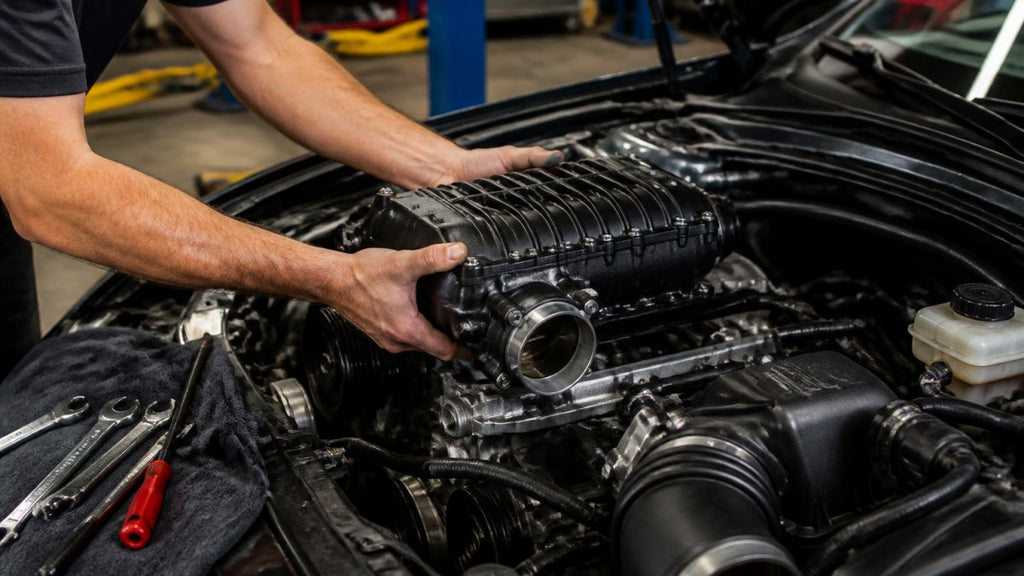
Third, installation quality matters more than people want to admit. A clean kit on a healthy engine with proper tuning is a very different ownership experience than a hacked-together install with vacuum leaks, bad routing, or calibration issues. Most reliability horror stories in the aftermarket start with shortcuts.
And finally, this is not a substitute for being realistic about the rest of the build. If your truck has giant tires, tall gearing, neglected maintenance, and a transmission that already feels unhappy, a supercharger is not a magic eraser. It is a power upgrade, not a fix for bad planning.
Reliability depends on the kit and the tune
This is where a lot of buyers get nervous, and honestly, they should. The 4Runner crowd tends to keep vehicles a long time. These are not flip-in-six-months cars. People daily them, road trip them, tow with them, and take them deep into the woods. Reliability is not a side issue. It is the issue.
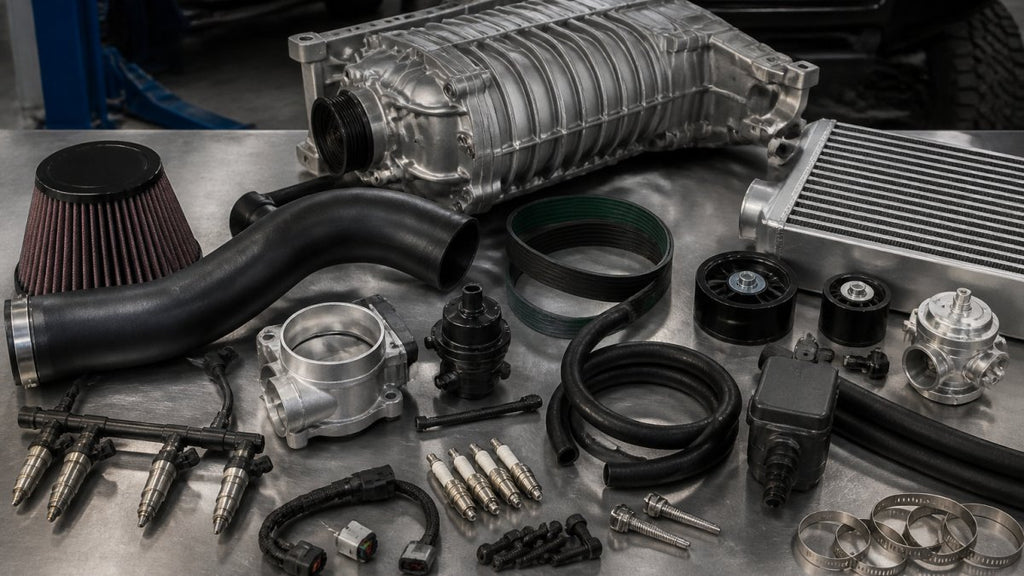
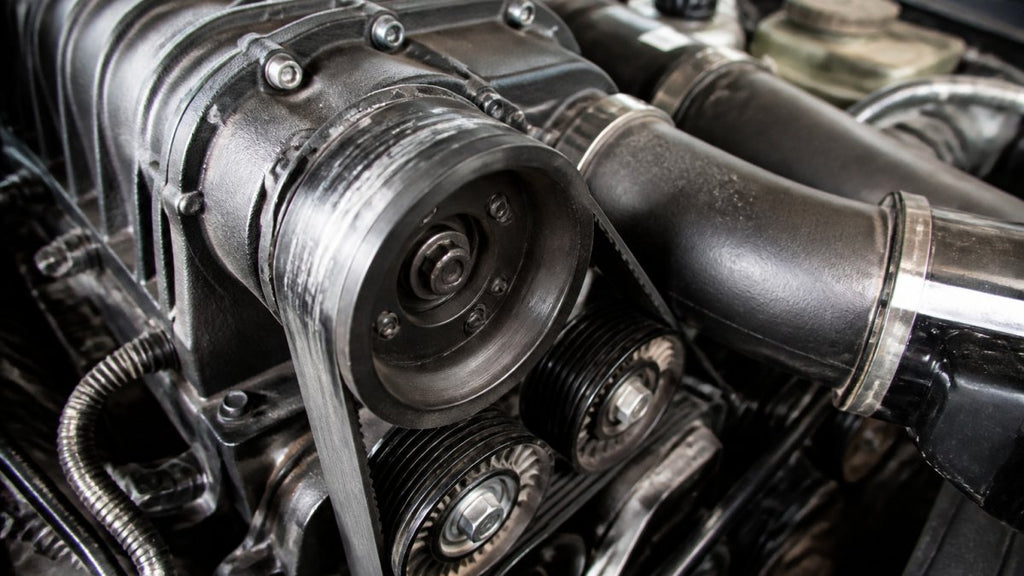
Most owners tell us they want more power without turning the truck into a project. That means the kit needs to fit cleanly, the tuning needs to behave like factory, and support needs to be there after the sale. If something as simple as belt routing, injector matching, or calibration quality is off, it shows up fast in drivability.
A good setup should cold start clean, idle correctly, drive smoothly in traffic, and make power without drama. That is the standard. If a kit only feels good at wide-open throttle but acts weird everywhere else, that is not a win on a 4Runner.
After installing hundreds of kits, I can tell you the boring stuff is what matters long term. Proper fueling. Predictable tuning. Good hardware. No weird fitment hacks. No mystery parts. That is what keeps a daily-driven SUV enjoyable six months later.
Is it worth it for towing and overlanding?
If your 4Runner spends real time loaded down, this is where the value starts making the most sense. Towing exposes weak torque fast. So does climbing grades with camping gear, passengers, recovery equipment, and larger tires.
One of the biggest complaints we hear from overland owners is constant downshifting. The truck is always searching, especially in rolling terrain or on long interstate climbs. You are not asking for sports car speed. You just want the thing to hold pace without feeling wrung out.
That is where the supercharger earns its keep. The added torque makes the vehicle feel more settled under load. You do not need to stab the throttle as often, and the truck spends less time acting like it is one gear away from giving up. It is a more confident driving experience, which matters when the truck is loaded with people and gear a long way from home.
Who should buy one and who should skip it
If you are the kind of owner who notices every lazy downshift, every weak passing move, and every hill that exposes the truck’s lack of midrange, you are probably the right buyer. Same goes for anyone on 33-inch tires, carrying extra weight, driving at altitude, or towing enough to feel the drivetrain working harder than it should.
If your 4Runner is mostly stock, lightly used, and you are perfectly happy taking your time everywhere, then maybe this is not the first mod I would tell you to buy. Suspension, tires, and maintenance usually come first. Power makes more sense when you have already created the need for it.
The best supercharger customers are the ones who know exactly what is bothering them about the truck. They are not chasing a number. They are fixing a driving problem.
And that is really the point. A supercharged 4Runner should not feel like a science experiment. It should feel like your same truck finally got its backbone back. If your build has made the 4Runner slower, heavier, and more frustrating to drive, this is one of the few upgrades that actually changes the story every time you press the pedal.
Related post
09
Oct
RECENT POSTS