Daily Driver Power Upgrade Guide
Bigger tires went on, the roof rack got loaded, maybe you added a bumper, winch, or tow setup - and now the truck feels flat every time you pull away from a light. Or maybe your Charger, Mazda 3, Tacoma, Frontier, or Gladiator just feels lazy in the midrange and always wants another downshift on hills. That is exactly where a daily driver power upgrade guide matters, because most owners are not chasing dyno glory. They want the vehicle to feel right again when they drive it every day.
We see this all the time. A setup that looked great on paper ends up taking away the thing owners actually notice behind the wheel - usable torque. Not peak power at some high rpm you barely touch. Real shove when you roll into the throttle, merge into traffic, pass on a two-lane road, or pull a trailer without the transmission hunting all day.
What a daily driver power upgrade guide should actually help you decide
Here is the first truth. Not every power mod makes a good daily driver better. A lot of parts make noise, sharpen the car for five minutes, or add a number to a spec sheet. That does not mean the vehicle will feel stronger where you use it.
For a real street-driven build, the goal is simple. You want more torque down low and through the middle, cleaner throttle response, and power that comes in smoothly enough that the vehicle still feels factory sorted. Most owners tell us the sweet spot is not a race build. It is a setup that starts easily, idles clean, drives in traffic, climbs grades better, and does not turn every commute into a project.
That is especially true on heavier platforms. A Toyota Tacoma or 4Runner on 33s or 35s, a Jeep Gladiator with armor and camping gear, or a Nissan Frontier that sees towing duty will all expose weak factory midrange torque fast. The same goes for street cars. A Dodge Charger or Mazda 3 can feel fine at light throttle but still leave you wanting a lot more punch when you put your foot in it.
Start with the problem you feel behind the wheel
One of the biggest complaints we hear is, "It used to feel decent, then I modified it and now it feels slow." That usually means weight, tire diameter, gearing, altitude, or towing load changed faster than the engine's usable output did.
A Tacoma owner running 285s often notices it first on freeway merges and long grades. The truck is not dead, but it feels like it has to work too hard. A 4Runner owner with overlanding gear usually talks about constant downshifting and weak passing power. Gladiator owners mention the same thing, especially once they add steel armor, larger tires, and weekend trail gear. Frontier owners towing a small trailer or hauling tools tend to complain about throttle delay and that flat spot when they need to get moving now.
For cars, it shows up a little differently. Charger owners want stronger punch from a roll. Mazda 3 owners usually want the car to feel alive without wrecking daily drivability. In both cases, the complaint is the same in plain English - the vehicle feels soft when it should feel eager.
The best daily power upgrade is the one you can live with
This is where people get off track. They start shopping by peak horsepower instead of how the power is delivered. On a daily driver, the best upgrade is the one that improves the way the vehicle responds at normal street rpm.
After installing hundreds of kits, we can tell you that broad torque beats bragging rights every time in a street vehicle. You feel it pulling away from a stop. You feel it in part-throttle driving. You feel it when the truck holds a gear instead of kicking down two. That is the stuff owners notice every single day.
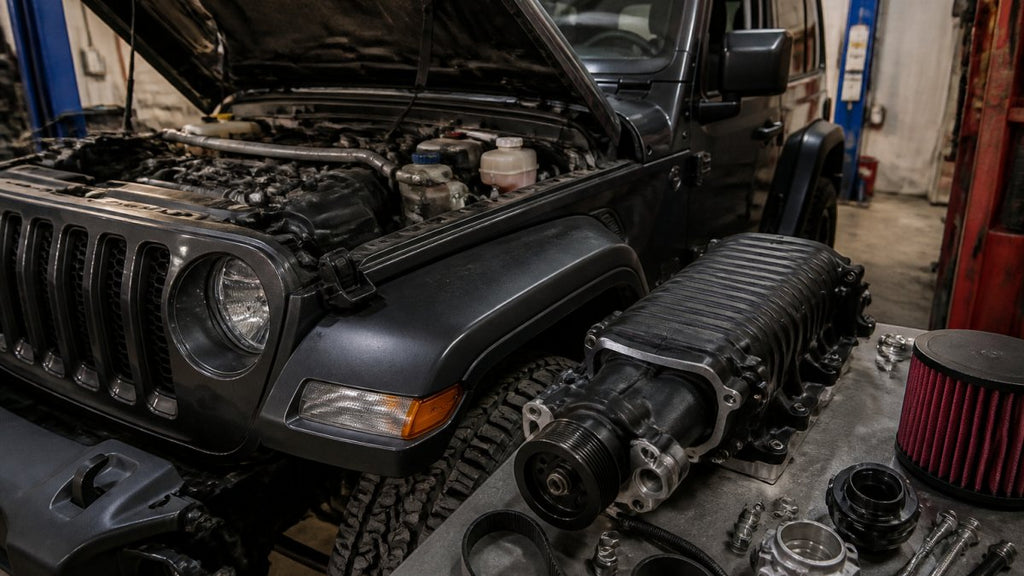
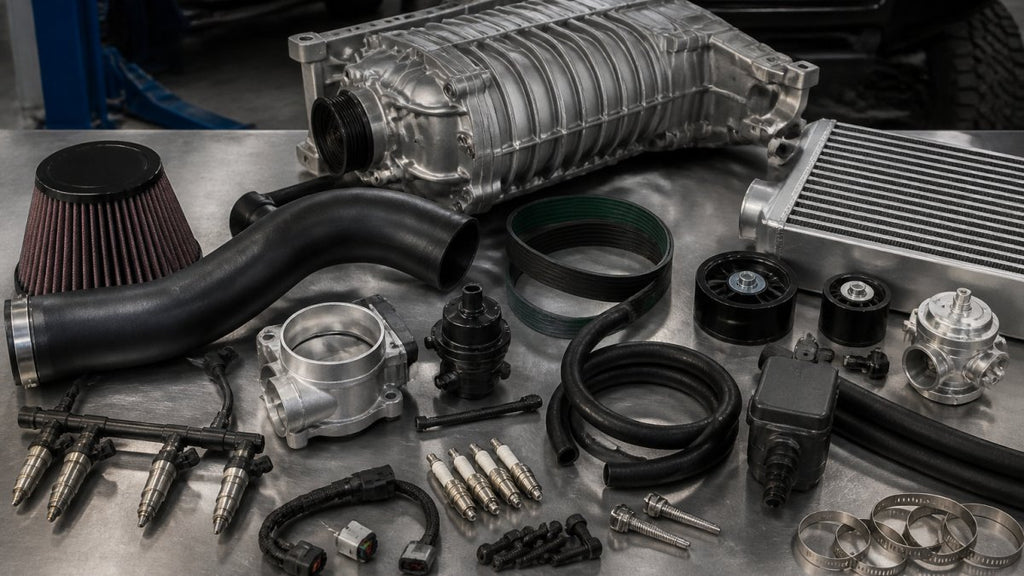
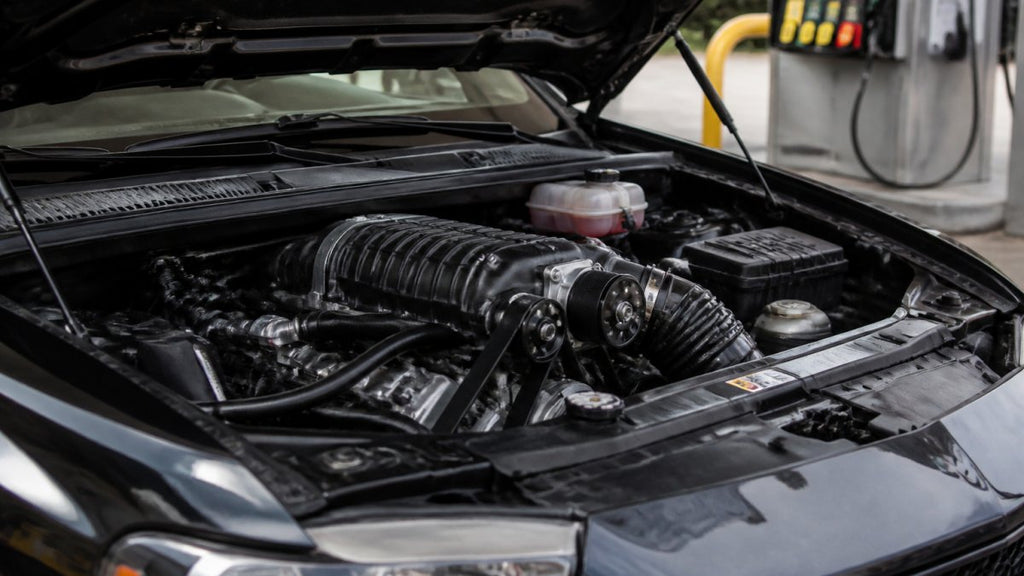
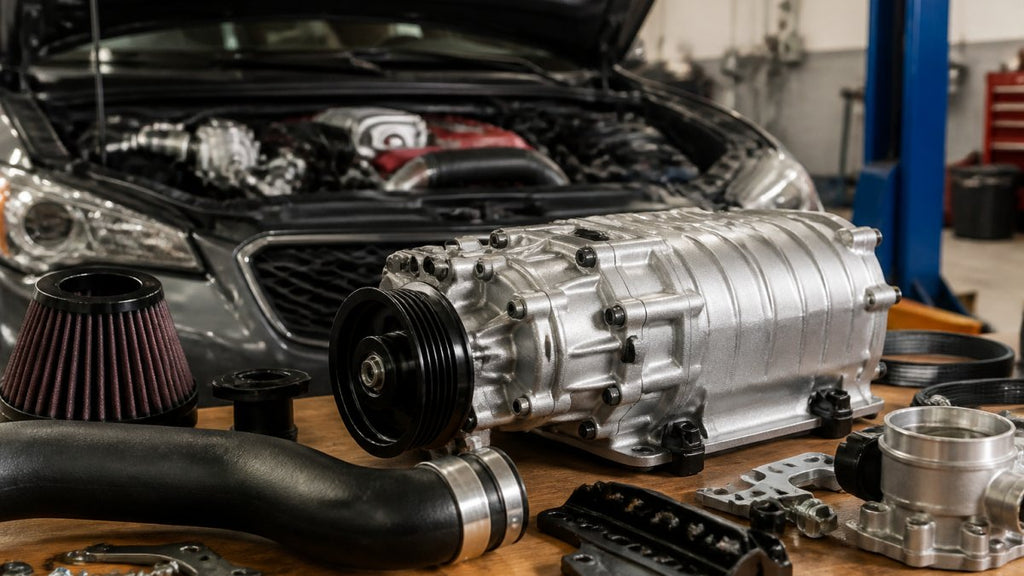
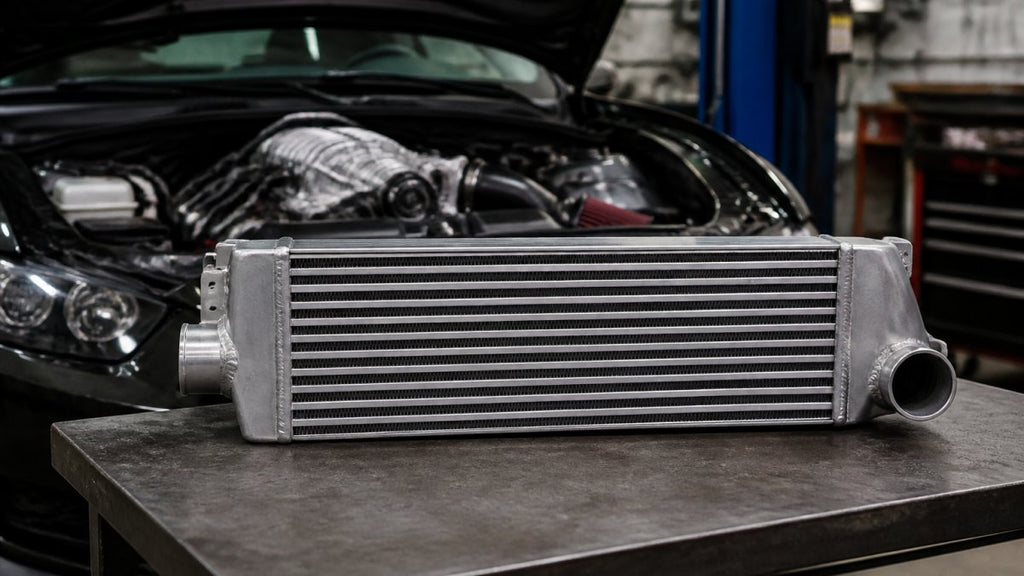
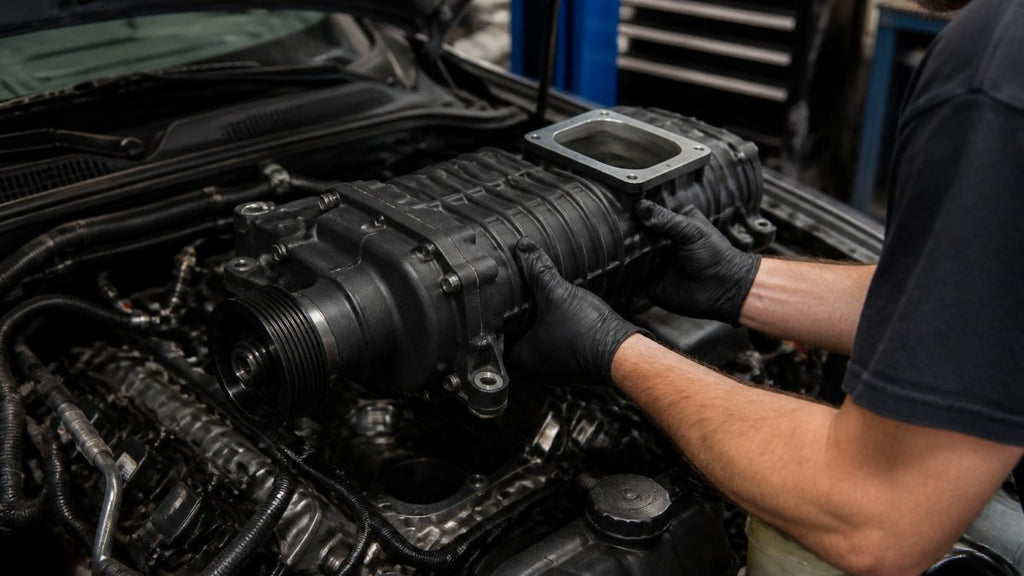
A bolt-on supercharger setup makes sense here because it adds power where daily drivers need it most. Not after a long wait. Not with a peaky hit that makes the vehicle annoying in traffic. Just immediate, usable torque and stronger midrange that makes the whole vehicle feel lighter and more responsive.
That matters even more at altitude. We see customers in mountain states dealing with power loss before they ever hook up a trailer or add larger tires. A naturally aspirated setup that felt acceptable at sea level can feel half asleep in the hills. Forced induction changes that in a way owners notice right away on climbs and passing moves.
Daily driver power upgrade guide for trucks and SUVs
If you drive a Tacoma, 4Runner, Gladiator, Frontier, or similar platform, think about your build honestly. Are you carrying extra weight all the time? Are you on 33s or larger? Do you tow on weekends? Do you spend time in the mountains? If the answer is yes to any of those, your vehicle is asking for torque, not just noise.
Most owners tell us they do not want a wild setup. They want to put their foot down and have the truck move without drama. They want better hill climbing, easier passing, and less transmission hunting. They want to keep the air conditioning on, keep street manners intact, and still trust the vehicle on road trips.
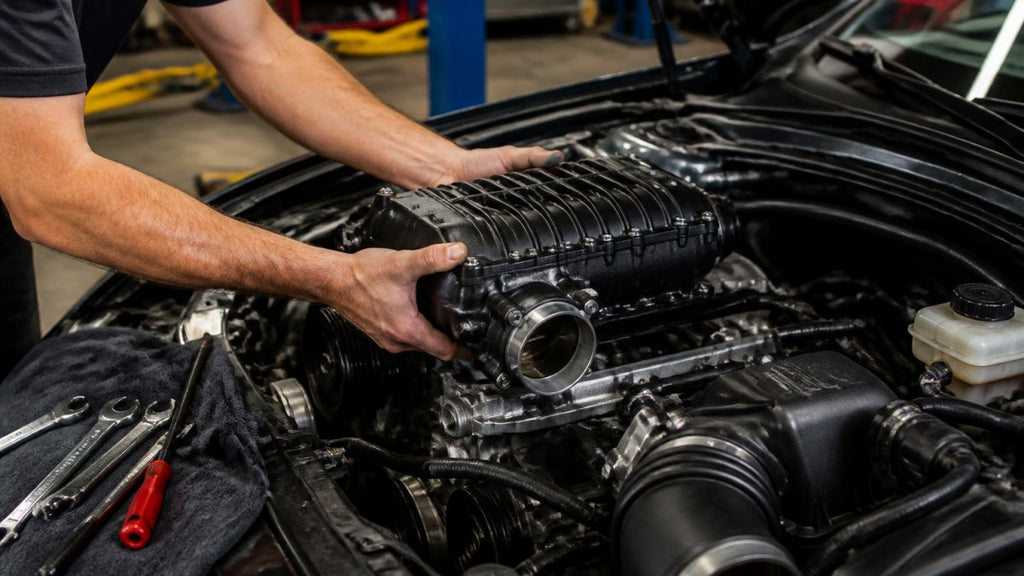
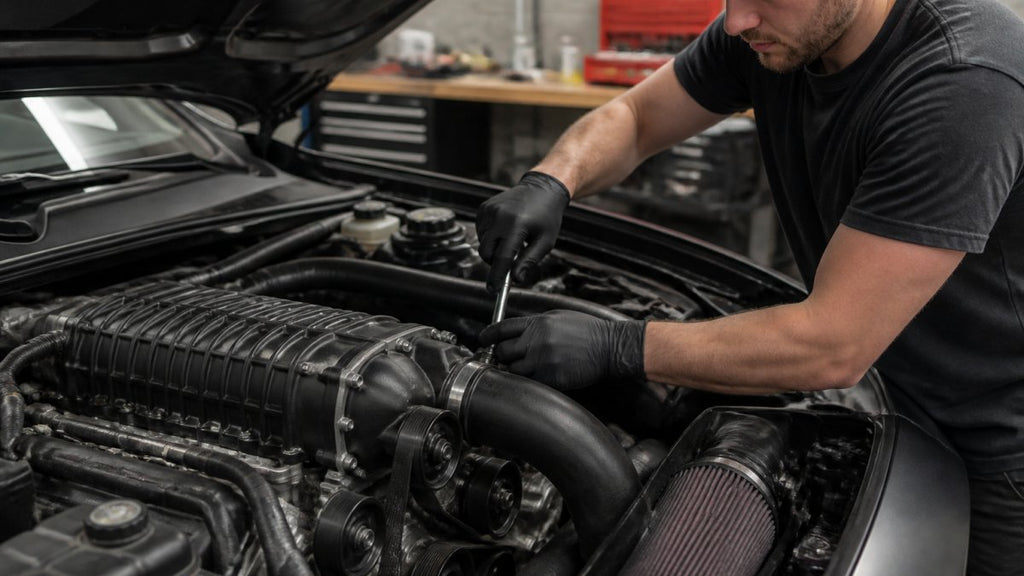
That is why clean installation and proper tuning matter so much. A daily driver should not feel cobbled together. It should start, idle, and cruise like it belongs there. You should not be chasing weird drivability issues because the setup was pieced together from random parts.
One of the biggest mistakes truck owners make is stacking mods that make the vehicle heavier and less efficient, then trying to fix the result with small bolt-ons that barely move the needle. Intake noise and a little exhaust tone are fine if you like them, but they will not make a loaded 4Runner or Tacoma feel happy on a grade the way real torque will.
What sedan and street-car owners should watch out for
A daily driven Charger or Mazda 3 needs a little different conversation. You are usually not fighting 35-inch tires or roof tents, but you still care about the same stuff - throttle response, midrange pull, and drivability.
The trap here is building a car that is fun for one hard pull and annoying the rest of the week. Most owners do not want surging, bucking, or tuning headaches. They want the car to stay civil in traffic and then come alive the second they ask for it.
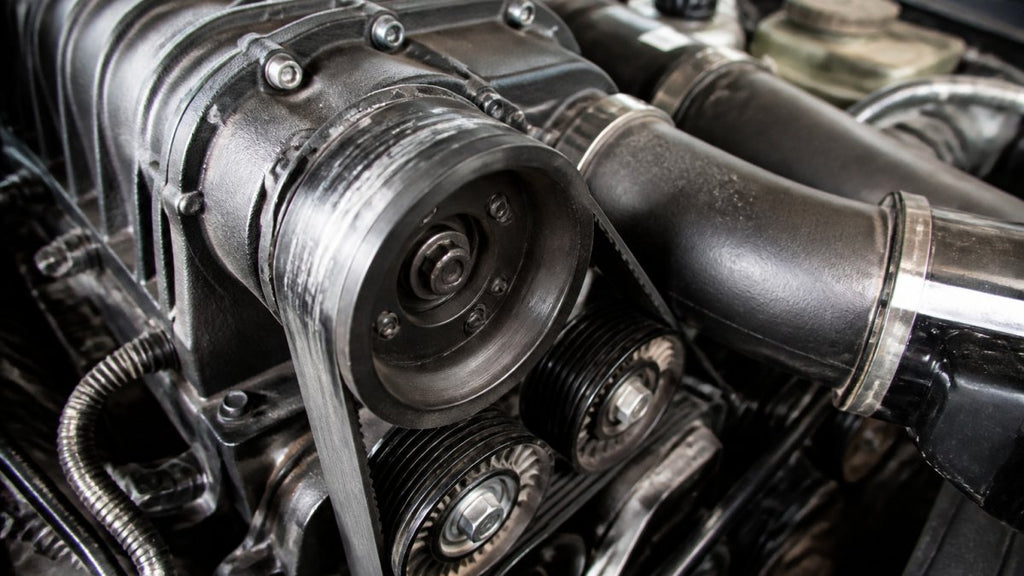
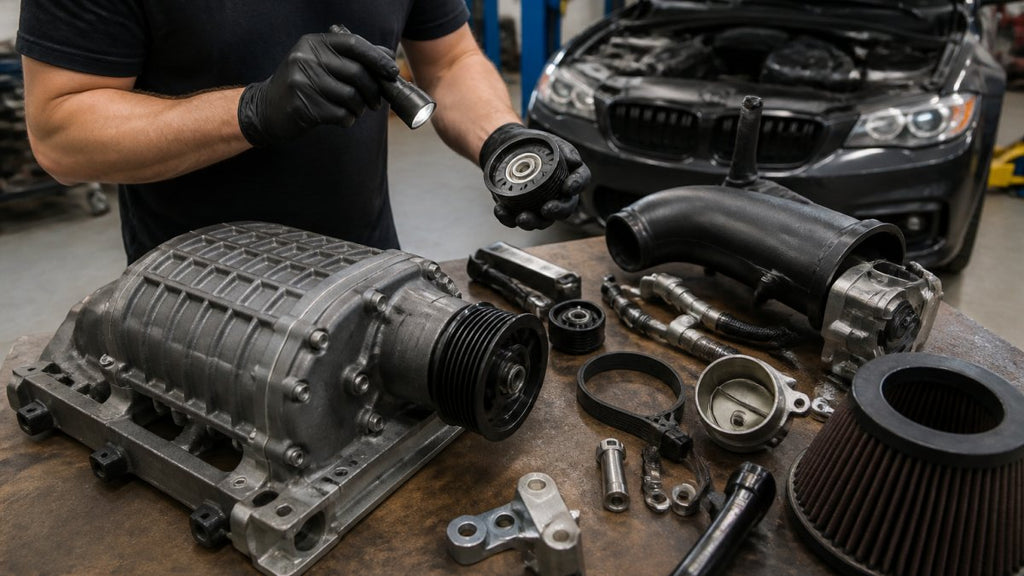
That is why a vehicle-specific system matters. Proper calibration, belt routing, mounting, fueling support where needed, and OEM-style fitment make the difference between a car that feels sorted and one that feels like it is always one issue away from ruining your day. We see this all the time with street cars that were modified in the wrong order.
Reliability is not a side topic
A real daily driver power upgrade guide has to say this clearly - if reliability is not part of the plan, the plan is wrong.
Owners are right to ask hard questions about heat, tuning, install quality, and long-term use. You should. Added power is great, but not if the vehicle becomes temperamental or loses the clean manners that made you buy it in the first place.
That is why proven fitment and conservative, well-sorted tuning matter more than internet hero numbers. After installing hundreds of kits, the setups that make customers happiest are the ones that feel factory clean but hit way harder when called on. That balance is what turns a good upgrade into one you still love a year later.
It also helps to be realistic. If your vehicle already has worn cooling components, old plugs, fuel system issues, or deferred maintenance, fix that first. Power upgrades do not replace maintenance. They build on top of it.
How to choose the right path without wasting money
Start with your actual use case. If your Tacoma tows a small boat, say that. If your Gladiator lives on 37s and sees mountain trails, say that. If your Charger is a commuter that needs stronger passing power, say that. The right setup depends on the job.
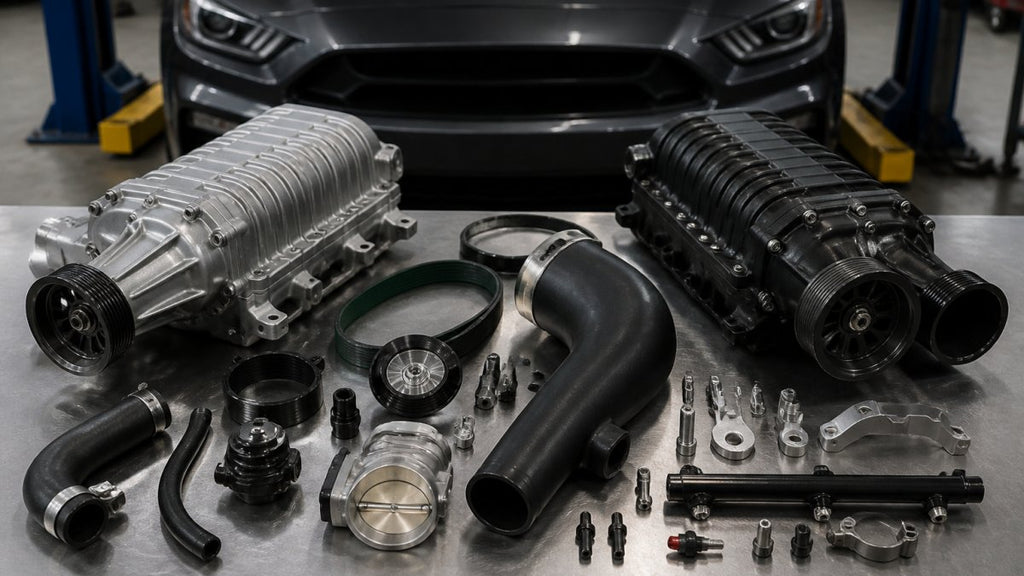
Then look at the full package, not just the headline number. You want a vehicle-specific kit, clean fitment, support after the sale, a tune designed for street use, and a result that improves the way the vehicle drives every day. That is where a well-engineered supercharger package stands apart from random mod stacking.
If you are buying power for a daily driver, buy for feel. Buy for torque. Buy for the way the vehicle responds loaded, hot, uphill, at altitude, and with your normal gear in it. That is the test that matters.
A good daily driver should not make you plan around its weaknesses. It should fire up, drive clean, and have enough muscle on tap that you enjoy every errand, every on-ramp, and every hill instead of dreading them. Bolt the right setup on once, tune it correctly, and let the vehicle feel the way it should have from the factory.
Related post
09
Oct
RECENT POSTS