Best Supercharger for Towing: 2026 Buyer's Guide
Table of Contents
- Best Supercharger for Towing: Top Picks Compared
- Twin-Screw vs. Centrifugal Superchargers for Towing
- Real-World Supercharger Benefits for Towing
- Supercharger Installation for Trucks: What to Expect
- Supercharger Reliability for Towing: Engine Longevity & Maintenance
- How to Choose the Best Supercharger for Your Towing Setup
- Common Mistakes to Avoid When Supercharging for Towing
- Conclusion: Make Your Supercharger Investment Count
Best Supercharger for Towing: 2026 Buyer's Guide
Last Updated: July 29, 2026
When pushing a heavy load up a mountain pass or accelerating from standstill with 10,000 pounds behind you, the difference between a naturally aspirated engine and one equipped with the best supercharger for towing becomes immediately obvious. VT Superchargers has engineered bolt-on kits that deliver genuine power gains without sacrificing reliability, a critical concern when your truck is working hard. This guide breaks down everything you need to know to choose the right forced induction system for your specific towing application.
Quick Comparison Table
| Supercharger Type | Best For | Torque Delivery | Heat Management | Typical Cost |
|---|---|---|---|---|
| Twin-Screw (Roots) | Towing, off-road, low-end response | Instant from idle | Requires intercooler | $4,600-$6,950 |
| Centrifugal | Highway cruising, sustained power | Builds with RPM | More efficient naturally | $5,500-$8,900 |
| Positive Displacement | Maximum torque, hauling | Immediate and consistent | Heat soak risk | Varies by kit |
Twin-Screw vs. Centrifugal Superchargers for Towing
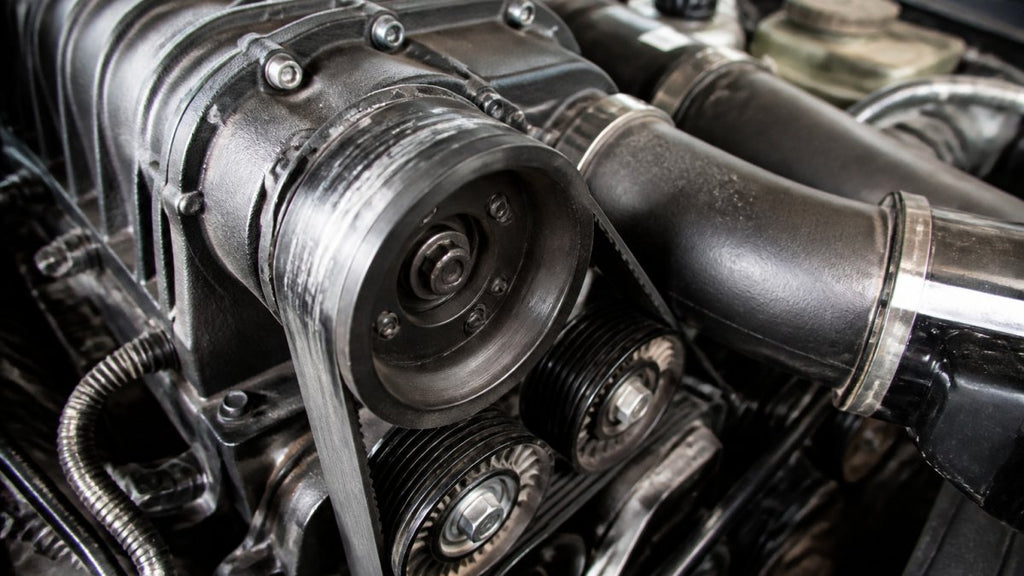
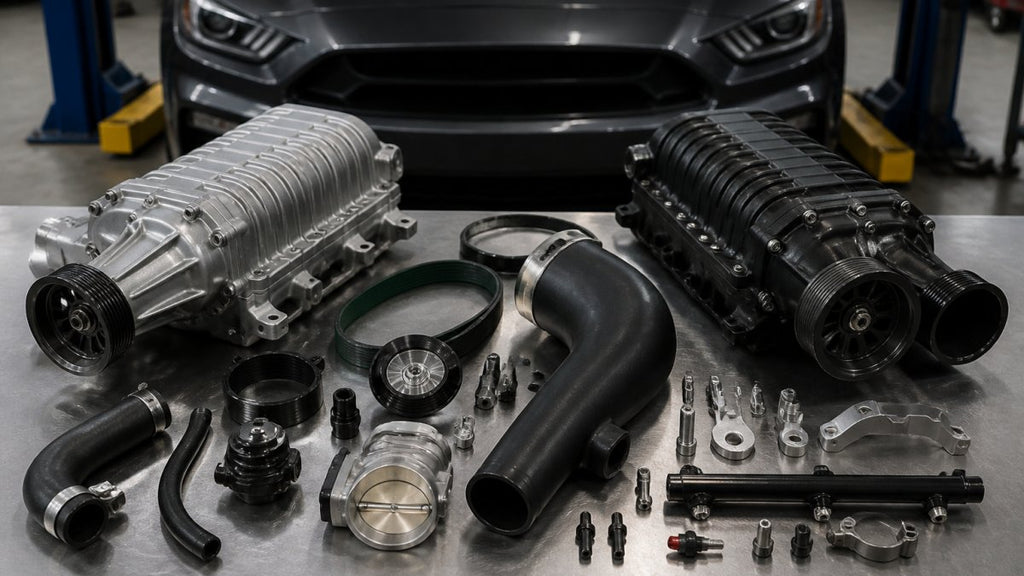
Twin-screw (Roots-type) superchargers use two rotating helical screws to force air into the engine, delivering boost instantly at any RPM. Centrifugal designs use an impeller that spins like a turbine, building boost as engine speed increases. For towing, this distinction matters enormously.
Twin-screw superchargers dominate the towing market because they provide immediate low-end torque, exactly what you need when merging onto a highway with a loaded trailer or climbing a steep grade from a dead stop. The VT Superchargers kits for Toyota 5.7L and Nissan V6 platforms use this design for this reason. You feel the power instantly with no lag.
Centrifugal designs build power gradually as RPM climbs. They're more thermally efficient but deliver delayed boost, meaning your truck won't feel as responsive during initial acceleration with a loaded trailer and may experience more gear hunting on rolling terrain.
Pro Tip
If you're towing in mountainous terrain or frequently accelerating from standstill with a loaded trailer, twin-screw designs deliver the low-end torque response that makes the real-world experience dramatically better than centrifugal alternatives.
Real-World Supercharger Benefits for Towing
Adding forced induction addresses a specific problem: stock engines lose power as load increases, and that loss compounds in high-altitude or hot-weather conditions. A supercharger maintains consistent boost pressure regardless of ambient temperature or elevation.
The practical benefit shows up in three scenarios. First, on highway merges with a loaded trailer, your truck accelerates decisively instead of requiring extended merge distances. Second, on climbing grades, you maintain steady speed without constant downshifting, reducing transmission stress and heat. Third, in stop-and-go towing scenarios, you have the torque to move the trailer smoothly without strain.
Real-world testing of twin-screw kits on vehicles like the Toyota Tundra 5.7L shows horsepower gains in the 40-60% range, translating to meaningful torque increases at the wheels. That's the difference between your transmission staying in fifth gear on a grade versus dropping to third and holding it there for miles. Transmission cooling systems benefit directly from this efficiency.
The secondary benefit is drivability. Trucks equipped with quality supercharger kits maintain their factory feel at part throttle, improving daily driving comfort and fuel economy when not actively towing.
Supercharger Installation for Trucks: What to Expect
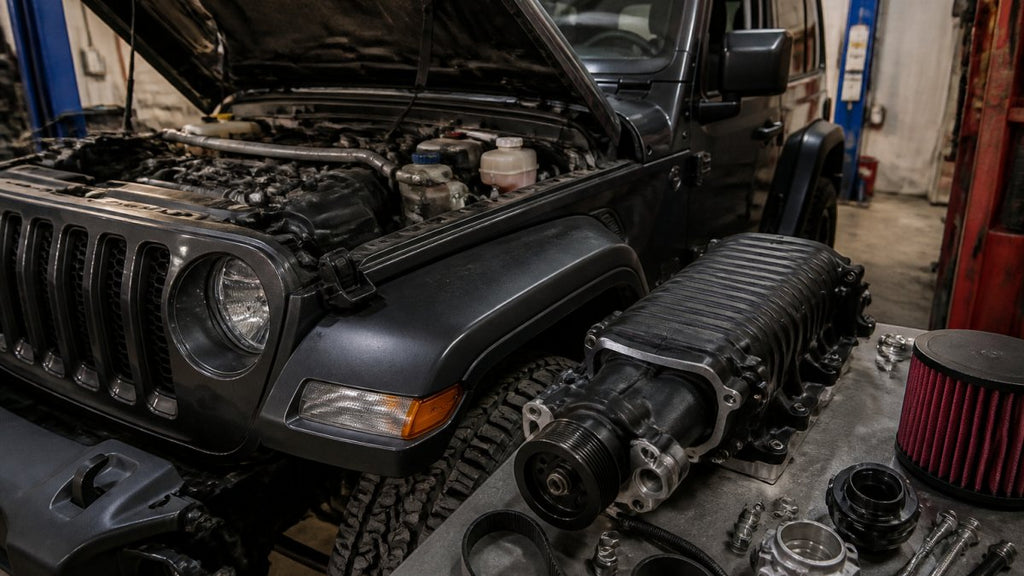
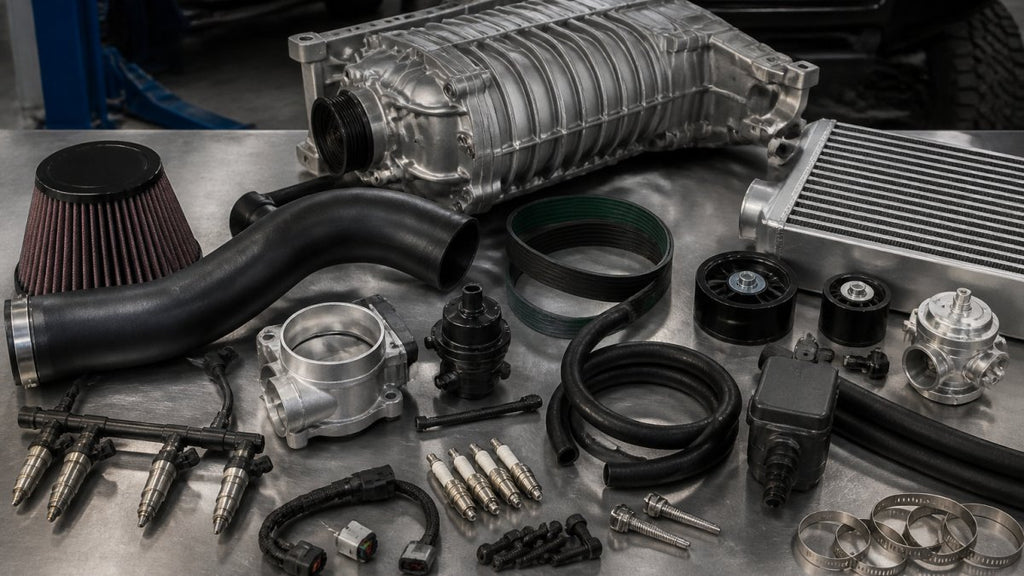
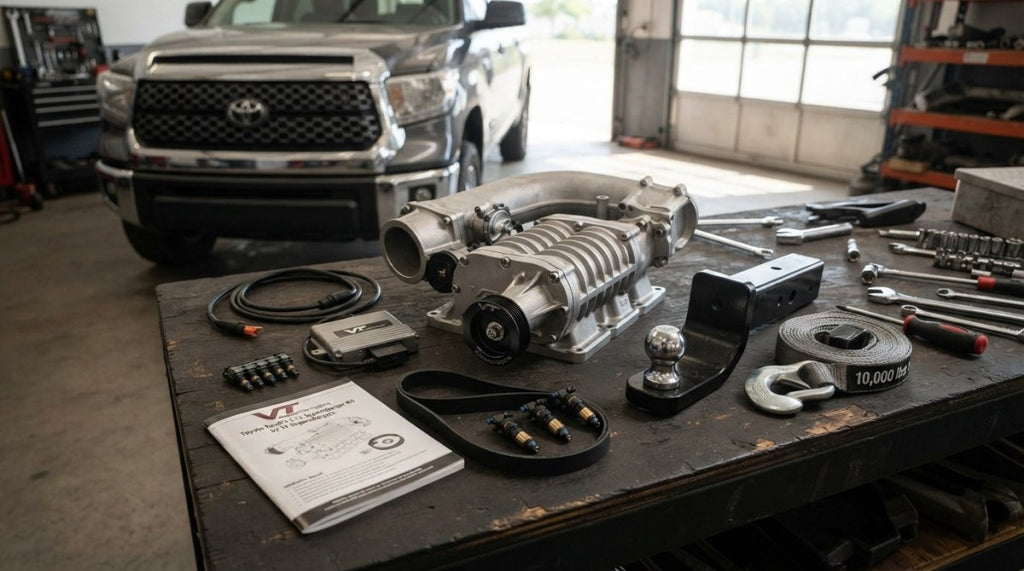
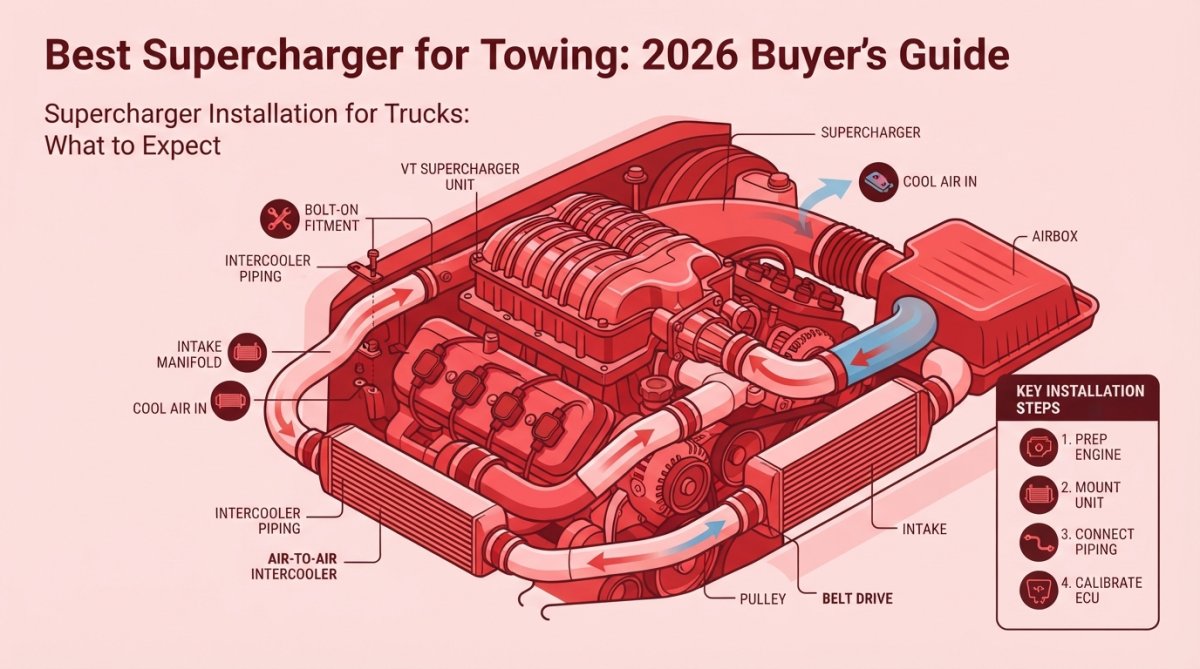
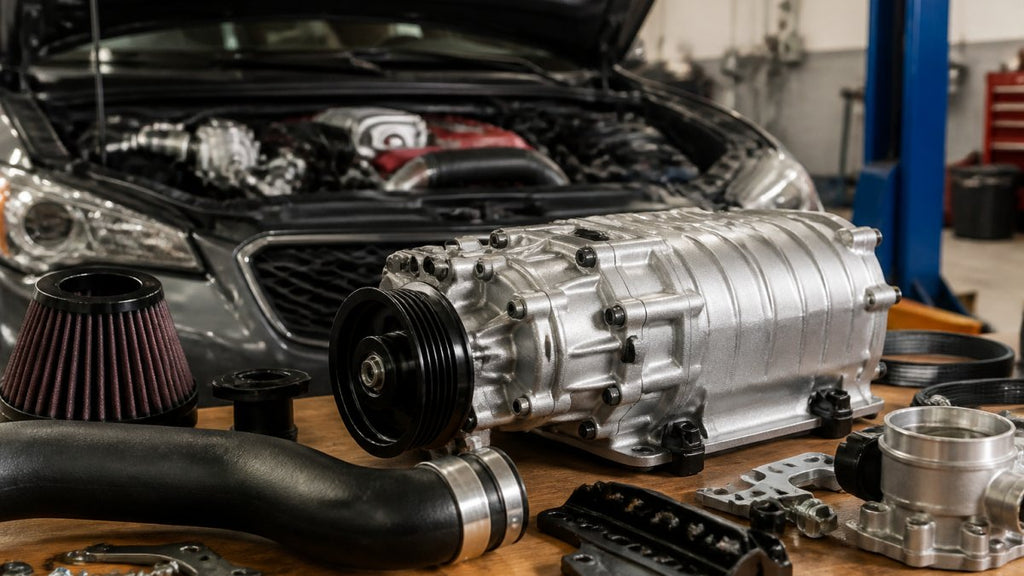
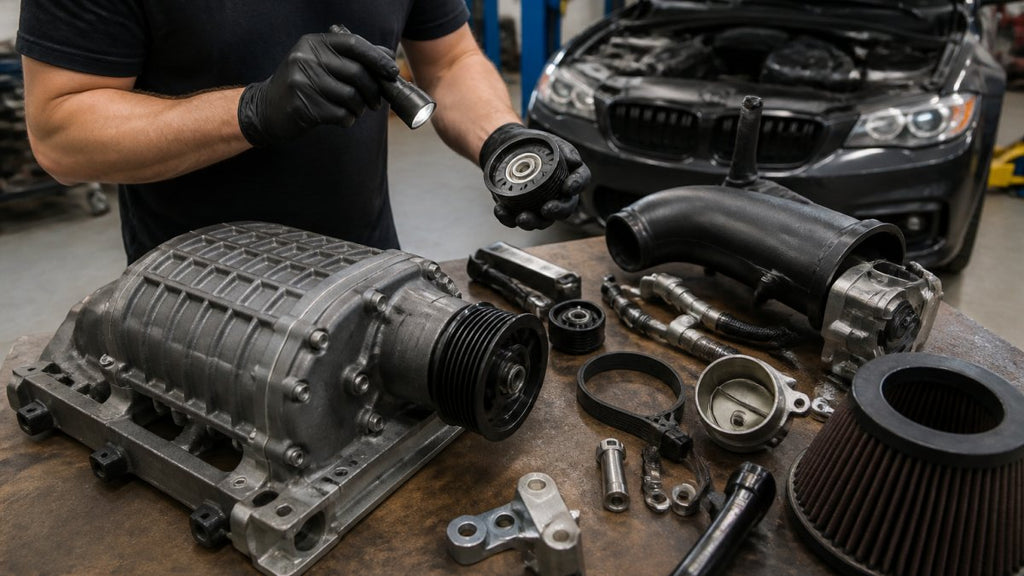
Installation complexity separates bolt-on kits from custom fabrication projects, directly impacting total cost and timeline. A proper bolt-on supercharger kit from VT Superchargers includes all necessary brackets, piping, intercooler, fuel injectors, and engine management tuning.
Bolt-On Kits vs. Custom Fabrication
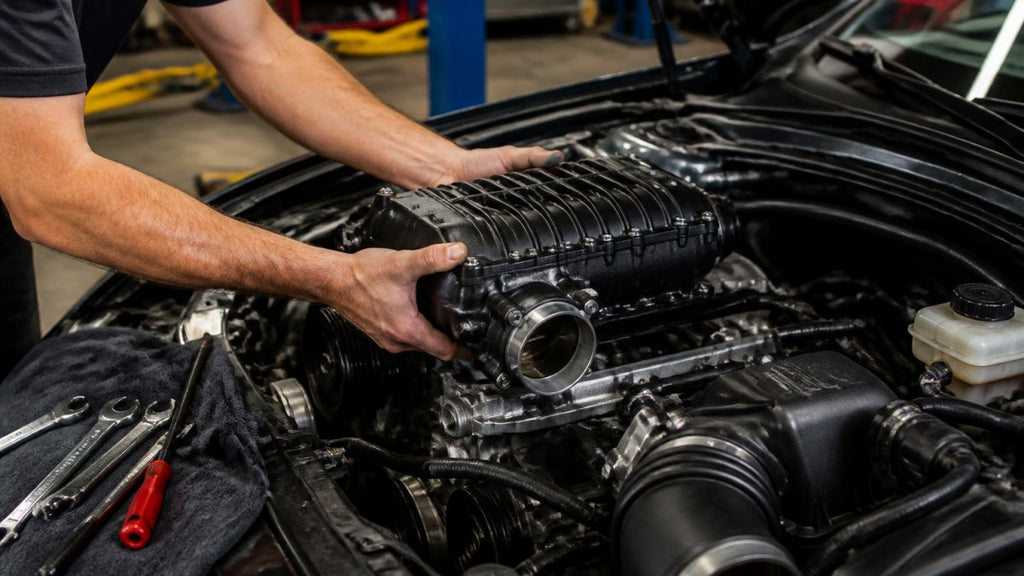
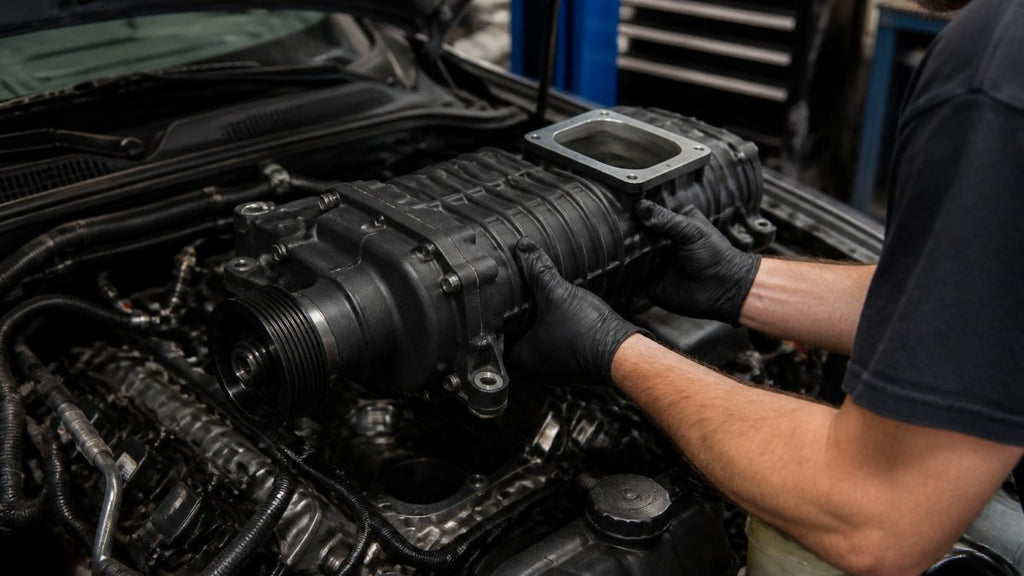
Bolt-on kits are engineered for specific vehicle platforms. They fit within the stock engine bay, use existing mounting points, and integrate with factory cooling systems. Installation typically takes 8-16 hours depending on the vehicle and installer experience.
Custom fabrication involves designing a one-off installation for heavily modified engines or non-standard configurations. This approach offers maximum flexibility but requires extensive labor, specialized welding, and custom engine management tuning. For a stock or lightly modified truck, custom work is unnecessary and adds thousands in labor costs.
VT Superchargers kits for platforms like the Nissan Frontier 4.0L and Toyota 4Runner 4.0L are engineered as complete bolt-on solutions, maintaining factory warranty compliance on the supercharger itself (24-month warranty) and preserving OEM drivability characteristics.
DIY vs. Professional Installation
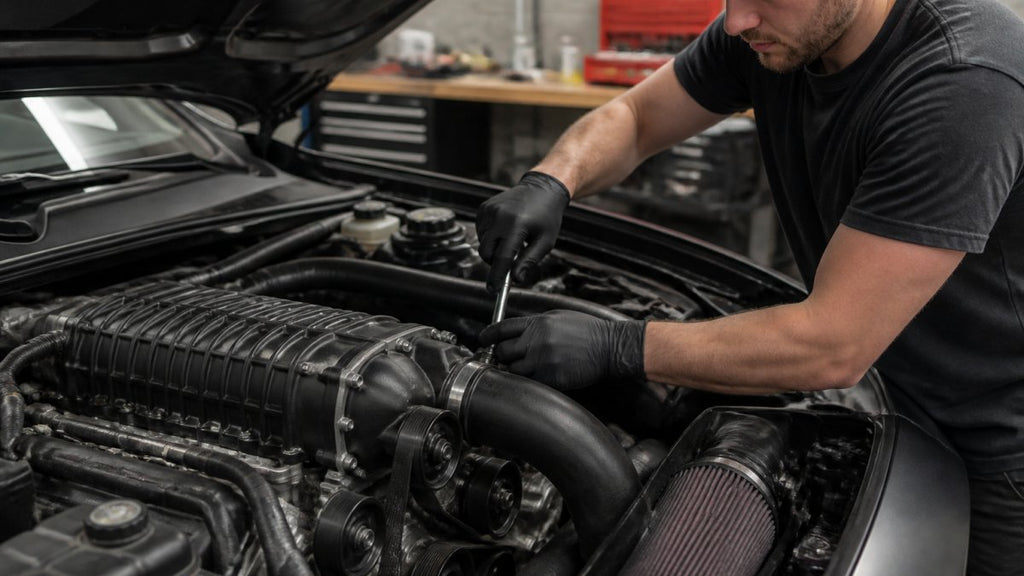
Many truck owners wonder whether they can install a supercharger themselves. The honest answer depends on your mechanical skill level and available tools. A bolt-on kit simplifies the process, but it's not a weekend project for someone without engine work experience.
Professional installation through a certified shop typically costs $1,500-$3,000 in labor, depending on your location and the shop's experience with your specific vehicle platform. This buys you proper tuning calibration (critical for fuel mapping and ignition timing under boost), verification that all connections are tight and sealed, and a warranty on the installation work itself.
If you're mechanically inclined with access to a lift, proper tools, and a tuning device, DIY installation is feasible. You'll save labor costs but invest significant time and carry the risk of installation errors that could damage the engine.
Watch Out
Improper fuel mapping under boost is the single biggest cause of supercharger-related engine damage. If you're doing a DIY installation, budget for professional tuning even if you handle the mechanical work yourself. Skipping this step to save money can cost you an engine.
Supercharger Reliability for Towing: Engine Longevity & Maintenance
Reliability concerns are legitimate when adding forced induction to an engine designed for naturally aspirated operation. However, a quality supercharger kit engineered for stock motors and properly tuned for safe boost levels does not meaningfully reduce engine lifespan.
Heat Soak, Intercooler Efficiency & EGT Monitoring
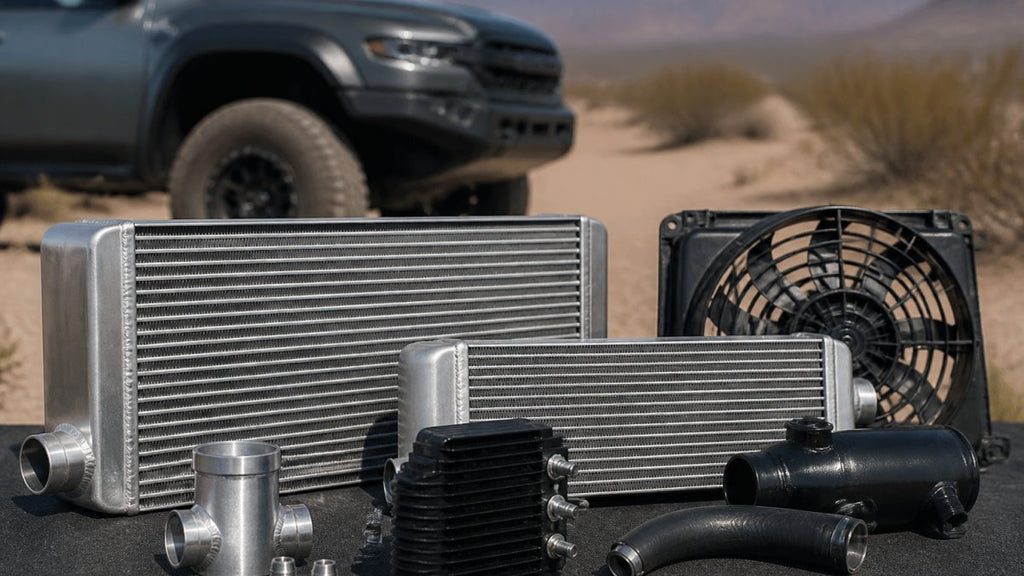
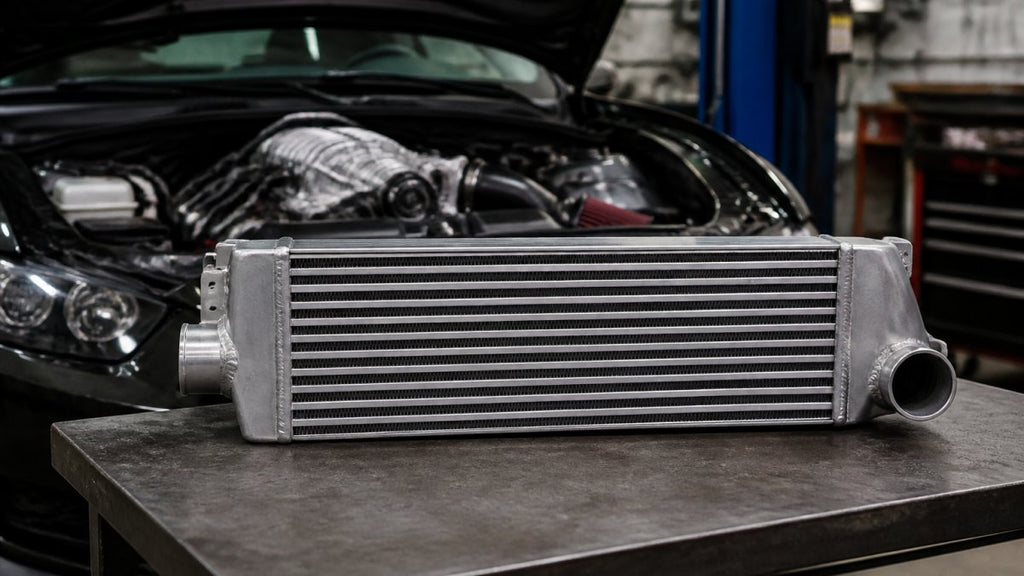
Heat management is the primary reliability factor in forced induction. Compressing air raises its temperature significantly. An intercooler cools that compressed air before it enters the engine, reducing thermal stress and allowing denser air charge.
Twin-screw superchargers generate more heat than centrifugal designs at the same boost pressure, which is why quality kits include strong air-to-water intercoolers. The VT Superchargers kits pair their superchargers with efficient intercooling systems that maintain safe charge-air temperatures even during sustained towing loads.
Exhaust Gas Temperature (EGT) monitoring becomes important under boost. Higher combustion temperatures increase detonation risk, which can damage pistons and valves. Many owners towing with supercharged engines install EGT gauges to verify that tuning is conservative enough for safe operation. Safe EGT targets under boost typically stay below 1,200°F for stock engines.
Key Takeaway
An intercooler isn't optional, it's the difference between safe, reliable forced induction and a short-lived engine. Quality kits include this system. Budget kits that skip it are false economy.
Transmission & Drivetrain Stress Under Boost
A supercharger increases torque at the wheels, placing higher stress on the transmission, differential, and driveline components. Stock transmissions in trucks rated for moderate towing can handle increased torque if boost levels remain conservative (7-9 psi for most applications). Beyond that range, transmission cooling becomes critical, and many owners add auxiliary transmission coolers during sustained towing.
The differential also experiences higher stress. If your truck has an open differential, consider upgrading to a limited-slip or locking differential if towing regularly with significant boost. Driveline components, U-joints, and CV axles also see increased stress, though most stock trucks handle this fine up to moderate boost levels.
Warranty & Legal Compliance
Factory warranties typically exclude damage caused by modifications, including superchargers. However, VT Superchargers provides a 24-month warranty on its kits, covering manufacturing defects and workmanship.
From a legal standpoint, superchargers are street-legal in all 50 states when installed on vehicles originally equipped with compatible engines. However, some states restrict emissions modifications. Verify your local regulations before installation.
How to Choose the Best Supercharger for Your Towing Setup
Selection criteria differ based on your specific vehicle, towing patterns, and performance goals.
Vehicle Compatibility & GCWR Considerations
Start with your vehicle's Gross Combined Weight Rating (GCWR), the maximum total weight of vehicle plus cargo plus trailer. Your truck's capacity plate lists this figure. A supercharger increases horsepower and torque but does not increase your truck's GCWR. Legal towing capacity is limited by GCWR, not engine power.
This distinction matters. A supercharger makes your truck accelerate faster and climb grades more easily, but it doesn't allow you to tow a heavier trailer legally. If you're already near your GCWR limit, a supercharger improves performance within that constraint but doesn't expand your towing capacity.
Vehicle compatibility is straightforward: VT Superchargers offers kits for specific platforms including Toyota (Tundra 5.7L, Sequoia 5.7L, 4Runner 4.0L, Land Cruiser 5.7L), Nissan (Frontier 4.0L, XTerra 4.0L), Mazda (6, CX-5, 3), and others. If your vehicle is listed, the kit is engineered for your engine.
Fuel Economy & Sustained Load Performance
At part throttle (normal highway cruising), a supercharger adds minimal parasitic load to the engine. You'll see similar fuel economy to stock operation when not towing or accelerating aggressively.
Under towing load, fuel economy depends on driving patterns and boost levels. Conservative boost (7-8 psi) with proper tuning allows reasonable efficiency. The real-world difference for a truck towing at steady highway speed is often 1-2 MPG compared to stock, which is acceptable given the performance gains.
Sustained load performance, maintaining steady speed on long grades without downshifting, actually improves efficiency by keeping the transmission in a higher gear and the engine at lower RPM than a stock truck would require.
Budget vs. Performance Trade-Offs
Supercharger kits from VT Superchargers range from approximately $4,600 for smaller-displacement engines (Mazda 2.0L) to $6,950 for larger platforms (Toyota 5.7L). These are complete bolt-on packages including the supercharger, intercooler, fuel injectors, tuning, and all necessary hardware.
Adding professional installation ($1,500-$3,000) and potential drivetrain upgrades brings total investment to $6,000-$10,000 for a complete towing-focused supercharger installation.
The performance return is substantial: 40-60% horsepower gains and meaningful low-end torque increases. For trucks used primarily for towing, this investment pays dividends in drivability, transmission longevity, and safety.
Budget alternatives like used or aftermarket supercharger kits often lack proper engineering for your specific platform, may not include tuning, and offer limited or no warranty support. The upfront cost savings disappear quickly if installation problems arise or tuning is inadequate.
Common Mistakes to Avoid When Supercharging for Towing
Skipping proper fuel mapping is the most costly mistake. A supercharger forces more air into the engine, requiring more fuel and adjusted ignition timing to maintain safe combustion. Generic tuning under boost will cause detonation, which damages pistons and valves quickly. Always use tuning specific to your supercharger kit and boost level.
Neglecting intercooler maintenance is another common error. Intercoolers accumulate dirt and debris over time, reducing cooling efficiency. A clogged intercooler forces your tuner to dial back boost to avoid excessive charge-air temperatures. Clean your intercooler annually, especially if you tow in dusty conditions.
Underestimating transmission cooling needs causes failures in trucks towing regularly with boost. Stock transmission coolers are marginal for supercharged trucks under sustained load. Adding an auxiliary cooler is inexpensive insurance against transmission failure.
Assuming your factory warranty covers supercharger-related damage is a trap. It doesn't. However, VT Superchargers' 24-month warranty covers the supercharger kit itself.
Watch Out
Choosing a kit based solely on price is a false economy. A cheaper supercharger from an unknown manufacturer that lacks proper tuning support, intercooling, or warranty will cost you far more in potential engine damage than the initial savings.
Conclusion: Make Your Supercharger Investment Count
Choosing the best supercharger for towing performance requires balancing immediate power delivery, long-term reliability, and real-world drivability. Twin-screw designs excel at providing the low-end torque that makes towing easier and safer. Proper intercooling and conservative tuning keep your engine safe under boost. Professional installation and comprehensive warranty support protect your investment.
VT Superchargers delivers bolt-on kits engineered specifically for OEM-style fitment across Toyota, Nissan, Mazda, and other platforms. With options like the Toyota Tundra 5.7 Supercharger Kit ($6,950), Nissan Frontier 4.0 V6 Supercharger Kit ($5,500), and [Mazda CX-5 2.0 Twin Screw Supercharger Kit](https://ecae6f-2.myshopify.com/products/mazda-cx5-2-0-twin-screw-supercharger-kit) ($4,600), their kits include complete forced induction systems with intercoolers, tuning, and 24-month warranty coverage. If towing performance and reliability matter to you, VT Superchargers provides the engineered solutions and customer support that deliver real results without compromise.
Frequently Asked Questions
What type of supercharger is best for towing performance?
Twin-screw (positive-displacement) superchargers deliver instant low-end torque ideal for towing, while centrifugal designs offer better heat management and efficiency at sustained loads. For heavy towing, twin-screw provides more predictable power across the entire RPM range. Your choice depends on towing style, frequent highway hauling favors centrifugal; varied terrain and frequent hill-climbing favor twin-screw for immediate throttle response.
How much horsepower and torque does a supercharger add for towing?
Most quality supercharger kits deliver 40-60% power increases on stock engines. For example, VT Superchargers kits for Toyota 5.7L engines generate 40-60% gains, while twin-screw systems on Nissan Frontier 4.0L engines deliver similar ranges. Real-world gains depend on boost pressure, fuel octane, and tune. Torque improvements are typically more significant than horsepower, especially in the low-to-mid RPM range critical for towing.
Do I need to upgrade my transmission and drivetrain when installing a supercharger for towing?
Yes. Forced induction increases stress on transmission fluid, coolers, and driveline components. For serious towing, consider transmission cooler upgrades, heavier-duty driveshaft components, and differential reinforcement. Monitor EGT (Exhaust Gas Temperature) and boost pressure to prevent overheating during sustained loads. Many shops recommend a transmission tune alongside supercharger installation to optimize shift timing and cooling under boost.
Will a supercharger void my factory warranty?
Factory warranties typically exclude modifications, but VT Superchargers provides a 24-month warranty on its bolt-on kits. Installation by certified technicians and professional tuning help preserve drivetrain coverage. Check your vehicle manufacturer's warranty terms, some impacts are component-specific rather than blanket voidance. Keep detailed maintenance records and use quality fuel to support warranty claims if issues arise.
What's the difference between bolt-on supercharger kits and custom installations?
Bolt-on kits like VT Superchargers' offerings feature OEM-style fitment, complete installation packages, and engineered compatibility with specific vehicles. They're typically 5-15 hours of labor for experienced installers. Custom fabrication requires welding, custom piping, and tuning, often costing significantly more and taking 20+ hours. Bolt-on kits are more reliable for towing because they're dyno-tested and designed for sustained load management.
This article was written using GrandRanker
Related post
09
Oct
RECENT POSTS