 Call, Text or WhatsApp Us

Category: News
-
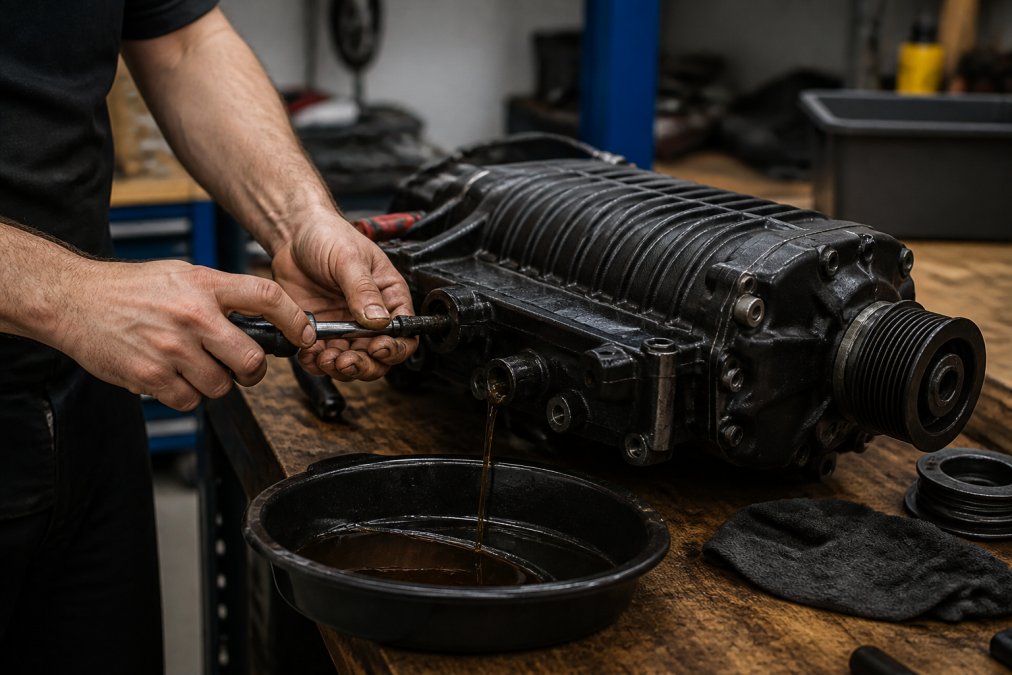
How to Change Supercharger Oil Step by Step
Table of Contents Supercharger Oil Change Tools and What You’ll Need Signs of Low Supercharger Oil You Should Never Ignore How to Change Supercharger Oil Step by Step: Cooling and Access Locating and Removing the Fill Plug Draining Old Oil, Measuring Capacity, and Refilling the Supercharger Syringe and Suction Tool Techniques Supercharger Oil Change Interval:…
-
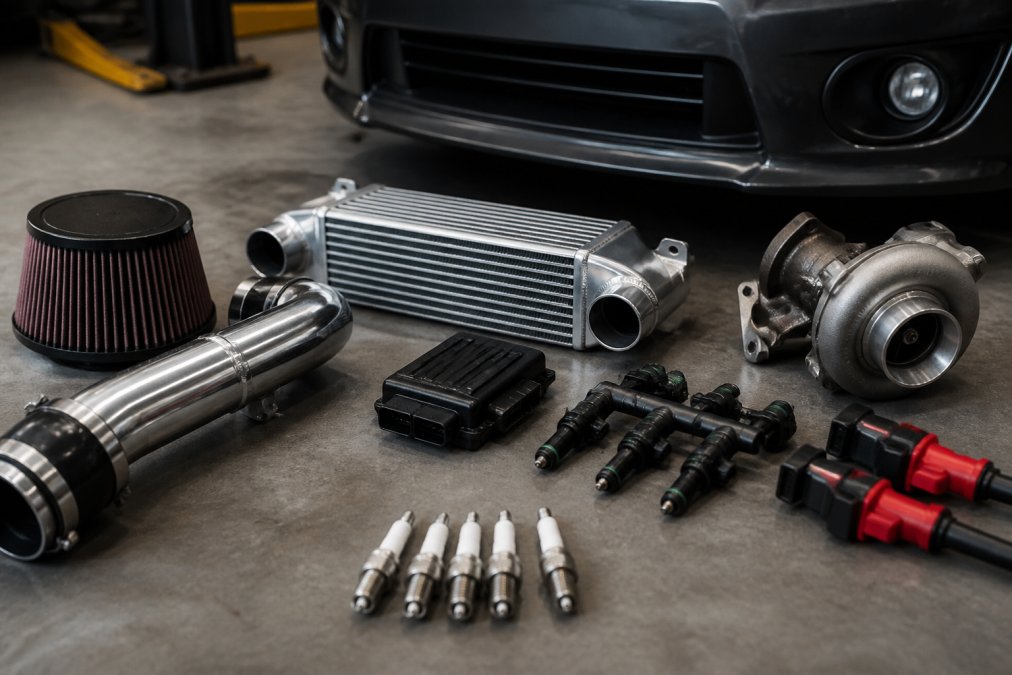
5 Ways to Improve Vehicle Acceleration
Table of Contents Why Acceleration Feels Slower Than It Should 1. Forced Induction: How Much Horsepower Do Superchargers Add? Supercharger vs. Turbocharger: Which Delivers Faster Acceleration? Choosing the Right Kit for Your Vehicle 2. Weight Reduction for Better Acceleration Rotating Mass vs. Static Weight: What Matters More? 3. How to Improve Throttle Response With Tuning…
-

Is a Supercharger Worth It for a Mazda Miata Track Day?
Table of Contents The Verdict: When a Supercharger Pays Off on Track How Much Horsepower Do Superchargers Add to a Miata? Supercharger vs. Turbo: Which Forced Induction Suits Track Days? Supercharged Miata Track Reliability: What to Expect Miata Cooling System Upgrades for Track: Preventing Heat Soak Cost, Installation, and Maintenance: The Real Numbers VT Superchargers:…
-
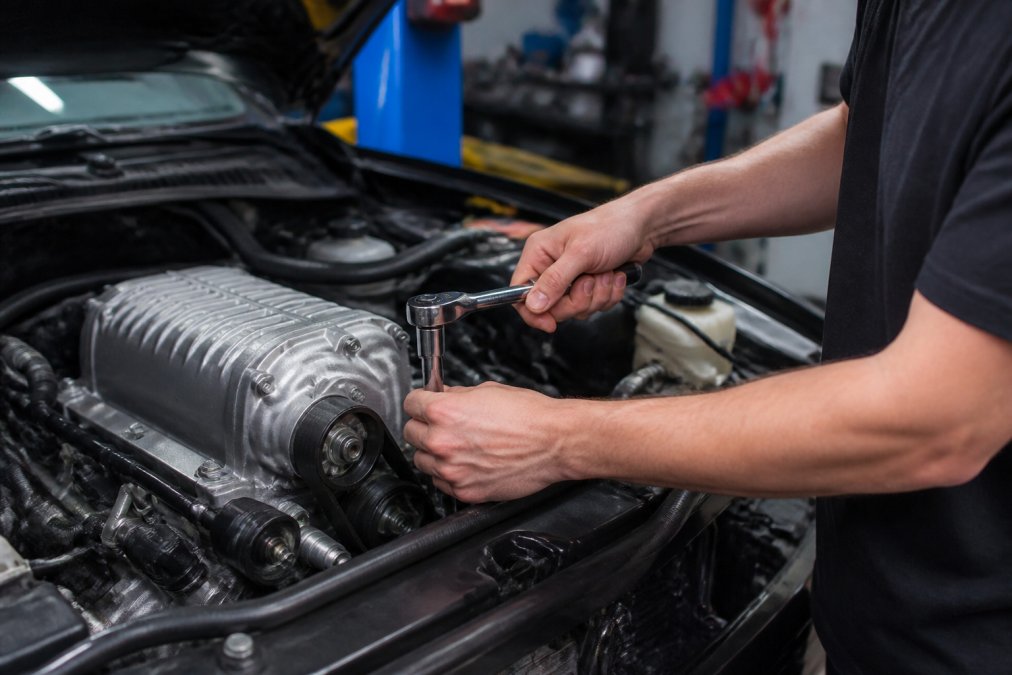
Alternatives to Welding for Supercharger Installation
Table of Contents Mechanical Fastening vs Welding: Which Holds Under Boost? Why Welding Isn’t Always the Right Call for Supercharger Kits Structural Adhesives: A Viable Alternative for Non-Load-Bearing Parts The Thermal Expansion Problem Specific to Superchargers Vibration: The Silent Killer of Adhesive Bonds Surface Preparation: The Non-Negotiable Requirement Where Adhesives Are Actually Useful in This…
-
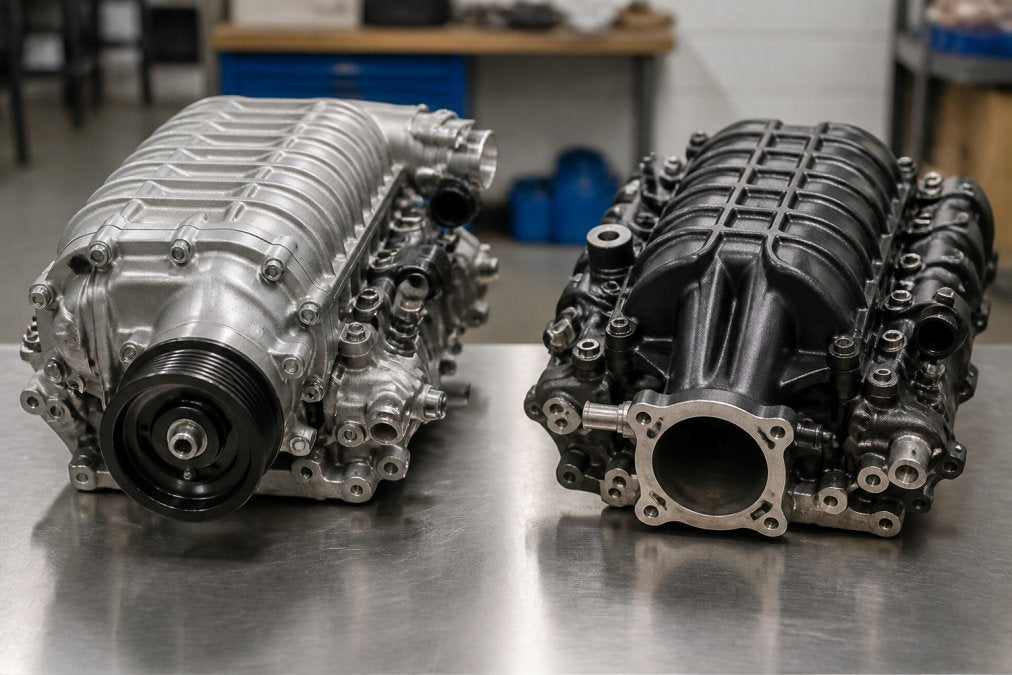
Supercharger vs Naturally Aspirated: Performance Difference
Table of Contents Supercharger vs Naturally Aspirated: The Real Performance Difference Quick Comparison Table: Supercharged vs Naturally Aspirated How Much Horsepower Do Superchargers Add? Forced Induction vs Naturally Aspirated Throttle Response Supercharger vs Naturally Aspirated Reliability and Maintenance Altitude, Heat Soak, and Aftermarket Tuning Potential Which Engine Type Should You Pick? Frequently Asked Questions Last…
-
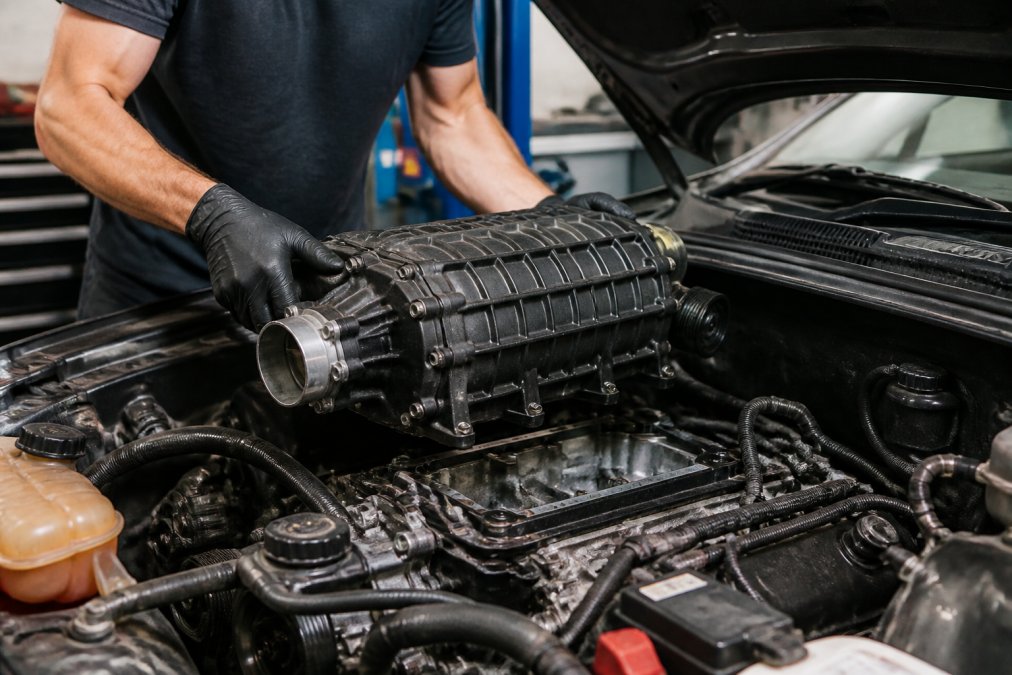
How to Prepare Your Engine for Supercharger Installation
Table of Contents Why Engine Prep Determines Supercharger Success Step 1: Run an Engine Compression Test for Forced Induction The Step-by-Step Compression Test Procedure Interpreting Your Results: The Numbers That Matter The Leak-Down Test: The Definitive Follow-Up The Bottom Line on Engine Health Verification Step 2: Assess Fuel System Capacity Before Boost Upgrading Fuel Injectors…
-
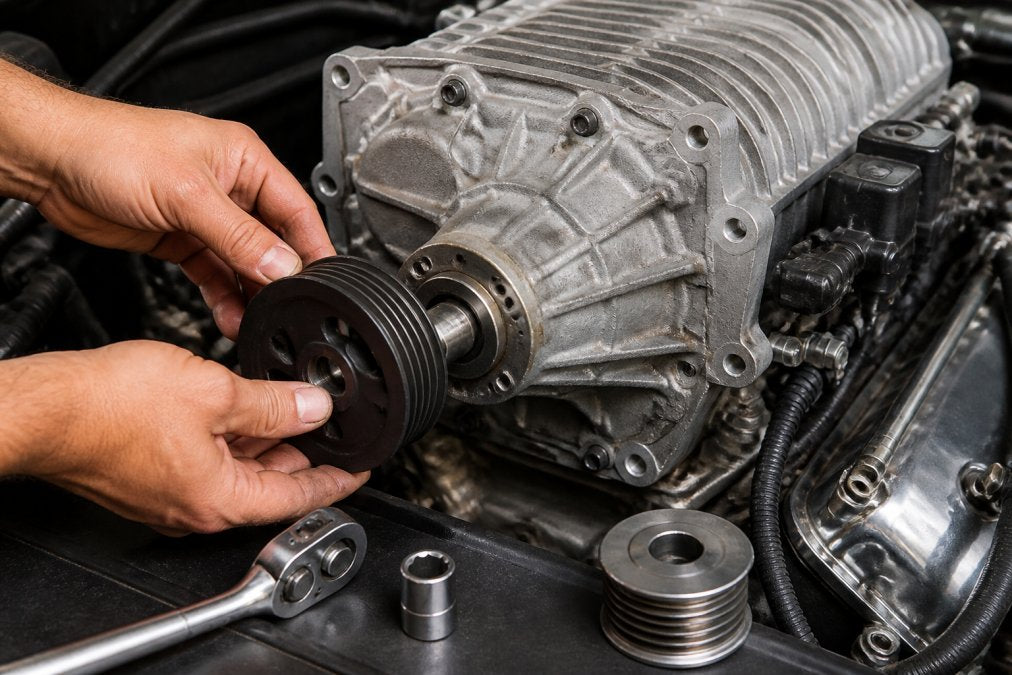
How to Remove and Install a Supercharger Pulley
Table of Contents What You’ll Need Before Starting Step 1: Disconnect the Battery and Remove the Belt Step 2: Choosing the Right Supercharger Pulley Removal Tool Step 3: Removing the Old Supercharger Pulley Step 4: Installing the New Supercharger Pulley Smaller Supercharger Pulley Benefits and What to Expect Best Practices for Pulley Installation and Common…
-
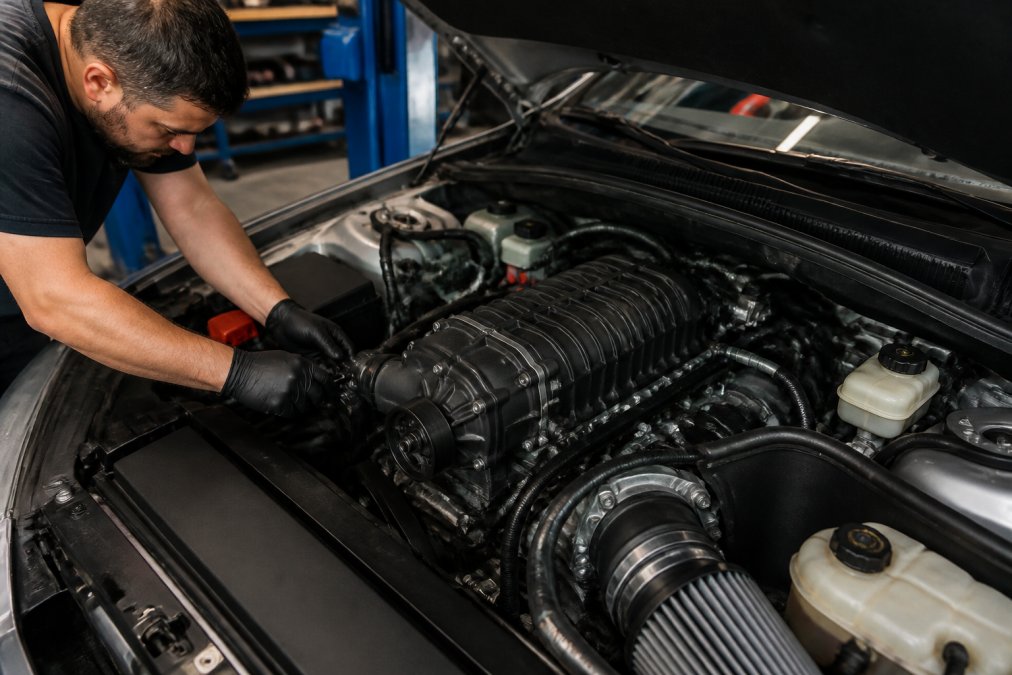
Supercharger Benefits and Risks Explained for 2026
Table of Contents Supercharger Benefits and Risks: What Changes Under Your Hood How a Supercharger Alters Your Engine’s Air Intake The Real Gains: How Much Horsepower Do Superchargers Add Where Superchargers Shine: Torque, Throttle Response, and Daily Driving The Risks of Supercharging: Parasitic Loss, Heat, and Engine Stress What Actually Happens to Your Pistons, Rods,…
-
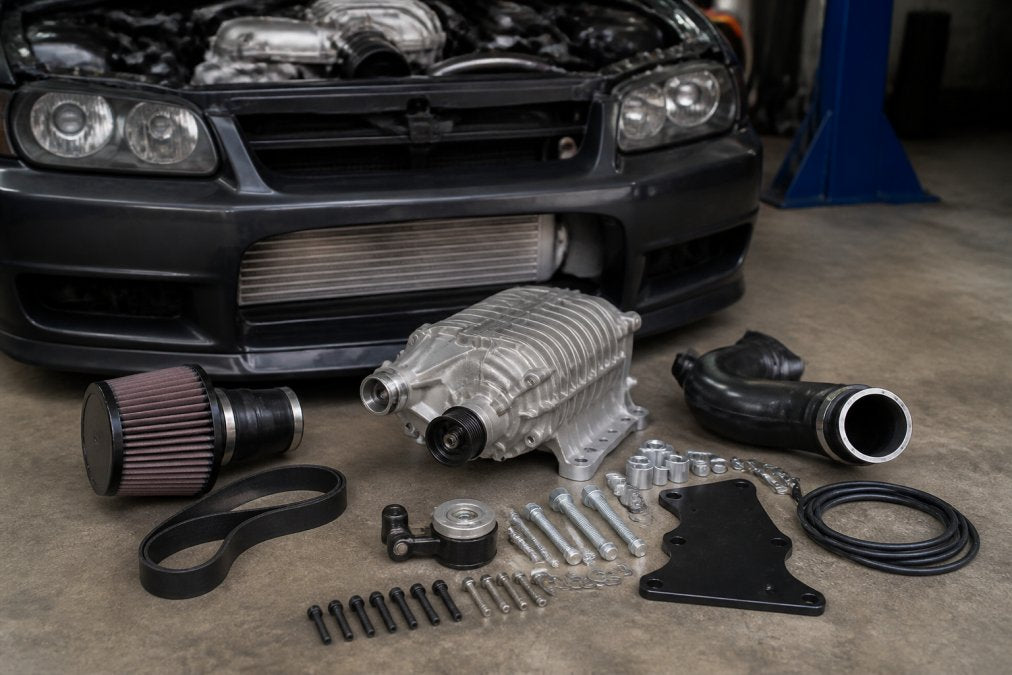
Top 10 Benefits of Installing a Supercharger in 2026
Table of Contents How Much Horsepower Do Superchargers Add? Benefit 1: Instant Throttle Response Without Turbo Lag Benefit 2: Massive Torque Gains for Towing and Off-Roading Benefit 3: More Power at High Altitude Benefit 4: Bolt-On Installation That Keeps Your Engine Stock Benefit 5: Better Acceleration for Daily Driving Supercharger vs Turbocharger Pros and Cons…