5 Ways to Improve Vehicle Acceleration
Table of Contents
- Why Acceleration Feels Slower Than It Should
- 1. Forced Induction: How Much Horsepower Do Superchargers Add?
- 2. Weight Reduction for Better Acceleration
- 3. How to Improve Throttle Response With Tuning and Controllers
- 4. Gearing and Drivetrain Changes That Improve Vehicle Acceleration
- 5. Maintenance-First Upgrades to Improve Vehicle Acceleration
- Safety and Legal Considerations for Acceleration Modifications
- Conclusion
- Frequently Asked Questions
Last Updated: September 11, 2026
Why Acceleration Feels Slower Than It Should
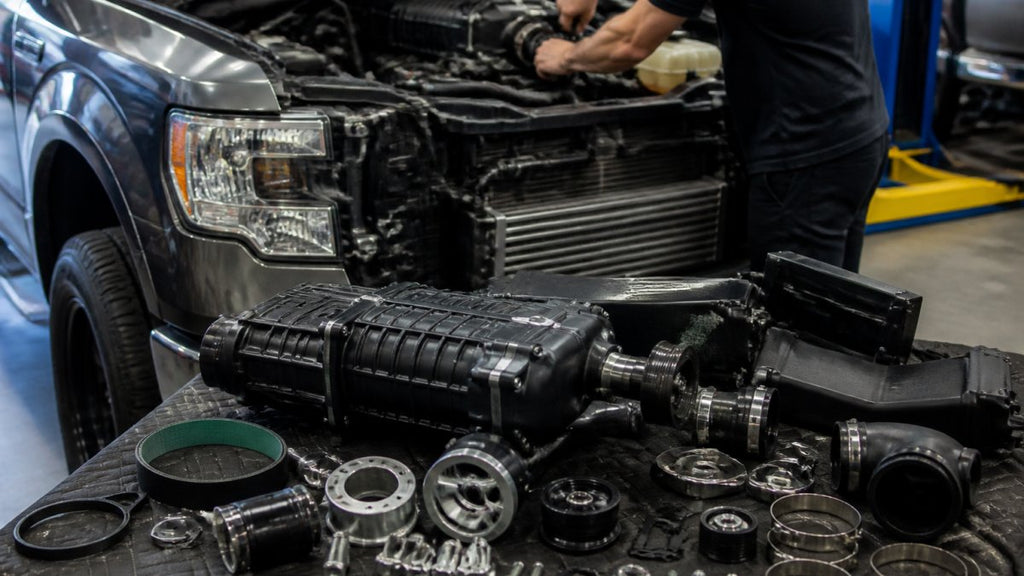
Before you spend a dollar on parts, understand what's actually robbing your car of acceleration. Research from the National Center for Biotechnology Information on drivability and acceleration profiles shows that how a vehicle delivers acceleration matters as much as the raw number, and most drivers feel hesitation long before the dyno shows a problem. This guide from VT Superchargers walks through five ways to improve vehicle acceleration, ranked from biggest gain to smallest, with the costs and trade-offs spelled out.
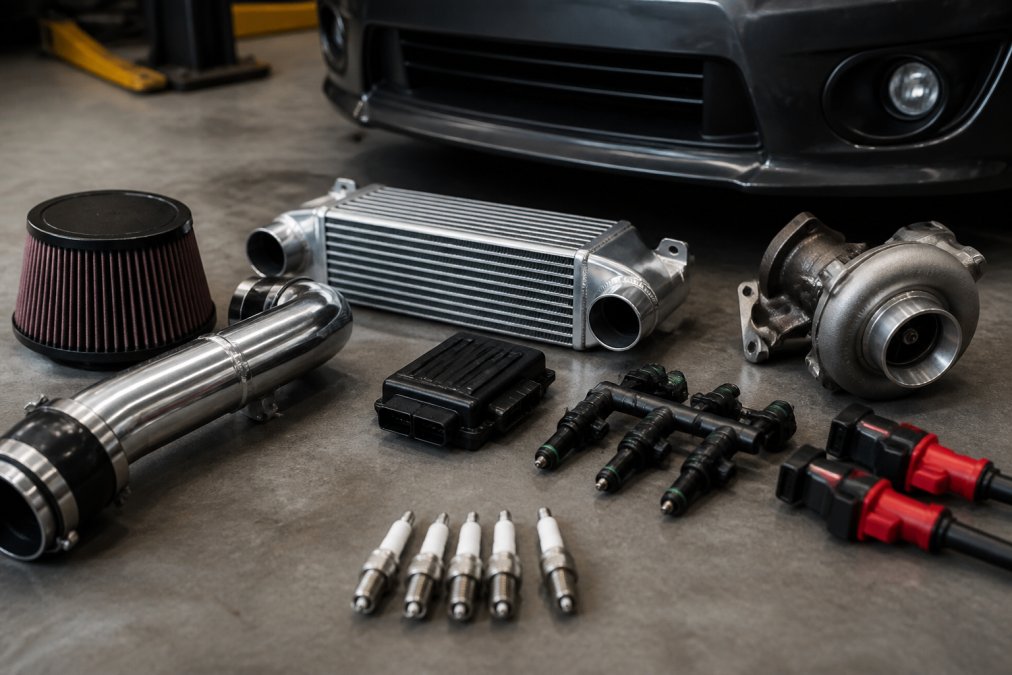
The first thing to check isn't a part. It's whether your engine is running at factory spec. Clogged fuel injectors, tired ignition components, and heat-soaked intake air all cost you power before any modification enters the picture. Fix those first, then modify.
Key Takeaway
Restoring factory performance is often worth more than your first bolt-on. A car down 20 horsepower from neglect will feel slower than a healthy stock car with a single well-chosen upgrade.
1. Forced Induction: How Much Horsepower Do Superchargers Add?
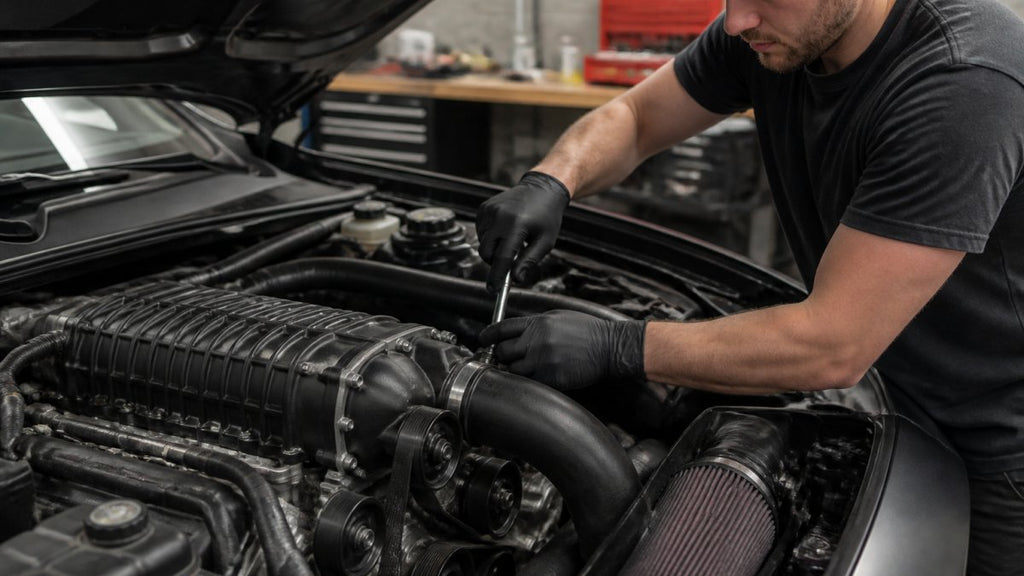
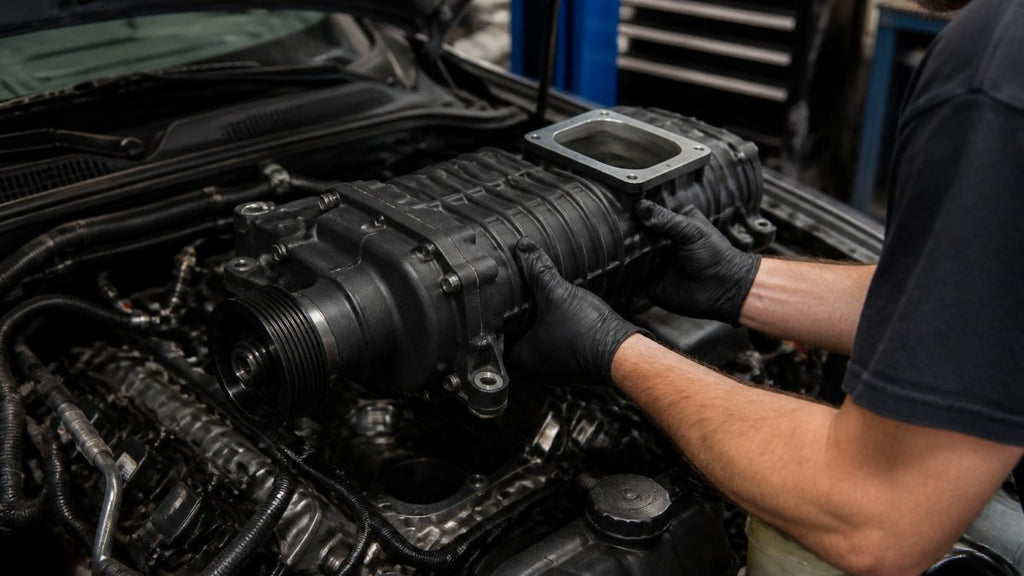
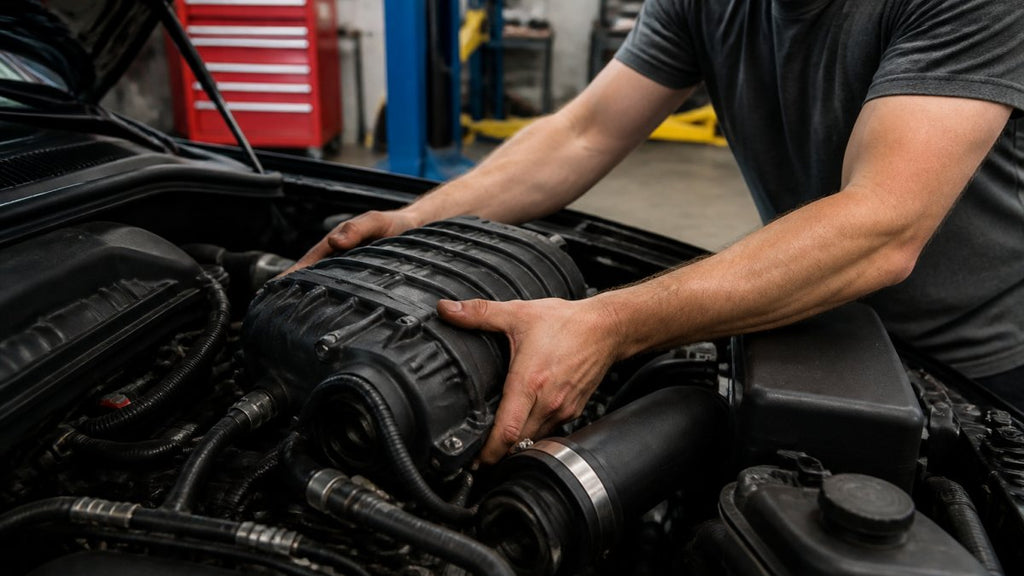
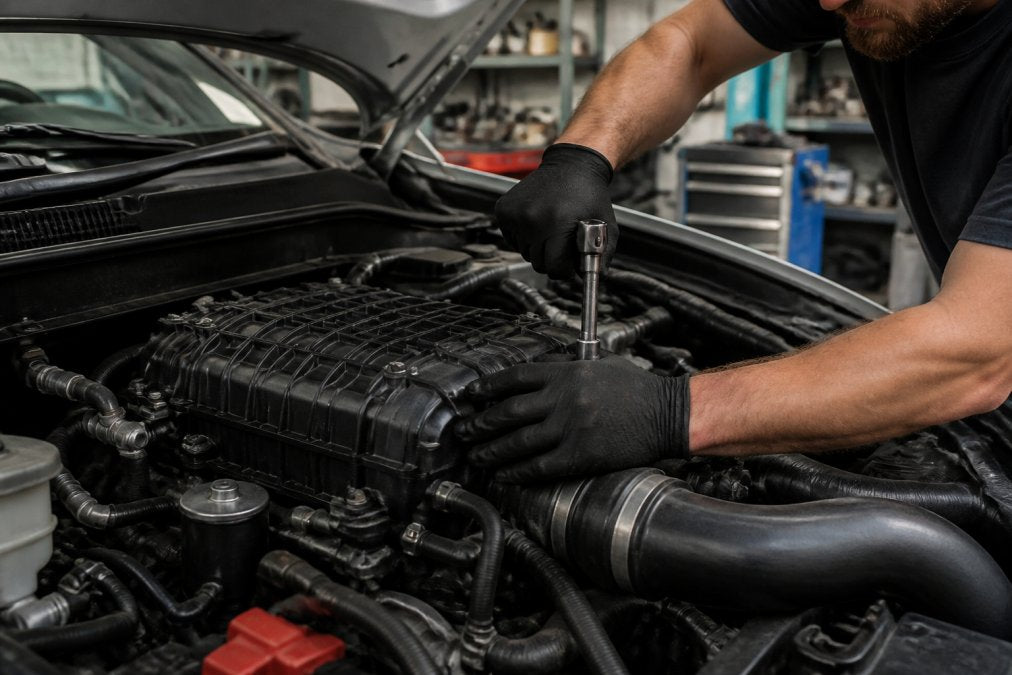
A bolt-on supercharger typically adds 40% to 60% more horsepower over stock at around 7 PSI of boost, making it the single largest acceleration gain available to most drivers. That's not a small bump. On a 300-horsepower V6, you're looking at 120 to 180 additional horsepower from one install.
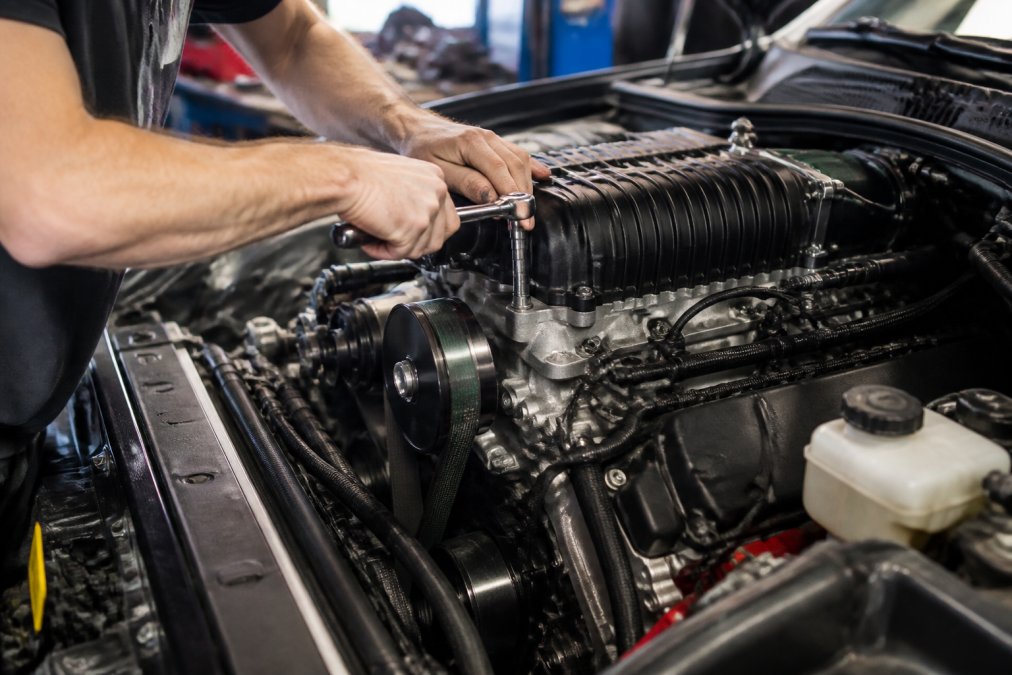
The reason forced induction works so well comes down to air density. A supercharger compresses intake air, so each combustion cycle burns more fuel and produces more torque. That torque arrives low in the rev range, which is exactly where you feel acceleration in daily driving.
Supercharger vs. Turbocharger: Which Delivers Faster Acceleration?
A supercharger delivers faster throttle response because it's belt-driven and builds boost the moment you press the pedal. A turbocharger relies on exhaust gas to spool, which introduces lag. For pure acceleration feel, especially off the line and out of corners, the supercharger wins.
That's not a knock on turbos. They're more thermally efficient at high RPM and often make more peak power. But if your goal is sharper response and stronger low-end torque for towing or off-road work, the belt-driven design is the better match.
Choosing the Right Kit for Your Vehicle
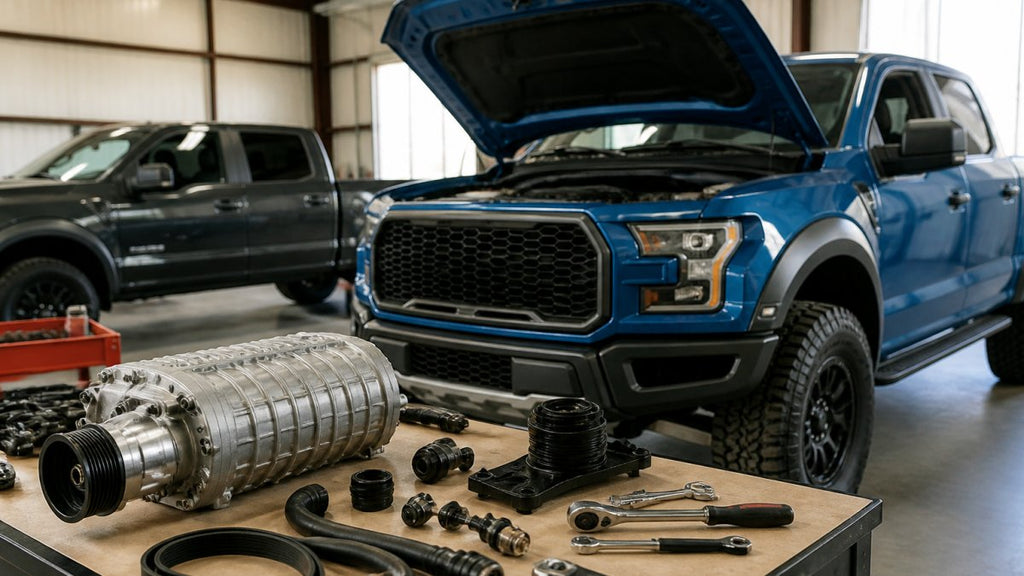
Fitment decides everything. A universal kit that "fits most V8s" will cost you in install time and reliability. Look for a system engineered for your specific engine code, with OEM mounting points and no cutting or welding.
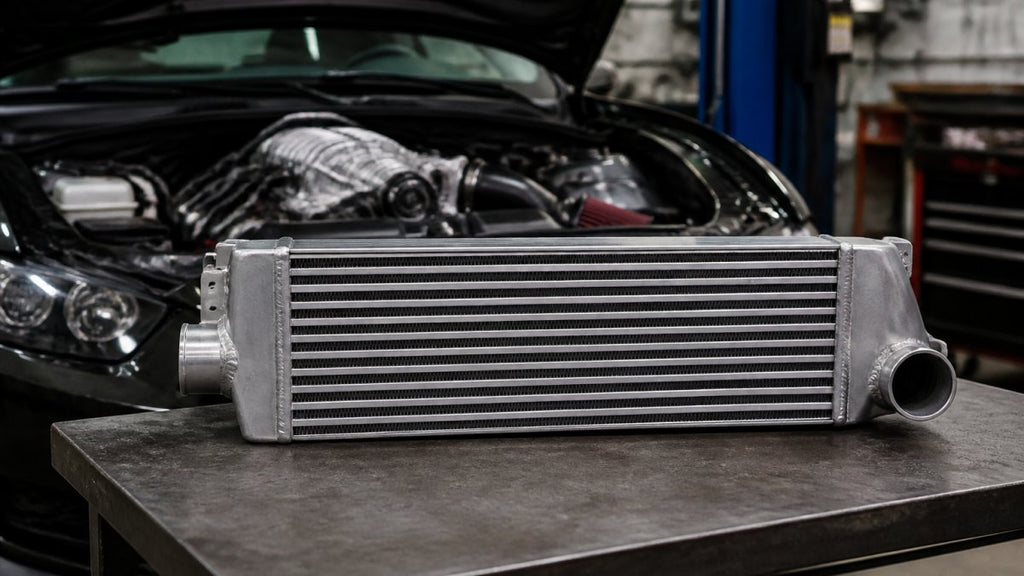
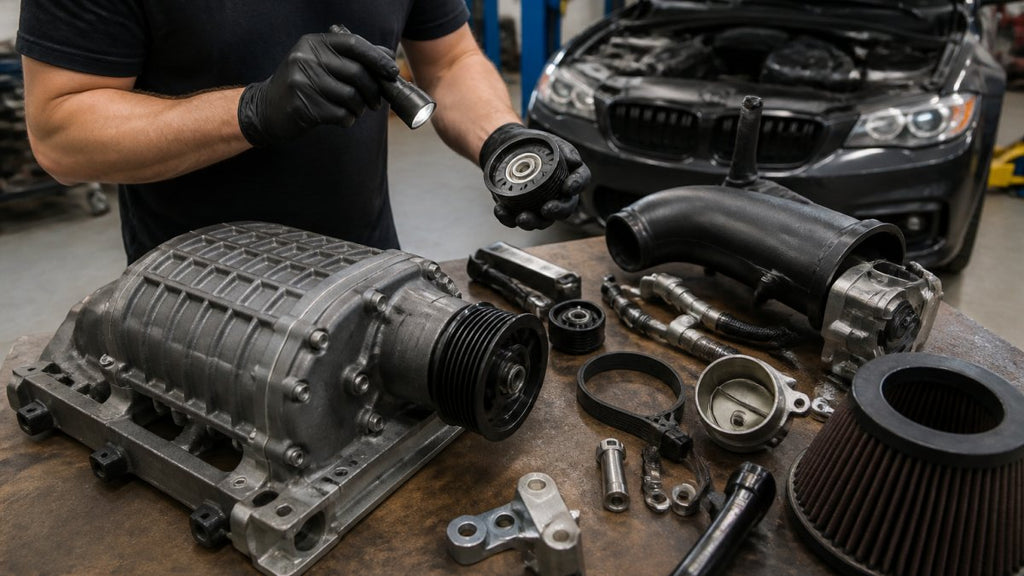
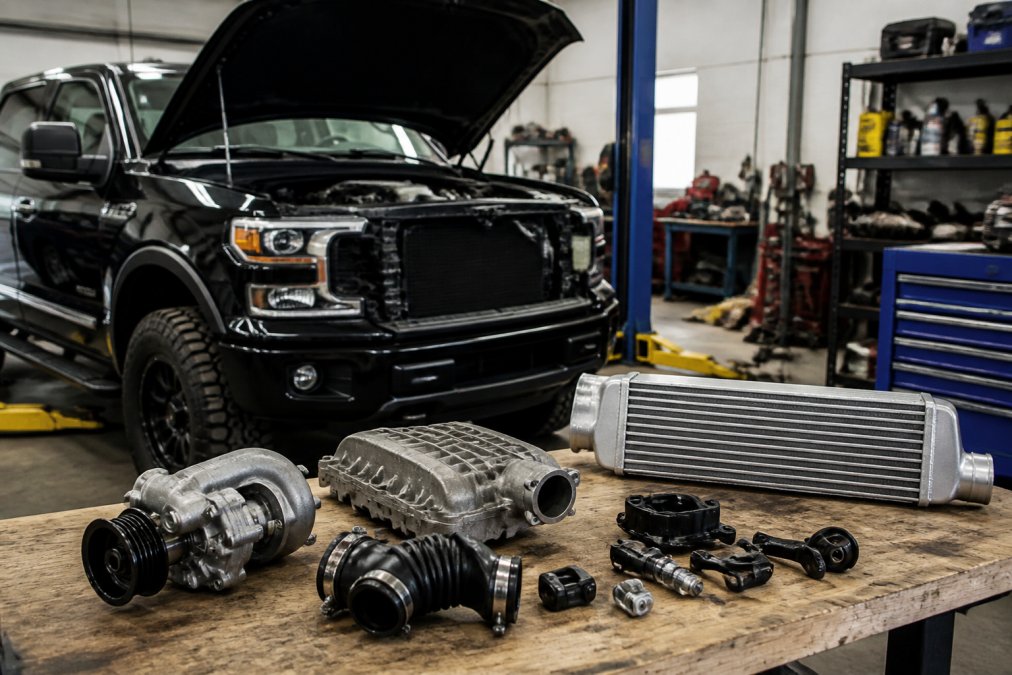
VT Superchargers builds kits this way, with vehicle-specific systems for platforms including the Toyota Tundra 5.7L 3UR-FE at $6,900 and the Jeep Pentastar 3.6L V6 at $5,500. Each kit ships with the supercharger body, intercooler, cooling system, and hardware in one box, plus a 24-month warranty.


| Vehicle Platform | Kit Price | Power Gain | Boost |
|---|---|---|---|
| Mazda 6 2.0L Skyactiv-G | $4,800 | +40-60% HP | 7 PSI |
| Dodge Charger/Durango 3.6L | $5,500 | +40-60% HP | 7 PSI |
| Ford Explorer 3.5L V6 | $5,800 | +40-60% HP | 7 PSI |
| Toyota Tundra 5.7L V8 | $6,900 | +40-60% HP | 7 PSI |
| Nissan Titan/Armada 5.6L V8 | $7,600 | +50-70% HP | 7 PSI |
Watch Out
Professional ECU tuning is required after installation for proper operation for some kits. Skipping the tune risks lean air-fuel ratios under boost, which can damage pistons and void your warranty coverage. Budget for tuning before you order the hardware.
2. Weight Reduction for Better Acceleration
Weight reduction for better acceleration works because every pound you remove is a pound the engine no longer has to move. A general rule: removing 100 pounds is roughly equivalent to adding 10 horsepower in a quarter-mile run. It's free power, if you're willing to strip the car.
The math is straightforward. Power-to-weight ratio determines acceleration, and you can improve that ratio from either side of the equation. Adding power costs thousands. Removing weight often costs nothing but effort.
Rotating Mass vs. Static Weight: What Matters More?
Rotating mass matters far more than static weight. Removing one pound from a wheel or flywheel is worth roughly four to ten pounds of static weight, because the engine must both accelerate the mass and spin it. Industry practice at shops like Clutch Masters on lightweight flywheels and rotating mass reflects this: lightweight wheels and performance flywheels deliver outsized responsiveness gains per pound removed.
Start here:
- Lighter wheels (unsprung weight, the biggest bang for the buck)
- Lightweight battery (often 30-40 pounds saved)
- Remove spare tire and unnecessary cargo
- Performance flywheel for manual transmissions
Pro Tip
Weigh your wheels before buying. Some aftermarket wheels are heavier than the factory set they replace. A 22-inch wheel that looks aggressive can add rotating mass and slow you down, which is the opposite of what you paid for.
3. How to Improve Throttle Response With Tuning and Controllers
To improve throttle response, address pedal lag and ignition timing before bolting on hardware. Modern drive-by-wire systems deliberately soften throttle input for smoothness and emissions, which is why your car feels lazy even when it isn't. Tuning recovers that sharpness.
A throttle response controller plugs into the pedal sensor and remaps the signal, removing the delay between your foot and the throttle body. It's the cheapest fix on this list and installs in under 30 minutes.
ECU Remapping and Ignition Timing Adjustments
ECU remapping adjusts ignition timing, air-fuel ratio, and fuel injector behavior to match your hardware and fuel. Advancing ignition timing within safe limits improves torque output, but too much advance causes knock, and knock destroys engines. This is not a DIY guess-and-check job.
If you've added forced induction, tuning is mandatory, not optional. A professional tune optimizes the acceleration curve across the whole rev range rather than chasing a peak number.
4. Gearing and Drivetrain Changes That Improve Vehicle Acceleration
Changing gear ratios multiplies the torque your engine already makes, which is why re-gearing is the answer for trucks running oversized tires. A final drive ratio swap is mechanical leverage: shorter (numerically higher) gears mean more torque at the wheels and faster acceleration, at the cost of higher highway RPM and lower top speed. tracking vehicle modifications.
Here's the mechanism in plain terms. The axle ratio is the number of times the driveshaft turns for one turn of the wheel. A truck with a 3.55:1 axle and 35-inch tires turns fewer RPM at 70 mph than the same truck with a 4.56:1 axle, but the 4.56 truck puts roughly 28% more torque to the ground in every gear. That's why a re-gear feels like adding power even though the engine is untouched.
How to Pick an Axle Ratio (and Why Tire Size Changes the Math)
Oversized tires effectively make your gearing taller, which is why a lifted truck on 37s feels gutless compared to the same truck on stock rubber. Going from a 32-inch to a 37-inch tire is roughly a 15% reduction in effective gear ratio. Most practitioners re-gear to restore the factory RPM-per-mph relationship, then choose one step shorter if they want a noticeable acceleration bump.
A common pattern for daily-driven trucks:
- 33-inch tires: 4.10 or 4.11 axle ratio
- 35-inch tires: 4.56 axle ratio
- 37-inch tires: 4.88 or 5.13 axle ratio
For a car, the same logic applies to the ring-and-pinion set. A 3.73 to 4.10 swap on a rear-drive V8 is a modest but noticeable change; a 3.08 to 4.10 swap transforms the car but adds roughly 1,000 RPM at highway speed.
The Acceleration vs. Top Speed Trade-Off
This is the trade-off most guides skip. Acceleration and top speed pull against each other. Shorter gearing accelerates harder but caps your top end and raises cruise RPM, which costs fuel economy and engine noise. Taller gearing cruises efficiently but feels sluggish off the line. Pick the ratio that matches how you actually drive, not the one that wins a forum argument.
Driveline Loss: The Power You Never See
Driveline loss also matters. Every component between the engine and wheels eats power: transmission, driveshaft, differential, and the angle of the U-joints. A typical rear-drive car loses roughly 15% of crank horsepower through the drivetrain; an all-wheel-drive setup can lose closer to 20-25%. Reducing that loss through lighter drivetrain components, a lighter driveshaft, or correcting pinion angle after a lift puts more of your existing horsepower on the road.
Pro Tip
Before you spend on a re-gear, verify your speedometer calibration. Changing tire size or axle ratio throws off the speedometer and odometer, and on many vehicles it also affects shift points on automatic transmissions. A recalibration tool or a tuner flash is usually required to keep the transmission shifting correctly.
Watch Out
A re-gear is a labor-intensive job that requires setting backlash and pinion depth to spec. Done wrong, it whines, overheats, and destroys the gearset within a few thousand miles. This is not a driveway job for most owners.
5. Maintenance-First Upgrades to Improve Vehicle Acceleration
Synthetic oil, fresh spark plugs, and proper tire pressure restore acceleration you've already lost, often for less than $200 total. This is the step most enthusiasts skip on the way to buying parts, and it's the one with the best cost-to-benefit ratio on the entire list. Before you spend on a supercharger, spend a weekend confirming your engine is actually making the power it was rated for.
A Diagnostic Order That Saves You Money
Work through these in order. Each one is cheap, and each one can explain a car that feels slower than it should:
- Scan for stored codes and pending codes. A misfire that hasn't tripped the check engine light yet will still cost you power. A basic OBD-II scanner is under $30.
- Check tire pressure and tread. Underinflated tires add rolling resistance and reduce grip. A tire 8 PSI low can cost measurable acceleration and fuel economy.
- Replace spark plugs at the factory interval. Worn plugs with a widened gap misfire under load, which the ECU may not flag. Plug replacement on most four- and six-cylinder engines is a sub-$100 job in parts.
- Clean the mass airflow sensor and throttle body. A dirty MAF sensor under-reports airflow, so the ECU fuels lean and pulls timing. MAF cleaner is about $10.
- Run a fuel injector cleaner or have injectors serviced. Clogged injectors reduce fuel delivery and create uneven combustion. Off-the-shelf cleaner helps mild cases; professional cleaning handles the rest.
- Change the oil and filter with the correct viscosity. Friction and oil aeration both rob power. Synthetic oil maintains viscosity under heat better than conventional, which matters most in stop-and-go driving.
- Check the air filter. A clogged filter restricts intake airflow. This is a $15-$30 part on most vehicles.
Why This Beats a Bolt-On for Most Drivers
A car down 20 horsepower from neglect will feel slower than a healthy stock car with a single well-chosen upgrade. Restoring factory performance is often worth more than your first bolt-on, and it costs a fraction as much. If your maintenance is current and the car still feels slow, then you have a real case for hardware.
Tires and Traction: The Overlooked Half of Acceleration
Traction is acceleration. Power you can't put down is wasted. Performance tires with proper tread depth and correct inflation deliver more usable acceleration than a modest power gain on worn rubber. A J.S. Held study on real-world acceleration and deceleration at signal-controlled intersections found that actual driving patterns rarely match ideal launch conditions, which means grip and response matter more in daily use than peak dyno numbers.
Key Takeaway
If you only do one thing from this list, do the diagnostic scan and the spark plugs. Those two steps catch the most common causes of lost acceleration, and together they usually cost less than a single tank of premium fuel.
Safety and Legal Considerations for Acceleration Modifications
Modifications that increase power carry legal and safety obligations. Emissions compliance varies by state, and removing or defeating emissions equipment can make your vehicle illegal for road use. Check your state's inspection requirements before installing anything that alters the exhaust or ECU.
Safety systems need to keep pace with power. Brakes, suspension geometry, and tire ratings should be upgraded alongside acceleration. A car that accelerates 50% harder but stops on stock brakes is a hazard, not a build.
Watch Out
Warranty coverage is a real concern. Under federal law, a dealer cannot void your entire warranty just because you installed aftermarket parts, but they can deny coverage for a failure they can prove your modification caused. Keep receipts, document your install, and choose parts with their own warranty protection.
Conclusion
Getting real acceleration gains means choosing the right lever for your budget and goals, whether that's a bolt-on supercharger kit, weight reduction, tuning, gearing, or simply restoring lost performance through maintenance. VT Superchargers builds vehicle-specific bolt-on kits with OEM-style fitment, non-destructive installation, financing options, and a 24-month warranty, so you get engineered performance without cutting or welding. Register with VT Superchargers and find the kit built for your exact engine.
Frequently Asked Questions
Does reducing vehicle weight actually improve acceleration?
Yes. Every 100 pounds removed from a vehicle typically improves quarter-mile time by about 0.1 seconds. Reducing rotating mass, such as lightweight wheels or a performance flywheel, has an even greater effect because the engine doesn't have to work as hard to spin those components. For a 4,000-pound truck, removing 200 pounds is roughly equivalent to adding 10-15 horsepower in terms of acceleration feel.
How does a supercharger kit impact vehicle acceleration?
A bolt-on supercharger kit forces more air into the engine, which allows it to burn more fuel and produce significantly more horsepower and torque. VT Superchargers kits deliver 40-60% more horsepower at just 7 psi of boost, depending on the vehicle. That translates to noticeably quicker 0-60 times, stronger mid-range pull, and improved throttle response. The key is proper ECU tuning after installation to optimize air-fuel ratio and ignition timing.
What is the most cost-effective way to improve vehicle acceleration?
Start with maintenance. Replacing worn spark plugs, upgrading to synthetic oil, and ensuring your tires have proper grip can restore lost performance for under $200. After that, weight reduction for better acceleration is the next cheapest step. If you want a major gain, forced induction like a supercharger kit provides the biggest horsepower-per-dollar improvement, though it requires a larger upfront investment.
Can upgrading the air intake system improve acceleration?
A cold air intake can add 5-15 horsepower on some engines by reducing intake restriction and pulling cooler, denser air. However, the gain is modest compared to forced induction. On its own, a cold air intake won't transform acceleration. It works best as a supporting modification when combined with ECU tuning or a supercharger system, where improved airflow complements the added boost.
How do lightweight wheels affect a vehicle's 0-60 time?
Lightweight wheels reduce unsprung weight and rotating mass, which means the engine expends less energy spinning them. A reduction of 10 pounds per wheel can improve 0-60 time by 0.1-0.2 seconds on some vehicles. The effect is more noticeable in lower gears where acceleration is strongest. Pairing lightweight wheels with performance tires also improves traction, helping put power to the ground more effectively.
Related post
RECENT POSTS