Boost Safe Fuel System Guide for Tacoma Owners
You put 33s on your Tacoma, added a bed rack, loaded recovery gear, and now the truck feels like it lost a gear on every hill. Maybe it is a 2016-2023 3.5L Tacoma that spends weekends on forest roads, or maybe it is your daily driver that has to tow a small camper without hunting between gears. That is exactly why owners start looking at boost. But a boost safe fuel system guide matters just as much as the supercharger itself.
More air makes more power only when the engine gets the fuel it needs, at the right time, with a calibration built for the vehicle. Get that part right and your Tacoma feels like it should have from the factory: stronger in the middle, quicker when you roll into the throttle, and far less miserable with weight, elevation, or bigger tires. Get it wrong and you are gambling with the engine every time you lean on it.
We see this all the time. A customer is focused on the biggest horsepower number, then finds out the real win is pulling a grade in fourth instead of third, merging without flooring it, or passing a slow RV without that long, flat-footed pause.
What Makes a Tacoma Fuel System Safe Under Boost
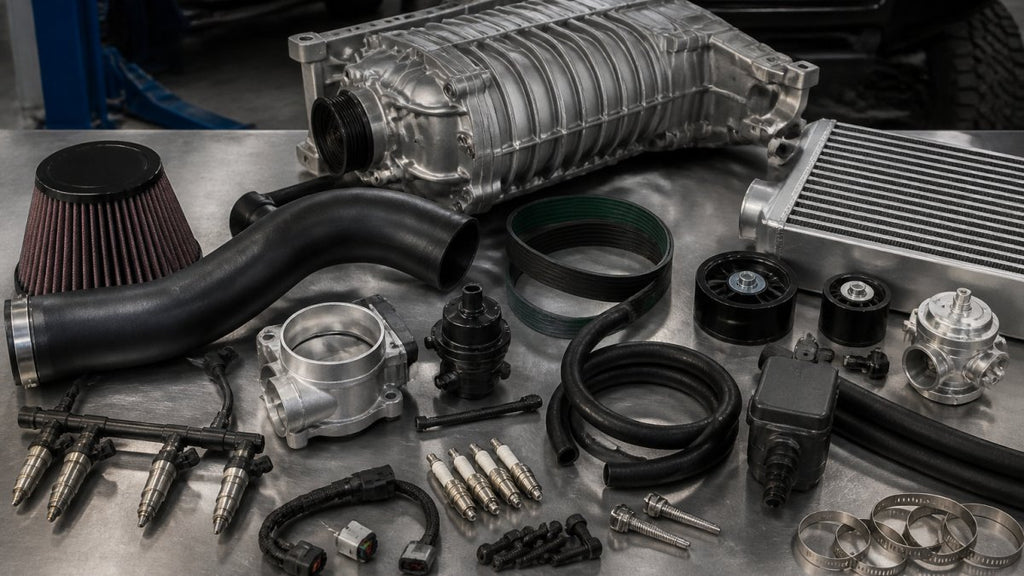
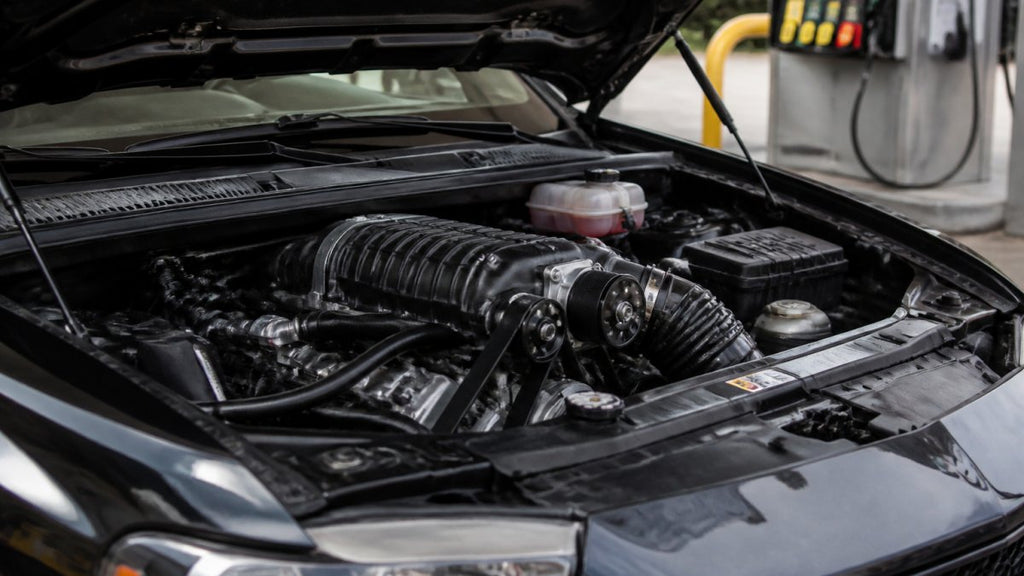
On a naturally aspirated Tacoma, the factory fuel system and calibration were designed around factory airflow. A properly engineered, vehicle-specific supercharger kit changes that airflow in a controlled way. The supporting fuel strategy has to change with it.
That does not always mean bolting on every fuel-system part you can find. It means using components and tuning that are matched to the actual kit, engine, fuel quality, and intended use. A mild street-driven setup has different needs than a truck that regularly pulls a 5,000-pound trailer through mountain heat.
One of the biggest complaints we hear is, “My truck runs fine most of the time.” Most of the time is not the test. The test is a long uphill pull, loaded down, on a hot day, when the engine has been under boost for more than a quick blast from one stoplight to the next. That is where fuel delivery, intake air temperature, and proper tuning stop being bench-racing talk and start protecting your truck.
Fuel pressure and volume are not the same thing
Owners often look at fuel pressure as the whole story. It is only part of it. The system also needs enough fuel volume when engine demand rises. A pump can appear healthy during normal driving but fall short when the engine is working hard under boost.
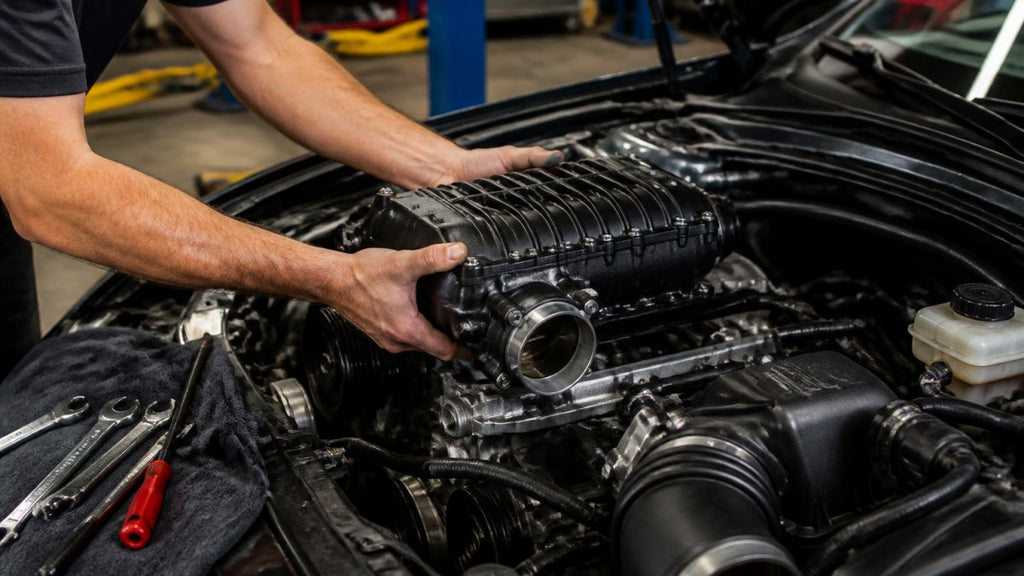
This is why clean installation and a matched calibration matter. The tune needs to command fueling correctly across the full load range, not just make a nice peak number on a dyno pull. The hardware needs to be up to the job without hacked wiring, loose fittings, or shortcuts that become problems six months later.
After installing hundreds of kits, we will take a proven package with OEM-like behavior over a collection of random parts every time. You want to turn the key, let it idle like a Tacoma, drive it to work, then hook up a trailer on Friday without wondering whether the truck is going to act up.
The Boost Safe Fuel System Guide Starts With the Tune
The calibration is the traffic cop for a boosted fuel system. It reads the engine conditions and tells the system how much fuel the engine needs. It also manages timing and other safeguards that keep combustion under control when cylinder pressure climbs.
This is not the place for a generic mail-order file meant to cover ten different combinations. Tire size, gearing, altitude, fuel quality, and use all affect what the truck sees in the real world. A Tacoma on 35-inch tires in Colorado, loaded with rooftop gear and camp equipment, lives a much different life than a stock-tire truck in Florida that gets used for commuting.
Most owners tell us they do not want a peaky truck that feels touchy around town. They want throttle response that is clean, stable idle quality, predictable shifts, and torque that arrives when they ask for it. That is what proper tuning should deliver.
Do not confuse a rich-looking air-fuel reading with a safe setup, either. Fueling needs to be accurate, repeatable, and appropriate for the entire operating range. Too much fuel can create its own drivability issues. Too little fuel under high load can become expensive in a hurry. The answer is not guessing. The answer is a tested calibration paired with the correct hardware.
Use the fuel the calibration expects
If your setup is calibrated for premium pump gas, run premium pump gas. Do not fill it with the cheapest regular you can find because the tank was low and assume the knock control will save every bad decision.
Fuel quality varies, especially when you are traveling. For Tacoma owners who overland far from home, this is worth thinking through before the build. If your normal trips take you into remote areas where premium is inconsistent, talk through that use case before choosing the setup. A little planning beats getting stuck nursing the truck through a trip because the only fuel available is questionable.
E85 can support serious power when the entire system is designed for it, but it is not a casual add-on. It requires compatible fuel-system capacity, correct calibration, and dependable access to good ethanol fuel. For many daily-driven or trail-focused Tacomas, a properly tuned premium-fuel setup is the smarter long-term move.
Do Not Build Around a Worn-Out Truck
Boost does not create every problem. It exposes problems that were already there.
Before adding a supercharger, make sure basic maintenance is handled. A tired fuel pump, restricted filter, weak battery, old spark plugs, vacuum leak, or questionable ignition coil does not get better with more airflow. It gets harder to diagnose once the truck has a performance upgrade on it.
Here is what we want checked before the install:
- Scan for stored or pending trouble codes, even if the check-engine light is off.
- Confirm the engine is healthy and has no misfire, oil-consumption, or cooling issues.
- Install the spark plugs specified for the kit and set their gap correctly.
- Inspect fuel-system connections, wiring, and hoses for age-related damage or previous repair work.
- Make sure the cooling system is full, leak-free, and ready for towing or summer trail use.
Heat Is the Real-World Test
A Tacoma can feel great in a quick unloaded drive and still need attention when heat builds. Long grades, soft sand, slow technical trails, towing, and hot ambient temperatures all raise the workload. If you are on 33s or 35s, carrying armor, sliders, a winch, and camping equipment, your engine is moving a lot more mass than Toyota had in mind.
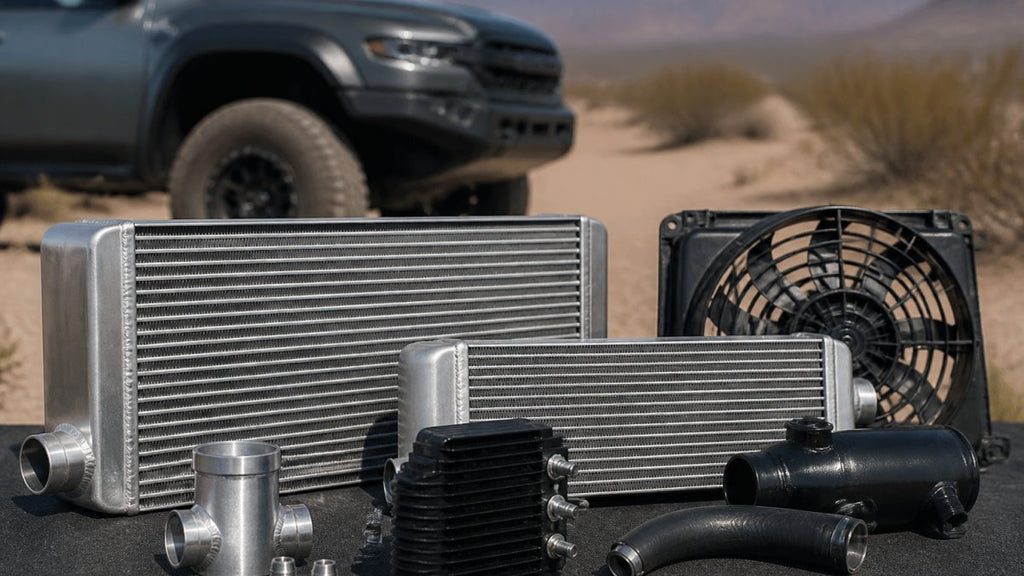
A well-designed supercharger system manages charge-air temperature and is calibrated around real use, not one hero pull. That helps the truck hold power more consistently instead of feeling strong for ten seconds and lazy after that.
Your job as the owner is simple: watch for changes. If the truck suddenly surges, misfires, smells strongly of fuel, loses power under load, or lights up the dash, back out of it and diagnose the issue. Do not keep making wide-open-throttle pulls to see whether it clears itself up. That is how small problems become big ones.
Choose the Right Power Level for How You Drive
There is always somebody chasing the next number. We get it. But the best Tacoma build is usually not the one that makes the loudest claim. It is the one that drives cleanly for years.
For a truck with 33-inch tires, a weekend trailer, and regular mountain trips, usable midrange torque is worth more than a build that only comes alive at the top of the tach. For an overland truck, reliability and fuel availability should carry more weight than chasing every last pound of boost. And for a daily driver, smooth cold starts, normal service access, and a clean install matter every single morning.
VT Superchargers is built around that approach: vehicle-specific hardware, proper support, and power you can actually use. Bolt it on, keep up with maintenance, run the fuel it calls for, and let the truck do what you bought it to do. The best sign you got the fuel system right is not a number on a screen. It is a Tacoma that pulls hard, drives normally, and makes every loaded hill feel a whole lot shorter.
Related post
09
Oct
RECENT POSTS