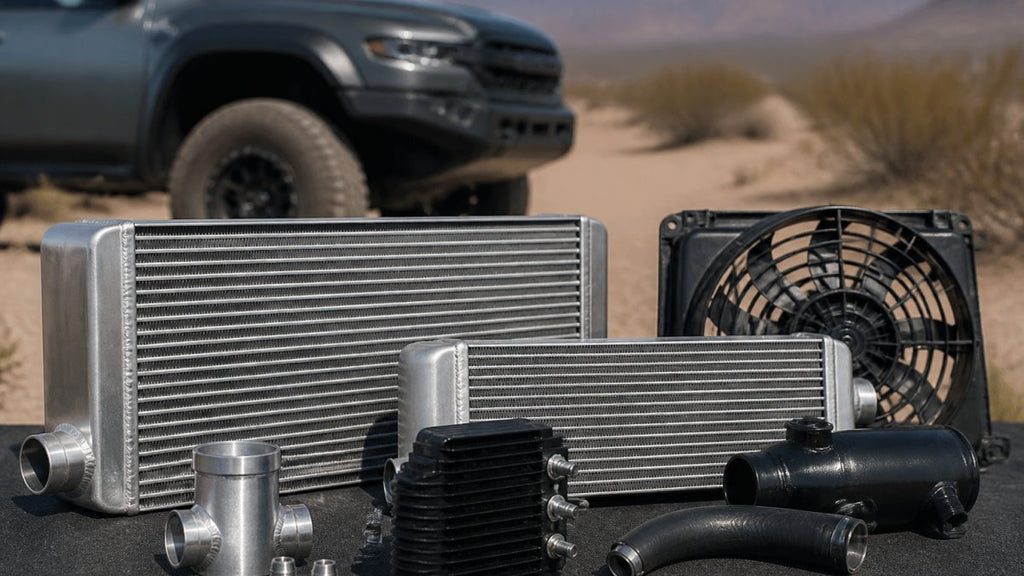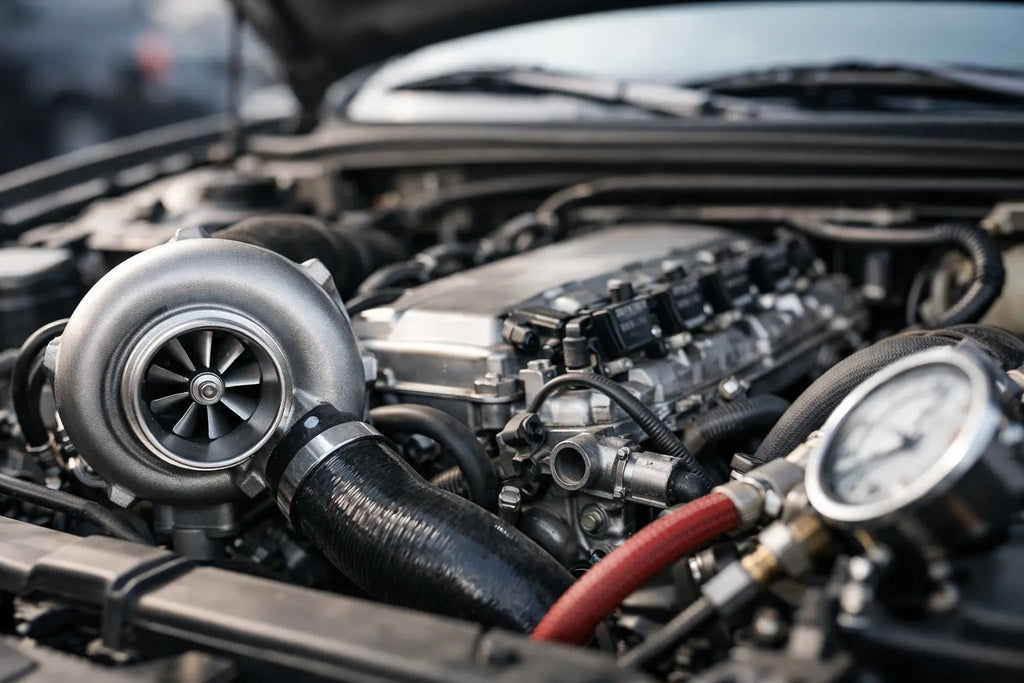
Can Stock Engines Handle Boost? What Matters
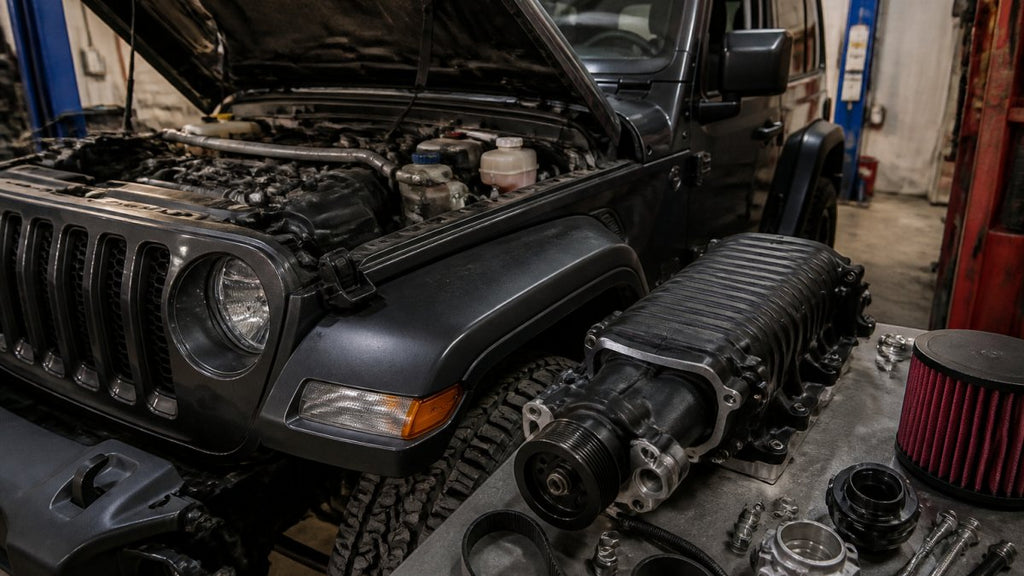
You put 35s on your Tacoma, loaded the bed with camping gear, added a roof rack, and now it feels like every freeway grade needs half the throttle. Or your 4Runner hunts between gears with a trailer behind it, your Gladiator falls flat at altitude, or your Frontier needs a long runway to pass. That is when owners ask us: can stock engines handle boost? The straight answer is yes, plenty can. But the engine is only part of the answer.
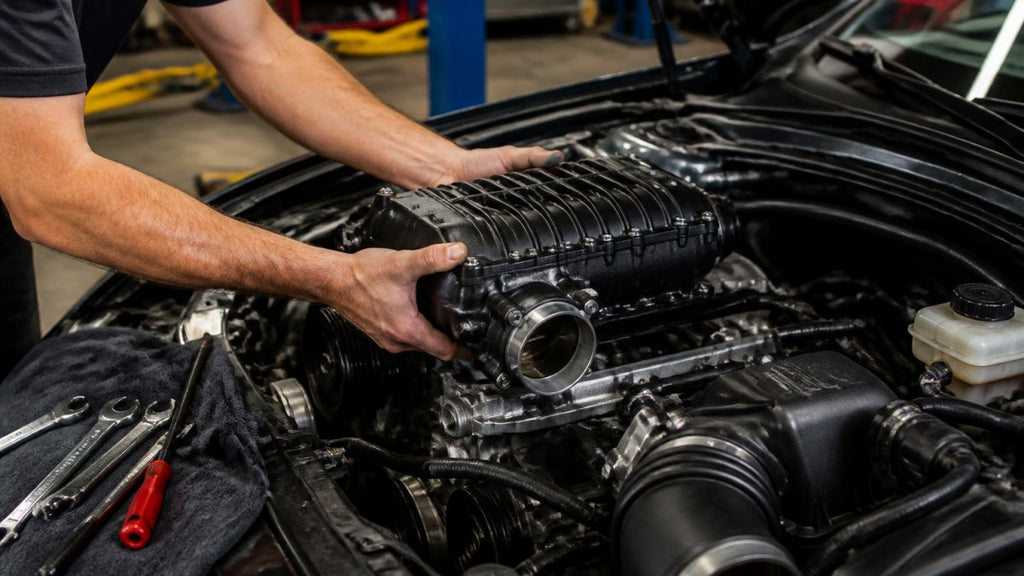
After installing hundreds of kits, we have learned that a stock long block can be a great foundation for a street-driven supercharger setup when the kit, tune, fuel, cooling, and owner expectations all line up. Bolt on a random setup, chase the biggest number possible, ignore a weak fuel system, and keep flooring it through heat soak? That is how a fun upgrade turns into an expensive conversation.
Can Stock Engines Handle Boost Without Breaking?
A healthy stock engine is designed with more safety margin than most people give it credit for. Manufacturers build engines to survive cold starts, hot traffic, bad gas, towing, long service intervals, and drivers who do not treat the accelerator gently. That does not mean every factory engine is ready for unlimited cylinder pressure. It means moderate, properly managed boost is not automatically a death sentence.
One of the biggest complaints we hear is, “My truck was fine until I added tires.” The engine did not get weaker. The truck simply gained more rolling resistance and effective gearing got taller. A supercharger helps because it brings torque in right where the vehicle feels lazy: pulling away from a light, climbing a grade, merging with passengers onboard, or holding speed with a small trailer.
Most owners tell us the best part is not peak horsepower. It is that the vehicle stops feeling like it is working so hard. That OEM-like behavior is what we aim for. Clean startup, normal idle, predictable throttle, proper shifting, and power that is there every time you press the pedal.
The key word is moderate. A stock 3.5L Tacoma or 4Runner V6, a Jeep Gladiator 3.6L, or a Nissan Frontier V6 can respond extremely well to a vehicle-specific forced-induction package. But those platforms have different compression ratios, fuel demands, transmission behavior, cooling capacity, and tuning needs. There is no universal “safe boost number” that applies across all of them.
A Stock Engine Is Only as Good as Its Condition
Before anybody talks about boost, we want to know what the engine has been through. A 15,000-mile truck with clean maintenance and no issues is a very different starting point than a 160,000-mile vehicle that burns oil, has a mystery misfire, and has been overheated twice.
Boost does not usually create a hidden problem. It exposes one. A tired ignition coil, worn plugs, weak injector, clogged catalytic converter, leaking intake boot, or marginal fuel pump may stay quiet at light throttle. Add cylinder pressure and load, and suddenly the problem shows itself as spark knock, misfires, hesitation, or a check-engine light.
We see this all the time with used 4Runners and Tacomas that have lived an off-road life. Dusty air filters, old plugs, neglected fluids, and unknown service history are common. Before installing a kit, take care of the basics. Confirm compression is healthy if the mileage or history raises questions. Make sure there are no active codes. Fix cooling-system leaks. Use the correct plugs and service items called for by the kit.
That is not shop upsell talk. It is how you get years of good driving from a boosted vehicle instead of one great week followed by diagnosis.
The Tune Decides Whether Boost Feels Factory or Risky
If there is one area you do not cut corners on, it is calibration. The blower may make the airflow, but the tune tells the engine what to do with it. Fuel delivery, ignition timing, throttle behavior, transmission strategy, knock control, and temperature compensation all matter when the engine is under load.
A proper tune is especially important for owners who tow or run big tires. A Gladiator on 37s crawling through summer heat is not experiencing the same load as a lightly modified daily driver. Neither is a Tacoma pulling a boat up a long grade in Arizona. The tune needs to manage those real conditions, not just make a flashy dyno pull in a cool shop.
Cheap fuel is another place people get themselves in trouble. If your setup calls for premium, run premium. Do not fill up with regular because the station was out, then tow uphill with the pedal buried. Detonation is what hurts parts, and inconsistent fuel quality gives the calibration less room to protect the engine.
After installing hundreds of kits, we can tell you this: a conservative tune that drives clean is worth more than a few extra peak horsepower. You feel the difference every day in throttle response, part-throttle torque, and the confidence to use the vehicle the way you built it.
Heat Is the Real Test of a Boosted Daily Driver
Boost makes heat. There is no way around that. The question is whether the system is designed to control it when life gets hard: August traffic, a long hill, sand, high elevation, or a loaded cabin with the A/C running.
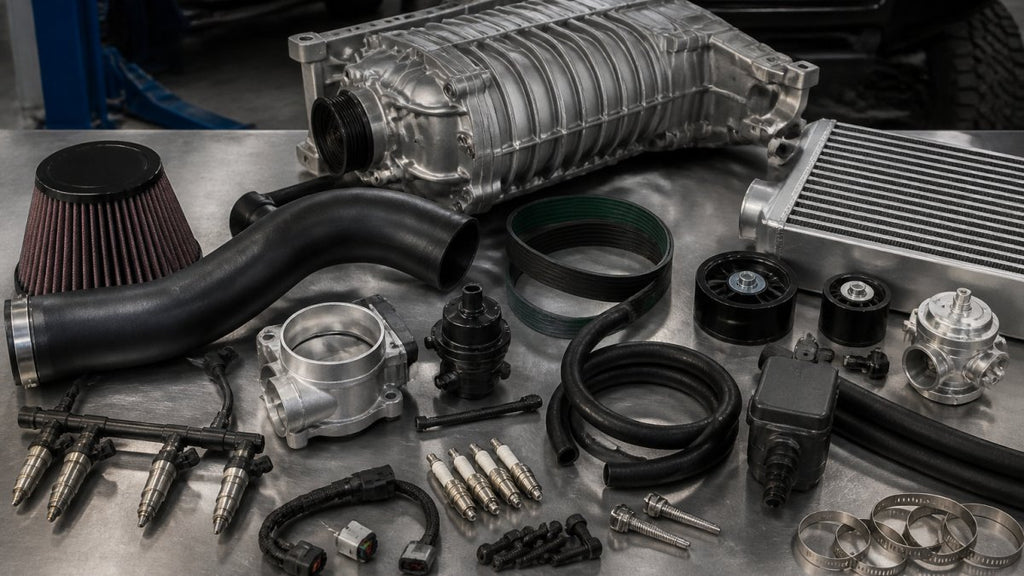
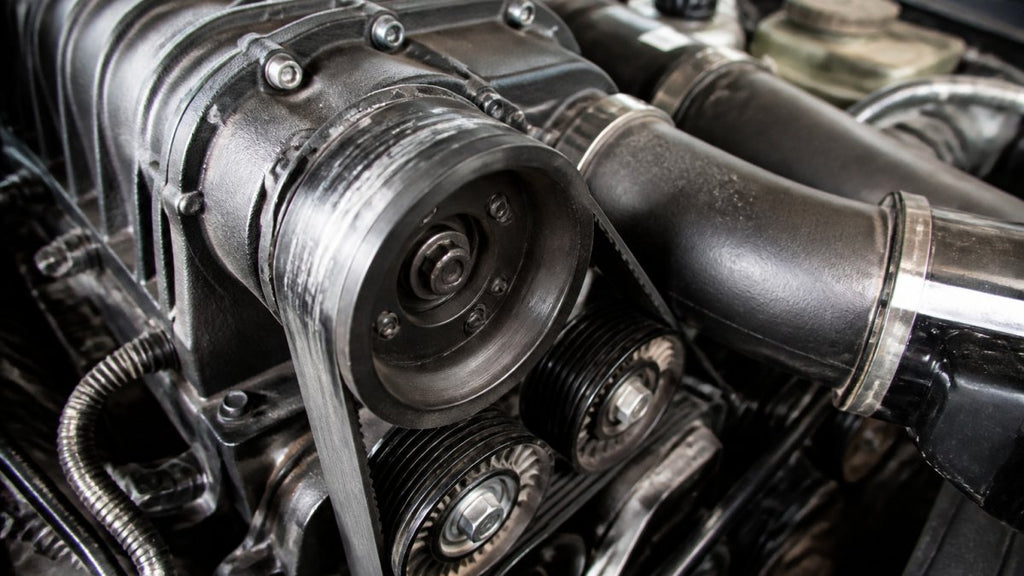
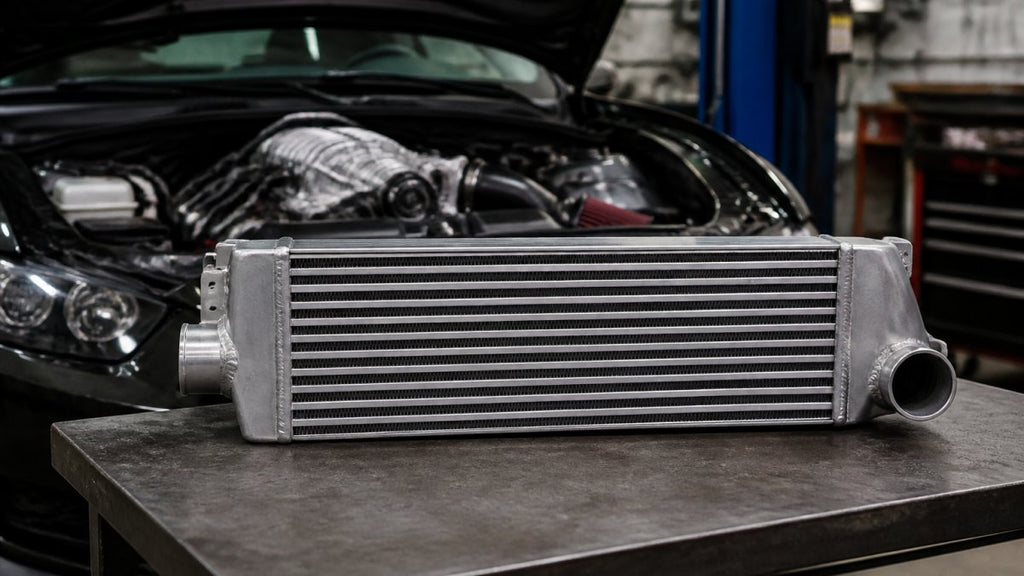
Intercooling, airflow, proper belt drive, correct coolant condition, and sensible driving habits all work together. A good kit should be engineered for the vehicle, not pieced together around whatever parts happen to fit. That means brackets that hold alignment, plumbing that clears factory components, and calibration built around the hardware.
For overland-style Toyota owners, added weight changes the whole equation. Steel bumpers, sliders, skids, drawers, a fridge, rooftop tent, and 33- or 35-inch tires can add up fast. The supercharger restores the torque that all that gear took away, but it does not repeal physics. Watch temperatures, maintain the cooling system, and give the vehicle a chance to recover after a hard pull.
The same goes for performance sedans. A Dodge Charger that sees repeated wide-open runs in hot weather needs a setup that is happy being street-driven, not one that only survives a single hero pass. For a Mazda 3 owner, the goal may be quick spool, clean fueling, and a car that still behaves in commuter traffic. Different vehicle, same rule: usable power beats fragile power.
Your Right Foot Still Matters
People hear “stock motor” and assume they need to baby the vehicle forever. That is not the point. You should be able to floor it, merge hard, tow confidently, and enjoy what you paid for. But repeated full-throttle pulls with hot intake temps, low-quality fuel, or a warning light on the dash is not testing the kit. It is gambling with the engine.
Most failures have a story behind them. The owner ignored a misfire. The engine was already consuming oil. The tune was not meant for the fuel in the tank. The vehicle had a cooling issue before the install. Or somebody stacked power adders and ran beyond the range of the original calibration.
A well-installed supercharger kit is not an excuse to skip maintenance. Stay ahead of oil changes, inspect belts and hoses, use quality fuel, and pay attention when the vehicle starts acting different. If it suddenly loses power, pings, surges, or throws a code, stop trying to drive through it. Catching a small issue early is usually cheap. Driving through it under boost usually is not.
When Stock Internals Are Not the Right Plan
There is a point where a built engine makes sense. If your goal is maximum boost, track abuse, racing, heavy nitrous use, or power levels far beyond what a vehicle-specific kit was designed to deliver, stock pistons, rods, head gaskets, and fuel-system components may no longer be the right answer.
That is a different build with a different budget. Nothing wrong with it, but it should be an intentional decision. Most Tacoma, 4Runner, Frontier, and Gladiator owners are not trying to build a race truck. They want to pass without planning three exits ahead, climb hills without constant downshifts, and tow without feeling like the vehicle is tapped out.
That is where a properly matched bolt-on system earns its keep. VT Superchargers kits are built around specific vehicle applications because fitment, tuning, and drivability are not details you figure out after the fact.
Start with an honest look at your vehicle. Make sure the engine is healthy, choose a setup built for your exact year and engine, follow the fuel and maintenance requirements, and let the tune do its job. Then go drive it the way you always wanted to - with enough torque to make the tires, trailer, altitude, and extra weight feel a whole lot less intimidating.
Related post
09
Oct
RECENT POSTS