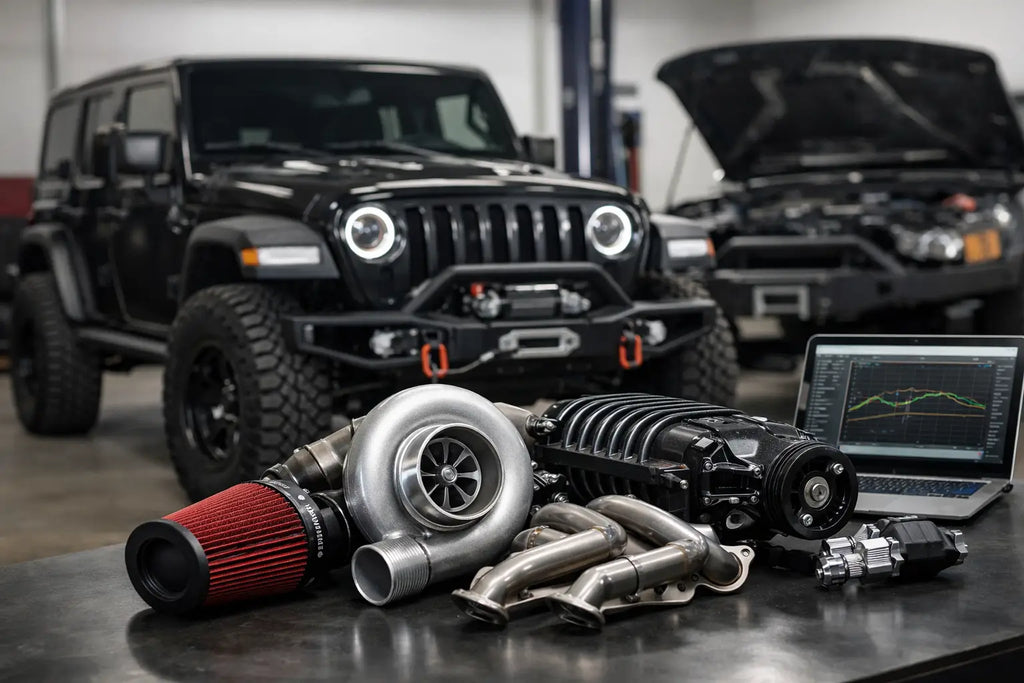
Jeep Wrangler Power Increase Options That Work
You put 35s on your Wrangler, added steel bumpers, a winch, sliders, a roof rack, and camping gear. Now it feels like somebody left the parking brake on. That is where most conversations about Jeep Wrangler power increase options start. One of the biggest complaints we hear is not that a Wrangler cannot make peak horsepower. It is that it hunts gears on the highway, falls flat climbing grades, and needs too much pedal just to pass a slow-moving RV.
We see this all the time with JK and JL owners. The Jeep was fine stock, then the tire size and trail gear went on. Suddenly, the 3.6L Pentastar feels lazy in the middle of the throttle, and the transmission is constantly deciding what gear it wants. The answer depends on how you use the Jeep, but the best upgrades give you useful torque and clean drivability, not a temperamental rig that only feels good at wide-open throttle.
Start With the Problem You Actually Feel
Before buying parts, get honest about what is bothering you. A two-door JK on 33-inch tires that spends weekends on forest roads needs something different than a four-door JL on 37s, loaded with a fridge, recovery gear, passengers, and a small trailer.
If your complaint is poor crawl control or sluggish pull away from a stop after installing larger tires, axle gearing may be the first move. If it feels weak merging at 65 mph, climbing a mountain pass, or towing, torque-producing engine upgrades make a bigger difference. If the Jeep is generally healthy but pedal response feels soft, a tune or throttle controller can improve the way it reacts, though neither one creates the low-end muscle of forced induction.
Most owners tell us they want the same thing: press the pedal and have the Jeep go without dropping three gears, screaming at 5,000 rpm, or making every hill feel like a calculation.
Jeep Wrangler Power Increase Options, Ranked by Feel
Regear for the tire size first
Gears do not add engine horsepower, but they can bring back the acceleration your Wrangler lost when you went from factory tires to 35s or 37s. That matters. Bigger tires change the effective final drive ratio, and the Jeep feels heavier because the engine has to work harder to turn them.
A properly selected gear ratio improves takeoff, reduces transmission hunting, and makes low-range trail driving more controlled. On a JK or JL with a naturally aspirated 3.6L, owners commonly look at 4.56, 4.88, or 5.13 gears depending on tire size, axle setup, transmission, and highway use. There is no magic ratio for every Jeep. A daily-driven Wrangler that sees long interstate runs needs a different balance than a dedicated trail rig.
The trade-off is cost. Regearing both axles is labor-intensive, and it does not create extra reserve power when the Jeep is loaded, towing, or climbing at altitude. It restores mechanical advantage. That can be exactly what you need, but it is not the same as adding torque.
Intake, exhaust, and tuning: small changes, modest results
An intake and cat-back exhaust can change sound and may sharpen the way a Wrangler feels, especially if the factory intake is restrictive or the old exhaust is damaged. A quality calibration can improve throttle mapping, transmission behavior, and in some applications, make better use of premium fuel.
Just keep expectations in check. We see plenty of owners stack an intake, exhaust, and handheld tune expecting a completely different Jeep. On a naturally aspirated 3.6L, those parts can clean up the driving experience, but they usually do not solve the real complaint from a 37-inch-tire owner: weak midrange torque under load.
Throttle controllers deserve the same honest conversation. They remove the lazy feeling in the pedal by changing how quickly the throttle opens. Some drivers like that more immediate response. But it does not add horsepower or torque. It just gets you to the existing power sooner.
Supercharging for real passing and climbing power
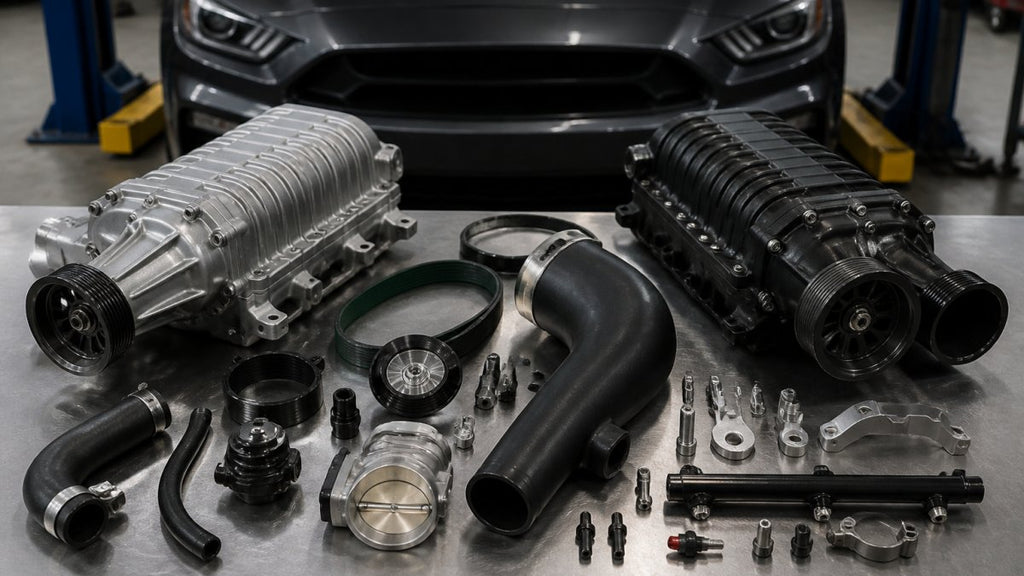
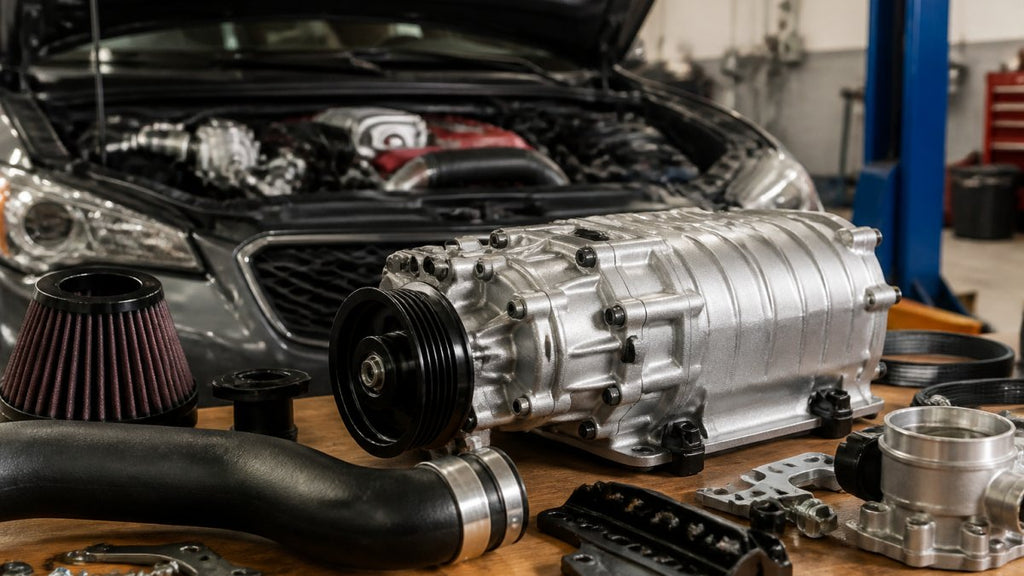
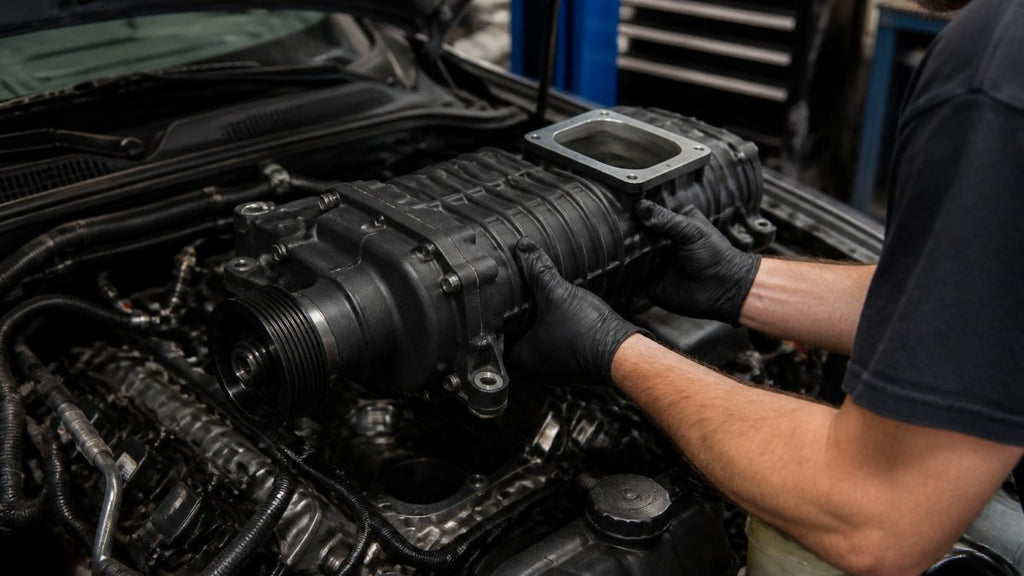
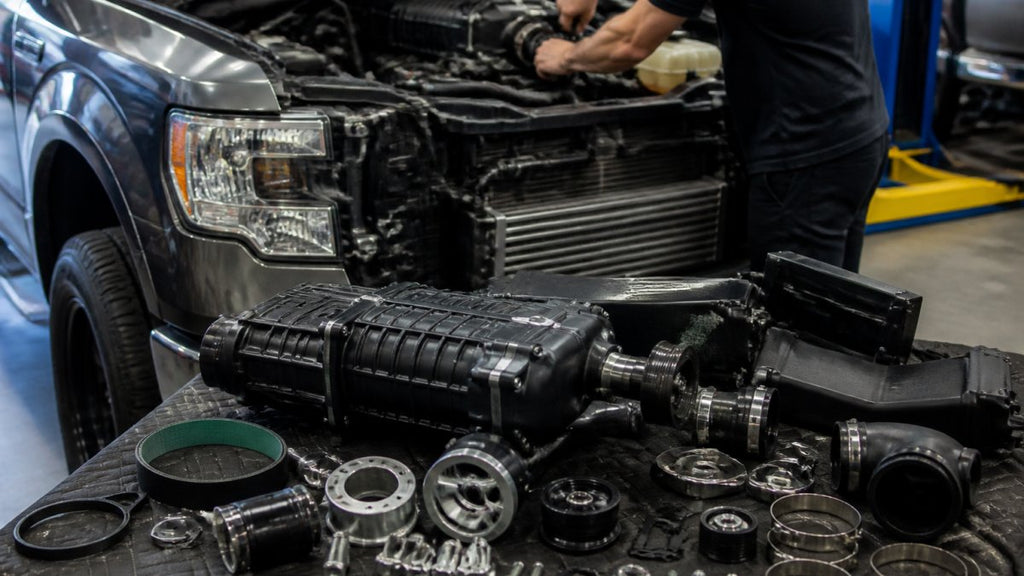
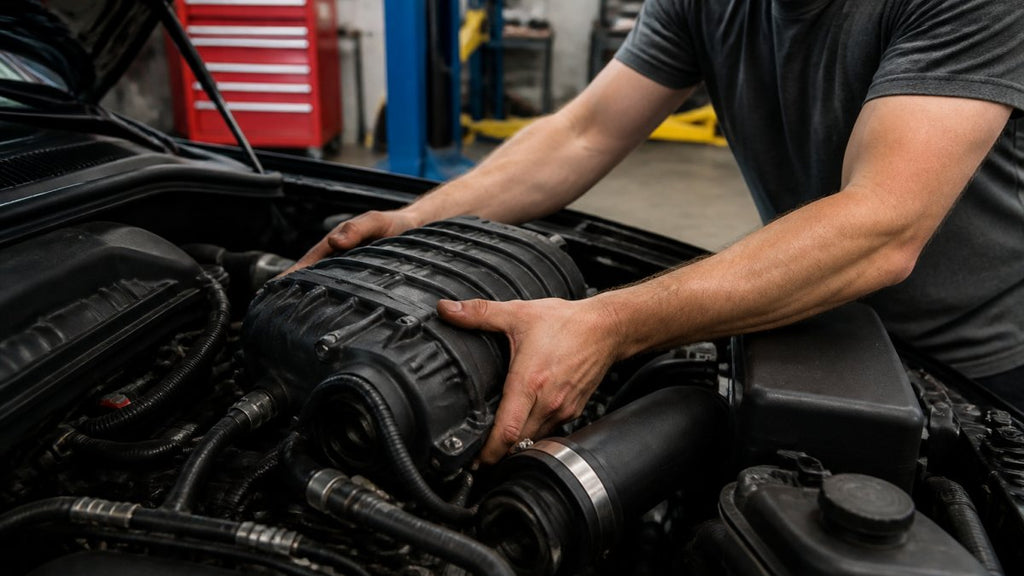
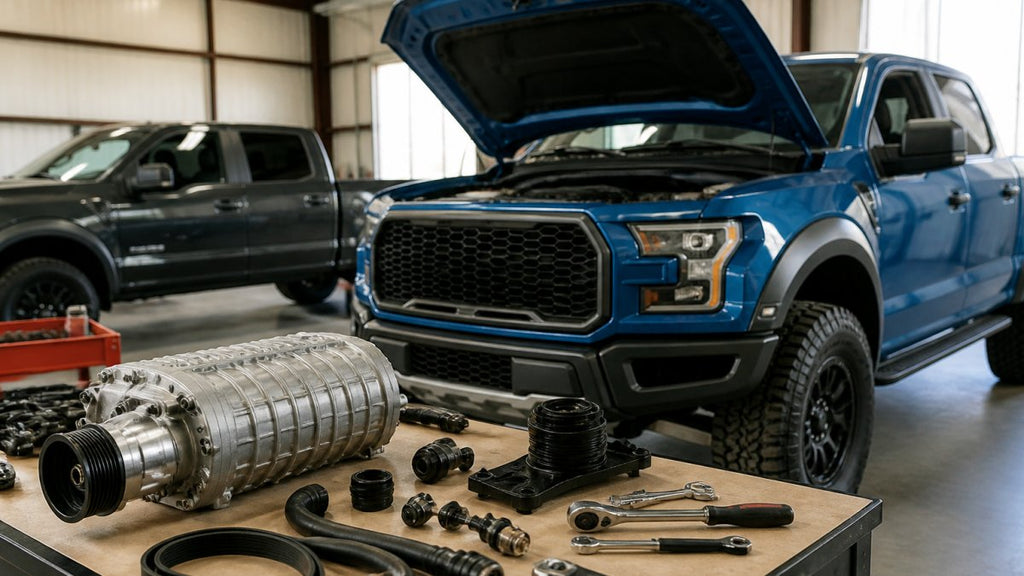
If you want the Wrangler to feel stronger everywhere you actually drive it, a properly engineered supercharger system is the serious answer. After installing hundreds of kits, the difference customers talk about first is not a dyno graph. It is how little throttle the Jeep needs.
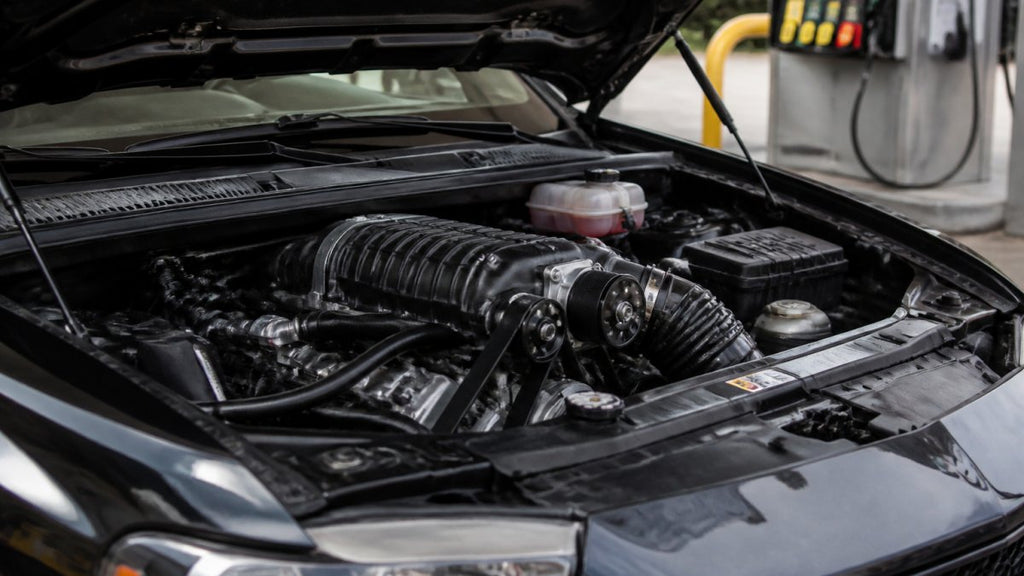
A supercharged 3.6L Wrangler has more torque available in the range where a heavy Jeep lives: pulling away from a light, rolling into traffic, passing on a two-lane road, and climbing a grade with 35s or 37s. The transmission does not have to work as hard to keep the vehicle moving. That is what makes the Jeep feel less strained.
For overland builds, this is a big deal. Add a rooftop tent, armor, a full-size spare, water, tools, and four people, and a stock Pentastar is carrying a lot more than Jeep intended. At elevation, naturally aspirated engines lose noticeable power. Forced induction helps replace that missing shove, which is why mountain-state owners often feel the benefit immediately.
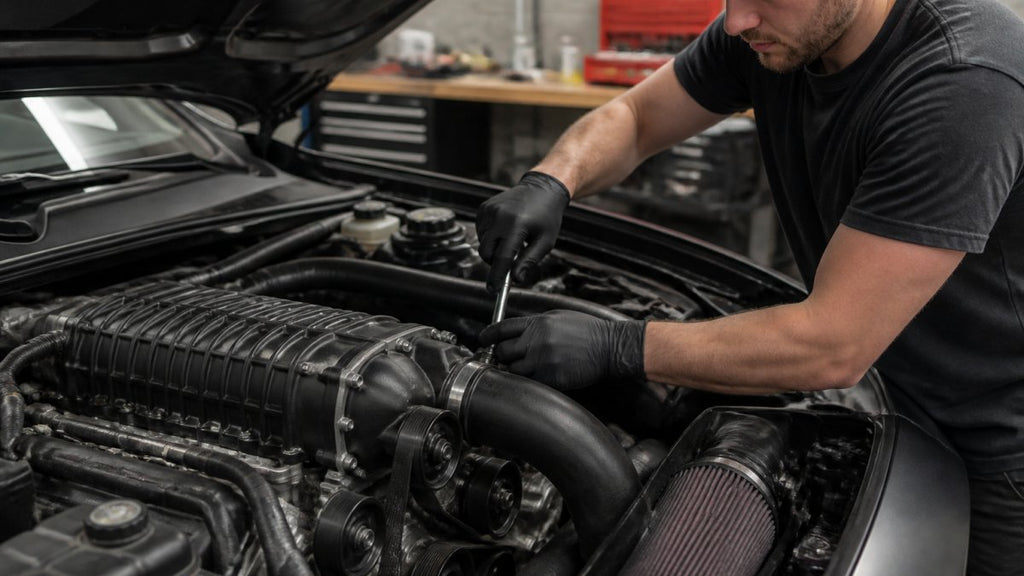
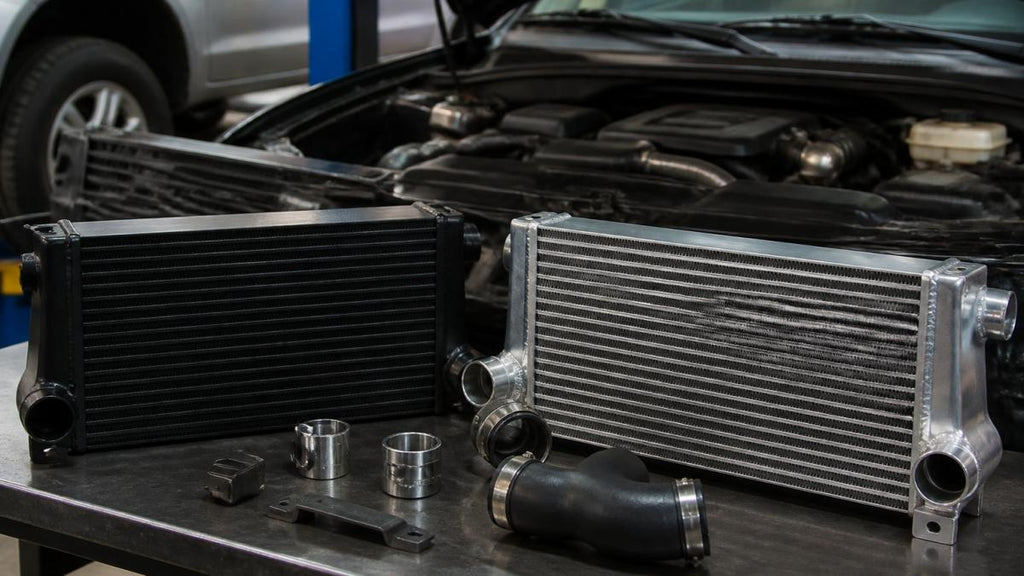
The key is the kit, tuning, and installation. More boost is not automatically better. A street-driven Wrangler needs a package designed around stable fueling, sensible intake temperatures, clean belt routing, proper calibration, and components that fit without turning routine service into a headache. That OEM-like behavior is what lets you drive the Jeep to work Monday, run trails Saturday, and tow a small camper without wondering what will act up next.
A vehicle-specific kit from VT Superchargers is built around that real-world use. Before selecting any forced-induction setup, confirm the exact engine, model year, transmission, and emissions requirements. A 2012-2018 JK 3.6L is not the same application as a JL 3.6L, and the factory turbocharged 2.0L JL calls for a different path altogether.
What about the 2.0T and the 392?
The 2.0L turbo JL already has useful low-rpm torque, and many owners find it feels stronger than the 3.6L in normal driving. Tuning can change the character of that engine, but it also demands caution. Boost, fuel quality, cooling, transmission calibration, warranty concerns, and local emissions rules all matter. Do not treat an off-the-shelf tune like a free horsepower button.
The Wrangler 392 has plenty of factory power, but it can still feel burdened after heavy armor, 37s, or 40s. For that Jeep, gearing, tire choice, braking, cooling, and suspension setup are often smarter first conversations than trying to chase more engine output. More power in a short-wheelbase Jeep is fun, but it needs to match the rest of the build.
Do Not Ignore the Supporting Parts
Power exposes weak links and unfinished maintenance. Before adding significant output, make sure the Wrangler is healthy. That means no cooling-system problems, no mystery misfires, no tired plugs, no slipping transmission behavior, and no neglected fluid services.
For heavily modified Jeeps, look at the whole package: axle strength, driveshaft angles, brakes, differential gearing, tire load rating, and cooling capacity. A 3.6L JK on 35s with a clean supercharger installation can be a fantastic daily driver. A poorly maintained Jeep with oversized tires, worn ball joints, and a questionable tune is just an expensive way to create more problems.
Fuel matters, too. If a calibration calls for premium fuel, use premium fuel. Saving a few dollars at the pump is not worth knock activity, reduced timing, or inconsistent performance when you are pulling a grade in summer heat.
Pick the Upgrade That Fits Your Jeep Life
If you mainly want your Wrangler to drive like it did before bigger tires, regear it properly. If you want a little more sound and response, intake, exhaust, and tuning can be worthwhile as long as you keep the gains in perspective. If you are tired of the Jeep feeling winded with gear, passengers, elevation, or a trailer, forced induction is the upgrade that changes the whole driving experience.
The best build is not the one with the biggest number attached to it. It is the one that starts every morning, drives straight, pulls hard when you ask, and makes the trip to the trailhead just as enjoyable as the trail itself.
Related post
09
Oct
RECENT POSTS