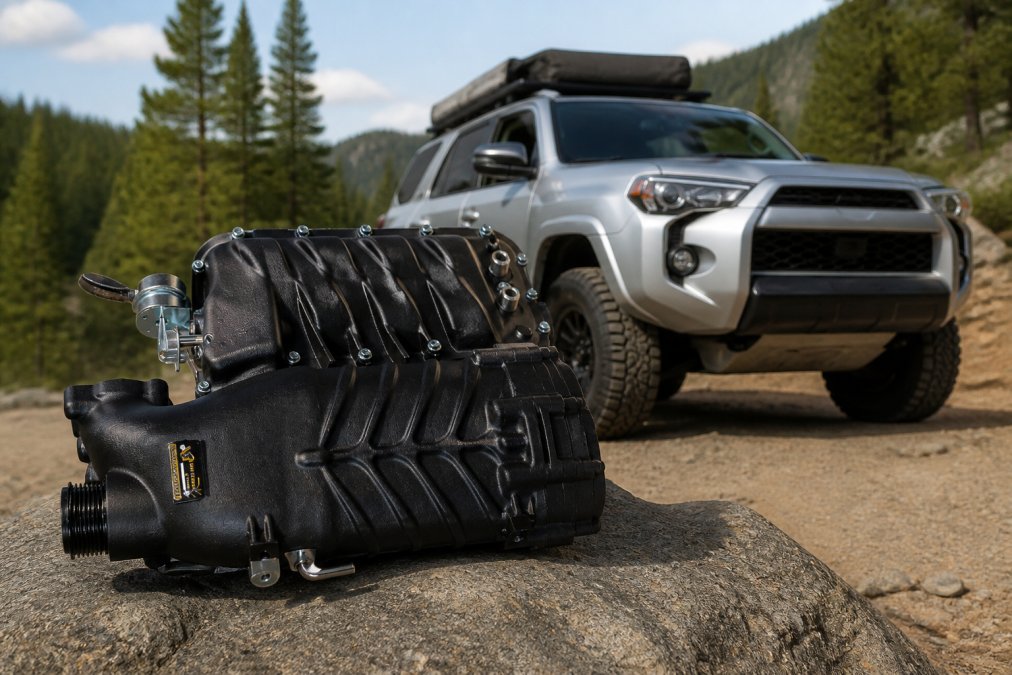
Supercharging a 4Runner Overland Build: Real Power Gains
Table of Contents
- Horsepower and Torque Gains From Supercharging a 4Runner
- How Superchargers Improve Throttle Response and Acceleration
- 4Runner Supercharger Reliability and Long-Term Durability
- Supercharger vs Regearing for 4Runner: Which Solves Gear Hunting?
- Best Performance Upgrades for 4Runner Beyond Supercharging
- Installation, Cost, and Warranty Considerations
- Fuel Economy, Emissions, and Real-World Trade-Offs
Last Updated: August 24, 2026
Horsepower and Torque Gains From Supercharging a 4Runner
Adding a supercharger to your 4Runner reclaims performance lost to heavier tires, bumpers, and gear on an overland build. A Magnuson supercharger system for the 2010-2024 4Runner 4.0L delivers 335+ horsepower and 345+ lb-ft of torque at the crank, representing a 30% increase in horsepower and 28% more torque than stock on just 6 psi of boost. A supercharged 2017 4Runner with heavy overland modifications cut its 0-60 time from 12.43 seconds to 10.6 seconds after installing a ProCharger system (offroadxtreme.com).
Your stock 4.0L V6 makes around 270 horsepower and 278 lb-ft of torque. Once you bolt on 35-inch tires, a steel bumper, a roof rack, and recovery gear, your truck feels gutless on the highway and struggles on climbs. Forced induction solves this by ramming more air into the combustion chamber. Unlike turbos that require boost buildup time, superchargers deliver instant throttle response, critical when navigating loose terrain or merging with a fully loaded rig.
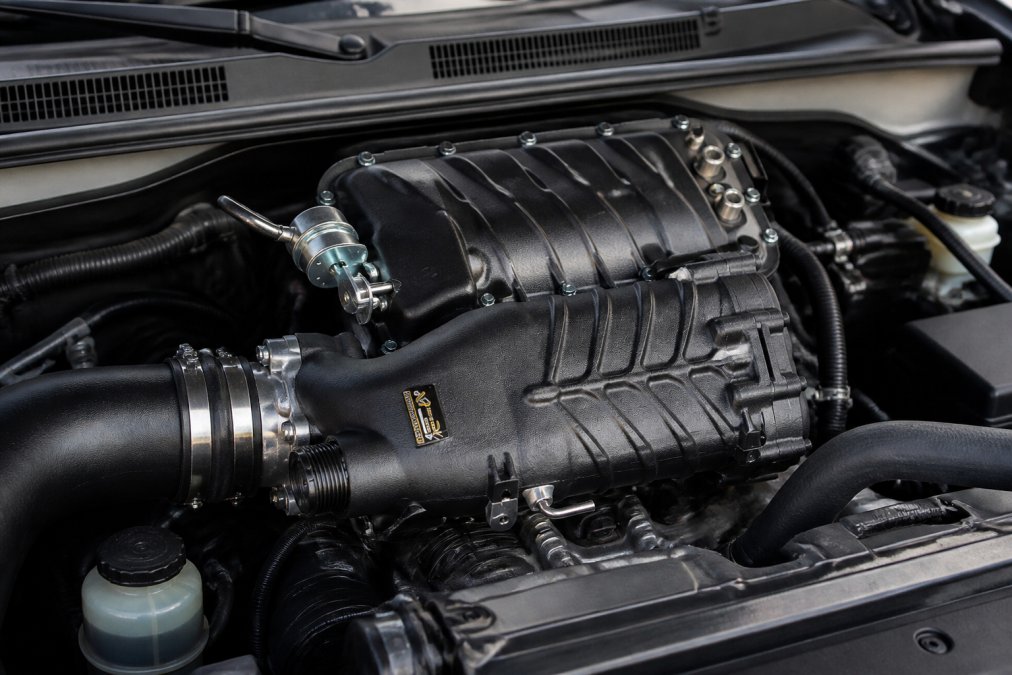
The VT Superchargers kit for the 4.0L 1GR-FE engine delivers 40-60% more horsepower and 30-50% more torque over stock (trail4runner.com). National Speed recorded 80.70 awhp and 54.74 lb-ft gains on a 2018 4Runner, ending with 311.10 awhp and 300.44 lb-ft. These measured outputs from professional tuning facilities show the difference between stock and supercharged is immediately obvious when merging on the freeway or climbing a sandy hill.

Pro Tip
Boost pressure on superchargers is typically 6-7 psi for street use. At low throttle input, the bypass valve opens, so you're not always running full boost. Full power comes when you need it: passing traffic, towing, or climbing. This on-demand characteristic is why superchargers feel more responsive than turbos in real-world driving.
How Superchargers Improve Throttle Response and Acceleration
Throttle response is where superchargers shine for overland rigs. The moment you press the accelerator, the supercharger is already spinning with no lag, just immediate air forced into the engine. For daily driving and off-road situations where quick power delivery matters, this outweighs peak horsepower numbers alone.
Stock 4Runners suffer from gear hunting on the highway, where your transmission constantly shifts trying to find the right ratio for your load and tire size. A supercharger reduces this by providing the low-end torque that the engine lost before you added weight and rolling resistance. You maintain consistent throttle position, the transmission settles into a gear, and you keep cruising. Off-road, improved throttle response translates to better control on technical terrain, allowing precise power modulation through rocks or sand.
That 2017 4Runner mentioned earlier, already loaded with 35-inch tires and heavy overland equipment, dropped from 12.43 to 10.6 seconds in the 0-60 test. The supercharger made a noticeably slower truck genuinely quick again. Drivers report that merging feels less stressful, passing becomes easier, and the truck no longer struggles when fully loaded.
Key Takeaway
The real benefit of forced induction for an overland rig isn't just top-end power, it's restoring the low-end torque curve that your build stole. A supercharger gives you that back immediately, without waiting for engine RPMs to climb.
4Runner Supercharger Reliability and Long-Term Durability
You're forcing 40-60% more air into an engine that wasn't designed for it. Will it hold up? Yes, if you maintain it properly, but there are real long-term considerations.
Twin-screw superchargers like those in the VT Superchargers kit are inherently more reliable than centrifugal designs because they compress air mechanically rather than relying on high-speed spinning rotors. The Magnuson TVS 1320 supercharger used in many 4Runner kits is proven technology with a solid track record in the Toyota community. However, forced induction accelerates wear on internal engine components: piston rings, valve seats, cylinder walls, fuel injectors, and transmission all experience higher stress. This requires attention but isn't catastrophic.
Real-world reports show most failures occur when people neglect maintenance or push boost beyond safe limits. Running premium fuel is mandatory, lower octane fuel will detonat under boost, destroying pistons. You need quality oil changes on schedule, ideally synthetic oil rated for forced induction engines. Some builders recommend upgrading fuel injectors and the fuel pump. The VT Superchargers kit includes a fuel pump upgrade and tuning software, but long-term maintenance falls on you.
A properly maintained supercharged 4.0L will give you 150,000-200,000 miles before major work becomes necessary (offroadxtreme.com). That's shorter than a stock engine but reasonable for a performance build.
Supercharger vs Regearing for 4Runner: Which Solves Gear Hunting?
Gear hunting happens because your gearing no longer matches your tire size and weight. You added 35-inch tires but kept stock 4.10 gears, so your transmission hunts constantly.
Regearing means changing your differential gears to a lower ratio (like 4.56 or 4.88). This gives you more mechanical advantage, reducing engine RPM at highway speeds and letting your transmission settle into a gear. A supercharger solves it indirectly by providing the torque your engine lost, making it easier for the transmission to maintain power at lower RPMs.
Regearing is permanent and affects all driving conditions: better low-end power, reduced highway RPMs, improved towing, but worse fuel economy and a higher-pitched differential whine. Supercharging is reversible and modular, you control boost pressure through tuning and get benefits everywhere the engine operates. Highway RPMs stay the same, but extra torque makes the transmission happier about staying in a gear.
For most overlanders, the real answer is both. Regearing solves the mechanical problem permanently. A supercharger addresses the power deficit caused by your build. Used together, they create a truck that doesn't hunt gears, has responsive acceleration, and maintains highway fuel economy better than either alone. If forced to choose one, a supercharger is the faster, cheaper fix. off-grid power solutions.
| Solution | Primary Benefit | Best For | Trade-offs |
|---|---|---|---|
| Supercharger | Instant torque, reversible, improves all RPM ranges | Quick power gains, daily driving | Requires premium fuel, some maintenance |
| Regearing | Permanent ratio fix, reduces RPM hunting | Long-term solution, serious builds | Affects all driving, lower highway MPG |
| Both Together | Solves gear hunting and restores performance | Complete overland build | Higher total cost, but best results |
Best Performance Upgrades for 4Runner Beyond Supercharging
A supercharger is a centerpiece upgrade, but layering multiple improvements creates the most effective builds. An air intake upgrade like the AIRAID Air Filter improves airflow to the supercharger. A cat-back exhaust system like the Gibson Black Elite reduces backpressure, freeing up additional horsepower. Professional tuning is essential. A supercharger alone won't optimize fuel delivery and ignition timing for the new air volume. Most VT Superchargers kits include tuning software, but a professional dyno tune afterward extracts full potential and ensures safe operation under boost.
For serious overlanders, suspension upgrades matter as much as engine power. Larger tires and heavier gear shift your center of gravity and change handling dynamics. Quality suspension, upgraded brakes with larger rotors and better pads, and stainless steel lines become necessary when adding 100+ horsepower to a truck that already struggles with brake fade when loaded.
Stock fuel injectors and the fuel pump are adequate for modest supercharger boost on occasional use, but upgrading both ensures reliable fuel delivery under higher boost pressures or aggressive driving.
Watch Out
Running a supercharger without premium fuel causes detonation and engine damage. Detonation occurs when fuel ignites spontaneously under high combustion pressure, creating shock waves that destroy pistons and valves. Always use 91+ octane fuel, preferably 93 octane if available.
Installation, Cost, and Warranty Considerations
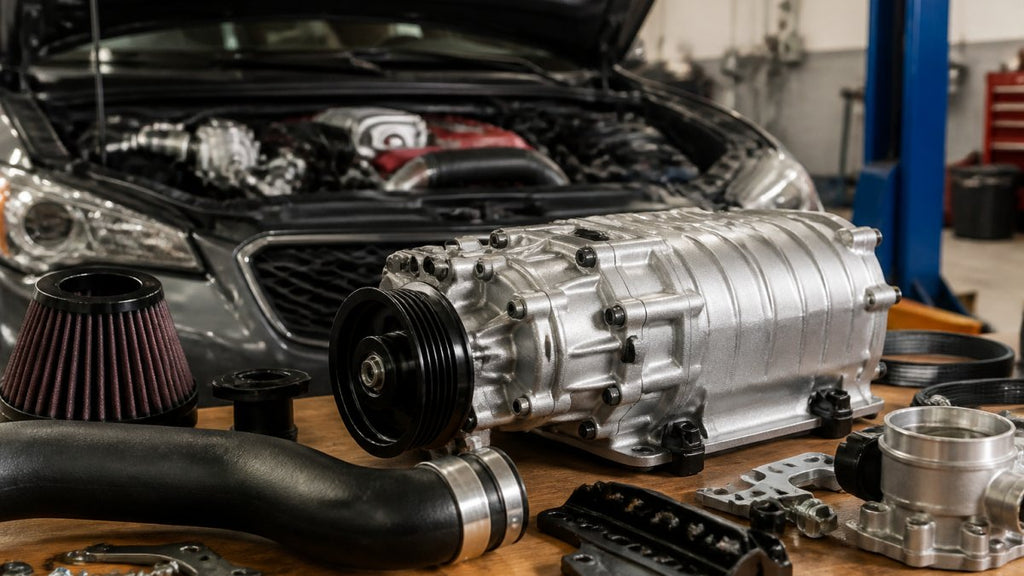
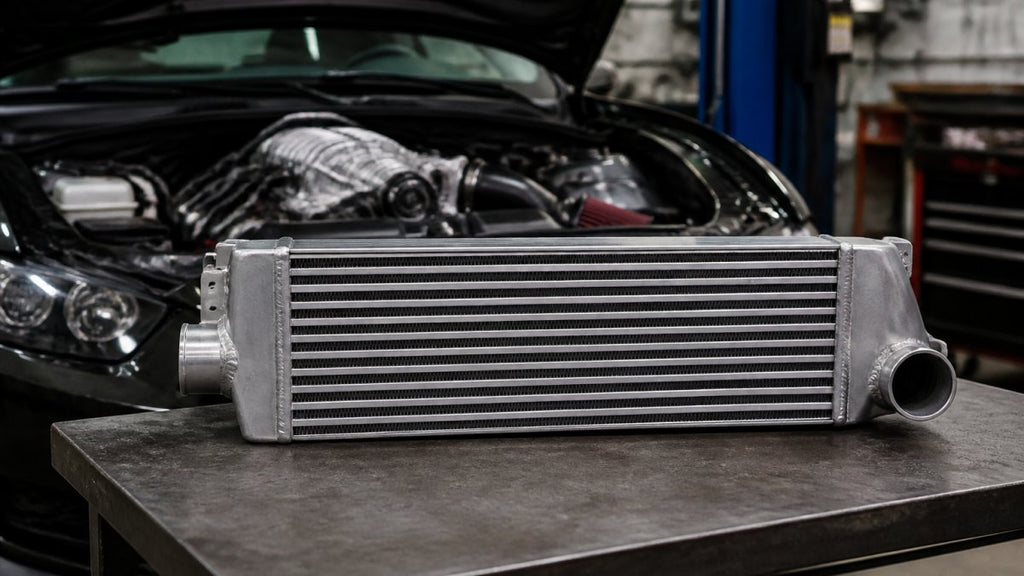
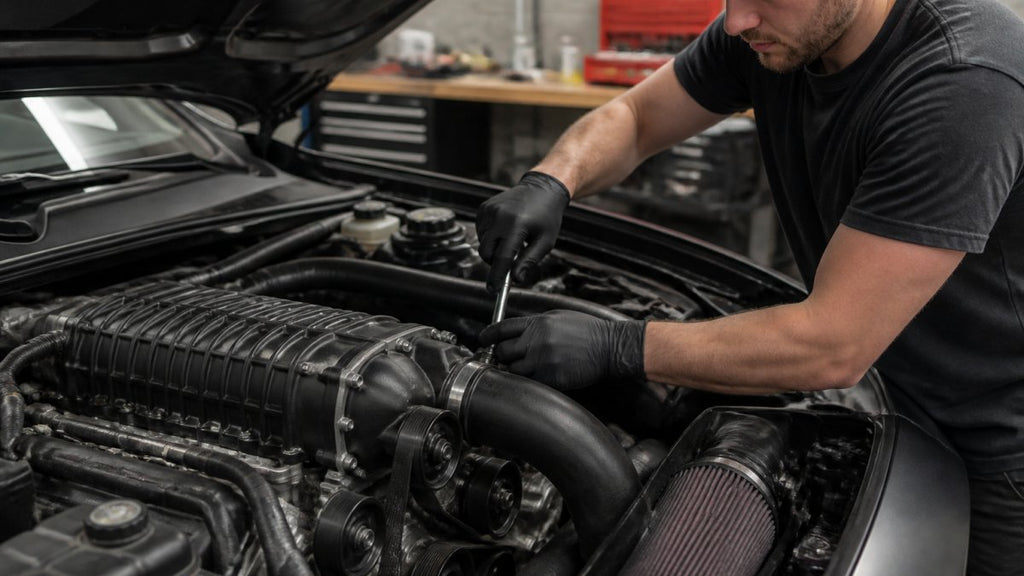
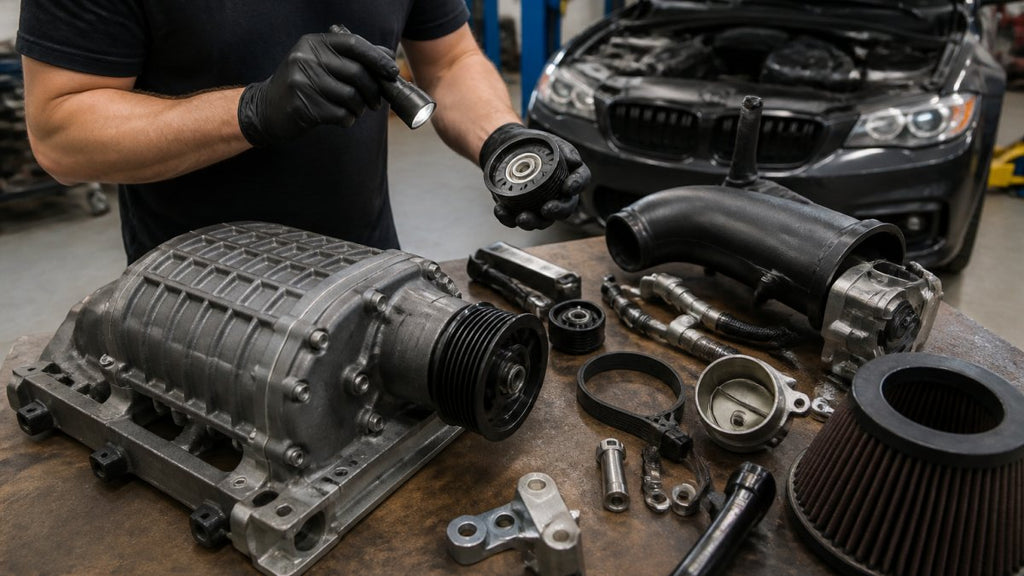
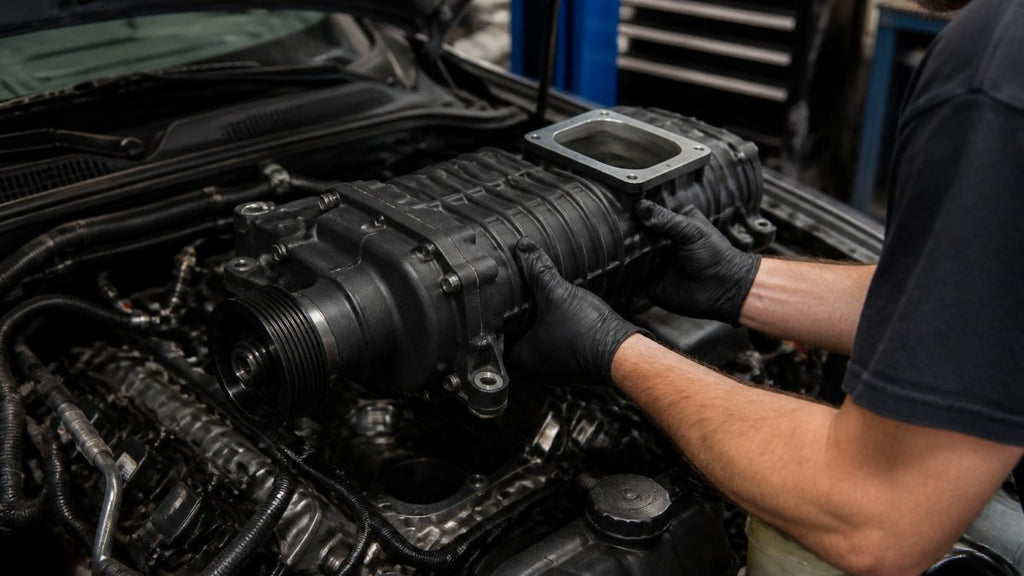
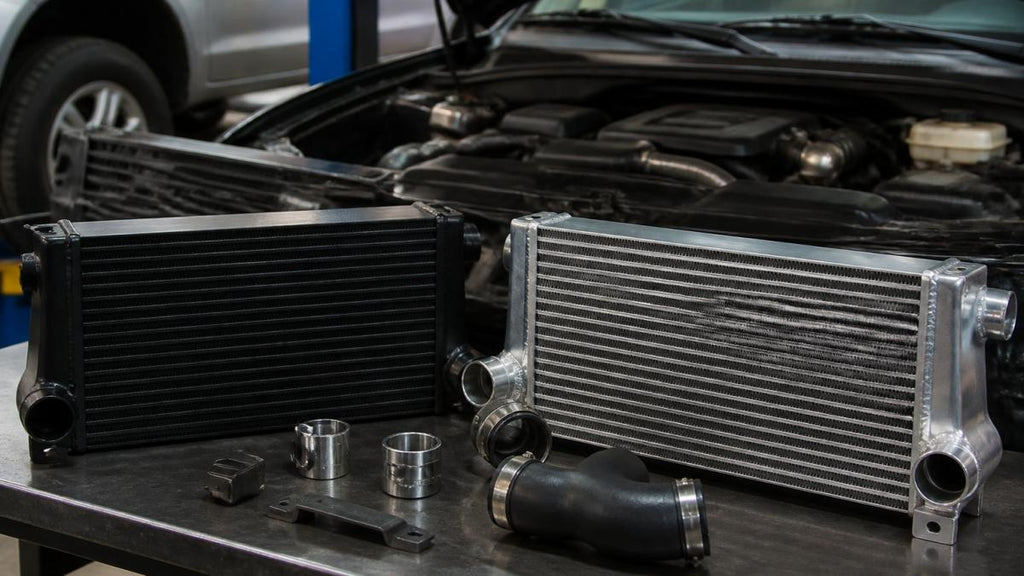
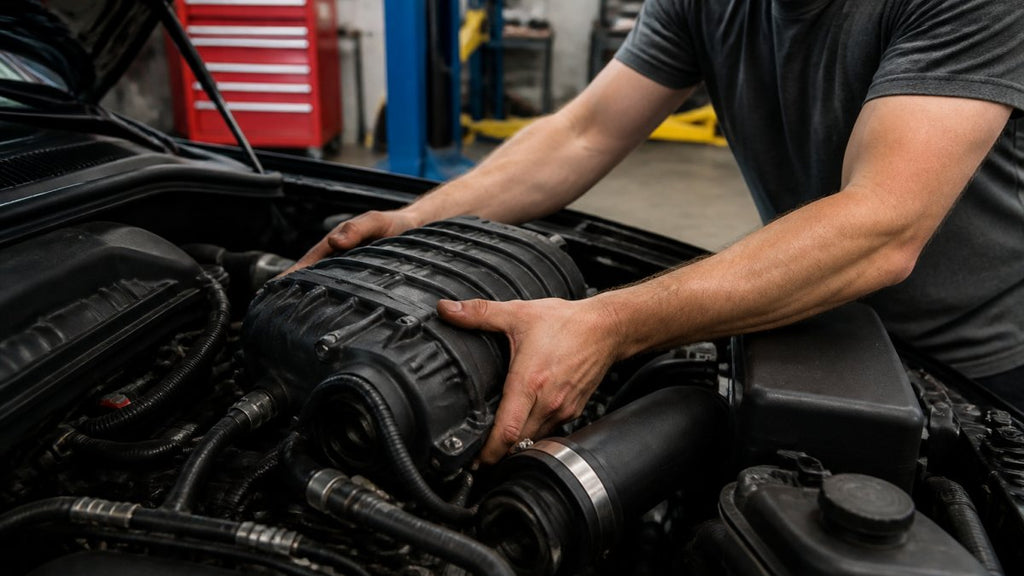
Installation complexity is real but manageable for someone with mechanical experience. A supercharger kit isn't bolt-and-go like an air intake. The VT Superchargers kit requires removing the intake manifold, installing the supercharger housing, routing intercooler piping, and connecting fuel system upgrades. Most professional shops estimate 8-18 hours of labor. At $100-150 per hour, that's $800-$2,700 in labor alone, on top of the kit cost.
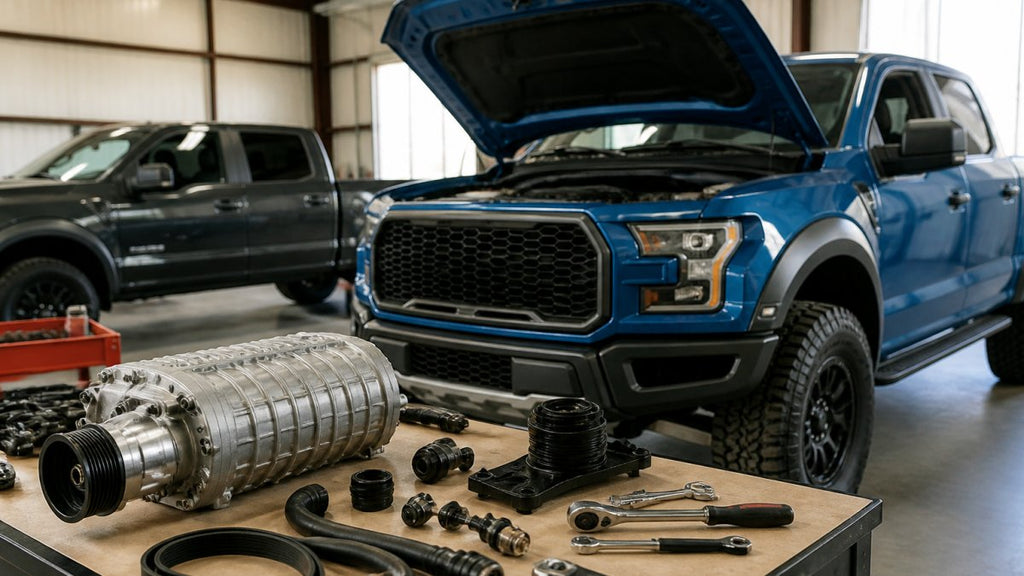
The VT Superchargers Toyota 4Runner 4.0 Supercharger Kit costs $5,950.00. Total out-of-pocket for complete professional installation runs $6,750-$8,650 depending on location and supporting upgrades. For someone with fabrication skills and access to a lift, DIY installation is possible but requires mechanical confidence and careful work with fuel lines, boost lines, and engine management.
The VT Superchargers 24-month warranty covers defects in materials and workmanship on the kit itself. It does not cover engine damage caused by improper installation, running low-octane fuel, neglecting maintenance, or pushing boost beyond safe limits. Your factory Toyota warranty is almost certainly voided once you install a supercharger. However, the supercharger kit warranty provides peace of mind that the forced induction system itself is covered.
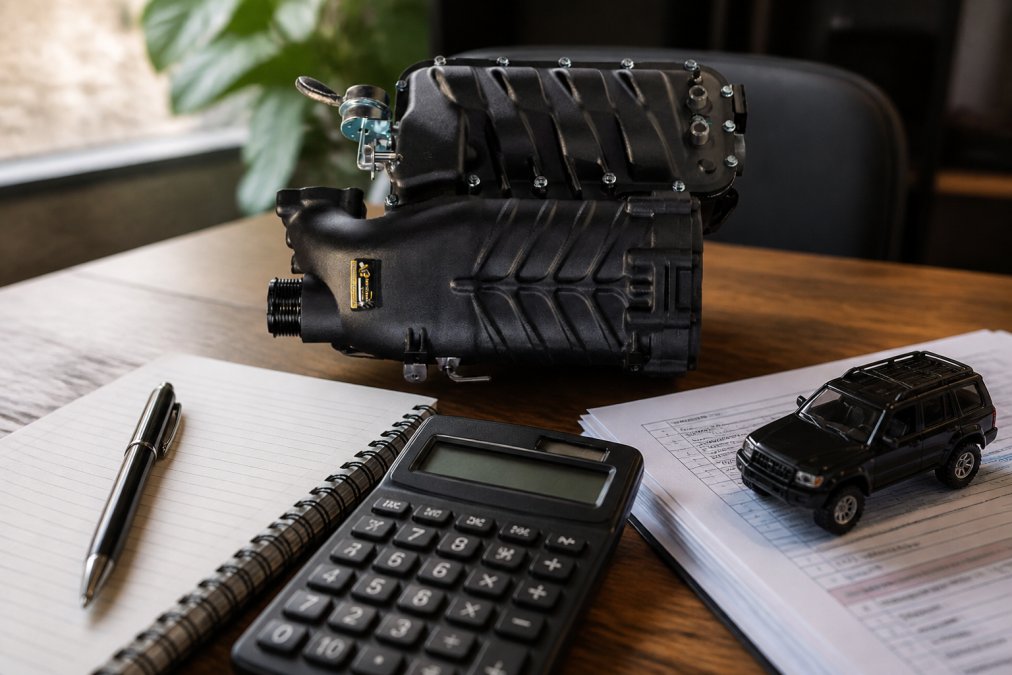
Most insurance companies don't care about bolt-on performance modifications. Your policy covers the vehicle, not specific parts. Check with your agent before installation.
Fuel Economy, Emissions, and Real-World Trade-Offs
Supercharging costs fuel economy. A supercharged 4Runner owner reported 12-14 MPG depending on driving habits, compared to 16-18 MPG for a stock truck. The supercharger only engages under load, so highway cruising at steady throttle uses minimal boost. But aggressive driving, merging, climbing, or passing activates the supercharger and fuel consumption jumps immediately.
Bolt-on supercharger kits using OEM-style fitment and proper tuning are street-legal in all 50 states. The VT Superchargers kit maintains emissions compliance, meaning your 4Runner will still pass state emissions testing. Professional tuning ensures compliance.
The real trade-off is cost versus benefit. A supercharger delivers 30-60% more horsepower, instant throttle response, and restored low-end torque. But it costs $6,750-$8,650 installed, requires premium fuel, reduces fuel economy, and accelerates engine wear. For an overland rig where performance and responsiveness matter for safety and capability, the investment is easier to justify than for a daily driver.
Supercharging a 4Runner overland build solves a real problem: the performance deficit created by heavier tires, bumpers, and gear. The VT Superchargers kit delivers 40-60% more horsepower and 30-50% more torque with precise OEM-style fitment and a 24-month warranty. If you're running an overland rig that feels sluggish on the highway or struggles on climbs, forced induction is the fastest path to restored capability. Get started with VT Superchargers and transform your 4Runner from a loaded cruiser into a genuinely responsive off-road platform.
=== FAQ ANSWERS (audit these too, same rules) ===
[1] Q: How much horsepower does a supercharger add to a 4Runner? A: A supercharger on a 4Runner 4.0L typically adds 40-60% more horsepower over stock. The VT Superchargers kit delivers 40-60% more horsepower and 30-50% more torque over stock. Real-world dyno results show gains of 80+ wheel horsepower, with some installations reaching nearly 400 hp total depending on supporting modifications and tuning.
[2] Q: Does supercharging affect 4Runner supercharger reliability long-term? A: Modern supercharger kits are engineered for durability when properly maintained. The VT Superchargers kit includes an intercooler to manage heat and comes with a 24-month warranty. Key to reliability is using premium fuel, maintaining regular service intervals, and following the tuning specifications. Forced induction does increase engine stress, but OEM-style bolt-on kits are designed to work within safe parameters for the 4.0L engine.
[3] Q: Should I get a supercharger or regear my 4Runner for better performance? A: Superchargers and regearing solve different problems. A supercharger improves overall throttle response, acceleration, and power delivery across the RPM band, helping with merging, passing, and climbing. Regearing addresses specific issues like gear hunting on highways with larger tires by optimizing the final drive ratio. For an overland build with added weight and bigger tires, a supercharger is often the better choice for drivability, though some builders eventually do both.
[4] Q: What's the real cost of supercharging a 4Runner, including installation? A: The VT Superchargers kit for the 4Runner 4.0L costs $5,950. Professional installation typically runs $800-$2,700 depending on your shop and whether additional tuning is needed. Total investment ranges from $6,750-$8,650. While this is a significant expense, owners report the power gains and improved drivability justify the cost for serious overlanders and performance enthusiasts who plan to keep the vehicle long-term.
Frequently Asked Questions
Q: How much horsepower does a supercharger add to a 4Runner?
A: A supercharger on a 4Runner 4.0L typically adds 40-60% more horsepower over stock. The VT Superchargers kit delivers 40-60% more horsepower and 30-50% more torque over stock. Real-world dyno results show gains of 80+ wheel horsepower, with some installations reaching nearly 400 hp total depending on supporting modifications and tuning.
Q: Does supercharging affect 4Runner supercharger reliability long-term?
A: Modern supercharger kits are engineered for durability when properly maintained. The VT Superchargers kit includes an intercooler to manage heat and comes with a 24-month warranty. Key to reliability is using premium fuel, maintaining regular service intervals, and following the tuning specifications. Forced induction does increase engine stress, but OEM-style bolt-on kits are designed to work within safe parameters for the 4.0L engine.
Q: Should I get a supercharger or regear my 4Runner for better performance?
A: Superchargers and regearing solve different problems. A supercharger improves overall throttle response, acceleration, and power delivery across the RPM band, helping with merging, passing, and climbing. Regearing addresses specific issues like gear hunting on highways with larger tires by optimizing the final drive ratio. For an overland build with added weight and bigger tires, a supercharger is often the better choice for drivability, though some builders eventually do both.
Q: What's the real cost of supercharging a 4Runner, including installation?
A: The VT Superchargers kit for the 4Runner 4.0L costs $5,950. Professional installation typically runs $800-$2,700 depending on your shop and whether additional tuning is needed. Total investment ranges from $6,750-$8,650. While this is a significant expense, owners report the power gains and improved drivability justify the cost for serious overlanders and performance enthusiasts who plan to keep the vehicle long-term.
This article was written using GrandRanker
Related post
09
Oct
RECENT POSTS