Off Road Performance Mods Guide for Real Torque
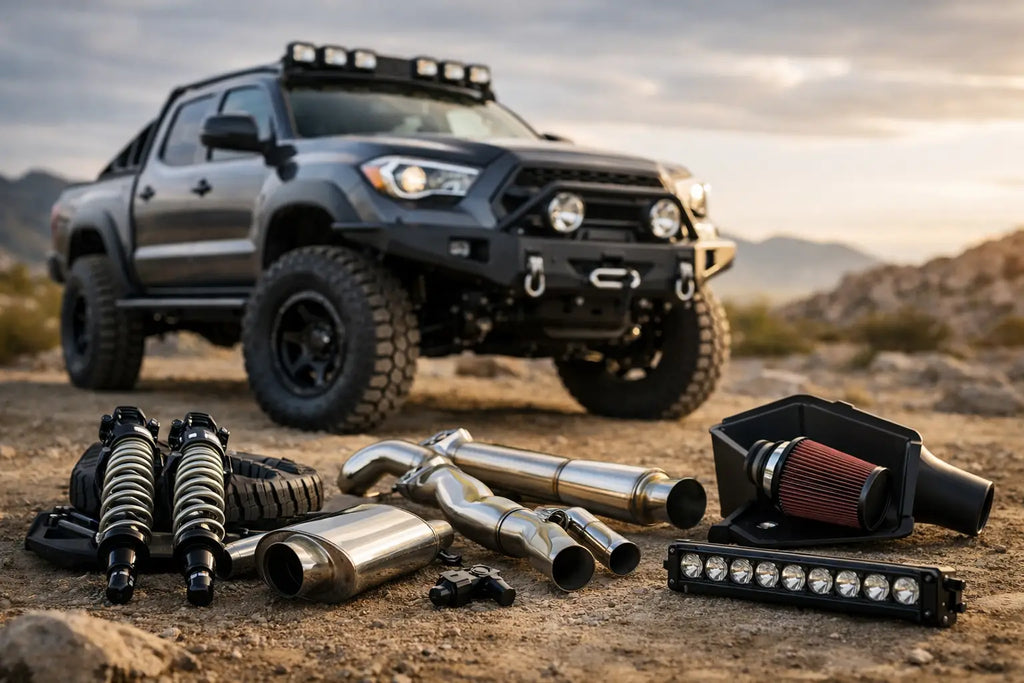
A Tacoma on 35s with a steel bumper, winch, bed rack, rooftop tent, and a weekend’s worth of gear can feel like somebody left the parking brake on. A Gladiator that once cruised easily now hunts gears on every grade. That is exactly why this off road performance mods guide starts with the problem owners feel from the driver’s seat: the rig got built up, but it got slower, less responsive, and harder to live with.
We see this all the time. Owners spend money where they can see it first - tires, armor, lights, suspension - then find out the factory engine and gearing were already working hard before the extra weight showed up. The right answer is not always maximum horsepower. It is building a truck or SUV that pulls cleanly, climbs without drama, and still drives like it belongs on the highway Monday morning.
Start With What Changed the Way Your Rig Drives
Before buying another part, be honest about what made the vehicle feel weak. Bigger tires are usually the first hit. A stock Toyota Tacoma or 4Runner with 31-inch tires is one thing. Move to a true 33 or 35, add heavier wheels, and the engine has more rotating mass to get moving every time you touch the throttle.
Then comes the real-world overland weight. A front bumper and winch, skid plates, sliders, rear bumper, drawers, fridge, recovery gear, fuel, water, passengers, and a tent can add several hundred pounds in a hurry. Most owners tell us their truck felt fine after one modification. It was the full collection of parts that changed it.
Altitude makes the complaint louder. A naturally aspirated 3.5L Tacoma, 4.0L 4Runner, Nissan Frontier, or Jeep Gladiator can feel acceptable near sea level, then noticeably flat climbing mountain roads loaded for camp. Passing takes planning. Towing a small trailer means the transmission is constantly downshifting. Off pavement, low-range gearing helps, but it does not fix weak midrange response when you are back on the street.
Write down your tire size, current gear ratio, actual loaded weight, towing use, and where you drive. That tells you more than a pile of forum opinions ever will.
Off Road Performance Mods Guide: Build in the Right Order
A good build starts with the parts that make the vehicle safer and more predictable, then restores the performance you gave away. There is no point adding power to a rig with worn brakes, vague steering, tired cooling components, or a suspension that cannot manage its load.
Tires and wheels: choose function over bragging rights
A 35-inch mud-terrain looks right under a lifted Gladiator or Tacoma, but it is not a free upgrade. Heavy tires can dull acceleration, lengthen braking distances, and make the vehicle wander if the suspension and alignment are not sorted. Aggressive tread also adds road noise and can hurt wet-road confidence.
For a lot of 4Runner and Tacoma owners who drive to work all week and hit forest roads on weekends, a quality all-terrain in a sensible 33-inch size is the sweet spot. You get ground clearance, sidewall, and trail traction without turning every hill climb into a full-throttle event. If you truly need 35s for the terrain you run, build around them properly. Do not pretend they behave like stock tires.
Wheel weight matters too. A strong wheel is good. An unnecessarily heavy wheel paired with a heavy tire is a double hit you feel in throttle response and ride quality.
Suspension, alignment, and steering come before speed
Lift kits do not automatically improve off-road performance. A cheap spacer lift may clear a bigger tire, but it can leave you with poor shock control, awkward suspension angles, and a ride that beats you up on washboard roads. One of the biggest complaints we hear is, “It looks great, but it drives worse than stock.”
Use springs and shocks matched to the real weight on the truck. A Tacoma with a winch bumper and constant bed gear needs a different setup than a lightly loaded daily driver. The same goes for a 4Runner carrying drawers and a rear swing-out. Get a proper alignment after the lift, inspect upper control arms where appropriate, and address steering play before adding more load or power.
On a Wrangler or Gladiator running 35s, steering geometry is not optional. Proper caster, track-bar condition, ball joints, and tire balance are what keep the Jeep calm at 70 mph. More horsepower will not cure a wandering front end.
Brakes, cooling, and recovery are the grown-up mods
Nobody gets excited about brakes until they are coming down a long grade with a loaded rig. Larger tires and added weight demand more from pads, rotors, fluid, and the driver. Fresh quality components and properly serviced brake fluid are cheap insurance compared with the rest of a build.
Cooling deserves the same respect, especially for towing, desert travel, and slow technical trails. Check the radiator, hoses, fan operation, coolant condition, and transmission cooling before you ask more of the vehicle. After installing hundreds of kits, we can tell you that clean, dependable supporting systems are what separate a fun build from a rig that is always in the shop.
Recovery points, a real recovery strap, a tire repair kit, an air compressor, and a way to air down are performance parts in the real world. They keep a small mistake from ending the trip. Just make sure recovery gear is rated, mounted correctly, and used by somebody who understands the forces involved.
Regear when tire size demands it
Regearing is one of the most effective ways to make a larger-tire build feel normal again. It improves launch feel, puts the engine back in a more useful range, and reduces the constant gear hunting that drives owners crazy. A Tacoma or Frontier on 35s with stock gearing can feel lazy even with a healthy engine. Correct axle gears can make a major difference.
But gearing is not a magic answer for every owner. It is a substantial job, it needs to be set up correctly, and highway rpm will change. The right ratio depends on tire diameter, transmission, engine, towing weight, and how much interstate driving you do. A trail-only rig and a cross-country overland truck should not be geared by the same rule of thumb.
Where Forced Induction Fits
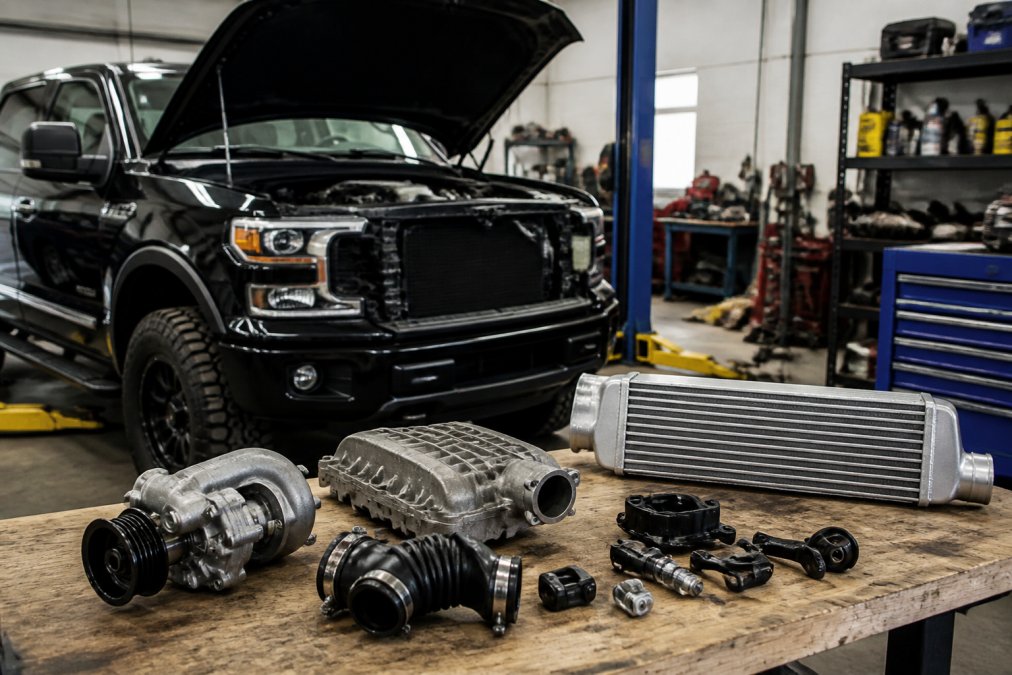
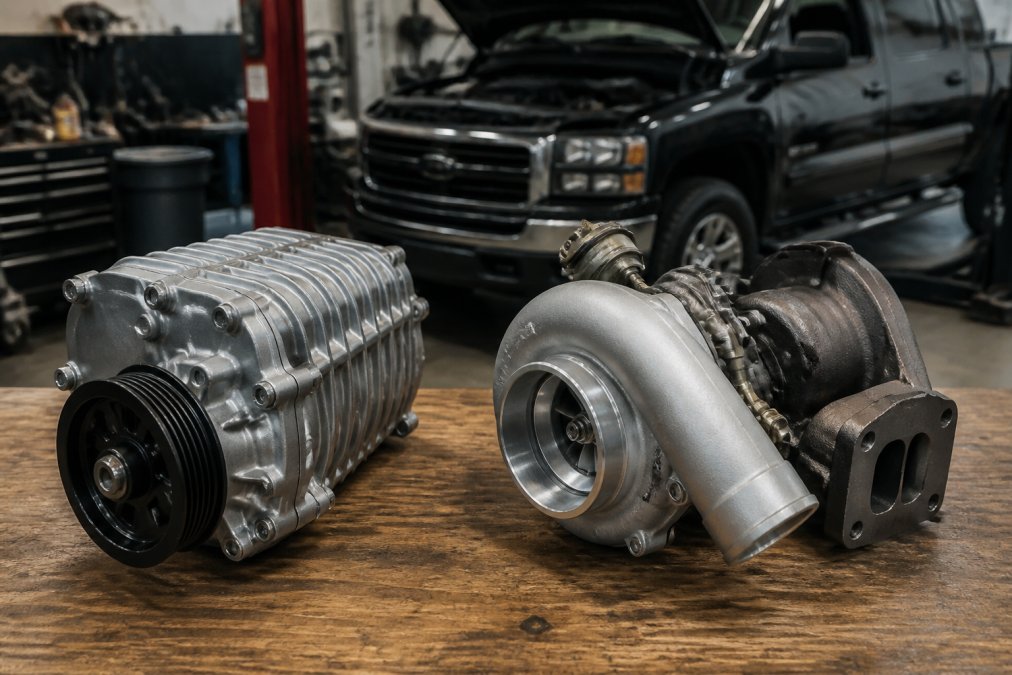
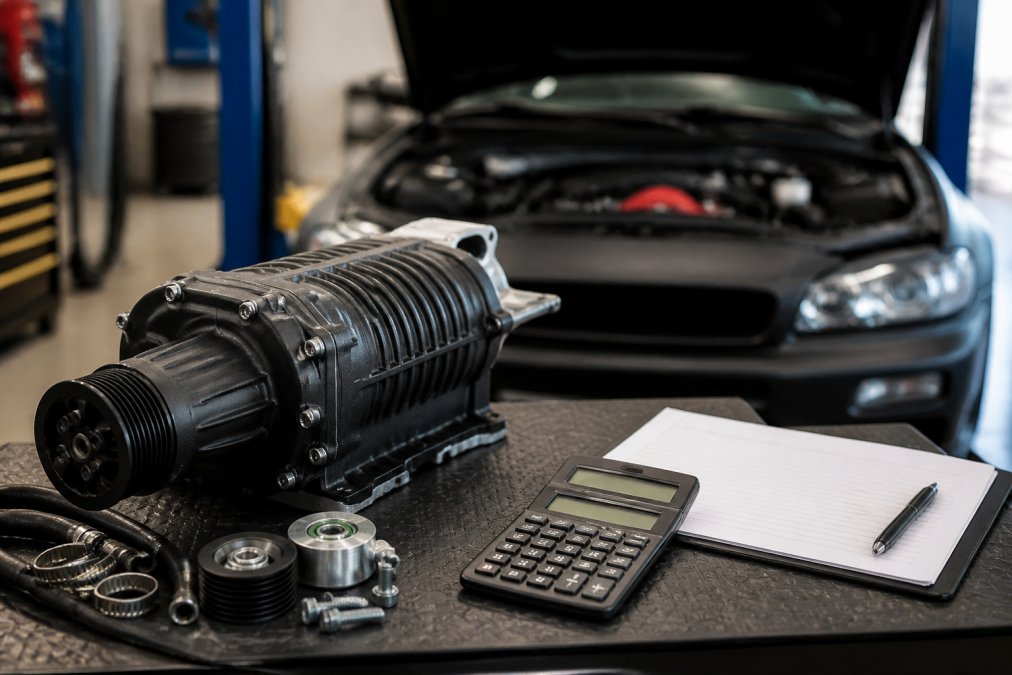
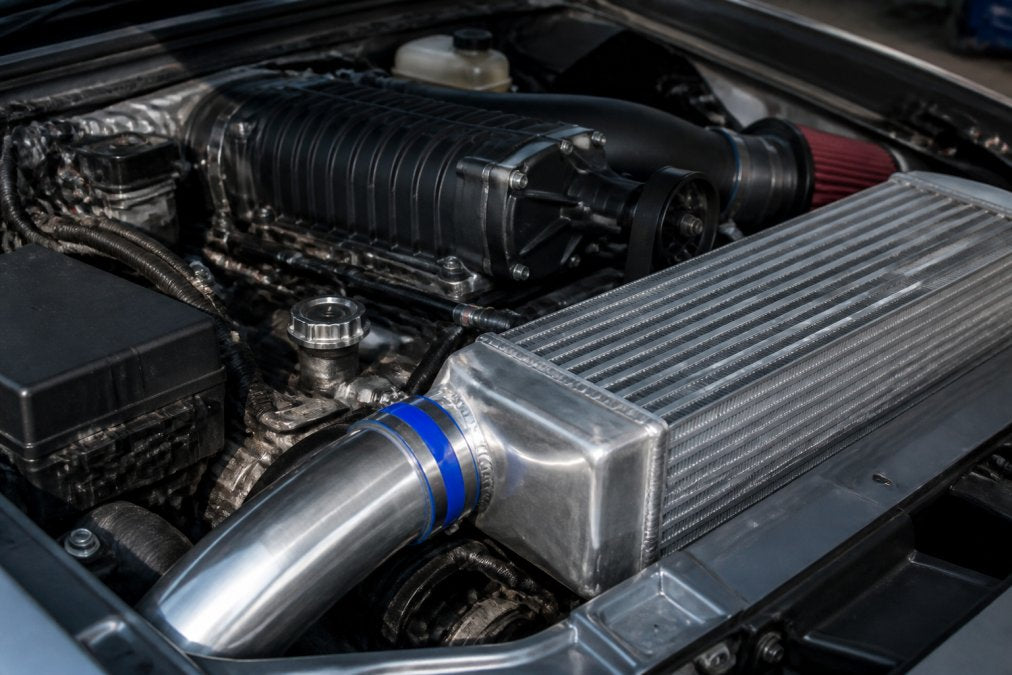
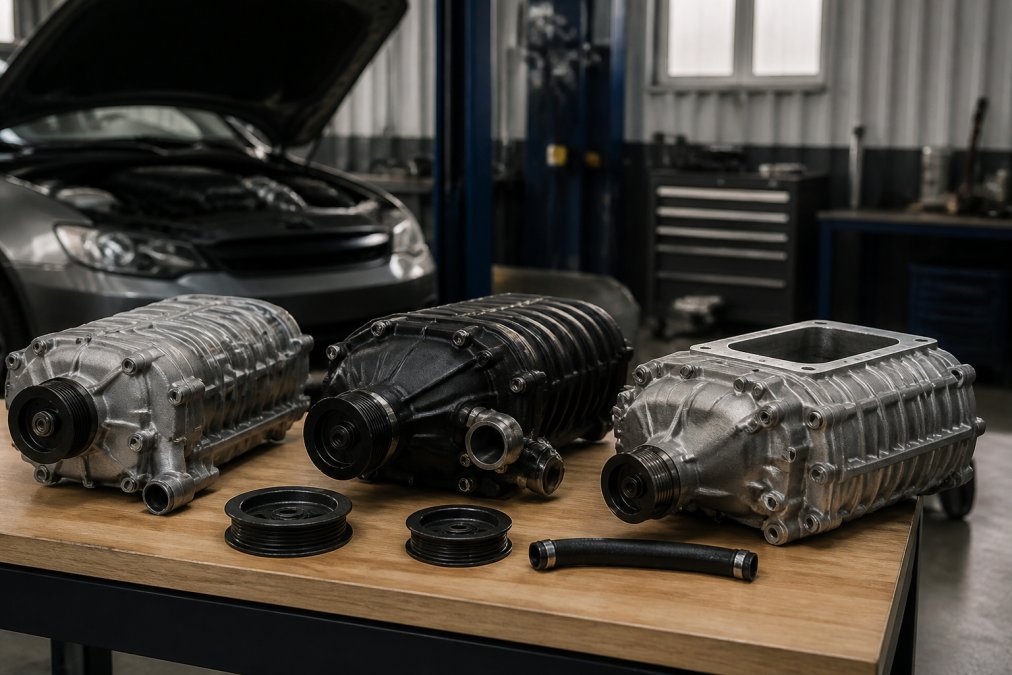
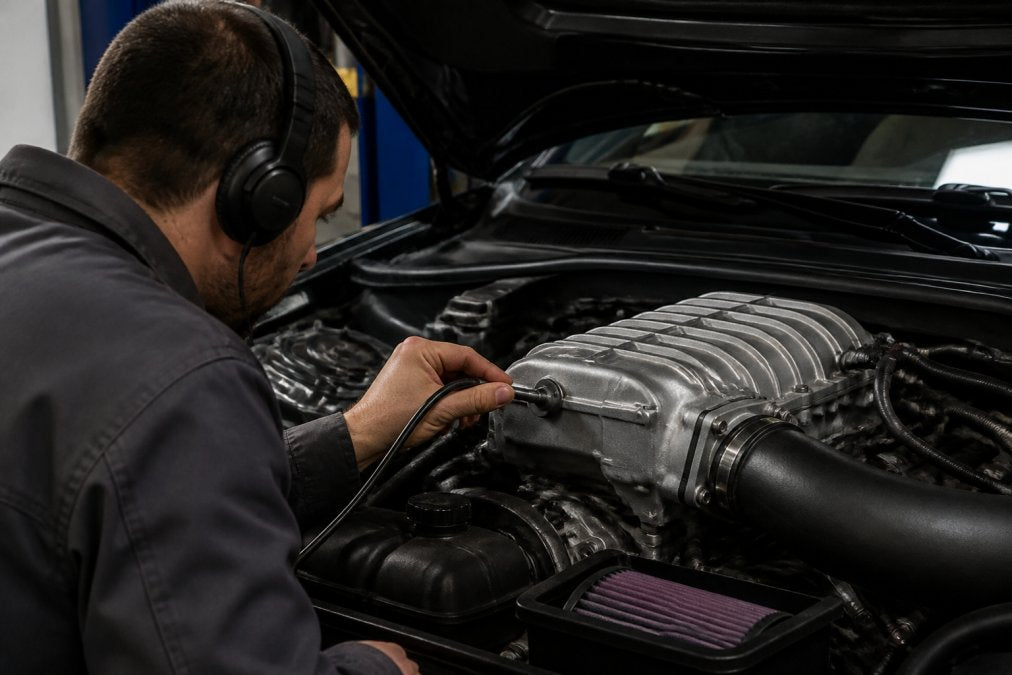
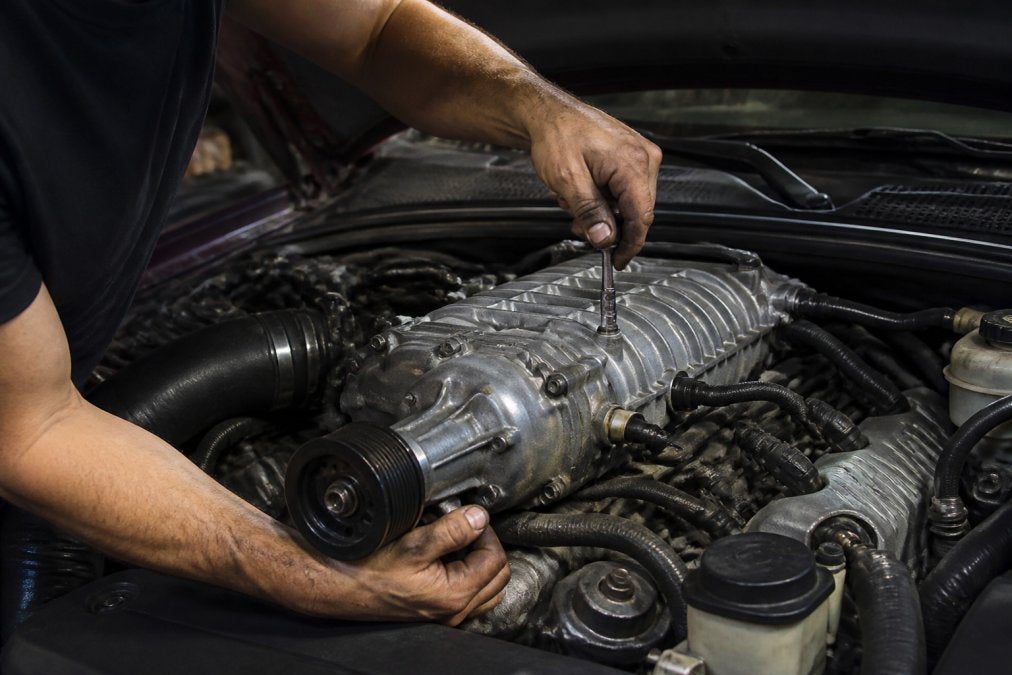
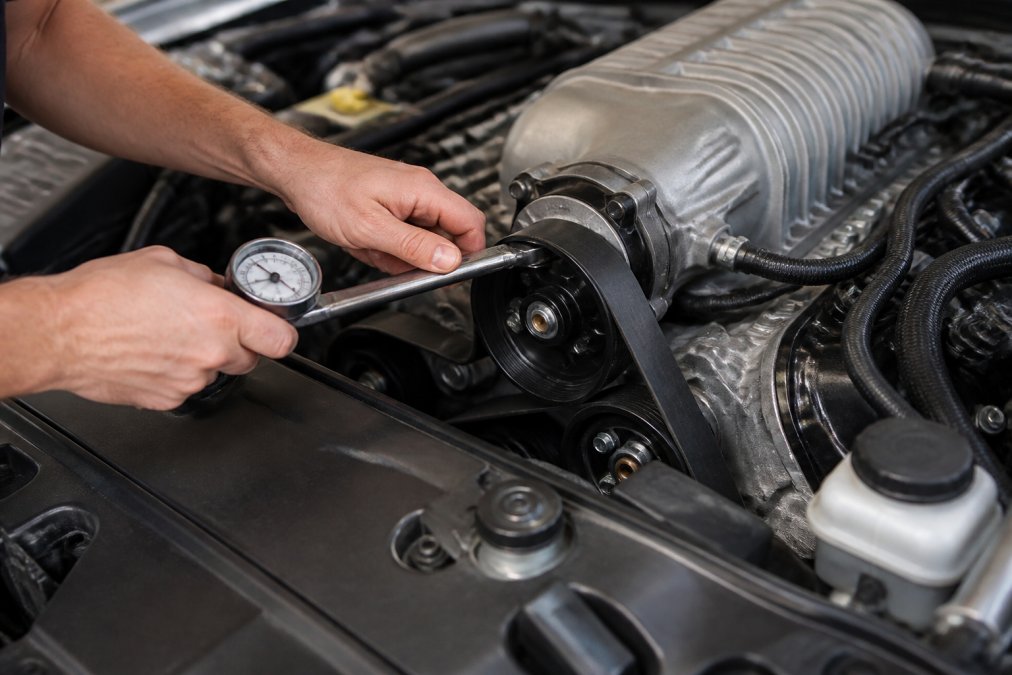
Once the chassis, brakes, cooling, and tire plan are sorted, power becomes the mod you feel every single time you drive. This is where a properly engineered bolt-on supercharger makes sense for owners who want their Tacoma, 4Runner, Gladiator, Mazda 3, or Frontier to pull with authority without turning the vehicle into a temperamental custom project.
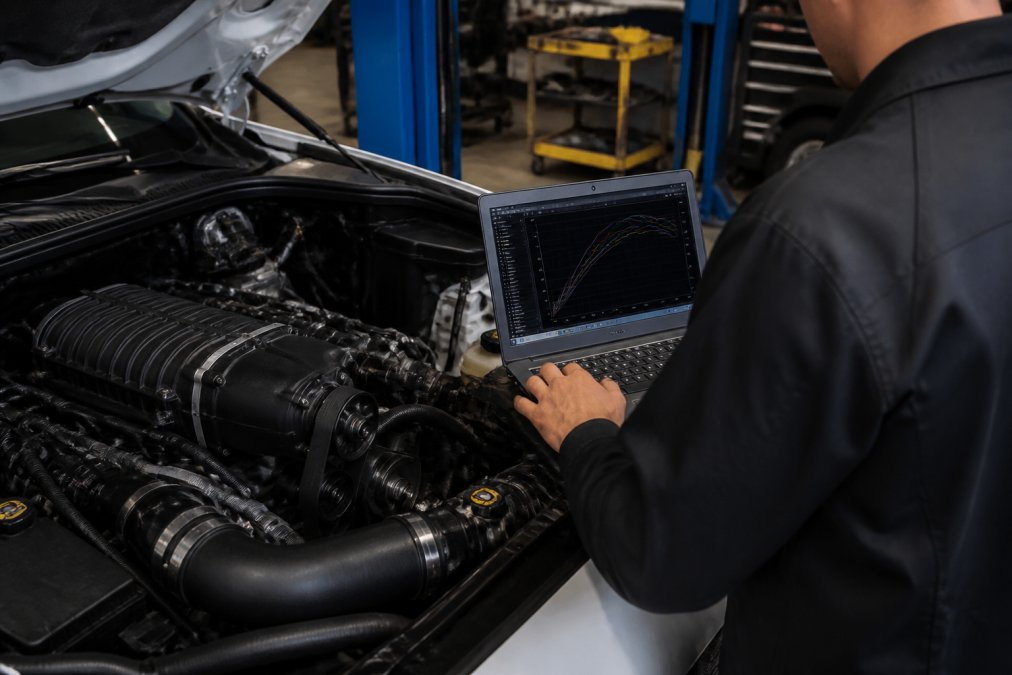
The number on a dyno sheet gets attention. The real benefit is the torque and throttle response in the range you actually use. You feel it merging with traffic, rolling into a pass at 55 mph, pulling a camper through a grade, or easing through sand where the engine used to fall flat between shifts.
A supercharger does not replace appropriate gearing, and it does not make overloaded suspension or neglected cooling disappear. What it can do is give a built-up vehicle the strength its factory engine no longer has after bigger tires, armor, and gear. Most owners tell us the biggest change is not full-throttle power. It is that the truck stops feeling strained during normal driving.
Proper tuning is the line between a clean installation and a headache. Use a vehicle-specific system with proven calibration, follow the installation instructions, run the required fuel, and deal with maintenance items before bolting on power. If you are not comfortable with the work, use an approved installer who knows the platform. At VT Superchargers, that OEM-like fitment and long-term drivability matter more than chasing a number that only looks good online.
Match the Build to Your Actual Weekend
A desert Tacoma that runs fast dirt roads needs different priorities than a 4Runner built for Colorado passes or a Gladiator that tows a side-by-side. Fast washboard travel rewards quality dampers, sensible tire weight, cooling, and control. Rocky trails reward clearance, armor, gearing, and careful throttle. Long highway miles with camping gear reward stable suspension, brakes, usable power, and low fatigue.
Do not build for the hardest obstacle you saw in a video if 90 percent of your miles are commuting, towing, and driving to the trailhead. There is nothing soft about a truck that starts every time, tracks straight, stops hard, and has enough midrange torque to pass without burying the pedal.
Build the foundation first, then add the power that makes the whole package work. When the truck feels lighter, pulls harder, and quits downshifting every time the road tilts up, you will know you spent the money in the right place.
Related post
RECENT POSTS