Is a Bolt-On Supercharger Kit Worth It for Beginners
Table of Contents
- The Real Cost of a Bolt-On Supercharger Kit
- How Much Horsepower Do Superchargers Add
- Bolt-On Supercharger Kit Installation Tips for DIY Beginners
- Supporting Modifications You Cannot Skip
- Reliability, Warranty, and Long-Term Engine Health
- Pros and Cons: Is It Worth It for Your Situation
- Conclusion: Making Your Decision
Last Updated: August 30, 2026
The Real Cost of a Bolt-On Supercharger Kit
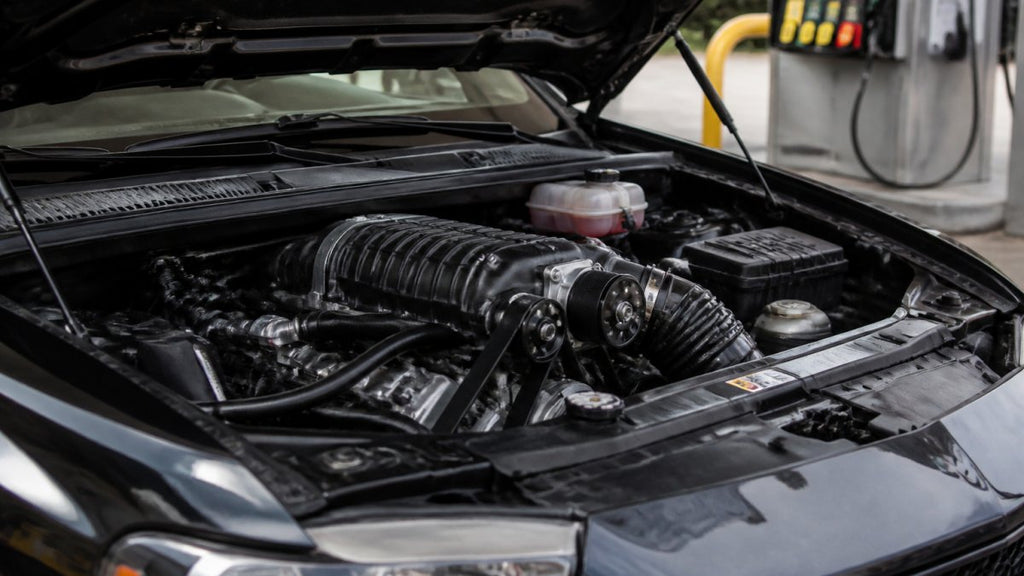
Most beginners think a bolt-on supercharger kit is straightforward: buy it, bolt it on, drive away with more power. The reality is messier. The advertised price typically covers only about 60% of the actual cost to get a functioning, reliable system on your vehicle.
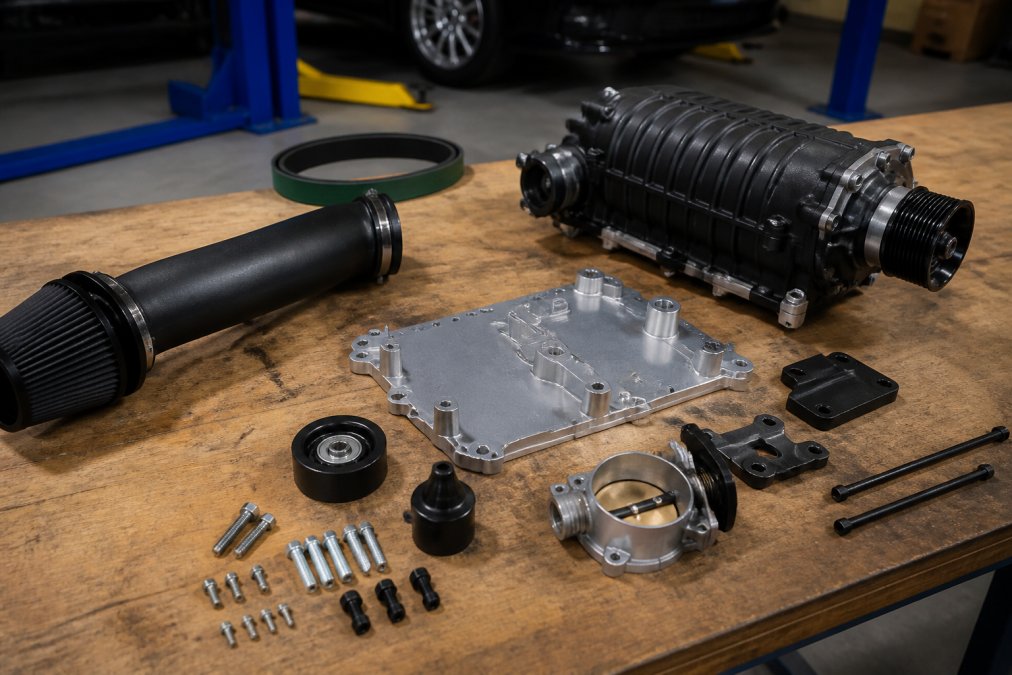
According to Big Truck Lovers and Motor Hills research, installation labor alone ranges between $500 and $2,500. A bolt-on supercharger kit from VT Superchargers for a Toyota Tacoma 2.7L starts at $4,900, but that doesn't include supporting modifications. You'll need upgraded fuel injectors ($300-$600), a higher-flow fuel pump ($200-$400), a professional dyno tune ($400-$800), and spark plugs gapped for boost ($50-$100). Total cost: $6,500-$8,500 before installation labor.

Watch Out
Ignoring supporting modifications in the first 500 miles can lead to catastrophic engine failure. A stock fuel system cannot deliver the air-fuel ratio required under boost, leading to lean conditions that destroy pistons and valves.
For DIY installation with basic mechanical skills, you might save $1,500-$2,500 in labor. Professional installation typically costs $1,500-$2,500 depending on your vehicle. VT Superchargers offers financing to spread these costs. The key question isn't whether you can afford the kit itself, it's whether you can afford the complete system, tuning, and labor without cutting corners on safety.
How Much Horsepower Do Superchargers Add
Most bolt-on supercharger kits deliver 40-60% more horsepower, translating to an additional 120-180 hp on a stock 300-hp engine. According to Smart Financial and Market.us data, superchargers provide a 30% to 50% boost in horsepower across different platforms.
Research from MDPI's mechanical supercharging study shows that mechanical supercharging improved torque by an average of 10.8% at full load and 24.4% at 60% load, with thermal efficiencies improving by 0.8% and specific fuel consumption reducing by approximately 9.5%.
Real-world examples illustrate the gains. Lebanon Ford Performance's Whipple Gen 6 3.0L supercharger kits for Ford Mustang GT achieve 810 HP and 640 ft-lb of torque on 93 octane fuel for around $14,500-$15,000 installed. For LS engines, A&A Corvette Performance customers report 693 wheel horsepower with an A&A V3 TI kit. For the Toyota Tacoma 4.0L 1GR-FE, a VT Superchargers kit delivers 40-60% more horsepower and 30-50% more torque at 7 PSI of boost, pushing a stock 270-hp engine into the 378-432 hp range.
Torque gains matter as much as horsepower, especially for towing and off-road driving. Superchargers provide instant torque delivery with no turbo lag, power arrives immediately when the throttle is pressed. This is prioritized by 64% of U.S. buyers who value instant torque delivery below 2,000 RPM, according to VT Superchargers analysis.
Pro Tip
[Don't compare supercharger gains to turbocharger gains](/blogs/news/supercharger-vs-turbo-for-towing-2026-comparison). Superchargers deliver power instantly across the entire RPM range, while turbos build boost gradually. For daily driving, the instant response is often more noticeable than peak numbers.
Bolt-On Supercharger Kit Installation Tips for DIY Beginners
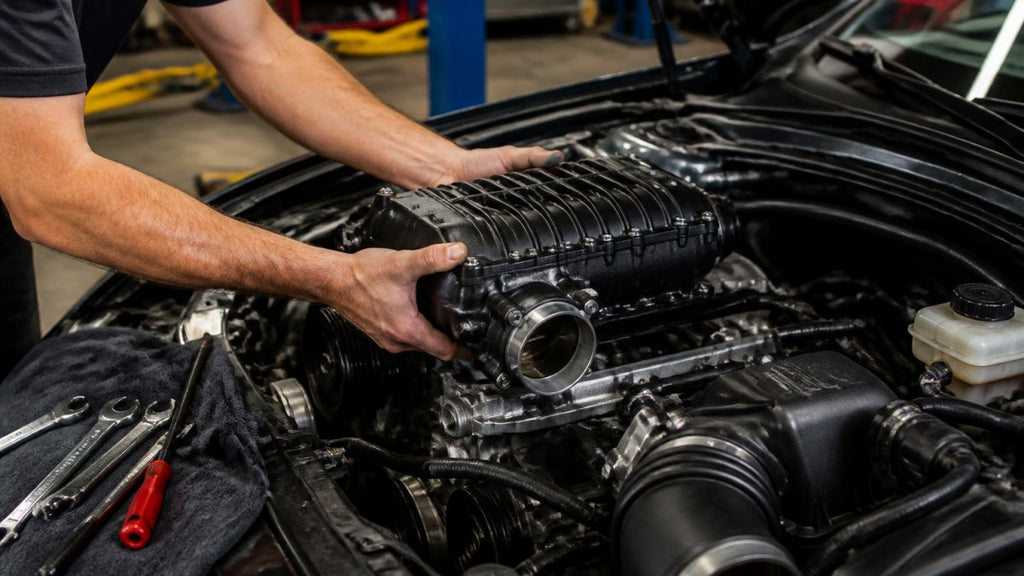
Installing a bolt-on supercharger kit is technically possible for a mechanically competent owner, but it's not beginner-friendly. Installation takes 8-16 hours, and many first-time installers end up paying a shop $1,500-$2,500 for professional installation instead.
First, confirm your vehicle's exact engine code and model year. VT Superchargers kits are engineered for specific platforms, a Mazda 6 2.0L Skyactiv-G kit ($4,600) won't fit a different generation. Mismatched fitment leads to vacuum leaks and system failure.
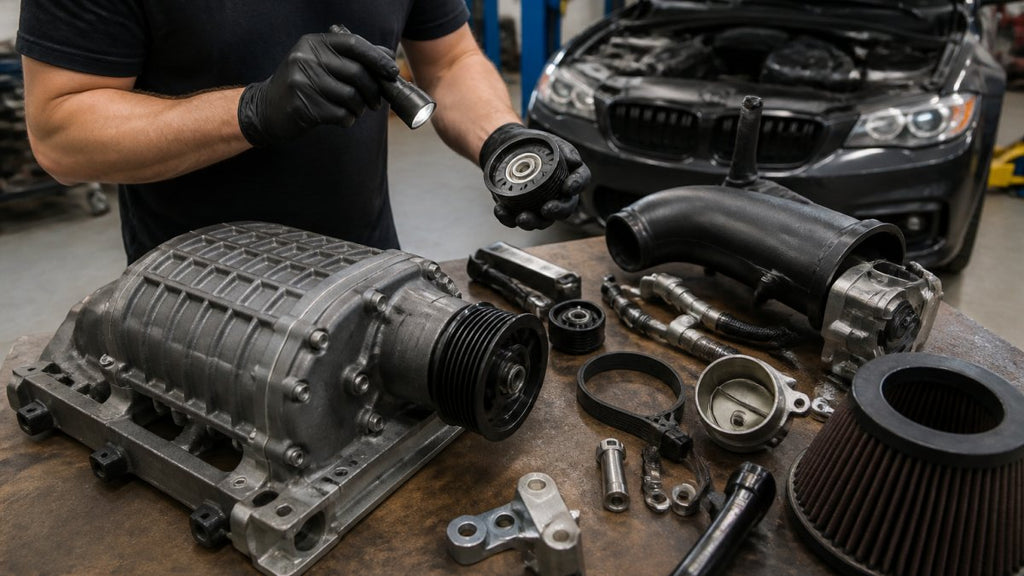
Gather the right tools: socket sets, torque wrenches, coolant hoses, hose clamps, and access to a lift or jack stands. You'll need a safe workspace where the vehicle can remain stationary for 8-16 hours. Many DIYers underestimate the cooling system work, water lines, intercooler hoses, and radiator routing all require careful attention to avoid heat soak.
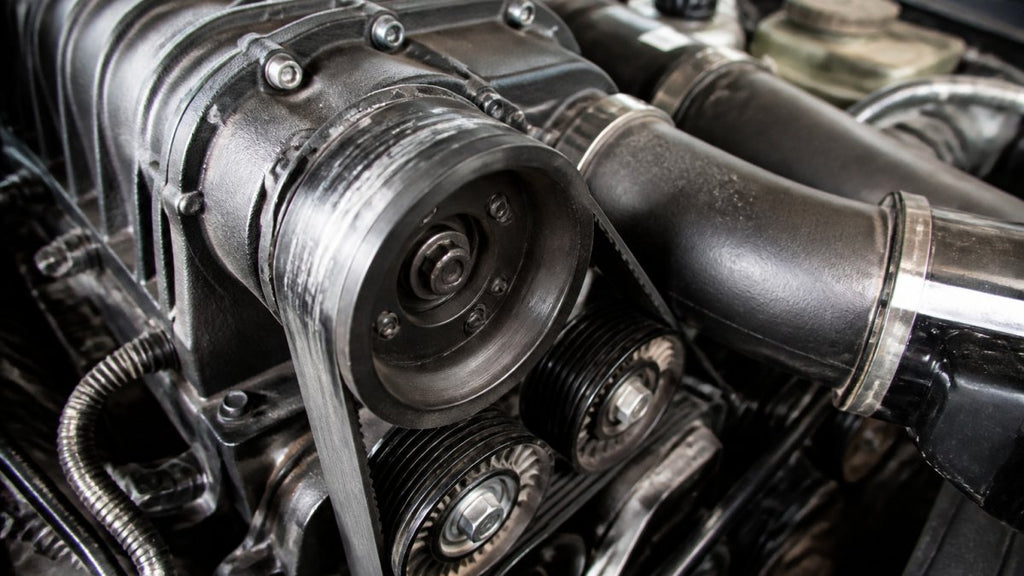
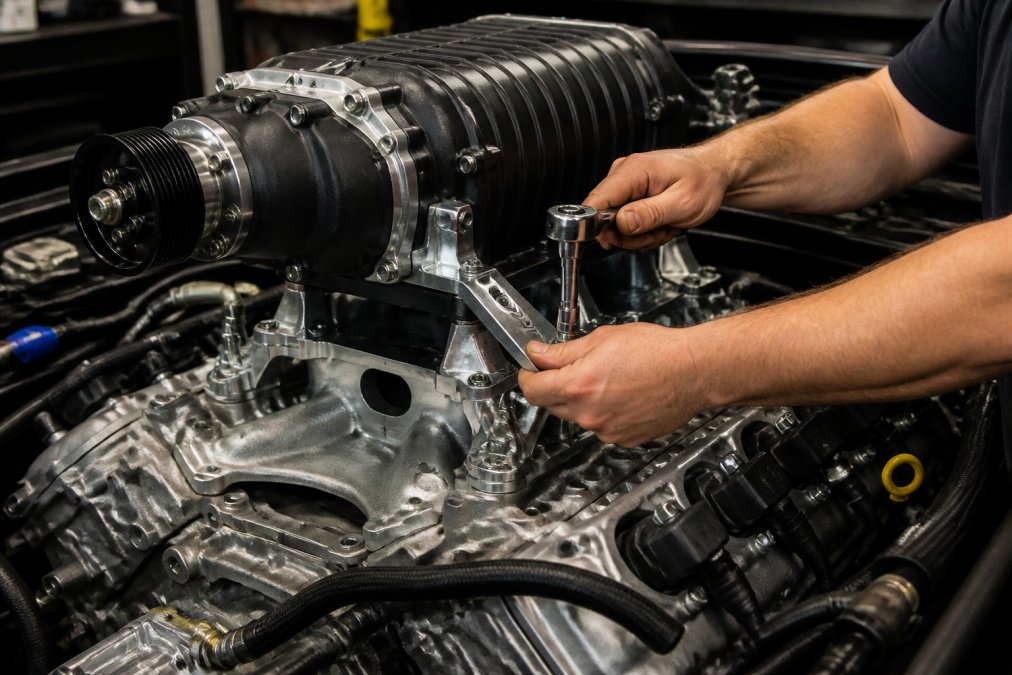
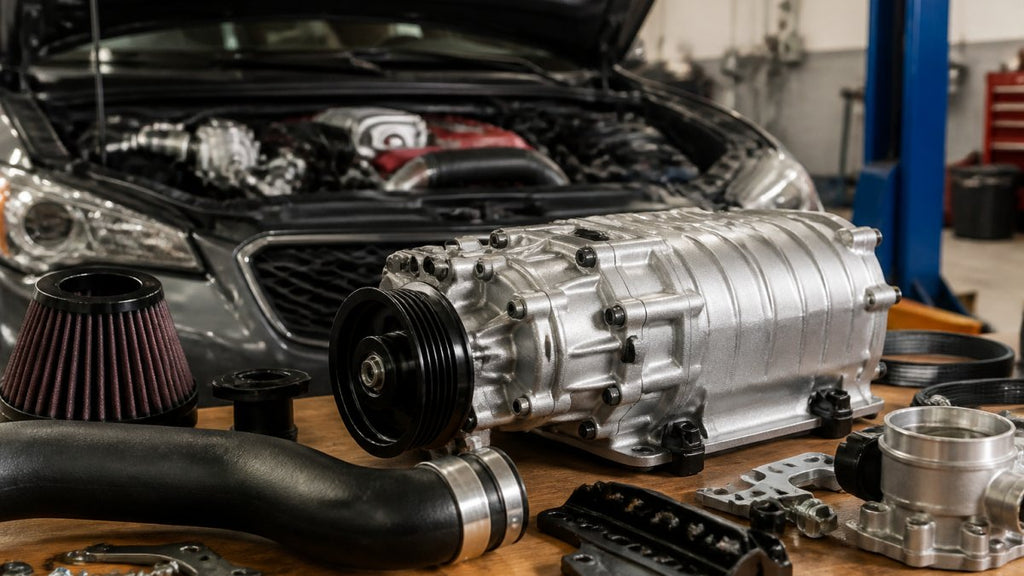
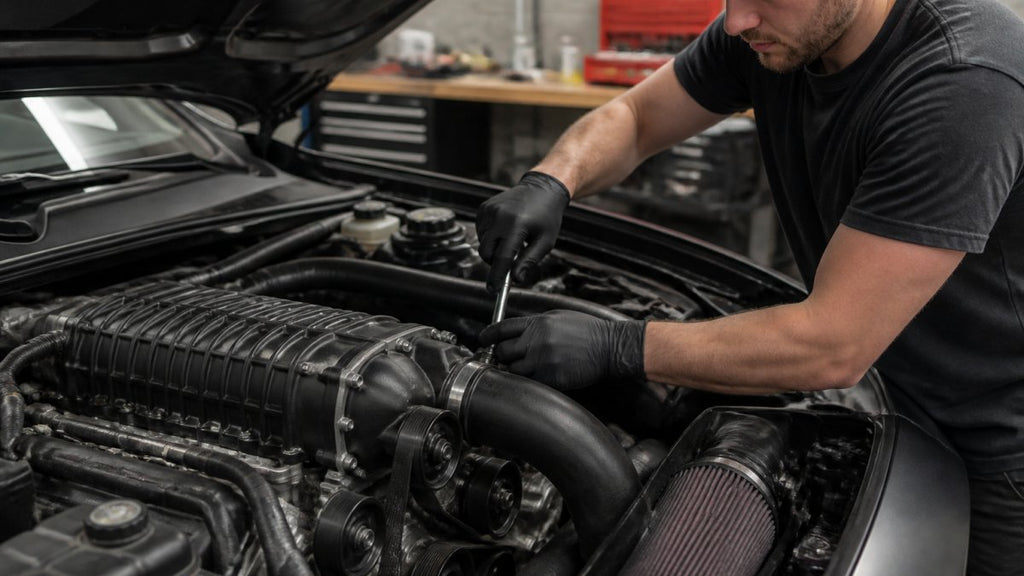
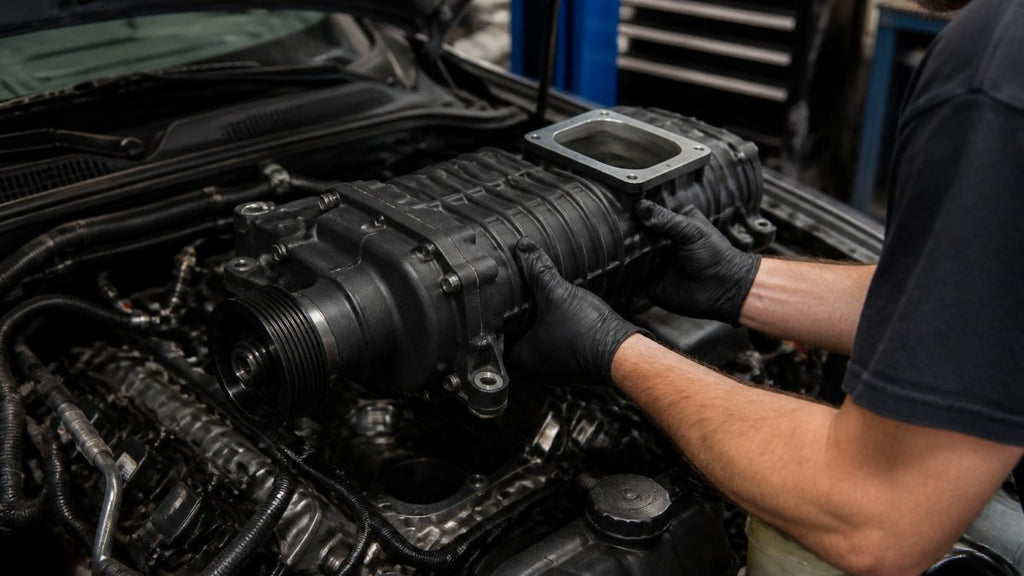
The intake manifold bolts to the engine first, followed by the supercharger unit. OEM-style fitment uses factory mounting points, simplifying the job. However, you must ensure proper belt tension on the serpentine belt and idler pulley. Incorrect tension causes belt slip, reducing boost pressure.
After physical installation, professional ECU tuning is non-negotiable. Without transmission recalibration, a supercharger alone may worsen gear hunting on automatic transmissions. The tune adjusts fuel injection timing, ignition timing, and boost pressure to match your engine's compression ratio and fuel octane rating.
Key Takeaway
The installation itself is manageable for a mechanically competent owner. The tuning is where most beginners struggle. Budget $400-$800 for a quality dyno tune and plan for a 2-4 week turnaround time.
Supporting Modifications You Cannot Skip
A bolt-on supercharger forces significantly more air and fuel into your engine. The stock fuel system, cooling system, and ignition timing were never designed for this stress. Ignoring supporting modifications is the fastest way to destroy an engine.
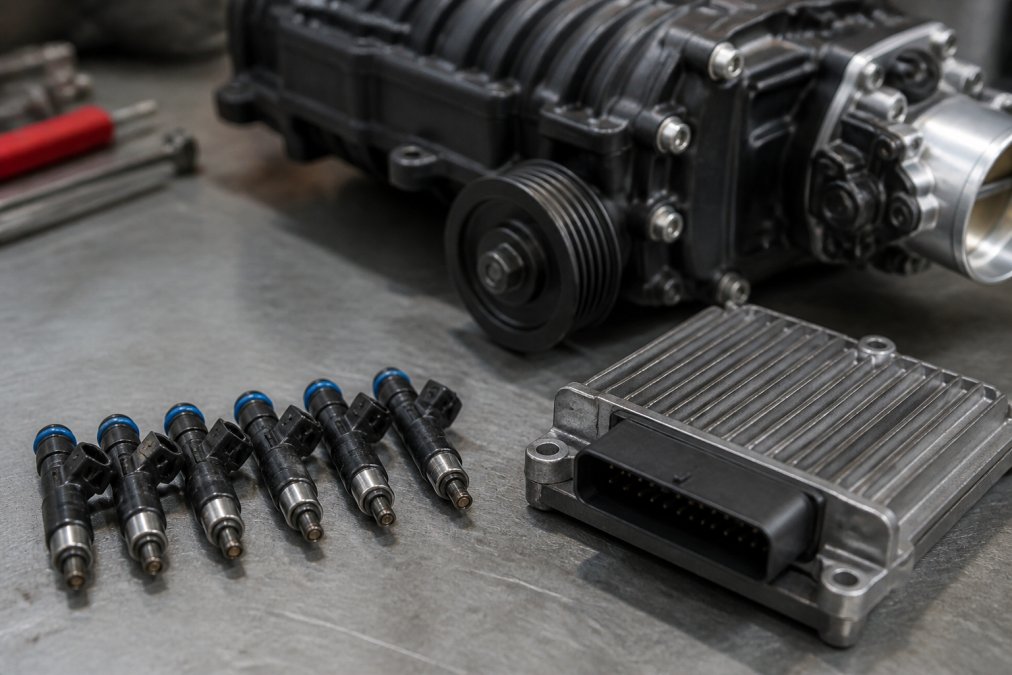
Fuel System Upgrades are non-negotiable. Stock fuel injectors max out around 280-300 cc/min flow. Under boost, your engine needs 400-500 cc/min to maintain proper air-fuel ratio. Upgraded injectors cost $300-$600 and must be professionally installed and tuned. A higher-flow fuel pump ($200-$400) ensures adequate fuel pressure under sustained boost.
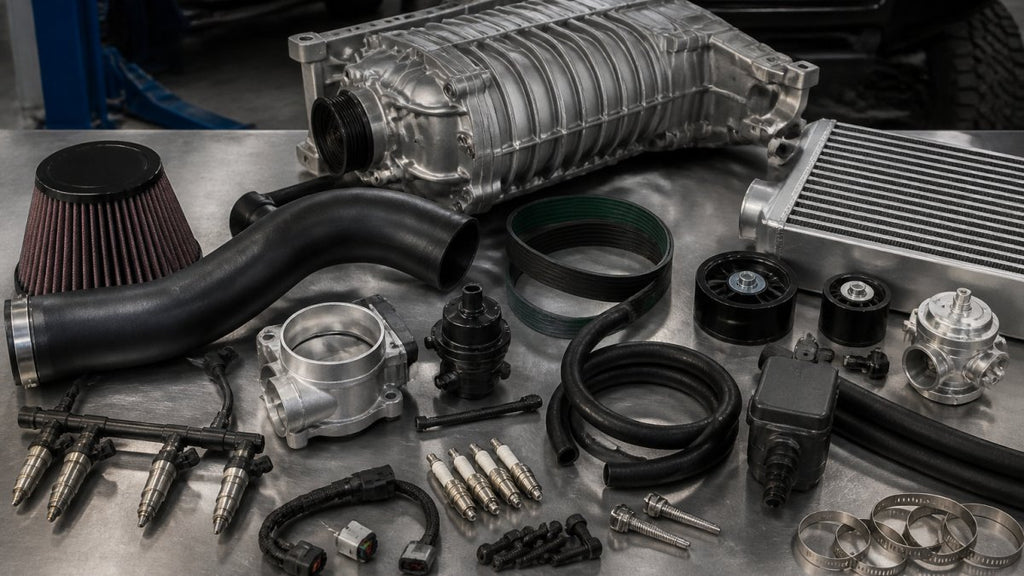
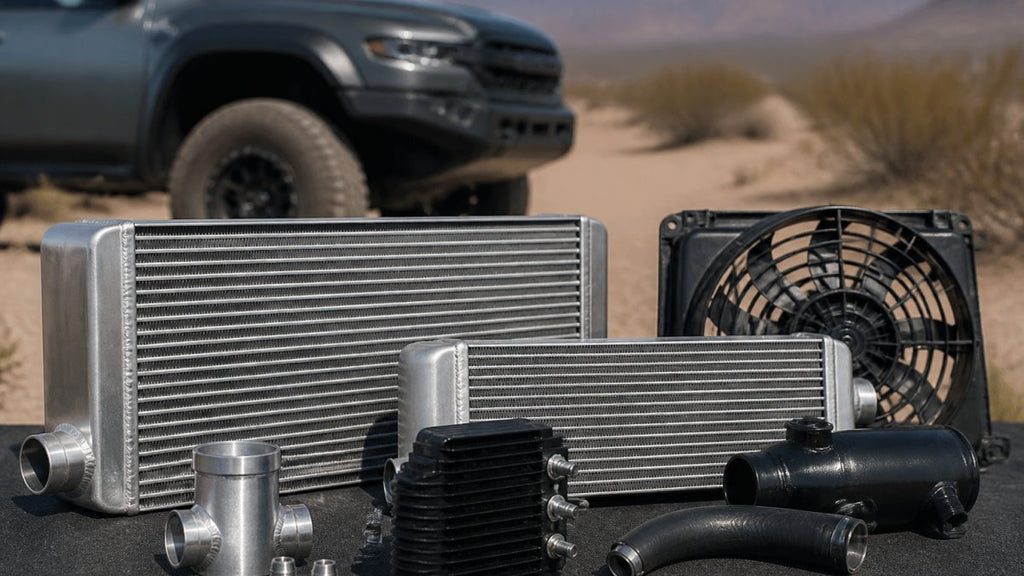
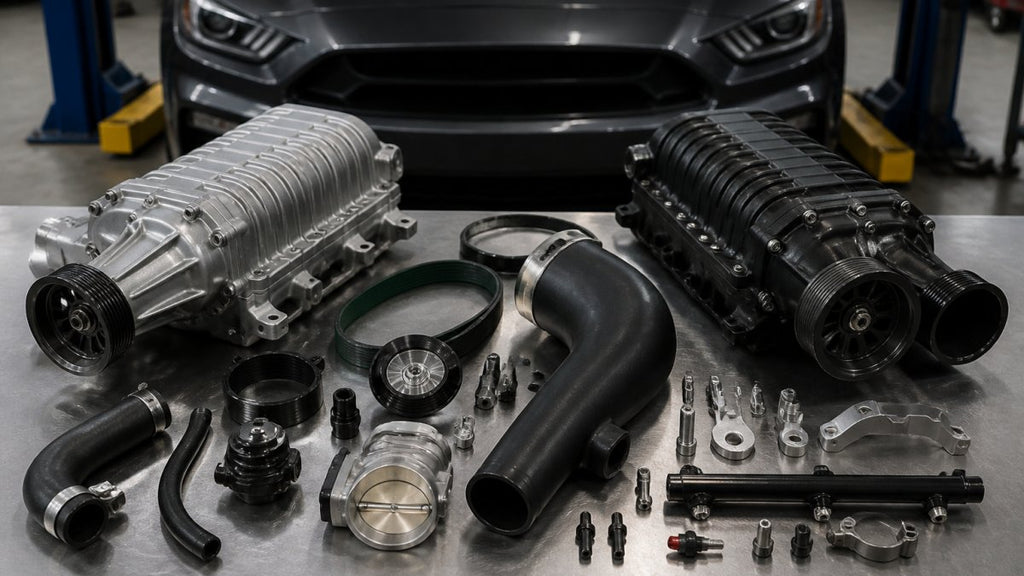
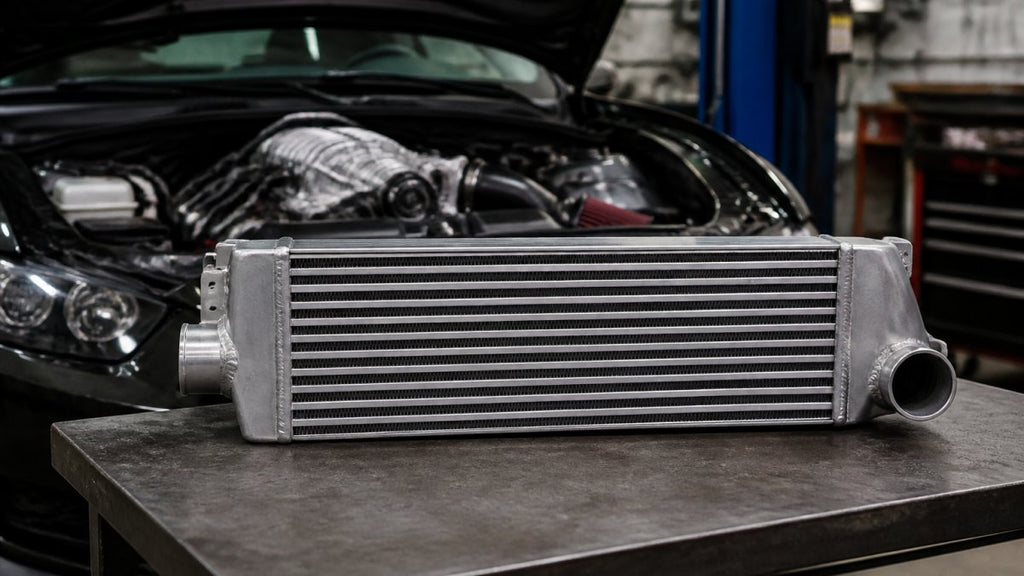
Cooling System Work prevents heat soak, which destroys performance and reliability. Most VT Superchargers kits include a mid-mounted water-to-air intercooler and front-mounted heat exchanger, but you need proper coolant flow and adequate radiator capacity. Many owners add an electric water pump and larger radiator to maintain stable intake temperatures.
Ignition System Changes are critical. Stock spark plugs won't handle increased combustion pressure under boost. You need colder-rated plugs gapped tighter (typically 0.028-0.032 inches instead of 0.035-0.040 inches). This costs $50-$100 but prevents pre-detonation and engine knock.
Transmission Tuning applies to automatic transmissions. Forced induction rewrites the stress profile of an engine. A factory transmission designed for 380 horsepower will absorb 170 extra horsepower with a supercharger, leading to increased slippage and faster clutch pack wear. ECU recalibration adjusts shift points and torque converter lockup timing to handle the extra power.
For manual transmission vehicles, you may need upgraded engine oil, a heavier-duty clutch, and potentially a limited-slip differential. These modifications cost $500-$1,500 depending on your drivetrain.
The VT Superchargers Toyota Tacoma 2.7L kit ($4,900) includes a plug-and-play ECU module pre-configured for the 2TR-FE platform, eliminating the need for standalone tuning and simplifying the supporting modification process.
Reliability, Warranty, and Long-Term Engine Health
Modern supercharger kits are engineered for OEM-level reliability and work seamlessly with daily commuting, cold starts, and highway driving. Magnuson Superchargers customers report trouble-free operation after 13 months and 20,000 miles with only routine checks, with mechanics confirming the blower won't destroy OEM parts when properly tuned.
VT Superchargers backs its kits with a 24-month warranty covering defects in materials and workmanship under normal use. This warranty does not cover modifications you add yourself or damage from improper installation.
Engine longevity depends on three factors: proper supporting modifications, professional tuning, and maintenance discipline. A properly tuned supercharged engine with upgraded fuel, cooling, and ignition systems will outlast the vehicle's original transmission and differential.
Fuel economy will decrease with consistent aggressive boost usage. Conservative driving minimizes impact.
Resale value depends on documentation and installation quality. A supercharged vehicle with a quality kit, professional installation, and complete records retains more value than a hacked-together build.
Watch Out
Skipping the professional tune to save $400-$800 is the most expensive mistake you can make. A poor tune leads to engine knock, detonation, and catastrophic failure within the first 500-1,000 miles.
Pros and Cons: Is It Worth It for Your Situation
The Pros of a Bolt-On Supercharger Kit
Real horsepower gains are immediate and measurable. A 40-60% increase translates to genuinely faster acceleration and better towing capability.
Instant power delivery with no turbo lag means responsive throttle feel across the entire RPM range. For daily driving and off-road situations where instant torque matters, this is significant.
Bolt-on installation means no cutting or welding. Your vehicle remains reversible, you can remove the kit and return the engine to stock if needed.
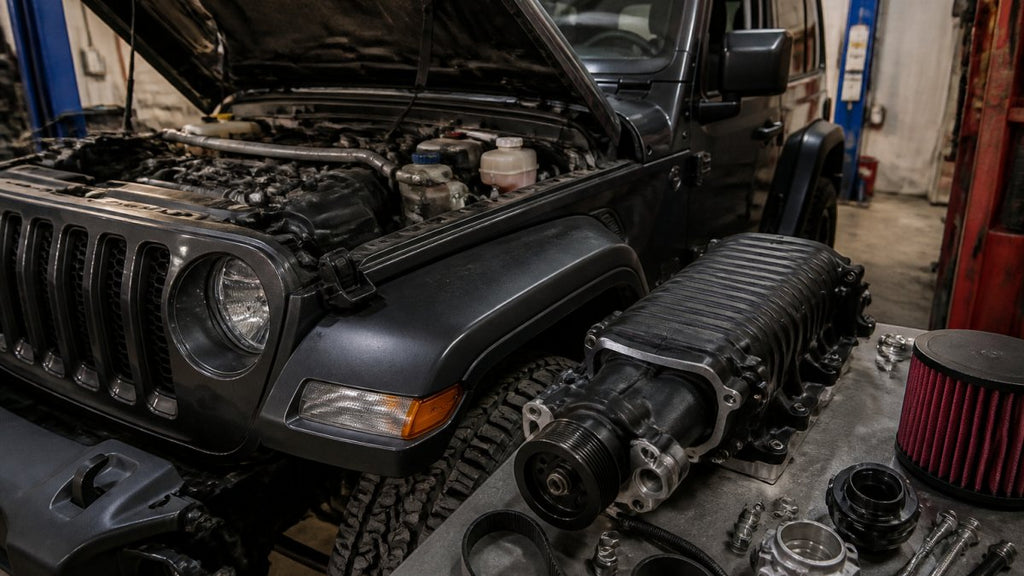
Improved towing and off-road capability is substantial. For trucks and SUVs, torque gains at low RPM directly improve towing capacity and hill-climbing ability. A Jeep Pentastar 3.6L V6 supercharger kit ($5,500) delivers 40% more horsepower and 30% more torque with stronger low-end pull.
The Cons of a Bolt-On Supercharger Kit
Total cost is significantly higher than the kit price alone. Budget $6,500-$8,500 for a complete installation with supporting modifications and professional tuning.
Installation is not beginner-friendly. Eight to sixteen hours of labor requires mechanical competency, proper tools, and a safe workspace. Most first-time installers end up paying a shop anyway.
Supporting modifications are non-negotiable, not optional. Fuel system upgrades, cooling system work, ignition timing changes, and ECU tuning are all required for safe, reliable operation.
Fuel economy decreases with aggressive driving. While daily commuting impact is minimal, consistent boost usage reduces fuel economy.
Warranty implications vary by manufacturer. Some OEM warranties are voided by supercharger installation. Check your specific vehicle's warranty before proceeding.
Insurance may increase. Some insurers charge higher premiums for modified vehicles, while others don't. Contact your insurance company before installation.
Resale value depends on documentation and installation quality. A supercharged vehicle with complete records and professional installation retains value. A DIY hack with missing paperwork will be harder to sell.
Is It Worth It?
For daily drivers under 15,000 miles per year who want responsive acceleration: a bolt-on supercharger kit is worth it if you budget $7,000-$9,000 total and commit to professional tuning.
For off-road enthusiasts and truck owners who tow regularly: the low-end torque gains make a supercharger one of the best performance upgrades available. The Nissan Titan/Armada 5.6L V8 kit ($7,500) delivers 50-70% more horsepower and torque.
For budget-conscious beginners: start with the VT Superchargers Toyota Tacoma 2.7L kit ($4,900) with plug-and-play ECU. The included ECU module eliminates standalone tuning, reducing total cost and complexity to $6,500-$7,500.
For owners of vehicles with limited kit availability: a bolt-on supercharger kit may be your only forced-induction option.
For owners hesitant about reliability: modern supercharger kits from reputable manufacturers are genuinely reliable when properly installed and tuned.
| Situation | Recommendation | Key Consideration |
|---|---|---|
| Daily driver, responsive feel desired | Worth it | Budget $7,000-$9,000 total, plan for professional tuning |
| Off-road truck or towing vehicle | Strong yes | Low-end torque gains directly improve capability |
| Budget-conscious beginner | Conditional yes | Choose a kit with plug-and-play ECU to reduce complexity |
| Vehicle with limited kit options | Yes | Supercharger may be your only forced-induction option |
| Warranty-conscious owner | Proceed carefully | Verify OEM warranty implications before installation |
| High-mileage daily driver | Maybe not | Consider reliability risks on aging engines |
Conclusion: Making Your Decision
A bolt-on supercharger kit is worth it for beginners if you're realistic about total cost, commit to professional tuning, and choose a kit engineered for your specific vehicle. The real cost is $6,500-$9,000, not the advertised kit price. Supporting modifications are essential for safe, reliable operation.
VT Superchargers specializes in bolt-on kits engineered for precise, OEM-style fitment across Toyota, Ford, Jeep, Nissan, Mazda, and Suzuki platforms. Our kits include complete cooling systems, water-to-air intercoolers, and precise engineering for clean fitment. With a 24-month warranty and accessible financing options, VT Superchargers removes the guesswork from choosing a quality kit.
The decision depends on your vehicle, budget, and goals. If you want responsive acceleration, improved towing capability, or off-road performance, and you're willing to invest $7,000-$9,000 with professional installation and tuning, a bolt-on supercharger kit delivers real, measurable results.
Register with VT Superchargers to explore kits for your specific vehicle and connect with our network of approved installers who understand the complete installation process and supporting modifications required for reliable performance.
=== FAQ ANSWERS (audit these too, same rules) ===
[1] Q: How much horsepower does a bolt-on supercharger kit actually add? A: Most bolt-on supercharger kits deliver 40-60% more horsepower, translating to an additional 120-180 hp on a stock 300-hp engine. Real-world gains depend on your engine size, boost pressure, and whether you've completed supporting modifications. For example, a Toyota Tacoma 2.7L gains up to 50% horsepower (around 100 hp) at 7 PSI of boost. Always verify dyno-tested numbers for your specific vehicle make and model before purchasing.
[2] Q: Do bolt-on supercharger kits void my vehicle warranty? A: Factory warranties typically do not cover damage caused by forced induction modifications. However, VT Superchargers kits include a 24-month warranty covering defects in materials and workmanship under normal use. To minimize warranty risk, document your installation process, keep all receipts, and avoid aggressive driving during the first 500 miles. Consult your vehicle manufacturer's warranty terms before installing any aftermarket performance parts.
[3] Q: What maintenance is required after installing a supercharger? A: Supercharged engines require more frequent oil changes (every 3,000-5,000 miles instead of 7,500-10,000), upgraded spark plugs gapped for boost, and regular inspection of the belt, idler, and intercooler for heat soak. Monitor coolant levels closely, as superchargers generate additional heat. Have your ECU tune checked annually by a professional tuner. Most owners report that routine maintenance keeps their supercharged vehicles running reliably for thousands of trouble-free miles.
[4] Q: Is a bolt-on supercharger kit installation really a DIY job for beginners? A: Installation is technically possible for mechanically competent owners with basic tools, but it is not beginner-friendly. Expect 8-16 hours of labor, and many first-time installers underestimate the complexity. Professional installation costs $1,500-$2,500, which often makes the total investment $2,000-$3,000 more than the kit price alone. If you lack engine-bay experience or don't have access to a professional ECU tuner, professional installation is strongly recommended to avoid costly mistakes.
[5] Q: Will a supercharger fix gear hunting on my truck with larger tires? A: A supercharger improves torque and throttle response, which can help with low-end pulling power, but it does not directly fix gear hunting. Gear hunting is caused by transmission recalibration issues when larger tires change your vehicle's final drive ratio. A professional ECU tune that recalibrates your transmission is non-negotiable after installing a supercharger. Without transmission recalibration, a supercharger alone may actually worsen gear hunting by adding more torque to an already confused transmission.
Frequently Asked Questions
How much horsepower does a bolt-on supercharger kit actually add?
Most bolt-on supercharger kits deliver 40-60% more horsepower, translating to an additional 120-180 hp on a stock 300-hp engine. Real-world gains depend on your engine size, boost pressure, and whether you've completed supporting modifications. For example, a Toyota Tacoma 2.7L gains up to 50% horsepower (around 100 hp) at 7 PSI of boost. Always verify dyno-tested numbers for your specific vehicle make and model before purchasing.
Do bolt-on supercharger kits void my vehicle warranty?
Factory warranties typically do not cover damage caused by forced induction modifications. However, VT Superchargers kits include a 24-month warranty covering defects in materials and workmanship under normal use. To minimize warranty risk, document your installation process, keep all receipts, and avoid aggressive driving during the first 500 miles. Consult your vehicle manufacturer's warranty terms before installing any aftermarket performance parts.
What maintenance is required after installing a supercharger?
Supercharged engines require more frequent oil changes (every 3,000-5,000 miles instead of 7,500-10,000), upgraded spark plugs gapped for boost, and regular inspection of the belt, idler, and intercooler for heat soak. Monitor coolant levels closely, as superchargers generate additional heat. Have your ECU tune checked annually by a professional tuner. Most owners report that routine maintenance keeps their supercharged vehicles running reliably for thousands of trouble-free miles.
Is a bolt-on supercharger kit installation really a DIY job for beginners?
Installation is technically possible for mechanically competent owners with basic tools, but it is not beginner-friendly. Expect 8-16 hours of labor, and many first-time installers underestimate the complexity. Professional installation costs $1,500-$2,500, which often makes the total investment $2,000-$3,000 more than the kit price alone. If you lack engine-bay experience or don't have access to a professional ECU tuner, professional installation is strongly recommended to avoid costly mistakes.
Will a supercharger fix gear hunting on my truck with larger tires?
A supercharger improves torque and throttle response, which can help with low-end pulling power, but it does not directly fix gear hunting. Gear hunting is caused by transmission recalibration issues when larger tires change your vehicle's final drive ratio. A professional ECU tune that recalibrates your transmission is non-negotiable after installing a supercharger. Without transmission recalibration, a supercharger alone may actually worsen gear hunting by adding more torque to an already confused transmission.
This article was written using GrandRanker
Related post
09
Oct
RECENT POSTS