Is a Supercharger Worth the Cost for Daily Drivers
Table of Contents
- The Real Performance Gains: What You Actually Get
- Supercharger vs. Turbo for Daily Driving: Which Forced Induction Makes Sense
- Impact of Supercharging on Fuel Economy and Operating Costs
- Supercharger Maintenance Costs and Long-Term Durability
- Installation, Warranty, and Hidden Costs You Need to Know
- Resale Value, Insurance, and Warranty Implications
- Is It Worth It? The Final Verdict for Your Driving Style
Last Updated: August 29, 2026
The Real Performance Gains: What You Actually Get
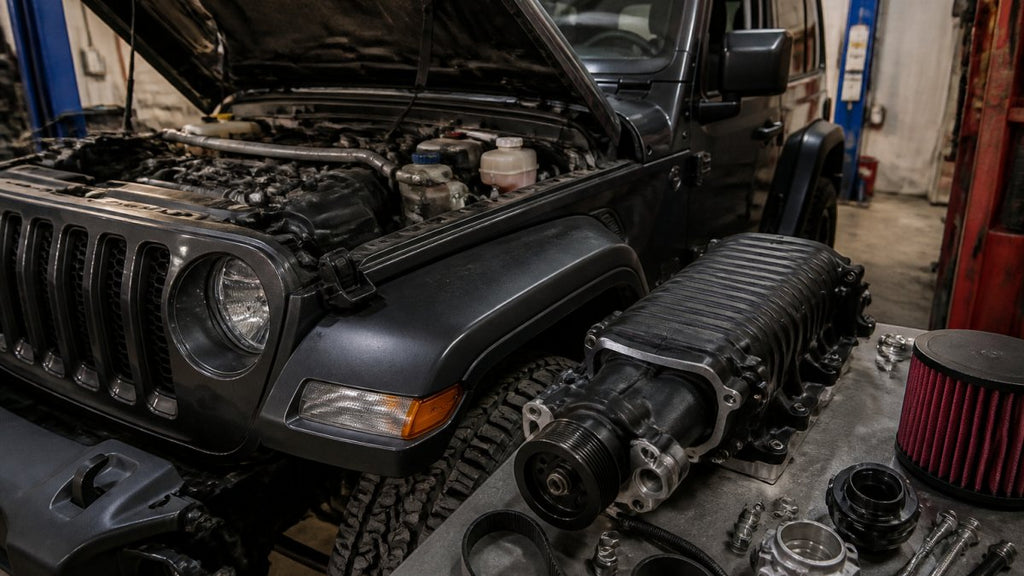
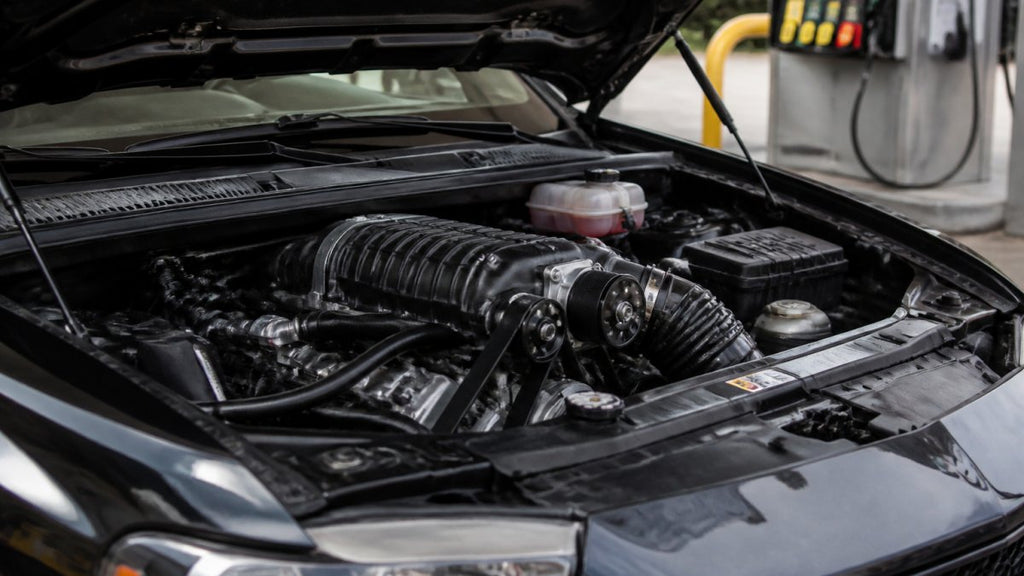
A supercharger is a forced induction system that compresses air before it enters your engine, delivering 30-50% more oxygen to the combustion chamber and producing 25-45% more horsepower without increasing engine displacement (grandviewresearch.com). On a stock 3.6L engine, that translates to 80-120 additional horsepower.
What separates a supercharger from other forced induction options is instant power delivery. There's no turbo lag, the moment you press the throttle, torque arrives immediately. This is the feature daily drivers prioritize most: 64% of U.S. buyers prioritize instant torque delivery below 2,000 RPM (marketresearchfuture.com).
The real-world impact shows up in everyday driving. Highway merging becomes effortless, towing capacity improves substantially, and off-road vehicles with larger tires regain the low-end punch they lost to tire size increases. A 2019 Ford F-150 with 35-inch tires and constant transmission hunting suddenly feels responsive again, with the supercharger restoring the torque curve that larger tires had flattened.
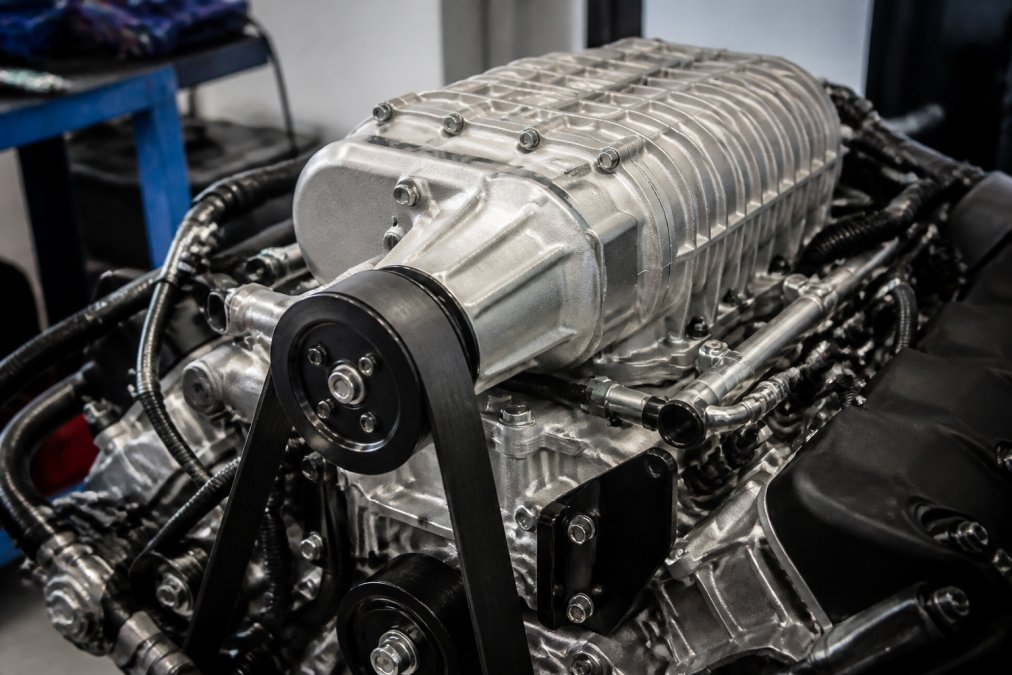
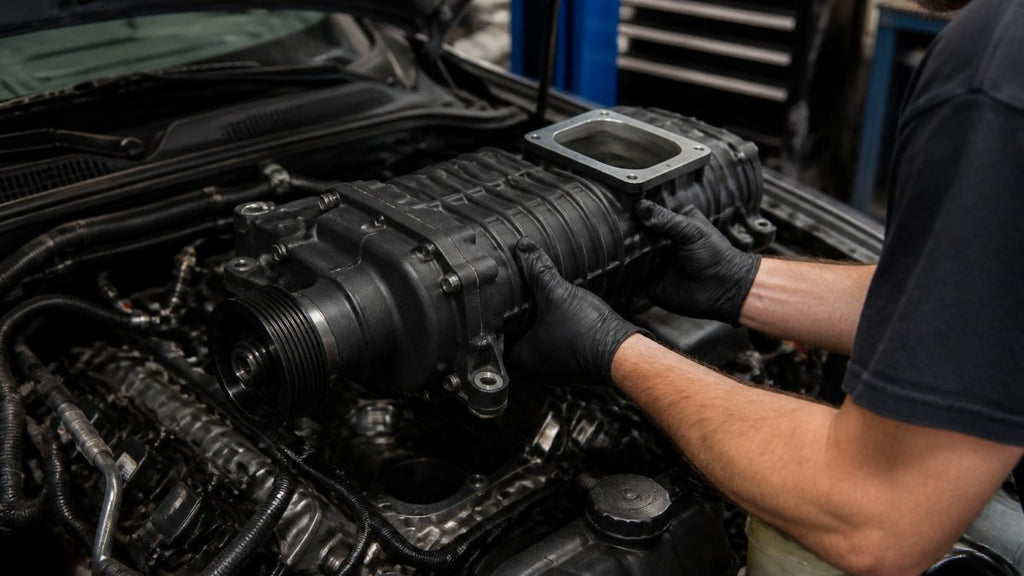
Twin-screw designs, which VT Superchargers specializes in, offer smoother boost delivery and less heat generation than centrifugal counterparts. Less heat means less strain on your cooling system, and smoother boost means better drivability during part-throttle acceleration.
Supercharger vs. Turbo for Daily Driving: Which Forced Induction Makes Sense
The choice between a supercharger and a turbocharger comes down to how you actually drive. Turbochargers dominate the forced induction market with roughly 78% market share compared to superchargers' 22%, but market share reflects manufacturer priorities around cost and fuel economy, not driver experience (grandviewresearch.com).
A turbocharger uses exhaust gases to spin a turbine, which compresses incoming air. In practice, turbo lag, the delay between throttle input and boost arrival, frustrates daily drivers in city traffic, during merges, and when towing. Superchargers eliminate this entirely.
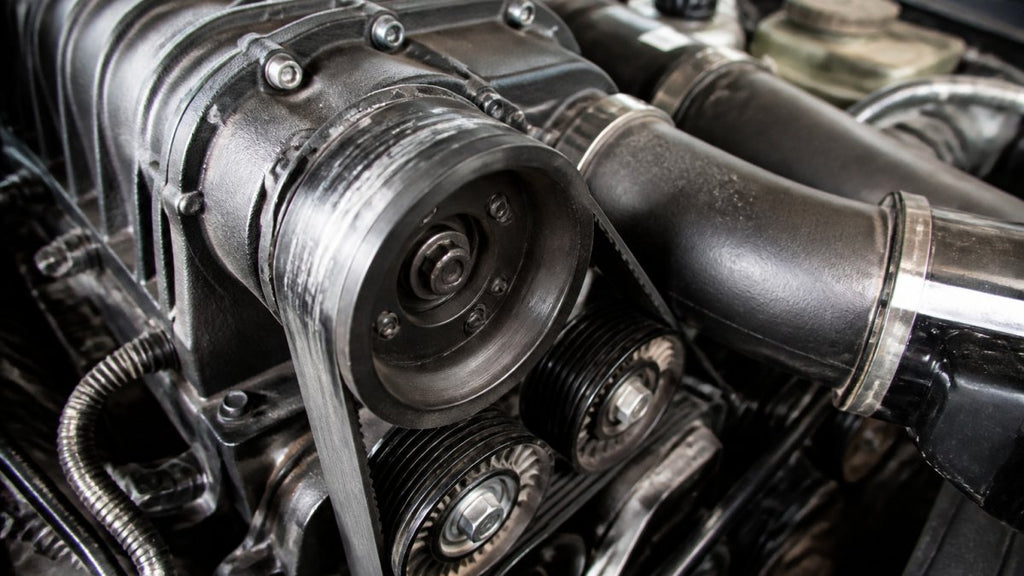
Superchargers draw power directly from the engine via a belt drive, creating parasitic loss. You're using some engine power to run the supercharger itself, but the net result is still a massive horsepower gain. Turbos avoid this by using otherwise-wasted exhaust energy, but for daily driving responsiveness, superchargers dominate.
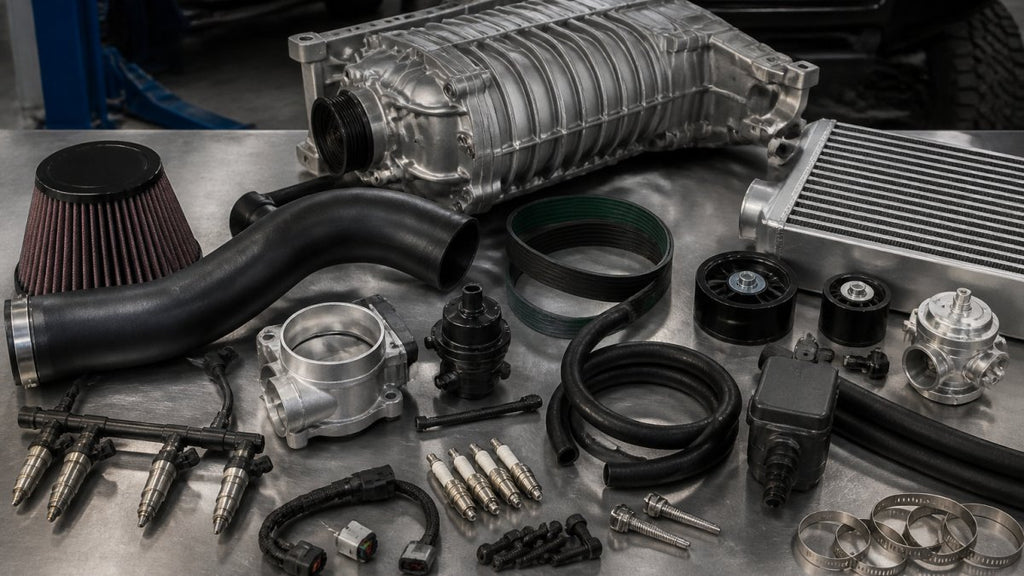
Turbochargers run extremely hot and require oil cooling lines, intercoolers, and careful heat management. Superchargers run cooler and simpler. VT Superchargers kits use bolt-on installation without custom fabrication, supporting daily commuting, highway towing, and cold starts without special maintenance routines.
For off-road vehicles and trucks with larger tires, superchargers are the clearer choice. Gear hunting happens because the engine lacks torque at low RPM. Turbos make this worse initially because boost doesn't build until higher RPM. Superchargers fix it immediately, restoring the flat torque curve that larger tires destroyed.
Impact of Supercharging on Fuel Economy and Operating Costs
A supercharger reduces fuel economy, this is physics. The supercharger consumes engine power to operate, and increased air intake triggers richer fuel mapping. Supercharged daily drivers can expect a 2-4 MPG fuel economy loss under normal driving, increasing to 6-8 MPG with aggressive driving.
For a daily driver covering 15,000 miles annually with a 3 MPG loss, assuming $3.50 per gallon and a 25 MPG baseline, that penalty costs an additional $400-$600 per year in fuel. Premium fuel is often recommended for supercharged engines, adding another $200-$400 annually. Over five years, you're looking at $3,000-$5,000 in additional fuel costs.
Modern supercharger kits are engineered for daily drivability. You don't have to drive aggressively to enjoy the benefits. Smooth acceleration and normal highway speeds won't trigger the worst fuel economy penalties. The 6-8 MPG loss only appears with consistent aggressive boost usage.
A supercharger at $5,500-$6,950 for the kit, plus installation labor, sits in the middle of the cost spectrum while delivering immediate, reliable power gains compared to turbo kits or engine swaps.
Supercharger Maintenance Costs and Long-Term Durability
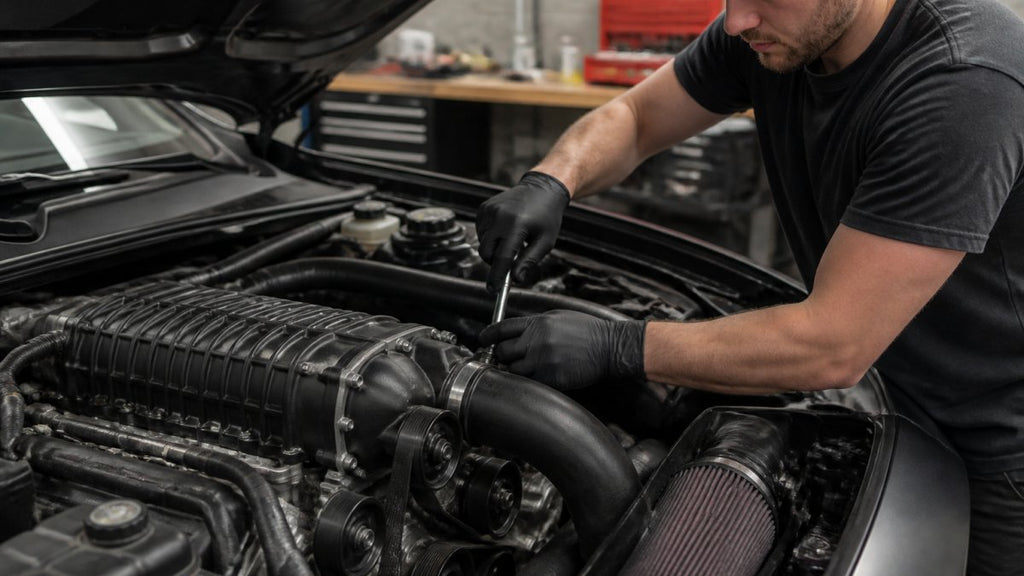
Modern supercharger kits are engineered for OEM-level reliability. VT Superchargers emphasizes bolt-on installation without custom fabrication, which means the system integrates cleanly with your vehicle's existing engine management and cooling systems.
Routine maintenance remains standard: oil changes, air filter replacements, and belt inspections. The supercharger belt requires tension checks every 12,000 miles and replacement every 50,000-80,000 miles at $100-$200 in parts and labor.
Forced induction increases combustion pressure and heat, stressing pistons, rings, and valve seats. A stock engine is operating beyond its original design parameters. A supercharger assembly replacement, if needed, runs $3,572-$3,860, with labor ranging from $615-$902.
VT Superchargers provides a 24-month warranty on its kits, covering defects in materials and workmanship. For daily drivers installing a kit on a stock or near-stock engine, this warranty provides meaningful protection during the critical first two years.
Conservative driving, proper tuning, and regular maintenance can keep a supercharged daily driver reliable for 100,000+ miles. Aggressive driving and neglected maintenance will shorten that window significantly.
Installation, Warranty, and Hidden Costs You Need to Know
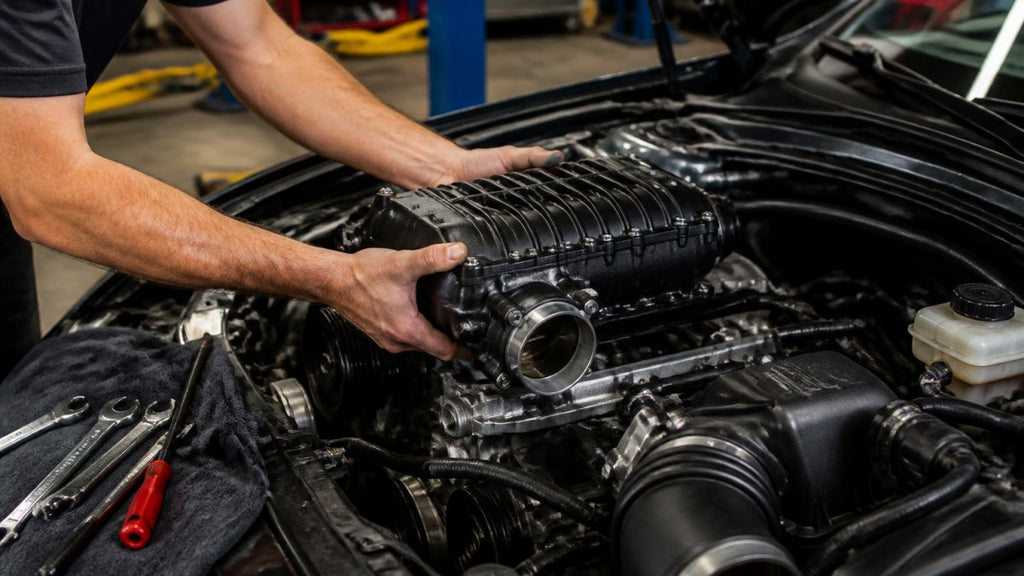
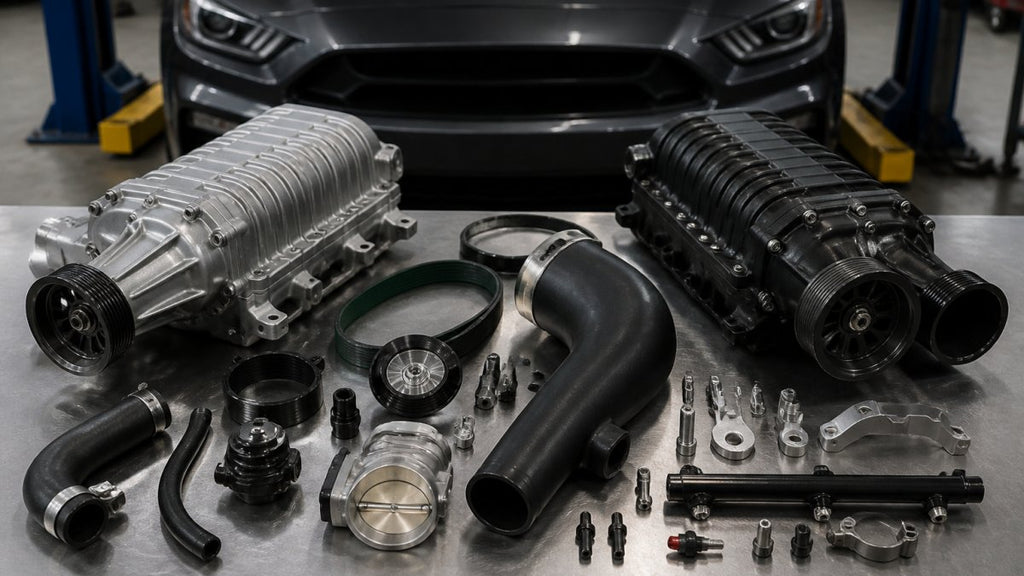
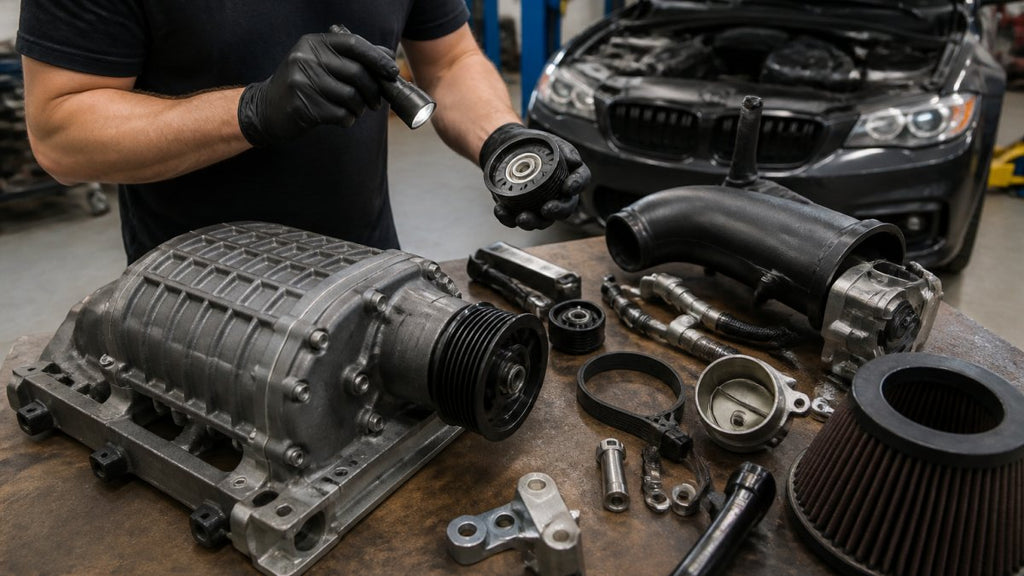
VT Superchargers kits are engineered for bolt-on fitment, typically requiring 12-18 hours of labor. Installation involves mounting the supercharger to the engine, connecting the intercooler, routing the belt drive, and integrating fuel and ignition tuning.
The cost breakdown for a typical installation:
- Supercharger kit: $4,600-$6,950 (depending on vehicle)
- Installation labor: $1,200-$2,000 (12-18 hours at shop rates)
- Tuning and ECU calibration: $400-$800
- Intercooler and cooling upgrades (if needed): $500-$1,500
- Total: $6,700-$11,250 for a complete, professionally installed system investing in aftermarket parts.
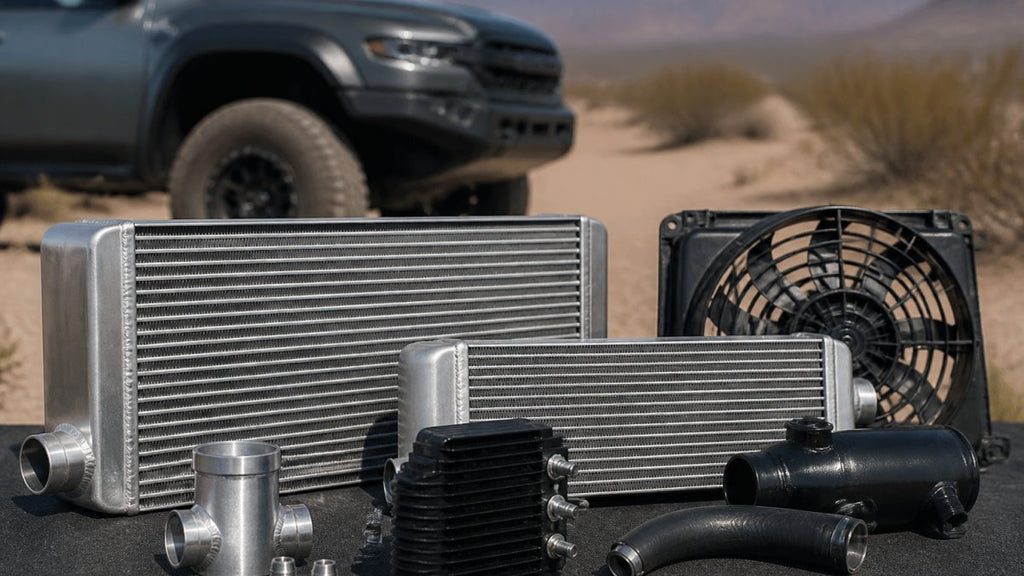
Hidden costs emerge after installation. Your vehicle may need upgraded fuel injectors, a larger fuel pump, or enhanced engine oil cooling. A stock cooling system might struggle with additional heat from forced induction, requiring a larger radiator or upgraded fans. VT Superchargers kits are engineered to minimize supporting modifications, but they're possible depending on your specific vehicle.
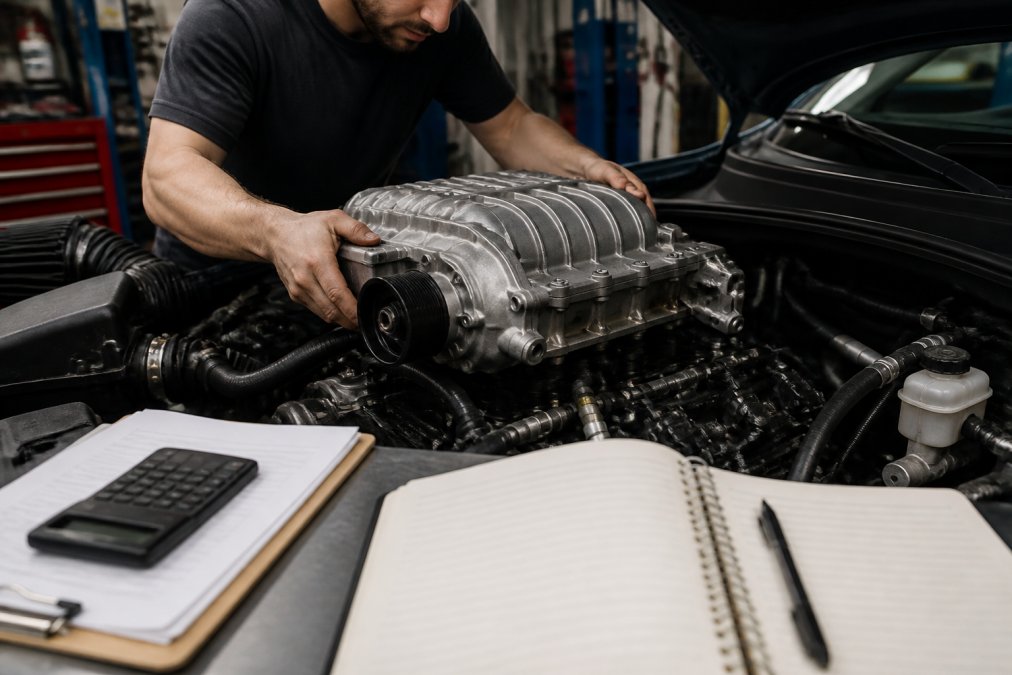
The warranty question matters enormously. VT Superchargers provides a 24-month warranty on its kits, but your factory powertrain warranty is a separate concern. Many manufacturers void powertrain warranties when forced induction is added. Contact your manufacturer or dealer before installation to ask explicitly whether a supercharger will void your warranty. Choosing a reputable installer with experience navigating warranty issues is valuable.
Resale Value, Insurance, and Warranty Implications
A supercharger can add to resale value, but it narrows the buyer pool significantly. Enthusiasts will pay a premium for a well-documented, professionally installed system. A stock buyer will worry about reliability and warranty coverage. You're selling to a niche of performance-minded buyers.
Resale value depends heavily on documentation. A supercharger installed by a professional shop with dyno testing, warranty cards, and maintenance records is worth more than an unknown DIY installation.
Most insurers don't increase premiums for a supercharger alone, but some will if the modification is disclosed. A few insurers specifically exclude forced induction modifications from coverage. Inform your insurance company before installation and confirm that your policy covers the modified vehicle.
A factory powertrain warranty typically covers the engine, transmission, and drivetrain for 3-5 years or 36,000-60,000 miles. A supercharger installation will void this warranty in most cases. VT Superchargers' 24-month warranty covers the supercharger system itself. For a daily driver planning to keep the vehicle long-term, this is an acceptable trade.
Is It Worth It? The Final Verdict for Your Driving Style
Worth it if you: drive aggressively and enjoy responsive throttle feel, tow regularly and want better low-end torque, own an off-road vehicle with larger tires, plan to keep the vehicle 5+ years and aren't concerned about factory warranty coverage, have the budget for $6,700-$11,250 installed.
Not worth it if you: prioritize fuel economy and drive conservatively, plan to sell within 3 years, rely on factory warranty coverage, are budget-constrained, drive primarily highway miles at steady speeds.
The U.S. supercharger market size was estimated at USD 9.42 billion in 2025, with over 22% of high-performance vehicles using factory-installed or aftermarket superchargers. Aftermarket installations exceed 110,000 units annually in the USA, indicating strong demand among enthusiasts.
For daily drivers, the decision hinges on the performance-to-cost ratio. A supercharger delivers measurable, immediate power gains that transform how a vehicle feels. The fuel economy penalty and warranty implications are real but manageable if you understand the trade-offs. Professional installation with a reputable shop, proper tuning, and documented maintenance protect your investment.
VT Superchargers delivers this value through engineered bolt-on kits, OEM-style fitment, and a 24-month warranty. The Dodge Charger 3.6L kit at $5,500, the Mazda 6 2.0L kit at $4,600, and the Toyota Tundra 5.7L kit at $6,950 represent serious performance gains without exotic complexity.

The real question isn't whether a supercharger is worth the cost in absolute terms. It's whether the performance gains justify the cost for your specific vehicle, driving style, and long-term plans. For daily drivers who value responsive throttle feel and improved towing capacity, the answer is usually yes.
A supercharger transforms how a vehicle responds to driver input, but only if it matches your actual driving needs. VT Superchargers' bolt-on kits are engineered for daily drivability, OEM-style fitment, and reliable power delivery. Get started with VT Superchargers and unlock 40-60% more horsepower and torque for your specific vehicle.
| Consideration | Daily Driver Impact | Long-Term Cost |
|---|---|---|
| Horsepower gain | 80-120 HP increase | Amortized over vehicle life |
| Fuel economy penalty | 2-4 MPG loss (normal driving) | $400-$600 annually |
| Installation labor | 12-18 hours professional work | $1,200-$2,000 |
| Warranty coverage | Factory powertrain voided | VT 24-month kit warranty |
| Resale value | +5-15% for enthusiasts; -10% for general buyers | Depends on documentation |
| Maintenance increase | Belt checks every 12K miles | $100-$200 per replacement |
| Reliability risk | Increased engine stress under boost | Manageable with proper tuning |
=== FAQ ANSWERS (audit these too, same rules) ===
[1] Q: Can you daily drive a supercharged car reliably? A: Yes. Modern supercharger kits are engineered for OEM-level reliability and work seamlessly with daily commuting, cold starts, and highway driving. Twin-screw superchargers like those in VT Superchargers' kits provide instantaneous boost response without turbo lag, making them ideal for daily drivers. The key is proper installation, tuning, and maintenance. Many owners report thousands of trouble-free miles on supercharged daily drivers, though fuel economy will decrease.
[2] Q: How much does a supercharger installation cost for a daily driver? A: A complete supercharger system costs between $4,600 and $6,950 for the kit alone (VT Superchargers' Dodge Charger, Mazda 6, and Toyota Tundra kits range in this bracket). Installation labor typically runs $1,200 to $2,000 (12-18 hours at shop rates). Professional tuning and ECU calibration add $400 to $800. Intercooler and cooling upgrades, if needed, can add $500-$1,500. Total installed cost ranges from $6,700 to $11,250 for a complete, professionally installed system. VT Superchargers offers financing options to spread these costs.
[3] Q: What is the biggest downside of adding a supercharger to a daily driver? A: Fuel economy loss is the most significant drawback. Expect 2-4 MPG reduction under normal driving, increasing to 6-8 MPG with aggressive acceleration. For a daily driver covering 15,000 miles annually at 25 MPG baseline, a 3 MPG loss costs $400-$600 yearly in additional fuel. Premium fuel is often required, adding another $200-$400 annually. Beyond fuel costs, superchargers increase engine stress, require more frequent maintenance, and can void factory warranty coverage, factors that compound the total cost of ownership.
[4] Q: Will a supercharger help with gear hunting on my truck with larger tires? A: Yes, significantly. Superchargers increase engine air intake by 30-50%, delivering 25-45% more horsepower and torque without increasing engine displacement. This extra low-end torque below 2,000 RPM (which 64% of buyers prioritize) solves gear-hunting issues common in trucks with oversized tires. The instant torque delivery of twin-screw systems means your transmission won't hunt between gears on the highway. However, proper tuning is essential to ensure the transmission and drivetrain handle the increased load without premature wear.
Frequently Asked Questions
Q: Can you daily drive a supercharged car reliably?
A: Yes. Modern supercharger kits are engineered for OEM-level reliability and work seamlessly with daily commuting, cold starts, and highway driving. Twin-screw superchargers like those in VT Superchargers' kits provide instantaneous boost response without turbo lag, making them ideal for daily drivers. The key is proper installation, tuning, and maintenance. Many owners report thousands of trouble-free miles on supercharged daily drivers, though fuel economy will decrease.
Q: How much does a supercharger installation cost for a daily driver?
A: A complete supercharger system costs between $4,600 and $6,950 for the kit alone (VT Superchargers' Dodge Charger, Mazda 6, and Toyota Tundra kits range in this bracket). Installation labor typically runs $1,200 to $2,000 (12-18 hours at shop rates). Professional tuning and ECU calibration add $400 to $800. Intercooler and cooling upgrades, if needed, can add $500-$1,500. Total installed cost ranges from $6,700 to $11,250 for a complete, professionally installed system. VT Superchargers offers financing options to spread these costs.
Q: What is the biggest downside of adding a supercharger to a daily driver?
A: Fuel economy loss is the most significant drawback. Expect 2-4 MPG reduction under normal driving, increasing to 6-8 MPG with aggressive acceleration. For a daily driver covering 15,000 miles annually at 25 MPG baseline, a 3 MPG loss costs $400-$600 yearly in additional fuel. Premium fuel is often required, adding another $200-$400 annually. Beyond fuel costs, superchargers increase engine stress, require more frequent maintenance, and can void factory warranty coverage, factors that compound the total cost of ownership.
Q: Will a supercharger help with gear hunting on my truck with larger tires?
A: Yes, significantly. Superchargers increase engine air intake by 30-50%, delivering 25-45% more horsepower and torque without increasing engine displacement. This extra low-end torque below 2,000 RPM (which 64% of buyers prioritize) solves gear-hunting issues common in trucks with oversized tires. The instant torque delivery of twin-screw systems means your transmission won't hunt between gears on the highway. However, proper tuning is essential to ensure the transmission and drivetrain handle the increased load without premature wear.
This article was written using GrandRanker
Related post
09
Oct
RECENT POSTS