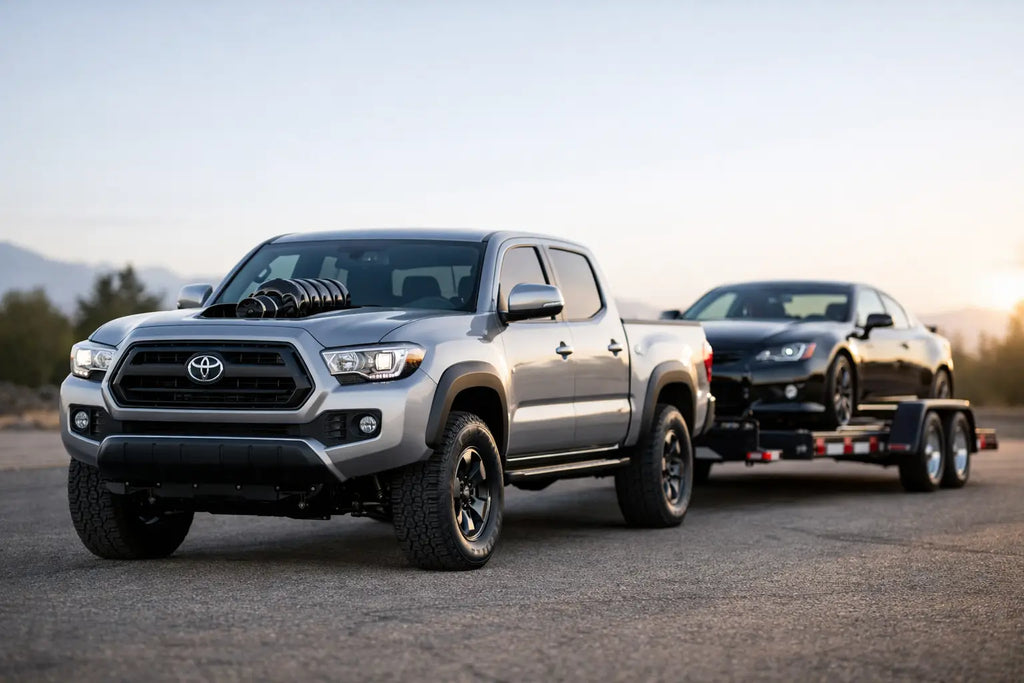
Tacoma Towing Results With a Supercharger
You hooked up the camper, loaded the bed, and headed toward a grade you have driven a hundred times. Now your Tacoma is hunting gears, the RPM is hanging high, and passing anything requires a long stretch of empty road. Add 33-inch tires, a steel bumper, a roof rack, recovery gear, and a family, and the Tacoma towing results can feel a long way from the truck you bought.
We see this all the time. The truck is reliable, capable, and still does everything it is supposed to do. It just feels flat once it is carrying real weight. The biggest complaint is not usually peak horsepower. It is that weak spot in the middle of the pedal where you need the truck to pull instead of think about pulling.
Why Tacoma Towing Feels Slower Than It Should
A stock Tacoma has enough power to get the job done, but towing exposes the gap between “enough” and “comfortable.” The naturally aspirated 3.5L V6 in many third-generation Tacomas likes RPM. That is fine when the bed is empty and you are running errands. It gets old when you are towing a boat, a utility trailer, or a 4,000-pound camper through rolling terrain.
Most owners tell us the same story: the truck is okay on flat ground, then a hill shows up. The transmission drops a gear, then another. The engine gets loud. You lose speed anyway unless you stay deep in the throttle. That constant shifting is not just annoying. It makes the whole truck feel busy and overworked.
The problem gets worse when the Tacoma has been built for the kind of use owners actually want. Thirty-three-inch tires are common. So are 34s, heavier wheels, skid plates, sliders, armor, drawer systems, rooftop tents, and full-size spares. None of that is wrong. But every pound and every inch of tire changes the way the truck accelerates and pulls a grade.
A Tacoma on stock tires towing a small trailer is one conversation. A double cab on 33s with armor, camping gear, and a brake-equipped trailer is another. It depends on the trailer weight, frontal area, altitude, and how you drive, but the factory midrange torque is usually where owners want more help.
Tacoma Towing Results Come Down to Midrange Torque
After installing hundreds of kits, we can tell you that the result people remember is not a dyno graph. It is the first time they merge onto the highway with a trailer and do not have to mat the throttle. It is holding speed on a grade without the transmission immediately dropping into a lower gear. It is getting around a slow RV without feeling like you are asking the truck to perform a miracle.
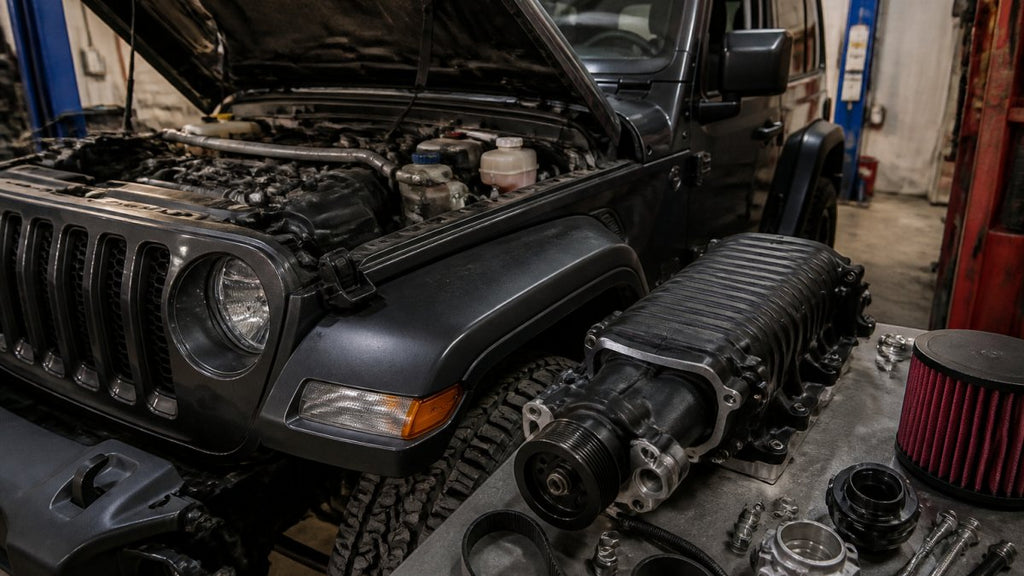
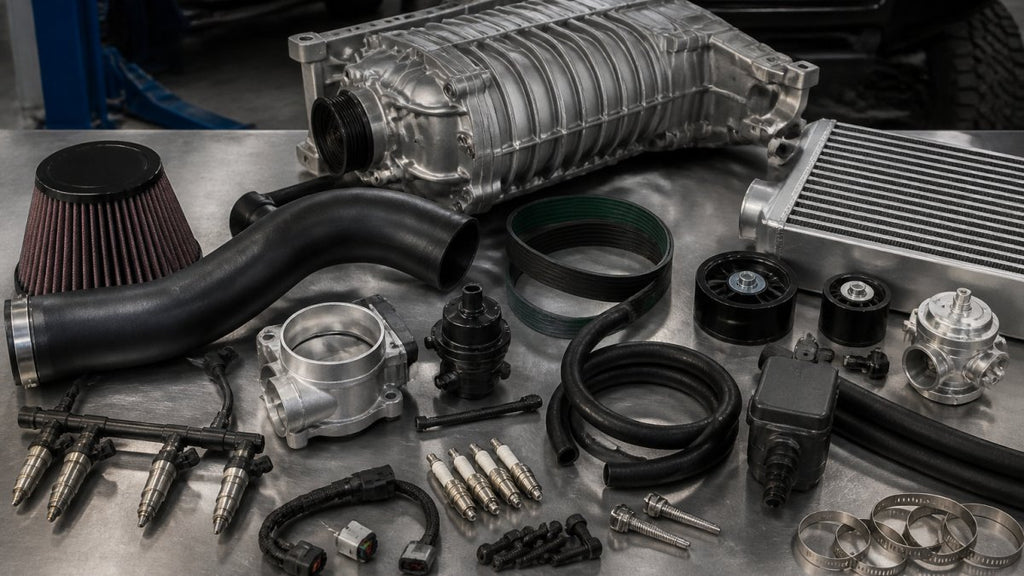
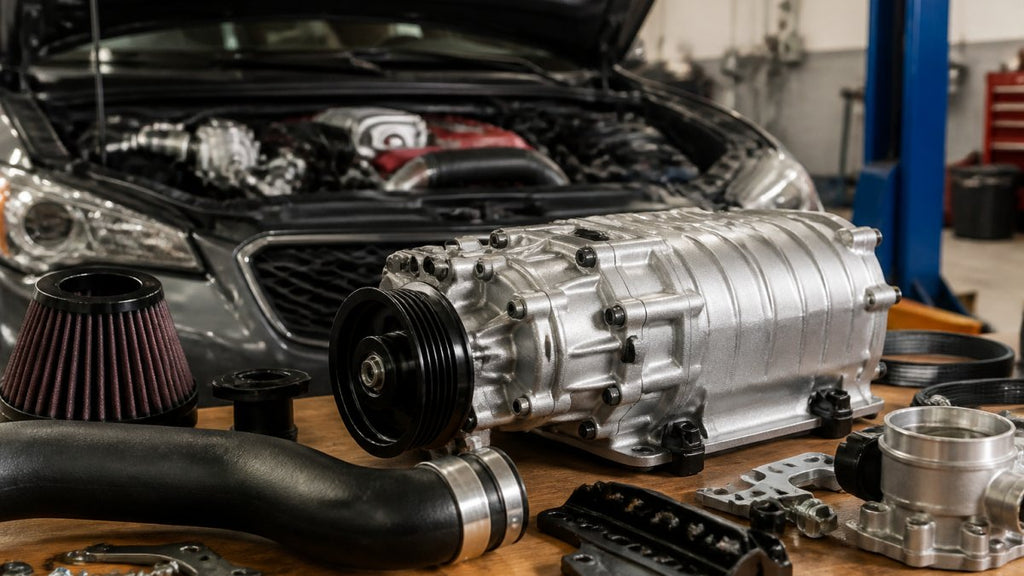
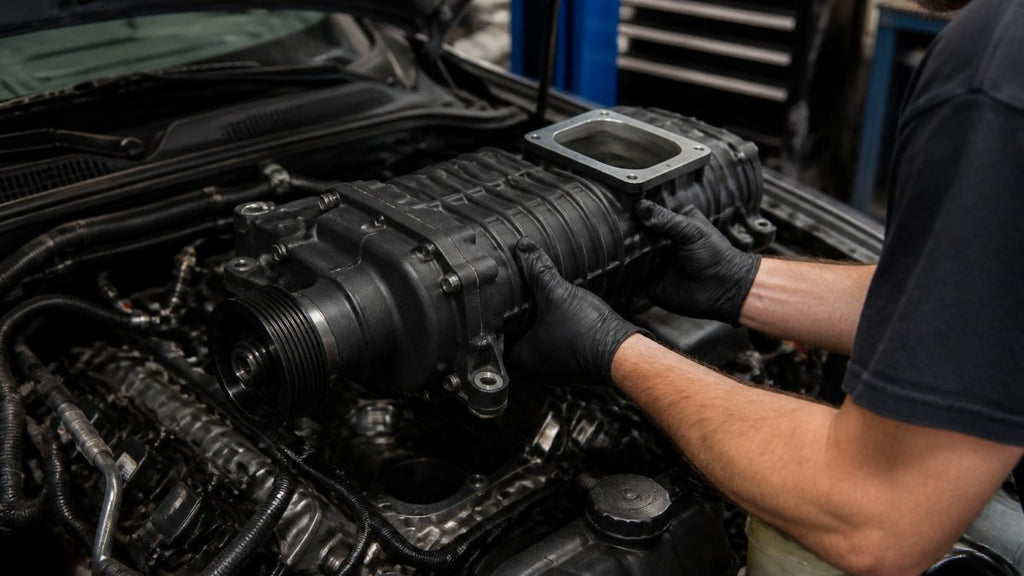
That is what added forced-induction torque changes. A properly matched supercharger kit puts more usable power into the RPM range where a Tacoma spends its time while towing. You get a firmer response when you roll into the pedal, and the truck comes on sooner instead of needing a long run-up.
The difference is especially noticeable between about 2,500 and 4,500 RPM. That is the zone where a loaded Tacoma is often working on a grade or trying to maintain highway speed into a headwind. More torque there means less pedal, less gear hunting, and a more settled feel behind the wheel.
This does not mean the truck suddenly ignores physics. A tall camper still catches wind. A heavy trailer still needs proper trailer brakes. A long mountain climb still asks a lot from any midsize truck. But the Tacoma no longer feels like it is one bad hill away from running out of breath.
Passing Power Is Part of Towing Confidence
One of the biggest complaints we hear is poor passing power with a trailer attached. You can plan every pass perfectly and still find yourself stuck behind slower traffic because the Tacoma needs too much distance to build speed.
With added torque, the truck responds now. You do not need to wait for the engine to climb all the way into the upper RPM range before it starts moving. That makes passing calmer and more predictable, which matters a lot more than bragging rights when you have a trailer following you.
There is a trade-off here. More power can make it easier to drive faster than the trailer, tires, hitch setup, or road conditions allow. Good towing is still about patience and control. The improvement is that the truck can maintain a safe pace without constantly feeling pinned.
Bigger Tires Make the Case Even Clearer
If your Tacoma has 33s, you already know the feeling. The truck looks right, sits right, and goes places the factory setup does not. Then you tow with it, and suddenly the added rotating weight and effective gearing show up in a big way.
A tire-size change can make a stock Tacoma feel lazy even before a trailer is connected. Add 3,000 to 5,000 pounds behind it, and the response gets softer. The transmission may shift more often, and the truck can feel like it has lost its punch off the line.
A supercharger does not replace thoughtful gearing if you are running very large tires or building a serious off-road truck. For some 35-inch-tire setups, gearing can still be the right move. But for many 33-inch Tacoma builds, added torque delivers the result owners actually want without turning the truck into a major drivetrain project.
That matters for daily drivers. You want the Tacoma to tow better on Saturday and still feel clean, smooth, and easy to live with on Monday morning. A good bolt-on setup should not make every stoplight feel like a race start or turn normal throttle input into a guessing game.
Proper Tuning Is What Makes the Power Feel Factory Right
Power without the right calibration is where good ideas go sideways. You do not want a Tacoma that surges, stumbles, runs hot, or drives like it has an aftermarket part fighting the factory computer. You want smooth starts, predictable pedal response, steady idle quality, and power that shows up consistently when the truck is loaded.
That is why vehicle-specific fitment and proper tuning matter so much. The kit needs to match the engine, model year, and truck configuration. A 2016-2023 3.5L V6 Tacoma is not the same conversation as an older 4.0L truck, a 2.7L four-cylinder, or a newer turbocharged fourth-generation Tacoma. Do not buy power based on a photo or a broad “Tacoma” label. Confirm the exact application first.
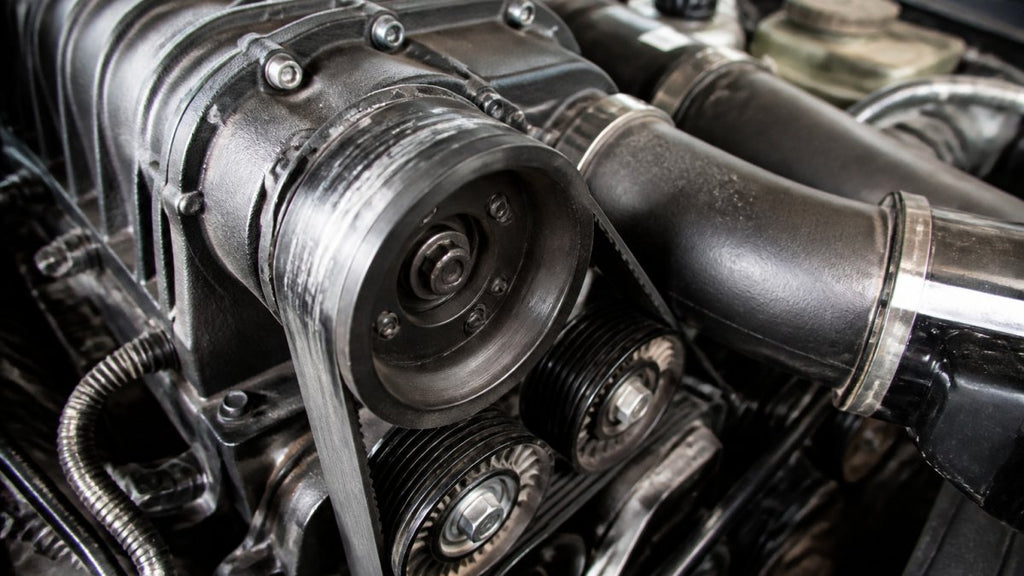
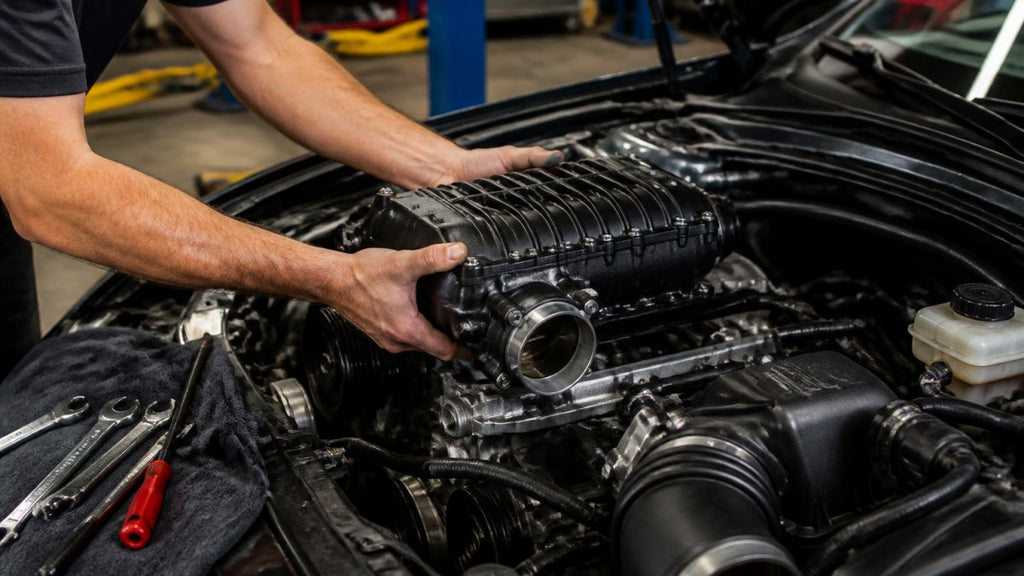
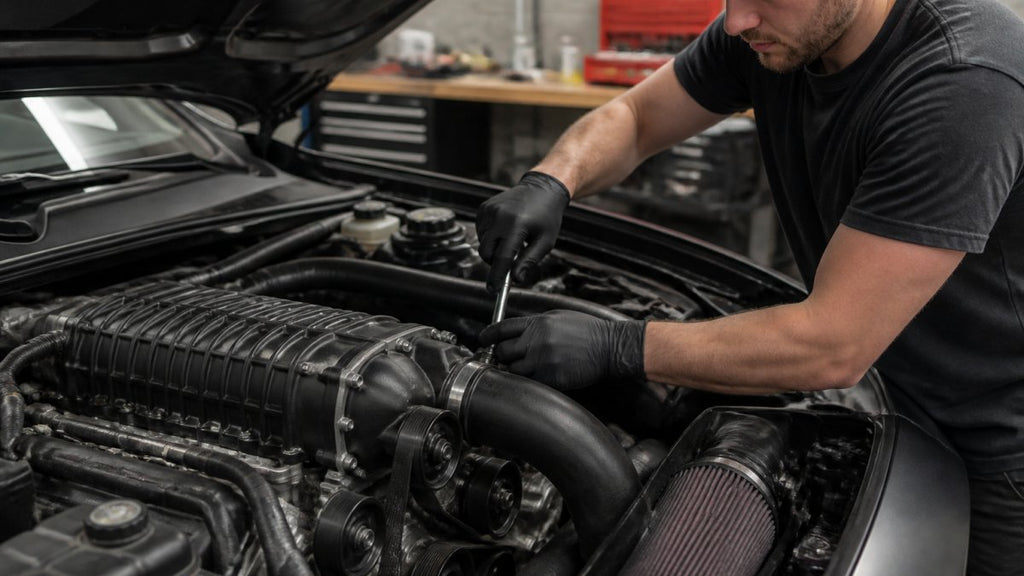
A clean installation matters too. Good routing, secure mounting, correct belt alignment, and careful attention to every connection are what separate a truck you trust on a road trip from one that becomes a weekend headache. We have seen rushed installs create problems that get blamed on the supercharger when the real issue was a missed clamp, a poor connection, or a tune that was never set up correctly.
If you tow regularly, treat the whole truck like a system. Stay current on oil changes, coolant condition, spark plugs, transmission service, brakes, and tires. Watch your payload. Make sure the trailer is balanced and your weight-distributing hitch is adjusted correctly if your setup calls for one. Extra engine power helps the Tacoma pull, but it does not increase its factory tow rating or payload limits.
What Real-World Tacoma Towing Results Look Like
The best result is a truck that feels less stressed. You pull away from fuel stops without holding up traffic. You merge without building a quarter-mile runway. On hills, you use less throttle and spend less time listening to the engine scream in a low gear.
Owners towing boats often notice the difference at the ramp and on short highway merges. Camper owners notice it in crosswinds, rolling hills, and long interstate grades. Overland owners notice it after the truck has gained 800 pounds of gear and bigger tires but still needs to tow a small trailer or haul motorcycles.
Fuel economy is the question everybody asks next. It depends. If the extra torque keeps the transmission from hunting and lets you use less throttle, towing mileage can be more consistent. If you use the new power hard, run aggressive tires, or push highway speeds with a tall trailer, fuel use will go up. There is no honest way around that.
What you are buying is not free fuel. You are buying a Tacoma that has the muscle to carry its real-world setup without feeling like it lost a fight to its own modifications.
VT Superchargers is built around that idea: bolt-on power that fits cleanly, drives right, and holds up for the way trucks are actually used. Before you choose a kit, be honest about your Tacoma, your tire size, your trailer, and the roads you run. The right setup should make the next mountain pass feel like part of the trip, not the part you dread.
Related post
09
Oct
RECENT POSTS