Can Boost Cause Engine Knock? What Owners Miss
You put 35s on your Tacoma, loaded the bed with camping gear, and now every highway grade has the transmission hunting gears like it is looking for a place to hide. Or maybe your 4Runner feels fine around town but runs out of breath trying to pass a line of traffic at 70 mph. Naturally, you start looking at boost - then the question comes up: can boost cause engine knock?
Yes, it can. But boost is not the bad guy by itself. Knock happens when the engine gets more cylinder pressure and heat than the fuel, tune, cooling system, or operating conditions can handle. We see this all the time when somebody tries to bolt on power without treating the tune and fuel system as part of the package.
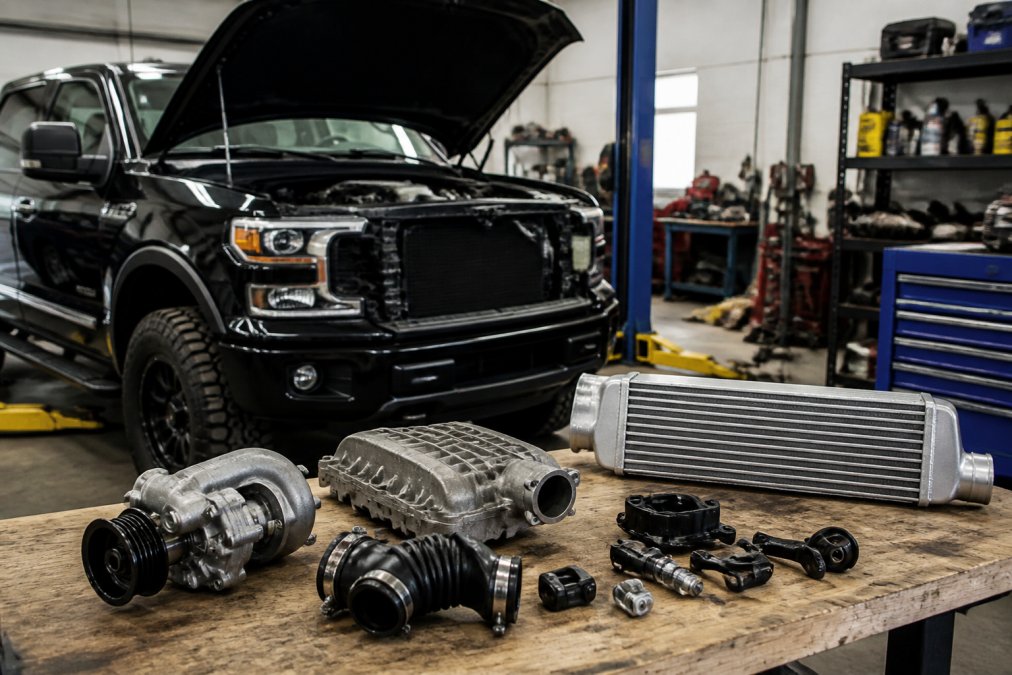
A properly matched supercharger kit with the right calibration can deliver the torque your truck or SUV has been missing without turning every uphill pull into a reliability gamble. The difference is in the details.
Can Boost Cause Engine Knock? Yes - If the Setup Is Wrong
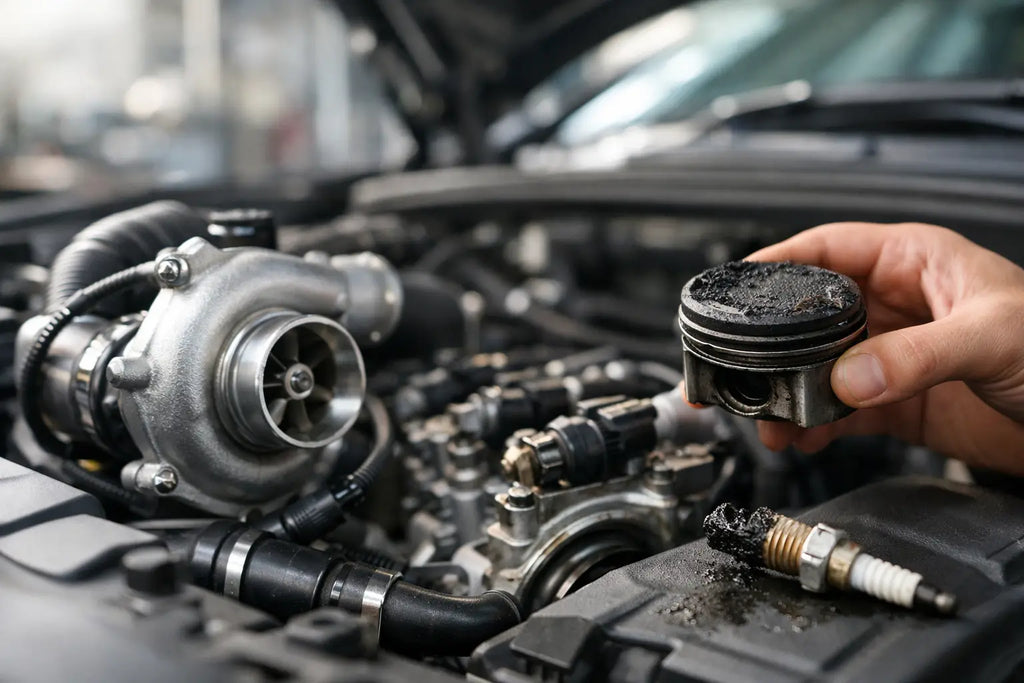
Engine knock, often called detonation or pinging, is uncontrolled combustion in the cylinder. Behind the wheel, you may never hear the classic metallic rattle. Modern ECUs are quick to pull timing when the knock sensors see a problem. What you feel instead is a truck that gets hot, feels flat when you lean into it, and suddenly loses the hard pull you expected.
That is why a random dyno number does not tell the whole story. A Tacoma climbing a long grade outside Denver with 33-inch tires and a roof tent is under a very different load than the same truck making one clean pull on a dyno. So is a Jeep Gladiator crawling through the desert in 105-degree heat, or a Nissan Frontier towing a side-by-side through rolling country.
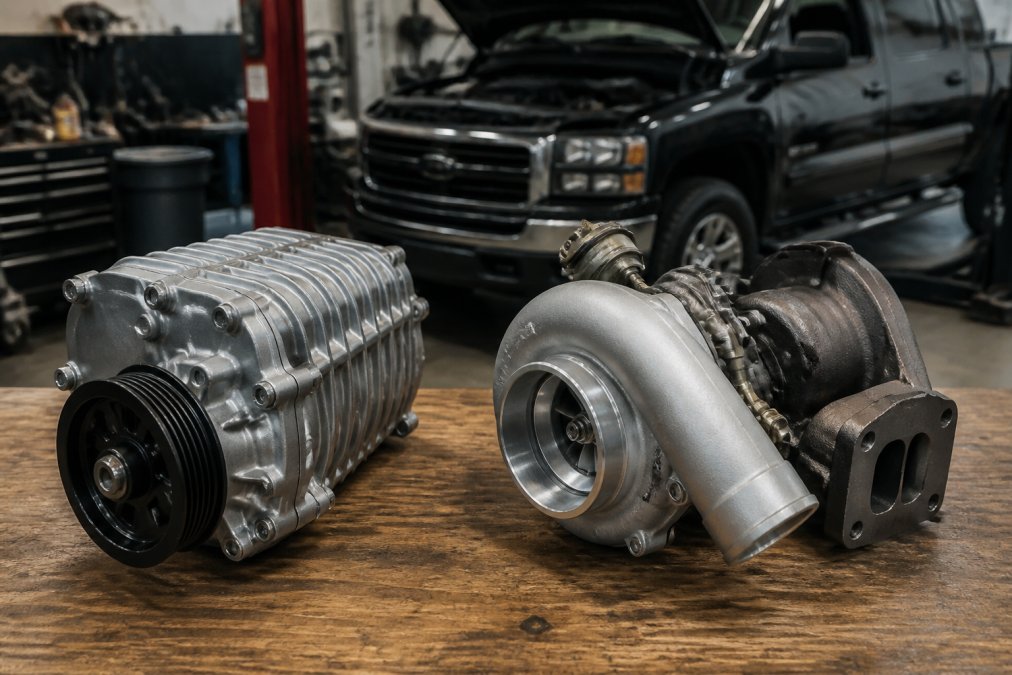
More air from a supercharger increases cylinder pressure. That is how you make torque. But more pressure also raises the demand on fuel quality, spark control, intake-air temperature, and the engine's overall health. If one part of that equation is ignored, knock becomes more likely.
After installing hundreds of kits, the pattern is clear: reliable boosted vehicles are not the ones with the wildest pulley combination. They are the ones with a clean installation, the correct tune, good fuel, and an owner who pays attention to the whole vehicle.
The Problems That Usually Trigger Knock Under Boost
The biggest complaint we hear is, “It ran great at first, then it started acting weird when I got on it.” Most of the time, the supercharger itself did not suddenly become the problem. Something around it changed or was never right in the first place.
Bad Fuel Is a Fast Way to Ruin a Good Tune
If your calibration calls for premium fuel, use premium fuel. Not “whatever was cheapest at the station on the way to the trail.” Not regular fuel with an octane booster tossed in as an afterthought.
A supercharged Dodge Charger, Toyota 4Runner, or Mazda 3 can make great street power on a conservative calibration, but the tune assumes the fuel it was designed around. Low-quality fuel, old fuel, or a station with questionable storage can all reduce knock resistance. That matters most under heavy throttle, towing, hot-weather driving, and long uphill pulls.
Most owners tell us they are fine running premium until the one time they are traveling, towing, or far from home. That is exactly when the engine is working hardest. Plan for the fuel your setup requires before you add boost.
Intake Heat Changes the Conversation
Hot intake air makes an engine more knock-prone. It is that simple. A cool morning pull with an empty truck is not the same as sitting in traffic, then rolling into a loaded trailer on a 95-degree afternoon.
Underhood heat is especially real on vehicles that spend time off-road or tow. A Toyota Tacoma with skid plates, a winch, bigger tires, and a loaded rack has more weight to move. A Gladiator with 37s can make the engine work hard even before you hook up a trailer. Add high ambient temperature and repeated throttle, and heat management stops being bench-racing talk.
This is why the right intercooling setup, proper airflow, and a sensible boost level matter. You want a vehicle that pulls consistently, not one that feels like a monster for five seconds and then gets lazy once temperatures climb.
An Aggressive Pulley Can Outrun the Rest of the Build
Everybody likes hearing about more boost. But spinning a blower harder is not a free horsepower button. Smaller pulleys can raise boost, raise intake temperature, and shrink the margin for error. That might be acceptable on a purpose-built setup with supporting fuel, cooling, and tuning work. It is not automatically the smart move for a daily-driven 4Runner or a Frontier that sees towing duty.
One of the biggest mistakes we see is treating a bolt-on supercharger kit like the starting point for a race build. If your goal is better passing power, stronger midrange torque, and less downshifting with 33s, a conservative, proven setup usually makes more sense than chasing every last number.
The best setup is the one you can floor on a summer road trip, then drive home without staring at the temperature gauge.
The Tune Is Where Reliability Lives
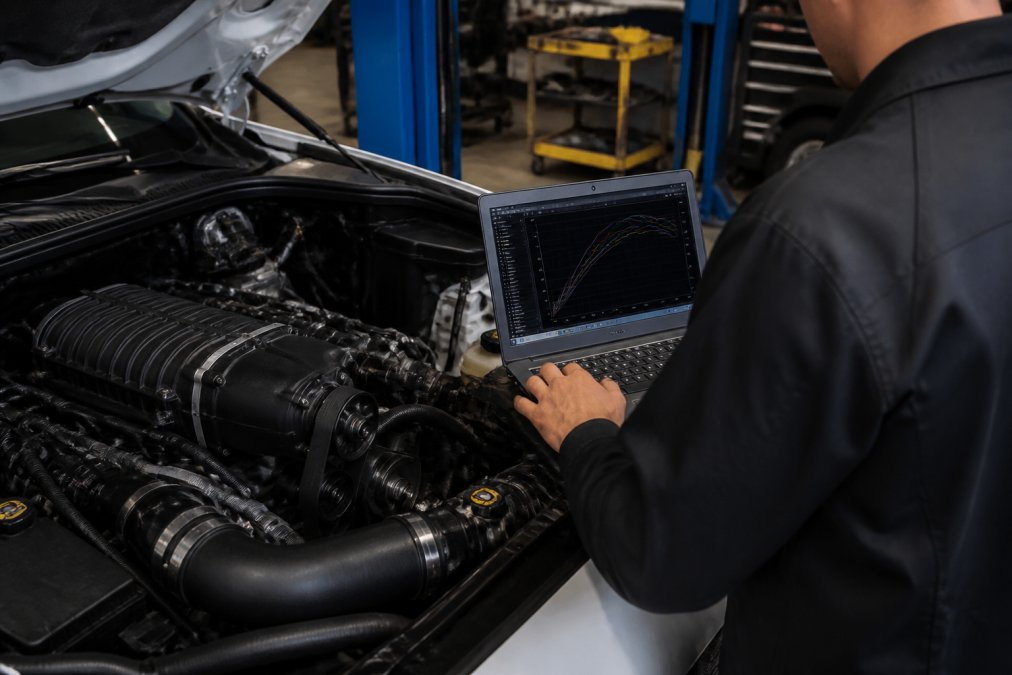
A proper calibration controls fuel delivery, ignition timing, throttle behavior, torque management, and safeguards when conditions get rough. It is not just there to make a graph look good.
Generic tuning, a mismatched handheld file, or a tune written for a different pulley and injector setup can put an engine in a bad spot fast. So can modifications that were added after tuning - headers, intake changes, different injectors, or a pulley swap - without updating the calibration.
We see this all the time with owners who buy used vehicles. The truck may have a blower installed, but nobody knows which pulley is on it, what fuel it was tuned for, or whether the previous owner loaded the right file. Before you hammer the throttle, verify what is actually on the vehicle.
Signs Your Boosted Engine May Be Fighting Knock
Do not wait for a catastrophic noise. Modern knock control can hide the obvious symptoms while the ECU is trying to protect the engine. Pay attention if the vehicle starts pulling less consistently, feels strong when cold but soft when hot, surges under load, or suddenly downshifts more than it used to.
A check-engine light, misfire, rough idle, or fuel-trim issue is not something to ignore because the truck still drives. Spark plugs, coils, injector performance, vacuum leaks, belt slip, and weak fuel delivery can all show up more clearly once boost is added.
On a boosted Tacoma or 4Runner, I also want to know what the owner was doing when the issue happened. Were you towing? Running 87 octane? Climbing a mountain pass? Was it a hot restart after sitting in traffic? Those details point you toward the real problem much faster than saying, “It feels off.”
How to Keep a Supercharged Daily Driver Happy
Start with the correct kit for the exact engine, model year, and intended use. That sounds basic, but vehicle-specific fitment matters. The needs of a naturally aspirated Tacoma used for overlanding are different from a Charger used for hard street driving, and both are different from a Frontier that spends weekends towing.
Use the fuel the calibration requires every time. Keep up with plugs and install the specified heat range and gap. Make sure the cooling system is healthy before adding power, not after it starts running hot. If the kit calls for a particular belt, injector, sensor, or intercooler arrangement, do not substitute parts because they are sitting on a shelf.
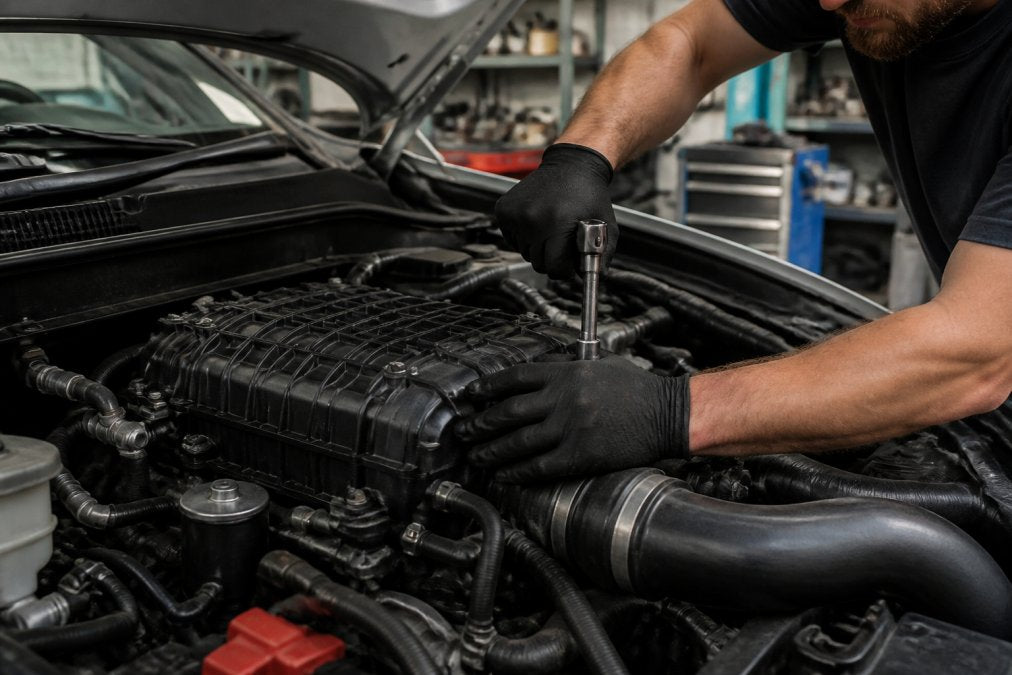
Installation quality matters just as much. A pinched hose, loose clamp, incorrect sensor connection, or small vacuum leak can create a big drivability issue. This is why clean routing, correct torque specs, and a real post-install check are worth the time. Bolt it on right, verify the tune, then enjoy it.
If you buy a vehicle-specific kit from a company like VT Superchargers, follow the approved installation and tuning process instead of mixing parts from three different setups. OEM-like drivability comes from matching components that were intended to work together.
Do Not Tune Around a Mechanical Problem
If the engine already has low compression, oil consumption, cooling trouble, a weak fuel pump, or a mystery misfire, boost will not fix it. It will expose it.
The same goes for a transmission that is already slipping or a transfer case that is unhappy with oversized tires and hard use. More torque is awesome when the vehicle is ready for it. When it is not, you are just asking a worn-out part to fail sooner.
Get a baseline before the install. Check maintenance history, scan for stored codes, inspect plugs, verify cooling performance, and make sure the fuel system is doing its job. That is not glamorous shop talk, but it is how you end up with a truck that still drives like a truck every day.
Boost should make your vehicle feel like it finally has the engine it deserved from the factory. Build it around good fuel, a proven tune, sensible heat control, and the way you actually drive - whether that means hauling a trailer, turning 35s, or getting past slow traffic without dropping three gears.
Related post

RECENT POSTS