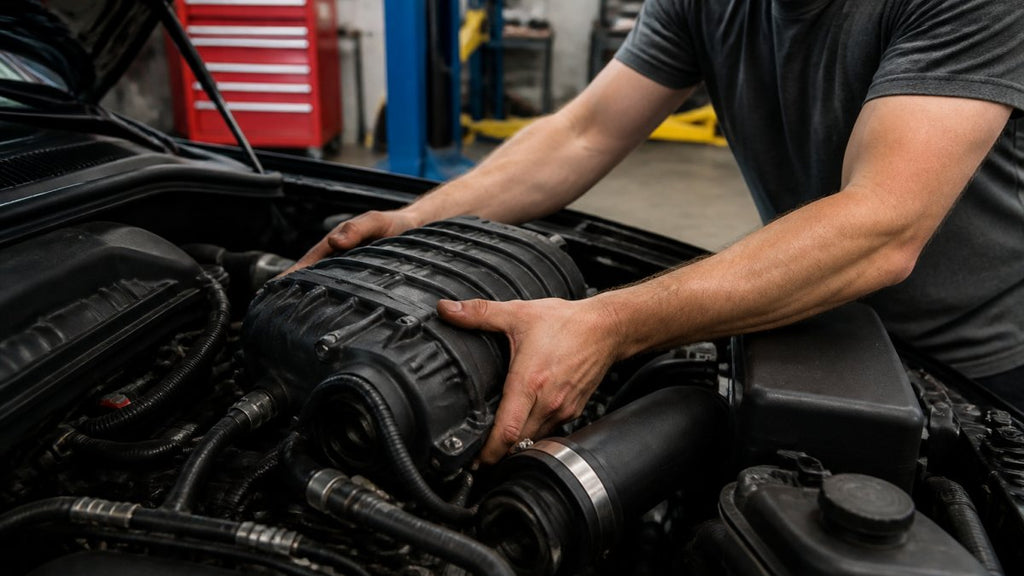
Supercharger Impact on Truck Engine Longevity
Table of Contents
- How Forced Induction Affects Engine Longevity
- Supercharger Maintenance Schedule for Long-Term Reliability
- Engine Cooling Upgrades for Supercharged Trucks
- Signs of Engine Wear From Forced Induction
- Boost Pressure, Air-Fuel Ratios, and Detonation Risk
- Transmission and Drivetrain Stress Under Boost
- Real-World Durability: What Owners Report
- Frequently Asked Questions
Last Updated: September 30, 2026
How Forced Induction Affects Engine Longevity
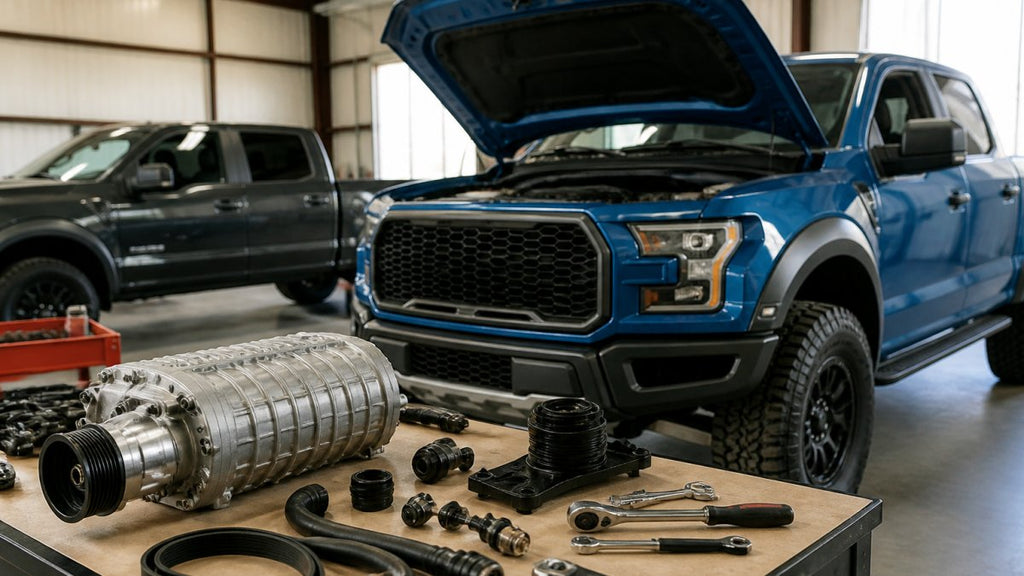
Adding a supercharger fundamentally changes how your engine operates, with direct implications for supercharger engine longevity. Instead of drawing ambient air at atmospheric pressure, forced induction compresses additional air into the combustion chamber, increasing volumetric efficiency and generating significantly more power. But that extra air means higher combustion temperatures, increased crankshaft stress, and greater demands on every internal component.
The core question isn't whether forced induction reduces engine life, it's whether you're willing to manage the trade-offs. Many enthusiasts assume that adding boost automatically dooms an engine to premature failure. The reality is more nuanced. Properly tuned and maintained supercharged engines can deliver reliable performance for years, but they demand a fundamentally different maintenance approach than stock powerplants.
At VT Superchargers, we understand that forced induction requires constant attention to cooling, lubrication, and fuel management. Owners who maintain their vehicles aggressively see their engines hold up remarkably well.

The engine's ability to handle forced induction depends on three factors: the quality of the supercharger installation, the precision of the engine tuning, and the owner's commitment to preventative maintenance. Skip any one of these, and you're gambling with your investment.
Supercharger Maintenance Schedule for Long-Term Reliability
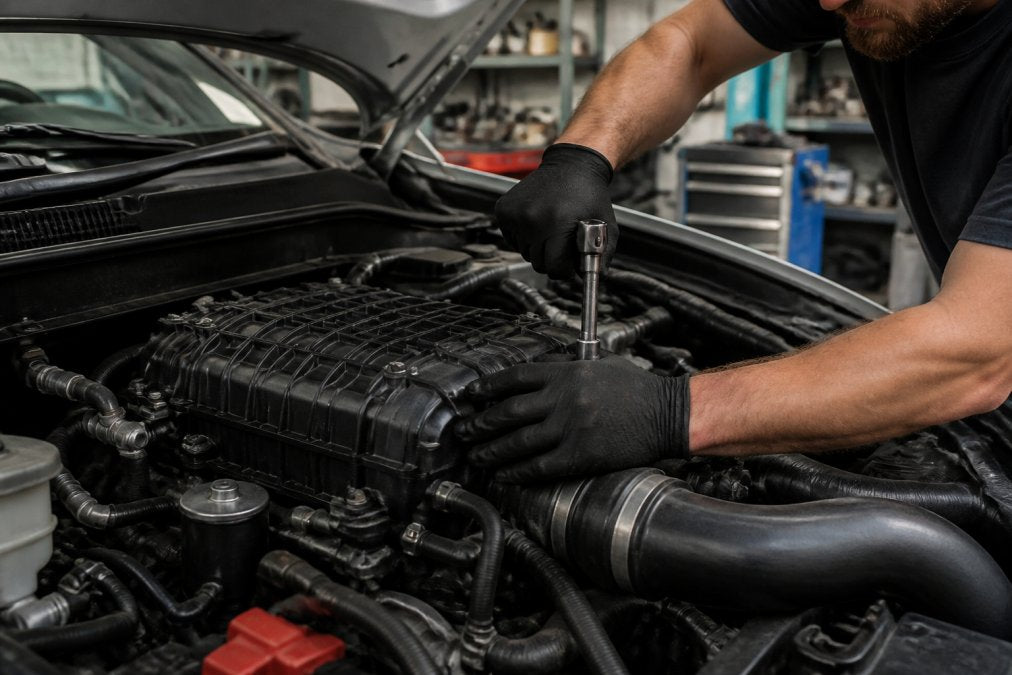
A supercharged engine isn't just a stock engine with more power. It's a system that requires deliberate, scheduled attention to remain healthy. The maintenance burden is real, but it's manageable if you understand what needs to happen and when.
Oil changes become critical. Forced induction generates heat that degrades synthetic oil faster than stock conditions. Many supercharged truck owners find that running 5,000-mile oil change intervals, instead of the factory 10,000-mile recommendation, keeps their oil viscosity and additive package in the optimal range. The supercharger itself has an internal oil supply that lubricates the rotor assembly; if your engine oil is degraded, so is the supercharger's protection.
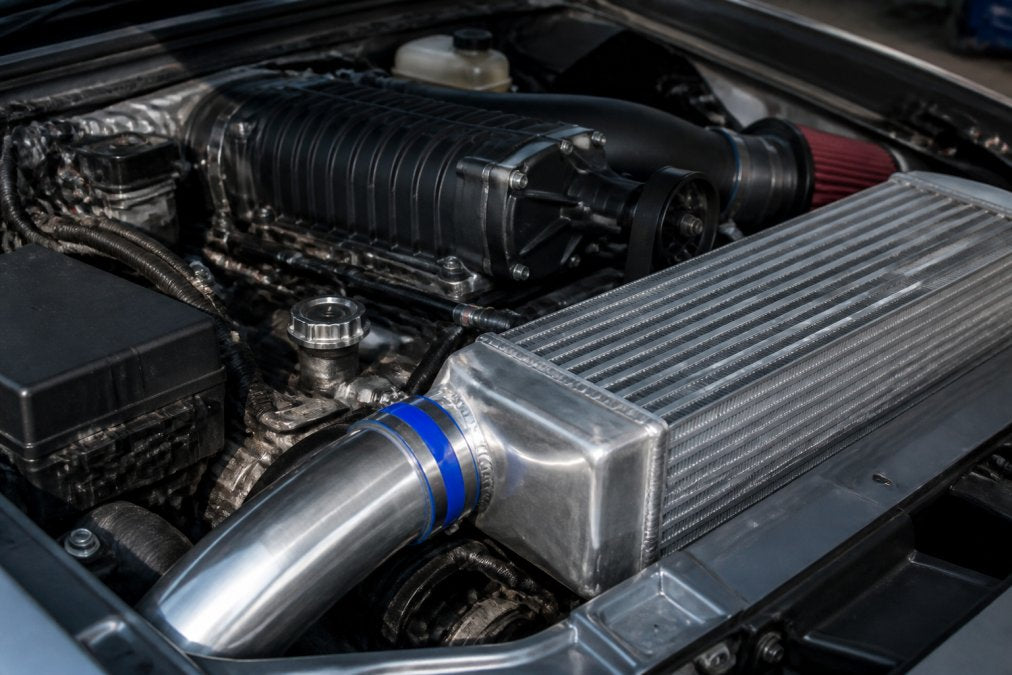
Intercooler maintenance is equally important. Whether your kit uses an air-to-water or air-to-air intercooler, the cooling fins collect debris over time. A clogged intercooler loses efficiency, allowing intake air temperatures to climb and creating conditions for detonation. Inspect and clean your intercooler every 10,000 miles if you're driving in dusty conditions, or every 20,000 miles in cleaner environments.
Fuel system upgrades are non-negotiable. Stock fuel injectors and pumps weren't designed for the higher fuel demands of a boosted engine. Most quality supercharger kits, including VT Superchargers kits for platforms like the Toyota Tundra 5.7L and Nissan Titan 5.6L, include upgraded injectors rated for the increased flow. Verify that your fuel system can supply the volume and pressure your tune demands. Fuel starvation under boost will cause detonation and catastrophic engine damage.

Air filter replacement intervals should shorten. The supercharger is pulling significantly more air through your intake system. A clogged air filter reduces the efficiency of that airflow and forces your engine to work harder. Check your filter every 5,000 miles and replace as needed, don't wait for the factory interval.
Engine Cooling Upgrades for Supercharged Trucks
Heat is the enemy of a supercharged engine. Compressed air generates temperature rise, and combustion temperatures climb accordingly. Without aggressive cooling management, your engine will detonate, and detonation will destroy internal components in seconds.
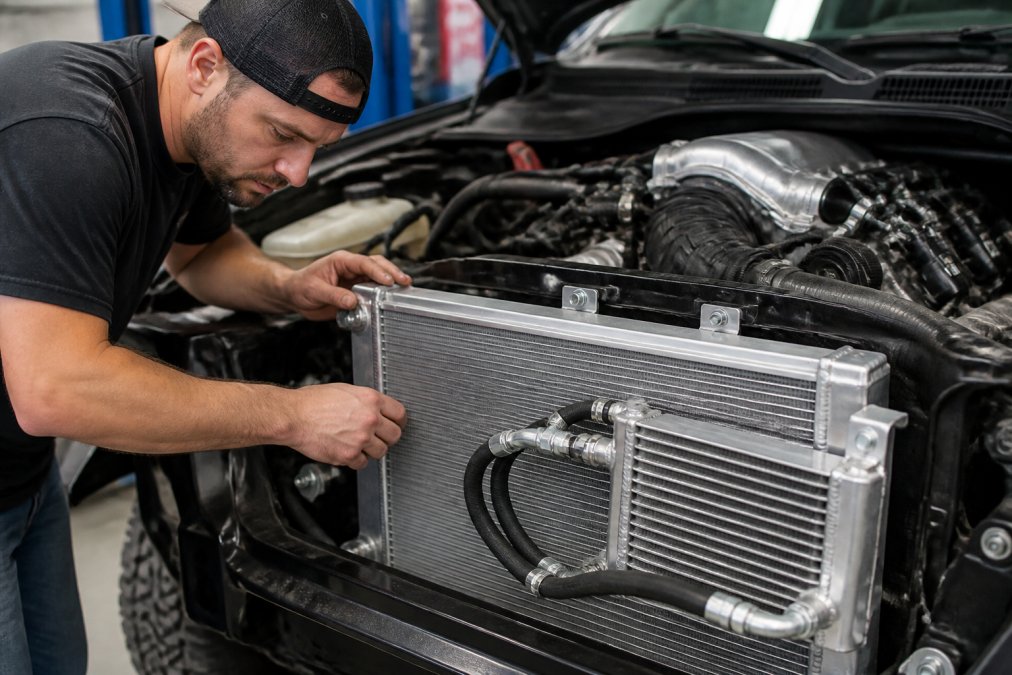
Most quality supercharger kits include an integrated cooling solution. VT Superchargers kits, for example, feature mid-mounted water coolers with dedicated water-cooled radiators designed to handle the thermal load of forced induction. These aren't afterthoughts, they're engineered as core components of the system. The water cooler cools the compressed air before it enters the engine, reducing intake air temperature and preventing heat soak.
Your factory cooling system alone won't handle the additional thermal stress. Consider upgrading to a larger radiator, a high-flow water pump, and a quality thermostat rated for higher temperatures. Some owners add a dedicated auxiliary fan or upgrade to a dual-fan setup to ensure consistent cooling under demanding conditions.
Exhaust gas temperature (EGT) monitoring becomes essential. Many supercharged truck builds benefit from an EGT gauge that displays real-time exhaust temperatures. Safe EGT targets typically stay below 1,400 degrees Fahrenheit under full boost. Sustained higher temperatures indicate that your tune is too aggressive, your cooling is inadequate, or your fuel octane is too low. Any of these conditions will accelerate engine wear.
Pay attention to coolant condition. Use a quality coolant rated for your engine and check it regularly. Contaminated or degraded coolant loses its ability to transfer heat efficiently, which directly impacts your supercharger's cooling performance.
Signs of Engine Wear From Forced Induction
Recognizing early warning signs of engine stress can prevent catastrophic failure. A properly maintained supercharged engine should feel responsive and reliable. Anomalies deserve immediate attention.
Detonation, that sharp pinging sound under acceleration, is the loudest warning bell. Knock sensors should detect and prevent detonation through engine tuning adjustments, but if you're hearing it, something is wrong. Common causes include low-octane fuel, excessive boost pressure, a lean air-fuel ratio, or inadequate cooling. Address detonation immediately; continued operation under knock conditions will damage pistons and rings within hours.
Rough idle or hesitation during light acceleration can indicate that your tune isn't optimized for part-throttle conditions. A well-tuned supercharged engine should idle smoothly and deliver power linearly. Stumbling or surging suggests that your air-fuel ratio is off, your fuel injectors are struggling to keep up, or your ignition timing isn't properly calibrated.
Toyota Tundra 5.7L 3UR-FE Supercharger →
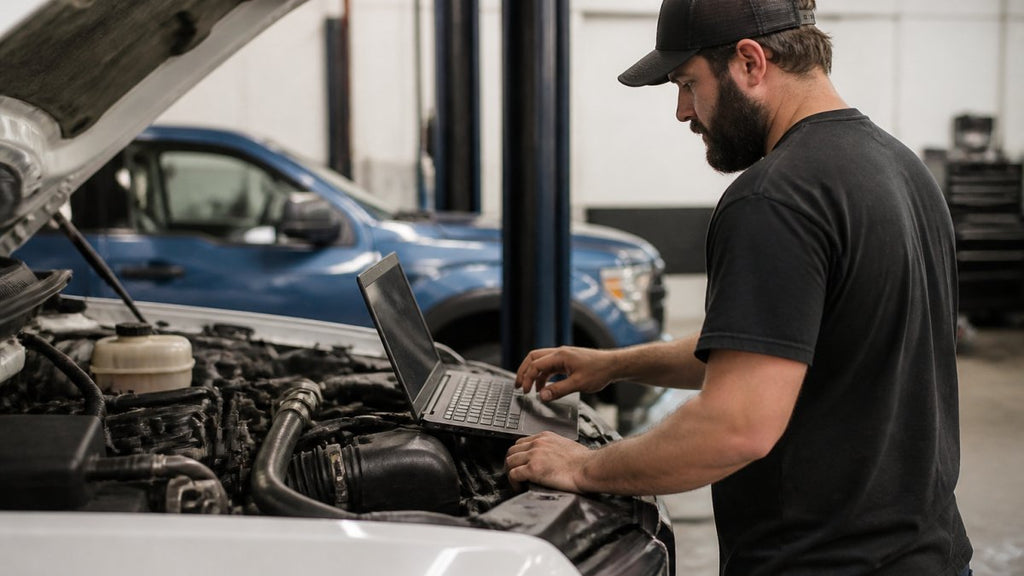
Loss of power under boost is a red flag. If your supercharger felt strong initially but now seems to deliver less punch, your intercooler may be clogged, your boost pressure may be dropping due to a failing wastegate or belt slippage, or your tune may have reverted to a safer map. Have your system scanned for fault codes immediately.
Unusual noises from the engine bay, grinding, whining, or clunking, suggest mechanical trouble. Supercharger bearing wear produces a high-pitched whine that increases with RPM. Engine knock produces a metallic pinging. Either sound means stop driving and diagnose the issue before you cause additional damage. Neglecting these auditory warnings often leads to catastrophic failure, particularly in heavy-duty applications that demand consistent specialized diesel engine care.
White or blue smoke from the exhaust indicates oil burning, which can result from worn piston rings, valve seal degradation, or oil starvation in the supercharger itself. This is a serious symptom that requires professional diagnosis.
Boost Pressure, Air-Fuel Ratios, and Detonation Risk
The relationship between boost pressure, air-fuel ratio, and detonation risk defines the safe operating envelope for your supercharged engine. Understanding these dynamics helps you avoid the most common failure modes.
Boost pressure is the amount of positive pressure the supercharger creates above atmospheric. A typical supercharger system runs between 5 and 10 pounds per square inch (PSI) of boost, depending on the pulley size and engine displacement. Higher boost creates more power but also more heat and cylinder pressure. There's no universal "safe" boost level, it depends entirely on your engine's compression ratio, fuel octane, cooling capacity, and tune quality.
Air-fuel ratio is the weight ratio of air to fuel in the combustion chamber. Stock engines typically run around 14.7:1 at cruise (lean) and richen to around 12:1 under full load. Supercharged engines often run 11:1 to 12.5:1 under boost to manage heat and prevent detonation. Too lean, and combustion temperatures spike, causing detonation and engine damage. Too rich, and you waste fuel and foul spark plugs. The ideal ratio depends on your specific engine, fuel octane, and boost level.
Detonation occurs when the air-fuel mixture ignites uncontrollably, creating a shock wave instead of a controlled burn. This shock wave hammers the piston and ring lands with tremendous force, causing damage that accumulates quickly. A single detonation event might go unnoticed; sustained detonation over minutes or hours will crack pistons and destroy rings.
Your engine's knock sensor detects detonation and signals the engine control unit to retard ignition timing, which reduces combustion pressure and heat. This protective mechanism works well up to a point, but it also reduces power output. A properly tuned supercharged engine should rarely trigger knock sensor intervention. If your tune is constantly backing off ignition timing to prevent knock, your setup is too aggressive for your fuel, cooling, or engine hardware.
Fuel octane rating directly impacts detonation risk. Premium gasoline (91-93 octane) is the minimum for most supercharged truck builds. Some high-boost applications require 100+ octane race fuel. Never compromise on fuel quality; the cost difference is trivial compared to engine repair bills.
Transmission and Drivetrain Stress Under Boost
Adding 40-60% more horsepower and torque to your truck creates stress far beyond the engine itself. Your transmission, transfer case, differentials, and axle shafts all experience dramatically increased loads.
Stock transmissions in trucks like the Ford F-150 or Toyota Tundra are engineered for the engine's factory power output.
Real-World Durability: What Owners Report
The most reliable data on supercharger longevity comes from owners who've lived with boosted engines for years. Common threads emerge from their experience.
Frequently Asked Questions
Does a supercharger reduce engine life?
A supercharger doesn't inherently shorten engine life if properly maintained. Forced induction increases stress on internal components like piston rings, crankshaft, and lubrication systems, but quality kits with proper tuning, adequate cooling, and regular maintenance can maintain durability comparable to stock engines. The key is managing boost pressure, monitoring air-fuel ratios, and staying on top of oil changes and thermal management.
What maintenance schedule should I follow after installing a supercharger?
Supercharged engines need more frequent maintenance than stock engines. Change oil every 3,000-5,000 miles instead of the factory interval, inspect belts and pulleys every 10,000 miles, check intercooler efficiency quarterly, and monitor knock sensor activity with a tuner. Have your ECU tune validated annually to ensure air-fuel ratios remain safe. Replace air filters more often due to increased volumetric efficiency demands.
Can I drive a supercharged truck every day?
Yes, supercharged trucks are designed for daily driving when properly tuned and maintained. Many owners use them as daily drivers without issues. The difference is that casual driving at low boost levels generates minimal additional wear, while aggressive driving or constant high boost puts stress on the engine. Daily driving at moderate throttle positions is actually less demanding than frequent track use or towing heavy loads.
What engine components fail first under forced induction?
Common failure points include piston ring wear from increased combustion pressure, rubber intake gaskets and hoses degrading from heat soak, intercooler efficiency loss from carbon buildup, and oil degradation from higher thermal stress. Seals around the supercharger pulley and wastegate can also leak. Detonation from poor tuning or low-octane fuel causes the most catastrophic damage. Preventative maintenance and quality tuning minimize these risks significantly.
Related post


RECENT POSTS